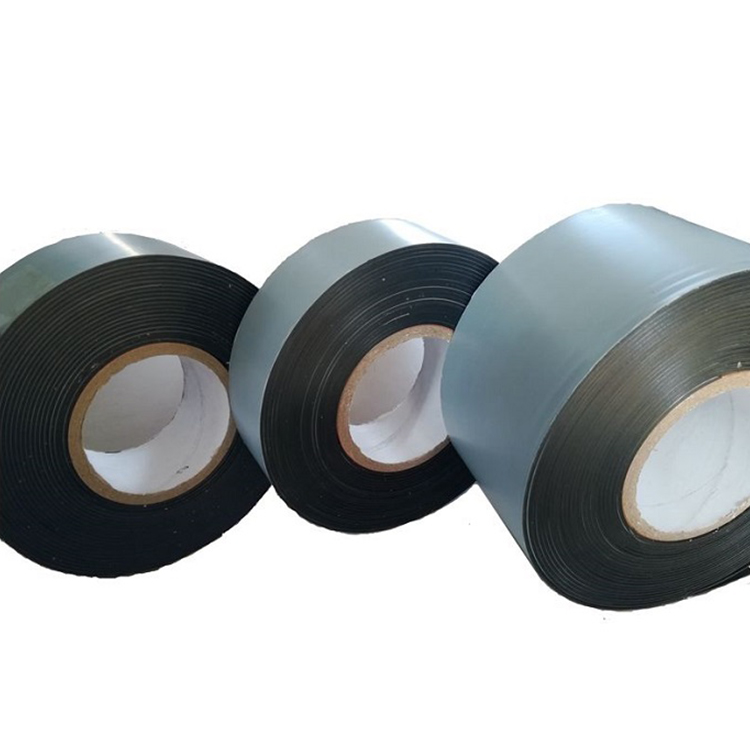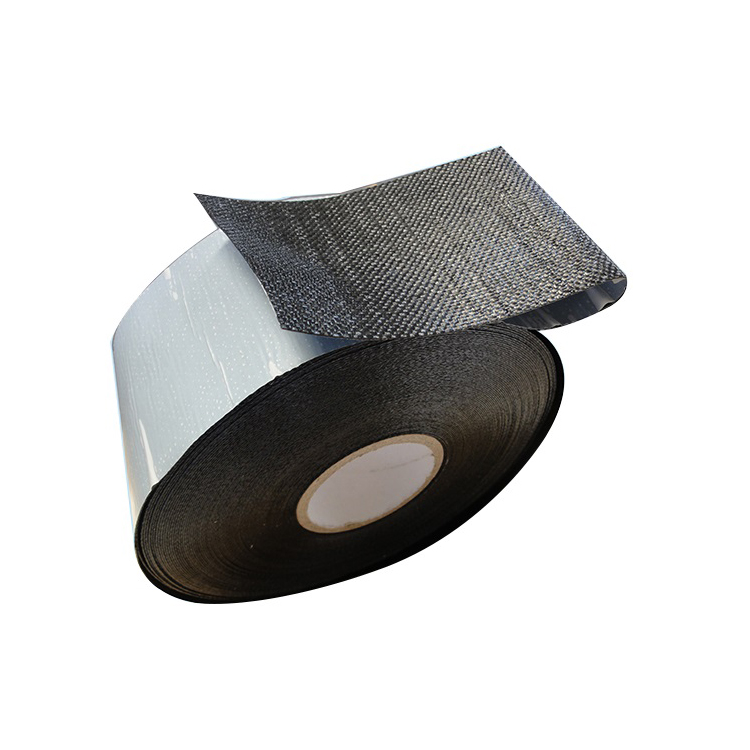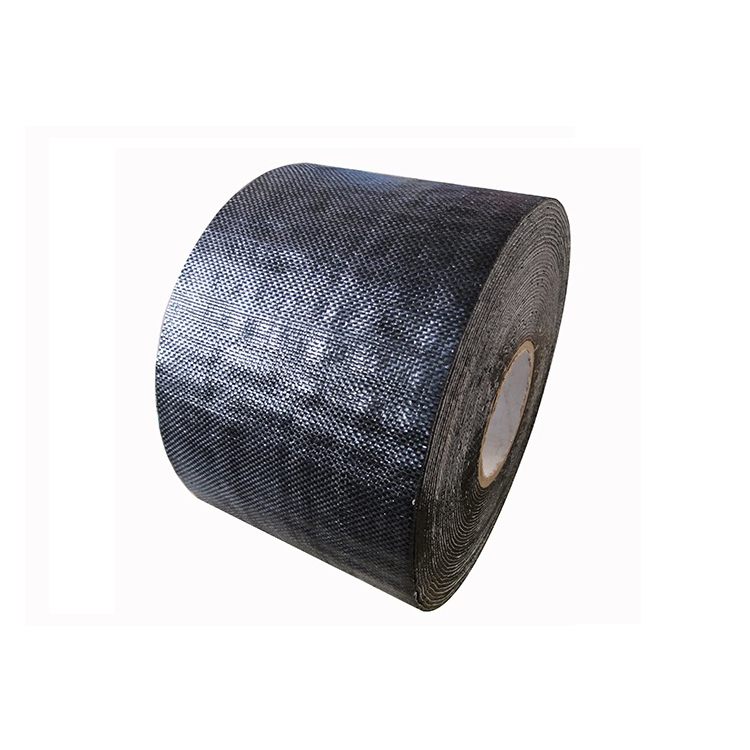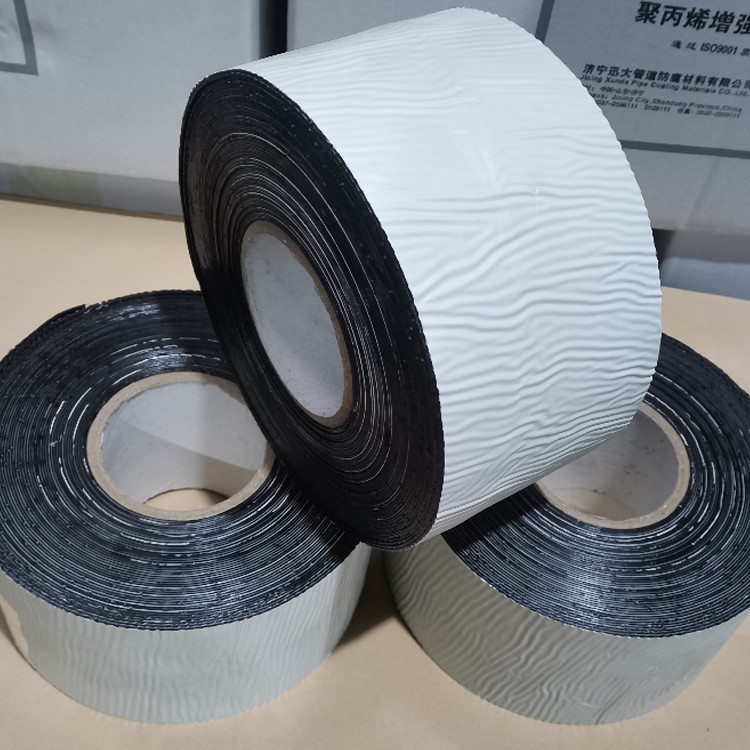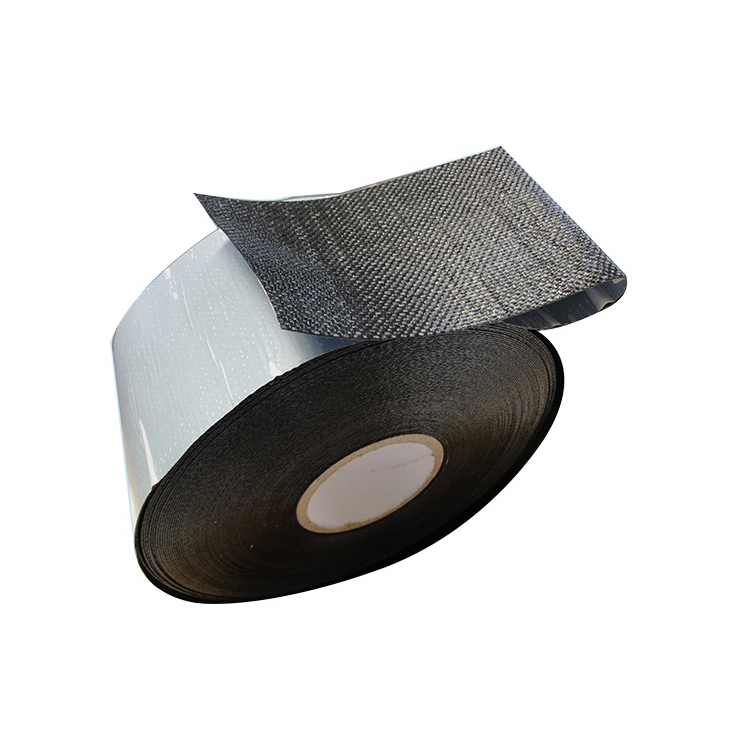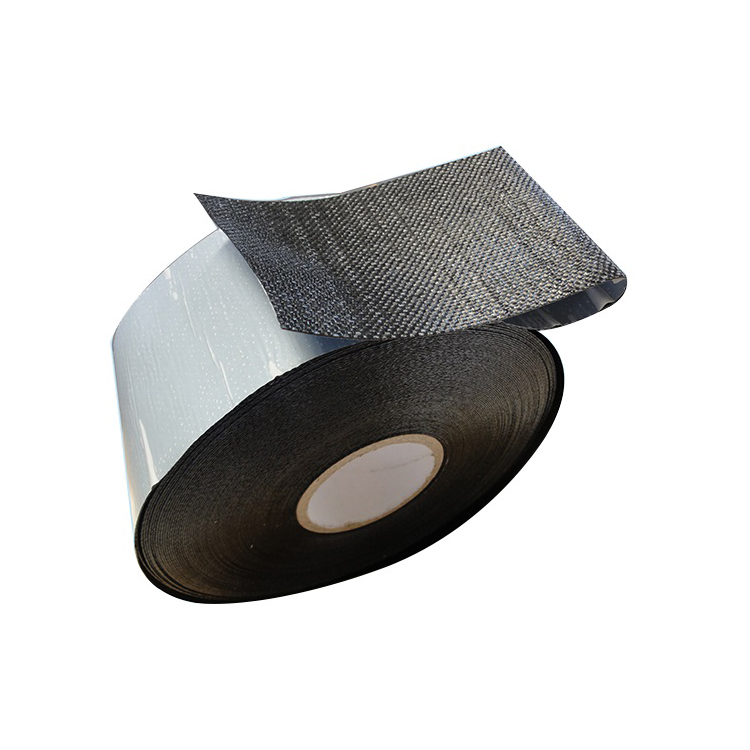

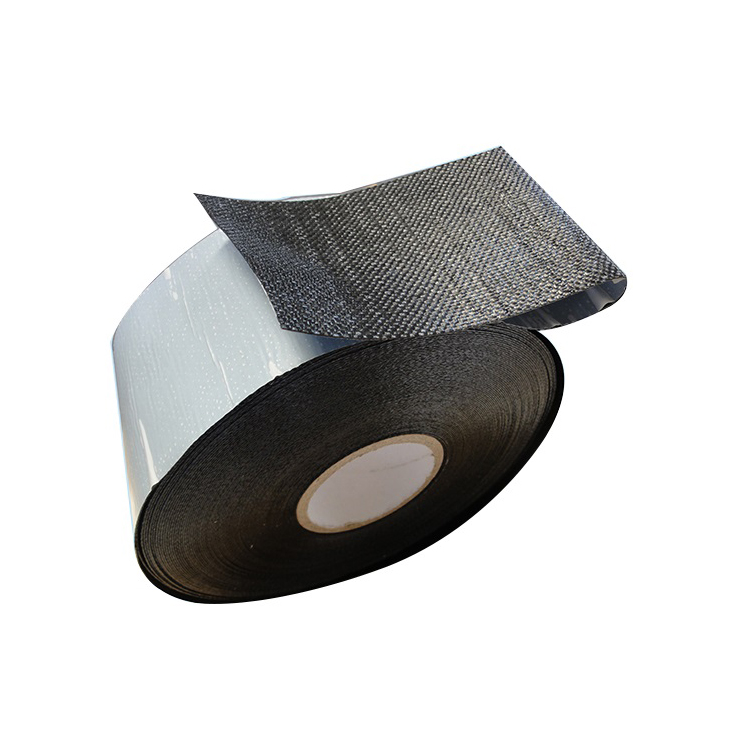
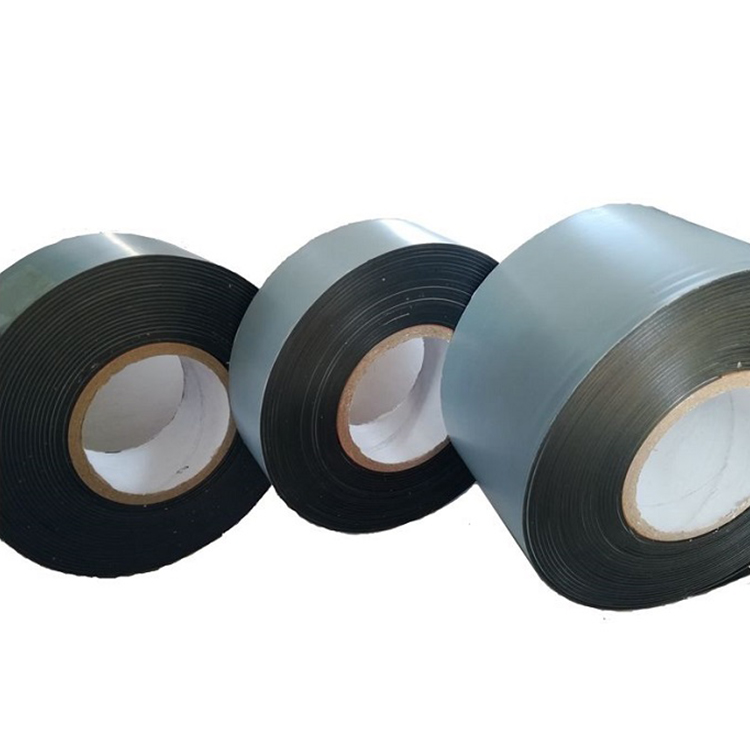
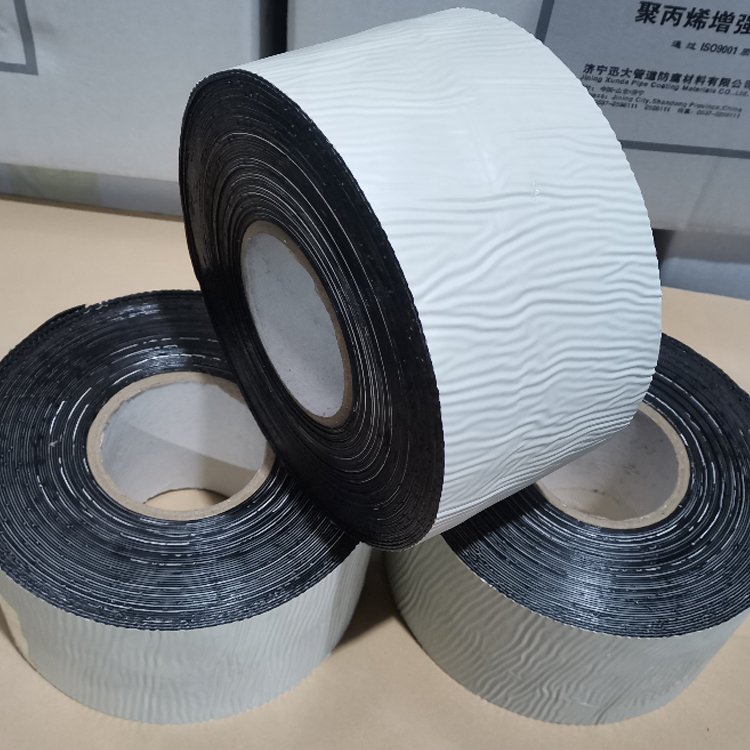







Polypropylene cold wrapped tape is a new type of environmentally friendly anti-corrosion product that is pollution-free and harmless, representing the high level of international and domestic cold wrapped anti-corrosion tape todayKnown as the "crown of anti-corrosion". It can be widely used in the external anti-corrosion and repair engineering of water supply and drainage, oil and gas, gas transmission steel pipelines, and steel underground storage tanks in petroleum, natural gas, chemical, and urban construction. It is a recommended product by the Ministry of Construction and the State Environmental Protection Administration to replace "asphalt glass fiber cloth" and "epoxy coal tar". The product has the characteristics of easy construction, impact resistance, aging resistance, tensile resistance, UV radiation resistance, and high bonding strength. The base material of this product is a unique modified polypropylene woven fiber cloth, and butyl rubber modified asphalt is used as the anti-corrosion adhesive layer. The base material is a fiber structure that can effectively resist creep damage caused by soil stress. Aging tests have shown that its corrosion resistance life is over 50 years, and various testing indicators are significantly higher than the requirements of SY/T0414-98 standard. It is the choice of pipeline cold anti-corrosion construction tape and also an economical choice for anti-corrosion.
Inspection standard for anti-corrosion coating of polypropylene cold wrapped tape
As the key to measuring the anti-corrosion quality of polypropylene cold wrapped tape, the quality of the anti-corrosion layer is crucial. After the tape production is completed, the manufacturer needs to conduct a quality inspection of its anti-corrosion layer to ensure that it meets the usage standards.
1. When inspecting the anti-corrosion layer of polypropylene cold wrapping tape, it is necessary to check the thickness of the anti-corrosion layer and whether it meets the standard requirements. A random measurement can be taken to see if it is qualified. If it is not qualified, double spot checks are required.
2. Check the anti-corrosion layer of polypropylene cold wrapping tape and also check the peel strength, but the test should be conducted 4 hours after wrapping the tape. If it meets the requirements everywhere, it is considered qualified.\
Polypropylene anti-corrosion tape represents the high level of international and domestic cold wrapping anti-corrosion tape today. It is a new type of environmentally friendly anti-corrosion product that is pollution-free and harmlessKnown as the "crown of anti-corrosion". It can be widely used in the external anti-corrosion and repair engineering of water supply and drainage, oil and gas, gas transmission steel pipelines, and steel underground storage tanks in petroleum, natural gas, chemical, and urban construction. It is a recommended product by the Ministry of Construction and the State Environmental Protection Administration to replace "asphalt glass fiber cloth" and "epoxy coal tar". It has the characteristics of easy construction, impact resistance, aging resistance, tensile resistance, UV radiation resistance, and high bonding strength.
Winding method:
1、 When using polypropylene tape, the first step is to unwind, but the unwinding temperature must be ensured. If the ambient temperature is relatively low, it is recommended to use a spray lamp heating method to bake the tape.
2、 When starting to wrap polypropylene adhesive tape, there are two winding methods: mechanical winding and manual winding. The edge seams should be parallel during winding, and there should be no twisting or wrinkling.
3、 After wrapping the polypropylene adhesive tape, it is necessary to conduct an inspection. If there are welding seams, they can be used firstApply approximately 30mm of tape and compact it with a smooth tool.
Details of polypropylene anti-corrosion adhesive tape
The substrate of polypropylene anti-corrosion adhesive tape is a unique modified polypropylene woven fiber cloth, and butyl rubber modified asphalt is used as the anti-corrosion adhesive layer. Its substrate is a fiber structure that can effectively resist creep damage caused by soil stress. Aging tests have shown that its corrosion resistance life is up toFor over 50 years, all testing indicators have significantly exceeded the requirements of SY/T0414-98 standard, fully meeting the standards of ANSI/AWWAC209-00 and NACEMR0274-95 in the United States. It is the choice for pipeline cold anti-corrosion construction tape and also the economical choice for anti-corrosion.
What are the conditions required for repairing the joint of polypropylene anti-corrosion adhesive tape
Polyethylene adhesive tape is divided into inner tape and outer tape, and there are also various specifications. It will not cause environmental pollution during construction. When polypropylene anti-corrosion adhesive tape is used for joint repair, what conditions should the anti-corrosion layer meet?
1. When transporting, installing, or backfilling pipelines, the anti-corrosion layer is easily subjected to impact, so the impact resistance test of the anti-corrosion layer needs to be conducted.
2. When using polypropylene anti-corrosion adhesive tape for joint repair, the lower the water absorption of the anti-corrosion layer, the better. Generally, the water absorption index is used to measure the water absorption of the anti-corrosion layer. The anti-corrosion layer can be soaked in water to test its water absorption capacity.
3. The joint coating of the anti-corrosion layer is different from the anti-corrosion layer of the pipe body, but due to changes in the environment and operating temperature, the movement of the pipeline can cause some parts to bend, and the stretching effect can also damage the anti-corrosion layer.
polypropyleneDetails of reinforced fiber anti-corrosion tape
Reinforced fiber anti-corrosion tape, also known as polypropylene reinforced fiber pipeline anti-corrosion cold wrapping tape, can be widely used in the external anti-corrosion and repair engineering of water supply and drainage, oil and gas transportation steel pipelines, and steel underground storage tanks in petroleum, natural gas, chemical, and urban construction. It is made of unique polypropylene reinforced fibers as the backing material, coated with a certain thickness of high viscosity butyl rubber modified asphalt anti-corrosion rubber, and then covered with a layer of anti sticking isolation film to form.
Several winding construction methods of reinforced fiber anti-corrosion tape
1. Hand wrapped. This construction method requires the pipeline to be erected first, followed by manual rust removal. After rust removal, the primer should be manually applied, and once the primer surface is dry, the tape should be wrapped by hand.
2. Manual tools. This winding method involves first raising the pipeline overhead, applying primer after rust removal, manually winding and clamping it onto the pipeline, adjusting the rubber wheel to the appropriate angle, placing the tape on a roller, and manually pulling it for construction.
3. Power equipment. During construction, the rubber wheel needs to be driven by an electric motor through a reduction device, and then the electric motor of the transmission device needs to be started. The reinforced fiber anti-corrosion tape needs to be placed on the unwinding reel and wrapped as required.
The winding construction methods of reinforced fiber anti-corrosion tape are mainly divided into the above three types, each with its own winding advantages and characteristics. Therefore, when choosing, users should first clarify their own usage needs, and then choose the method to better achieve the anti-corrosion effect.
Instructions for using polypropylene reinforced fiber anti-corrosion tape:
(1) Surface treatment of steel pipes: rust removal, removal of welding slag and dirt, and maintenance of cleanliness and dryness. Manual rust removal should reach St3 level, and mechanical rust removal should reach Sa2 level.
(2) Primer application: A matching primer should be used, kept away from sources of fire, stirred evenly, and evenly applied using a clean brush, roller, or other mechanical method.
(3) Wait for the primer surface to dry (usually 5-10 minutes later) before wrapping the tape.
(4) Backfilling in the ditch: After passing the quality inspection and acceptance, the ditch can be backfilled.
Reasons for the formation of leakage points in polypropylene reinforced fiber anti-corrosion tape
Polypropylene reinforced fiber anti-corrosion tape is an industrial tape used for anti-corrosion purposes, mainly applied in industries such as petroleum and natural gas transmission. However, tape leakage often occurs due to improper construction and other reasons. In order to prevent and eliminate this phenomenon, the corresponding causes will be introduced.
1. If the operation is not careful during the backfilling process, it will cause the tape to be smashed, scratched, and other damages to the anti-corrosion layer, resulting in leakage points.
2. At the welding points of the polypropylene reinforced fiber anti-corrosion tape, the anti-corrosion adhesive may detach and leak.
3. After construction, the polyethylene adhesive tape was placed on the stone. If not careful during the backfilling process, the anti-corrosion layer may be broken and leak points may occur.
Everyone should pay more attention during construction. The leakage of polypropylene reinforced fiber anti-corrosion tape is mostly caused by careless operation during construction. So proper construction and post maintenance are indispensable.
The substrate is a unique modified polypropylene woven fibertapeUsing butyl rubber modified asphalt as the anti-corrosion adhesive layer, the substrate is a fiber structure that can effectively resist creep damage caused by soil stress. Aging tests have shown that its corrosion resistance life is up toFor over 50 years, it can be widely used in water supply and drainage in petroleum, natural gas, chemical, and urban construction, as well as external anti-corrosion and repair projects for oil and gas transmission steel pipelines and steel underground storage tanks. It is a recommended product by the Ministry of Construction and the State Environmental Protection Administration to replace "asphalt glass fiber cloth" and "epoxy coal tar". It has the characteristics of easy construction, impact resistance, aging resistance, tensile resistance, UV radiation resistance, and high bonding strength. It is a suitable choice for pipeline cold anti-corrosion construction tape and also an economical choice for anti-corrosion.
How to control foaming of polypropylene tape
The other side of polyethylene adhesive tape has adhesive, and the substrate is polyethylene, so the adhesion is relatively good. During construction, the construction quality can be guaranteed. How to control the foaming phenomenon of polypropylene tape?
1. When carrying out construction, the primer selected for different tapes is also different, and the combination of anti-corrosion layer and primer is very important. Only when the combination is appropriate can it be simpler during construction.
2. During the construction of wrapping polypropylene tape, adverse weather conditions such as high temperature and humidity should be avoided, and the relative humidity should not exceed 85%. In case of rainy weather during construction, anti-corrosion measures should be carried out after it has dried.