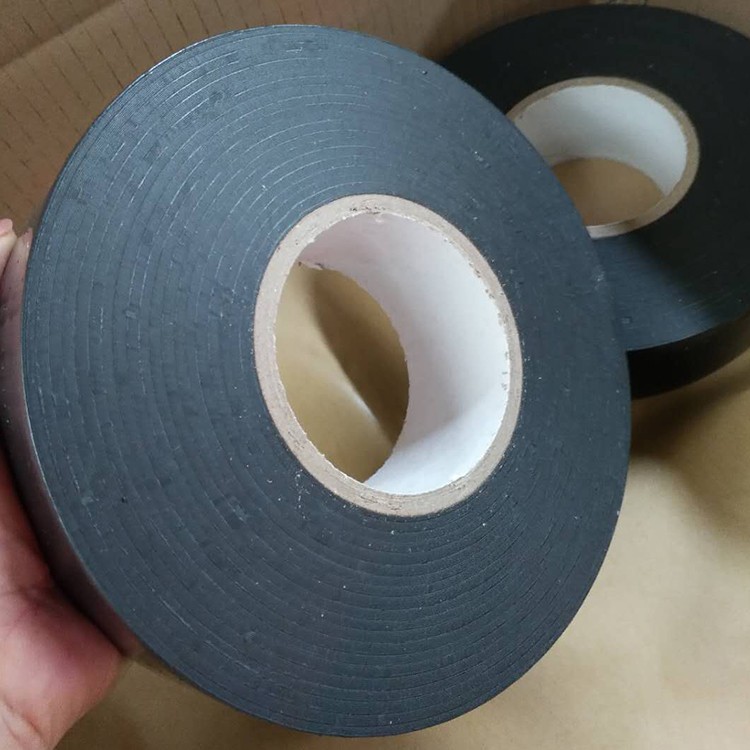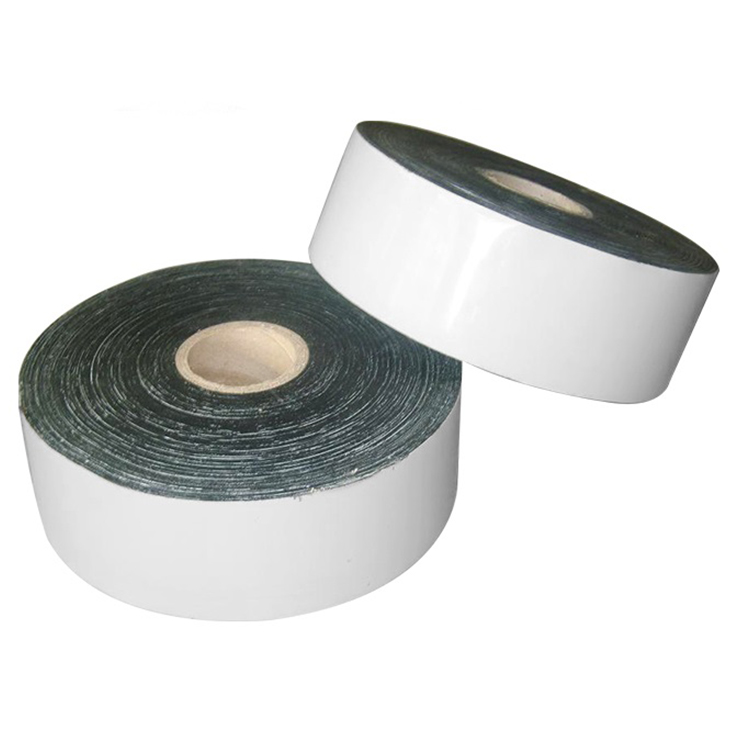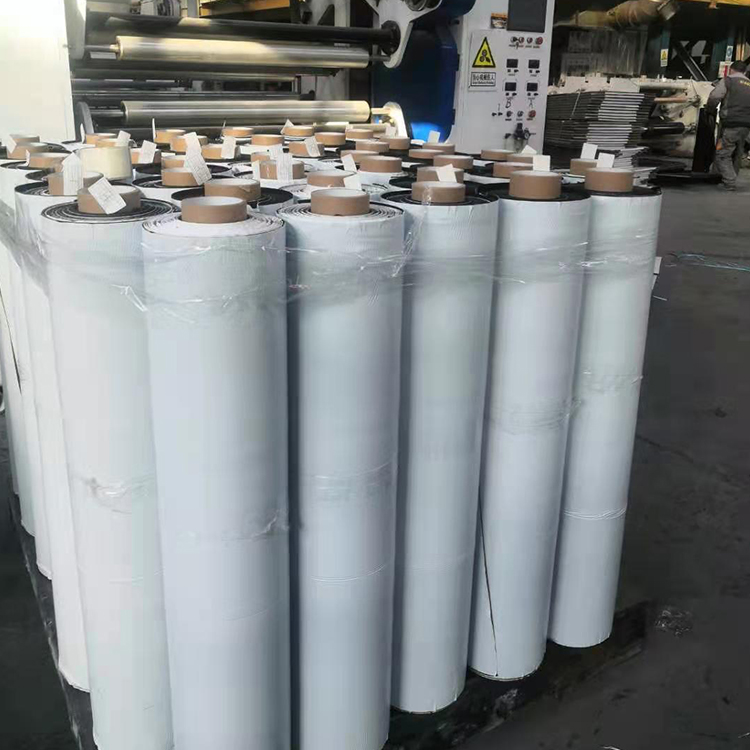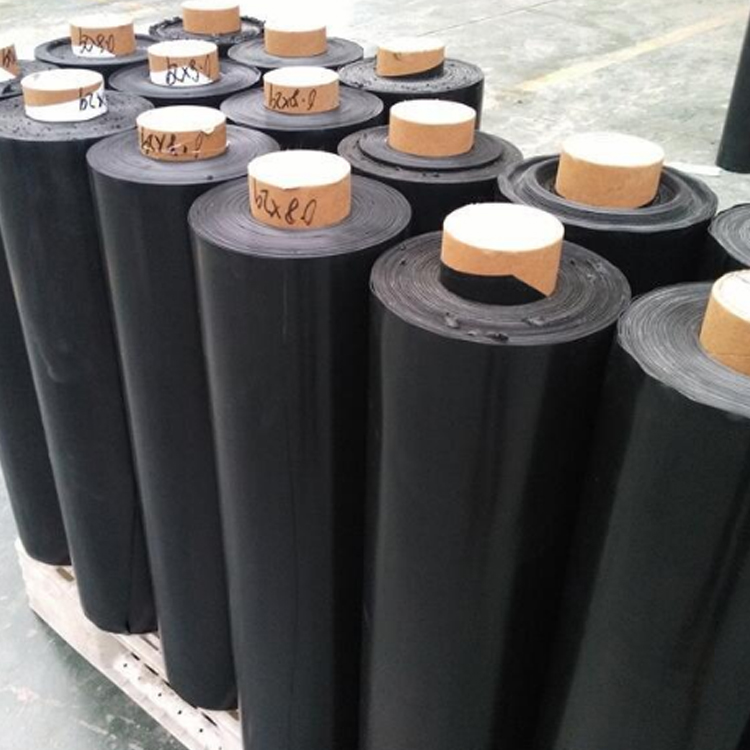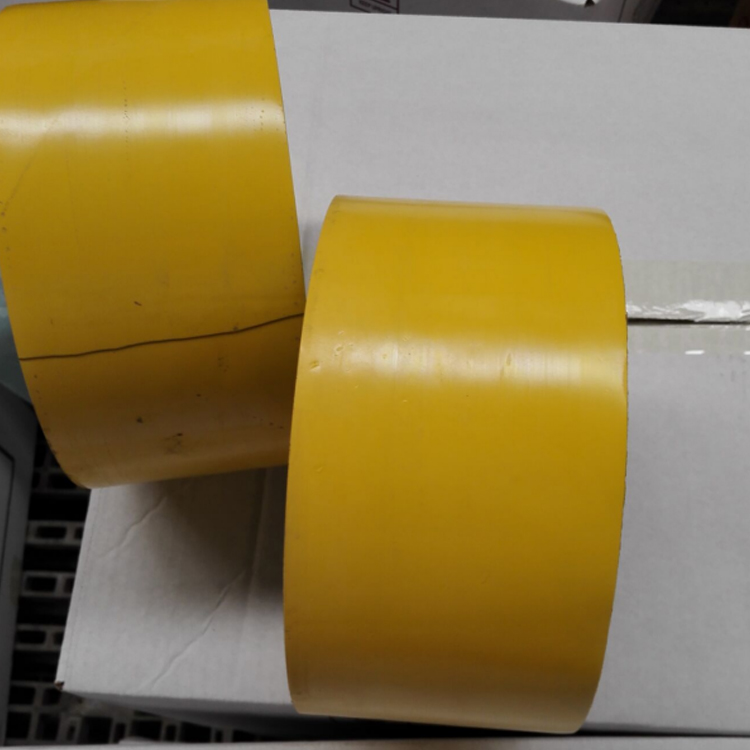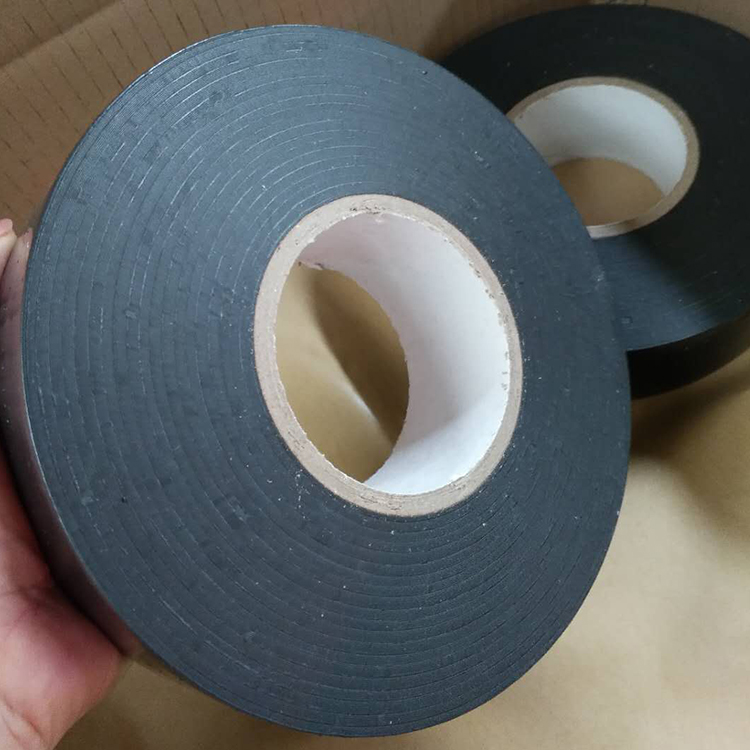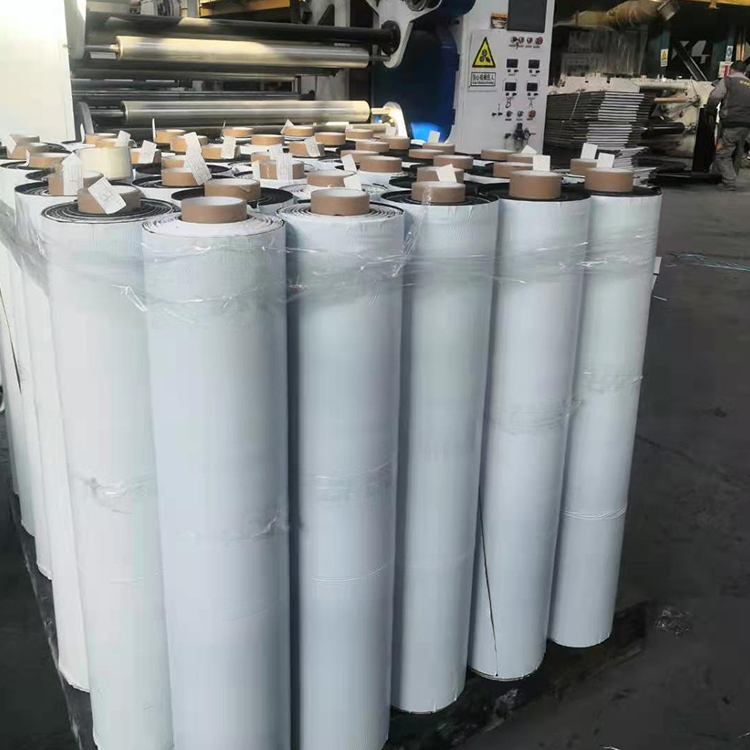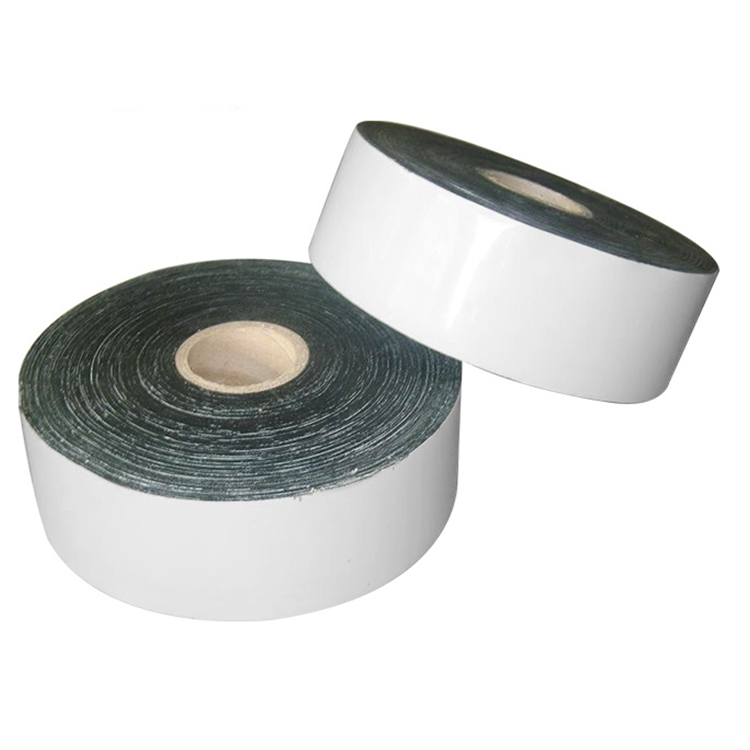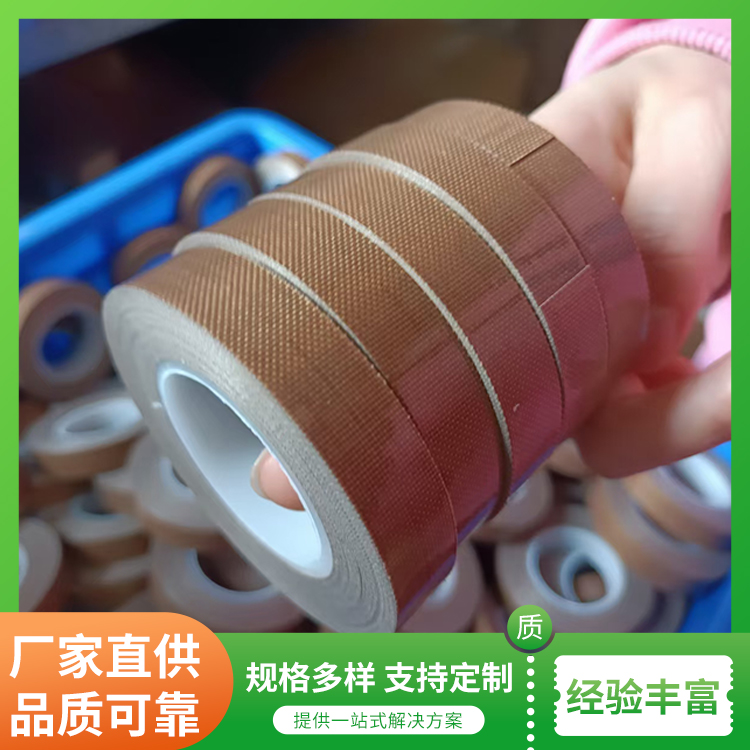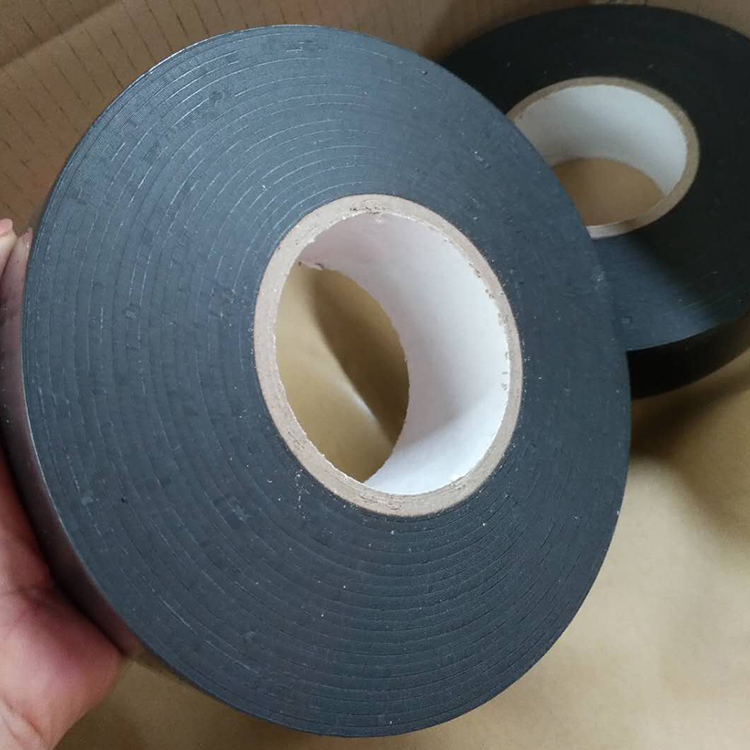

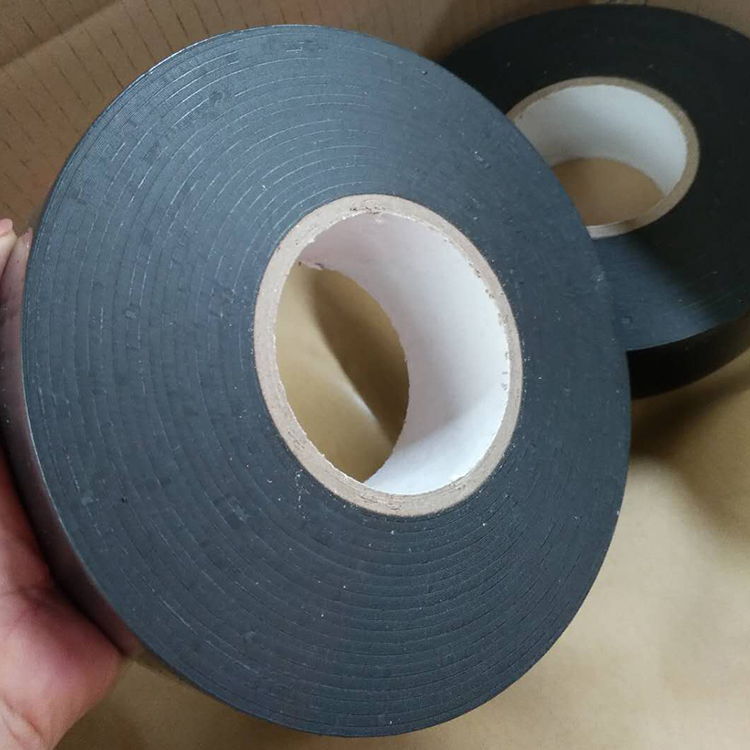
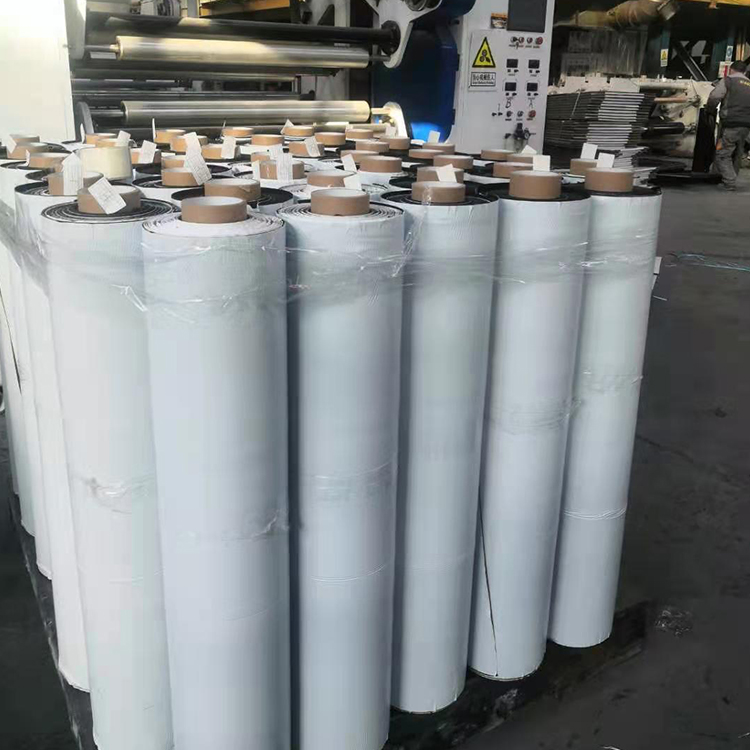
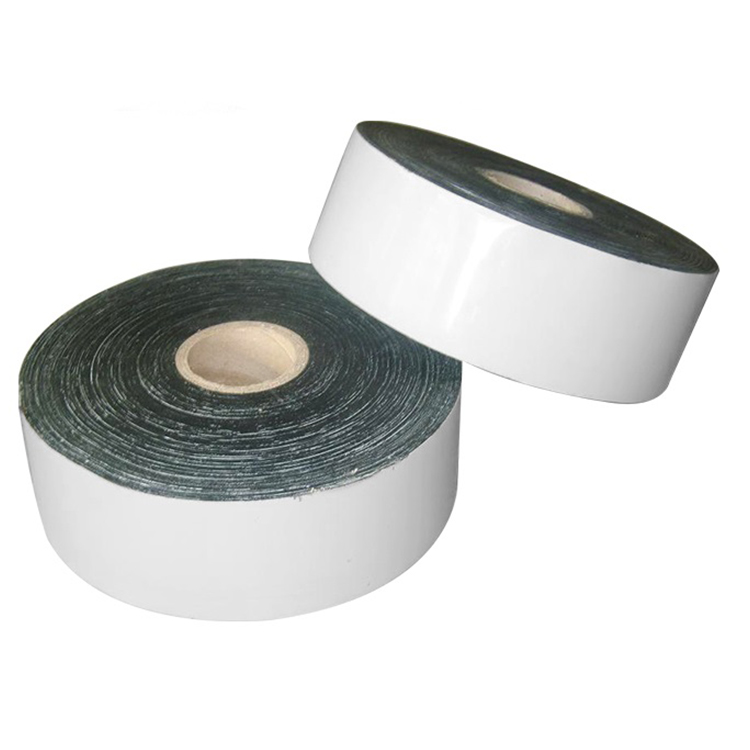







Polyethylene anti-corrosion tape consists of a base film and an adhesive layer. The base film is a polyethylene film and the adhesive layer is butyl rubber. It is mainly used for oil and natural gas transmission; The external surface anti-corrosion of buried steel pipelines such as water supply and drainage in chemical and urban construction has the characteristics of convenient construction and no pollution.
Preparation for wrapping polyethylene anti-corrosion tape
The anti-corrosion effect of polyethylene anti-corrosion tape can meet the standard requirements and have a good anti-corrosion effect on pipelines. What preparations should be made when wrapping polyethylene anti-corrosion tape during construction? Let's learn about it together.
1. Before wrapping the polyethylene anti-corrosion tape, it is necessary to carry out rust removal work on the pipeline and clean the attachments on the surface of the pipeline.
2. There are two methods for wrapping polyethylene anti-corrosion tape: mechanical wrapping and manual wrapping. If mechanical wrapping is required, equipment needs to be prepared in advance.
3. Before wrapping the tape, it is also necessary to carry out corresponding inspection work to see if the pipeline meets the tape wrapping requirements and if the materials to be used are fully prepared.
Polyethylene anti-corrosion tape plays an important role in various pipeline anti-corrosion work, but its performance will gradually weaken over time. So how can we maintain the effectiveness of using polyethylene anti-corrosion tape?
1. To do a good job in rust removal of anti-corrosion adhesive tape, it is necessary to meet the rust removal standards, clean the pipeline thoroughly, blow dry it thoroughly, and then apply a layer of anti-corrosion primer on the surface.
2. Polyethylene anti-corrosion tape must be wrapped using specialized equipment. The pipeline should rotate at a certain speed, and the tape should travel along the axial direction of the pipeline while controlling a certain tension.
3. Regularly conduct quality inspections on polyethylene anti-corrosion tape, and promptly carry out joint and damage repair work after discovering problems with the anti-corrosion layer.
4. Before using polyethylene anti-corrosion tape, the surface of the steel pipe should be treated by polishing off protrusions and sharp corners, and removing surface dust.
5. Primer is crucial for the anti-corrosion effect of polyethylene anti-corrosion tape in the later stage. It should be used in a matching manner and stirred evenly in a container before applying the primer.
6. It is forbidden to apply primer and wrap tape in windy or rainy weather, as this will affect the bonding performance and result in poor anti-corrosion effect.
7. The unwinding temperature of the adhesive tape must be above 5 degrees before use. If the temperature is too low, it can be heated on the surface of the steel pipe to ensure the winding effect.
8. When wrapping anti-corrosion tape, the force should be uniform, without wrinkles or breakage. The edge seams should be parallel, and there should be a overlap of more than 10cm at the junction of the two ends of the tape.
Polyethylene tape refers to the base material of polyethylene tape, which has excellent stability, water resistance, and physical properties. The tape is easy to use and is mainly used for external anti-corrosion of pipelines. There are two effective methods for reducing corrosion on the outer surface of underground and underwater pipelines: one is to add protective coatings on the outer surface during pipeline manufacturing, and the other is to provide additional protection after pipeline installation.
The Importance of Polyethylene Tape Width
In pipeline anti-corrosion engineering, the width of the anti-corrosion tape needs to be determined first, as it directly affects the convenience of construction, anti-corrosion effect, and aesthetic appearance. When determining the width of polyethylene tape, it is necessary to analyze it based on the construction pipeline and specific construction environment.
Polyethylene tape of appropriate width will not cause wrinkles or folds in the anti-corrosion layer during mechanical winding work, while tape of inappropriate width can cause wrinkles or folds during winding, directly affecting the anti-corrosion effect, aesthetics, construction efficiency, and progress of the anti-corrosion layer.
Polyethylene tape has undergone extensive laboratory and field testing, as well as worldwide applications, proving that this pipeline coating meets the standards set by the United States federal government,NACE recommended methods and other international pipeline industry standards. Overall, polyethylene adhesive tape is widely used in pipeline coatings, but it occupies the primary position in on-site construction. Polyethylene adhesive tape has the following characteristics:
1. Composed of thermoplastic, it has excellent chemical stability, electrical properties, water resistance, and physical properties;
2. Match with cathodic protection;
3. The usage method is simple, practical, and efficient;
Overall, in terms of material costs, construction costs, and additional cathodic protection fees, this adhesive tape is economically and environmentally friendly.