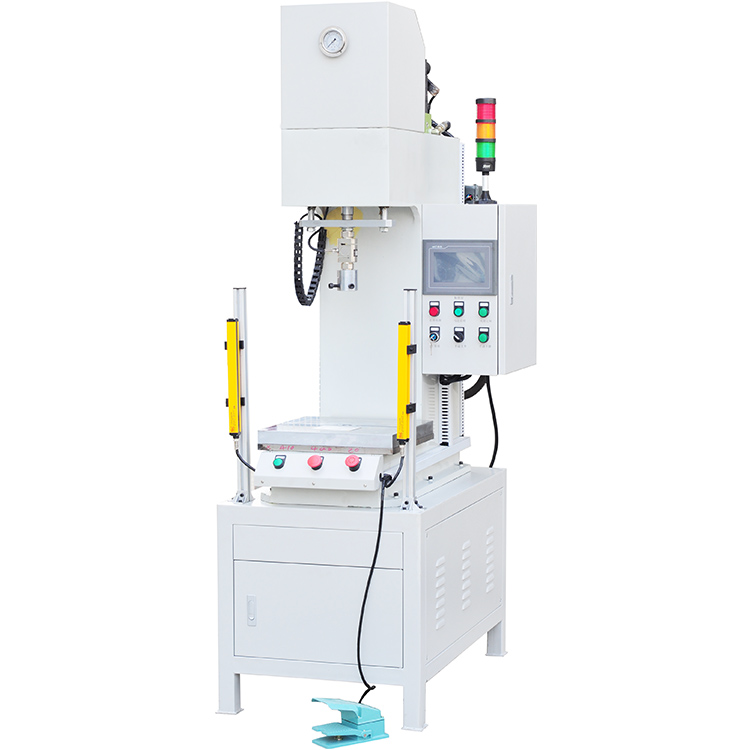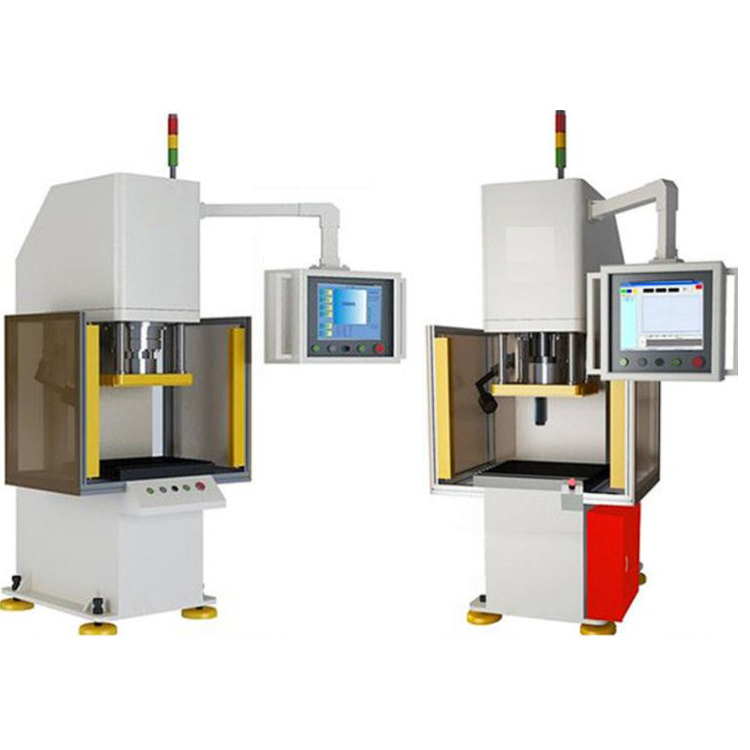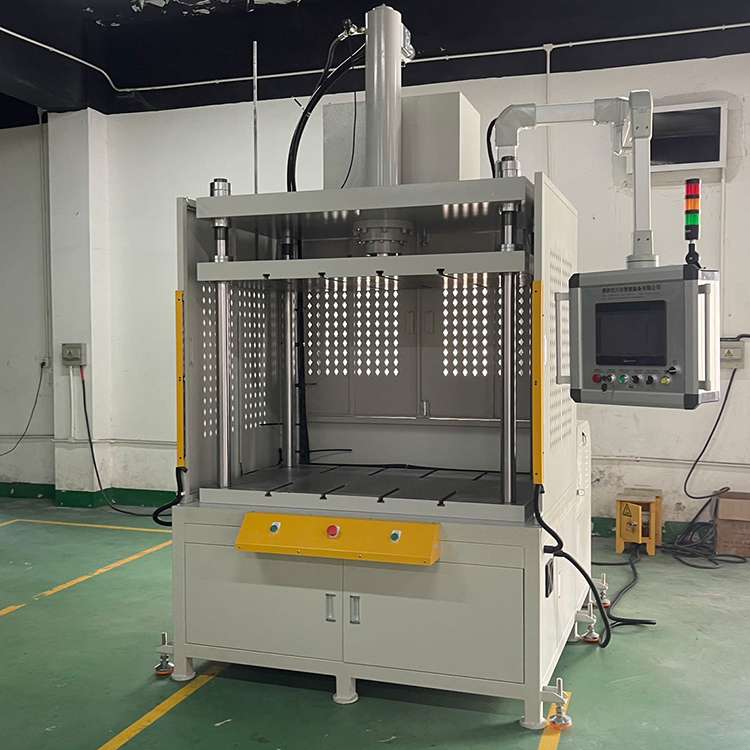


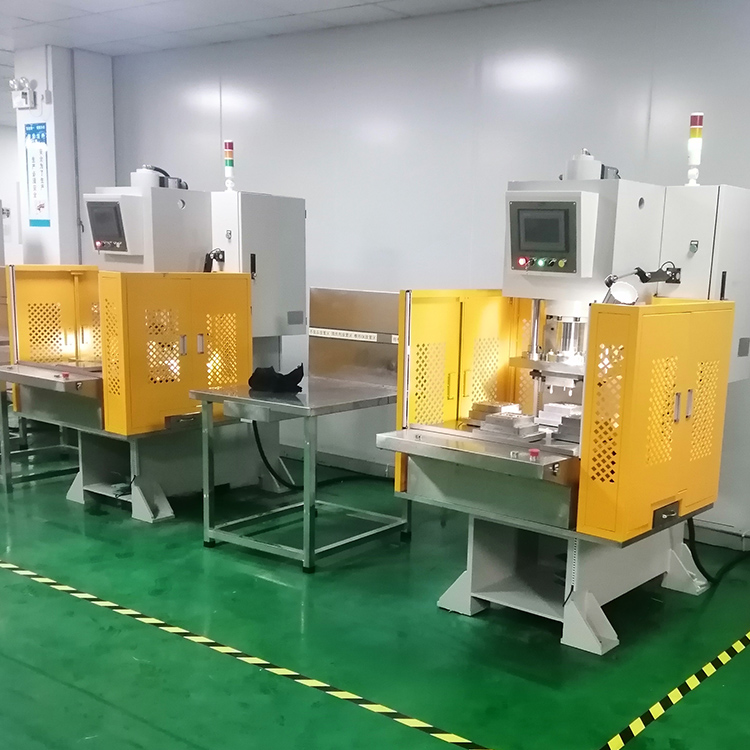





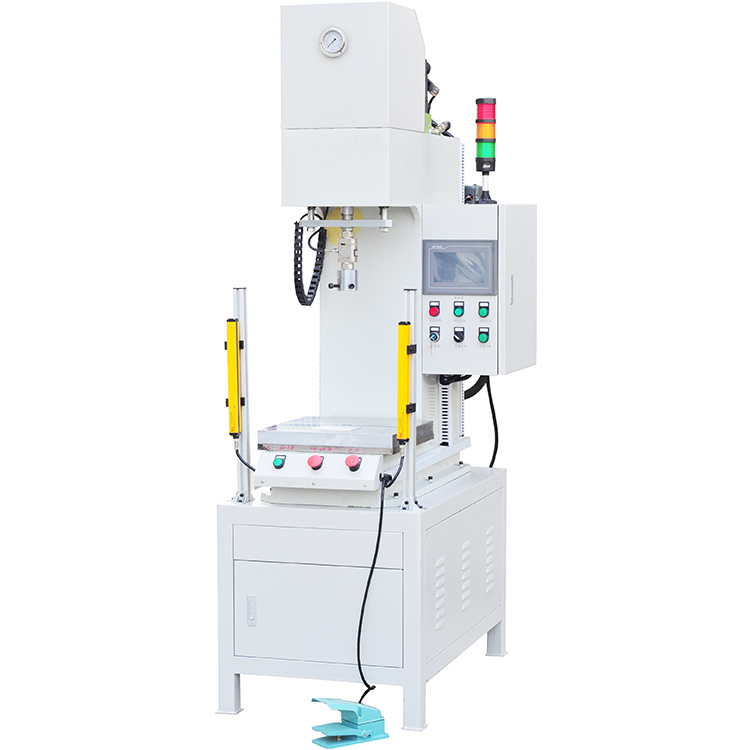
Introduction to servo hydraulic press
Equipment features:
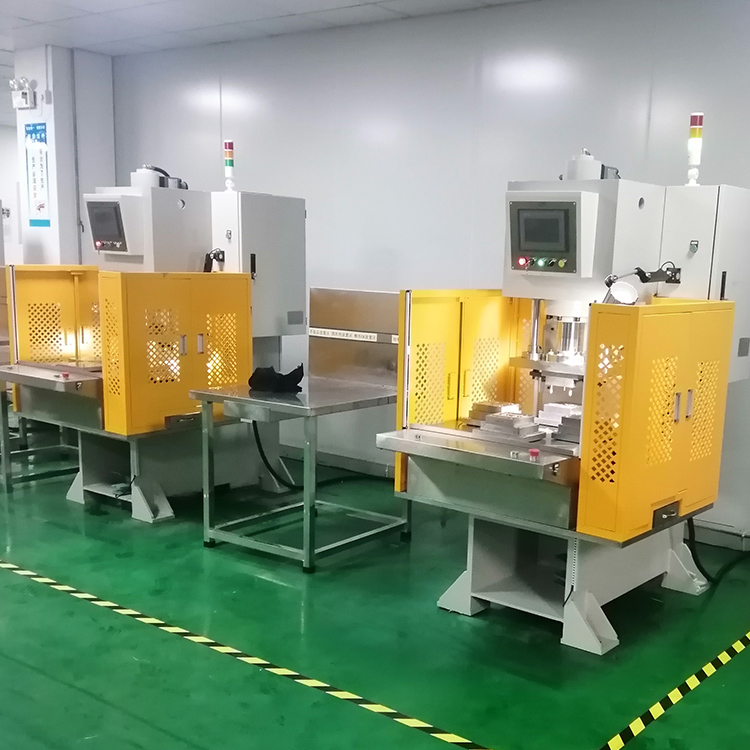
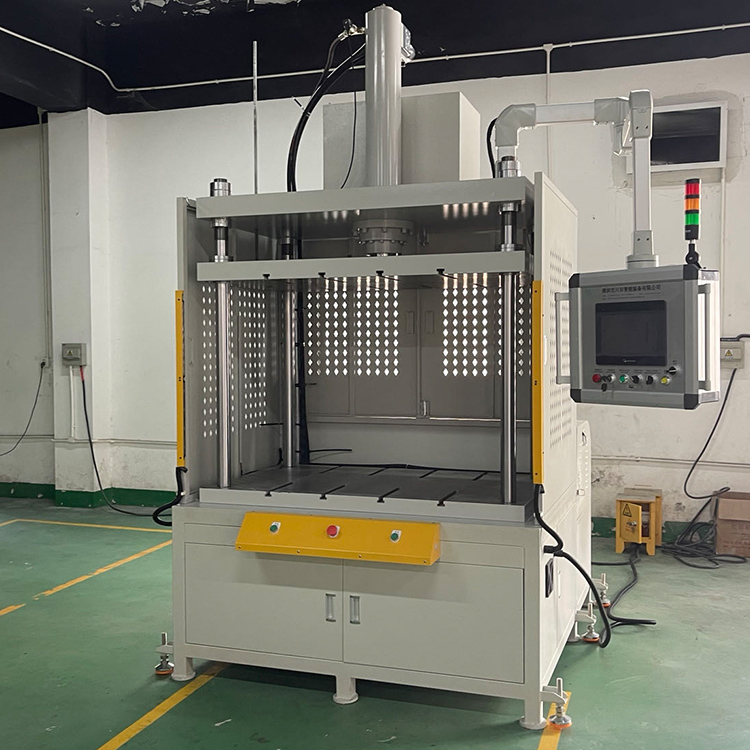
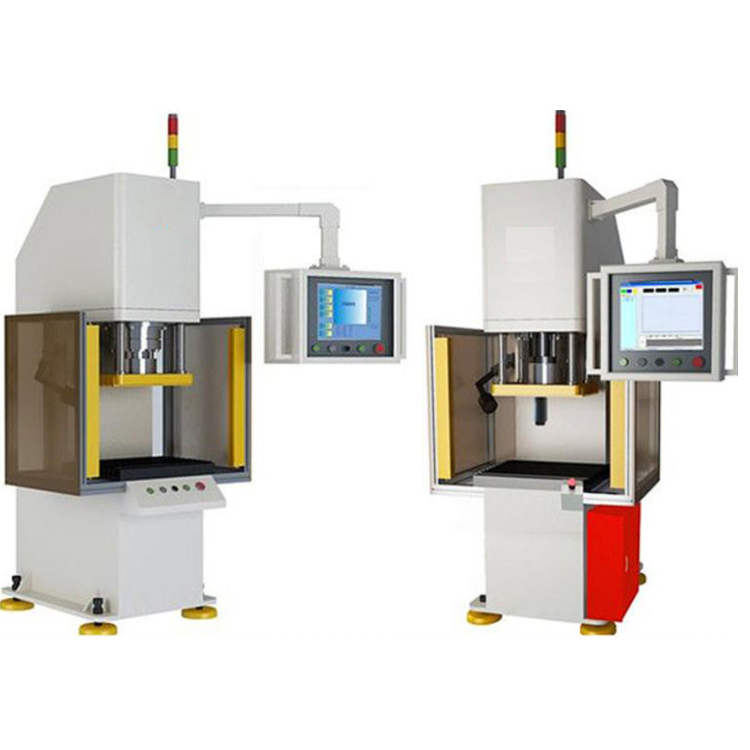
This servo hydraulic press is an energy-saving hydraulic press that uses a servo motor pump system to control the hydraulic cylinder of the hydraulic press.
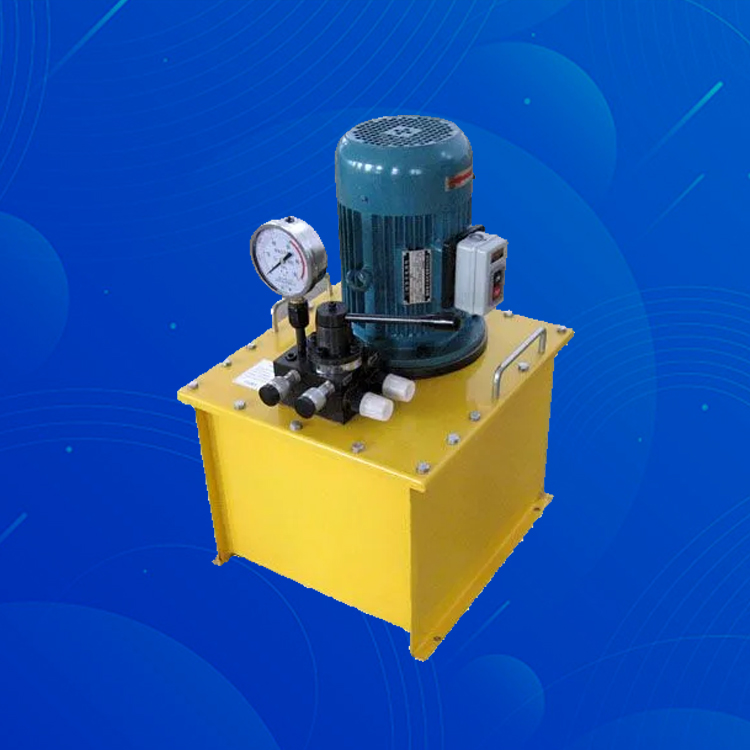
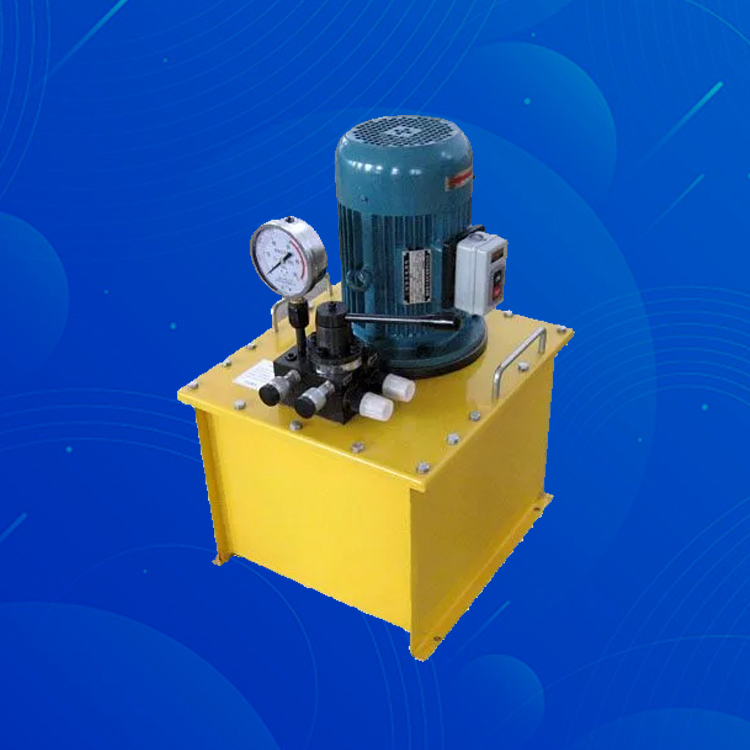
The main oil pump of the servo hydraulic press is driven by a servo motor, and a pressure sensor is installed in the upper chamber or pump outlet of the main oil cylinder of the hydraulic press. The servo hydraulic press relies on adjusting the speed of the servo motor to control the pressure, speed, and other parameters of the hydraulic press, eliminating components such as pressure control valves and flow control valves in the hydraulic control circuit and simplifying the hydraulic control circuit.
When the hydraulic cylinder is rapidly descending or stationary, the servo motor speed of the servo hydraulic press is zero; The speed of the servo motor during the pressurization and return of the oil cylinder is determined by the set speed; The speed of the servo motor during pressure maintenance of the oil cylinder only compensates for the leakage of the pump and system. Servo hydraulic press has the following advantages:
(1) Energy saving: Depending on the processing technology and production pace, servo hydraulic presses can save 30-70% of electricity (when used for process research, mold testing, or mold development, if the working frequency is high, it can save more than 80% of electricity).
(2) Low noise: Servo hydraulic oil pumps generally use internal gear pumps, and there is almost no noise when the cylinder is rapidly descending or stationary, and there is noise during pressure maintenance.
(3) Less heat generation: reduces cooling costs and hydraulic oil costs. The heat generation of its hydraulic system is generally 10-30% of that of traditional hydraulic presses, and most servo hydraulic presses do not require a hydraulic oil cooling system.
(4) High degree of automation, good flexibility, and high precision: The pressure, speed, and position of the servo hydraulic press are fully closed-loop digital controls (this modified system does not require displacement sensors, and position does not participate in control), with high degree of automation and good precision. In addition, its pressure and speed can be programmed and controlled to meet various process requirements.
(5) Hydraulic impact is small, and the lifting rate can be increased: through appropriate acceleration and deceleration control and energy optimization, the speed of servo hydraulic press can be greatly improved, and the working cycle is higher than traditional hydraulic press.
(6) Easy maintenance and repair, due to the elimination of the proportional servo hydraulic valve, speed control circuit, and pressure regulating circuit in the hydraulic system, the hydraulic system is greatly simplified. Its requirement for the cleanliness of hydraulic oil is much lower than that of hydraulic proportional servo systems, greatly reducing the impact of hydraulic oil pollution on the system.
Due to the use of a servo motor pump control system, the working speed, pressure, and return speed of the hydraulic press can be adjusted, greatly reducing or eliminating the impact force of the original ordinary press on product quality.