











How to Choose Stainless Steel Buoy Ball Switches and Points to Consider for Their Use
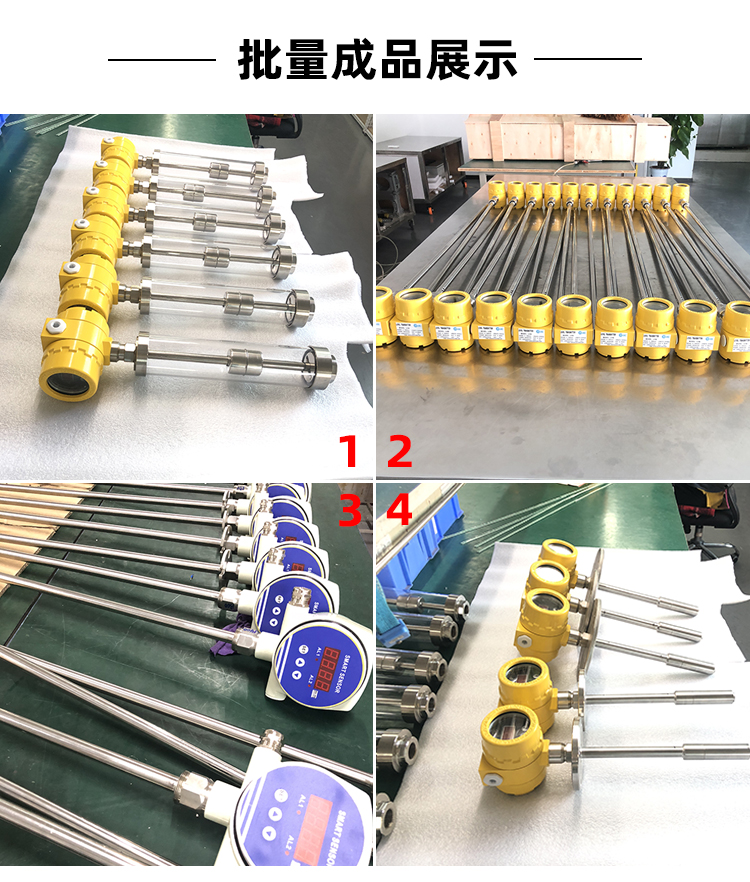
A stainless steel float switch is an accessory that detects the liquid level in a water tank by means of magnetic induction principle, outputting an alarm signal. Its core component is a reed switch, all imported from Japan and Russia, made of stainless steel 304/316. The structure and circuit are simple, easy to use, and it is also known as a stainless steel liquid level switch. Generally, stainless steel float switches are used for temperatures exceeding 80 degrees, with the principle involving designing one or more magnetic reed switches within a sealed metal or plastic tube. A hollow float ring, internally equipped with a circular magnet, is then passed through one or more of these tubes. Using a fixed ring, the float is controlled to move up and down within a certain range, with the magnet inside the float attracting the reed switch contacts to produce an open or close action, thus controlling or indicating the liquid level.
The key to selecting a stainless steel float switch is understanding its operating principle, followed by material selection based on the temperature and acidity/alkalinity of your application. 304 stainless steel is commonly used in oil and water environments. For stronger acid and alkali resistance, 316 stainless steel or PP plastic float switches must be used. Additionally, float switches with two liquid levels typically use stainless steel, and for stems longer than 100MM, we recommend using a stainless steel float switch.
Stainless steel float switch, during its operation, it's crucial not to exceed the voltage and current that the reed switch can withstand. Additionally, it is essential to handle it gently and avoid any harsh impacts.













