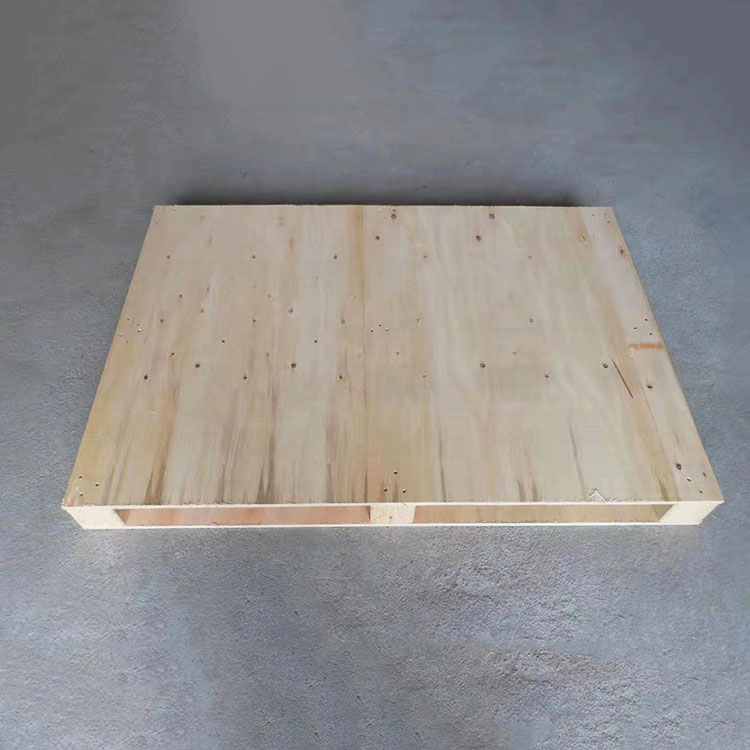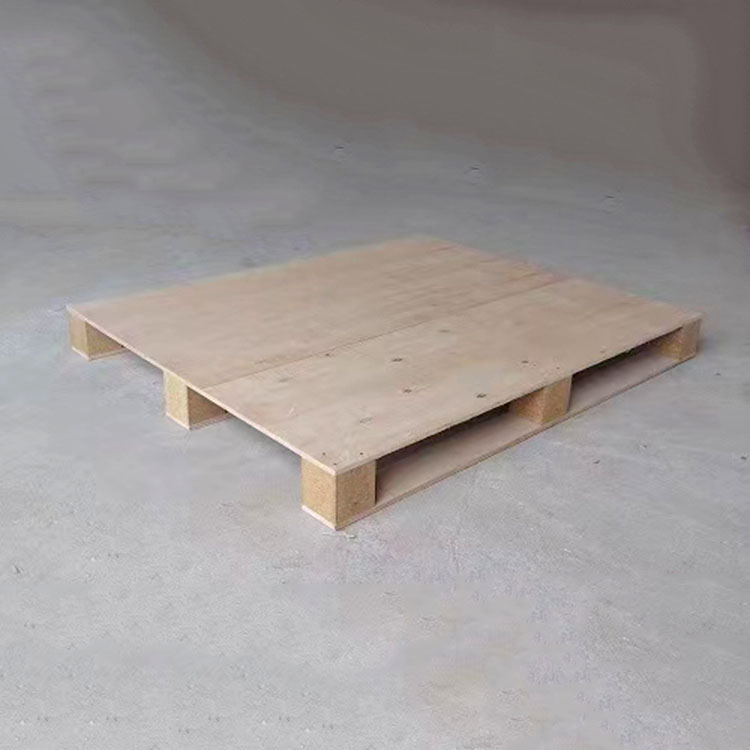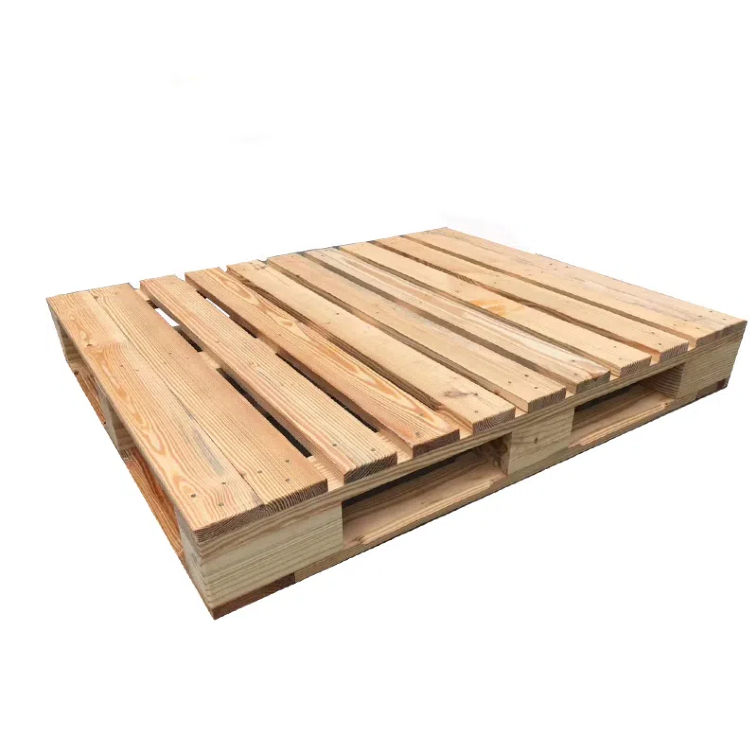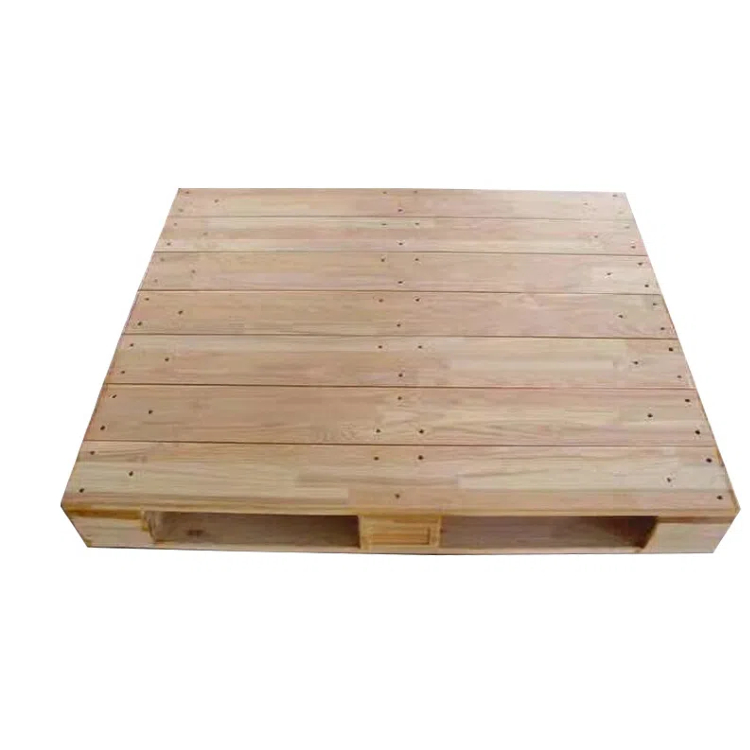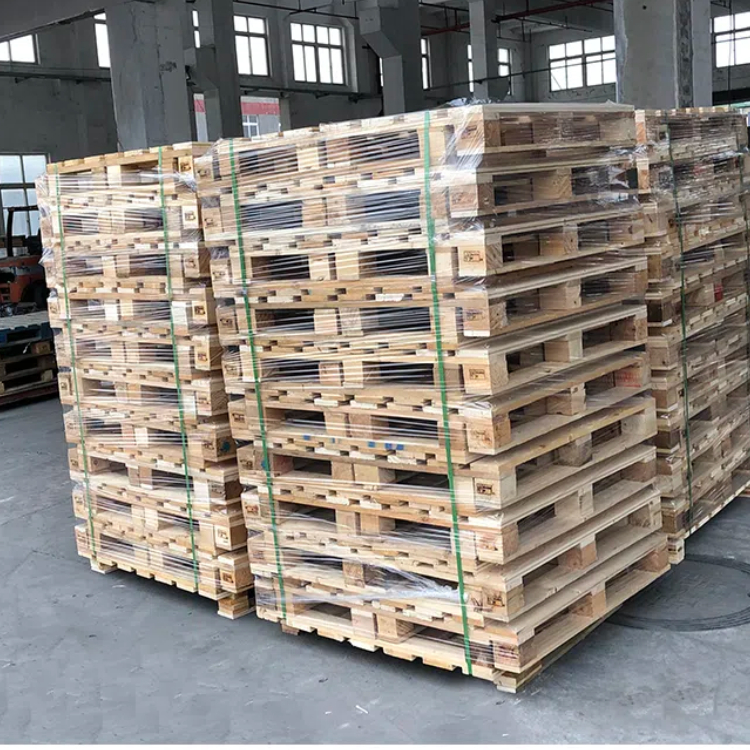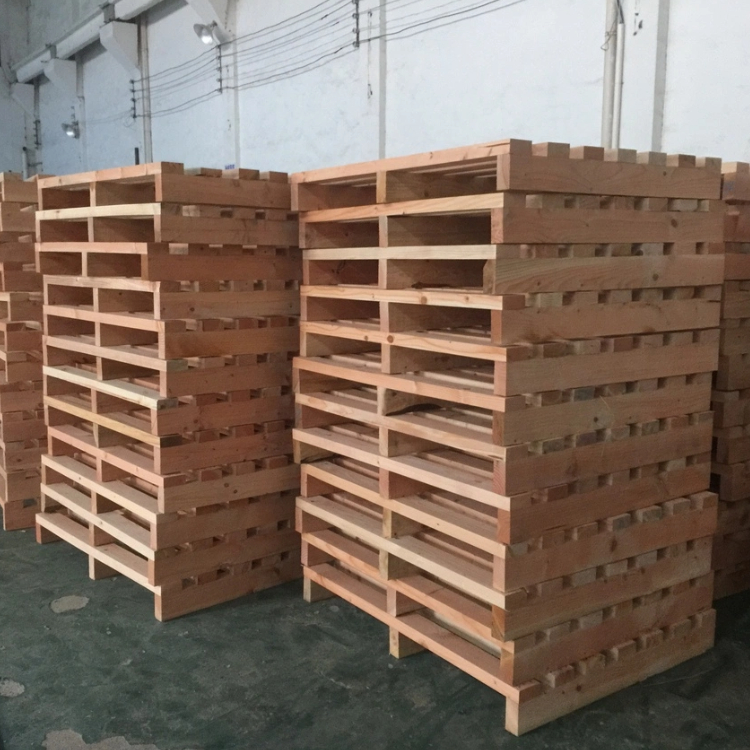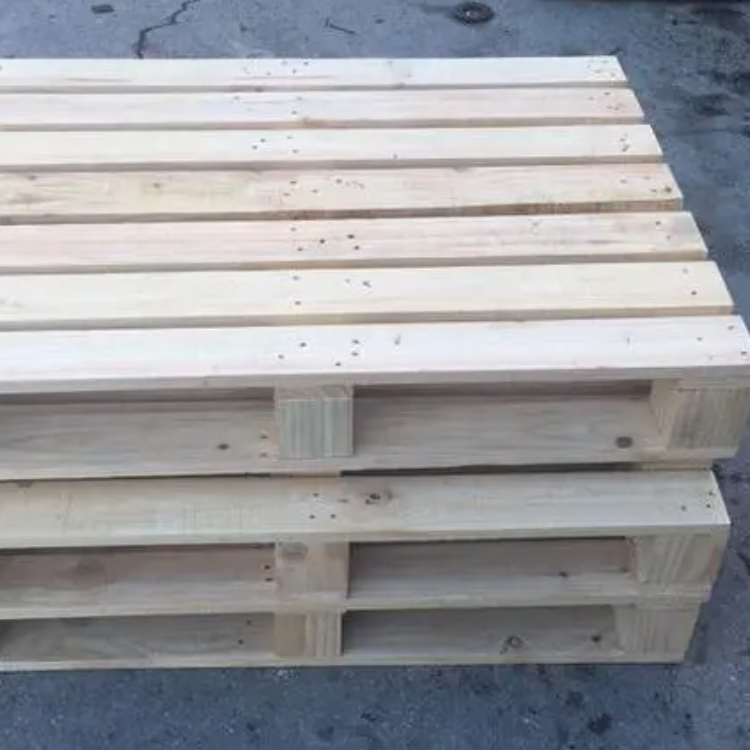

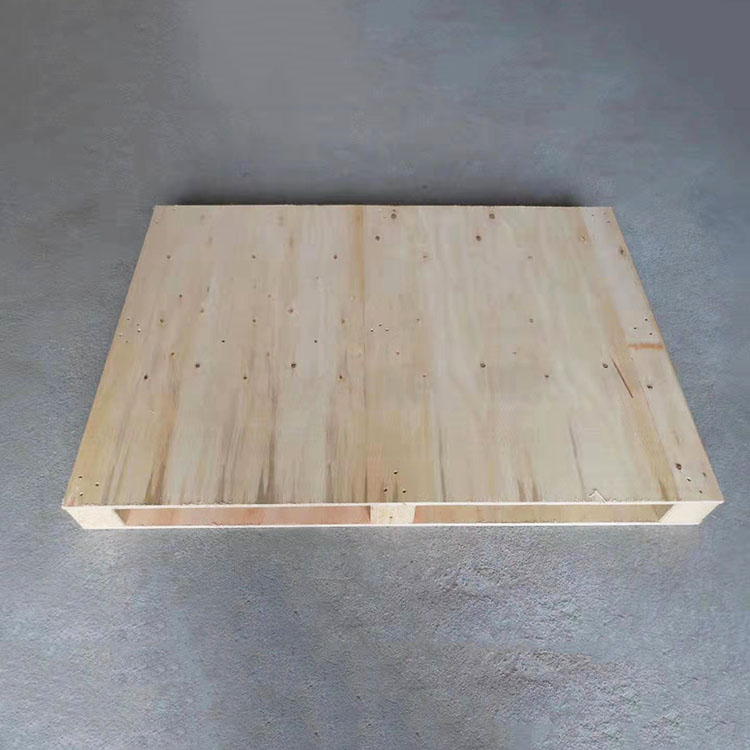


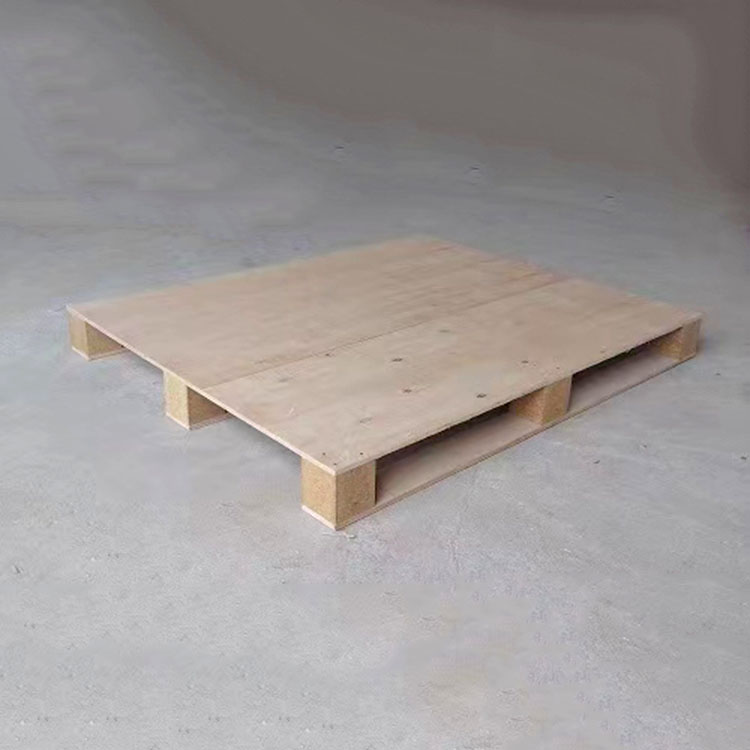
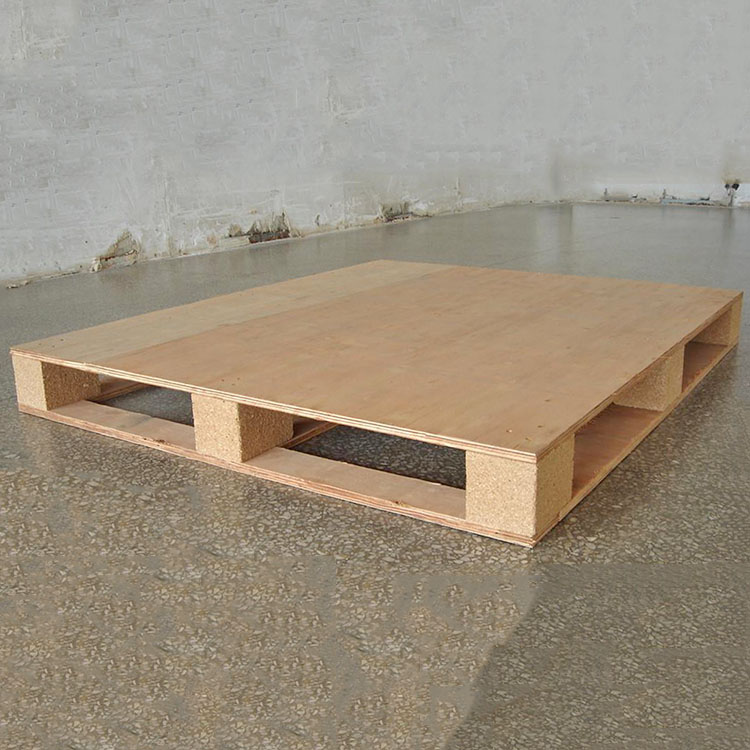


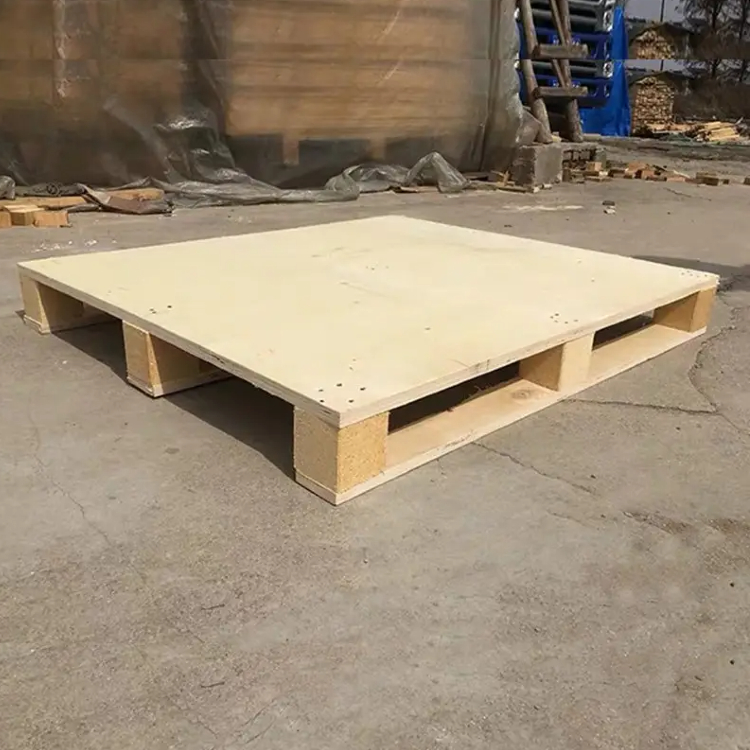
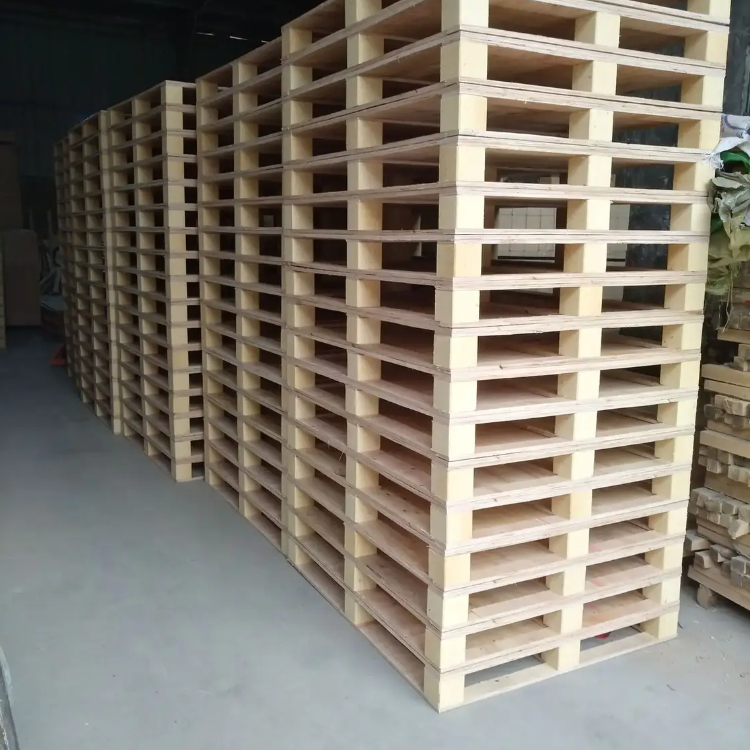
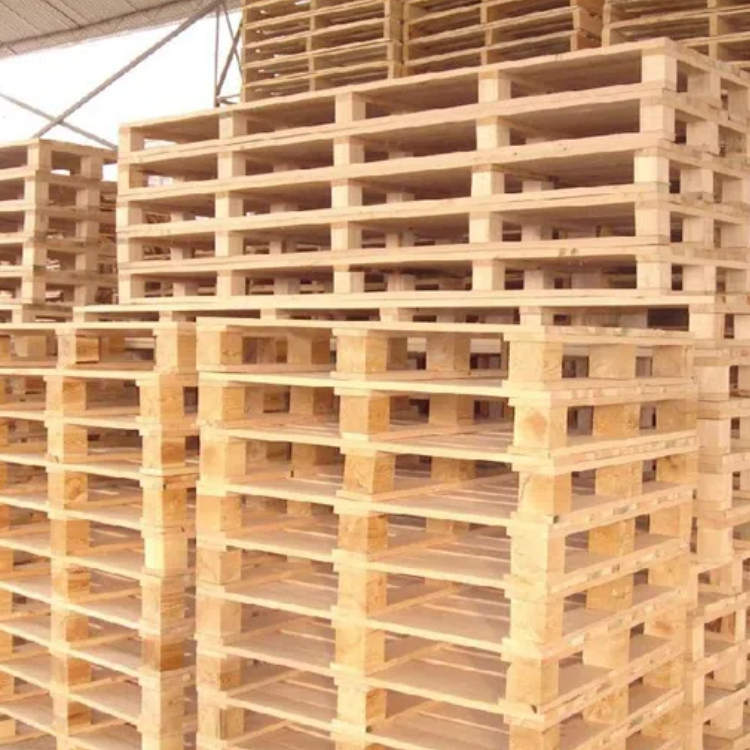
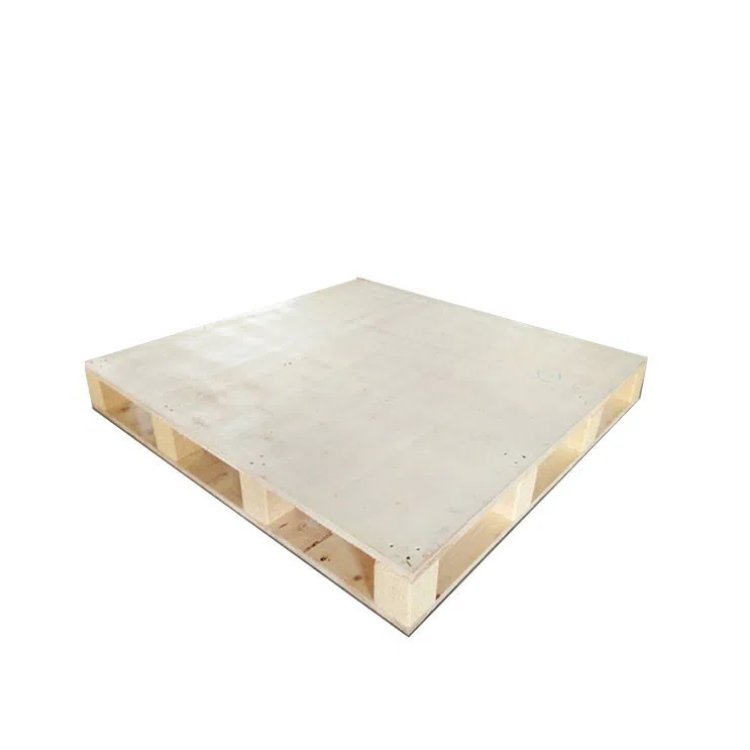
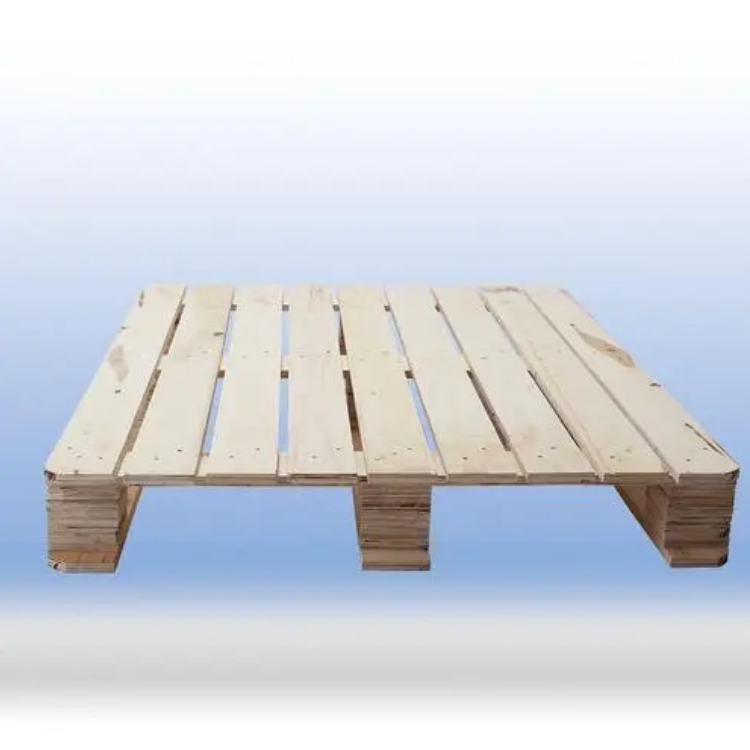





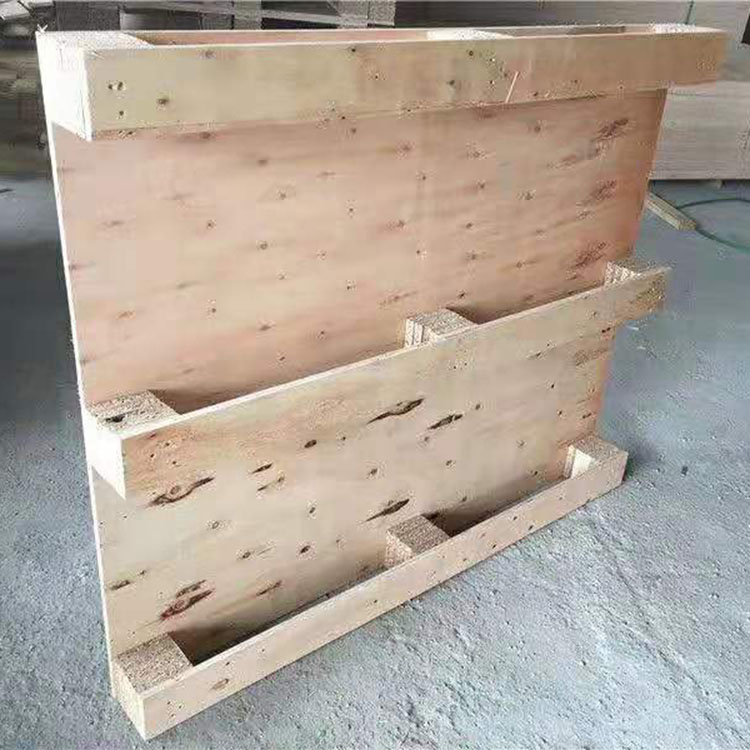
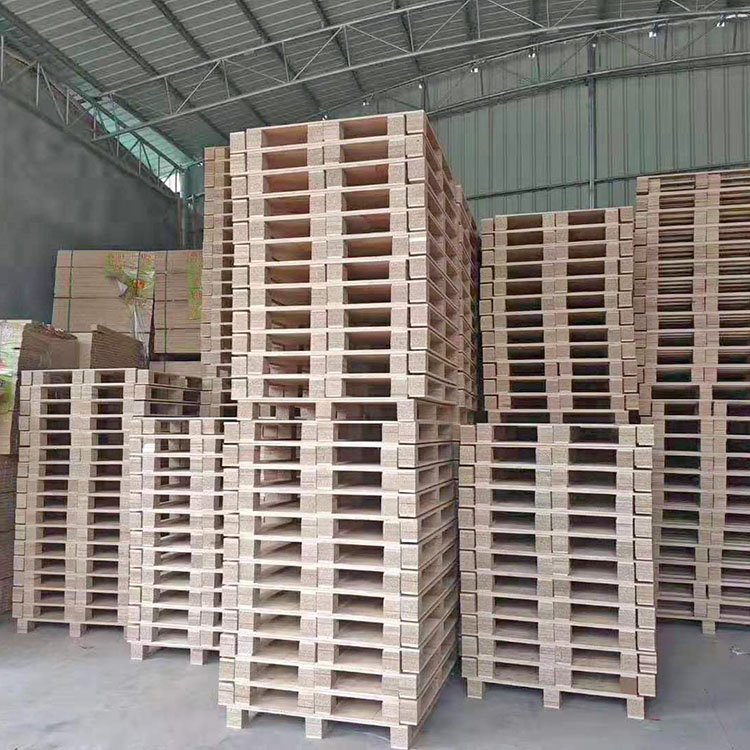
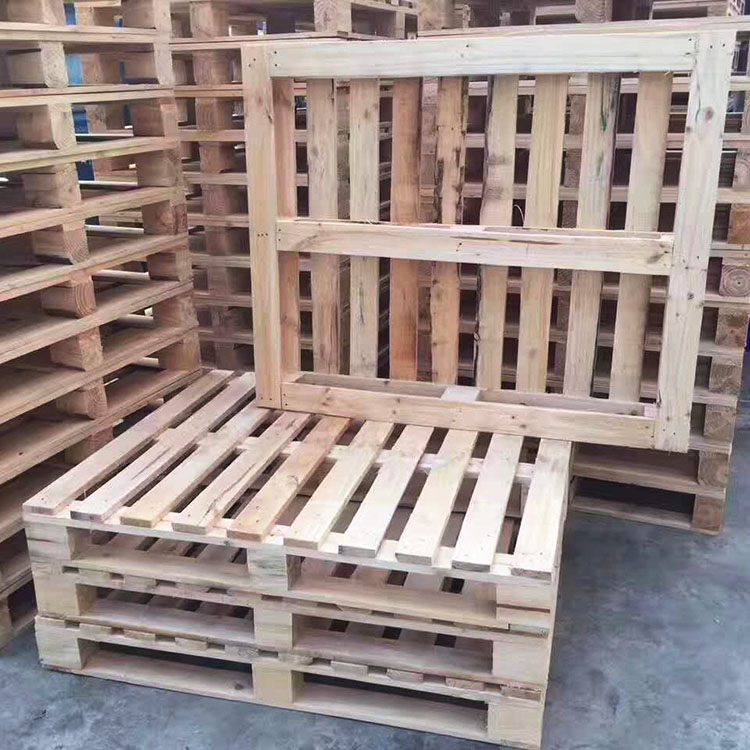
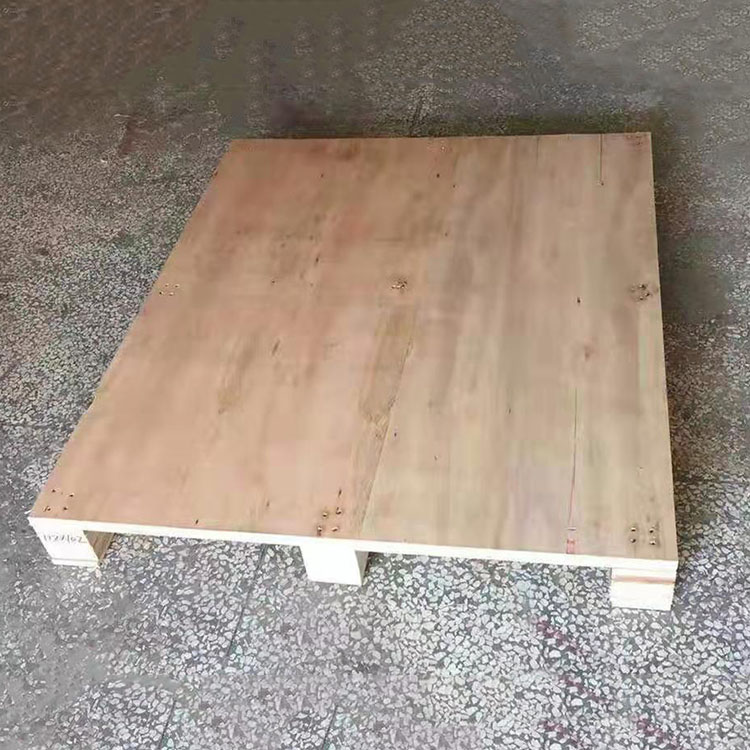

Exportable pallets are made from a new eco-friendly material—recycled plastic and wood fiber composite. The primary raw materials include recycled plastic and wood fibers, such as sawdust, branch wood, and agricultural fibers, bonded together with industrial adhesives through high-temperature and high-pressure molding. This new material product can not only completely replace wooden packaging and cushioning materials for export but can also be used for doors, windows, building molds, flooring, automotive parts, and more.
Export-grade pallets are a new type of composite wood pallet. They are primarily made by extruding wood-plastic composite profiles using an extruder and then assembled. They combine the advantages of wooden, plastic, and steel wood pallets while largely eliminating their drawbacks. The mechanized production process, high-density, high-strength, corrosion-resistant, and non-absorbent profiles resolve issues such as poor cleanliness, unstandardized production quality, and short lifespan of wooden wood pallets, while retaining the characteristics of plastic wood pallets. The board cutting and assembly methods equivalent to those of wooden wood pallets also address the issues of structural adaptability and maintenance in plastic wood pallets, while significantly improving their load-bearing capacity compared to plastic wood pallets. They are also much lighter and less costly than steel wood pallets. They can be directly exported to foreign countries. Their numerous benefits include the ease of sourcing materials locally, ease of manufacturing, lightweight, high strength, good durability, certain elasticity, and competitive pricing.