








Principle of Operation for Image Measuring Instruments
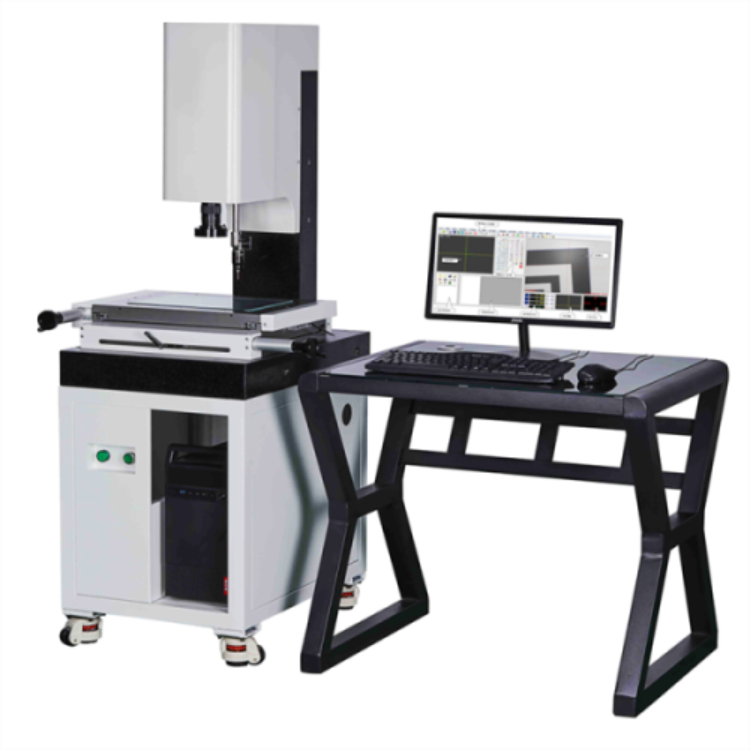
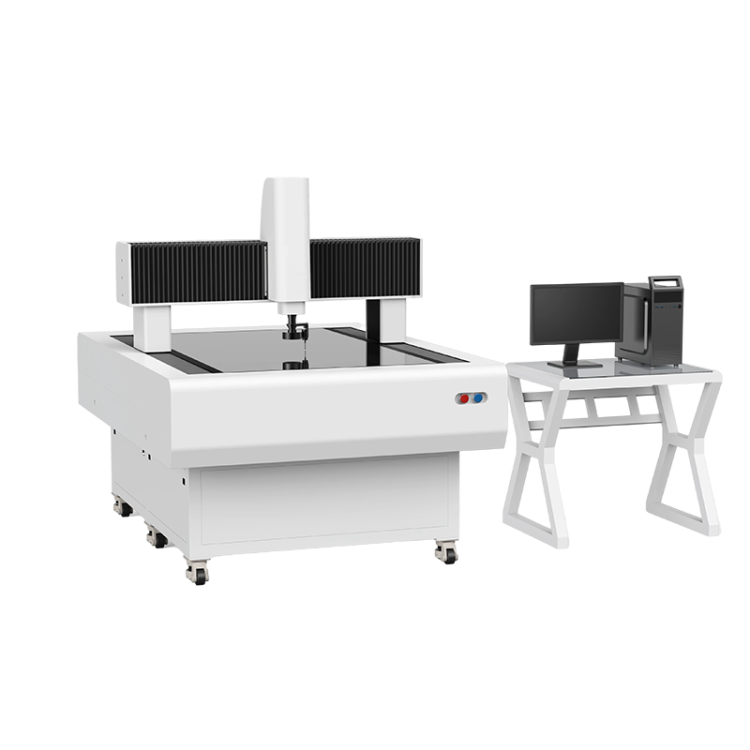
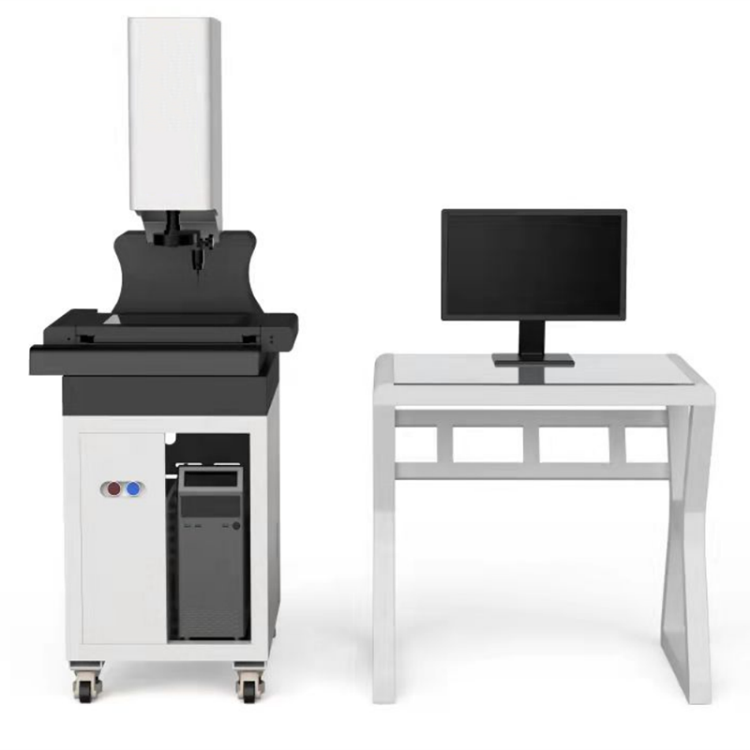
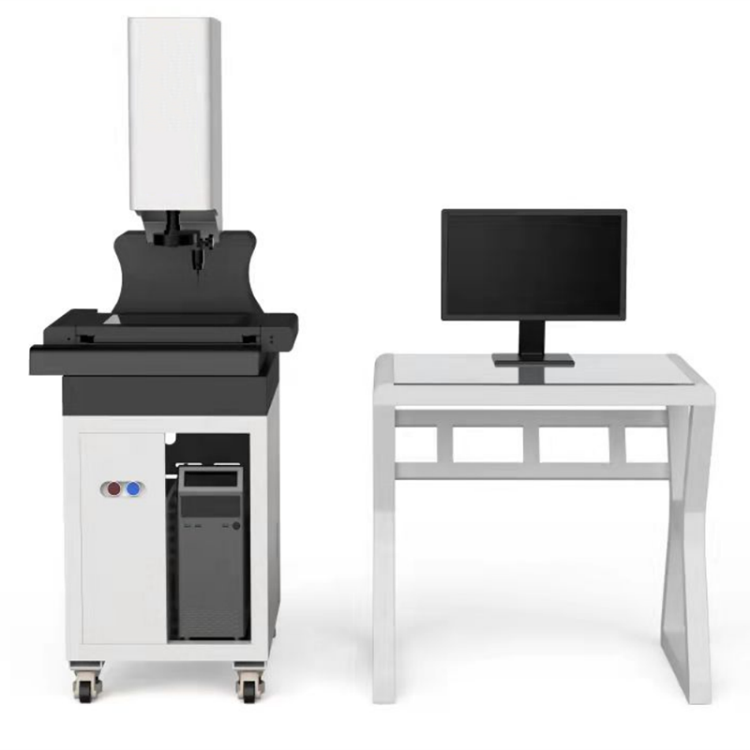
Image measurement instruments are based on artificial intelligence technologies such as automatic edge extraction, automatic alignment, automatic focusing, measurement synthesis, and image synthesis via machine vision. They offer features like point-and-measure, CNC positioning automatic measurement, and batch measurement with automatic learning, along with image map target guidance and full-field eagle-eye magnification. Additionally, equipped with automatic focusing under the control of machine vision and micron-level precision, image measurement instruments can meet the need for assisted measurement under clear images and can also incorporate contact probes for coordinate measurement. The software supports spatial coordinate rotation, allowing for batch measurements and SPC result classification with the part placed arbitrarily or in fixtures.
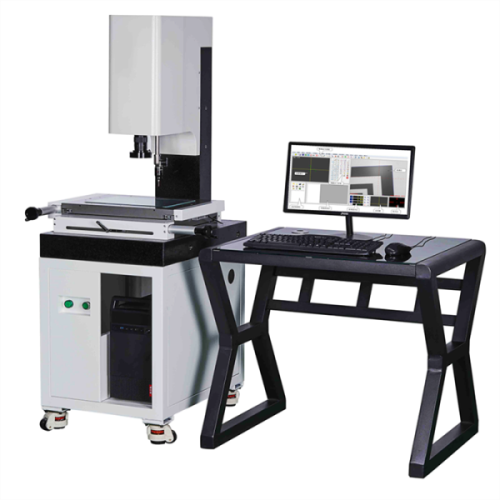
Firstly, compared to conventional measuring equipment, using a one-button flash measurement instrument for imaging measurement machines can significantly enhance measurement speed. The results obtained upon completion of the measurement task are highly accurate, eliminating the need for repeated measurements and maintenance. The application of this equipment prevents errors, ensuring more precise measurement results during the repair process of workpiece products, thereby also enhancing the functionality of the equipment. Very impressive.
The functionality of an instrument refers to its convenience, the ease of learning and using the measurement software, and the instrument's stability. If a factory measures a large number of products, it is recommended to choose an automatic image measurement instrument to ensure measurement efficiency. When selecting a measurement instrument, it is necessary to consider various factors such as the instrument's configuration, accuracy, stability, price, after-sales service, or ease of maintenance. Inexpensive instruments may have poor accuracy, stability, lack of after-sales guarantees, and a short service life; imported instruments may have relatively stable performance and a longer service life, but the process of upgrading the instrument can be麻烦, and the cost of repairing them upon failure can be high.
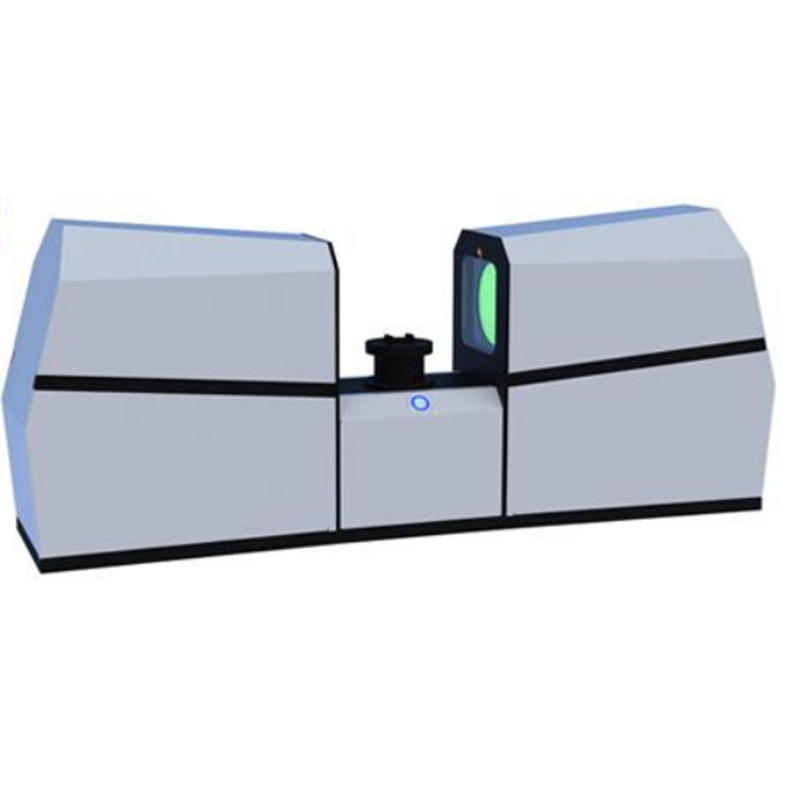
Most measurement mechanism manufacturers defineSpatial scanning detection error under THP conditionsOutside of THP, the standard also defines scan detection errors under THN, TLP, and TLN conditions. Scans are performed along four predetermined paths on the standard sphere. The maximum permissible scan detection error, MPETHP, is the largest difference among all scan radii. THP describes the scan characteristics at the highest density points along known paths. Note: The description of THP must include the total measurement time, such as: THP = 1.5um (scan time is 72 seconds). ISO 10360-4 further defines the following: TLP: Scans along known paths at low density points. THN: Scans along unknown paths at high density points. TLN: Scans along unknown paths at low density points.
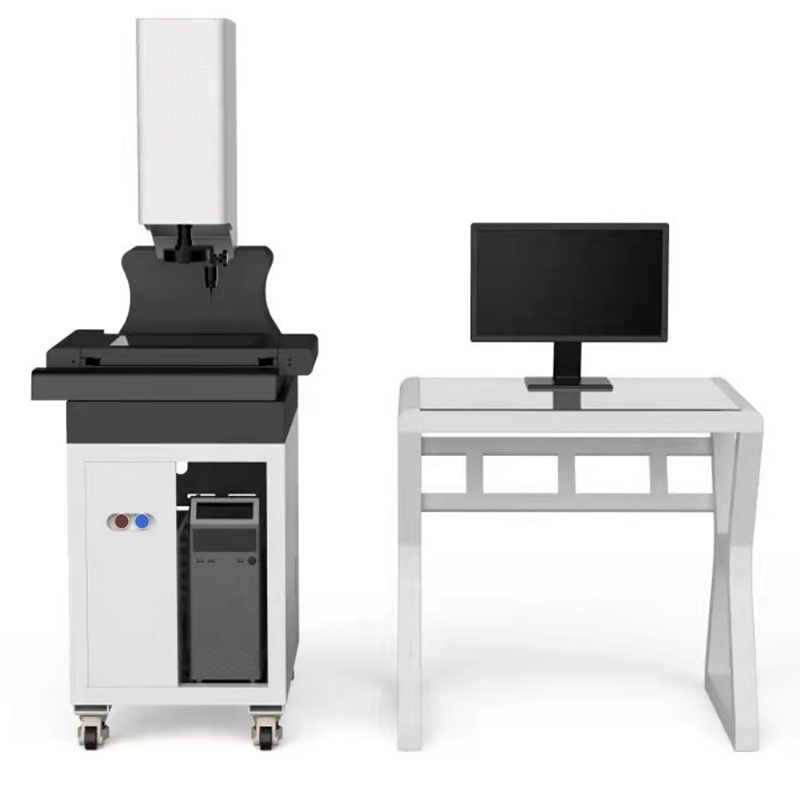
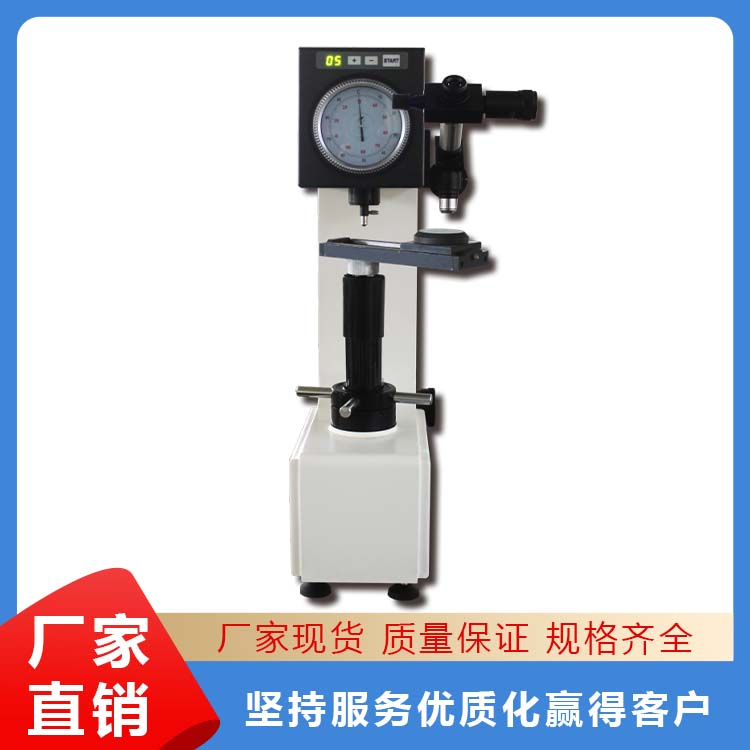
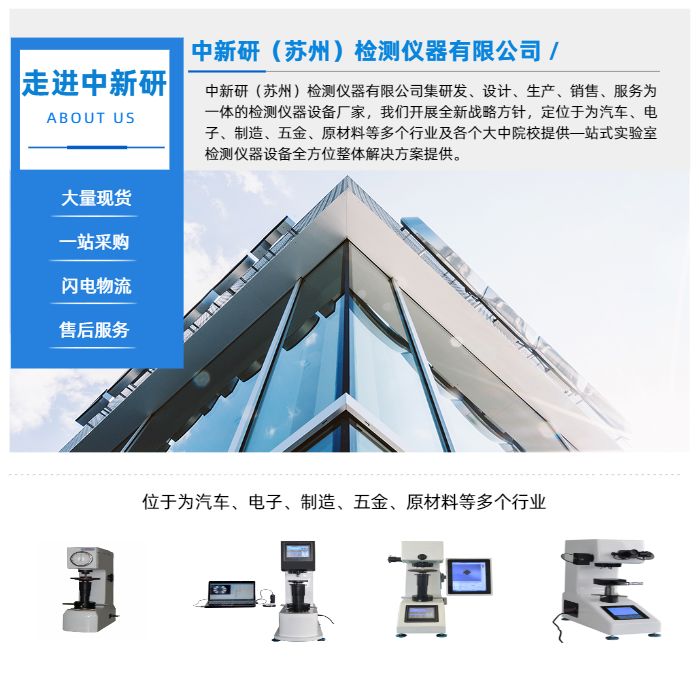
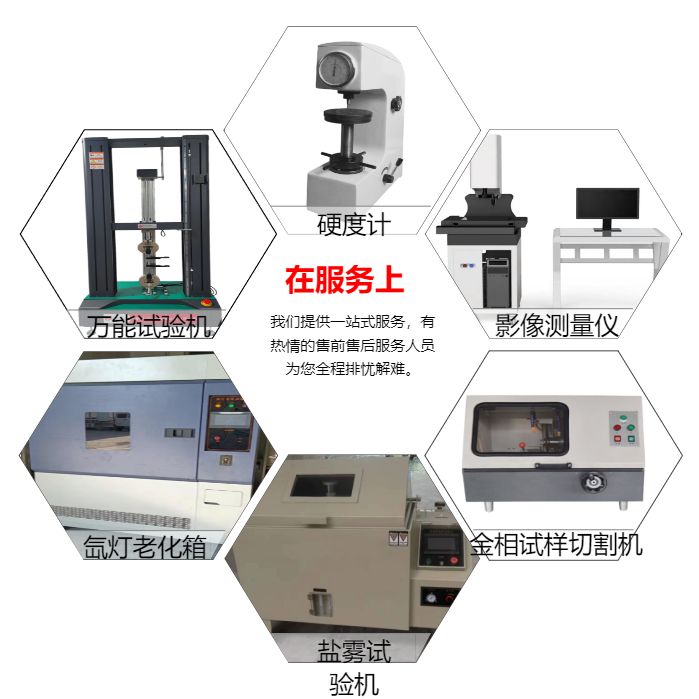
Image Measurement Instruments Factory - Image Measurement Instruments - Zhongxin Research Testing Co., Ltd. (View) is provided by Zhongxin Research (Suzhou) Testing Instrument Co., Ltd. Zhongxin Research (Suzhou) Testing Instrument Co., Ltd. is a company specializing in "Durometers, Impact Test Machines, Image Measurement Instruments, One-Touch Flash Test Instruments." Since its establishment, we have adhered to the policy of "Honesty as the Foundation, Stable Management," actively participating in the healthy market competition, and earning a good reputation for the "Zhongxin Research" brand. We uphold the principle of "Service First, Customer First," which has helped Zhongxin Research win the trust of clients and establish a favorable corporate image. Special Note: The images and information provided here are for reference only. Please contact us for accurate materials, thank you!