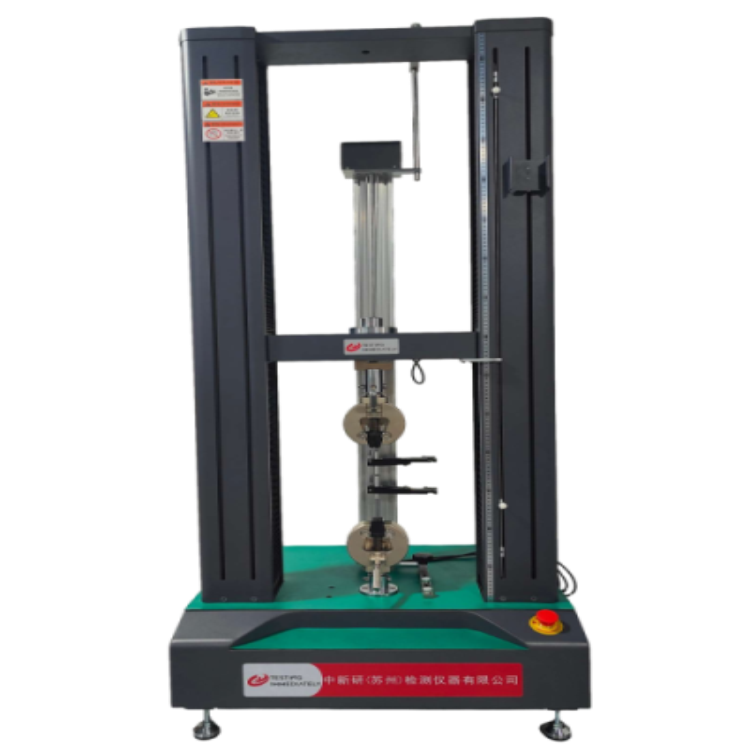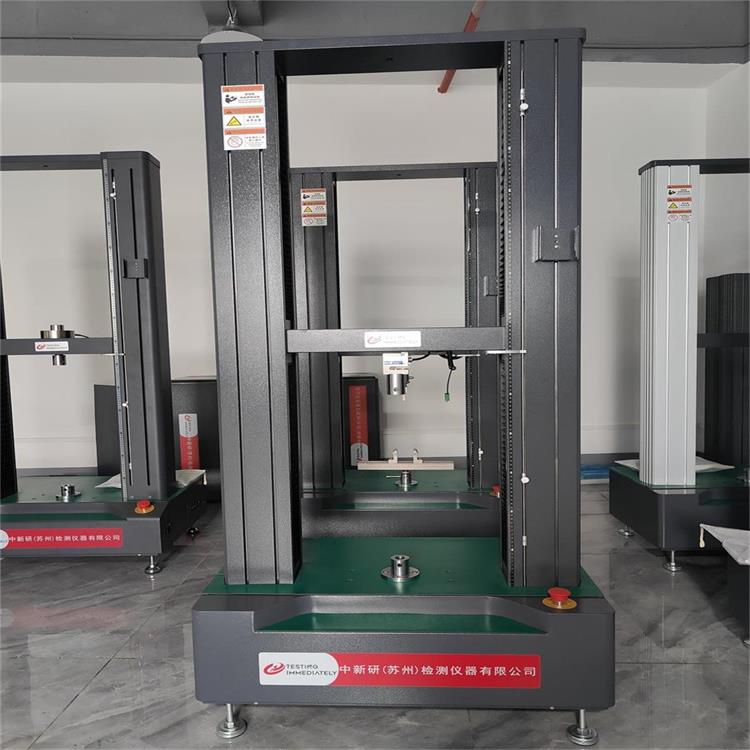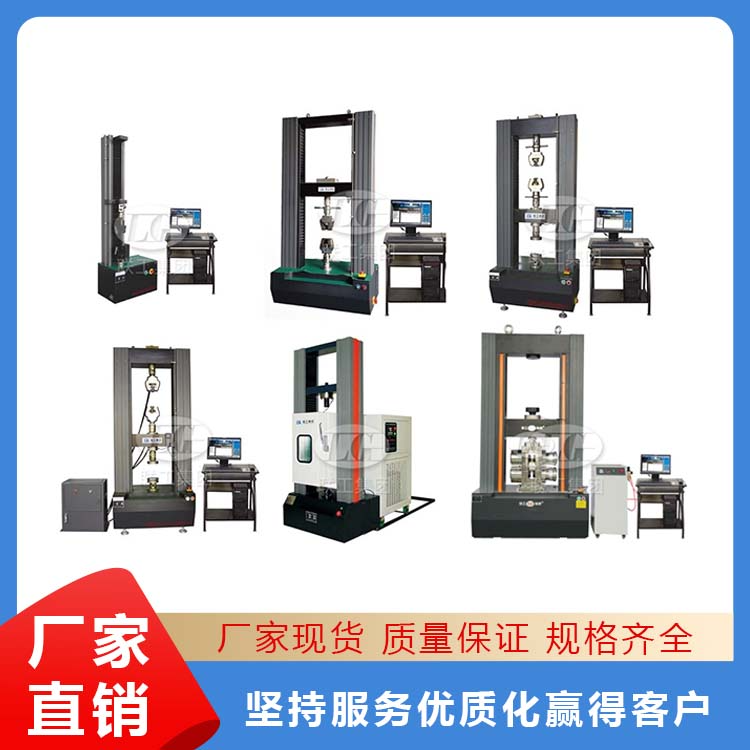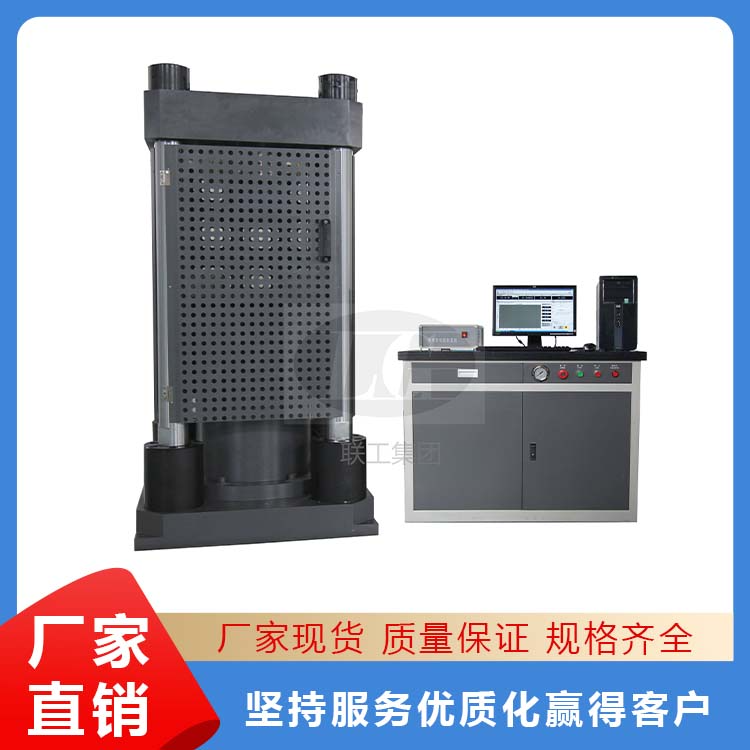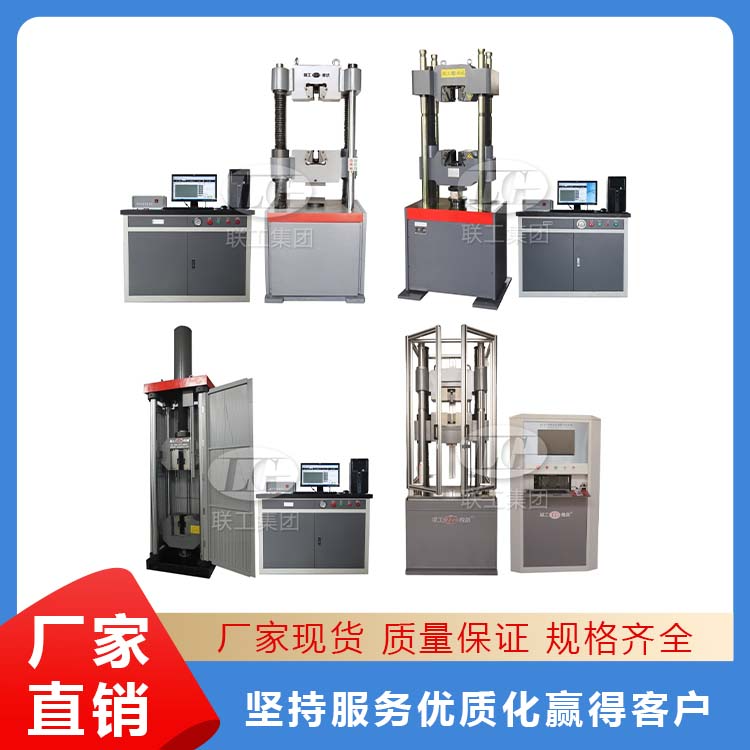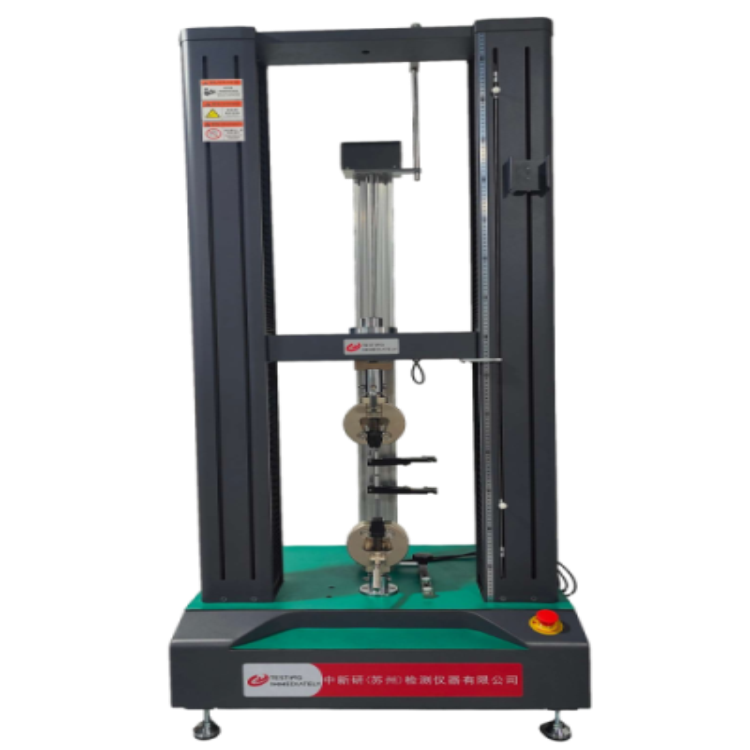
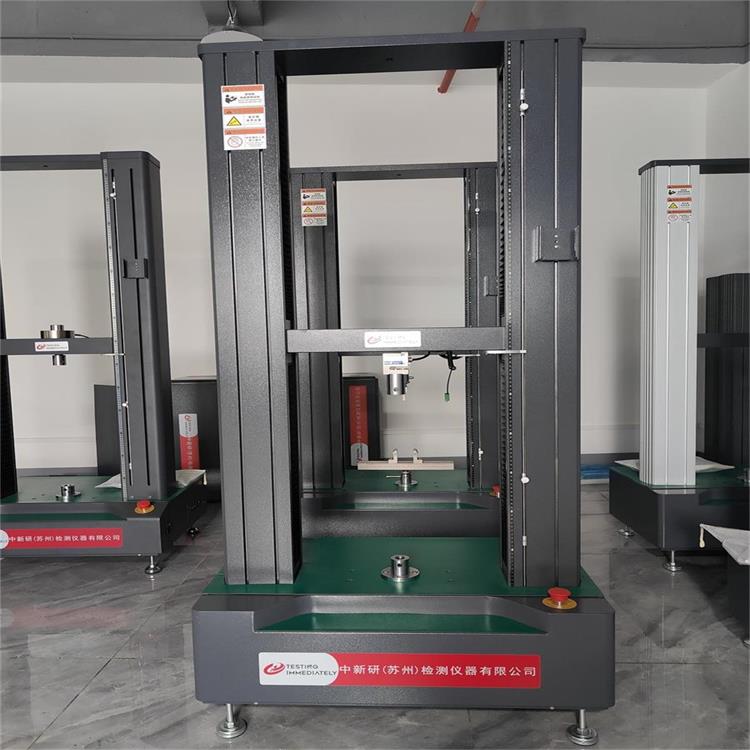


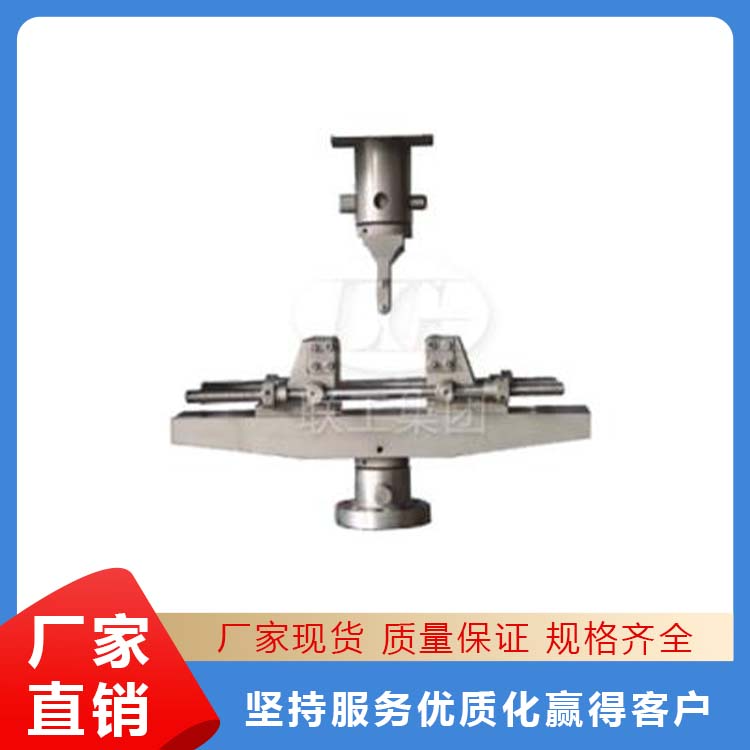
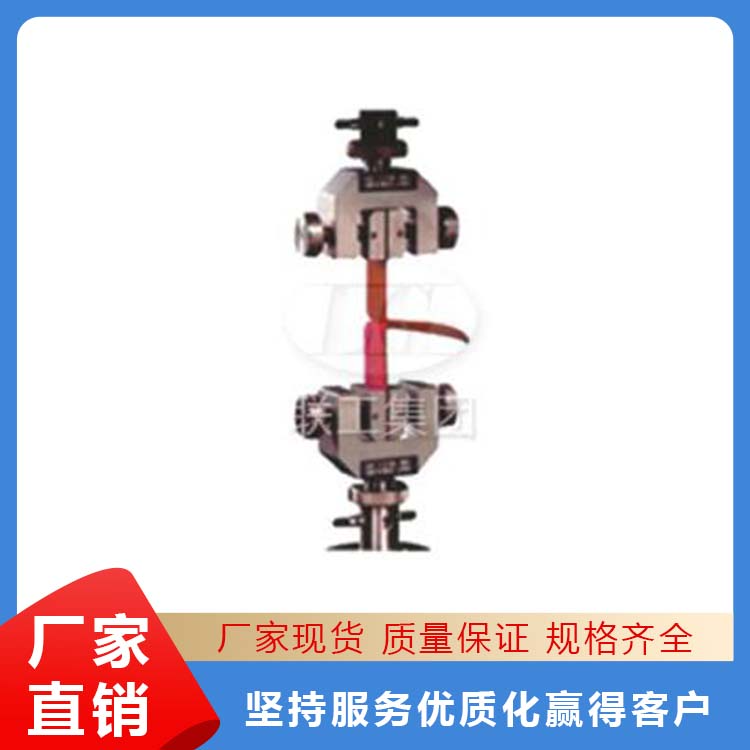
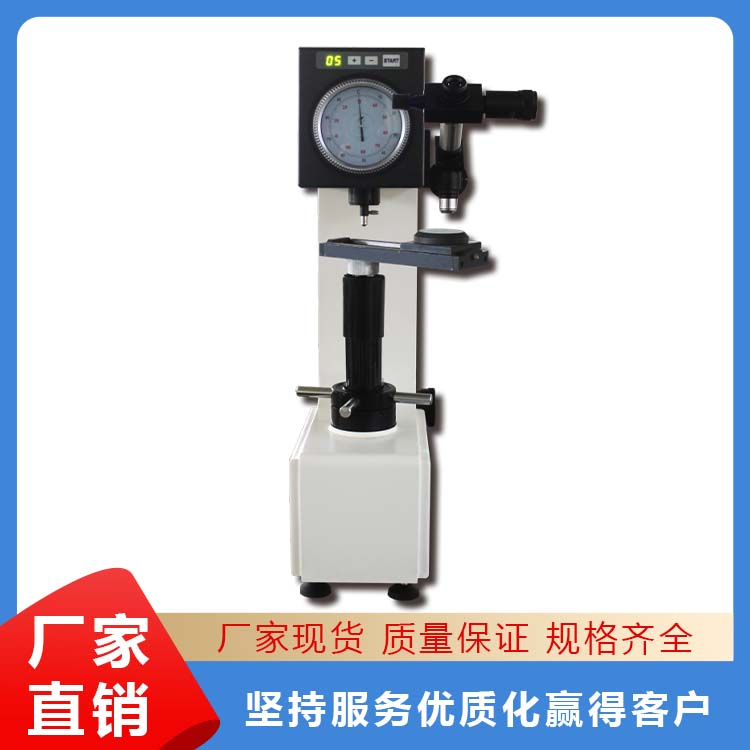







Tensile testers, also known as tensile strength testers or universal material tensile testers, are used to apply mechanical force for tests such as tensile, compression, bending, electronic testing machine prices, shearing, and peeling to evaluate the mechanical properties of materials. They are suitable for testing the physical and mechanical properties of various materials, including plastic sheets, pipes, extrusions, plastic films, rubber, wires and cables, waterproof materials, and metal wires. Their application spans across research institutions, commercial inspection arbitration bodies, colleges and universities, and industries such as rubber, tires, testing machine prices, plastics, wires and cables, footwear, leather, textiles, packaging, building materials, petrochemicals, aviation, metals, fasteners, and more. They are indispensable testing equipment for material development, physical property testing, teaching and research, quality control, incoming material inspection, and random inspections on production lines. Different materials require different fixtures, which are a crucial factor in the smooth operation of tests and the accuracy of experimental results.

After long-term use, the tensile testing machine may cause inaccurate tests. Now, we summarize the handling methods for this issue. When calibrating the testing speed of the tensile testing machine, we first note the initial position of the machine's crossbeam.
Then, on the control panel, select the speed value (measured by using a standard straight steel ruler to measure the span travel); while starting the machine, begin timing with the electronic stopwatch for one minute; at the same time the stopwatch reaches the time, press the machine's stop button; according to the stopwatch time, record the span travel value as the speed per minute (mm/min); check the difference between the span travel value and the straight steel ruler, and calculate the span travel error value, which should not exceed ±1%.

Generally, the tensile test of rubber requires the determination of the following parameters, either several or seven in total.
1. Maximum tensile force value during the stretching to break process (tensile strength)
2. Force at the time of sample fracture (tensile strength)
3. Yield point force value (yield point tensile stress)
4. Force value at the specified elongation of the sample (tensile stress)
5. Elongation at specified stress (specific stress elongation)
6. Yield Point Elongation (Yield Point Stretch Ratio)
7. Elongation at break (tensile elongation) when the sample fractures.

How much for the testing machine? - Testing Machine - Provided by Zhongxin Yan (Suzhou) Testing Instrument Co., Ltd. Zhongxin Yan (Suzhou) Testing Instrument Co., Ltd. has dedicated much enthusiasm and passion to the testing machine field. Zhongxin Yan always puts the customer at the center, focusing on creating value for customers, winning the market with quality and service, and sincerely hopes to cooperate with all sectors of society to create success and brilliance together. For related business inquiries, please contact Yuan Quanlei.