












Hardness Gauge Related Knowledge
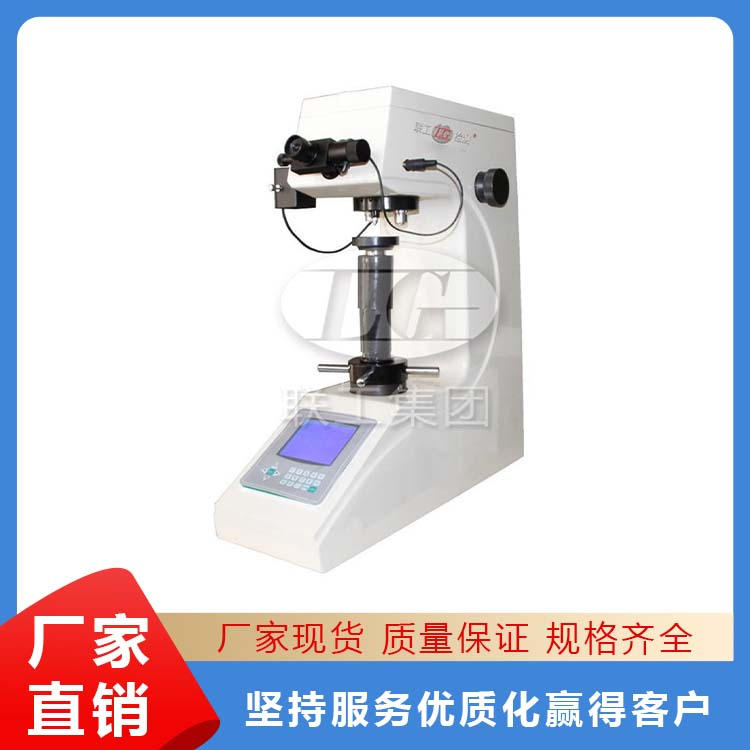
A hardness tester is an instrument used to measure the hardness of materials. Common hardness measurement methods include Brinell hardness, Rockwell hardness, and Vickers hardness, among others. Here are some useful points to consider:
Hardness Units: Bhn hardness is represented by the symbol HB, with units of kgf/mm², suitable for materials with high hardness; Rockwell hardness is represented by the symbol HR, with units of kgf/mm², suitable for softer materials; Vickers hardness is represented by the symbol HV, with units of kgf/mm², suitable for surface-hardened layers.
Testing Methods: Different hardness testing methods employ various principles and procedures. For instance, during Brinell hardness testing, a steel or copper ball of a specific weight is used. The steps for using a Brinell hardness tester involve measuring the diameter of the indentation to calculate the hardness value. In Rockwell hardness testing, different shaped indenters are used, and the hardness value is determined by measuring the depth of the indentation.
Application Range: The hardness tester is suitable for measuring the hardness of various materials, including metals, plastics, ceramics, glass, and more. The methods for measuring hardness and the usage of hardness testers may vary slightly depending on the material.
Measurement Accuracy: The accuracy of the hardness gauge is affected by various factors, such as the pressure of the indenter, the indentation time, and the flatness of the test surface. To ensure measurement accuracy, the Brinell hardness gauge requires selecting appropriate testing methods and parameters based on the material characteristics and testing requirements.
In summary, a hardness tester is an essential tool for measuring material hardness. It's crucial to select the appropriate testing method and hardness tester type based on material properties and testing requirements, while also paying attention to operational standards and measurement accuracy.

What are the accessories for Rockwell hardness testers?
Rockwell hardness tester is a commonly used hardness testing instrument; the accessories for the Buehler hardness tester mainly include the following types:
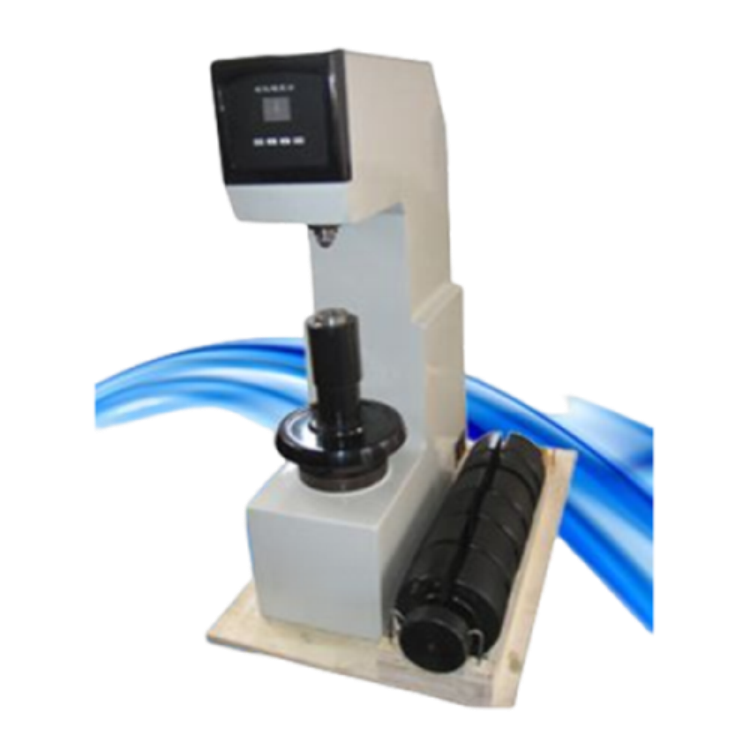
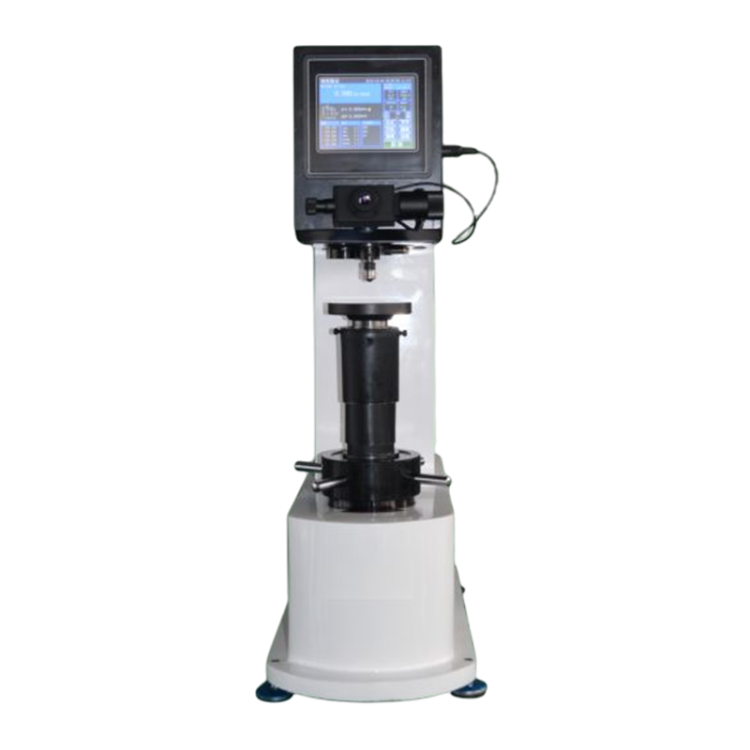
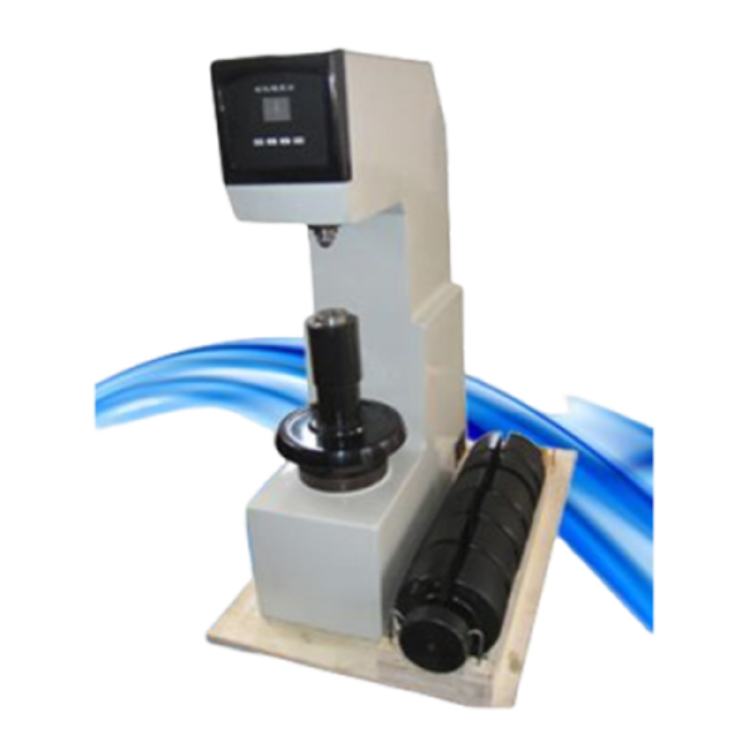
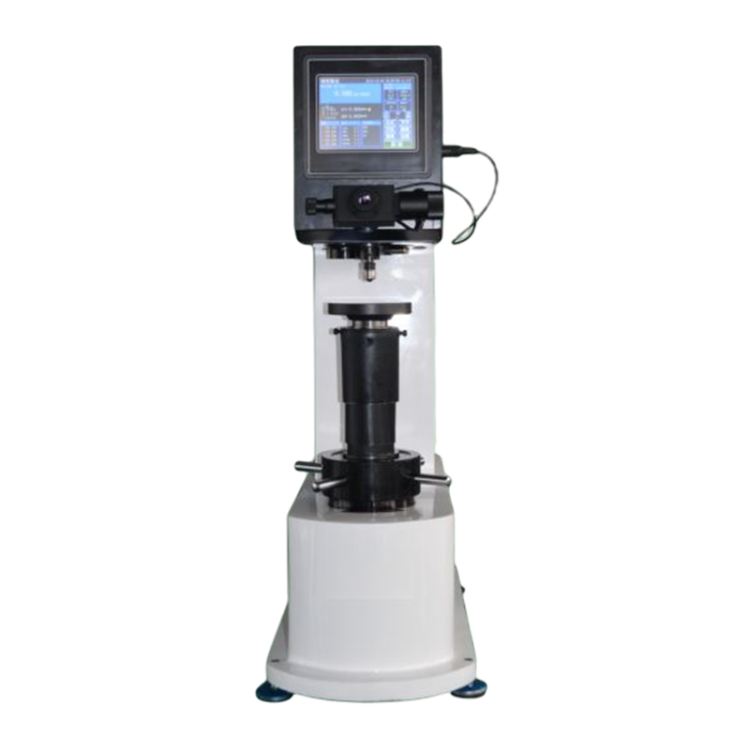
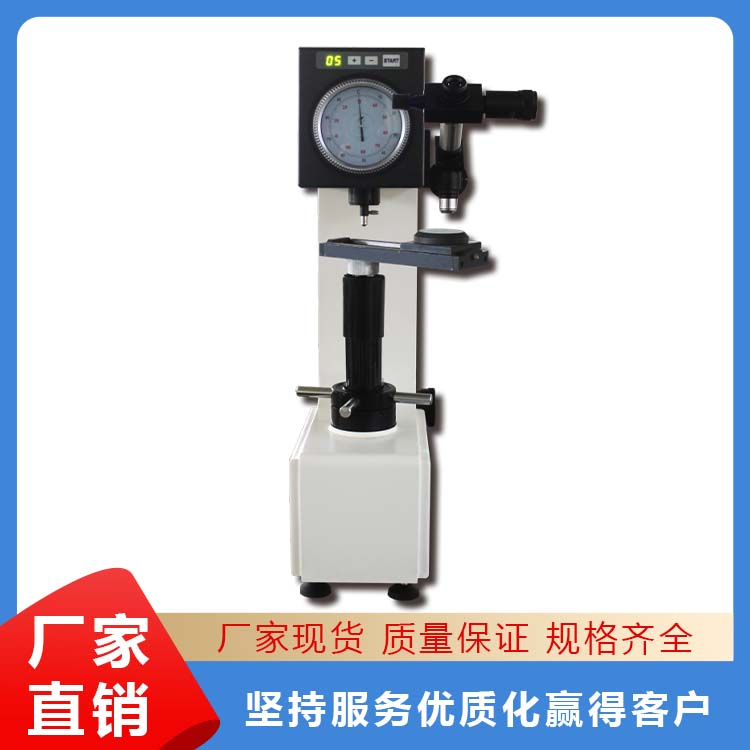
Rockwell Hardness Tester: The main unit of the Rockwell hardness tester, including the test table, anvil, scale disc, and reading microscope, etc.
The indenters for Rockwell hardness testers come in various types, including diamond indenters, tungsten carbide indenters, and hard alloy indenters, among others. Different types of indenters are suitable for different test materials and hardness ranges.
Standard Hardness Blocks: Standard hardness blocks serve as calibration standards for Rockwell hardness testers, used to calibrate the scales of the hardness testers. The hardness value of the standard hardness blocks should comply with national or industry standards.
Conversion Table: The Rockwell hardness scale is typically referenced to a 100 Rockwell hardness value, but the hardness values of different materials may not be near this. The conversion table is used to convert the actual hardness values of materials to Rockwell hardness values for easier reading and recording of test results.
Test Bench: The test bench is the part of the Rockwell hardness tester used to support the test samples, which can be adjusted according to the size and shape of different test samples.
Microscope: Rockwell hardness testers are often equipped with a microscope for observing and reading test results. The microscope typically offers high magnification and clear imaging quality.
Additional Accessories: The Rockwell hardness tester may also be equipped with other accessories such as lighting, protective covers, and sample stands, etc., from Nanjing Brinell hardness tester, to meet various testing requirements.
These accessories, when used with the Rockwell hardness tester, enable testing of various materials and hardness levels. When selecting Rockwell hardness tester accessories, choose based on actual needs and usage to meet testing requirements and enhance efficiency.
A hardness tester is an instrument used to measure material hardness, and its accessories include the following types:
Hardness Tester Main Unit: The main unit of a hardness tester is a component used for measuring the hardness value of materials.
Hardness Tester Platform: The platform is used for placing the material to be tested and is typically selected based on the type and size of the hardness tester's main unit.
Hardness Tester Press Head: The hardness tester press head is used to apply pressure to the material being measured for hardness testing. Different types of hardness testers allow for the selection of various press head types and sizes, such as steel ball press heads, diamond press heads, and more.
Hardness Tester Ring: The ring is used for installing and securing the pressure head to ensure accurate pressure application during the hardness test.
Hardness Gauge Calibration Blocks: Calibration blocks are used to adjust the measuring accuracy of hardness gauges, ensuring the accuracy of the measurement results.
Hardness Gauge Power Adapter: The power adapter is used to supply power to the hardness gauge, ensuring its normal operation.
Hardness Gauge Manual: This manual provides instructions and maintenance guidance for the hardness gauge to assist users in operating and using the gauge correctly.
These accessories may vary depending on the type and brand of the hardness tester. Users should select and adjust the hardness tester based on the actual situation.

Buehler Hardness Tester Company - Zhongxin Research (Online Inquiry) - Nanjing Buehler Hardness Tester provided by Zhongxin Research (Suzhou) Testing Instrument Co., Ltd. Zhongxin Research (Suzhou) Testing Instrument Co., Ltd. is a witness to testing machines in Suzhou, Jiangsu. For many years, the company has implemented scientific management, innovative development, and honest trustworthiness, meeting customer needs. The leadership of Zhongxin Research warmly welcomes inquiries and negotiations from all sectors, striving to create a brighter future together.