








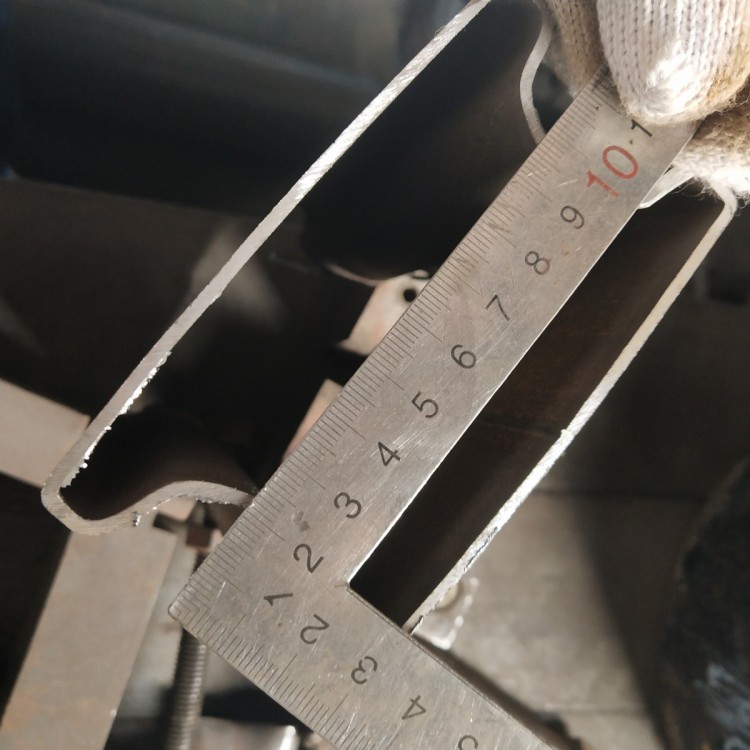
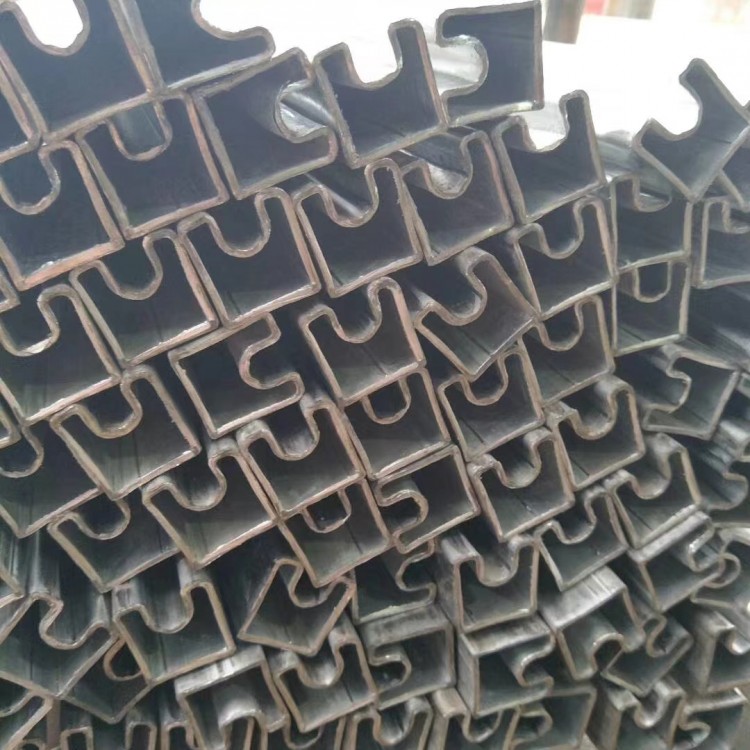
Z-shaped steel process, how is Z-shaped steel made, Z-shaped steel manufacturers
Tianjin Jiatong
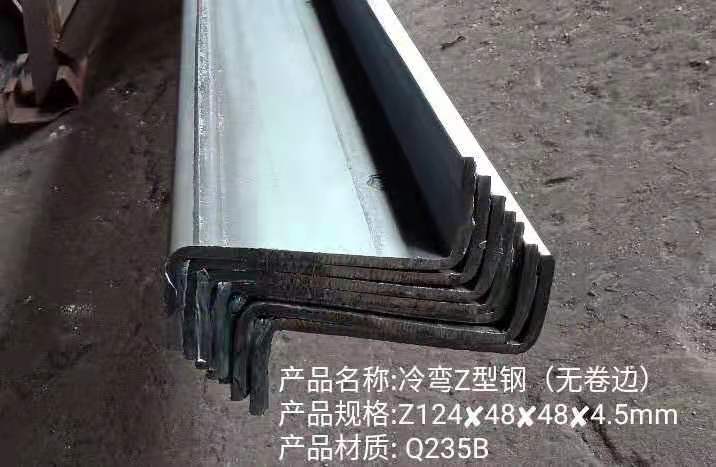
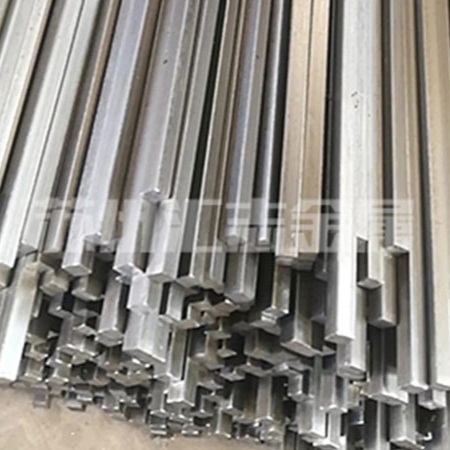
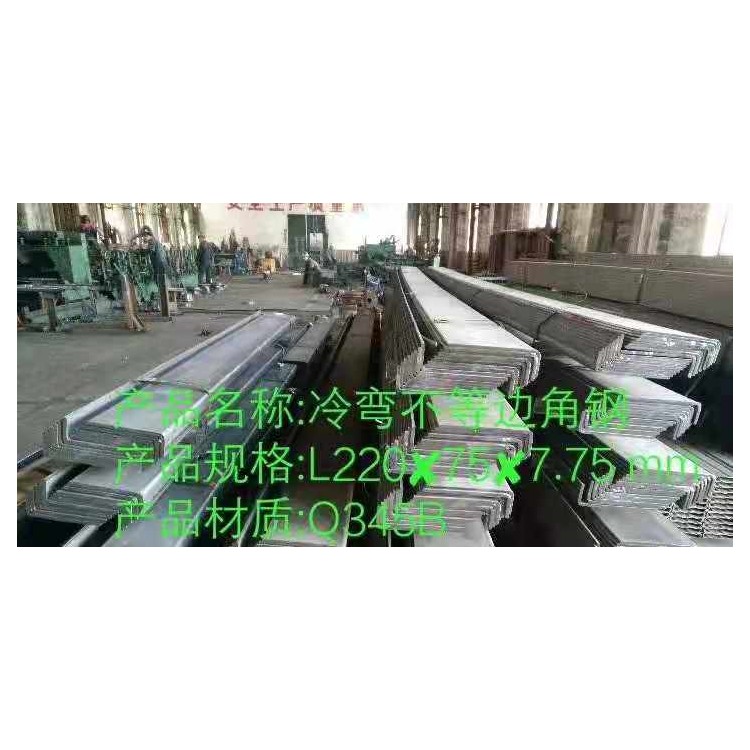
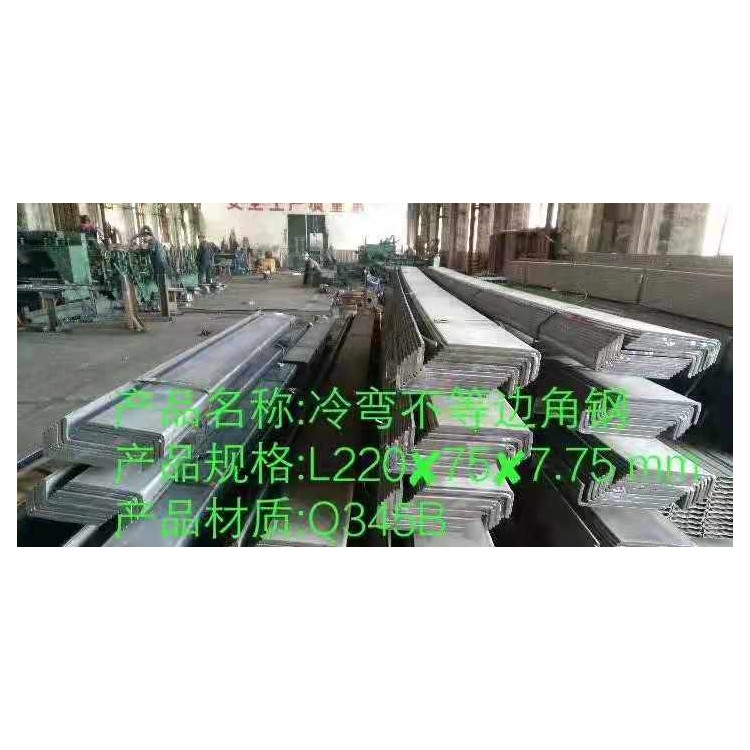
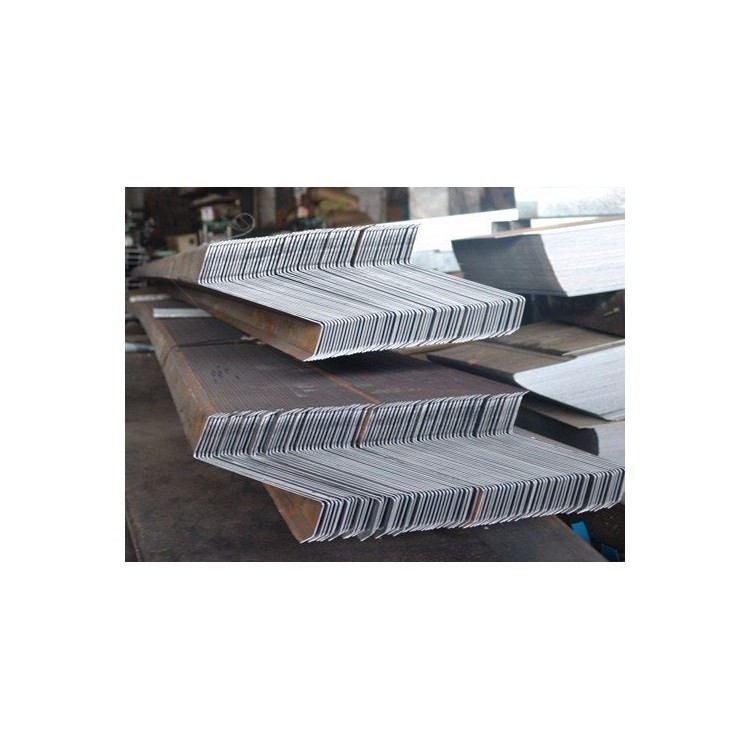
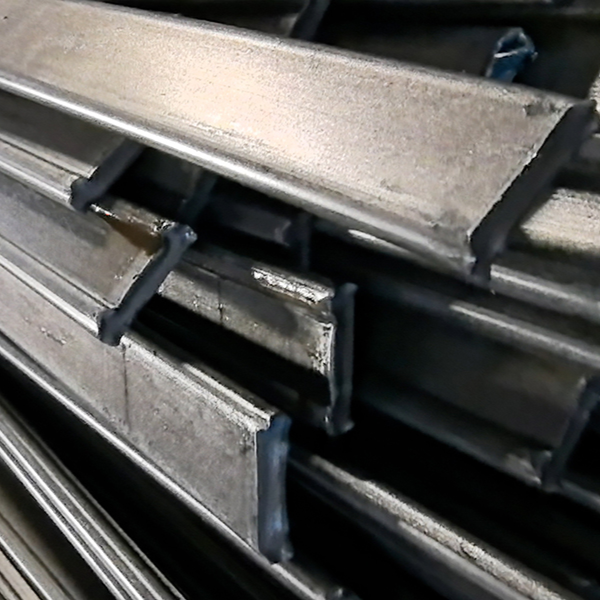
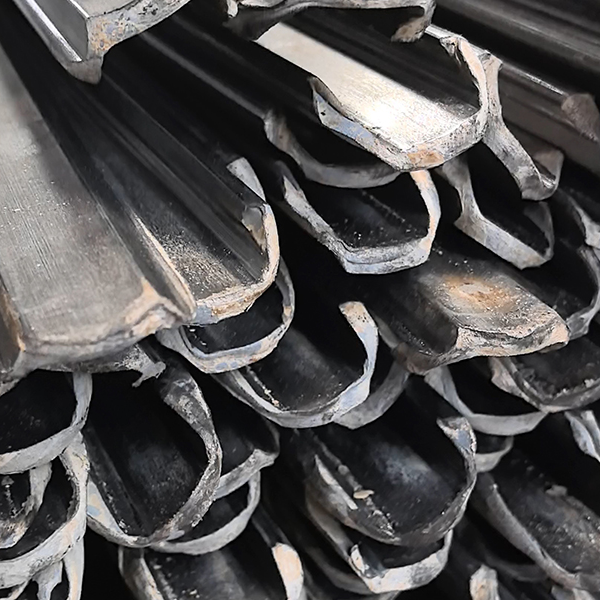
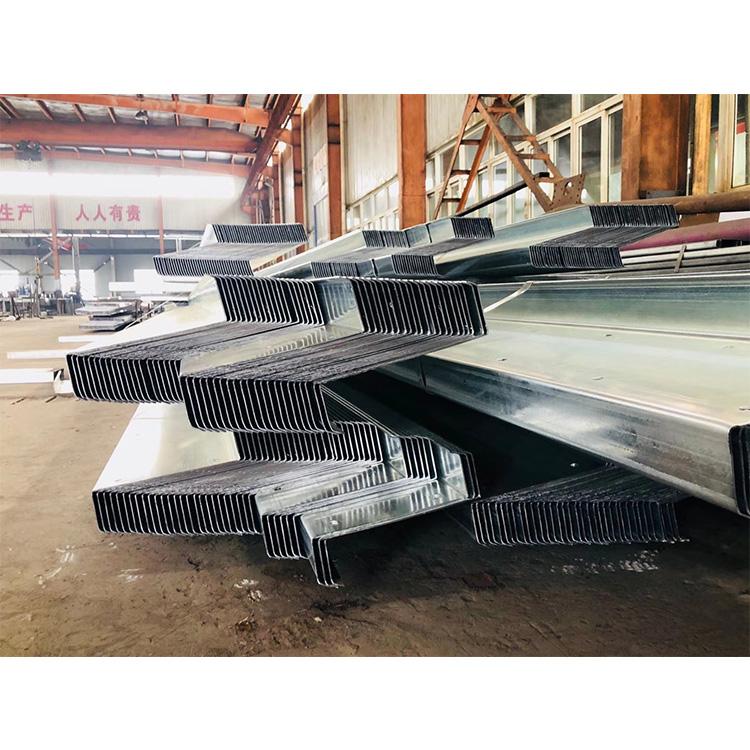
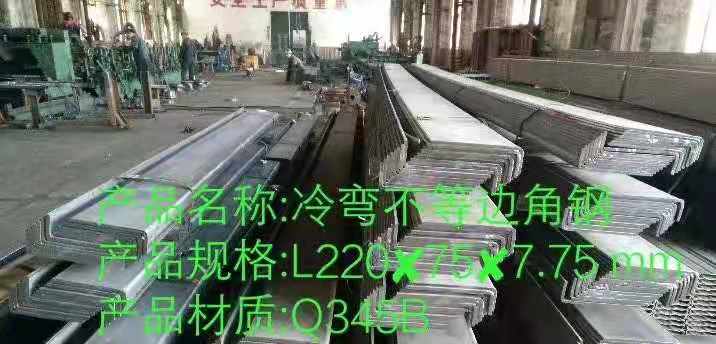
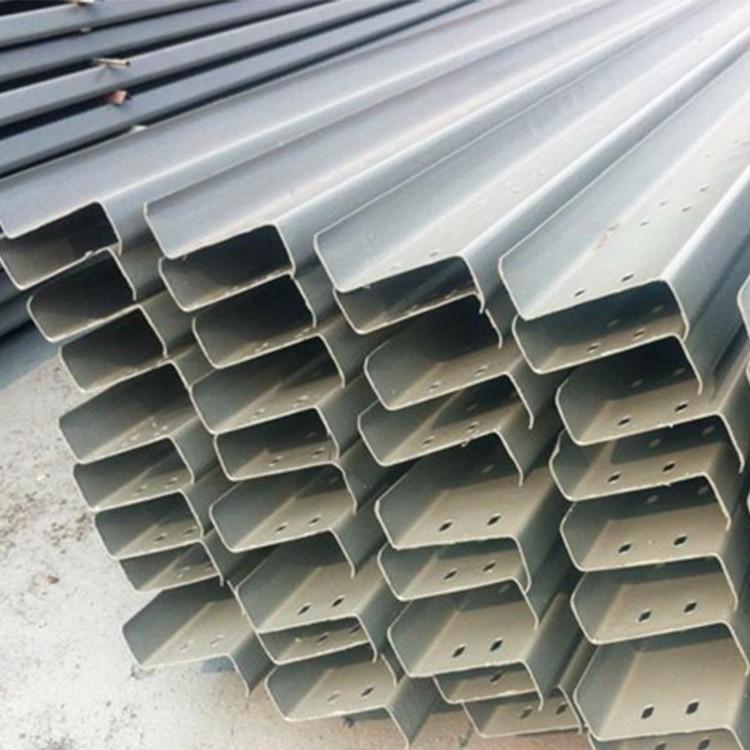
Z-shaped steel is a common type of steel section with a Z-shaped cross-section, widely used in construction, bridges, ships, and machinery manufacturing. It boasts high strength, good rigidity, and light weight, making it highly favored. Below, we will introduce the production process and relevant standards of Z-shaped steel.
I. Production Process
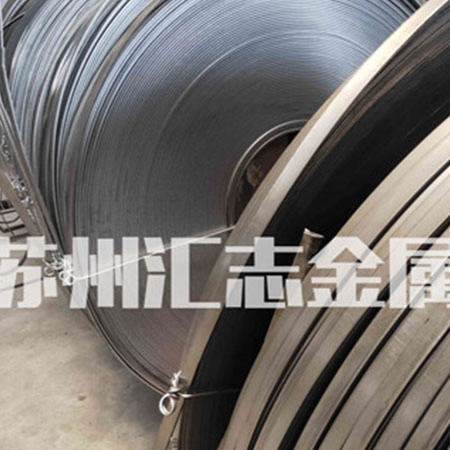
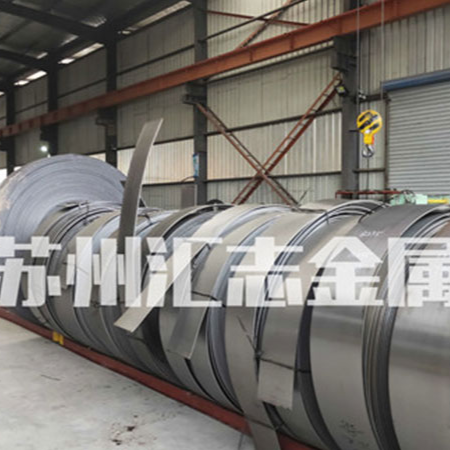
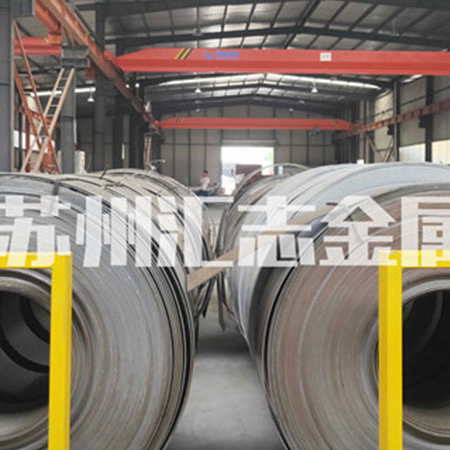
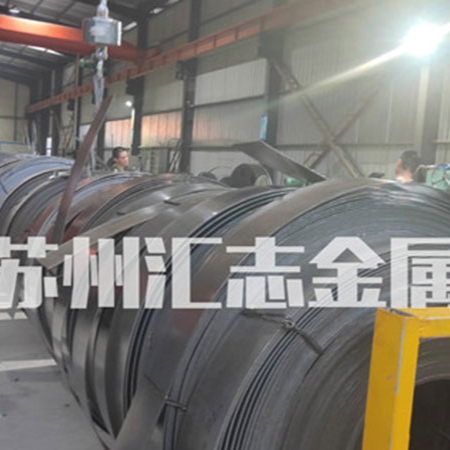
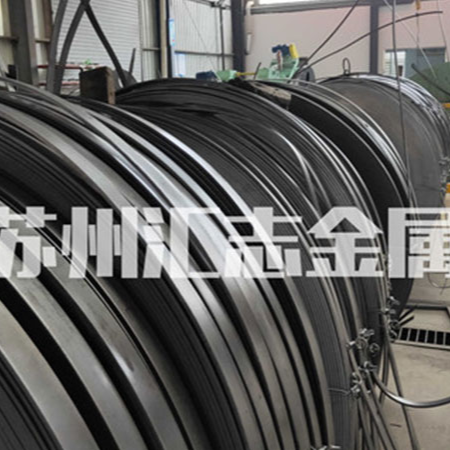
1. Material Preparation The primary raw material for Z-shaped steel is sheet steel or steel strip, usually produced through hot rolling or cold rolling. When selecting raw materials, factors such as chemical composition, mechanical properties, and surface quality must be considered.
2. After undergoing processes such as shearing and straightening, the raw material is fed into a coil roller machine for rolling and shaping. Coil roller machines typically use a multi-roller or double-roller configuration, allowing for the production of various sizes of Z-shaped steel through different roller combinations.
3. Prior to coil forming, pre-bending of the raw material is required to better accommodate the forming requirements of the coil machine. Pre-bending is achieved by adjusting the roller wheels, typically requiring customization based on specific conditions.
4. The raw material, pre-bent, is fed into the coil roller machine, where it undergoes a series of roller pressing and bending to ultimately form the Z-shaped steel cross-section. During the molding process, precise control of the roller positions and angles is necessary to ensure accuracy and stability in the molding.
5. After the cutting and shaping is completed, the Z-shaped steel needs to be cut. The cutting can be done using mechanical cutting, flame cutting, or plasma cutting methods. The cut Z-shaped steel must be trimmed and organized to ensure it meets the required dimensions and surface quality.
6. Surface treatment is often required to enhance the corrosion resistance and aesthetic quality of Z-shaped steel. Common surface treatment methods include painting, hot-dip galvanizing, electroplating, etc., and the appropriate method should be selected based on specific requirements.
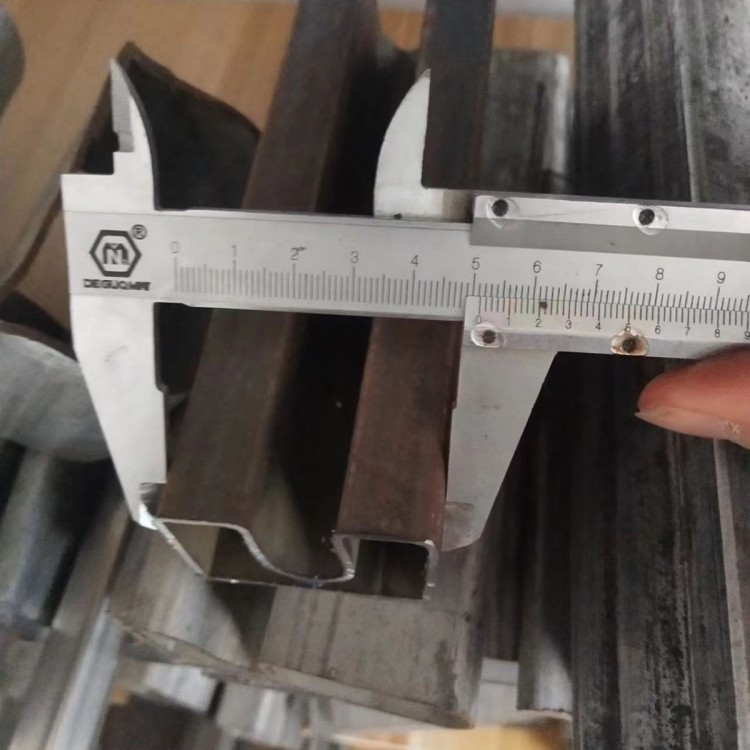
7. Inspection and Quality Control Throughout the Production Process: Various inspection and quality control measures must be implemented to ensure the quality of the Z-shaped steel meets standard requirements. Common inspection items include dimension measurements, chemical composition analysis, and mechanical property testing.

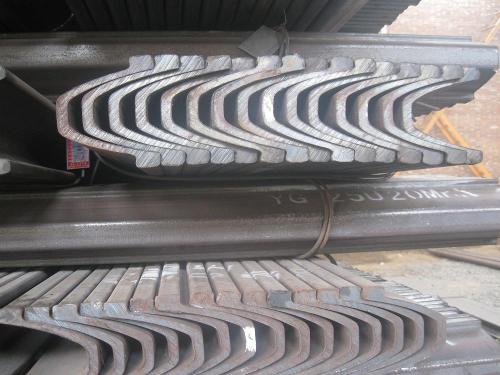
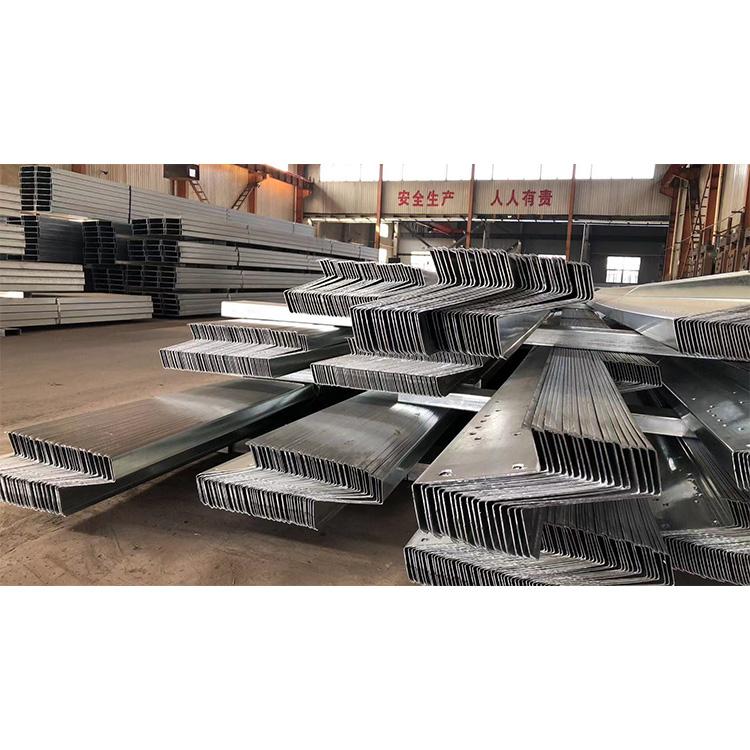
II. Relevant Standards
Production and use of Z-shaped steel must comply with certain standards. The following are some common standards:
1. GB/T 706-2008 "Hot-Rolled Steel Sections" specifies the dimensions, appearance quality, grade of quality, and technical requirements for hot-rolled steel sections. Z-shaped steel is a type of hot-rolled steel section, thus it must comply with the relevant provisions of this standard.
2. GB/T 1591-2018 "High Strength Low Alloy Structural Steel" specifies the chemical composition, mechanical properties, dimensional tolerances, and other requirements for high strength low alloy structural steel. Z-shaped steel is commonly used in construction and bridge fields, thus it must comply with the relevant regulations of this standard.
3. GB/T 3094-2012 "Cold Drawn Seamless Steel Tubes" specifies the requirements for dimensions, appearance quality, chemical composition, and mechanical properties of cold drawn seamless steel tubes. Since the production of Z-shaped steel often employs cold rolling processes, compliance with the relevant provisions of this standard is necessary.
4. GB/T 6728-2017 "Cold-Formed Steel Sections and Thin-Walled Sections of Cold-Formed Steel" specifies requirements for dimensions, appearance quality, chemical composition, and mechanical properties of cold-formed steel sections and thin-walled sections. Z-shaped steel is a type of cold-formed steel, thus it must comply with the relevant provisions of this standard.
The production process and related standards for Z-shaped steel are crucial for ensuring its quality and performance. Only by employing scientifically rational production methods and strictly adhering to the relevant standards can Z-shaped steel meet the required specifications and fulfill the needs of various industries.