













Based on the above analysis, it is ideal to quench steel pipes by rotation, with both internal and external cooling. Internal cooling should be achieved by injecting water into the pipe through nozzles, with a flow rate of not less than 10 m/s being preferable. External cooling can be done via spray or immersion in a quenching tank, but there must also be agitating nozzles in the tank. In summary, the quenching of steel pipes should aim for adequate cooling capacity and as uniform cooling as possible, which should guide the selection of the quenching method.
An ideal quenchant has a faster cooling rate in the high-temperature zone to prevent the decomposition of Austenite and improve the steel's quenchability; and a slower cooling rate in the low-temperature zone to reduce the tissue stress during Martensite transformation, minimizing deformation or cracking. There is no such thing as an ideal quenchant, but these two factors should be considered when selecting a quenchant.

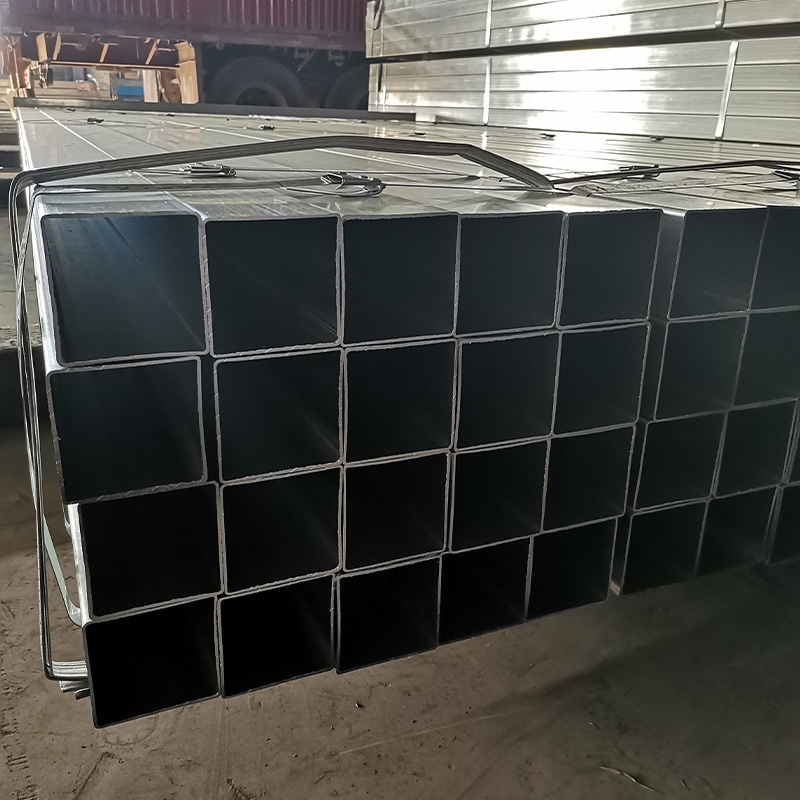
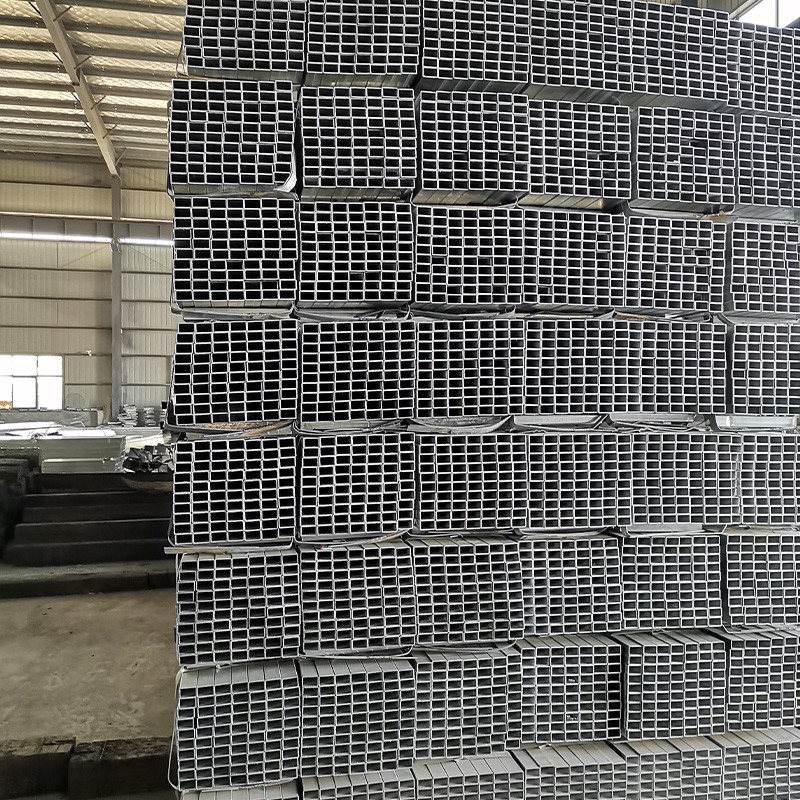

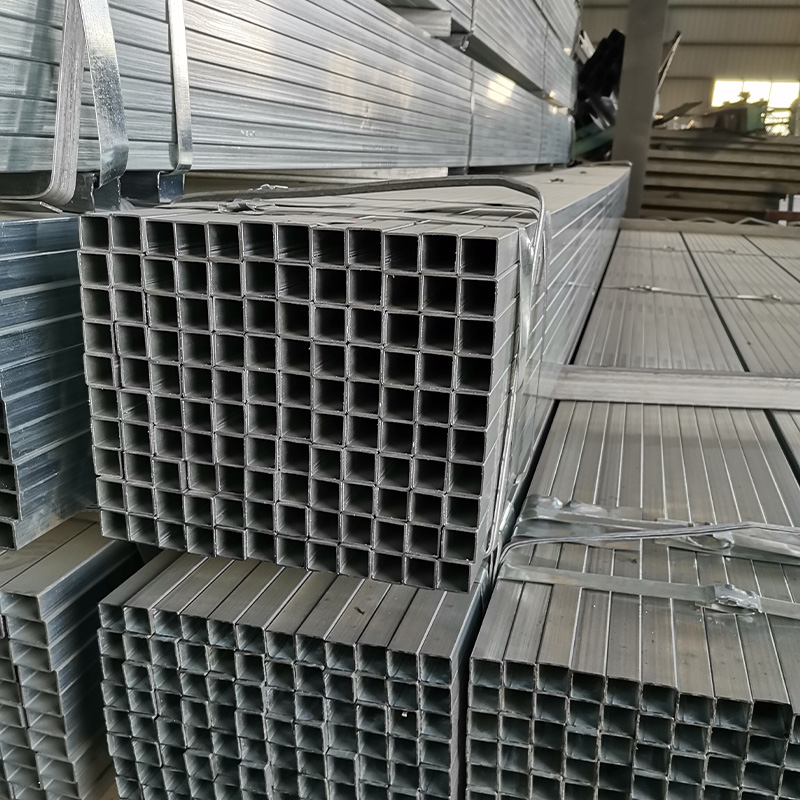
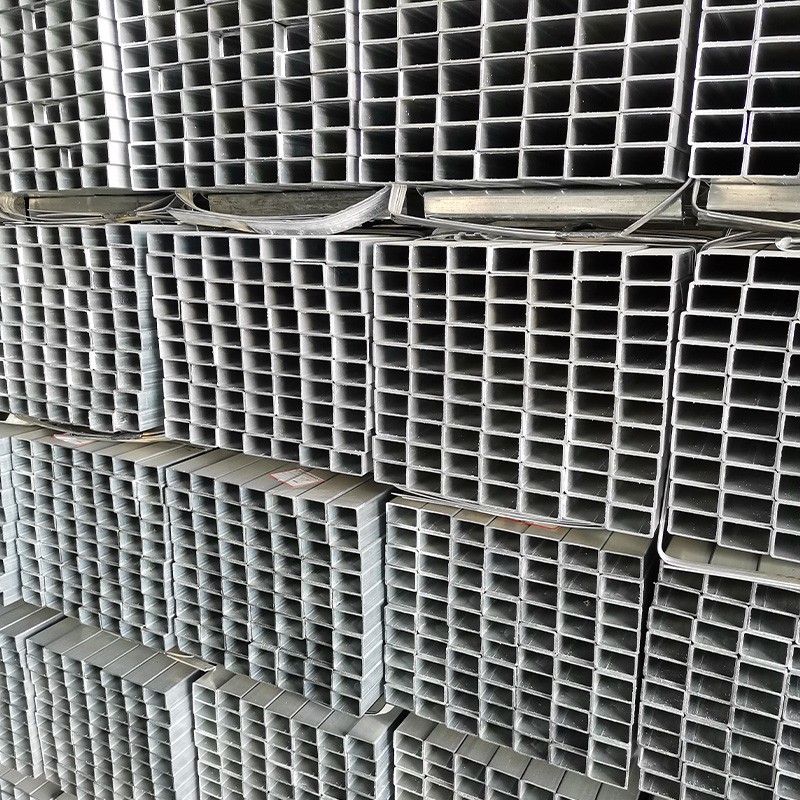

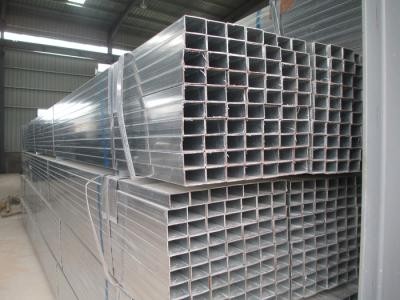
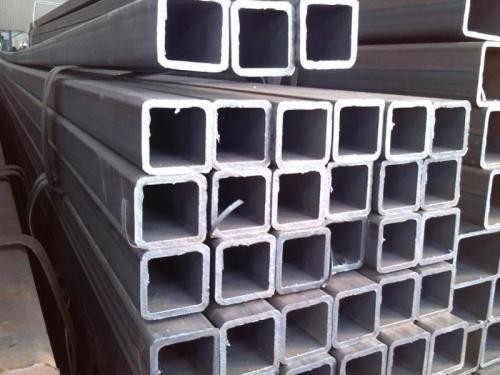
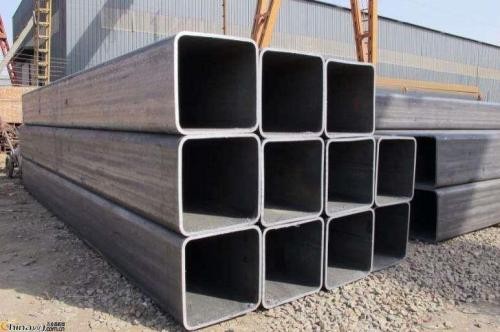

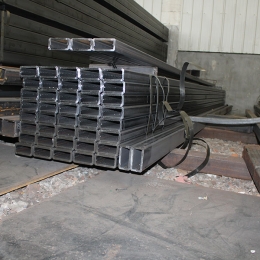
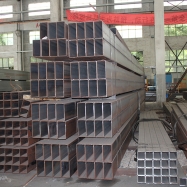

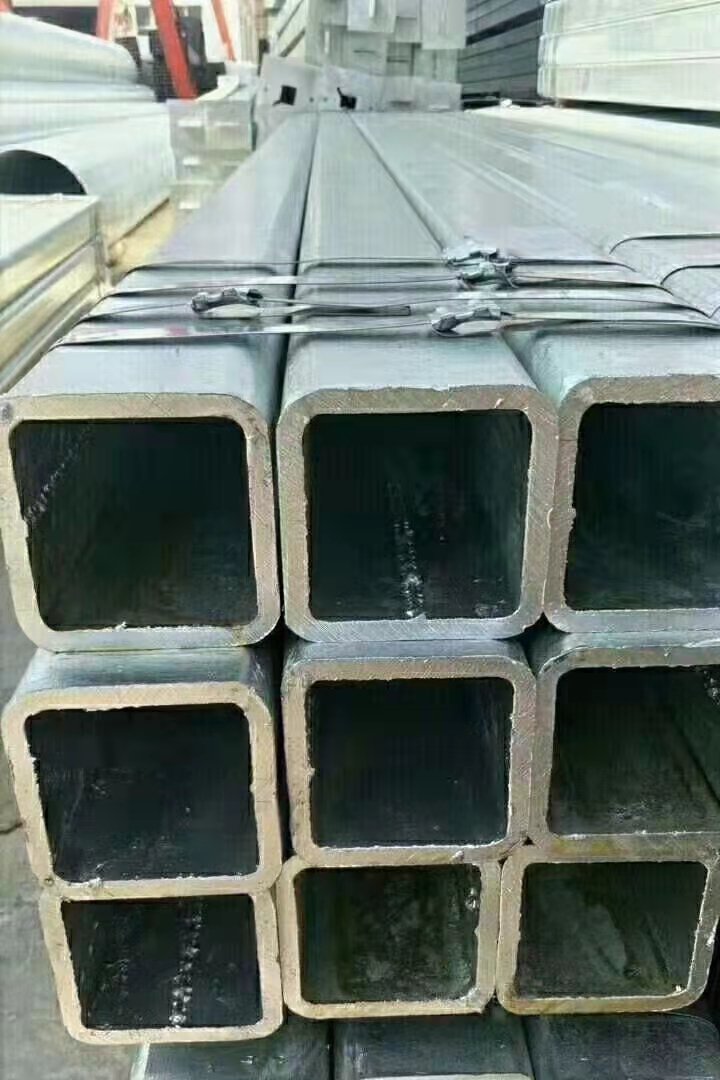
The choice of quenching medium should be considered based on various factors such as the type of steel pipe, technical requirements, and the composition of the steel. For example, in the case of oil pipe materials, high-grade (strength) steel pipes undergo heat treatment using tempering process, which is a combination of quenching and high-temperature tempering. The steel grades commonly use medium-carbon alloy structural steel with low carbon content, and the wall thickness of the steel pipes is generally consistent. The stress distribution during quenching is relatively uniform, reducing the risk of cracking. Therefore, water can be prioritized as the quenching medium.
The advantages of water as a quenching medium include rapid cooling rates, which enhance the steel's hardenability, allowing for reduced alloy content in the steel, thereby lowering production costs. Additionally, using water for quenching is stable and cost-effective in production. However, due to its rapid cooling, water can cause significant deformation in steel pipes, and in cases where there are certain defects on the surface of the pipes, these can expand into defects during quenching, resulting in scrapped products.
If the carbon content in the steel is high, to minimize deformation or cracking during quenching, a slower cooling oil-based quenching oil or water-based quenching fluid should be used as the quenching medium.