






From an expert's perspective, I will introduce how to create an immersive emotional journey through lighting design. As an art form, lighting design can generate various atmospheres through the use and control of light, offering unique experiences to the audience. In the following practical tutorial, I will showcase some key steps and techniques to help you achieve this goal.
1. Understand the basic principles of lighting design.
Lighting design is a complex and meticulous art form that requires certain knowledge and skills. Firstly, we need to understand the basic principles of lighting, including color, brightness, and direction. By adjusting and utilizing lighting, we can create different emotional expressions such as warmth, romance, or passion. Mastering these basic principles is a step towards becoming an excellent lighting designer.
Section II: Selecting Appropriate Lighting Fixtures and Effects
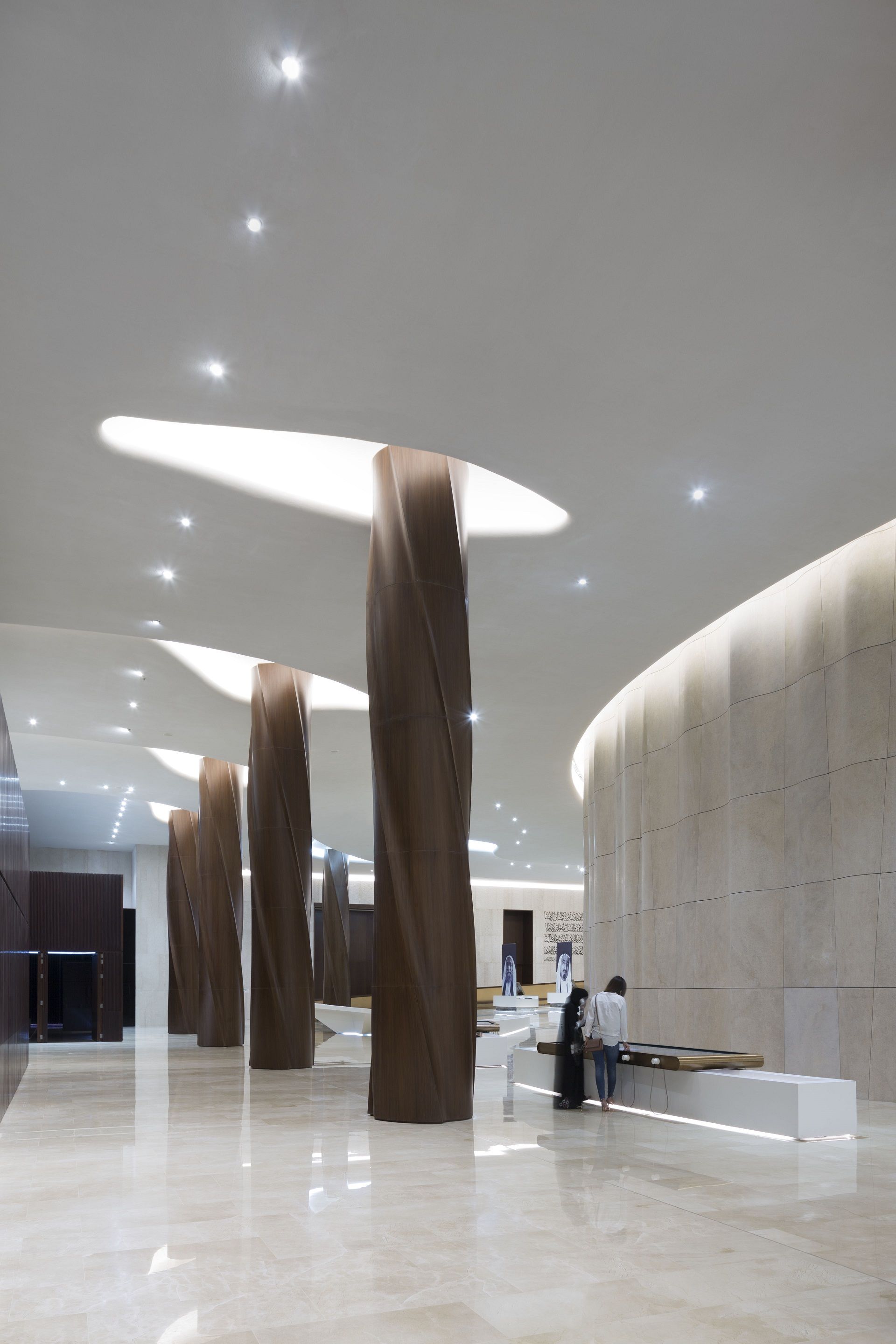
When designing lighting, we must select the appropriate fixtures and effects to achieve the desired emotional expression. First, we need to choose the suitable type of lighting fixtures based on the specific requirements of the space and scenario, such as LED, halogen, or fluorescent lights, etc. Next, we can create a wide variety of lighting effects by adjusting parameters like brightness, color, and projection angles, such as spotlights, wall washing, or projections. Choosing the right fixtures and effects is a crucial step in creating an emotional journey.
III. Consider the scene atmosphere and audience experience
Lighting design involves more than just technical considerations; it also requires an understanding of the atmosphere and audience experience. When crafting a lighting scheme, we must take into account the overall style and ambiance of the scene, with the audience's feelings at the heart of the design. For instance, in a romantic setting, we can use soft, warm lighting to create a cozy atmosphere; in an intense scene, we can employ vibrant, colorful lighting to generate a lively ambiance. By considering both the scene and the audience's feelings, we can better design and express an emotional journey.
Section 4: Lighting Control and Programming Techniques
In lighting design, the control and programming of lights are a crucial aspect. With proper lighting control and programming techniques, we can achieve interactive and collaborative effects among multiple light sets, creating richer and more dynamic lighting displays. For instance, we can set up timed on/off, color transitions, and light pulsing, making the lights more interesting and appealing. The application of lighting control and programming skills can make the emotional journey more vivid and spectacular.
Five: Continuous Practice and Improvement
To become an excellent lighting designer, we need to continuously practice and enhance our skills. In actual projects, we can refine our design abilities by participating in more events and exhibitions. Additionally, we can learn and draw inspiration from other lighting designers' works and experiences, engaging in discussions and exchanges about the art of lighting design. Through constant practice and improvement, we can better utilize lighting design to create an immersive journey of enchanting light and shadow.
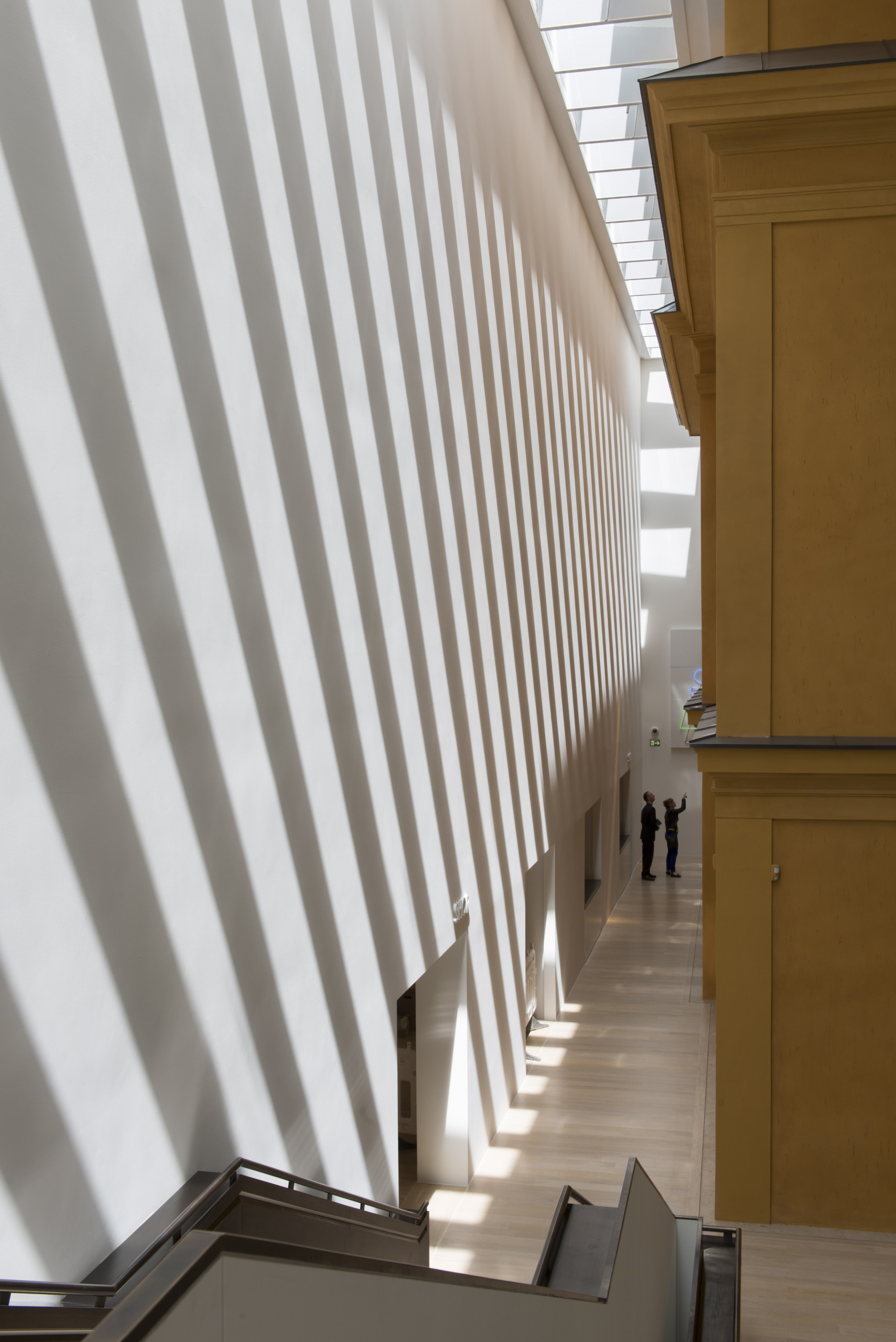
By following these steps and techniques, we can create an immersive emotional journey through the art of lighting design. Whether it's at a family gathering, a business exhibition, or a cultural event, lighting design can offer viewers a unique experience and sensation. As a lighting design expert, I hope this informative tutorial can help you master the skills of lighting design and craft unforgettable emotional journeys.