






Through landscaping design, creating a comfortable environment for the community and enhancing residents' satisfaction is a challenging yet important task. As an expert, I will introduce some practical tutorials to help you achieve this goal.
1. Comfortable landscape planning
As the core of garden design, the aim of landscape planning is to create an inviting, organic, and harmonious environment. Firstly, you need to conduct a detailed analysis of the community's terrain, climate conditions, and existing vegetation. Then, select appropriate plants to create various landscape features based on their colors, textures, and heights. Simultaneously, plan the open spaces, green areas, and attractions within the community to offer a variety of leisure and activities. Most importantly, ensure that the landscape planning aligns with the overall style of the community and meets the needs of its residents, providing them with a comfortable living environment.
2. A wide variety of vegetation options
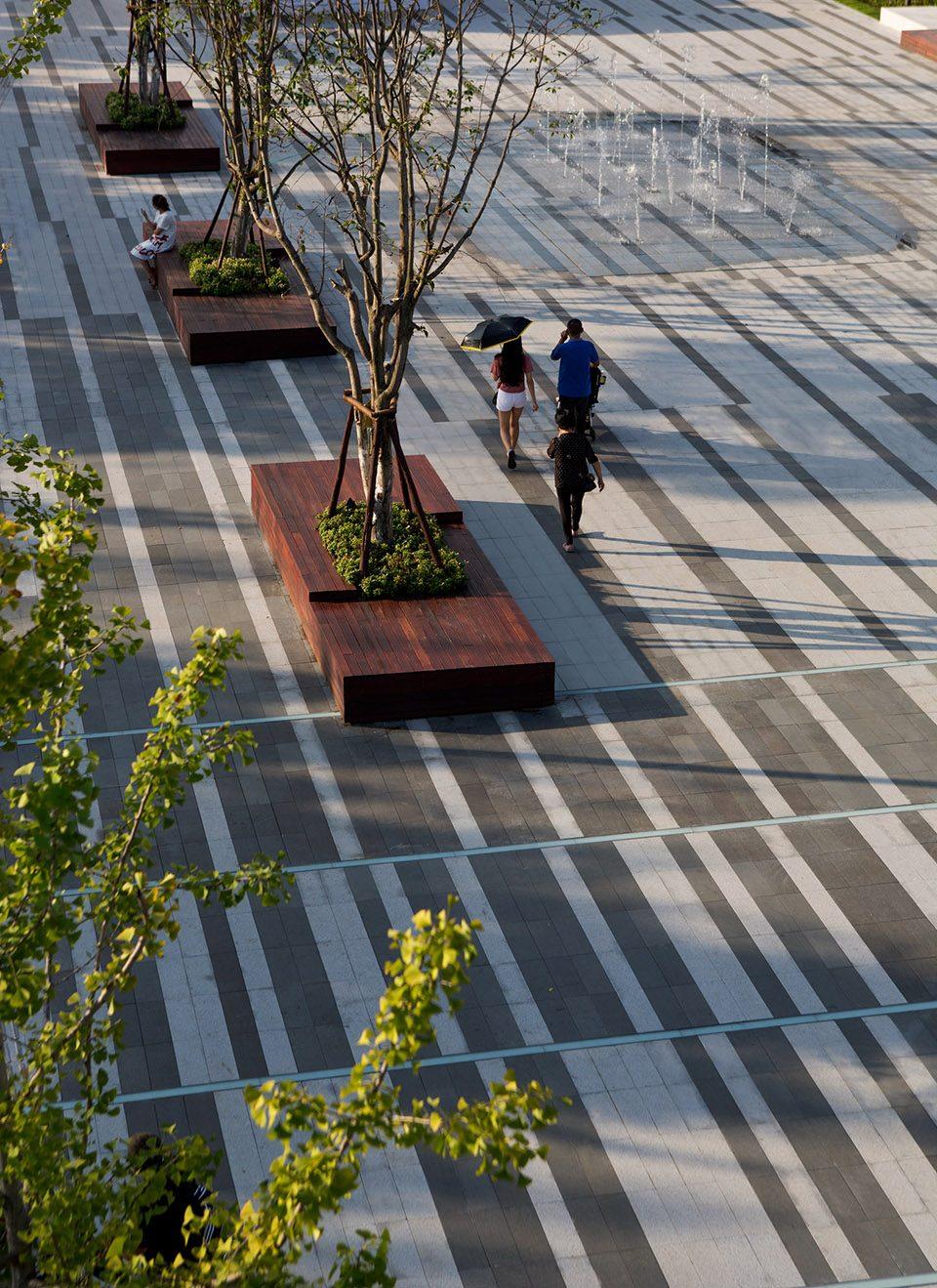
In landscape design, vegetation plays a crucial role. By selecting plants suitable for the local climate, one can create a landscape that offers different charms throughout the year. It is recommended to choose plants with diverse blooming periods and rich foliage colors to present a vibrant and varied community scene. Additionally, consider introducing plants with aromatic or herbal properties to enhance the pleasant atmosphere. Moreover, plants should be grouped and paired according to their growth characteristics to create a rich sense of depth and visual appeal.
3. Thoughtfully designed landscape elements
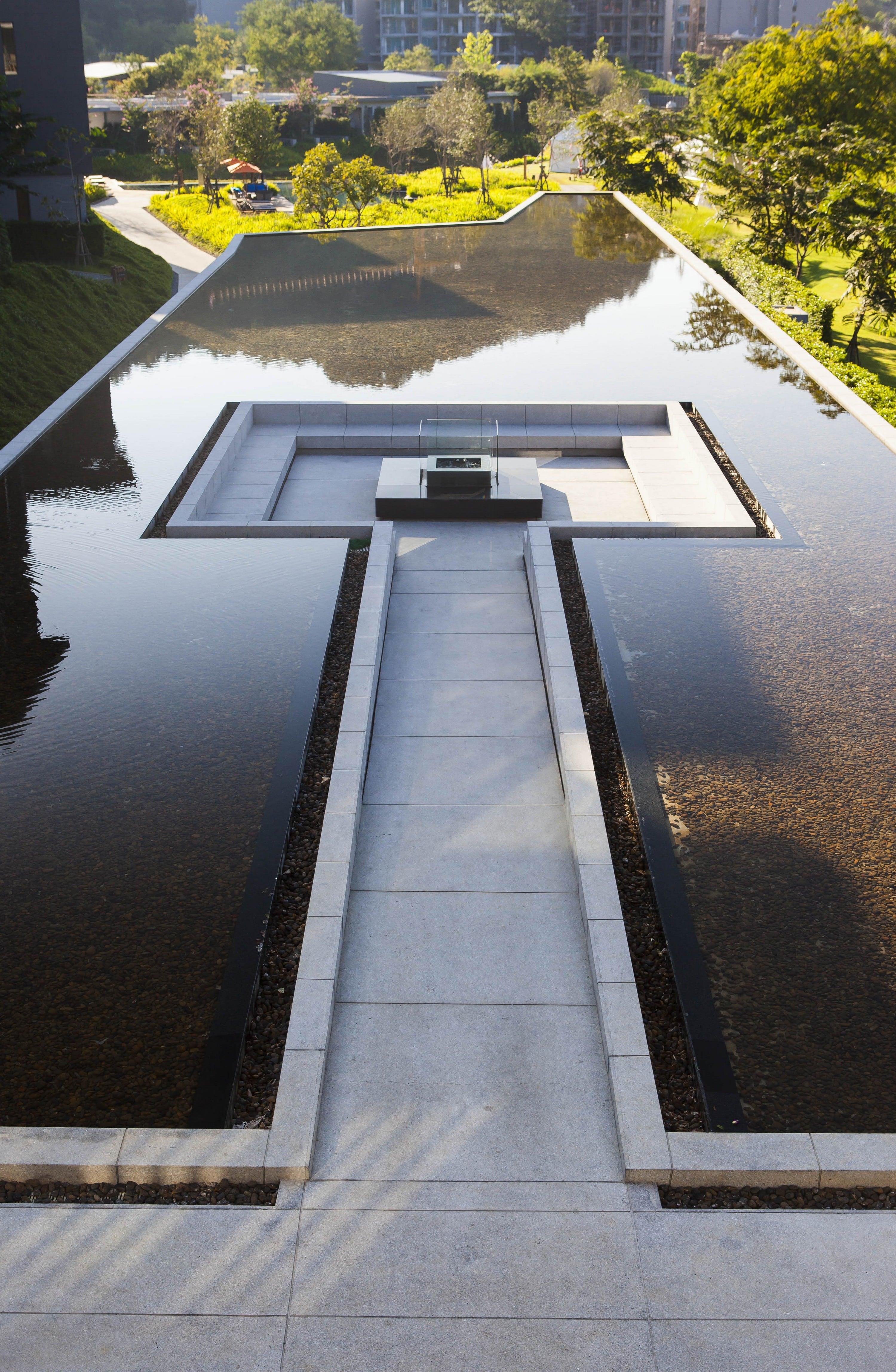
In landscape design, scenic elements can enhance the attractiveness and comfort of a community. For instance, water features can purify the air while providing a place for residents to appreciate and relax. Decorations like flower beds, ornamental stones, and sculptures can add artistic and unique elements to the landscape, infusing vitality into the community. Additionally, amenities such as benches, pavilions, and outdoor sports areas can be set up to meet the various needs of residents.
4. Implement sustainable practices
In garden design, we should actively consider principles of sustainable development. Using local plants and materials can reduce energy and resource consumption, as well as lower maintenance costs. Appropriately utilizing rainwater, establishing a rainwater collection system for plant irrigation, can save water resources while enhancing the greening effect of the community. Additionally, setting up solar lighting and intelligent irrigation systems can further reduce energy consumption and improve the efficiency and sustainability of garden design.
5. Actively participate in community residents
To enhance the satisfaction of community residents, we should seek their opinions and needs, and actively participate in community activities and discussions. For instance, organizing gardening or planting events for residents can enhance their sense of involvement and belonging in landscape design. Furthermore, regularly hosting community events such as outdoor concerts or community clean-up days can foster communication and interaction among residents, while also boosting their satisfaction with the community environment.
By adhering to the principles and measures of garden landscape design mentioned above, we can achieve the creation of a comfortable community environment and enhance resident satisfaction. Garden landscape design is not just about planting arrangements; it's about creating a livable and beautiful community, providing residents with pleasant living and leisure spaces. Let's work together through garden landscape design to create a brighter future for the community.