








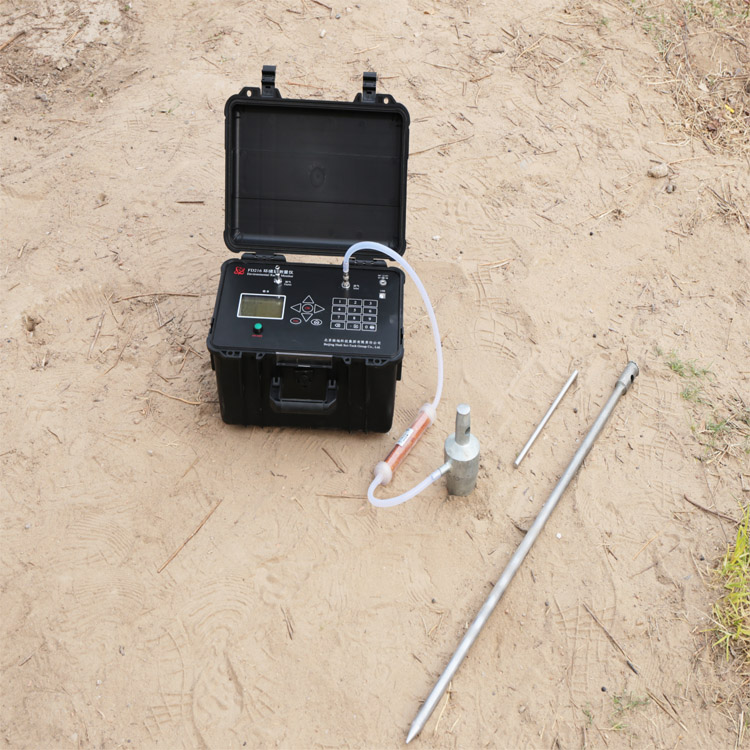
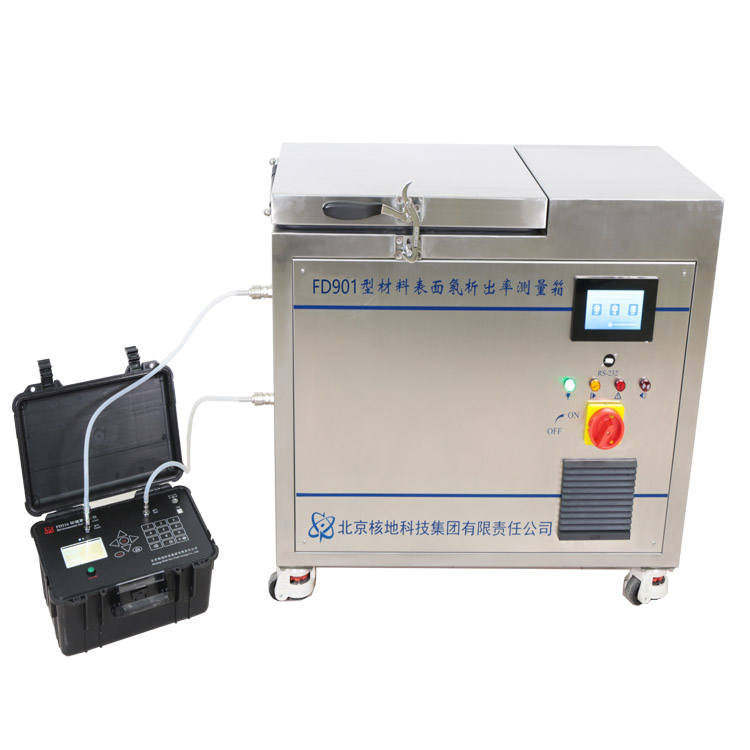

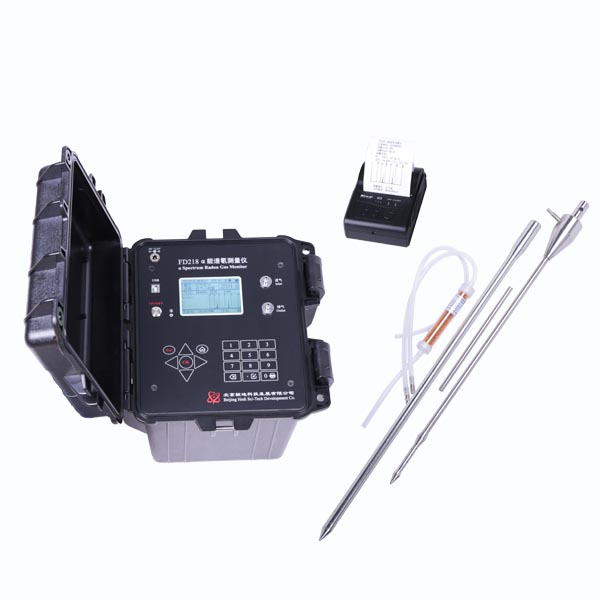
The Radon meter tells you how radon gas enters the interior of the house.
What is Radon?
Radon, although colorless, odorless, and tasteless, is an inert gas with radioactivity. When inhaled, the alpha particles emitted during radon decay can cause radiation damage to the human respiratory system and trigger diseases. Building materials, such as granite, brick sand, cement, and gypsum, are the primary sources of indoor radon, especially natural stones containing radioactive elements. The material surface can release radon, particularly with the FD218 process. Therefore, it is necessary to use a radon meter to measure indoor radon levels to prevent the occurrence of related diseases.
TwoWhat is the principle of radon measurement?
By using a sampling pump or free diffusion method, radon from the air to be tested is drawn into or diffused into the measurement chamber. The concentration of radon in the air to be tested is calculated by measuring the α-radioactivity of the daughter products produced by the collected radon or the daughter products concentrated by electrostatic adsorption.
Three: What are the general steps for radon meter detection?
To assess indoor radon levels, a two-step measurement process is employed: 1. Screening measurement, used to quickly determine if the building poses a potential high radiation risk to its occupants. 2. Tracking measurement, used to estimate the health risk to occupants and to evaluate the effectiveness of quality control measures.

Radon Measurement Instrument Overview
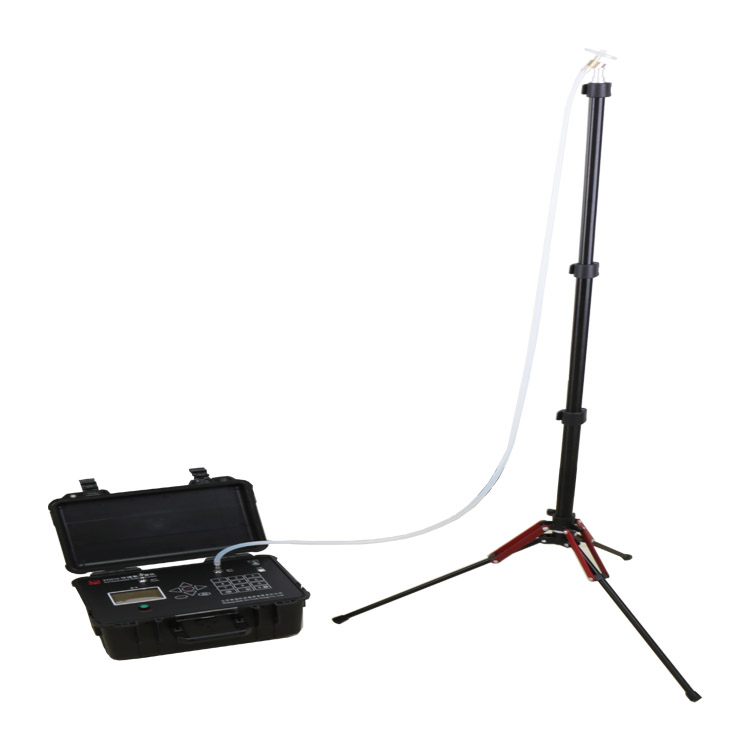
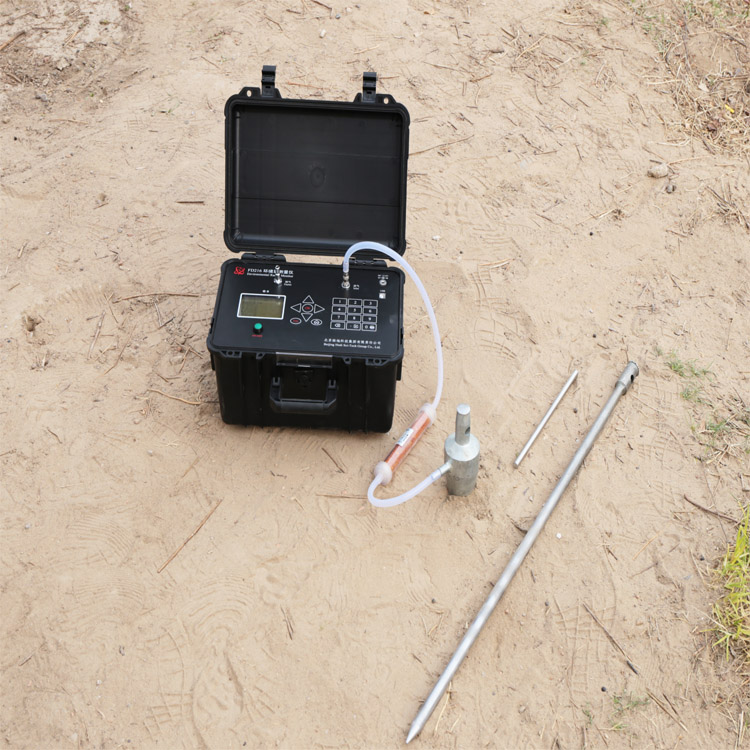
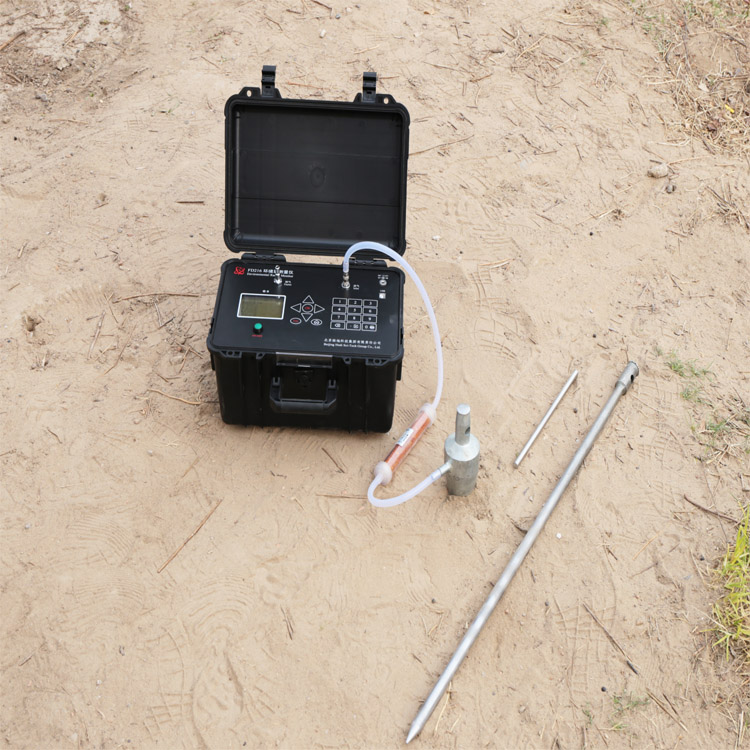
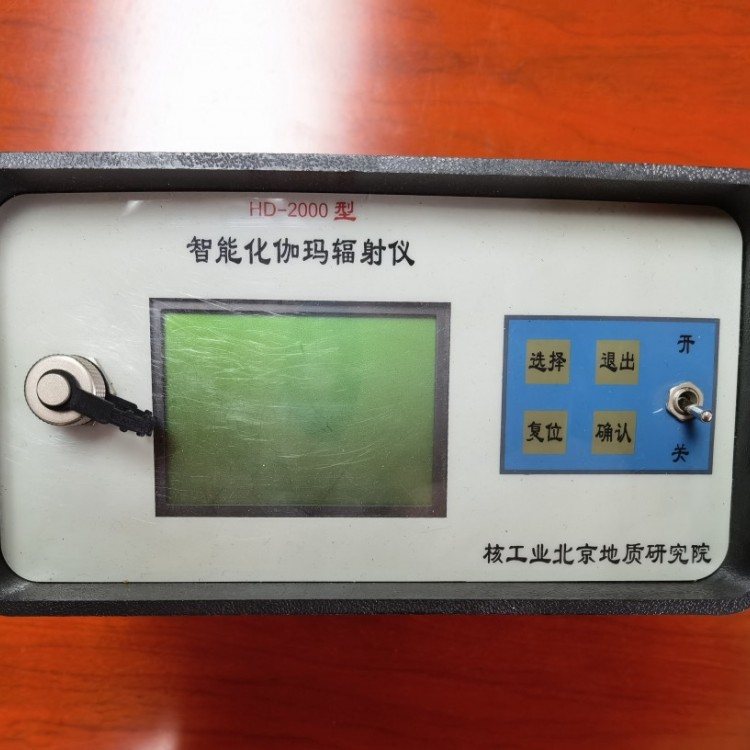
The Radon and its Daughter Continuous Monitor is a portable, "real-time" and "continuous" measurement instrument for radon concentration and radon daughter to total potential alpha concentration. FD218 wholesale for radon emission from material surfaces, featuring an "active" sampling structure, is typical for underground engineering, mine shafts, tourist caves, nuclear facilities, associated uranium mines, and indoor radon measurement, health supervision, and radioactive detection evaluation. It is an essential device for identifying radon (thorium) sources, radon management, and radiation safety assessment, and meets the application research requirements of the Radiation Effects Association for radon daughter monitoring and radon dose estimation. It provides immediate results, is easy to operate, convenient to carry, and suitable for large-scale radon level surveys.
Terms of Use
a) Environmental Temperature: -10~45℃ b) Relative Humidity: ≤95% c) Power Supply: 6V battery, with charger; one full charge allows approximately 6 hours of continuous operation; AC 220/50Hz can also be used.
Primary Technical Performance
a) Detector: Semiconductor detector, featuring compact size, rapid response, and low sensitivity to gamma radiation. b) Instrumental Background: ≤2. Sensitivity: 1.2×10cps/Bq/m (for Radon). c) Detection Efficiency for Pu-α Face Source: 40% (2π).
d) Counting capacity: 99,999,999; Measurement range: Radon/radon decay product concentration: 2-1×10Bq/m³, Potential energy concentration: 1×10^-10 J/m³. e) Measurement time intervals: Method 1 (radon concentration measurement) and Method 3 (decay product and potential energy measurement) are both 26 minutes, with results provided after 26 minutes; Method 2 allows self-setting of timed radon concentration measurements within 1-100 minutes based on radon levels; the instrument is pre-set to 26 minutes, suitable for general measurements; the FD218 radon release on material surface is priced, meeting common measurement needs; a micro printer can be configured for data output. f) The instrument is highly automated, allowing parameter adjustments, automatic display, and immediate result output; a "Output" function key is available, with the ability to store up to 100 historical measurement results internally. g) Micro sampling pump: 2L/min (built-in); Φ30 standard filter paper. h) Dimensions and weight: 245*245*255, 3Kg.
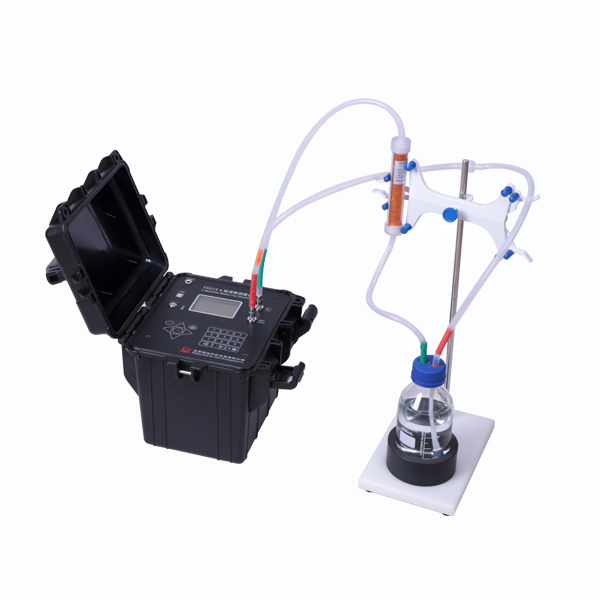
Radon meterFeatures
1. The equipment is designed with a pump-assisted electrostatic collection energy spectrum analysis method
2. Detector: Passivated Ion Implantation Planar Silicon (PIPS), ultra-thin contact electrodes, robust, wipeable, low noise
3. High α-energy spectrum resolution and sensitivity, with real-time spectrum display
4. Features four functions: measuring radon concentration in soil, air, water, and radon extraction rate
5. Fast measurement response, radon desorption from material surface at FD218 company, short recovery time
6. Constant current sampling, accurate gas volume sampling
7. Features single-point measurement or continuous monitoring capabilities
8. Compact and lightweight for easy portability
9. Low power consumption, dual voltage for AC and DC, DC power source supports instrument operation for up to 72 hours
10. USB data transfer interface, Bluetooth printing
Material surface radon extraction FD218-Provided by CNNC Geology Technology Co., Ltd. CNNC Geology Technology Co., Ltd. is a company specializing in "alpha energy spectrum radon meters, environmental radon meters, gamma radiation detectors, etc." Since its establishment, we have adhered to the principle of "honesty first, stable operation," actively participating in healthy market competition, and have earned a good reputation for the "Beijing Nuclear Geology, CNNC Geology Technology" brand. We uphold the principle of "customer service first, customer satisfaction first," which has gained the trust of clients for CNNC Geology Technology in analytical instruments and established a positive corporate image. Special Note: The images and information provided here are for reference only. Please contact us for accurate information. Thank you!