








Pest and Disease Control:
1.猝倒 disease: Also known as lodging disease, it primarily occurs within two months after seedlings emerge or within half a month after seedlings are transplanted. The pathogen invades from the roots, causing brown spots, expanding disease spots with a watery appearance, tissue necrosis, and the disease area constricting to cause the seedlings to fall over rapidly. It is susceptible to the disease when the nursery area has accumulated water, the soil covering is too thick, the topsoil is compacted, and the surface temperature is too high.
Control Methods: Spray 0.5% Bordeaux mixture on the stems and leaves of seedlings, then rinse the seedlings with clean water after spraying.
2. Location: Primarily the larvae of noctuid moths or mole crickets, which hide in the soil during the day and emerge to feed at night. They bite and consume unemerged seedlings or snap off the seedlings at the soil level. They may also climb to the upper parts of the seedlings to eat tender stems and buds, affecting the growth of the seedlings.
Control Methods: Remove weeds, kill eggs, and prevent larvae on weeds from transferring to seedlings to cause damage. In the morning, around areas with missing or broken seedlings in the nursery, dig up the soil to capture the larvae; spray with a 90x solution or a 300x solution of 20% emulsion oil.
3. Anthrax disease: Primarily harmful to leaves, the early stages show faint brown-green spots on the leaf surface. As the spots expand, they form circular or irregular lesions with a diameter of 0.6-1 cm. The edges are purple-brown, with the center ranging from yellow-brown to gray-white. The spots may occasionally have a ringed pattern and are sprinkled with small black dots. Lesions can also merge into larger ones. The peak disease period is from June to September when the weather is humid, rainy, and warm.
Control Methods: In winter, remove and burn the withered branches and leaves to greatly reduce the sources of initial infection in the early spring; promptly remove and destroy any small amount of infected leaves; during the early stage of the disease, spray the plants alternately with a concentrated solution of 0.125% of 75% chlorothalonil wettable powder or a 0.1% concentration solution of 70% metiram wettable powder.
4. Sunscald: During seedling cultivation, sudden intense sunlight after prolonged rain can easily lead to sunscald in seedlings. Symptoms include the entire plant and upper leaves losing green color, with the leaf surface turning grayish-white to grayish-brown, with local discoloration. Mild cases show circular brown spots with brown edges and light coloration, while severe cases result in the entire leaf turning brown, withering, and eventually dropping off.
Control Methods: After entering the high-temperature season, promptly cover seedbeds with shade canopies; maintain seedbed moisture and frequently spray water on the plant leaves; applying a 0.1% solution of 96% copper can enhance the plant's heat resistance.
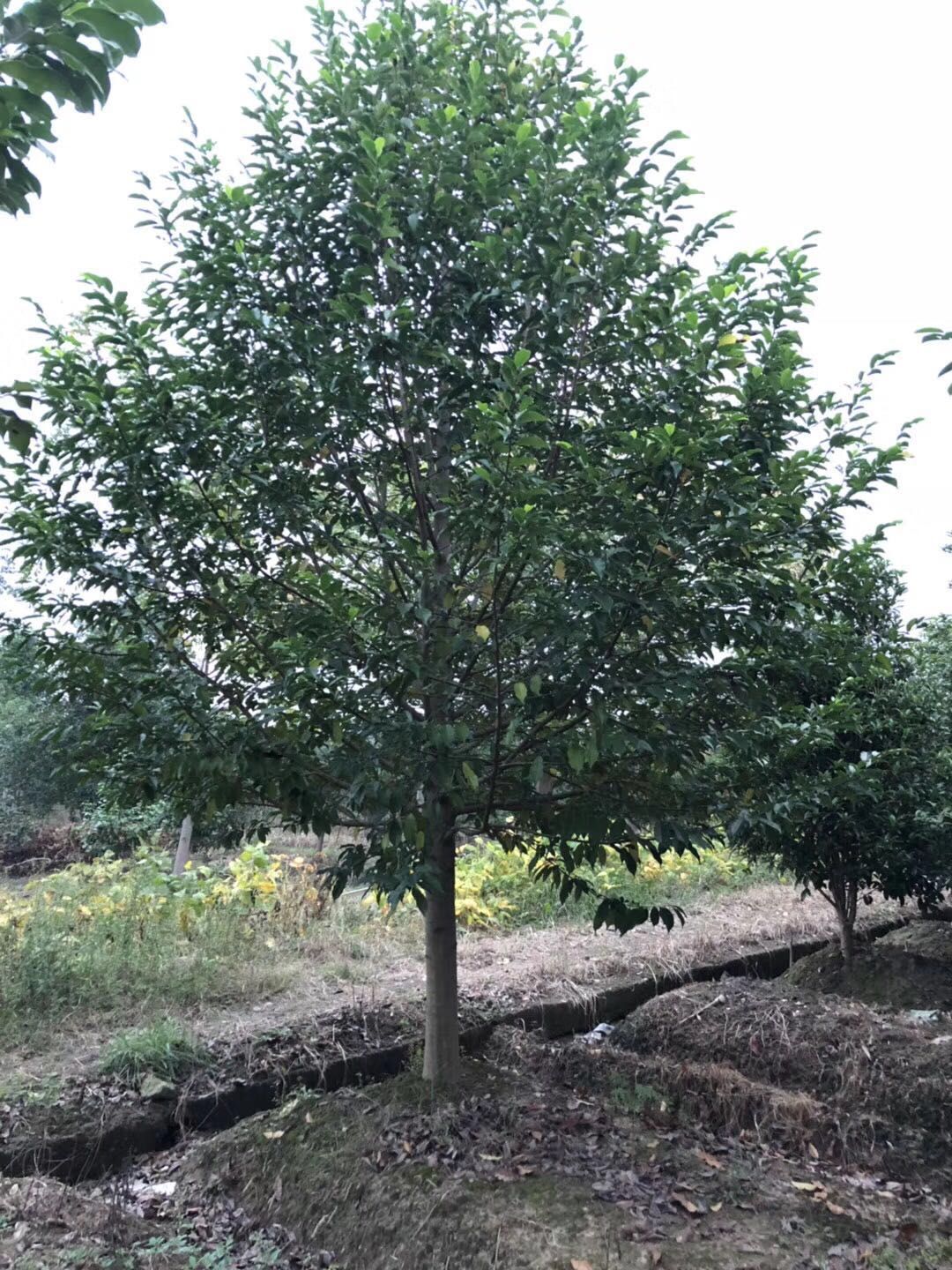
The early spring planting of Lichun smiley azalea generally occurs in April and May during the seedling stage. The climate conditions at this time are excellent, making it a suitable period for seedling transplantation. The seedlings sown on the seedbed are now quite dense, requiring sales or bed transplanting during this period. For seedlings sown in large fields, it is also important to make use of the favorable climate to timely carry out thinning and seedling fixation work. Use some of the thinned seedlings for transplanting and replenishment, eliminate poor-quality seedlings, adjust seedling density, ensure a certain yield per unit area, and create conditions for seedling cultivation. Irrigation should be carried out after thinning or planting, ensuring that the loosened seedling root systems are closely integrated with the soil.
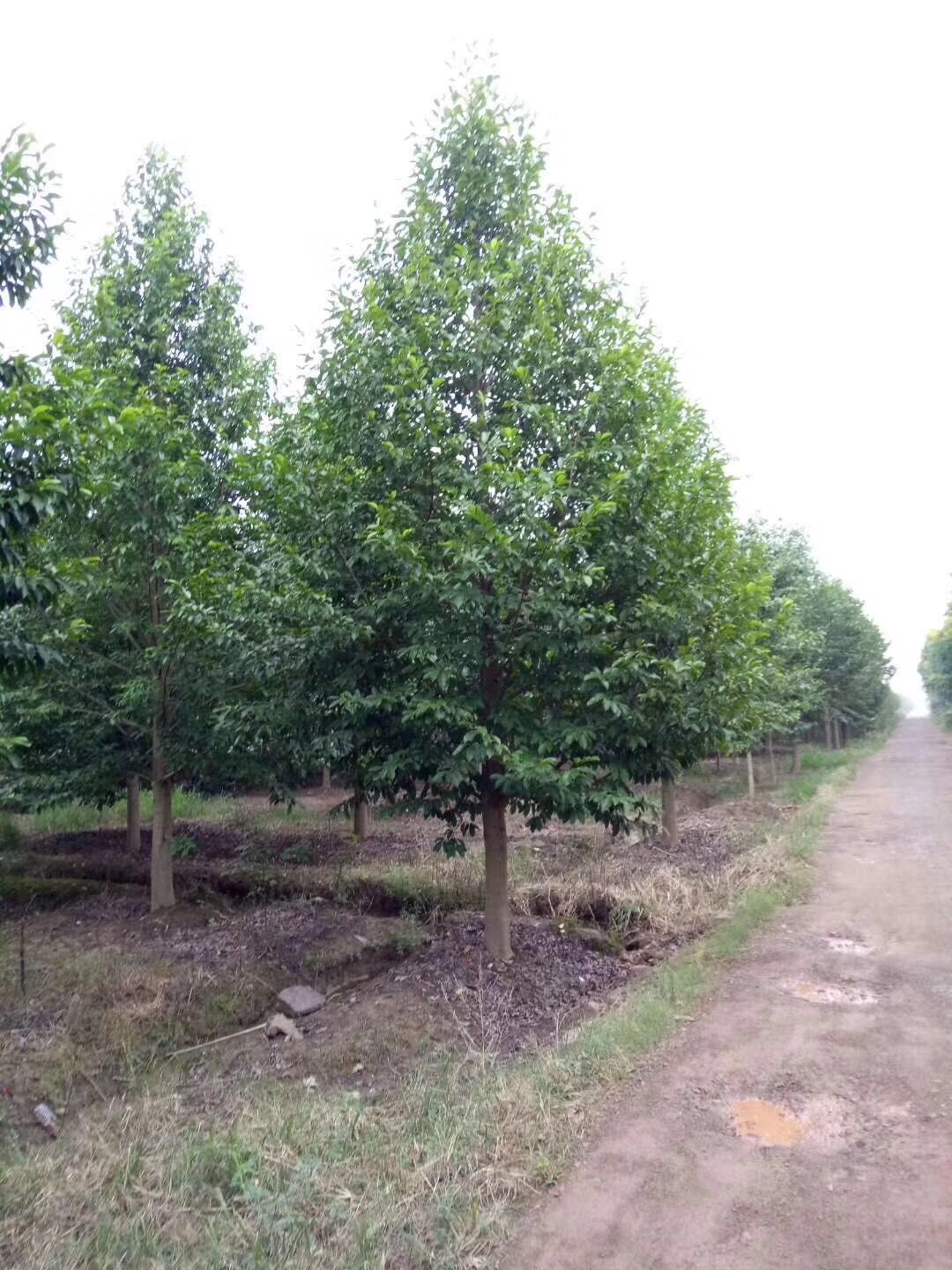
The growth condition of Leshan Hanxiao seedlings during their peak growing period essentially determines the seedling quality. During this period, seedlings grow rapidly with significant height, ground diameter, and root growth, with height growth being particularly pronounced and forming lateral branches. The main external factors affecting seedling growth and development are temperature, soil moisture, and nutrients. It is necessary to set up shade shelters to prevent leaves from being sunburned by intense sunlight. During dry and hot weather, timely irrigation is required, and during the rainy plum season, timely drainage should be conducted to avoid waterlogging. Leshan Hanxiao is prone to seedling tallness if waterlogging persists for more than a day. Additionally, tasks such as loosening soil, weeding, and pest and disease control should be carried out. Fertilization should be applied during the two high-growth periods, excluding the slow growth period from July to August, to meet the needs of vigorous seedling growth.
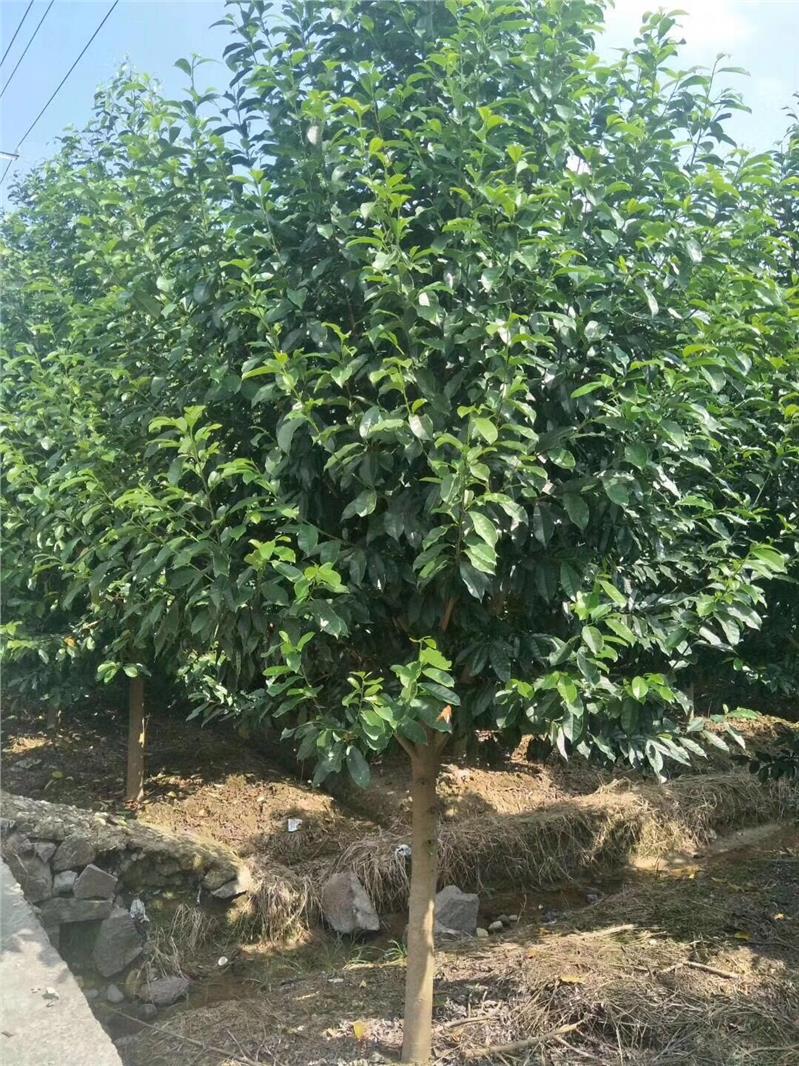
Cultivation Techniques:
1. Seed Collection: Select seeds from healthy female trees aged 20-40 years. From mid-October to early November, when the聚合果 changes from green to reddish-brown, harvest them using a seed knife or pruning shears. Spread them thinly in a cool, well-ventilated area for ripening. Remove the seeds after the fruit shell cracks, or place the fruits outdoors to dry for several days before bringing them indoors. Remove the seed coat and plant immediately after collection. Seed weight: 260-300 grams per thousand; germination rate: 80%.
2. Sowing: Under appropriate conditions, seeds can be sown on indoor seedling beds or in outdoor nurseries with good irrigation and drainage, preferably in deep, fertile sandy loam soil. Before sowing, thorough soil preparation is essential, including loosening the topsoil, removing weeds, and leveling the ground. Additionally, you can add slow-release organic fertilizers such as compost, manure, green manure, etc., as base fertilizers. You can also add a small amount of nitrogen and some phosphorus and potassium fertilizers to improve the soil and ensure a continuous supply of nutrients for seedling growth. In indoor or warmer regions, sowing can be done in early February. In outdoor or colder areas, it is generally done after the soil thaws in March. Before sowing, soak the seeds in warm water below 40°C for 12-24 hours to absorb sufficient moisture, accelerate germination, and ensure uniform seedling emergence.
Based on the grower's purpose of seedling cultivation, different sowing methods can be employed. If the grower plans to sell seedlings or transplant beds during the seedling stage, the broadcast sowing method can be used, which involves evenly sowing seeds over the entire seedbed. Broadcast sowing makes full use of the land, has a high sowing density, and ensures relatively even distribution of seedlings, resulting in a high seedling yield per unit area. However, the drawback is that seedlings remain in the seedbed for a short period, and the grower must be prepared for transplanting. If the grower does not plan to sell seedlings or transplant the same year, the row sowing method can be adopted, where seeds are evenly scattered in grooves created at a certain distance on the seedbed. Typically, rows are 5 cm wide, spaced 25 cm apart, and the sowing grooves are 1.5-2 cm deep. After sowing, cover the seeds with 1-2 cm of soil and water thoroughly. Cover the seedbed with a layer of straw to maintain humidity, and then uncover the straw in stages as the seeds germinate.
3. Seedling Cultivation: The period from the emergence of seedlings after sowing to their ability to stand independently is known as the seedling emergence stage. The Laoshang Xiaoxiao variety can germinate within 20-30 days after sowing, with the seedling emergence stage lasting for about 15-20 days. During this period, the seedlings are extremely tender and weak, with shallow root distribution and low resistance. The key to seedling cultivation is to provide a favorable environment for seed germination and seedling emergence, meeting the water and aeration requirements for seed germination. However, the seedbed should not be too wet or waterlogged, as excessive moisture can lead to poor aeration, affect seed development, and cause seed rot. At this stage, the tender seedlings cannot produce nutrients on their own, and their nutrient source is primarily the stored nutrients from the seeds, so fertilization is not required.
4. Seedling Stage: The period from when the Leshan laughing seedlings emerge from the soil to the beginning of their vigorous growth is known as the seedling stage, lasting approximately 20 days. During this stage, the seedlings start to develop true leaves, begin to perform photosynthesis to produce organic matter, and the number of leaves gradually increases. The root system grows rapidly, producing lateral roots. At this time, the seedlings are still very tender, with weak resistance to adverse external conditions and a high mortality rate. Measures should be taken to prevent phenomena such as drought, waterlogging, high temperatures, and low temperatures. Provide adequate shading, remove weeds and loosen the soil early, and pay attention to pest and disease control. The seedling stage requires little in terms of nutrients, but if a moderate amount of diluted nitrogen and phosphorus fertilizer is applied, it can improve the quality of the seedlings.
5. Growth Peak: The period from the significant increase in seedling height to the significant decrease in height growth is the peak growth phase of the seedlings. The peak growth phase of the Leshan Sourthern Magnolia begins in mid-May and ends in mid-October, with a growth peak from early May to early July, where the seedling height can reach 20-25 cm. From July to August, during the summer's high temperatures and drought, growth is slow. Another growth peak appears from September to October, with an average height increase to around 30 cm.