








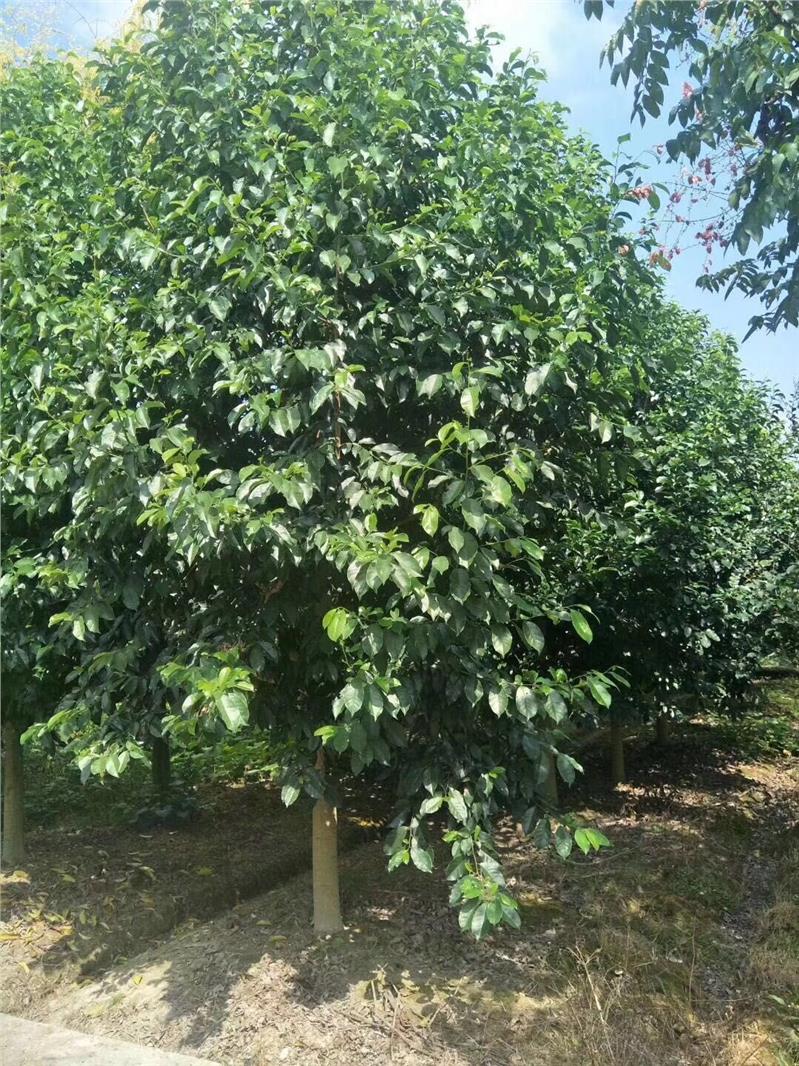
The growth status of Leshan Xianxiao seedlings during their peak growing period basically determines the seedling quality. During this period, seedlings grow rapidly with substantial growth, showing robust height, ground diameter, and root development, with height growth being particularly pronounced and forming lateral branches. The main external factors affecting seedling growth and development are temperature, soil moisture, and nutrients. It is necessary to set up shade houses to prevent leaf burn from intense sunlight. Timely irrigation is required during dry and hot weather, and timely drainage should be conducted during the rainy Plum Season to avoid waterlogging, as Leshan Xianxiao seedlings are prone to high mortality if waterlogging persists for more than one day. Additionally, proper soil loosening, weeding, and pest control measures should be taken. Fertilization should be applied during the two rapid growth periods, excluding the slow growth period from July to August, to meet the demands of vigorous seedling growth.
Prevent and control diseases and pests of Lichang Xiangxiao seedlings primarily through prevention. Ensure soil and mulch disinfection, prevent waterlogging in seedbeds, enhance seedling cultivation techniques, and strengthen the management and operation of nurseries. Treat diseases and pests promptly with chemicals if they occur. Observations over the past few years indicate that the main threats during Lichang Xiangxiao seedling cultivation include damping-off disease, soil blight, anthracnose, and sunscald.
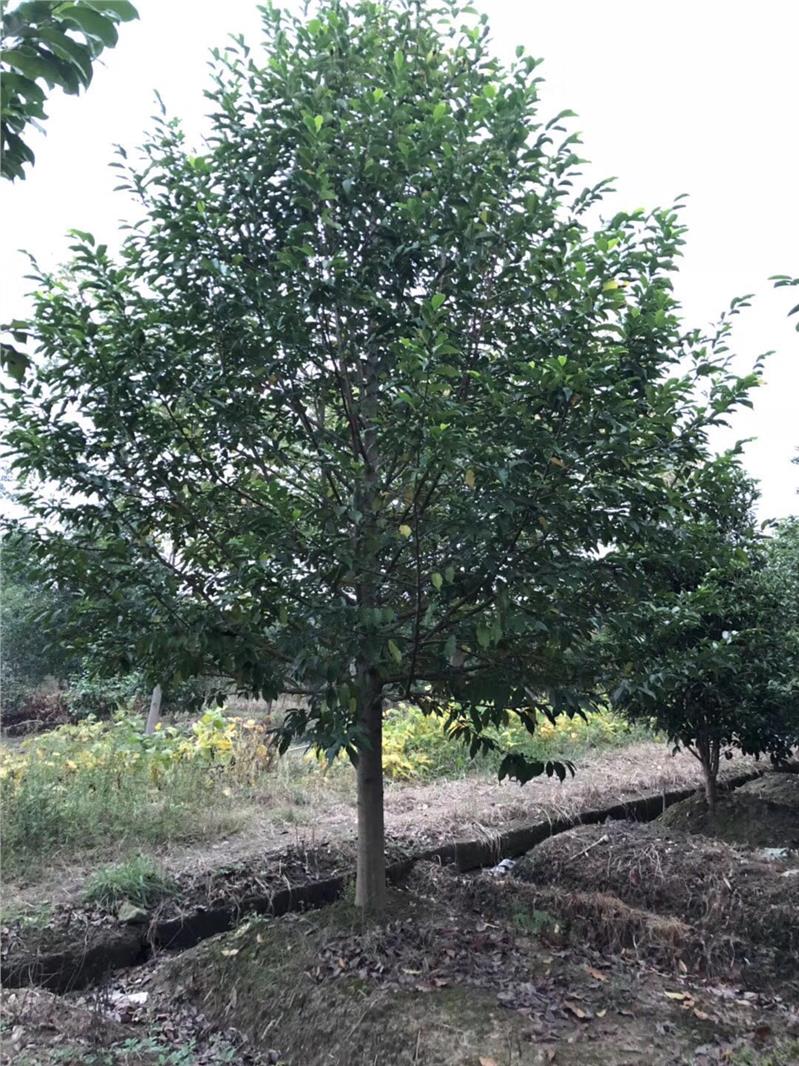
Seedlings or bed transplanting can be prepared for sale during the seedling stage. The broadcast sowing method can be used, which involves evenly sowing seeds over the entire seedbed. Broadcast sowing maximizes land use, has a high seed density, and results in more even distribution of seedlings, leading to higher seedling yield per unit area. However, the drawback is that seedlings stay in the bed for a shorter period, and planters must be prepared for transplanting. If the planter does not intend to sell seedlings or transplant within the same year, the row sowing method can be adopted, where seeds are evenly scattered in trenches created at a certain distance on the seedbed. Typically, rows are 5cm wide, spaced 25cm apart, with播种沟 depths of 1.5-2.0cm. After sowing, cover the seeds with 1-2cm of soil and water thoroughly. Cover the seedbed with straw to maintain humidity, and uncover the straw in stages as the seeds germinate.
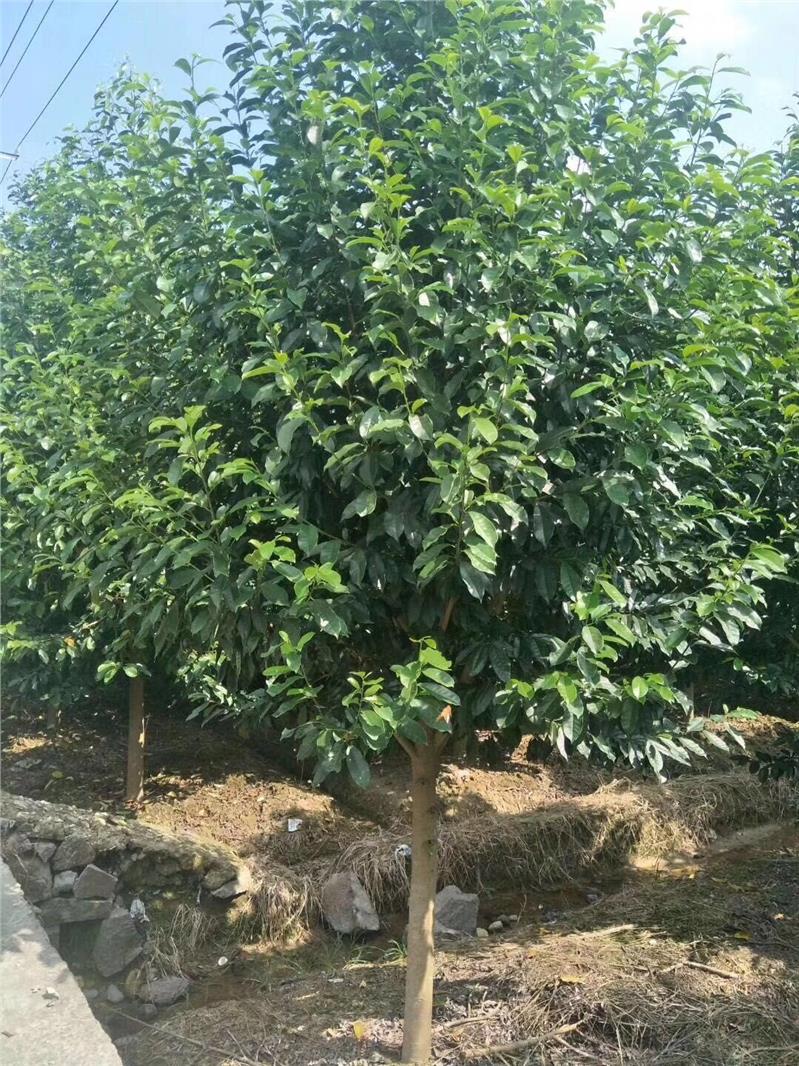
Morphological Characteristics:
Trees, reaching 15-30 meters in height, with a trunk diameter of 1 meter, bark gray to dark brown; small branches or young shoots covered with gray fine hair.
Leaves thin and leathery, obovate, narrowly obovate, or oblong-obovate, 6.5-15 (16) cm long, 3.5-6.5 (7) cm wide, apex abruptly narrowed and shortly acuminate, or shortly acuminate, acute tip obtuse, base cuneate or broadly cuneate, upper surface deep green and glossy, lateral veins 9-12 (15) on each side, reticulate veins sparse; petiole 1.5-2.5 cm long, with distinct stipule scars, upper surface with open grooves, covered with fine pubescence when young, which later falls off.
Stem 4-10 mm long, covered with appressed gray fine pubescence, with 2-5 bracteoles falling off marks; calyx segments pale, 6 in number, fragrant, in two whorls, outer whorl obovoid-elliptic, about 3 cm long, 1.5 cm wide; inner whorl narrower; stamens 1.7-2 cm long, anther 1.1-1.5 cm long, connective prolonged into a 1 mm long point; gynoecium narrow cylindrical, about 1.5 cm long, style branch about 7 mm long, densely covered with silver gray appressed fine pubescence; ovary ovoid, about 2 mm long, style about 1.5 mm long; about 6 ovules.
The fruits are approximately 10 cm in length with pedicels about 2 cm long; the berries are elongated ovoid or ovate, measuring 1-1.5 cm in length and about 1 cm in width, with a short, slender, curved apex and a broad base; the seeds are red, oval or elongated oval, about 1 cm long, and 6 mm wide. Flowering period: March to April; fruiting period: August to September.