








Cutting Propagation
In early summer, cut cuttings from the current year's semi-woody young branches, with the cutting length being 10-12 cm. Remove the lower leaves, retaining 2-3 upper leaves, trimming each leaf by half. Dip the base in a solution of 100 mg/kg NAA or 50 mg/kg ABT rooting hormone for 2-4 hours. Use vermiculite or river sand as the substrate, water thoroughly after planting, cover with a plastic film hoop house to retain moisture and shade to lower temperatures. Generally, no additional watering is needed; spray with a 0.1% solution every week to prevent rot. In areas with the means, full-spectrum automatic misting seedling propagation can be used. Test results show that using this device for seedling propagation, the cuttings begin to root around 20 days after planting, with a survival rate of over 90%. Few pests and diseases.
Sowing:
Seed Collection and Processing: Seed-bearing trees should be selected with an age of over 15 days, robust growth, and free from diseases and pests. When the fruits turn from light green to dark green in late October, they are ripe and should be harvested promptly. After collection, the fruits can be piled in a cool place or soaked in water for 1-2 hours. Once the outer skin softens, rub, wash, and rinse them with clean water. Dry them out in a room and then immediately store them in sand (never expose seeds to direct sunlight or long-term desiccation). Seeds of the Duabangia genus often exhibit deep dormancy. Using moist sand and low-temperature stratification for storage can significantly improve germination rates (up to over 60%).

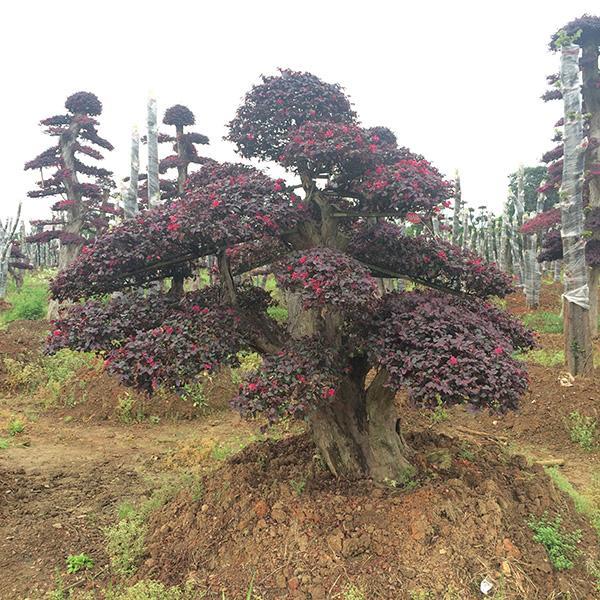
The造型DuYing is cultivated from mature DuYing trees in deep mountains, shaped through artistic styling and meticulous pruning. Varieties include ancient桩pot景, single-stem造型, etc.
Dove Tree is an evergreen large tree with lush branches and leaves. Known for its vibrant red foliage before falling, it is affectionately called the "Falling Red."
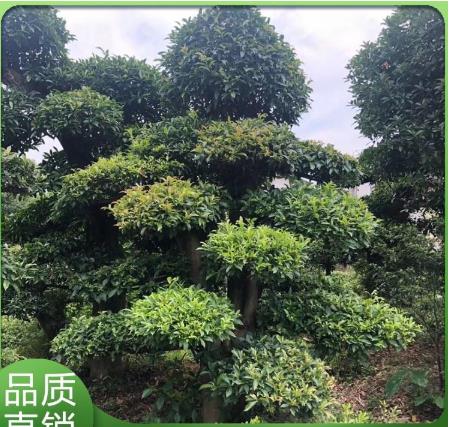
Daphne odora is primarily propagated through seed sowing, with its blooming period from June to August and fruiting period from October to November. The drupes are conical and dark purple. Seeds are usually sown immediately after collection, or they can be stratified in moist sand until spring planting the following year. During the seedling stage, apply light fertilization a few times in summer. In the spring of the second year, transplant the seedlings. When transplanting seedlings, retain the original soil. For larger transplants, wrap the root ball and prune some branches and leaves appropriately. The survival rate after planting is extremely high.