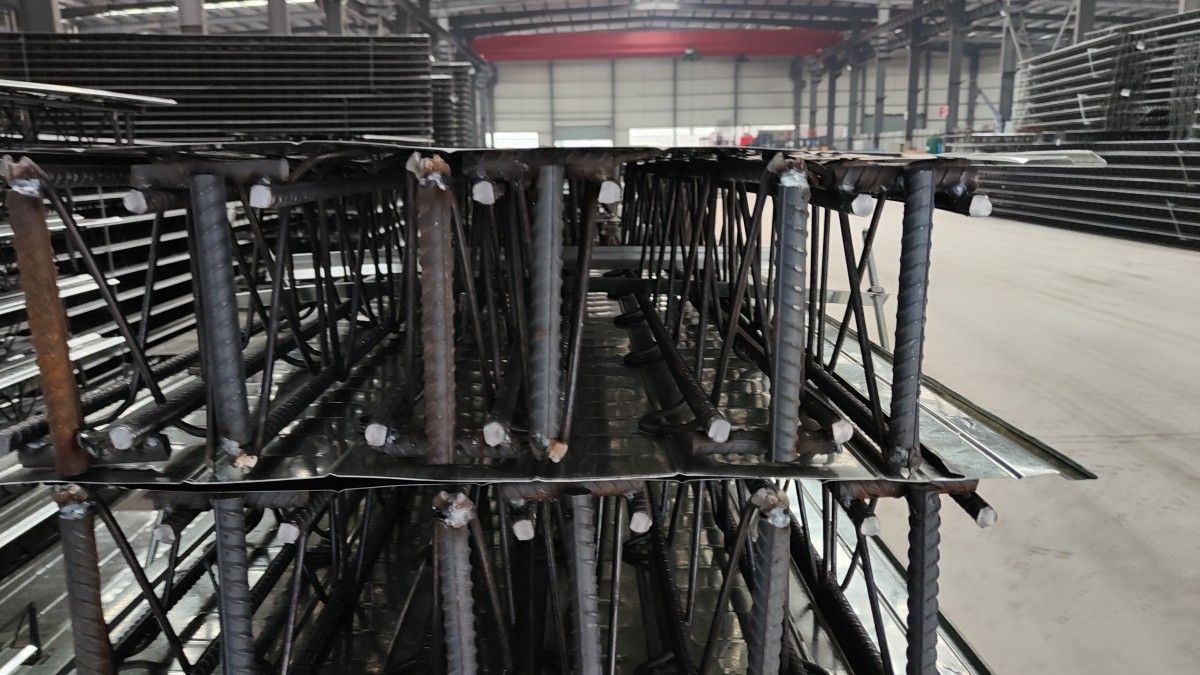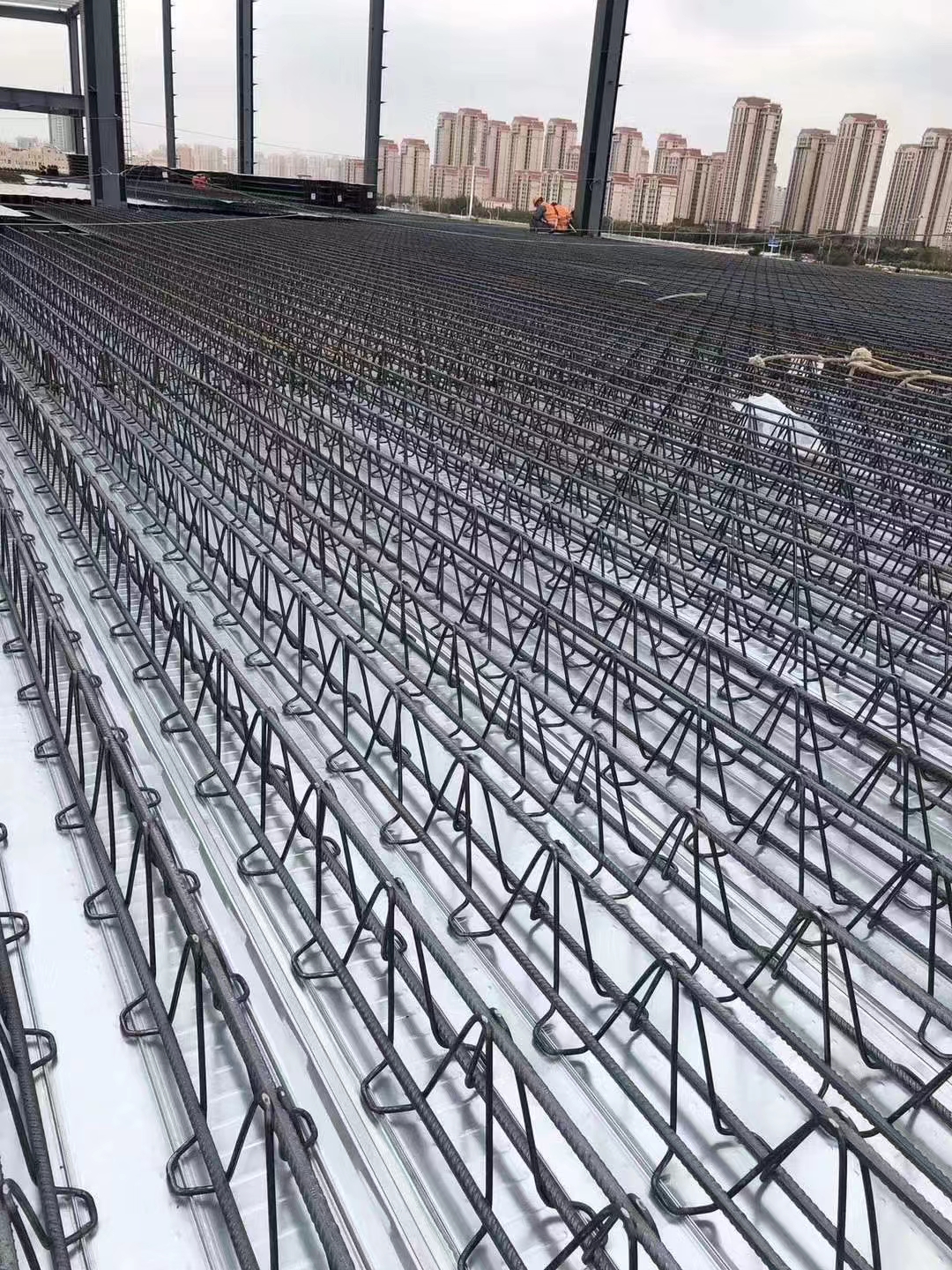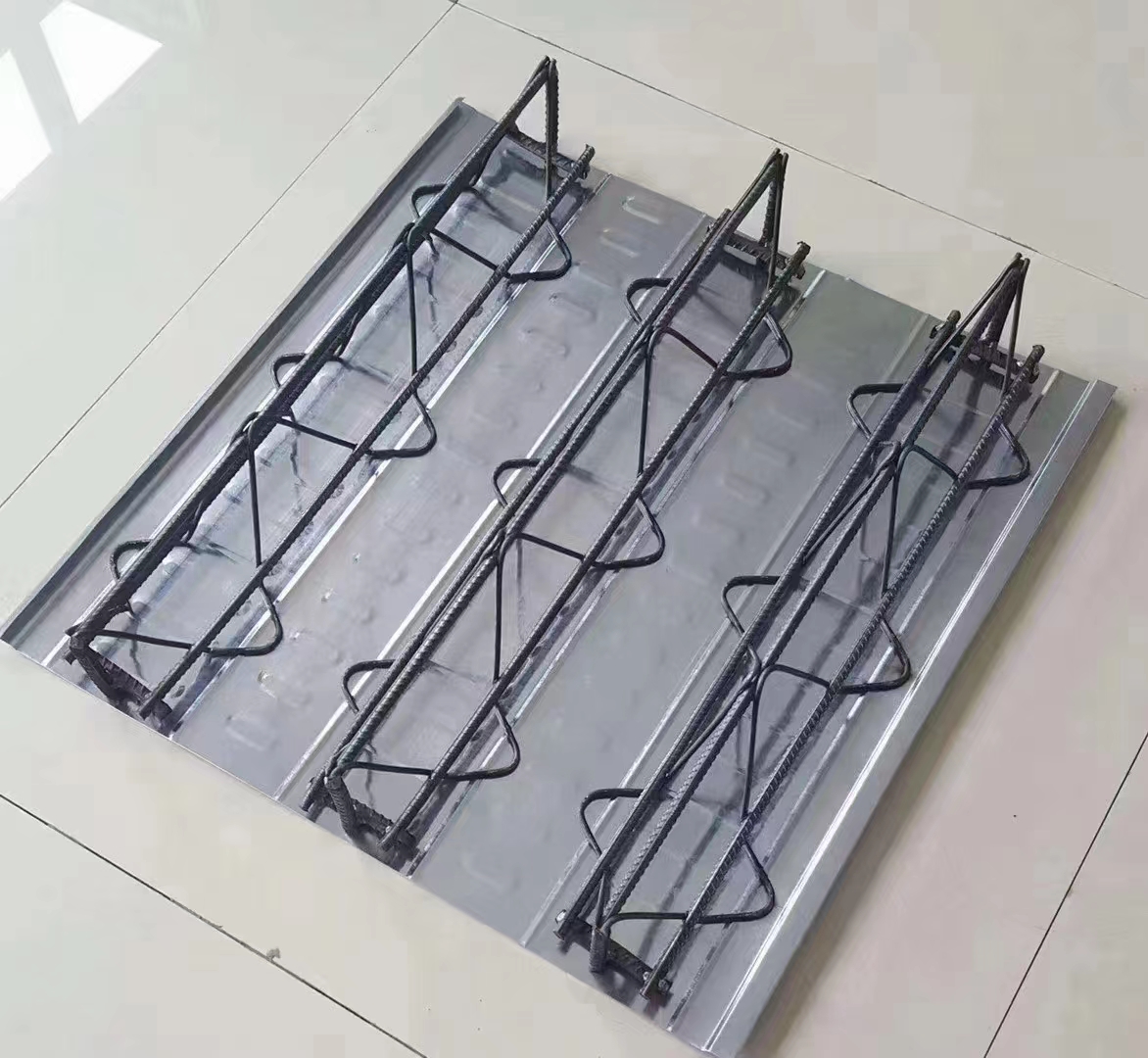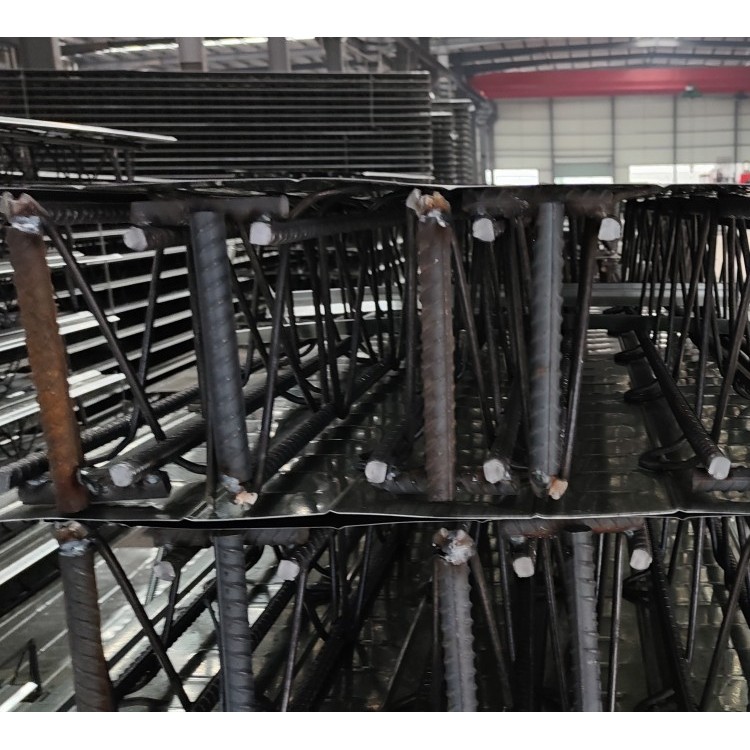









Reinforced truss deck is a commonly used type of floor structure. It is composed of steel trusses and concrete, featuring high load-bearing capacity and rigidity.
Reinforced trusses are truss structures composed of steel rebars, used for supporting and transferring the load of floor slabs. The truss configurations can be flat, spatial, or composite, designed according to specific circumstances.
Concrete is the material used to fill in steel truss structures, offering certain rigidity and compressive strength. It can be reinforced and thickened as needed to meet the load-bearing requirements of floor slabs.
Reinforced truss floor decks offer the following advantages:
High load-bearing capacity: The steel truss can effectively bear the load of the floor, ensuring the safety of the floor.
2. High Rigidity: The steel truss has high rigidity, which can reduce the deflection of the floor and enhance its stability.
3. Easy Construction: Steel trusses and concrete can be prefabricated in the factory and then installed on-site, ensuring high construction efficiency.
4. High Space Utilization: The steel truss structure allows for greater spans, reducing the number of columns, and increasing the usable floor area.
However, there are some drawbacks to steel truss floor slabs, such as longer construction periods and higher costs. Therefore, when selecting the floor structure type, it's necessary to consider all factors and choose the most suitable structure.
Reinforced truss floor slabs are a common type of floor structure, featuring the following characteristics:
High load-bearing capacity: The steel truss floor deck is composed of steel truss and concrete. The strength and rigidity of the steel truss enable it to bear significant loads.
2. Large Span: The structural design of the steel truss deck allows for greater spans, reducing the need for beams and columns, and enhancing space utilization.
3. Lightweight: The self-weight of the steel truss deck is lighter compared to traditional concrete slabs, reducing the load on the building structure and lowering the self-weight of the structure.
4. Construction Convenience: The reinforced truss floor deck is constructed through factory pre-fabrication and on-site assembly, which accelerates the construction progress and reduces the difficulty of construction.
5. High Space Utilization: The steel truss floor deck's structural design eliminates beams and columns at the bottom, allowing for full space utilization and improved efficiency.
6. Excellent seismic performance: The steel truss floor deck is composed of steel and concrete, offering good seismic resistance and effectively withstanding seismic forces.
It's important to note that steel truss deck floors have some drawbacks, such as longer construction periods and higher costs, so a comprehensive consideration of various factors is needed when selecting the floor structure.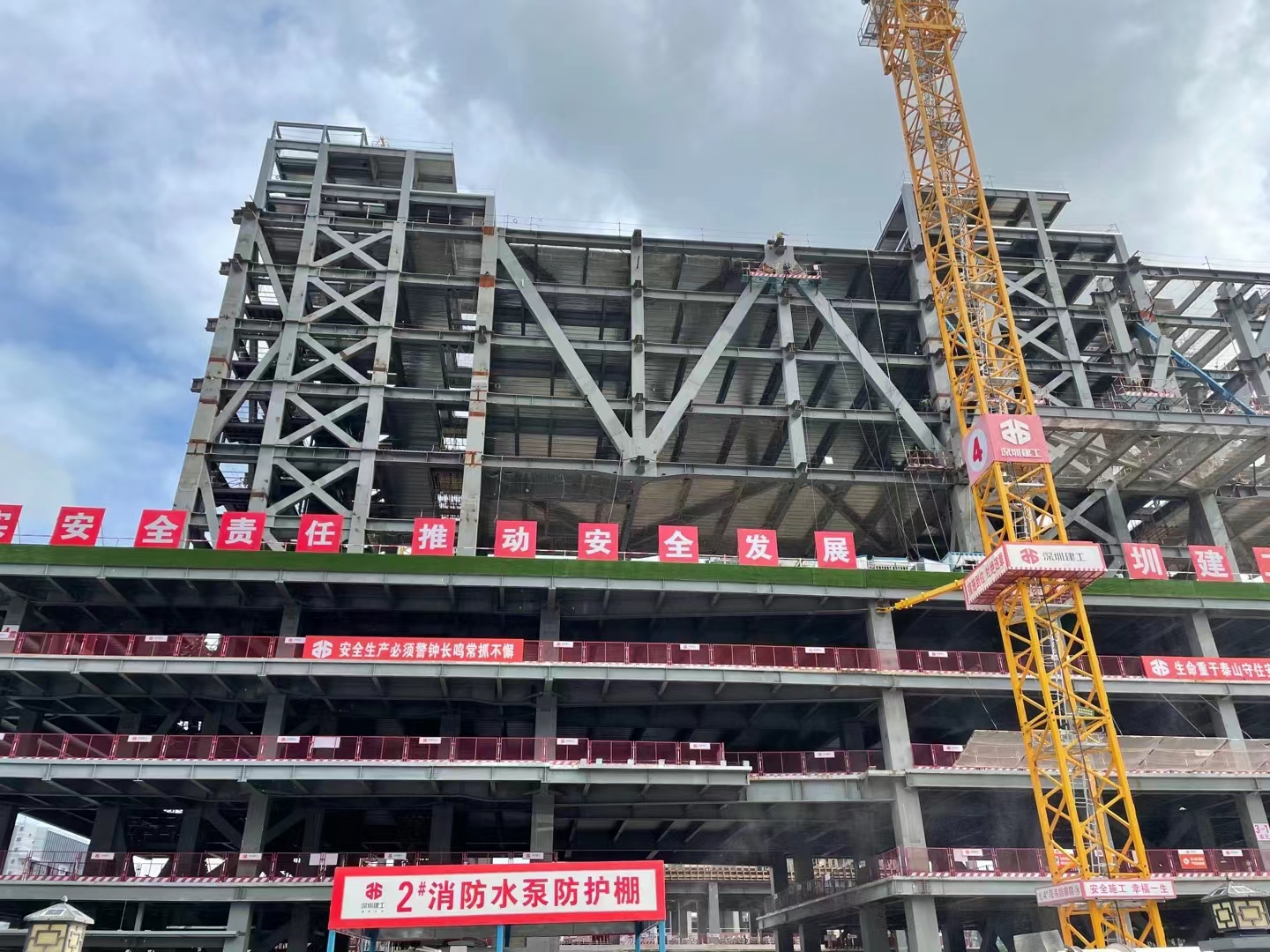
Truss deck construction refers to the installation of deck plates on the truss structure of a building. A truss structure is a supporting system composed of truss members, used to bear the loads of the building. Deck plates are a part of the truss structure, designed to cover the gaps between trusses, forming the floor or roof of the building.
The steps for the construction of truss deck slabs include the following aspects:
1. Truss Assembly: First, the truss structure must be assembled according to the design drawings and construction plan, including the installation and connection of components such as vertical rods, horizontal bars, and diagonal rods.
2. Sheathing Installation: Install sheathing above the truss structure, typically using steel or concrete panels. The sheathing must be arranged and fastened according to design specifications to ensure stability and load-bearing capacity.
3. Plate Connections: Connections between the plates are required, usually via bolts or welding methods, to ensure a secure bond between the plates.
4. Truss Adjustment: After installing the bearing plate, the truss structure must be adjusted to ensure the overall levelness and verticality of the structure.
5. Waterproofing Treatment: Waterproofing is applied to the load-bearing panels as needed to ensure the building's waterproofing performance.
6. Acceptance and Quality Inspection: Upon completion of construction, conduct acceptance and quality inspections to ensure the construction quality meets design requirements and relevant standards.
In summary, the construction of truss floor decks is a complex project that must be carried out strictly according to design requirements and construction specifications to ensure the structural safety and stability of the building.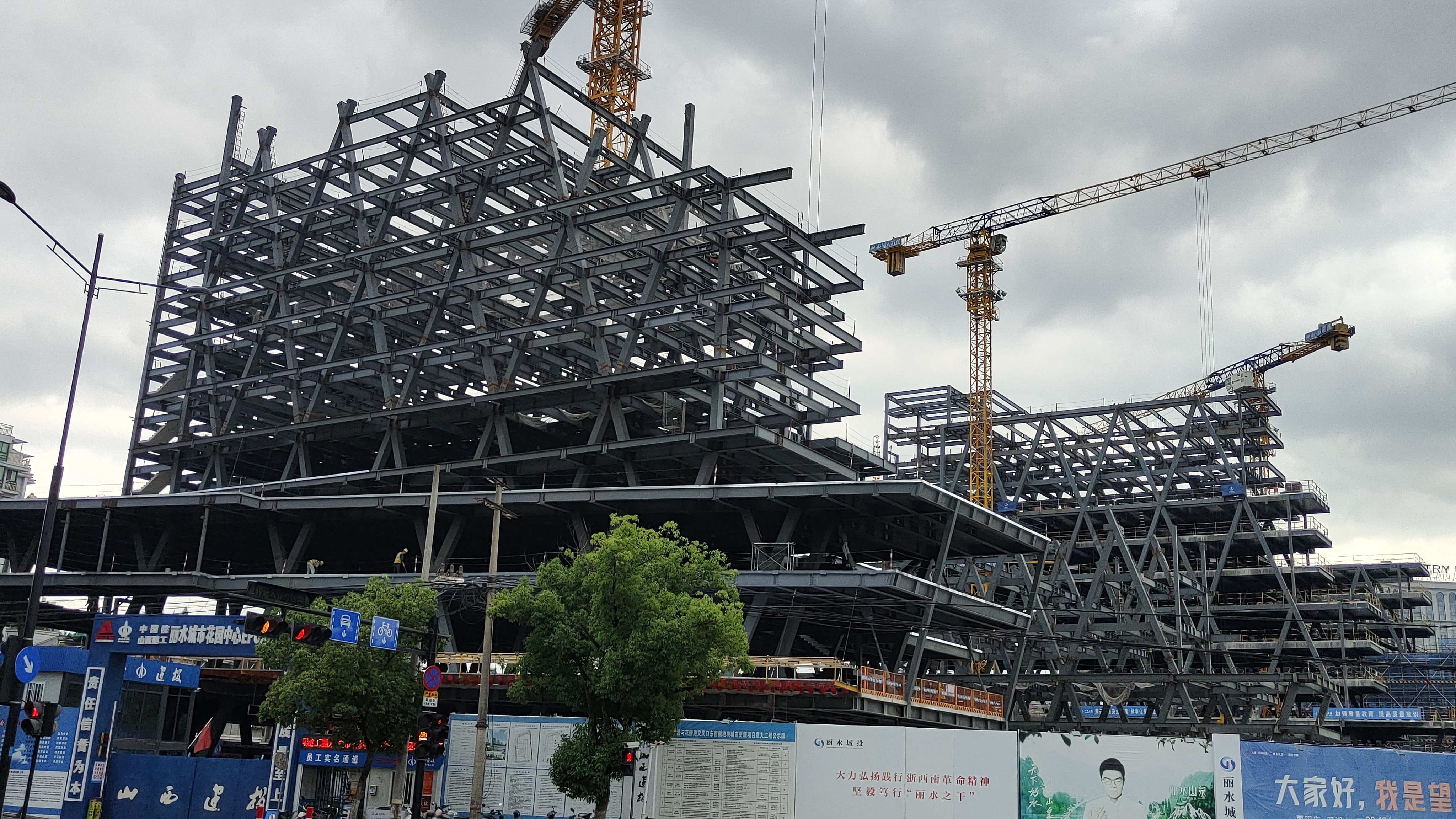
Detachable steel reinforcing truss floor deck is mainly suitable for the following scenarios:
1. Temporary Structure: The removable steel truss deck is suitable for temporary construction sites such as exhibition halls, temporary warehouses, and performance stages. Its detachable feature allows for easy disassembly and transportation, accommodating varying site requirements.
2. Construction Site: Detachable steel truss floor decks are suitable for construction sites, and can be used for building site offices, worker dormitories, temporary facilities, etc. Due to their detachability, they can be disassembled and reassembled according to the construction progress, thereby improving construction efficiency.
3. Sports Venue: Demountable steel truss deck floor panels are suitable for temporary construction of sports venues for large-scale sports events such as the Olympics and World Cup. They can be used for spectator seating, media centers, and event facilities, meeting the needs of large-scale events.
4. Exhibition Venue: Demountable steel truss floor deck is suitable for constructing exhibition venues, which can be used for displaying exhibits, setting up booths, and arranging meeting rooms. Due to its demountable nature, it allows for flexible arrangement according to exhibition needs, enhancing the exhibition experience.
5. Temporary Shops: Detachable steel truss floor decks are suitable for constructing temporary shops, such as markets and promotional exhibitions. They can be used for stalls, shops, and dining areas, meeting the needs of temporary commercial activities.
In summary, the detachable steel rebar truss floor deck is suitable for temporary construction sites, featuring flexibility and convenience.
WeChat Official Account

Scan to follow Official Account