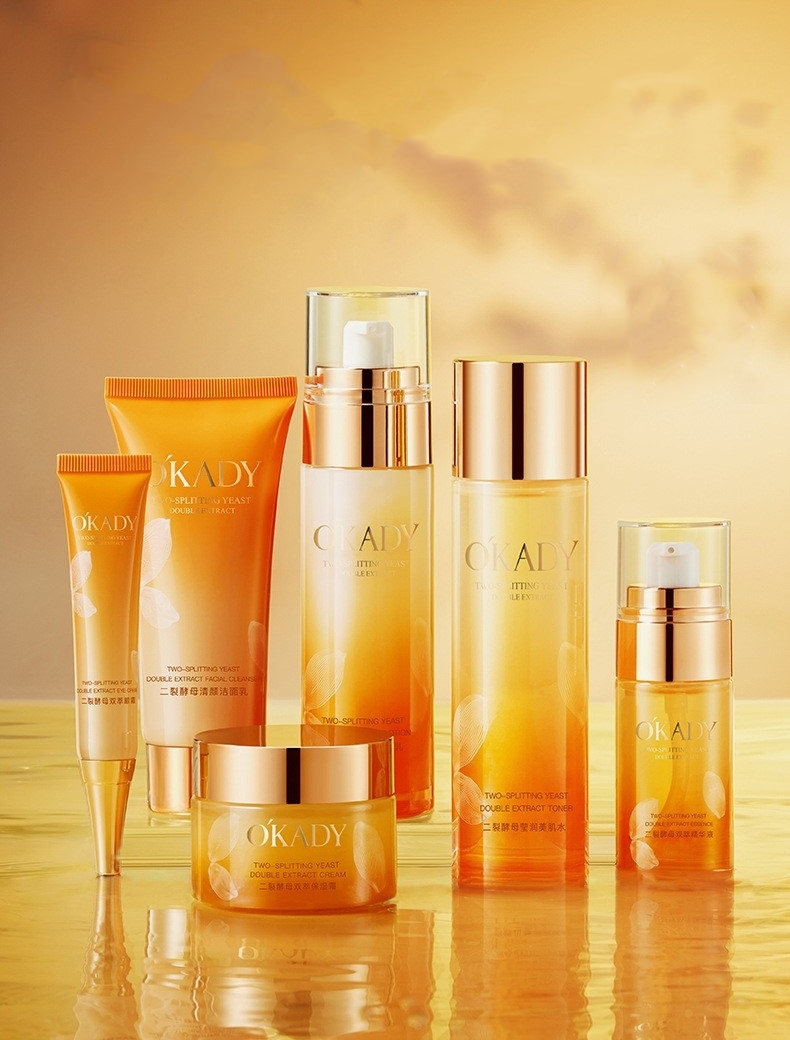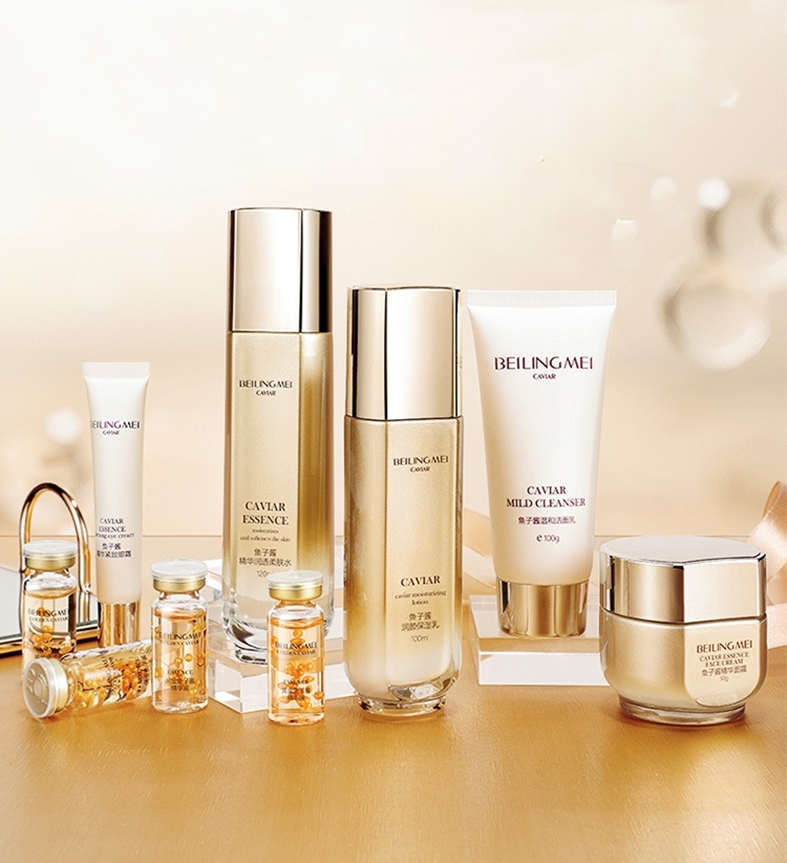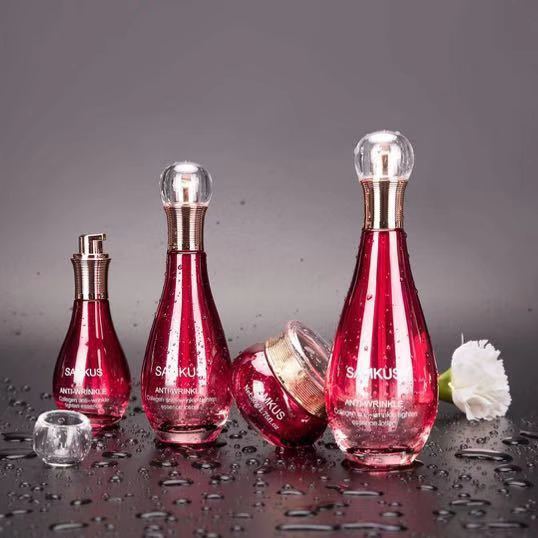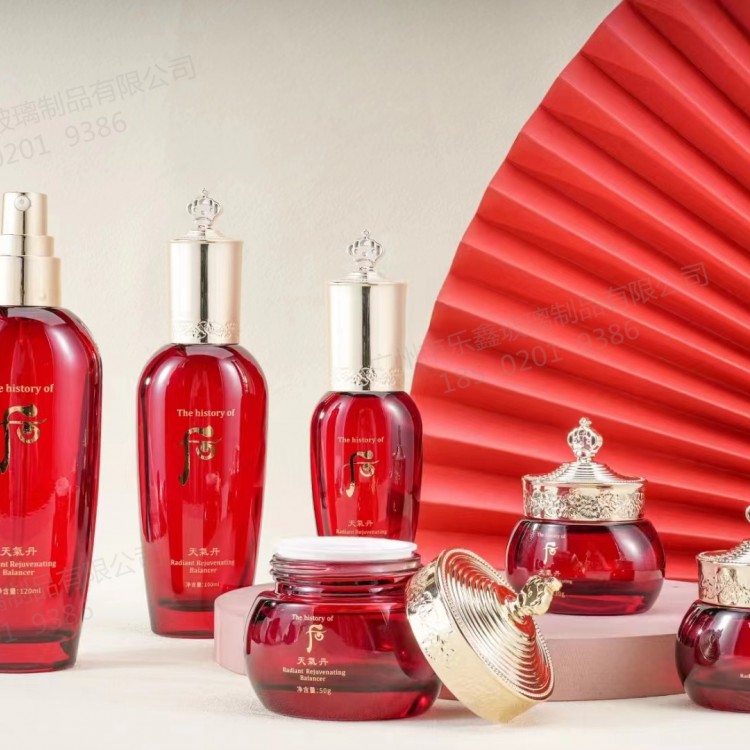

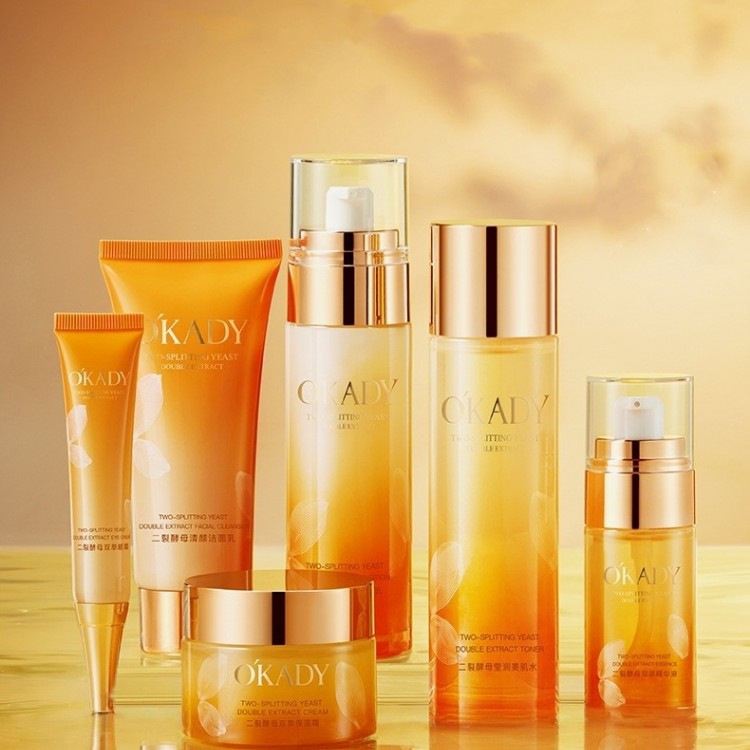


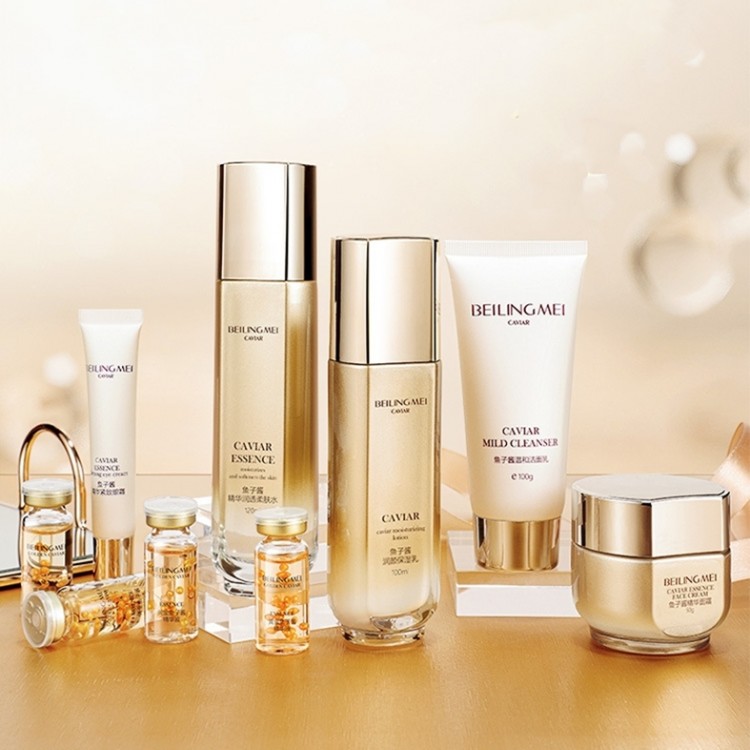
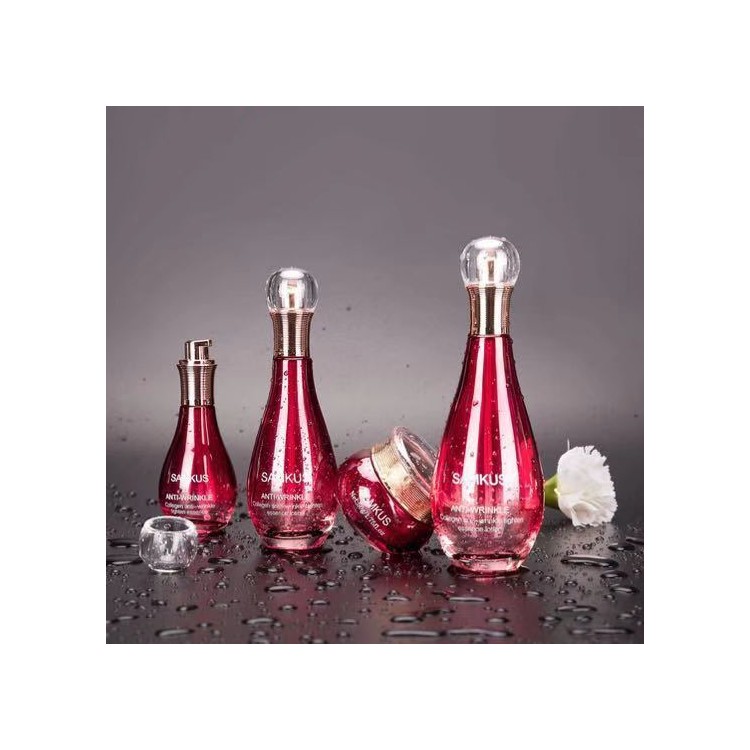












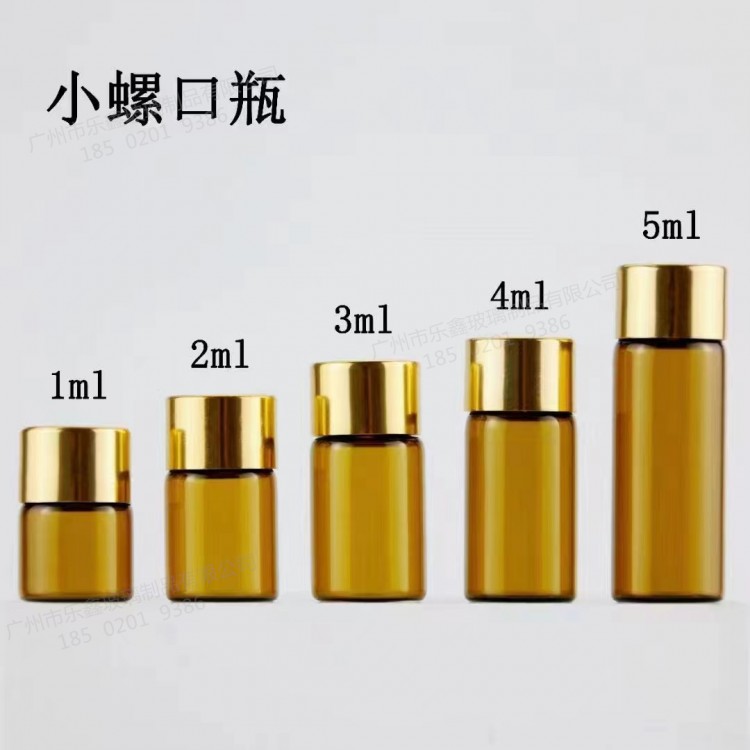
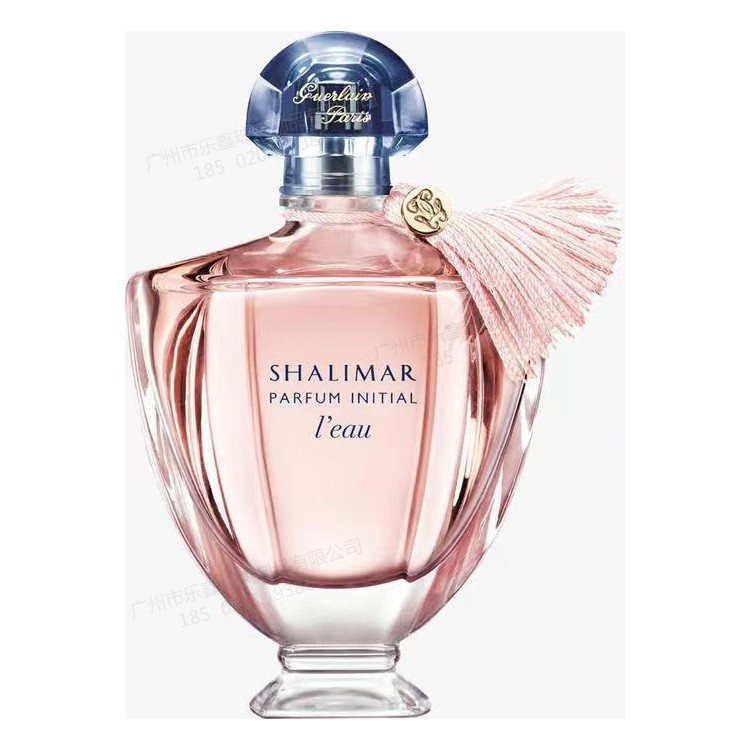
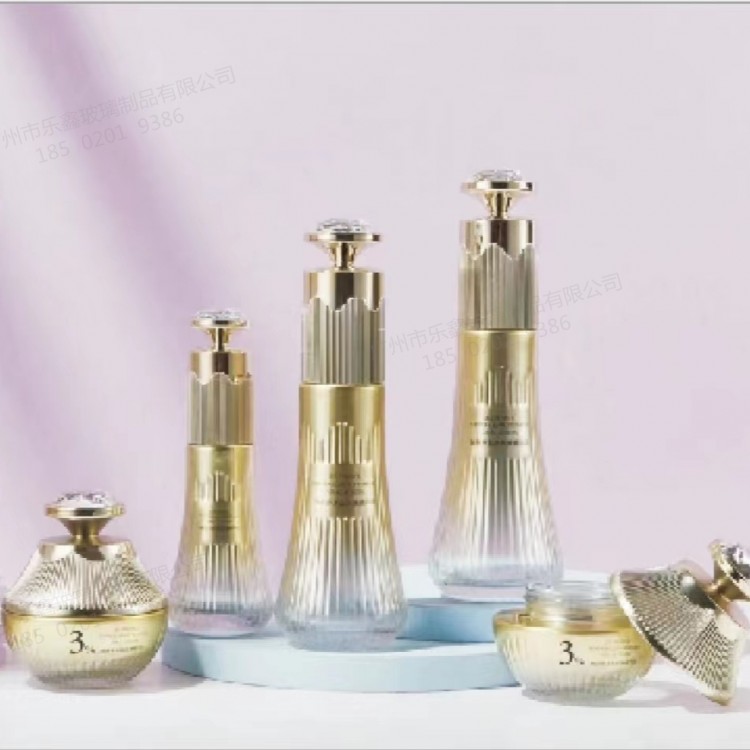
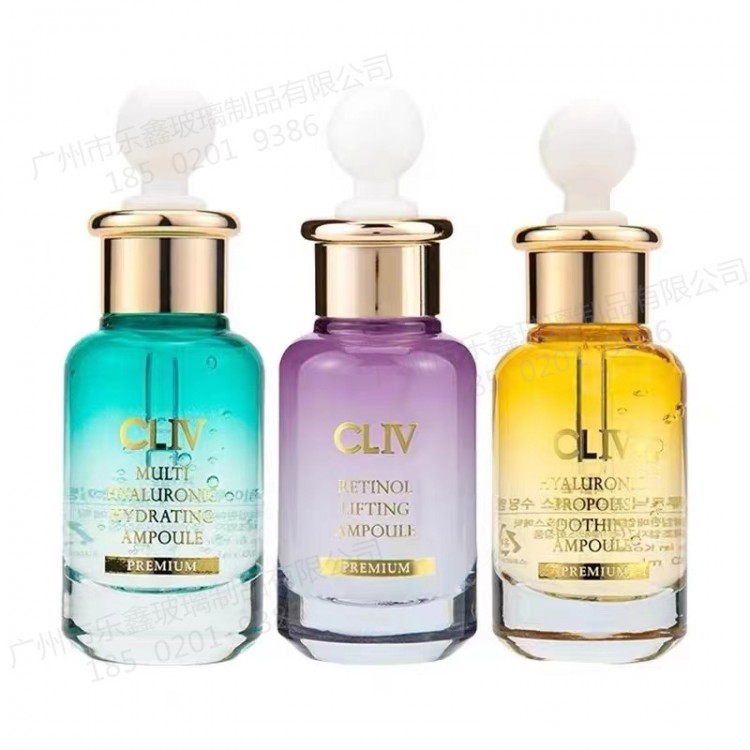
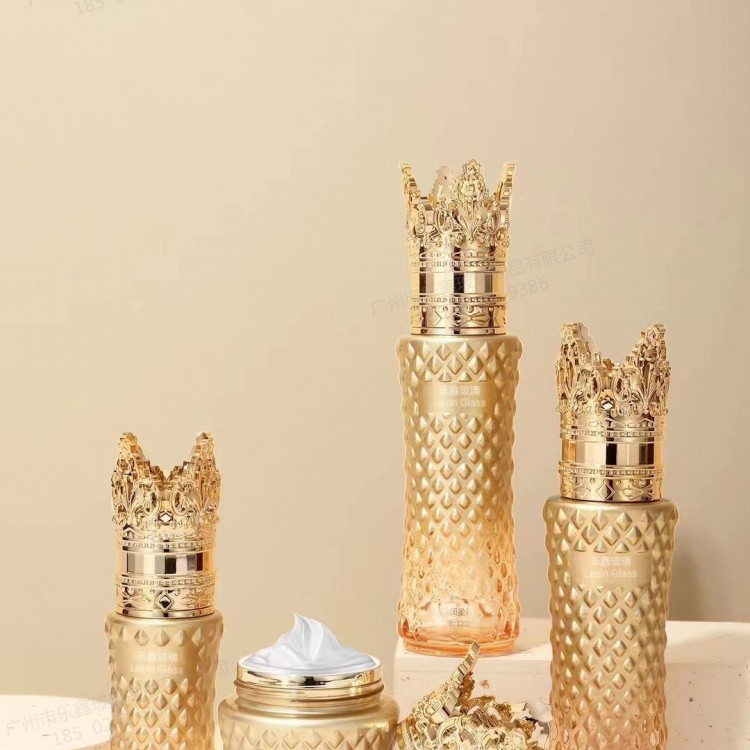
Cosmetic bottle packaging has always been a major product for various packaging companies. Compared to other packaging, it offers significantly higher profits and market potential, which is why it has consistently been favored by manufacturers in the design and development of cosmetic packaging. As a result, the styles and materials of cosmetic bottles have been increasingly diverse. The advantages of glass packaging bottles include excellent chemical stability, odorlessness, cleanliness, and hygiene, with no adverse effects on the packaged items. They also offer good barrier properties, and LeXin can provide ideal conditions for maintaining product quality.
Cosmetic glass bottles offer excellent transparency, allowing the contents to be clearly visible. They have good rigidity and are not prone to deformation. They have excellent temperature resistance, suitable for both high and low-temperature storage. The materials are abundant, recyclable, and reusable, being environmentally friendly. However, the disadvantages of glass bottles include high fragility, easy breakage, heavy weight, high transportation costs, high energy consumption during processing, severe environmental pollution, and poor printing performance. Some slender-bodied, narrow-necked cosmetic bottles or perfume bottles, such as vases, are suitable for decorative purposes.
After using up the cosmetic, unscrew the cap at the bottle mouth, clean the inside and outside of the bottle thoroughly, prepare a couple of bouquets, and place them inside the bottle. You can also group and stack bottles of the same color scheme for a pleasing appearance. Travel-sized bottles; some delicate, regular-shaped small bottles are ideal for travel-sized needs. You can use eye cream bottles to portion out aloe vera gel, hand cream, and body milk, making it convenient to carry on trips.