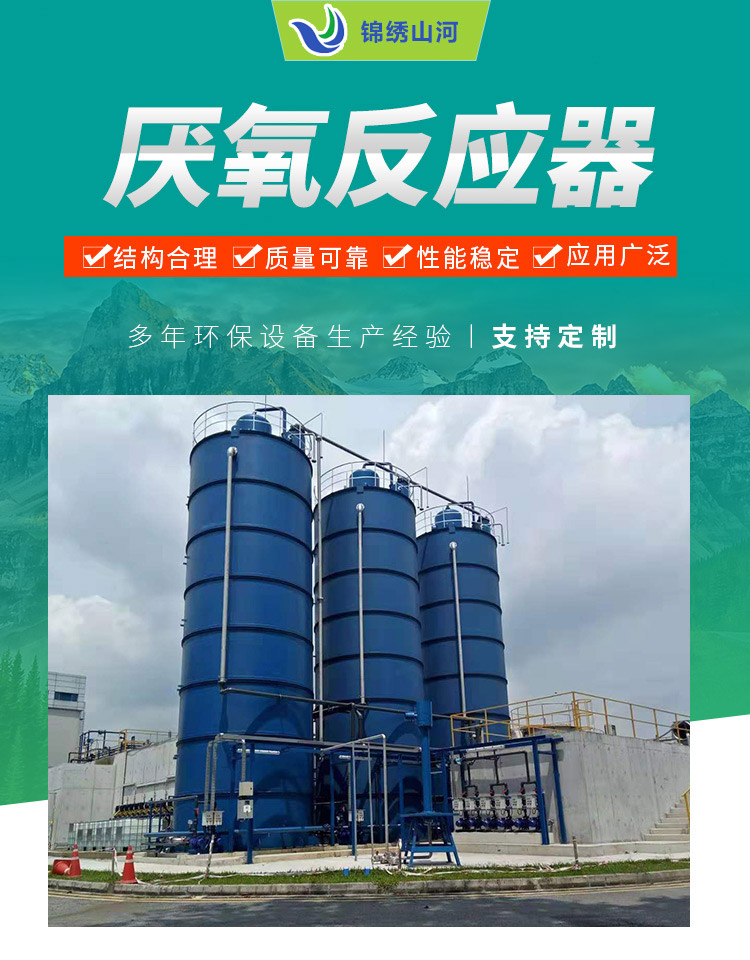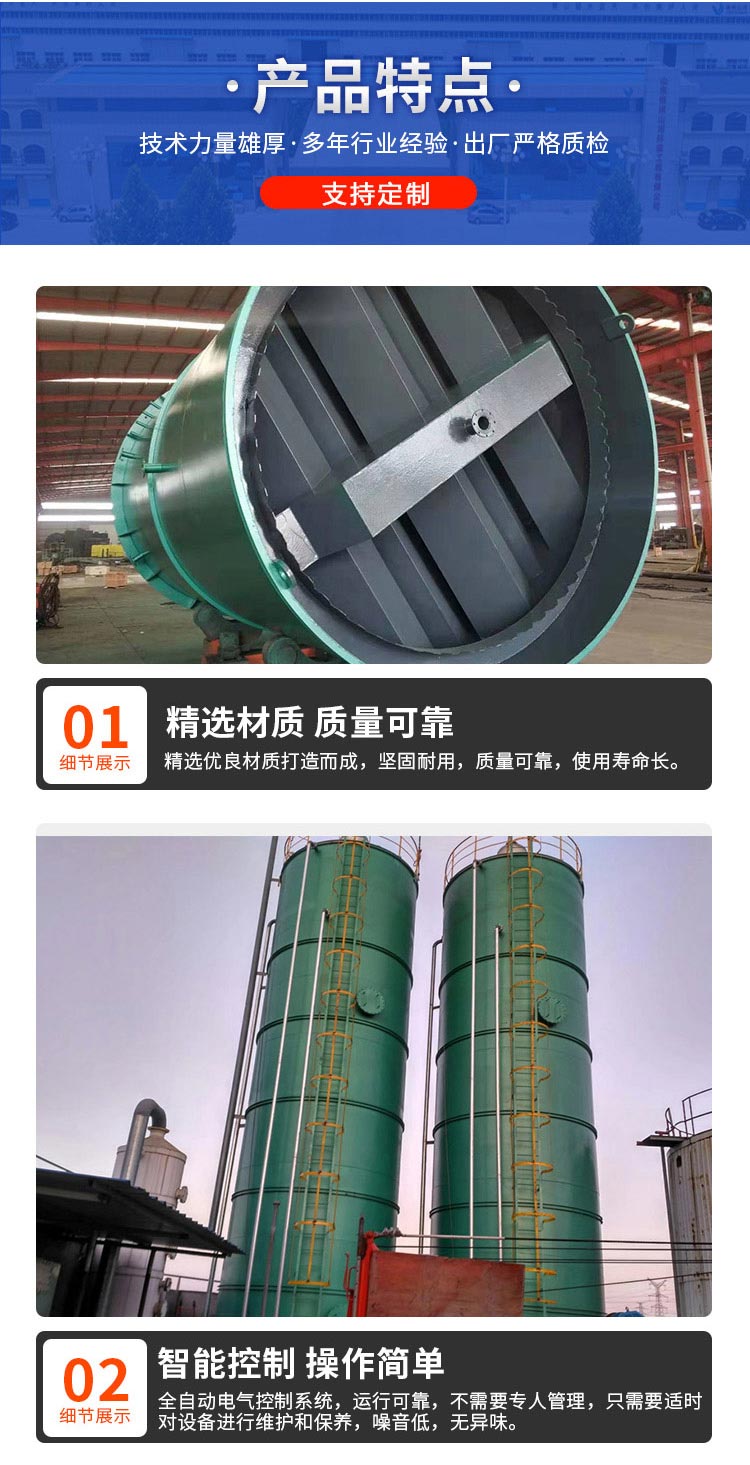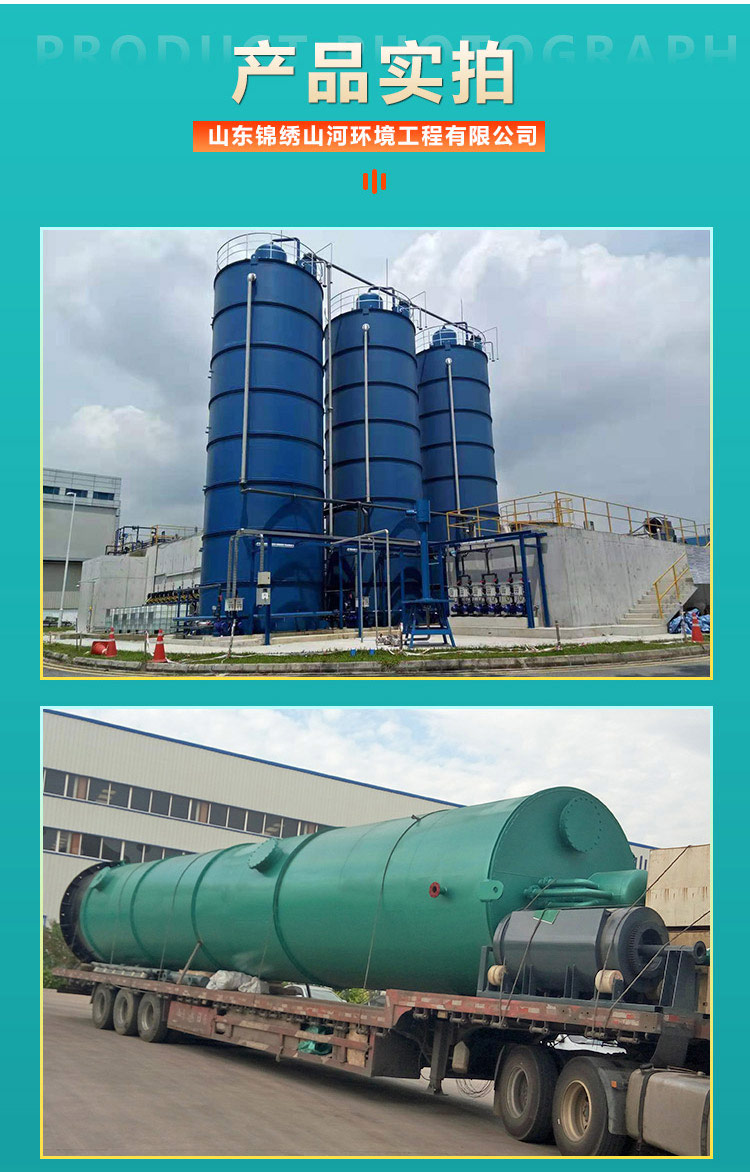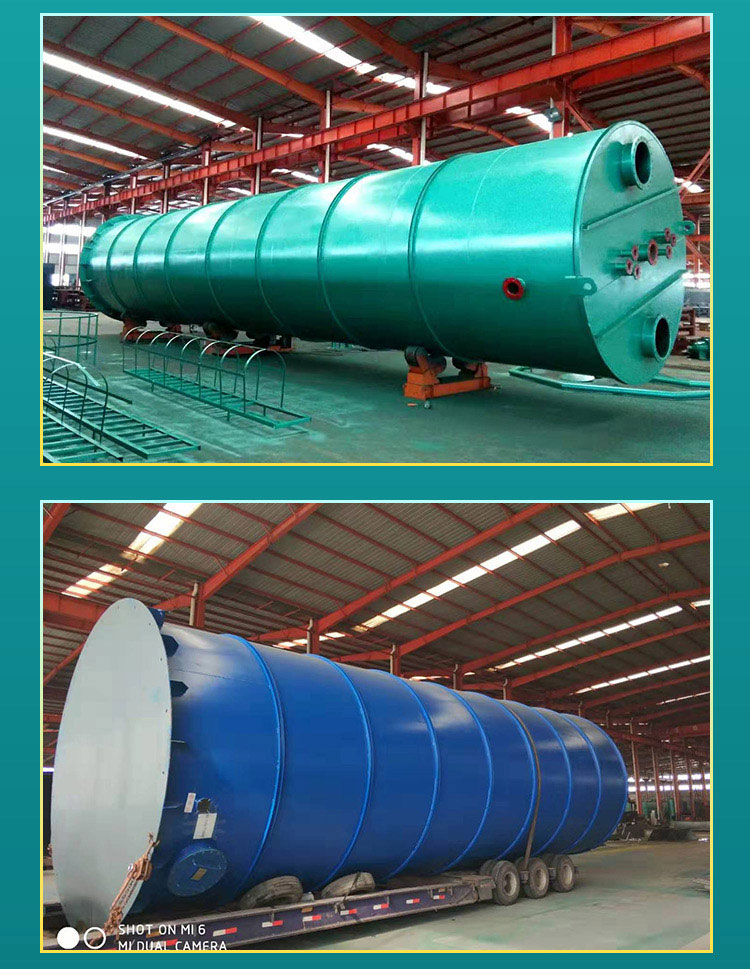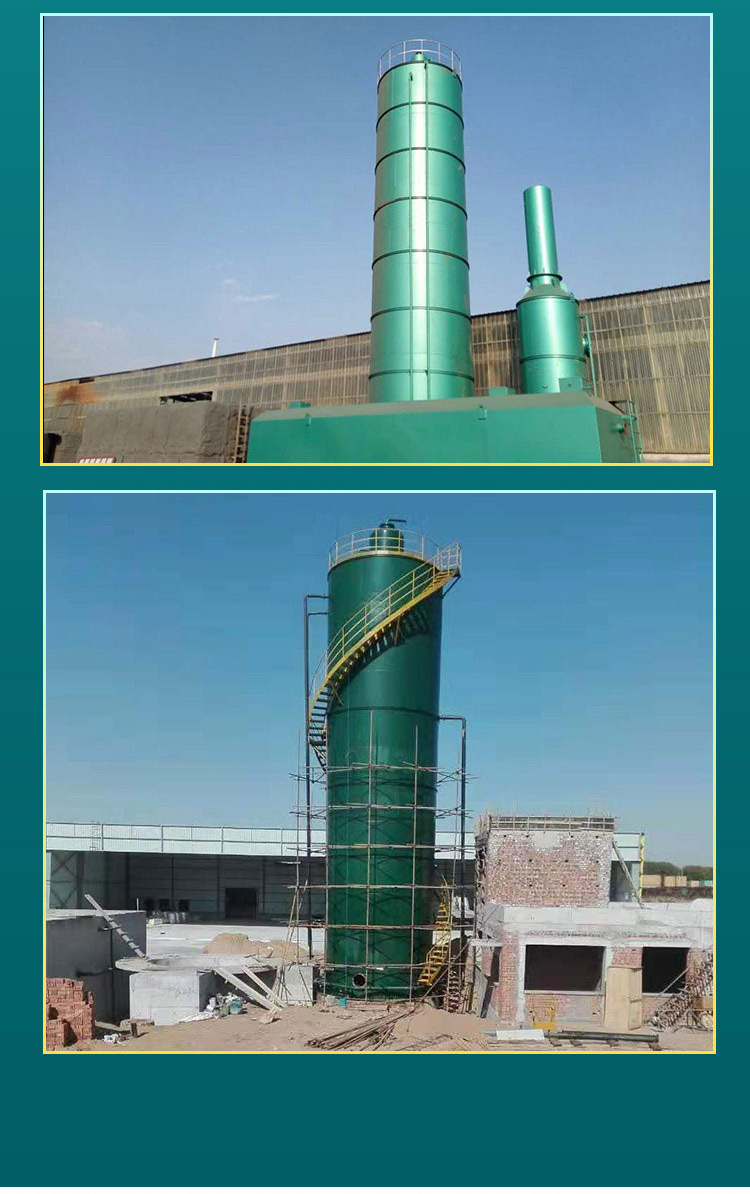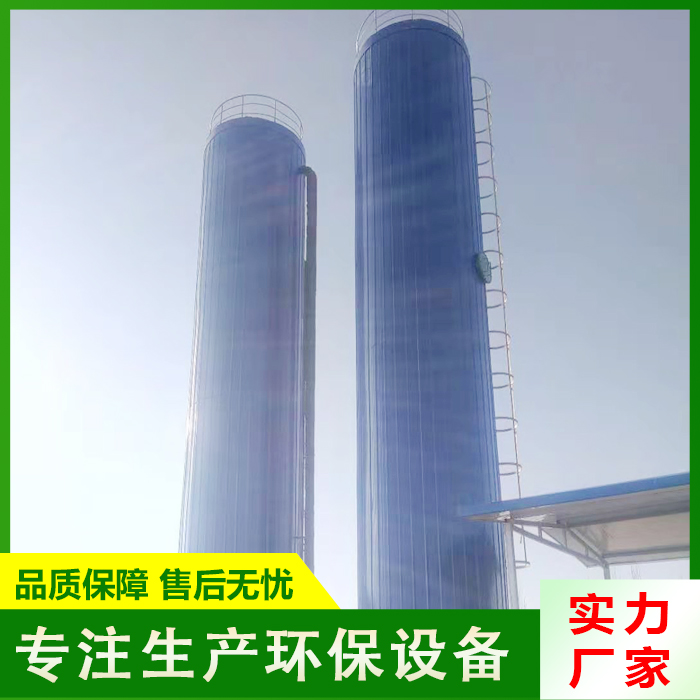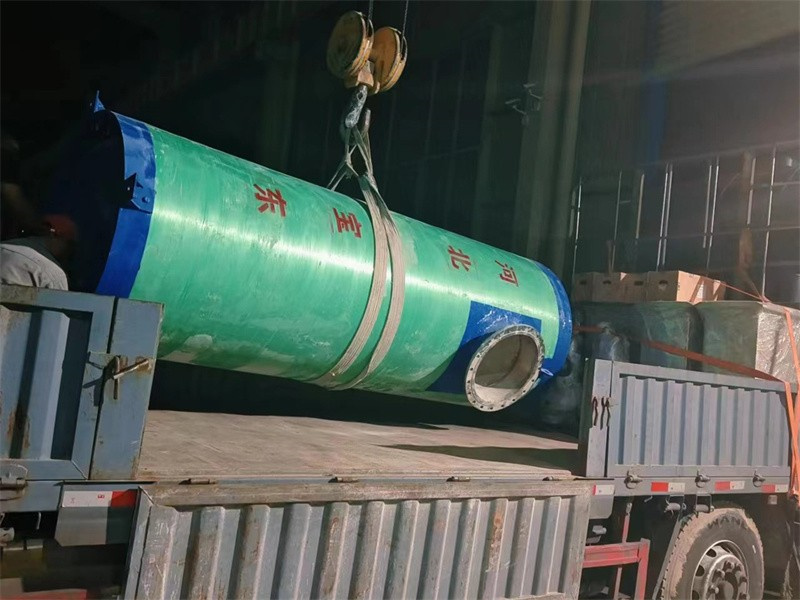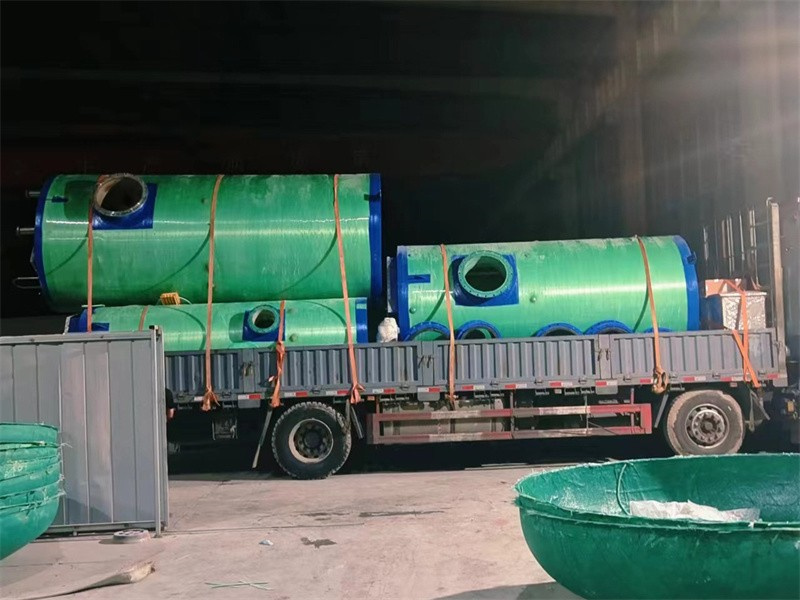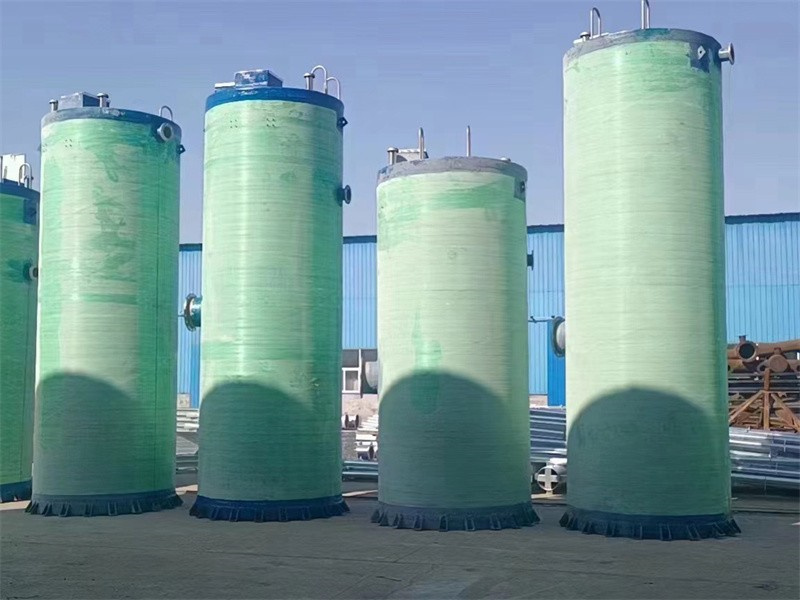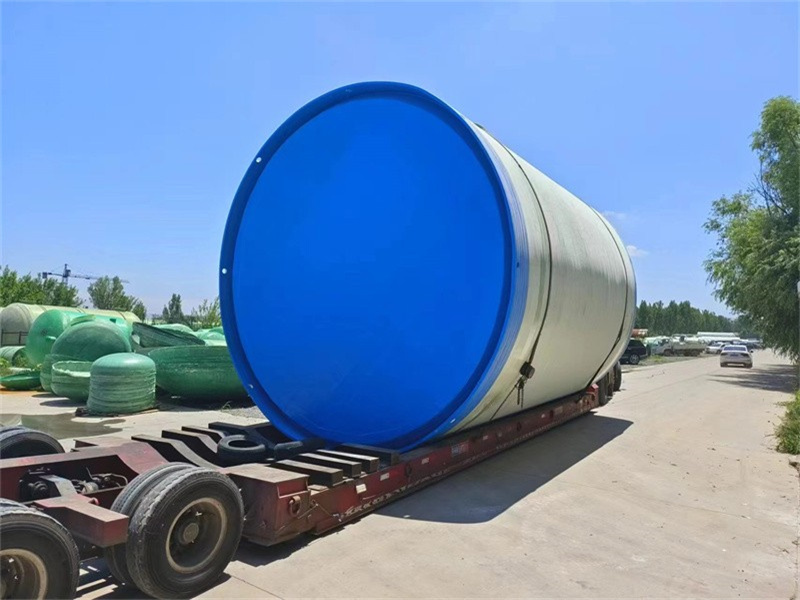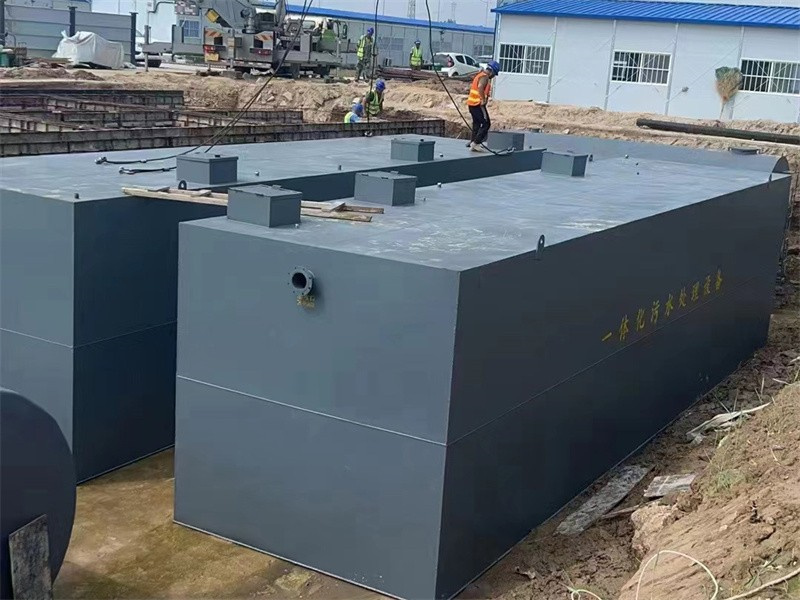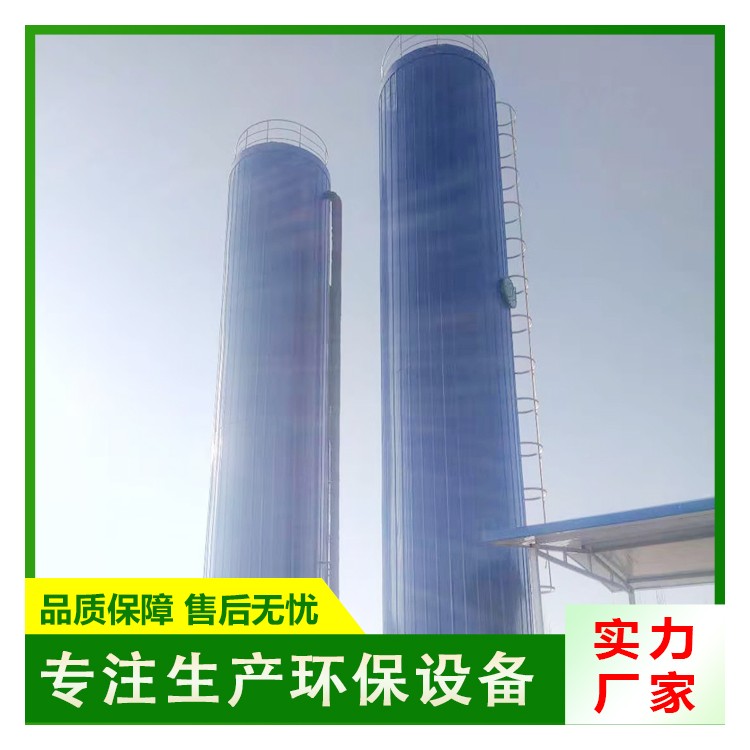

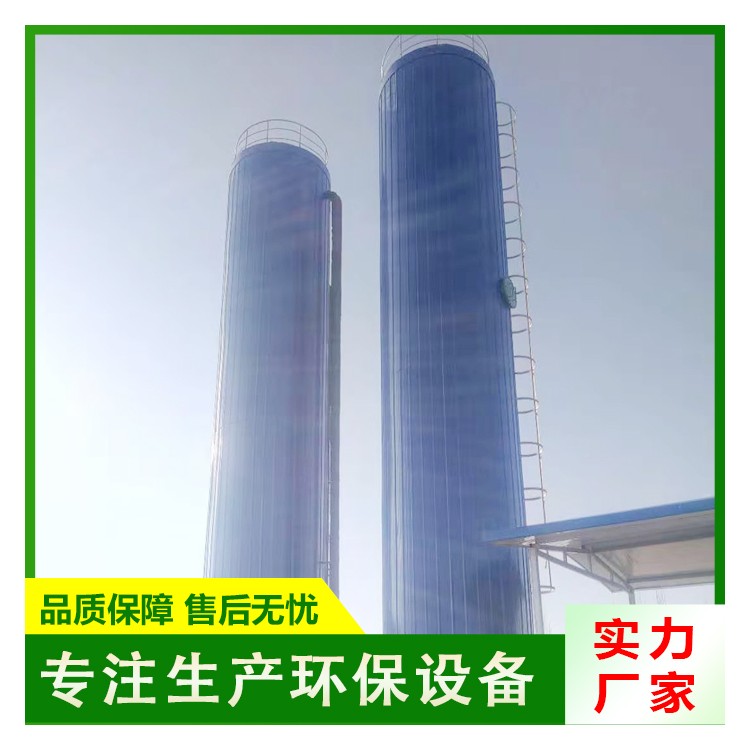


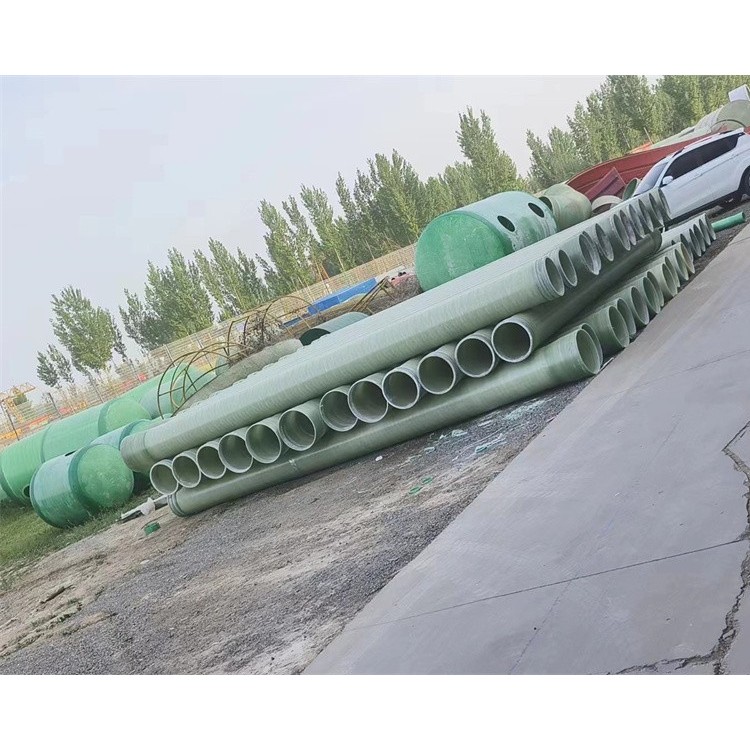
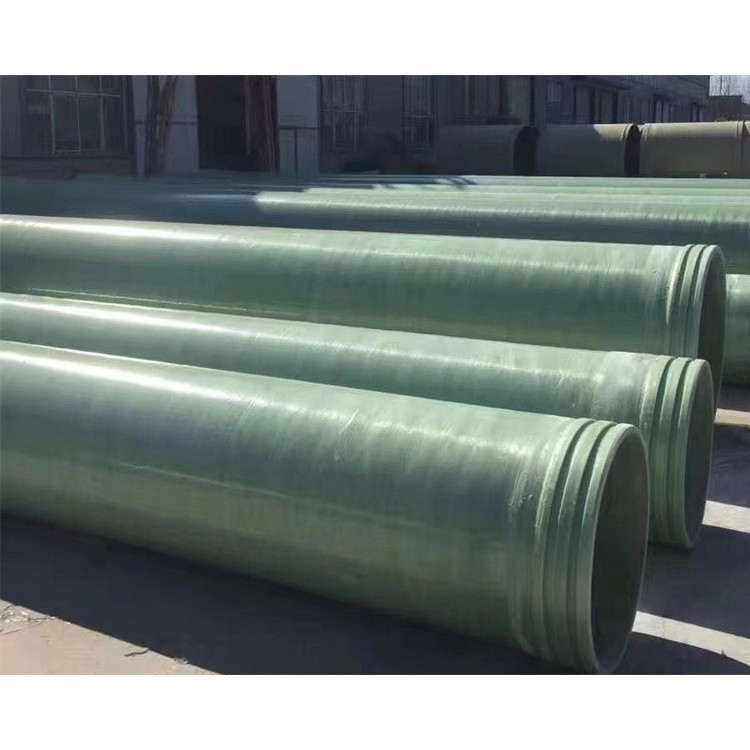
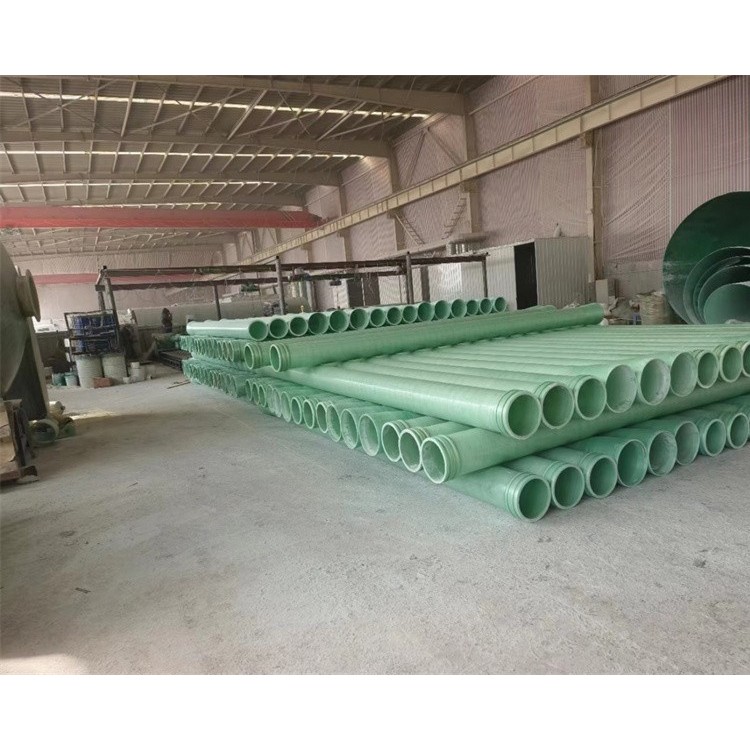
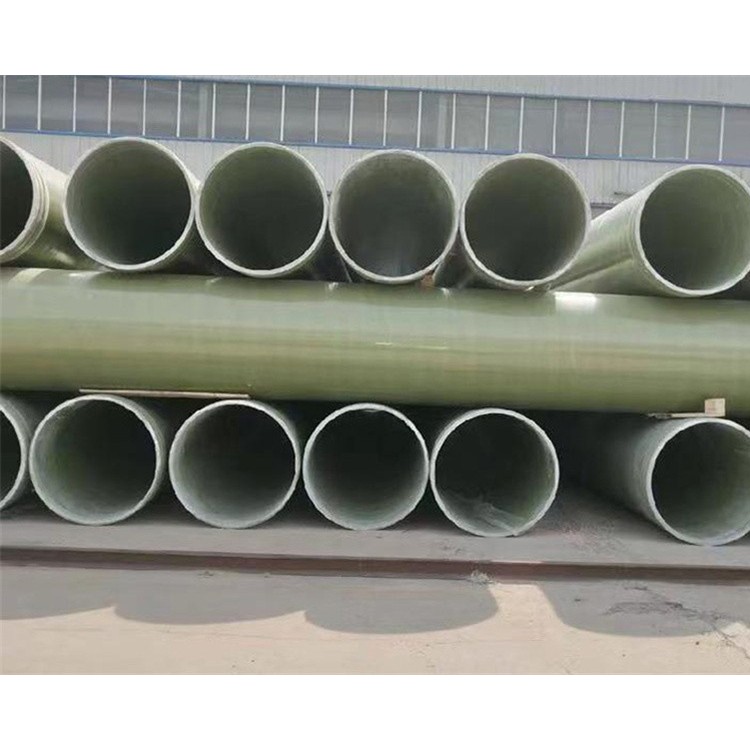





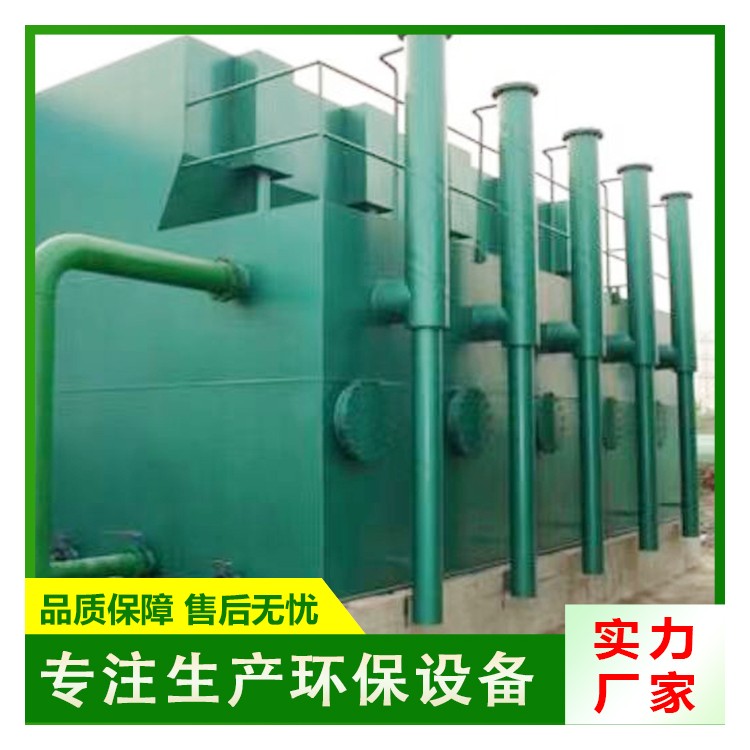
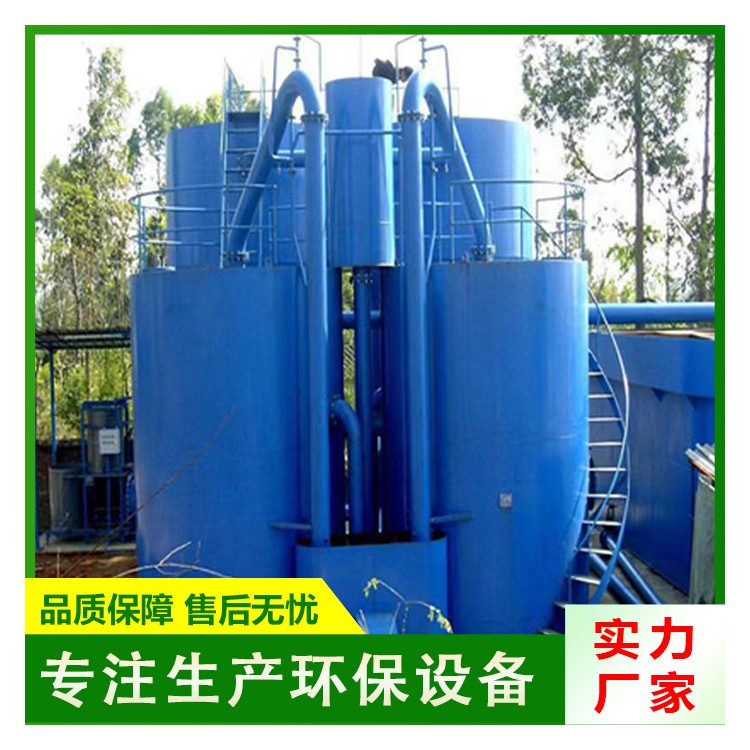

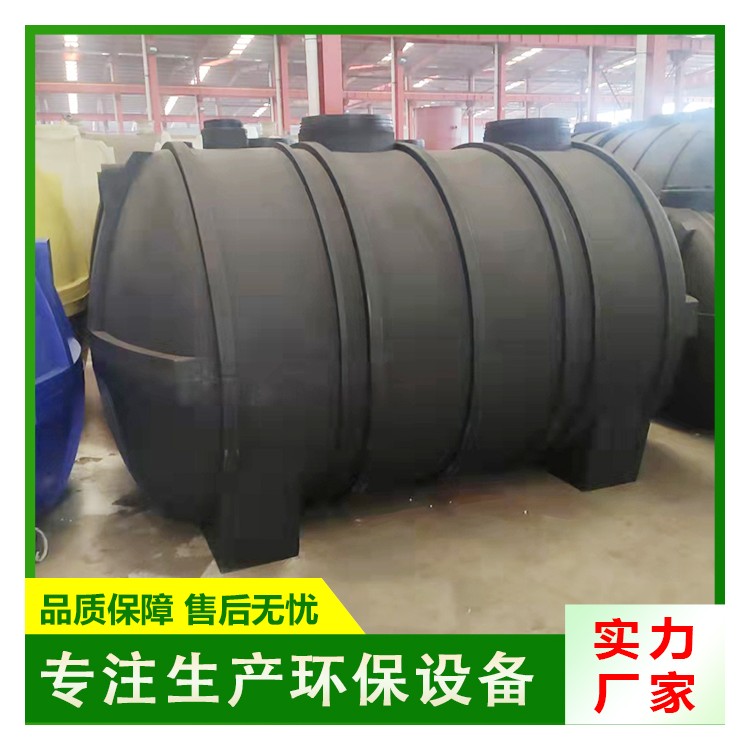
Anaerobic reactors are biochemical reactors used for anaerobic digestion and fermentation, known for their high efficiency, reliability, and versatility. Within anaerobic reactors, the gases produced by the decomposition of organic waste by microorganisms can be directly collected and utilized. Additionally, anaerobic reactors can also be used for wastewater treatment and the production of renewable energy.
Anaerobic Reactor Applications
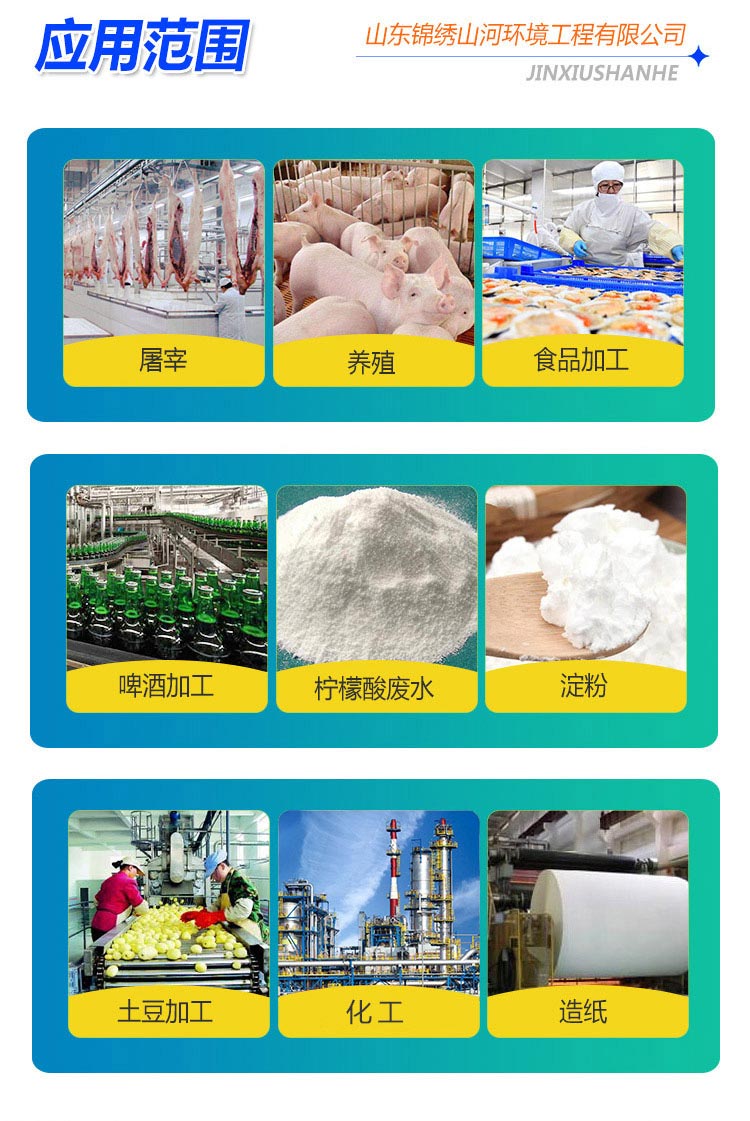
Anaerobic reactors can be utilized in wastewater treatment, solid waste management, feed processing, and the production of renewable energy.
In wastewater treatment, anaerobic reactors are primarily used for processing high-concentration organic wastewater, kitchen waste, and animal and plant excrement. Through the treatment by anaerobic reactors, organic matter can be digested, reducing the impact of chemical pollutants on the water environment, while also generating energy and organic fertilizers. During the continuous anaerobic fermentation process, the fermented material is further decomposed into carbon dioxide and methane, which is then used for power generation, hot water supply, and fuel, among other applications.
In solid waste management, anaerobic reactors can be utilized to process biomass waste such as crop residues, kitchen waste, and leaves. Through the treatment by anaerobic reactors, organic matter can be digested, biogas and other renewable energy sources extracted, and organic fertilizer produced. The application of anaerobic reactors in solid waste management enables the resource utilization of organic waste, while reducing the impact of organic matter on the atmospheric environment.