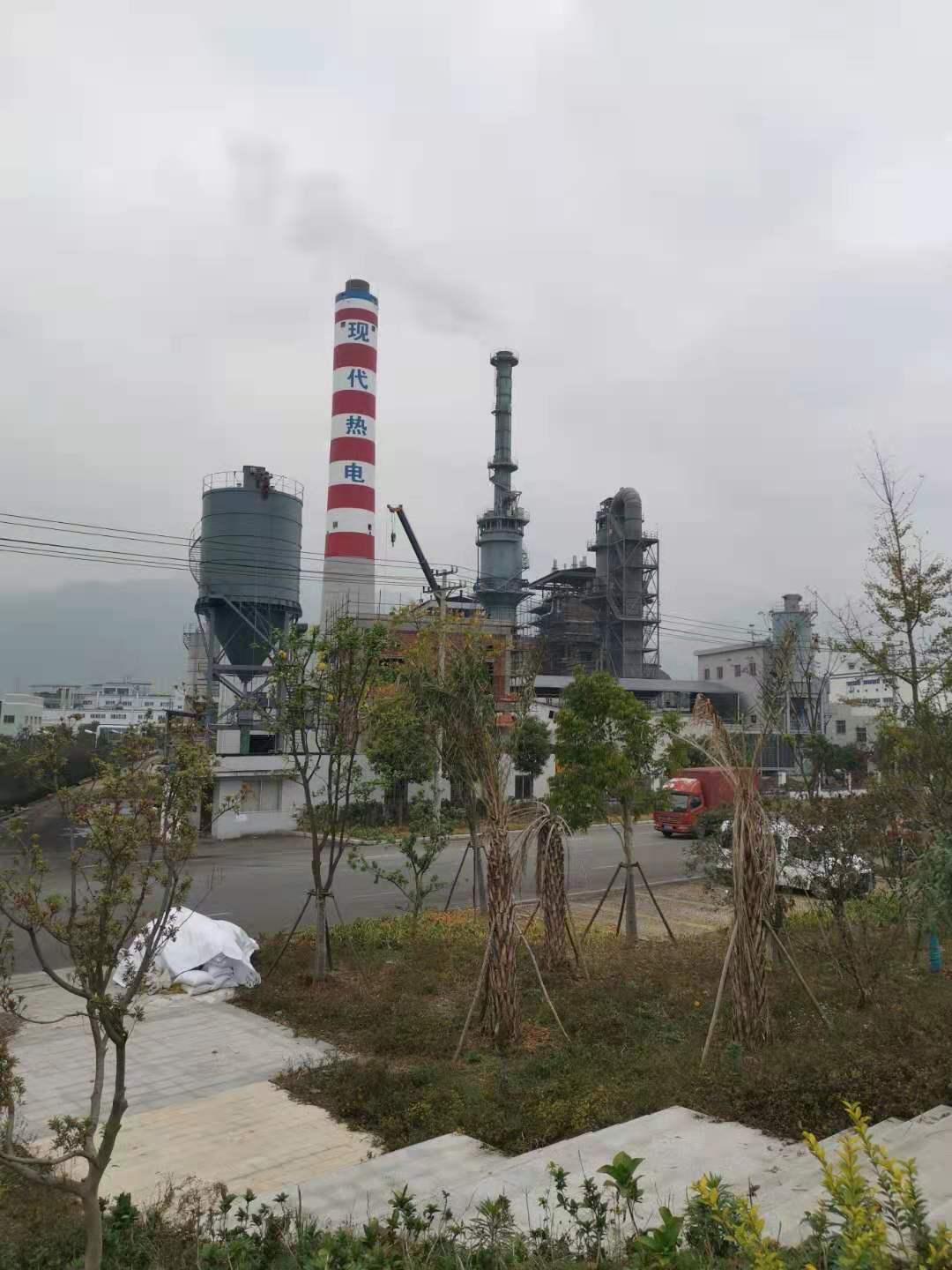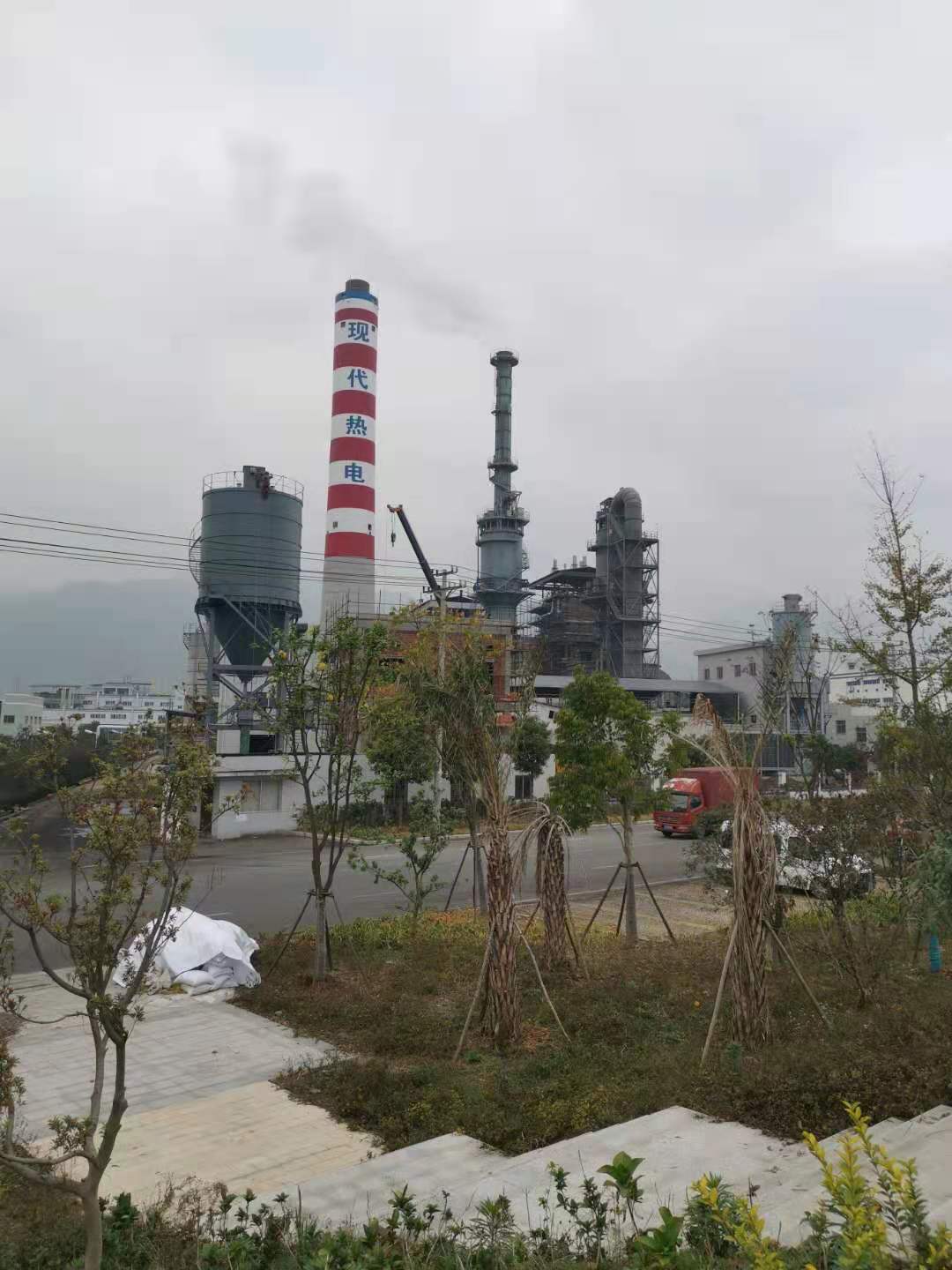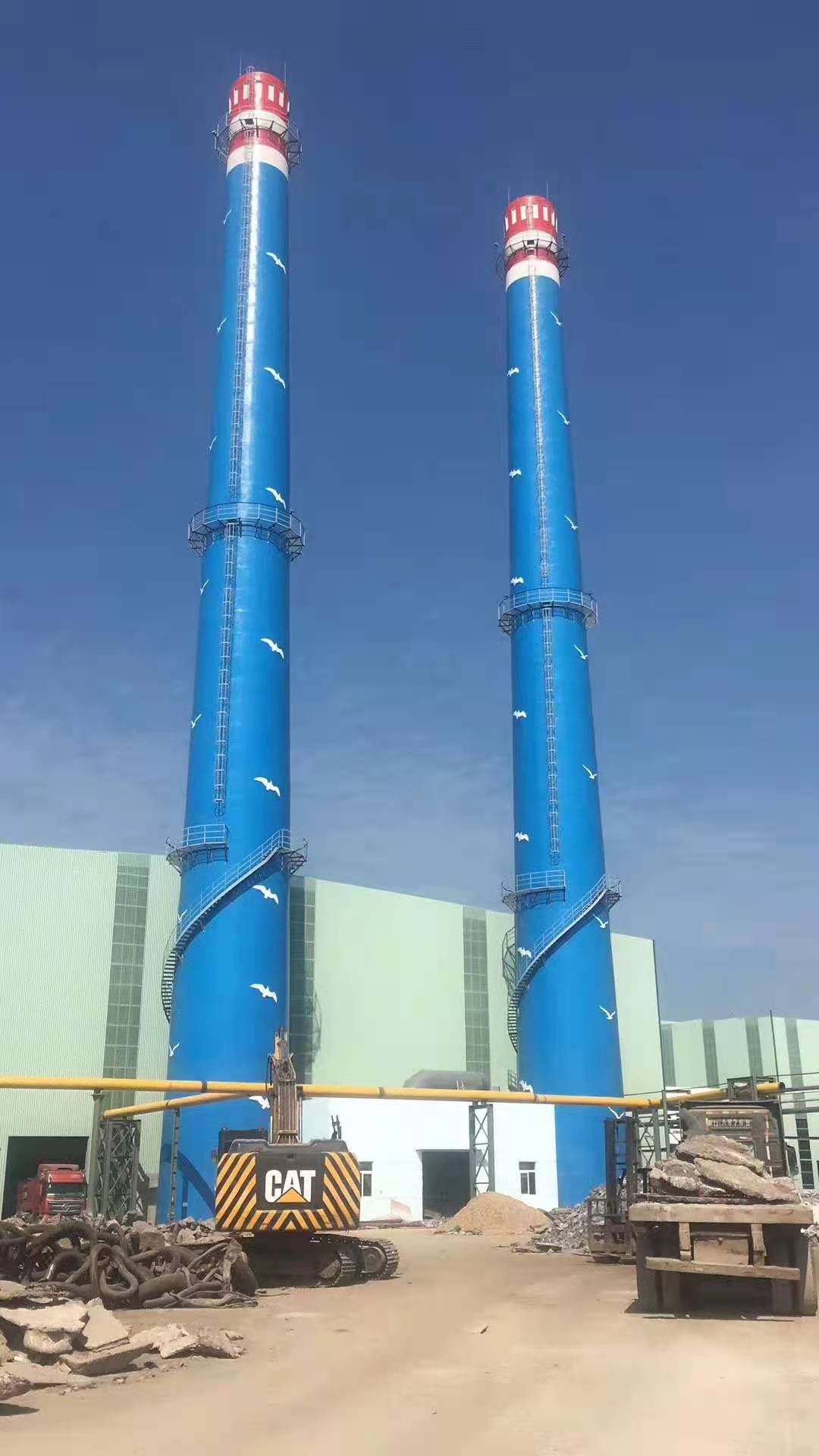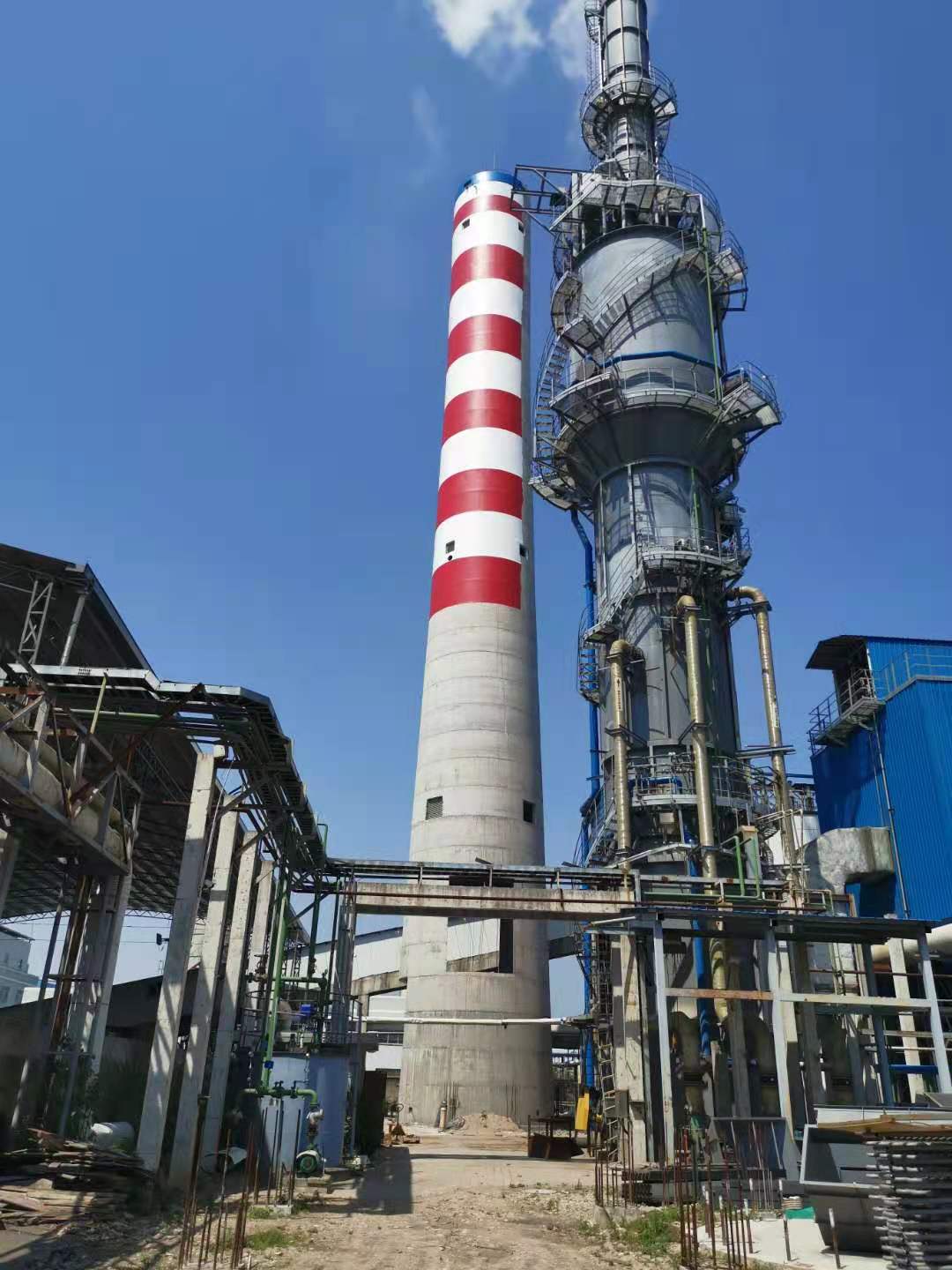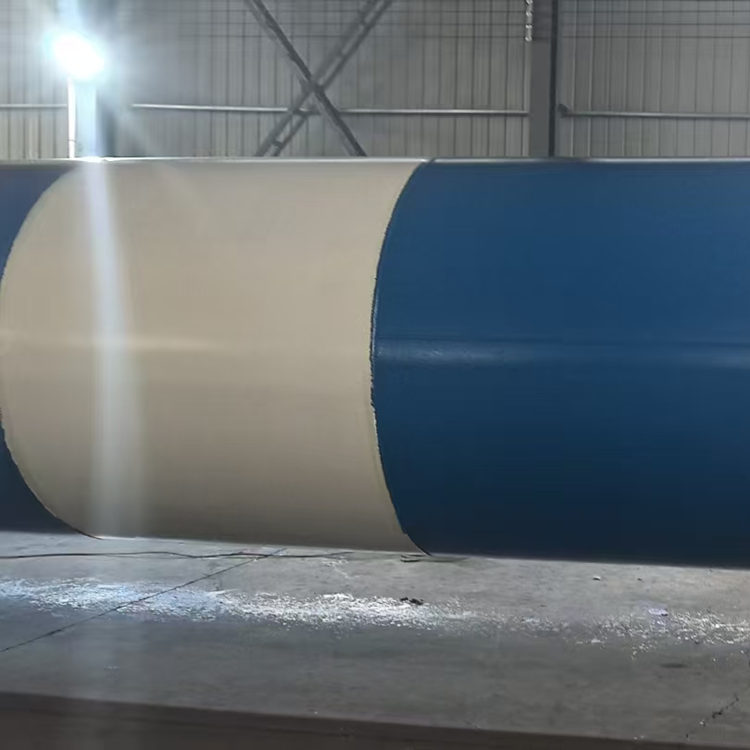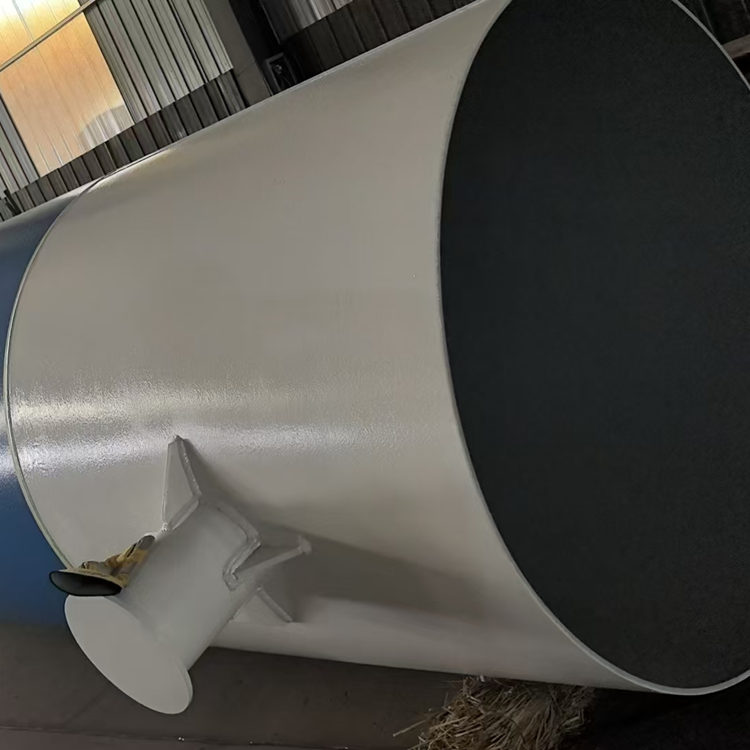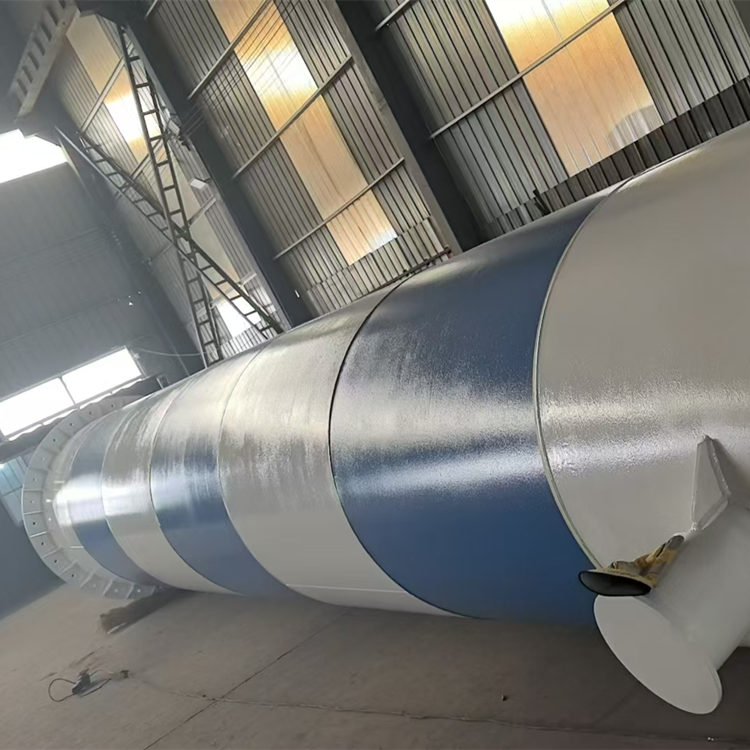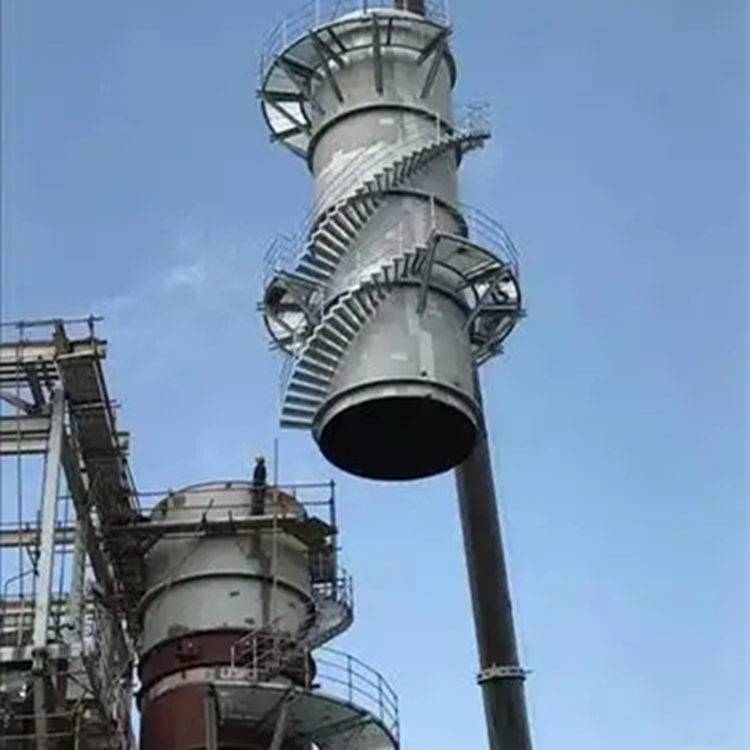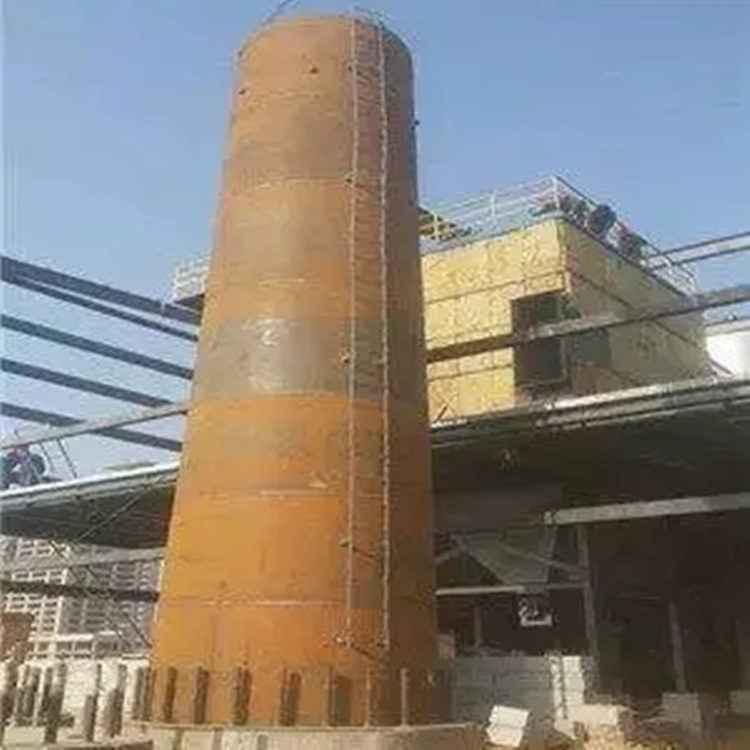


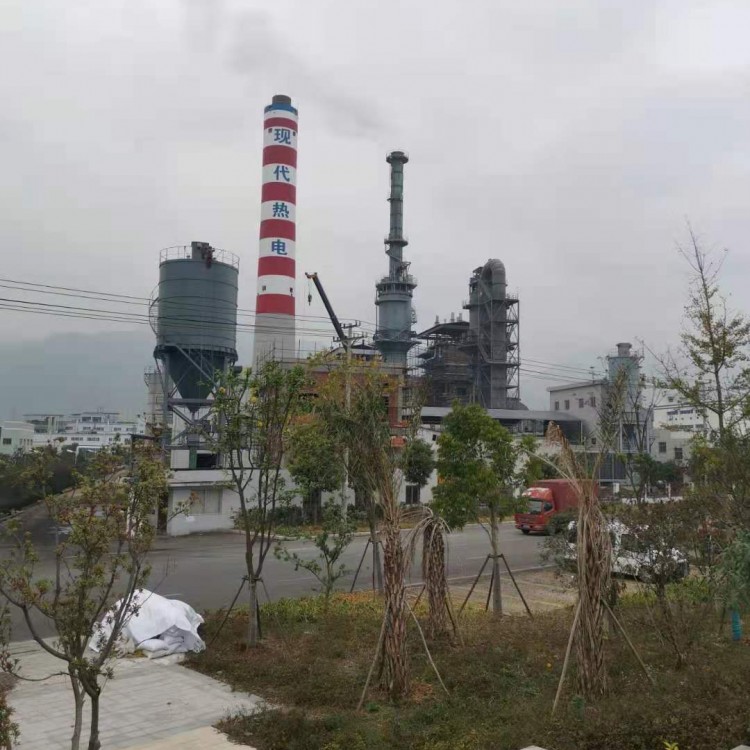
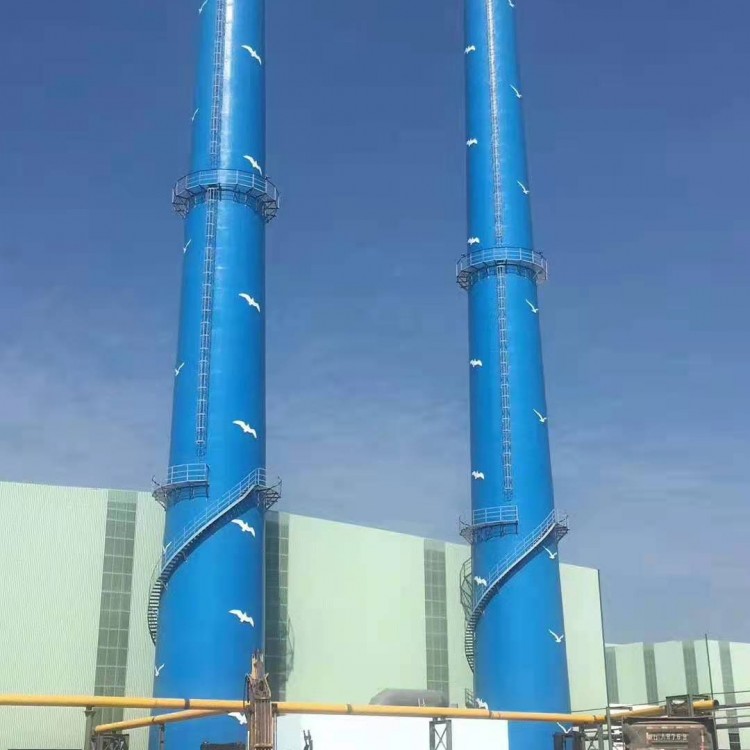


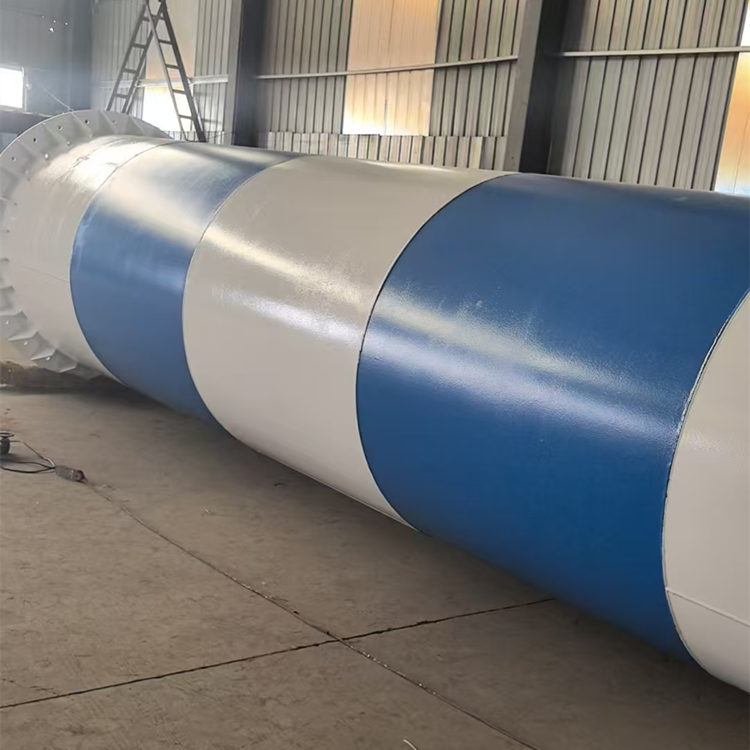
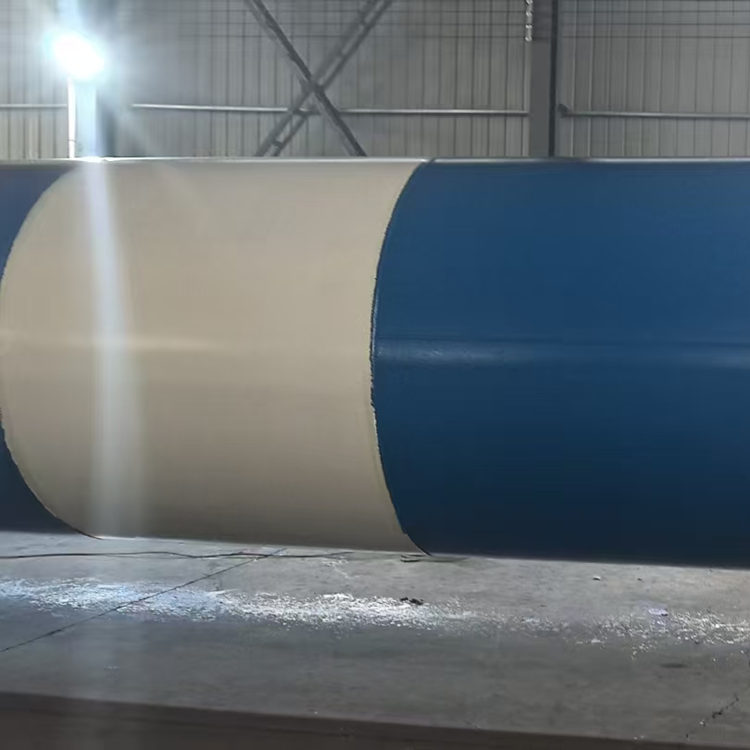
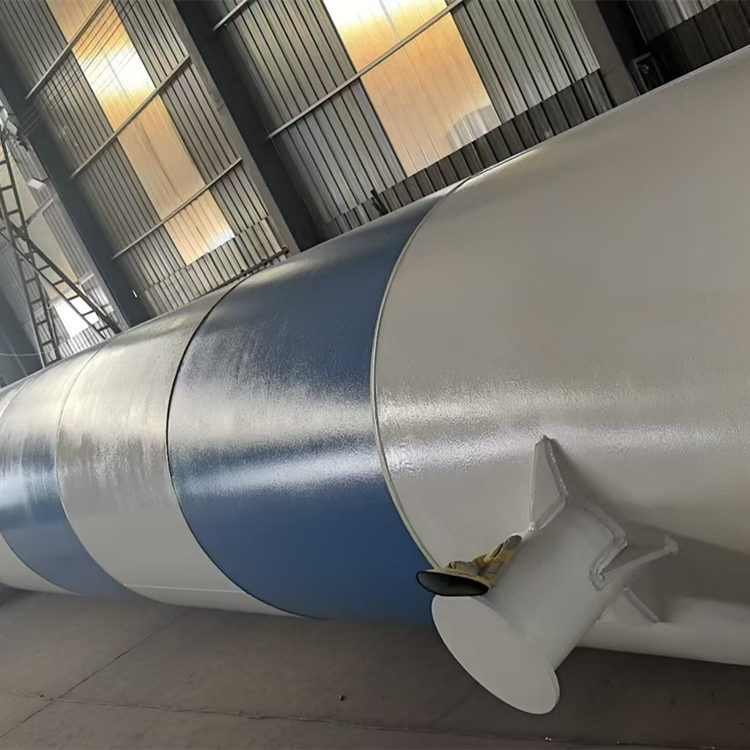
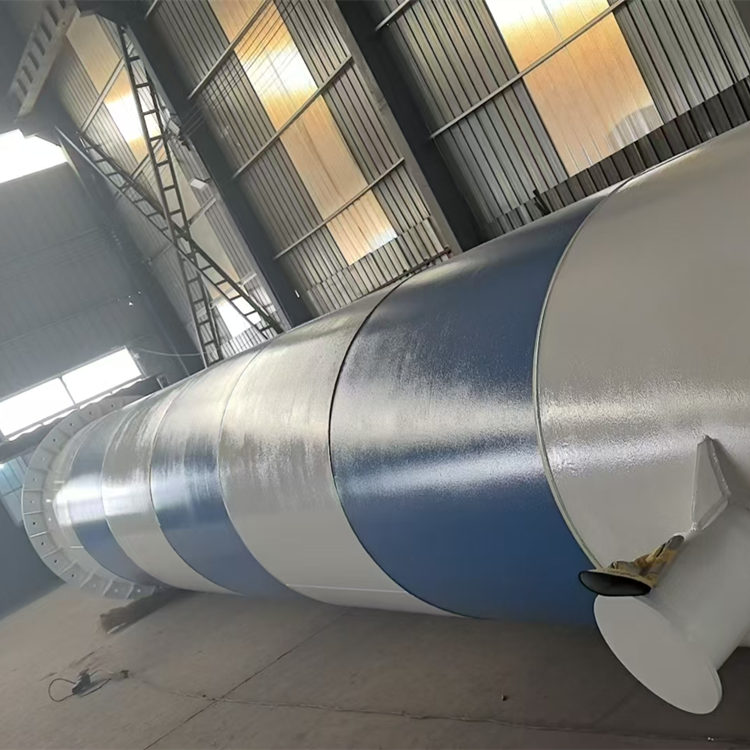





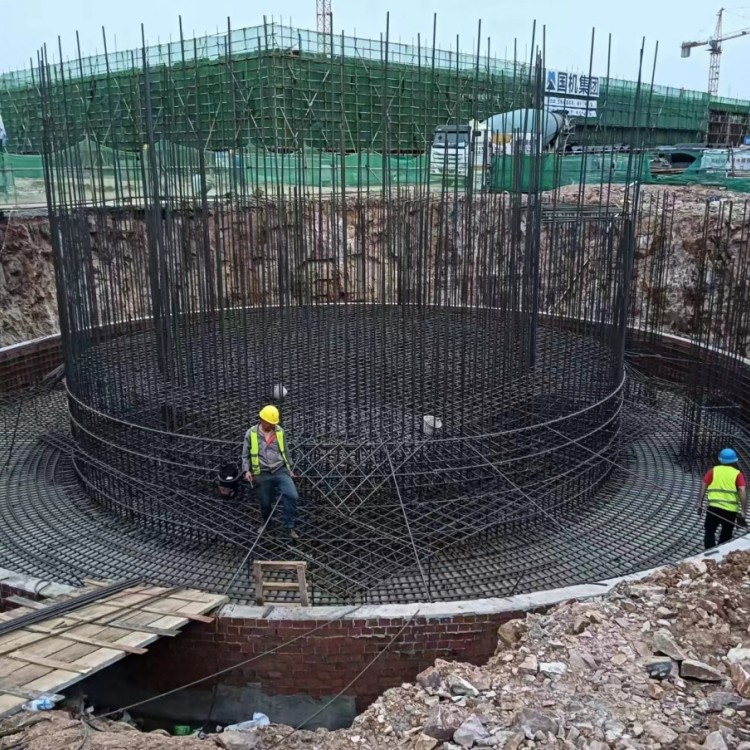
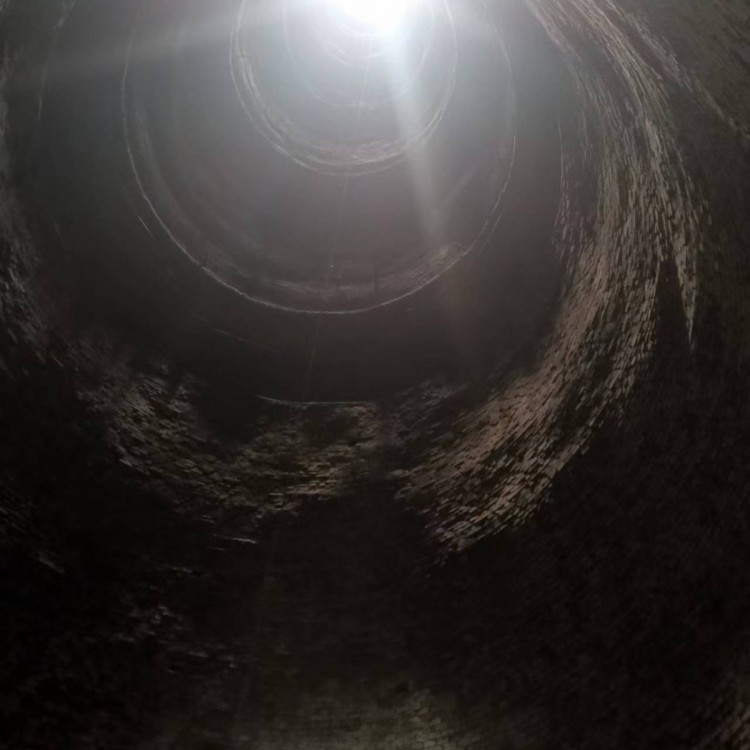
1. The anti-corrosion coating of the brick chimney has * resistance to chemical corrosion, especially condensate sulfuric acid corrosion.
2. The brick chimney anticorrosion coating has excellent high-temperature resistance and temperature shock resistance, capable of withstanding fluctuating operating temperatures between 45-600℃ for long-term use, short-term operating temperature of 800℃, and protection action temperature of 850℃.
3. The brick chimney anticorrosion coating has high flexibility and resistance to thermal expansion, capable of withstanding the vibrations of steel chimneys during operation, even after reinforcement.
4. The brick chimney anti-corrosion coating has excellent adhesion to the steel substrate.
5. The brick chimney anti-corrosion coating has an exceptionally high resistance to water vapor permeation.
The severity of issues in the corrosion prevention of brick chimneys is mainly reflected in three aspects:
1. Broad scope
Currently, many anti-corrosion solutions used in desulfurization flues in our country are compromised due to issues with the quality of the anti-corrosion materials and construction quality.Brick chimney anti-corrosionVarying degrees of damage have occurred.
2. High ratio
Severe issues such as cracking, erosion, or peeling, and acid leakage are more common in anti-corrosion of brick chimneys for acid-proof materials, including domestic foam glass bricks, glass flake, 0M coating, and acid-resistant mortar for constructing acid-proof brick inner linings.
3. Short lead time
According to relevant regulations, the brick chimney structure must meet the design life requirement of 50 years, and the exhaust design should comply with the operational life of the process system, which is 30 years. However, some projects have been in operation for only 2 months when severe corrosion on the steel inner sleeve was discovered due to the detachment of foam glass bricks. In some desulfurization改造 single-sleeve chimney projects, leakage of acidic fluid along the outer wall of the chimney occurred within just 4 months of operation, causing corrosion to the reinforced concrete sleeve.