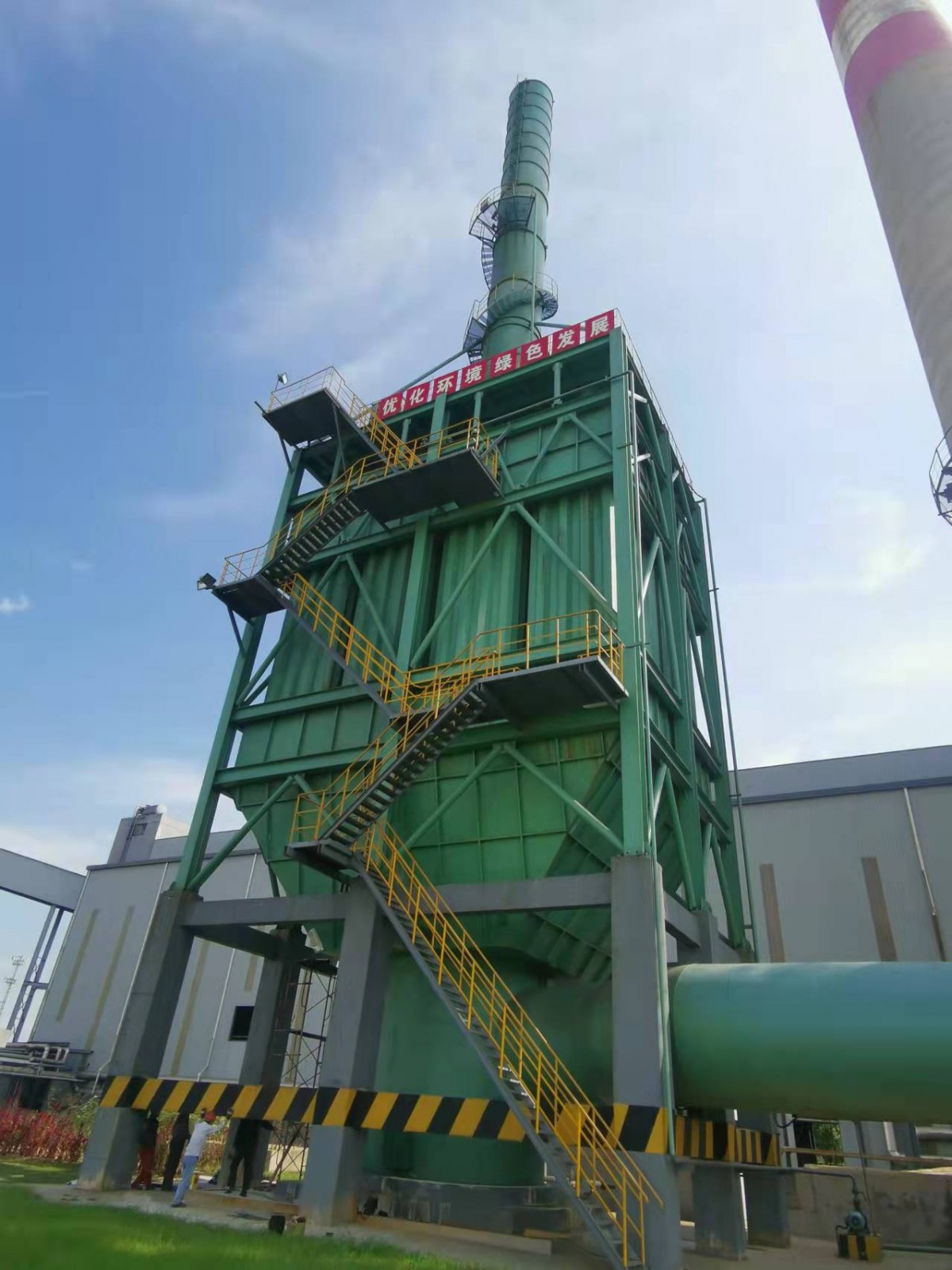


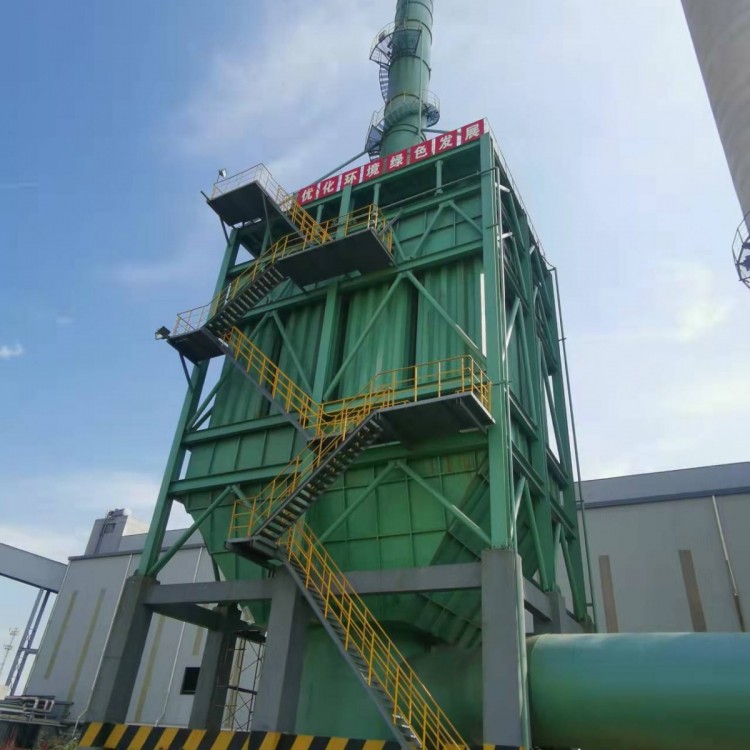







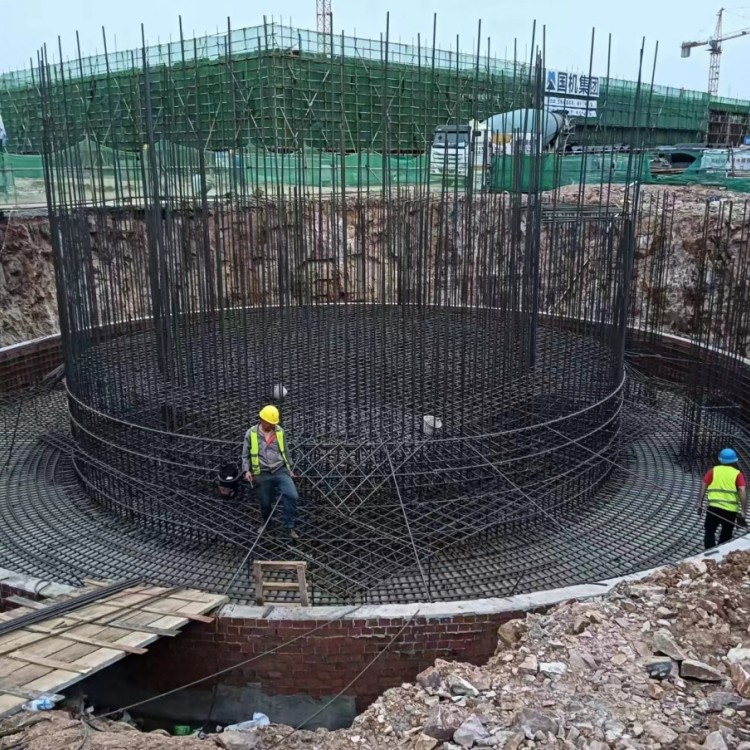
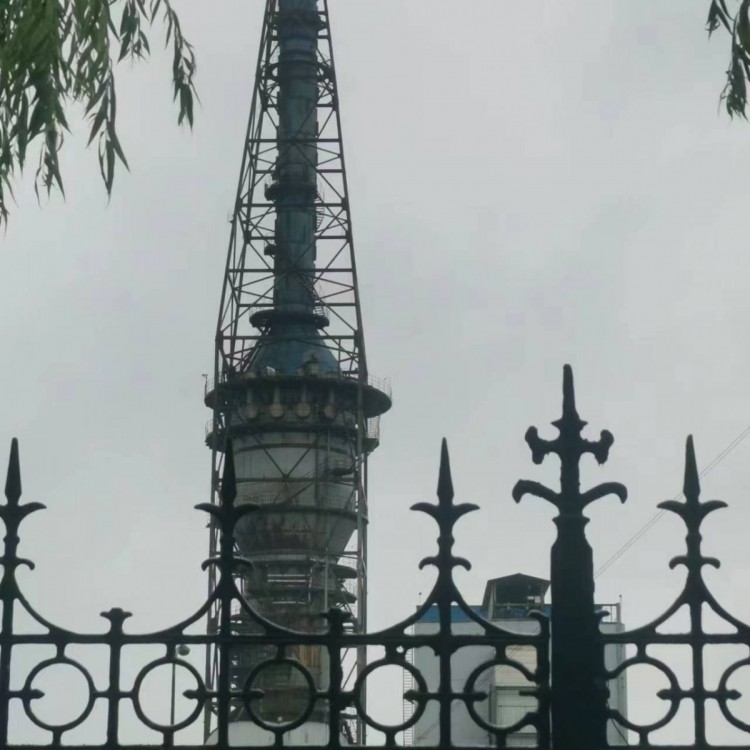
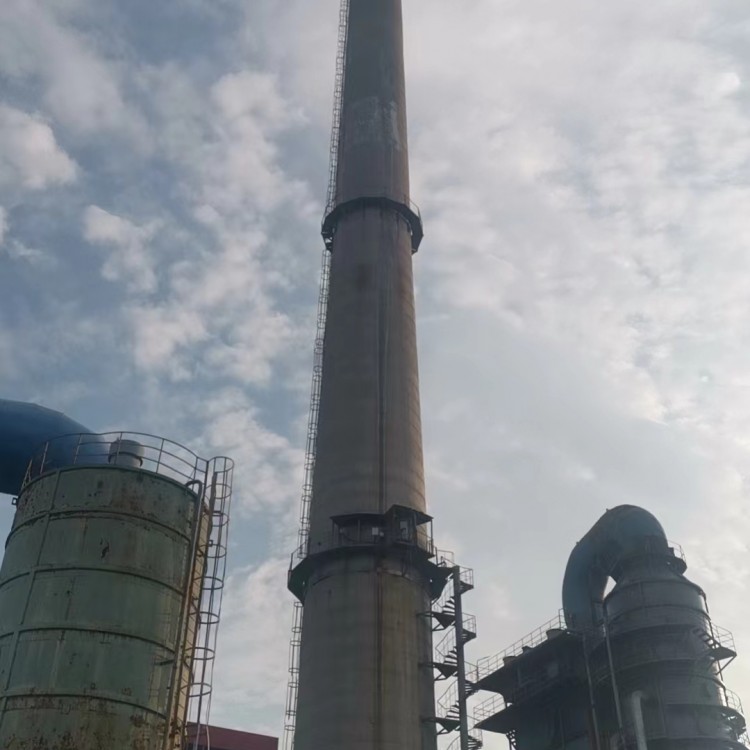
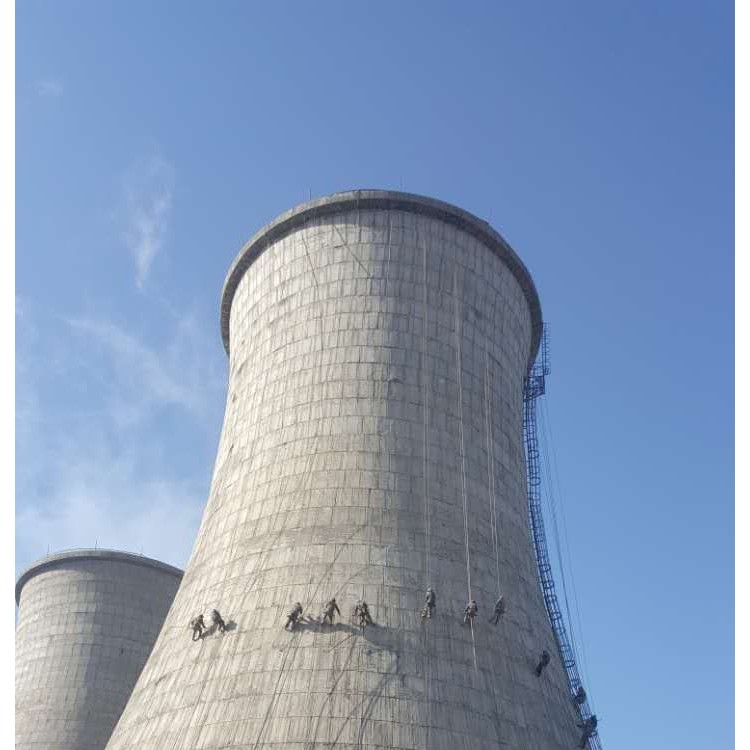
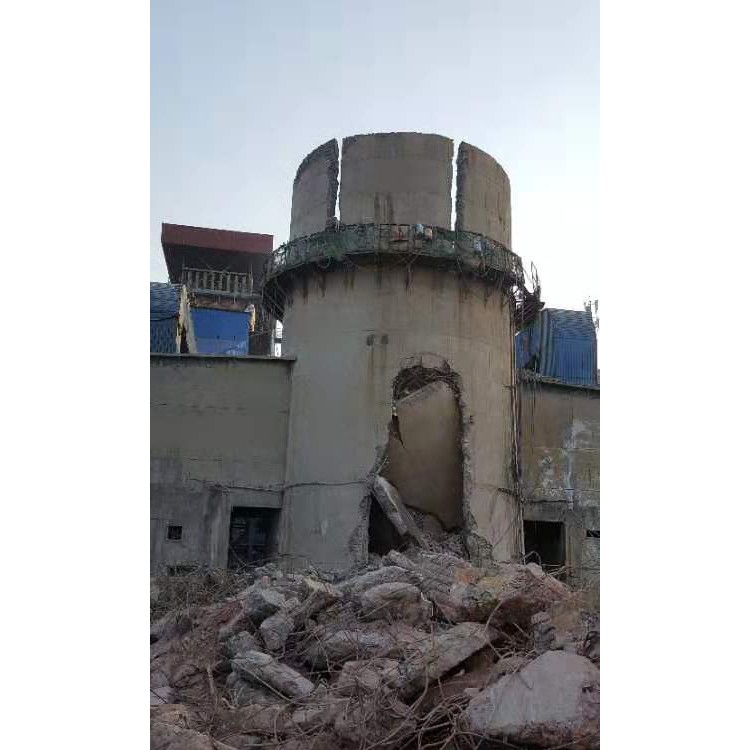
Desulfurization equipment with high-temperature resistance is used for removing sulfur compounds from flue gas, commonly applied in coal-fired power plants and industrial boilers. Due to the unique working environment, anti-corrosion measures must be taken to extend the service life of the desulfurization equipment.
The following are some common anti-corrosion methods for high-temperature desulfurization equipment:
Select high-temperature-resistant materials: Desulfurization equipment often withstands the erosion of high temperatures and corrosive gases, so it is crucial to choose high-temperature and corrosion-resistant materials. Common high-temperature-resistant materials include stainless steel, nickel-based alloys, etc.
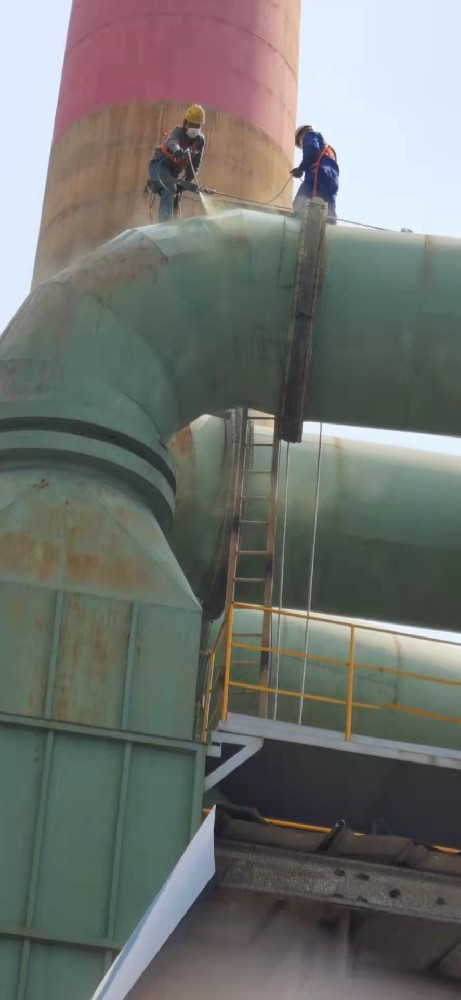
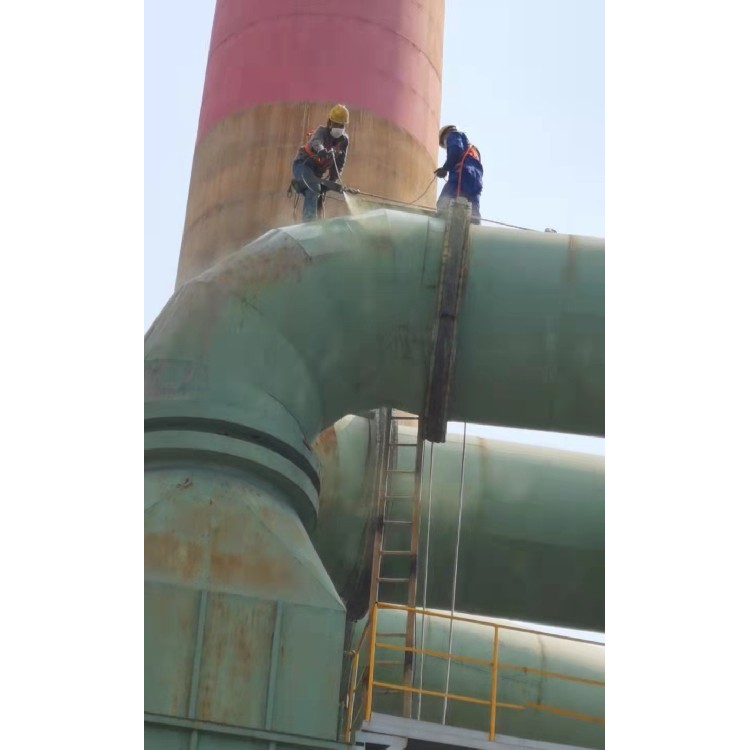
2. Surface Coating Protection: Apply anti-corrosion paint or high-temperature ceramic coatings to the equipment surface to enhance its corrosion resistance and high-temperature performance.
3. Equipment internally coated with anti-corrosion layer: The internal components are exposed to high-temperature corrosive flue gas, and an anti-corrosion coating with excellent corrosion resistance, such as an acid-resistant coating, can be applied to the internal surface.
4. Equipment Structural Design: In the structural design of the equipment, considerations are made for the effects of high temperatures and corrosive flue gases. Efforts are made to minimize blind spots and gaps within the equipment to prevent the accumulation of corrosive media and erosion of the equipment.
5. Regular Maintenance and Inspection: Conduct regular cleaning, maintenance, and inspections of desulfurization equipment to promptly identify and repair surface corrosion and damage issues, thereby extending the equipment's lifespan.
Note that different high-temperature desulfurization equipment may have varying corrosion prevention measures. The specific corrosion prevention method should be determined based on the material, operating conditions, and requirements of the equipment.