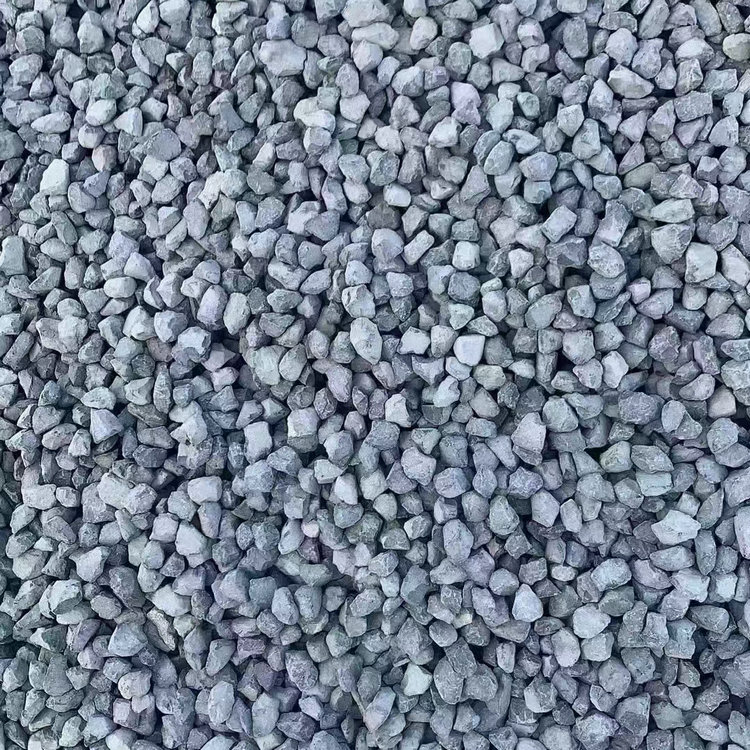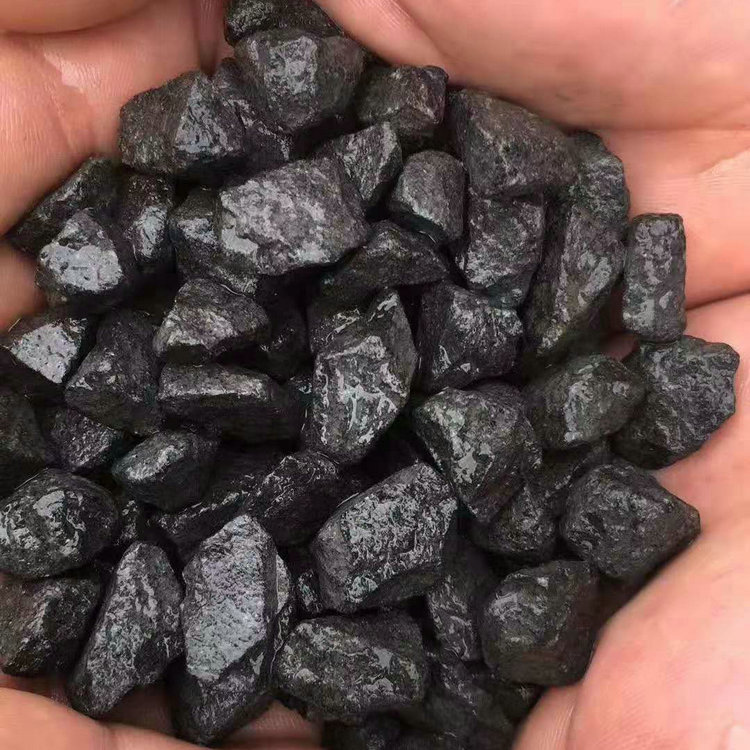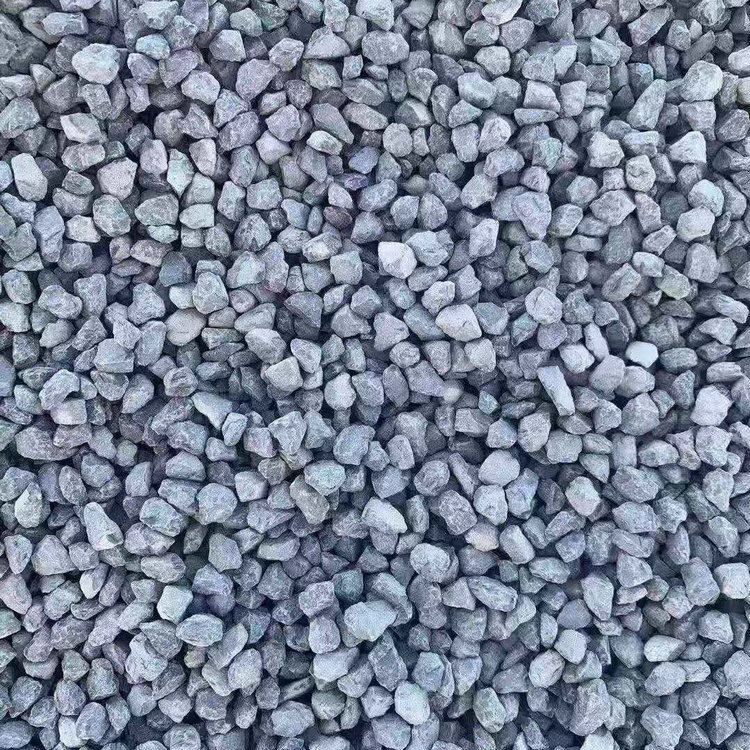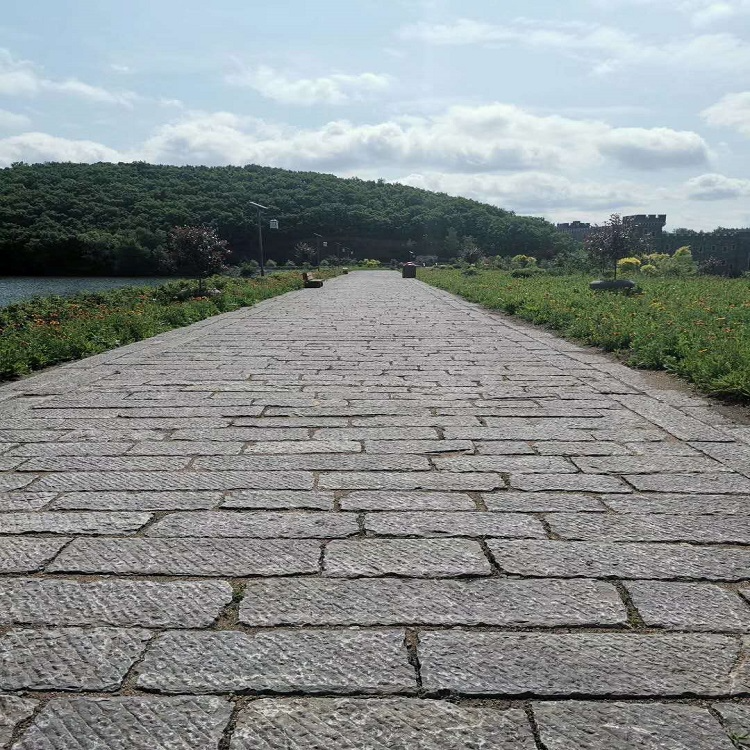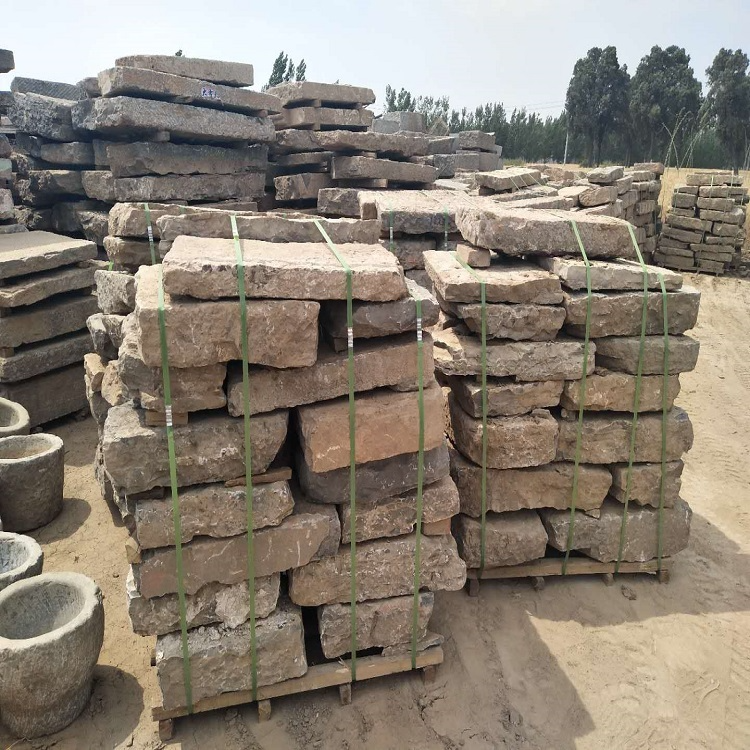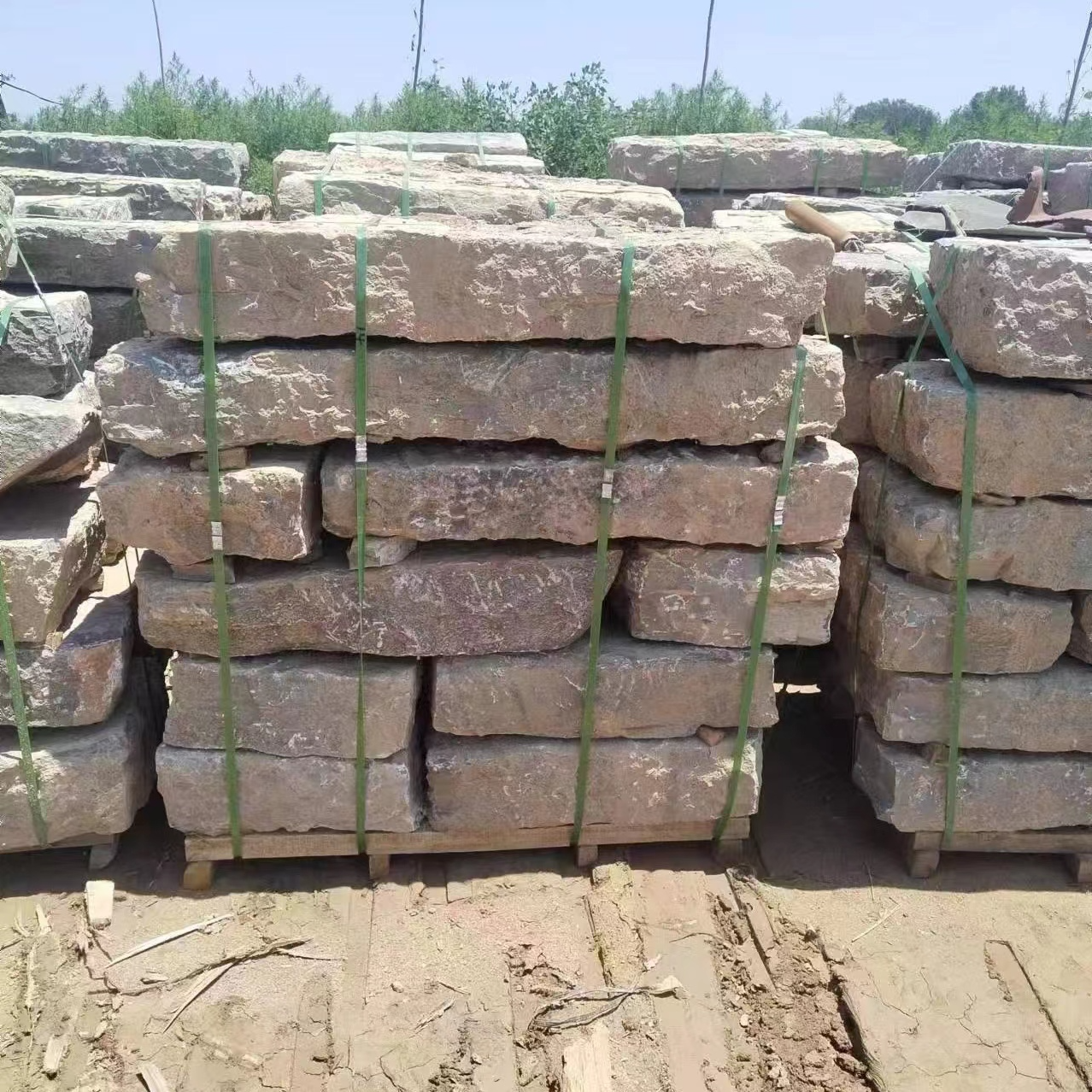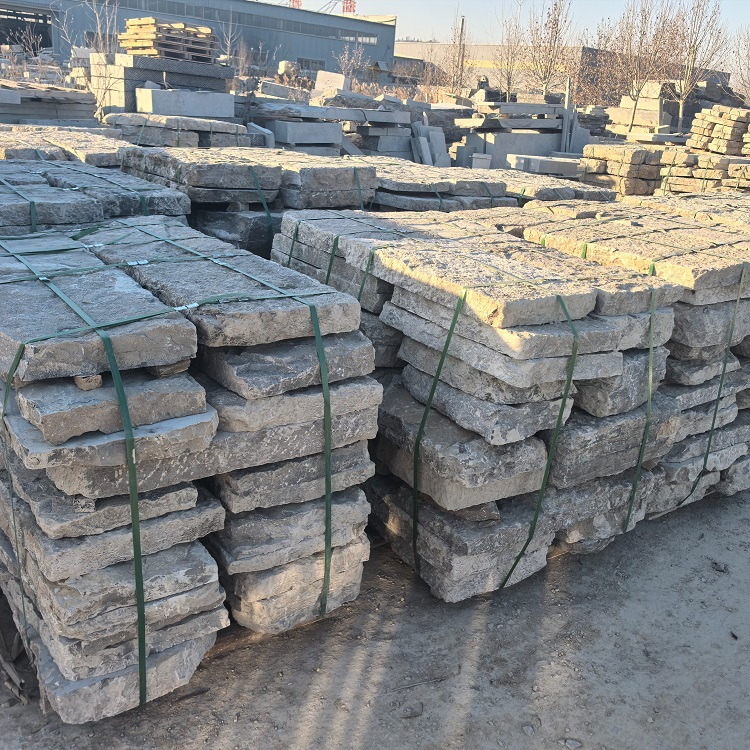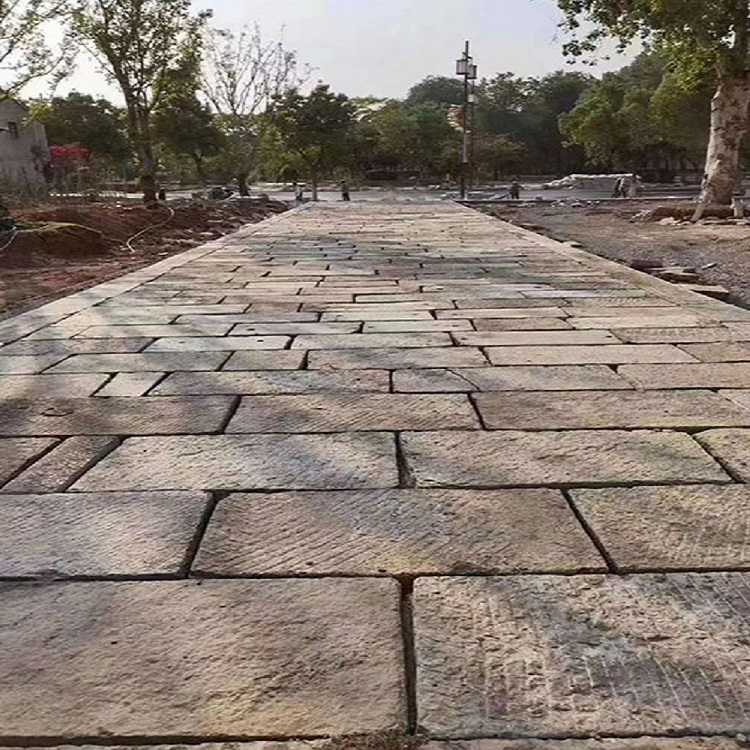

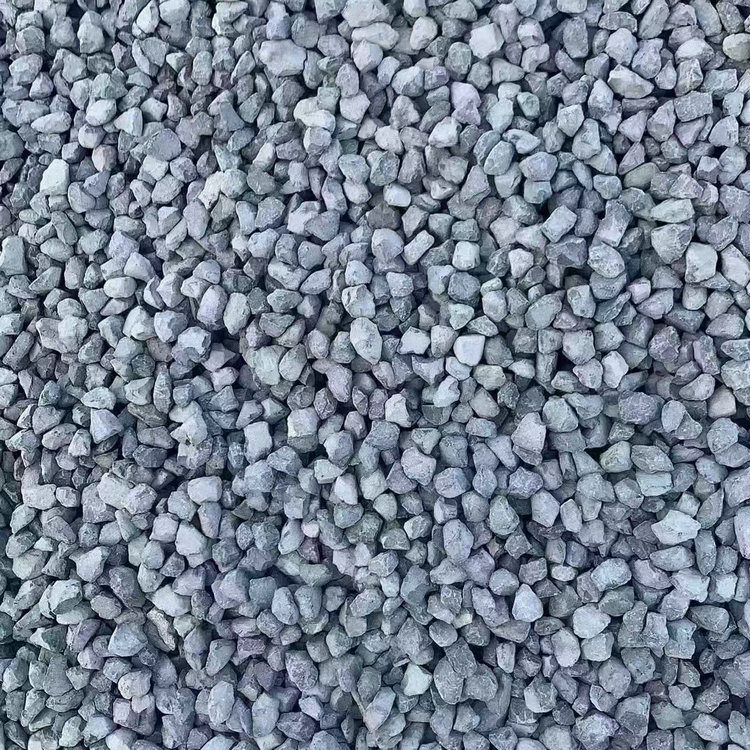

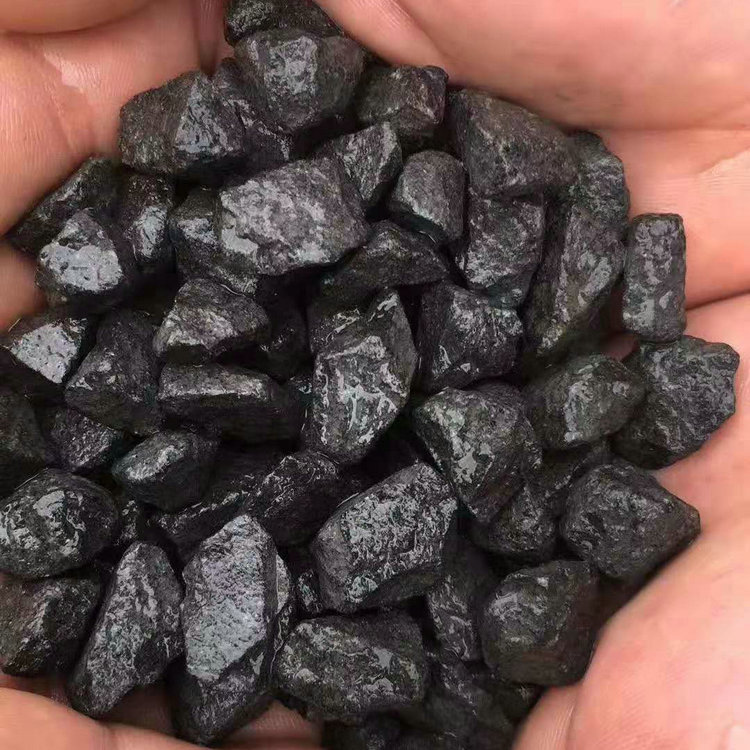
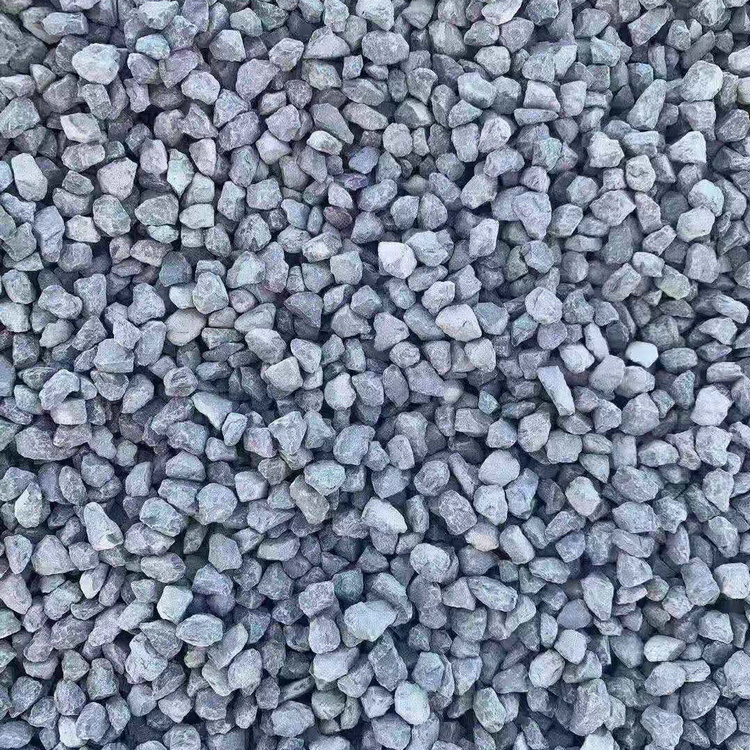


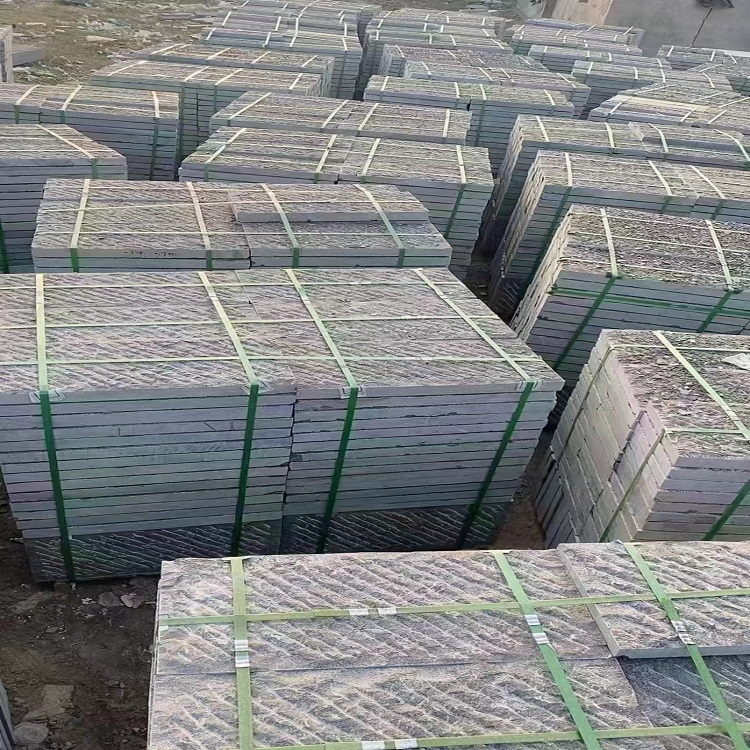
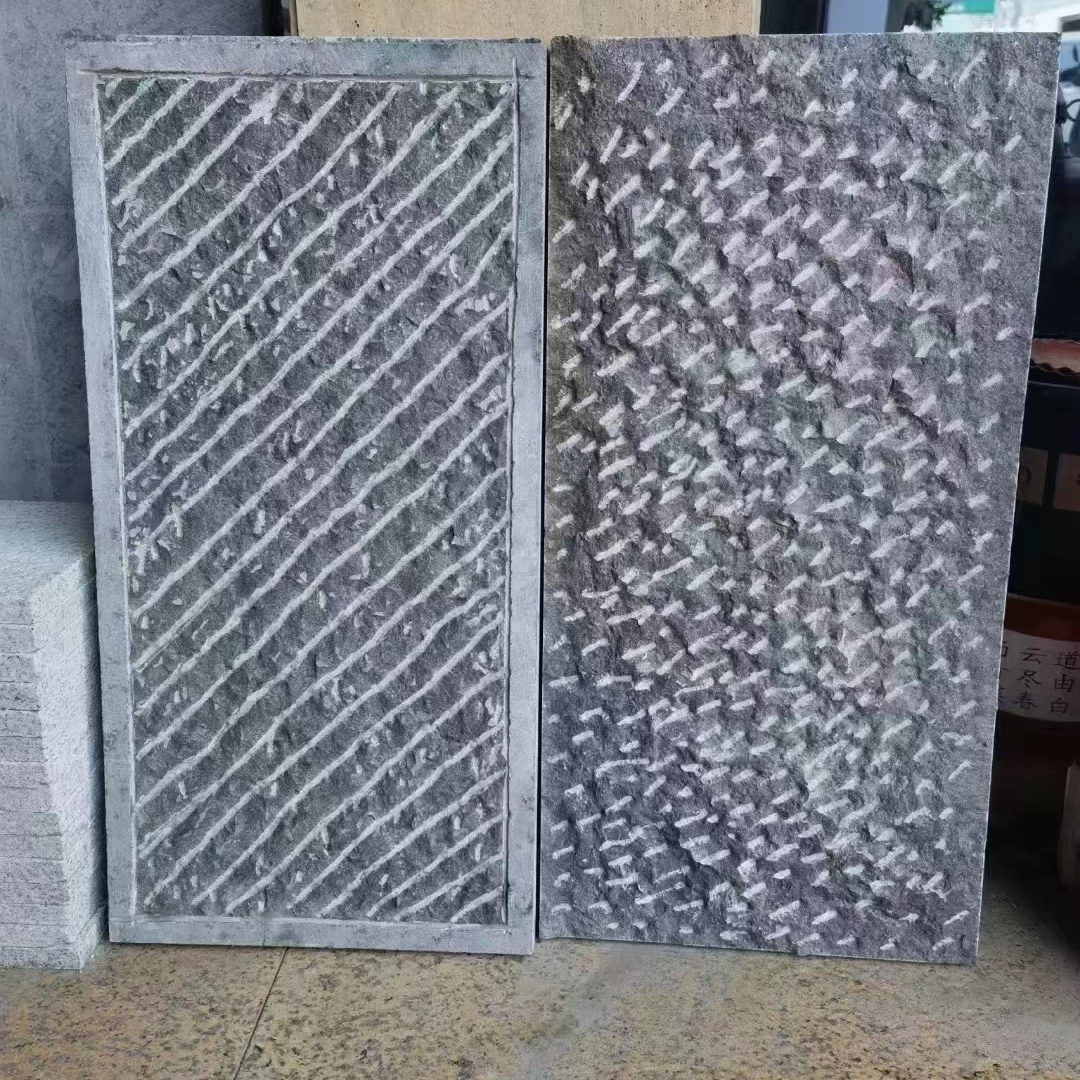
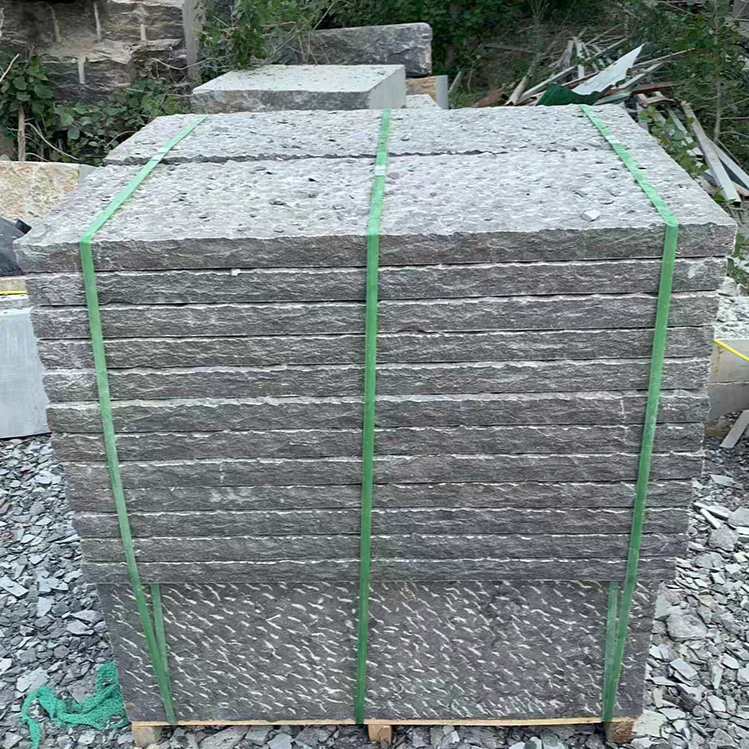
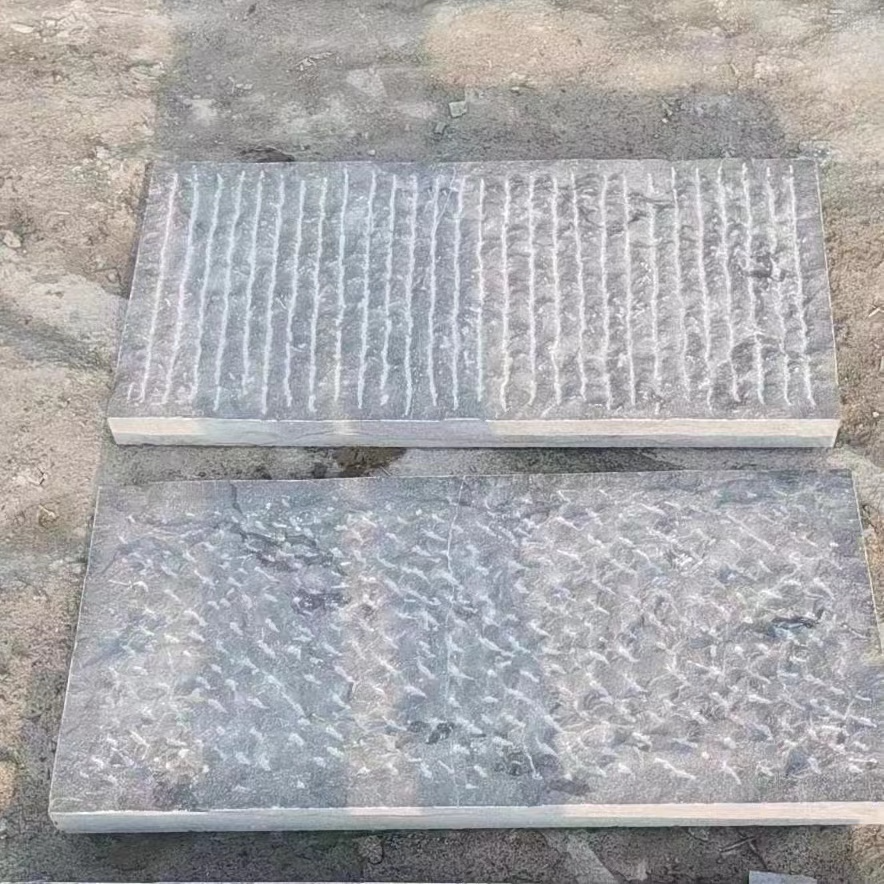
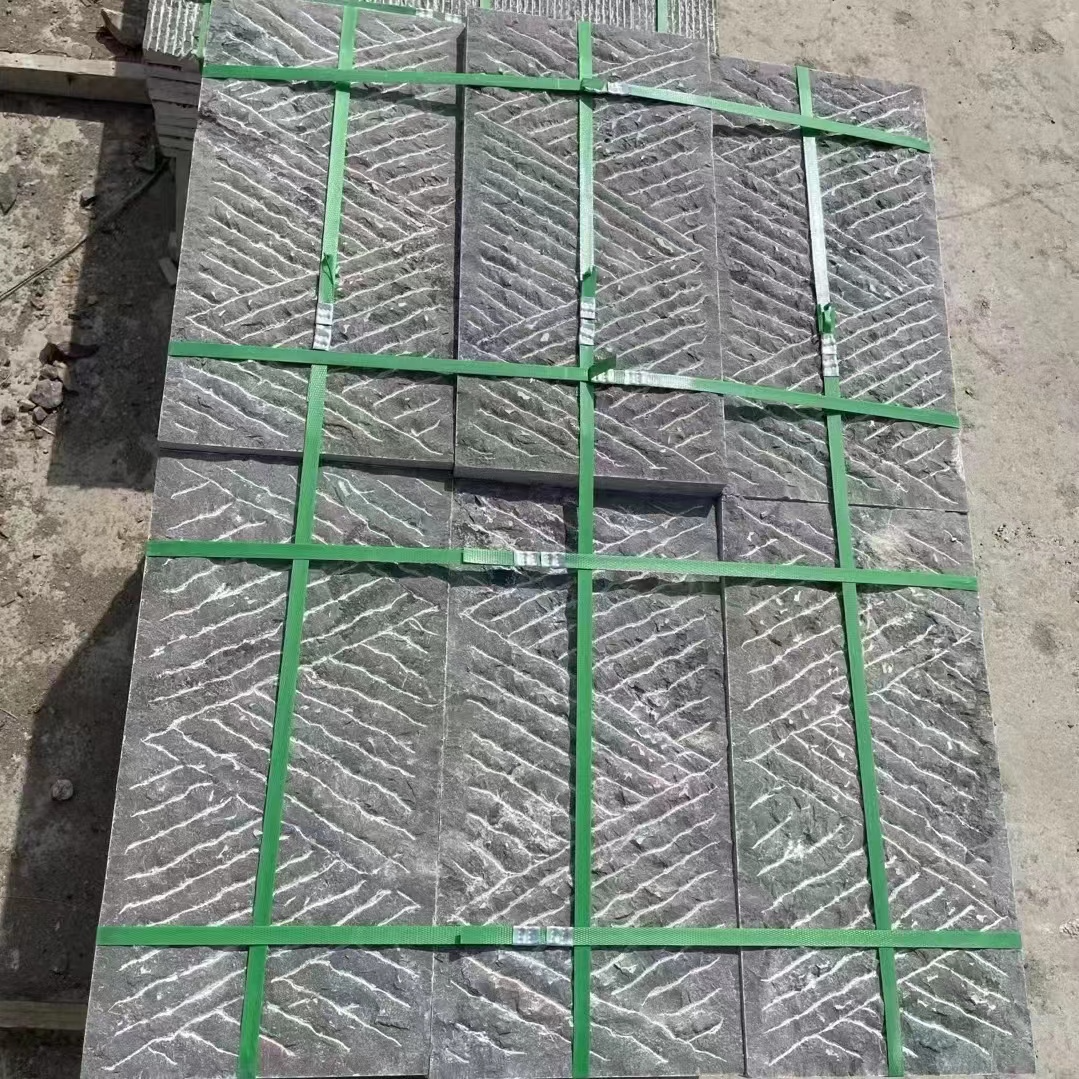





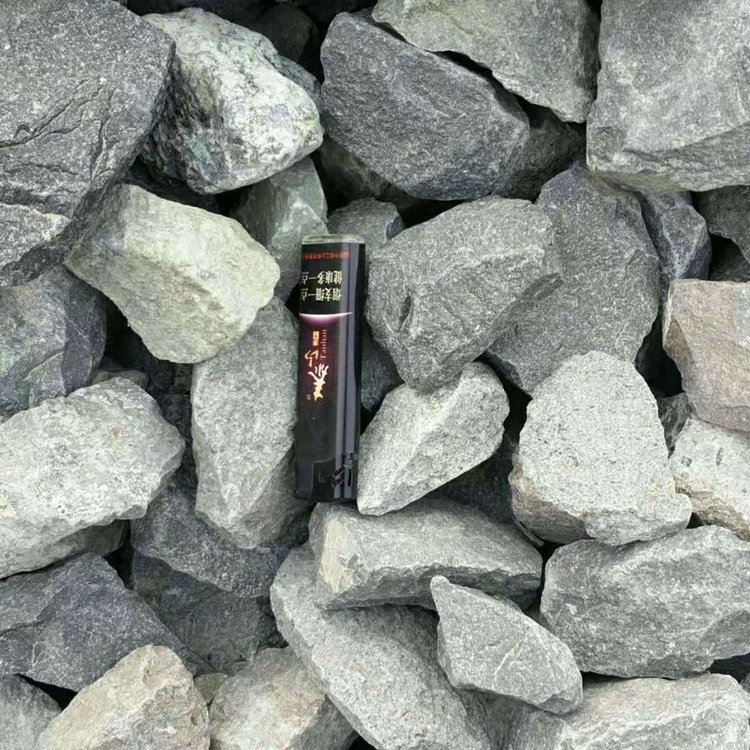
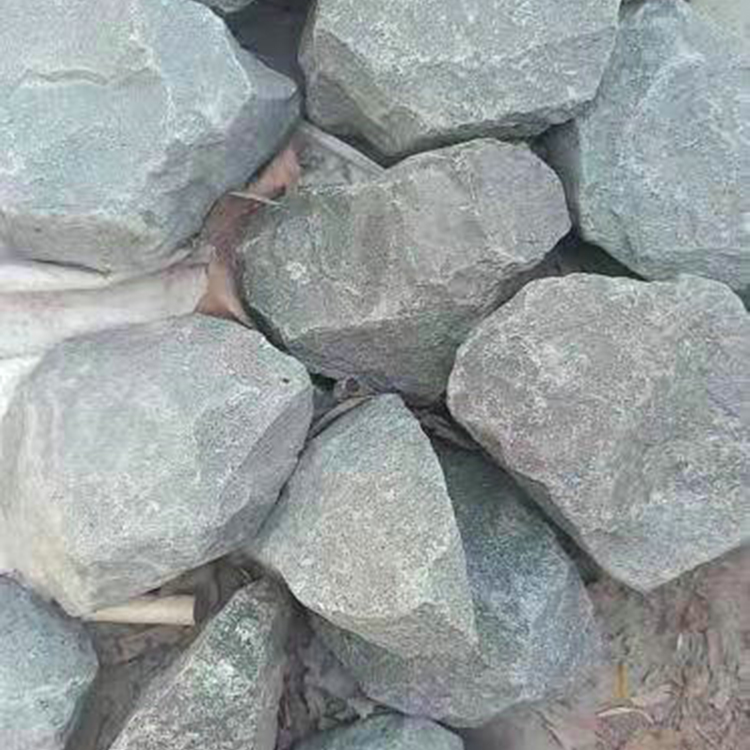

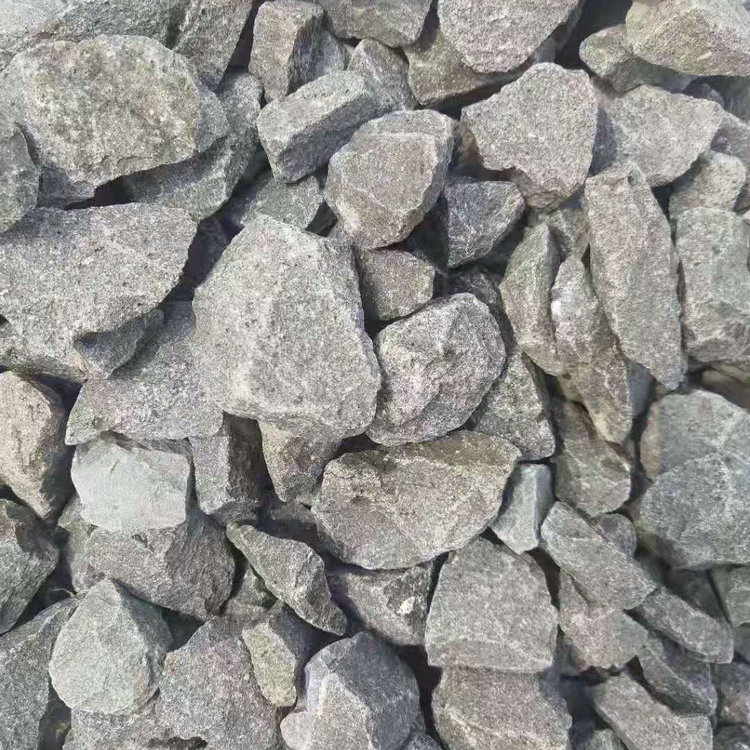
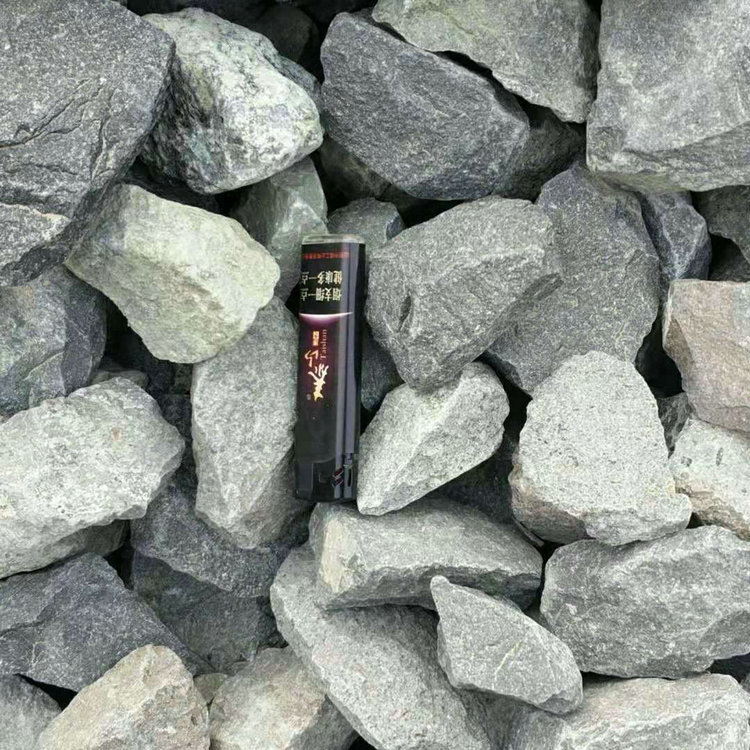
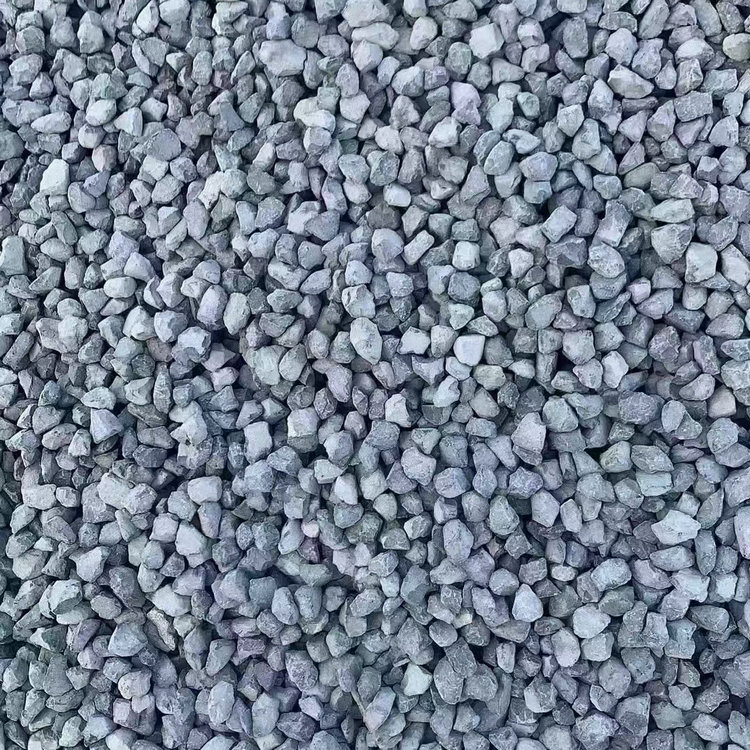
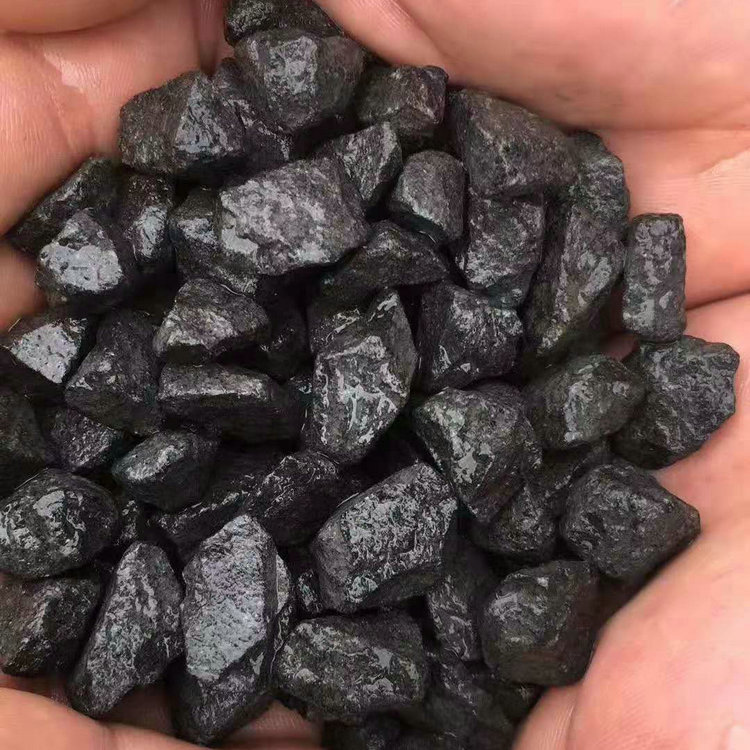
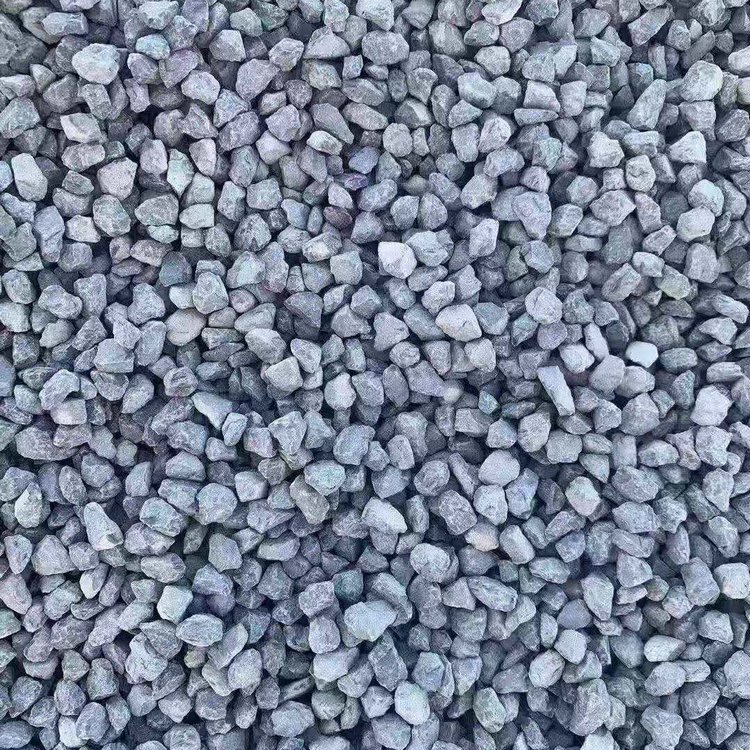
Basalt aggregates are primarily composed of silica dioxide, aluminum oxide, iron oxide, calcium oxide, and magnesium oxide, with trace amounts of potassium oxide and sodium oxide. Silica dioxide constitutes approximately 45% to 50% of the composition. Basalt commonly appears in black, dark brown, or olive green hues. Known for its excellent compressive and flexural strength, as well as its good wear resistance and low water absorption rate, basalt is a highly regarded decorative building material. Basalt aggregates are used in the construction of roads, railways, and airport runways, featuring high compressive strength, low crushing value, strong corrosion resistance, and good asphalt adhesion. Basalt exhibits benefits such as good wear resistance, low water absorption, poor electrical conductivity, high compressive strength, low crushing value, strong corrosion resistance, and good asphalt adhesion, and is internationally recognized as a solid foundation for the development of railway and highway transportation.
Basalt has a wide range of applications, extending beyond the construction industry. It is an excellent raw material for producing "cast stone," which, after melting, casting, crystallization, and annealing processes, forms a new material that is as hard as alloy steel and wear-resistant, offering superior corrosion resistance compared to lead and rubber. Basalt can also act as a "lubricant" in a casting process, extending the lifespan of the casting membrane. Additionally, basalt can be drawn into glass fibers, and the resulting basalt glass fiber cloth has better alkali resistance and higher resistance to high temperatures than regular glass fiber cloth.