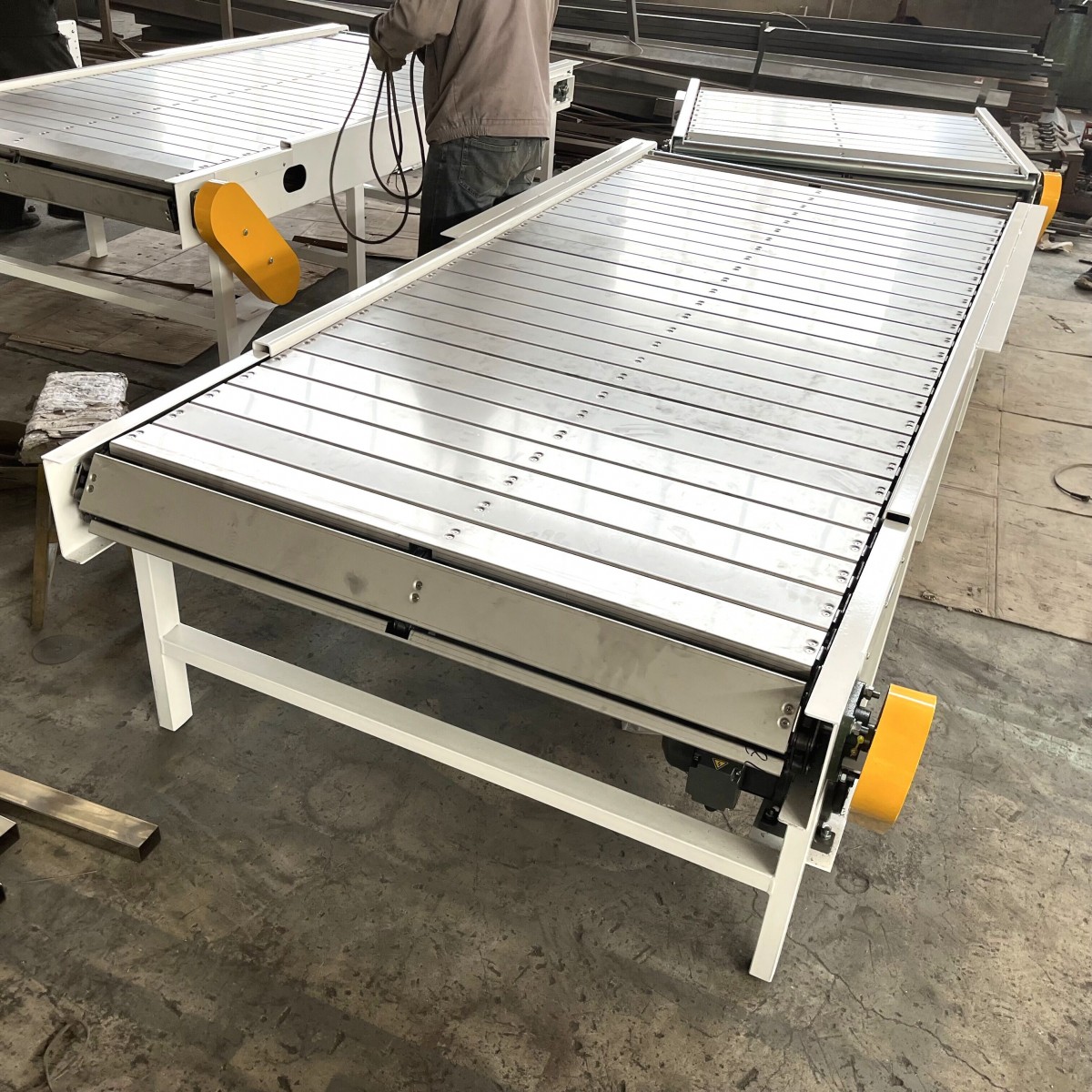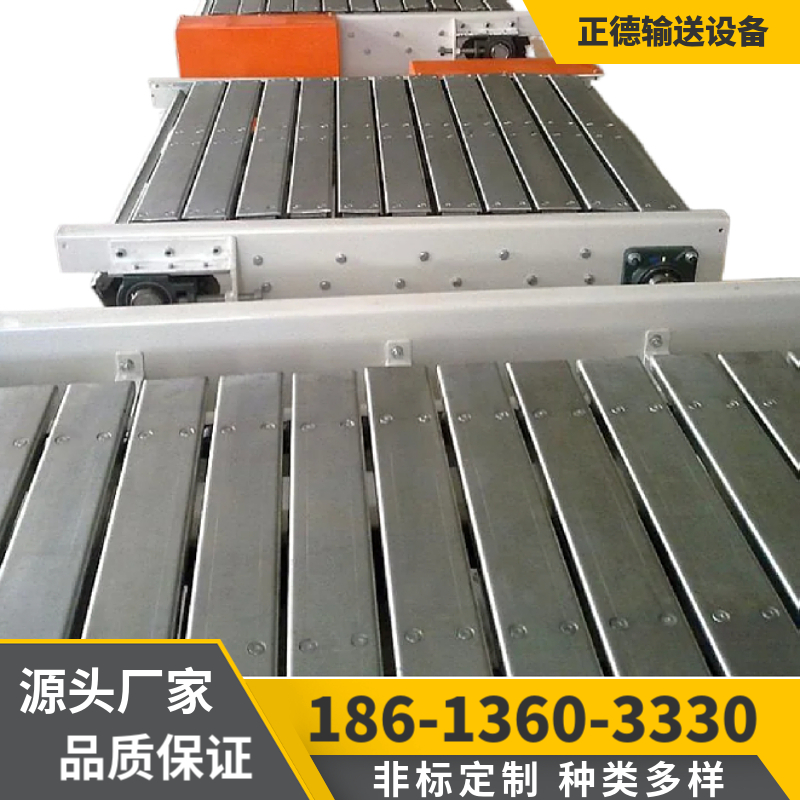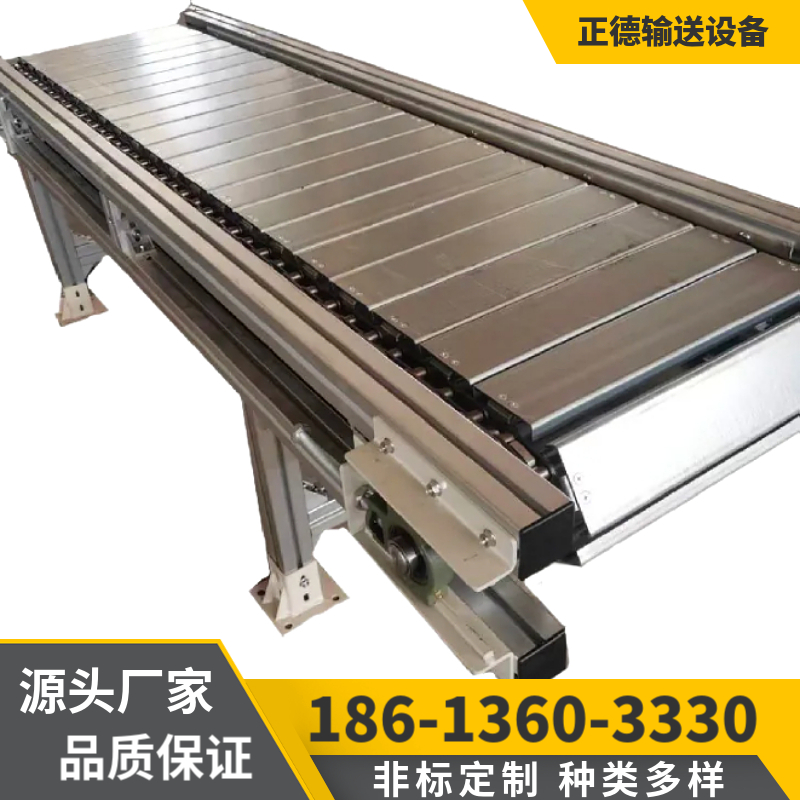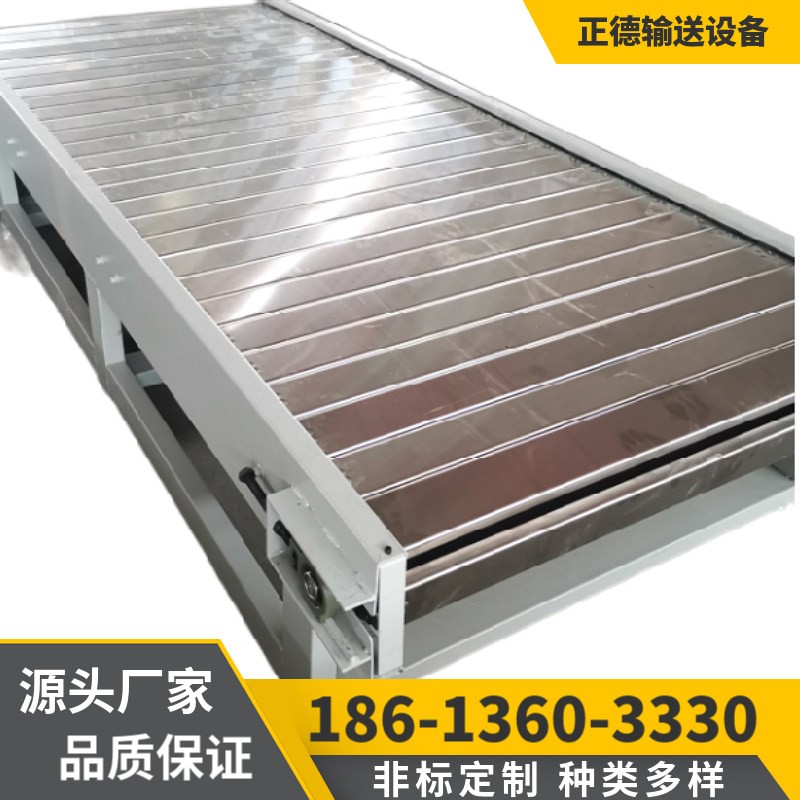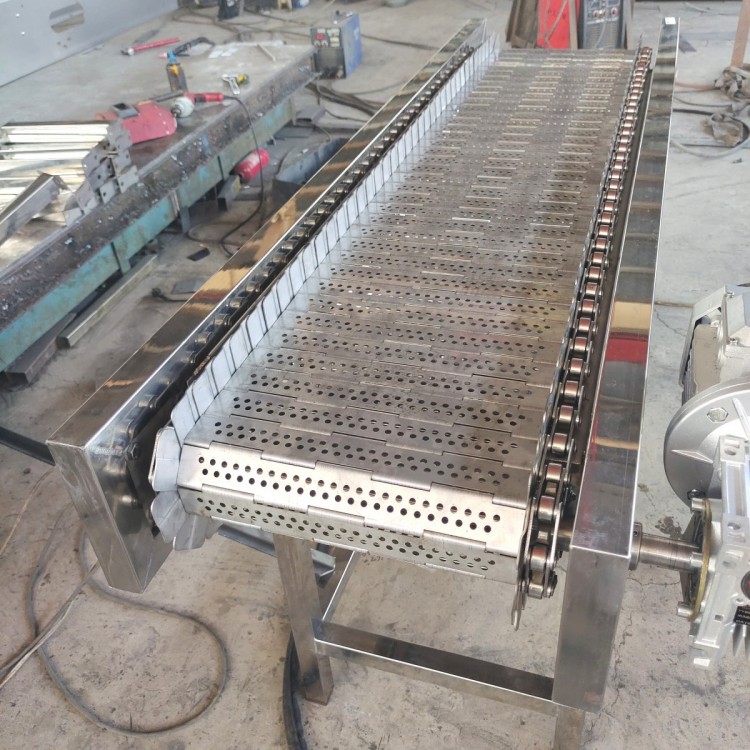


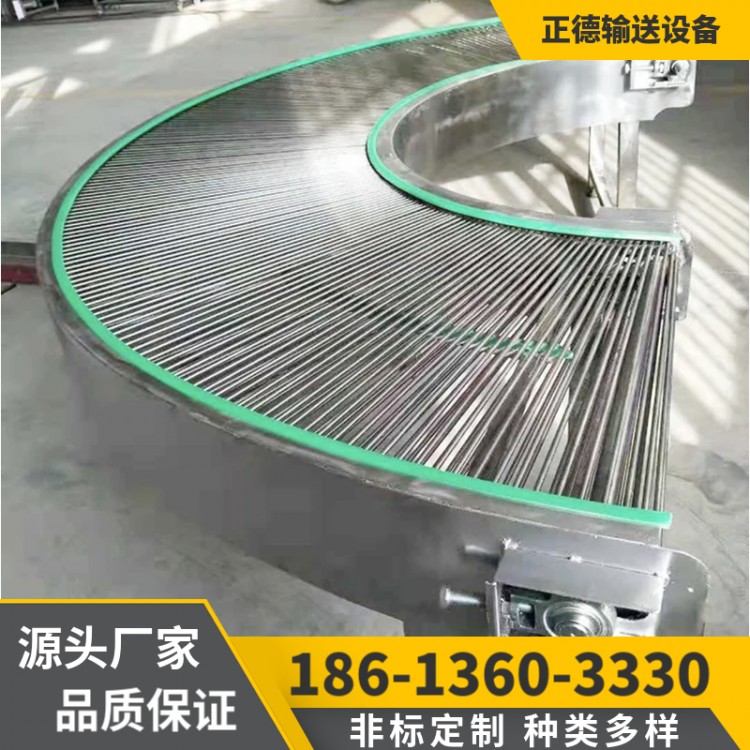
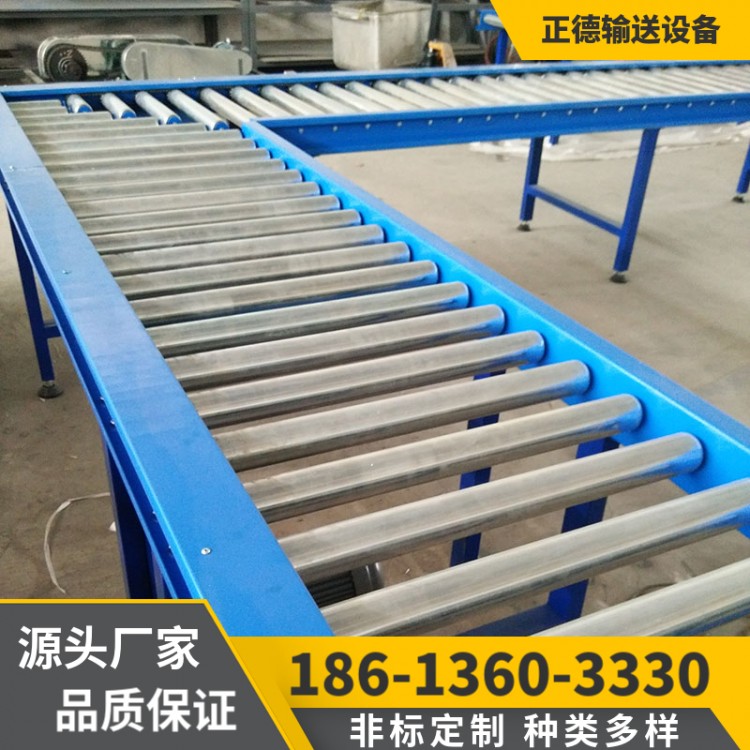
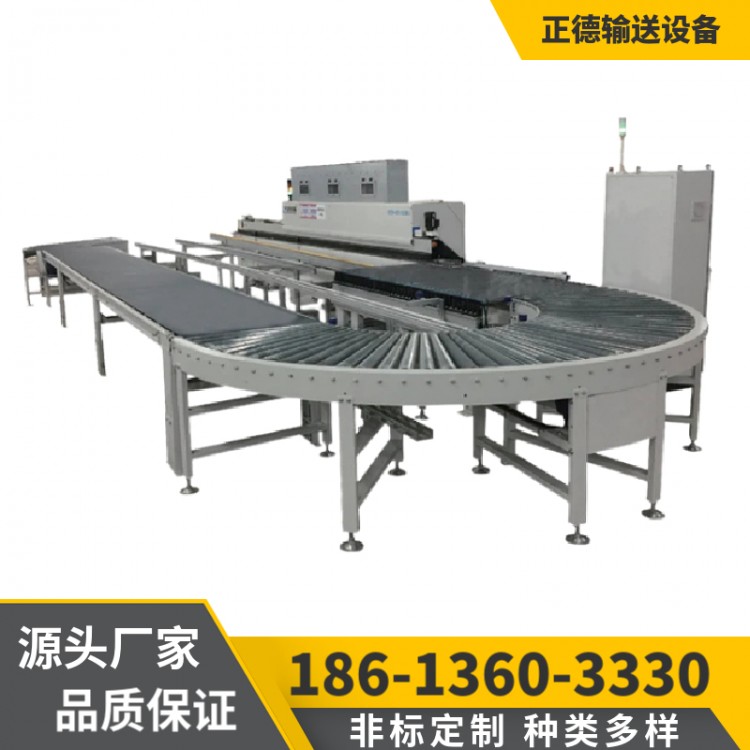
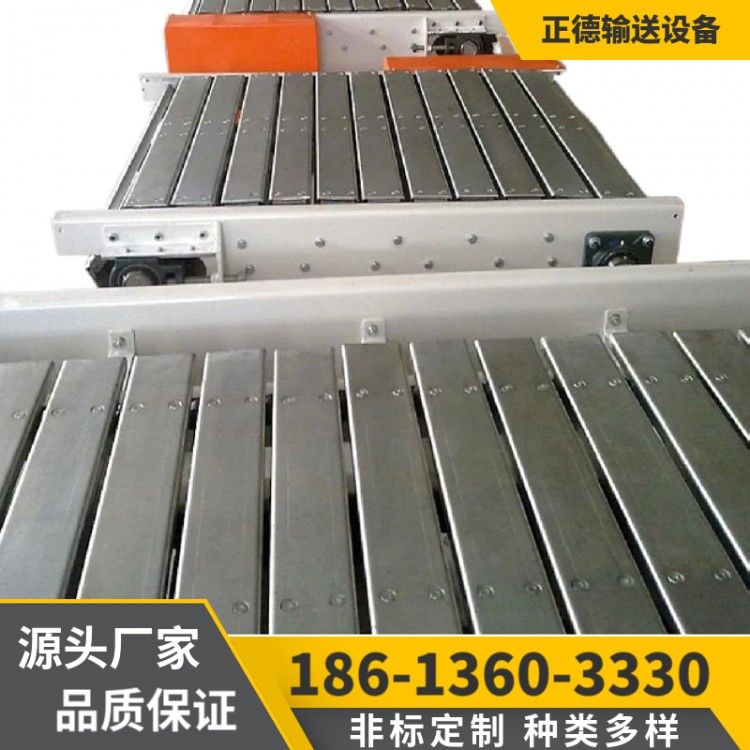
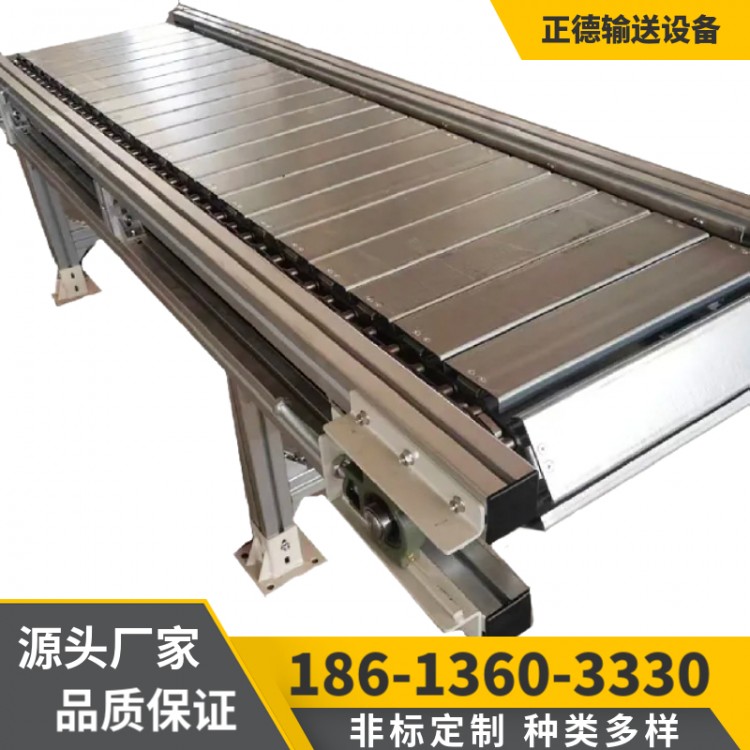







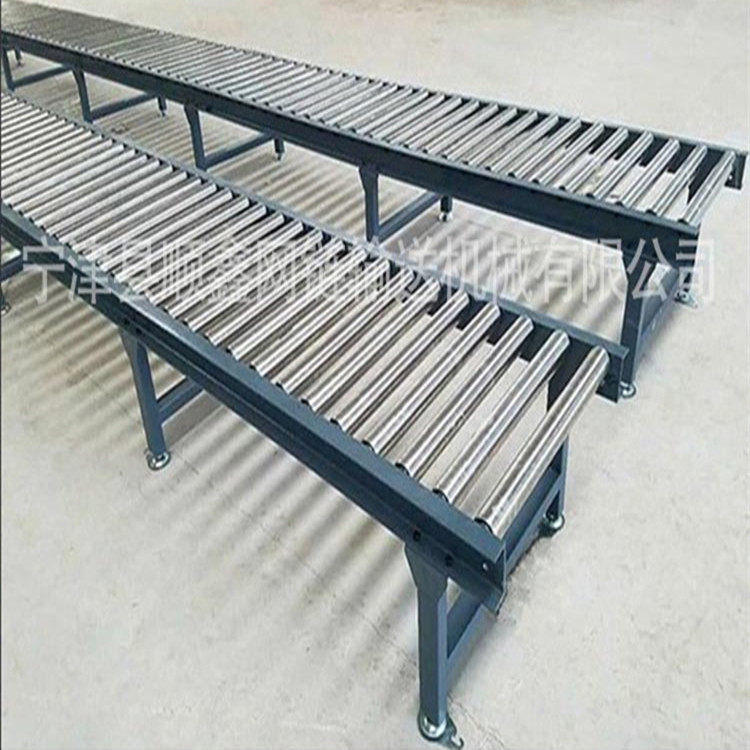
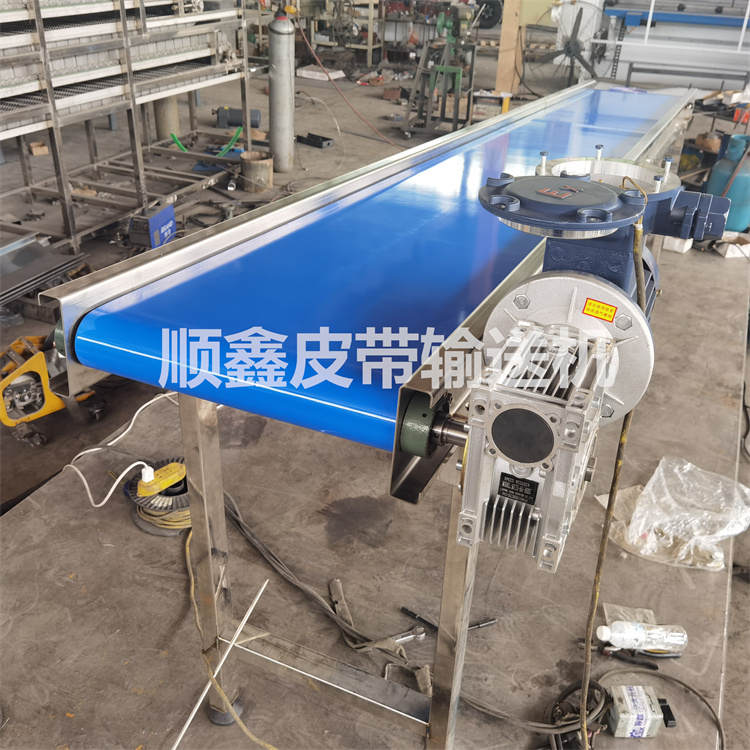
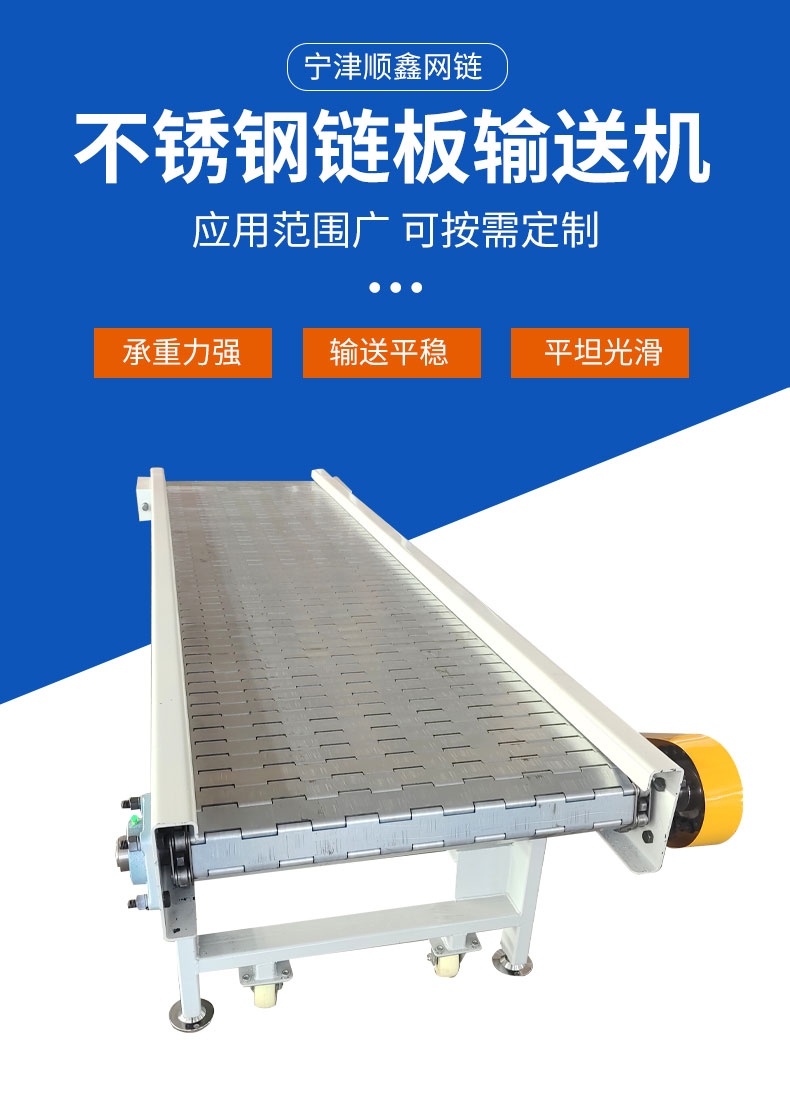
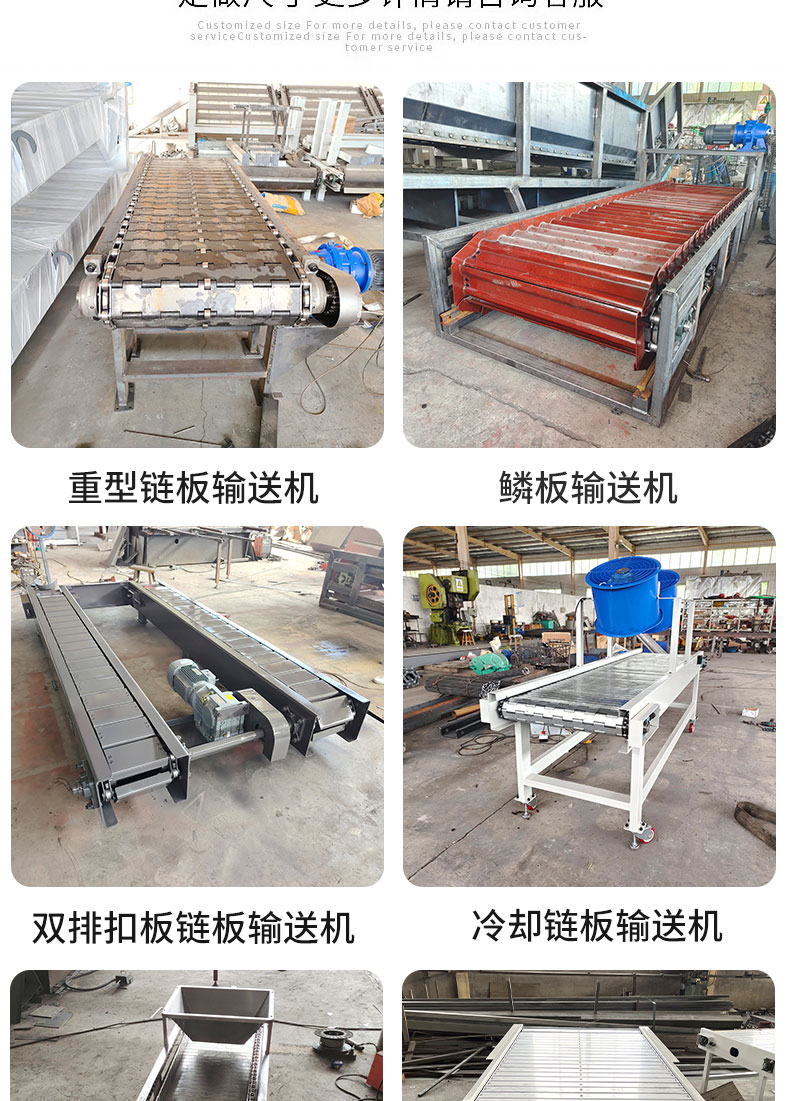


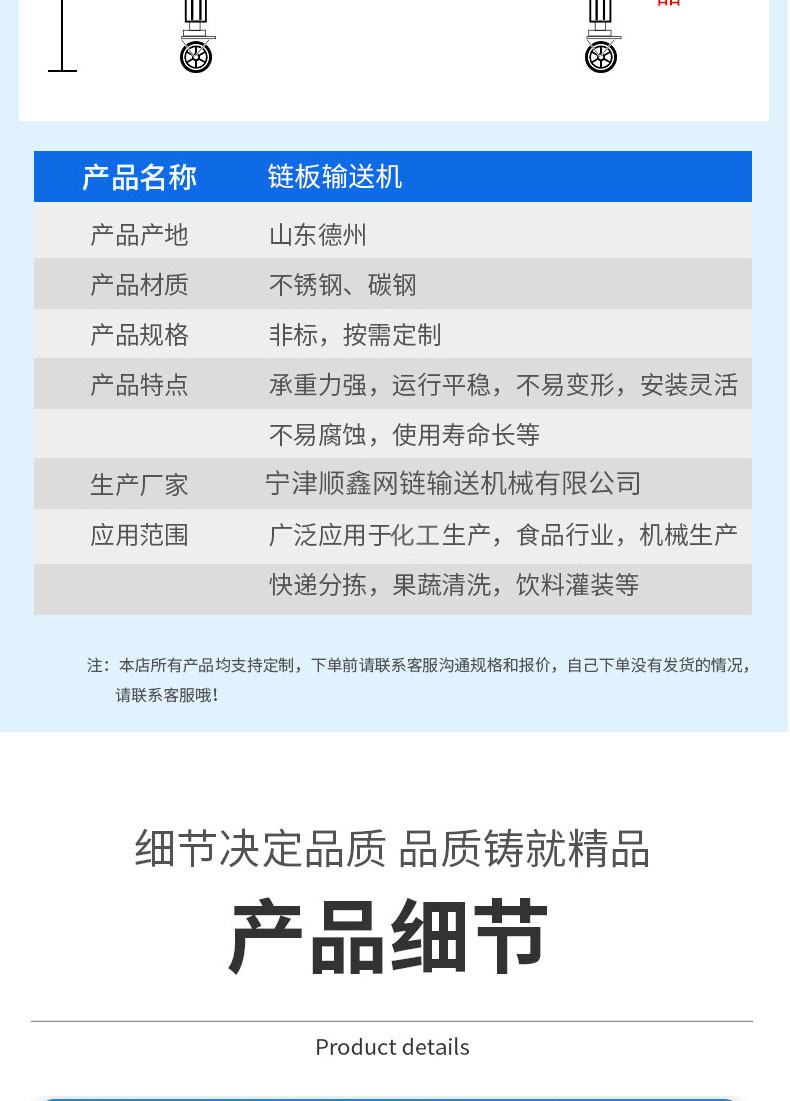
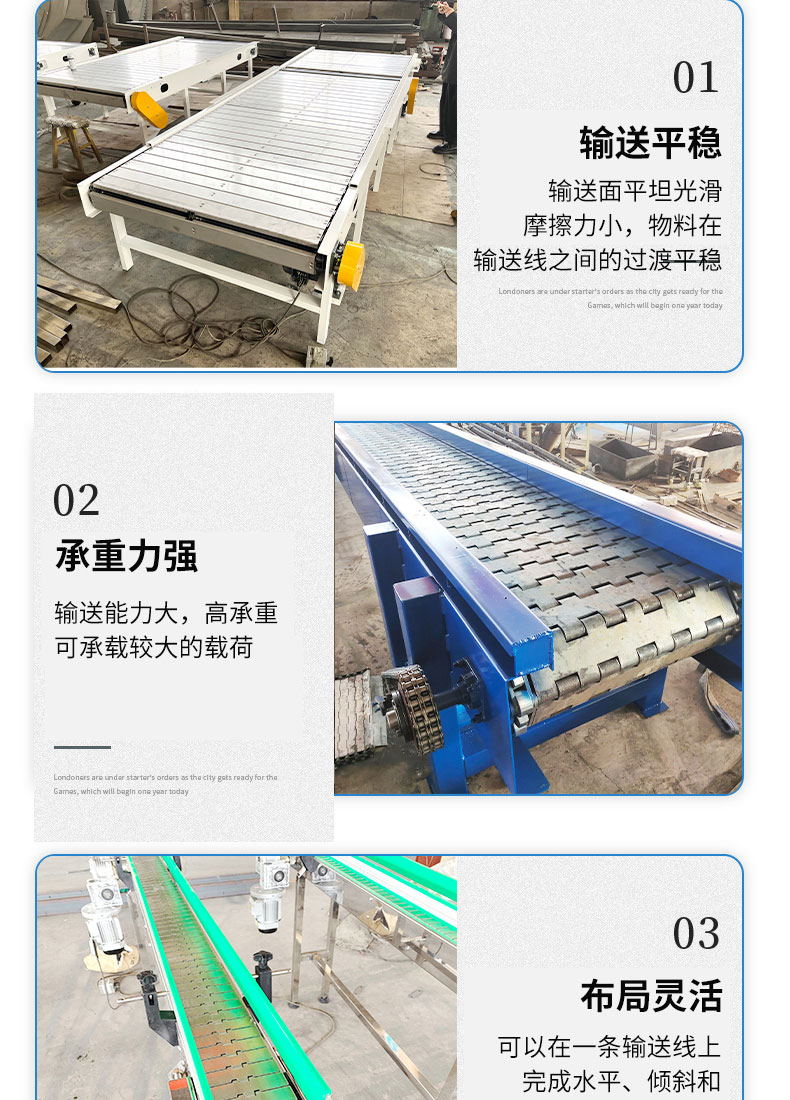
Baking Line Chain ConveyorFeatures: Simple structure, small cross-sectional dimensions, good sealing, reliable operation, low manufacturing cost; easy for intermediate loading and unloading. The conveying direction can be reversed or convey in both opposite directions simultaneously. Material can be mixed, blended, heated, and cooled during the conveying process. Flow rate can be adjusted through loading and unloading gates. Not suitable for conveying materials that are prone to spoilage, have high viscosity, tend to agglomerate, or are in large pieces. Materials are prone to breakage during conveying, and the screw and hopper are susceptible to wear. Higher power consumption per unit. Maintain the hopper's sealing and ensure an appropriate gap between the screw and the hopper during use.
Baking Line Chain ConveyorIt is an ideal conveying equipment for various industries such as building materials and food. It features a simple structure, wear resistance, and corrosion prevention, as well as high conveying capacity with low energy consumption. However, improper maintenance and incorrect methods during use can significantly shorten the service life of the chain plate conveyor. For this reason, the manufacturer has summarized the following points for your consideration:
Chain Sprocket Maintenance: During the use of conveyors, the chain sprockets are prone to high wear. The sprocket gears can easily get worn, leading to unstable engagement between the sprocket and chain, which may cause damage to other components. Therefore, it is important to lubricate the sprockets properly and replace them promptly if any damage is detected.
2. Transmission System Maintenance: Precision hard tooth surface reducers, heavy-duty bend plate chains, and hydraulic couplings are selected to ensure a highly compact structure of the drive system, particularly suitable for power transmission in conveying machinery drive systems, offering smoother operation and lower noise.
3. Improvements and maintenance for the housing section. The bottom of the housing is also a prone area for wear. To extend the service life of the conveying equipment, the manufacturer of baking line chain conveyors, and cement machinery, has added four wear-resistant plates to the bottom of the conveyors, enhancing their durability and reducing resistance.
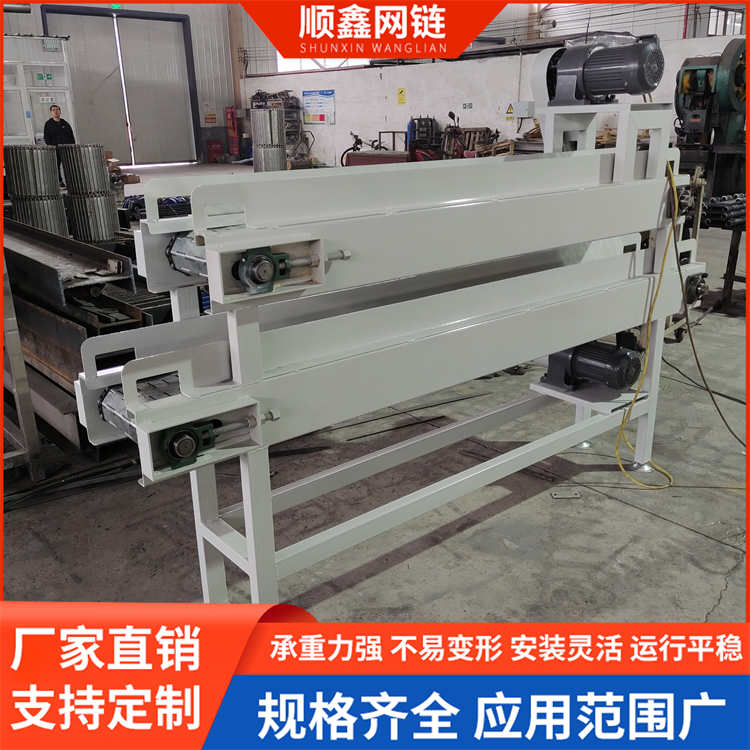
Whomever wishes to understandBaking Line Chain ConveyorSure, here is the translation:
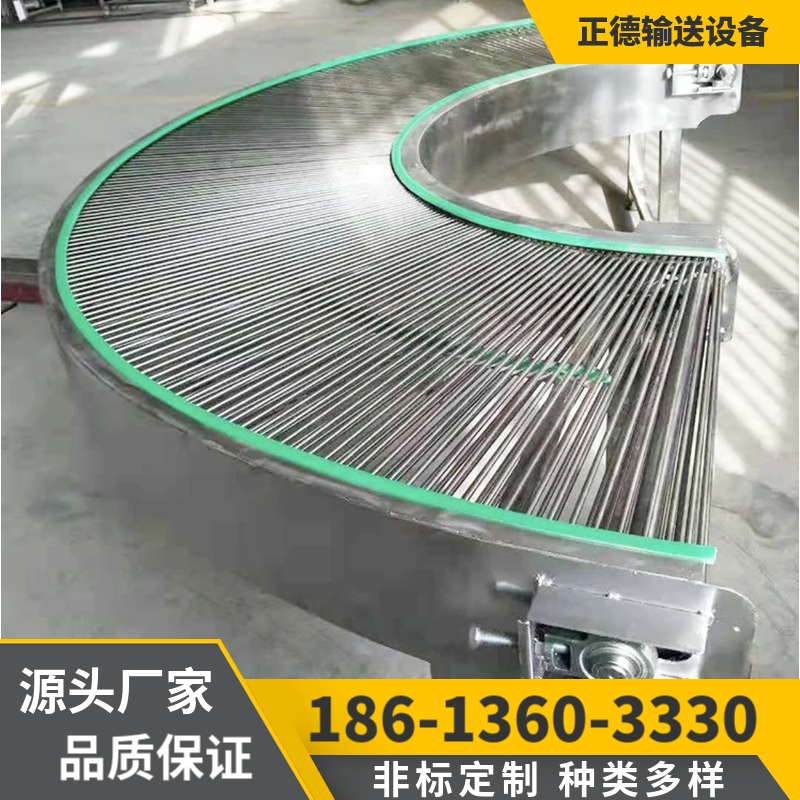
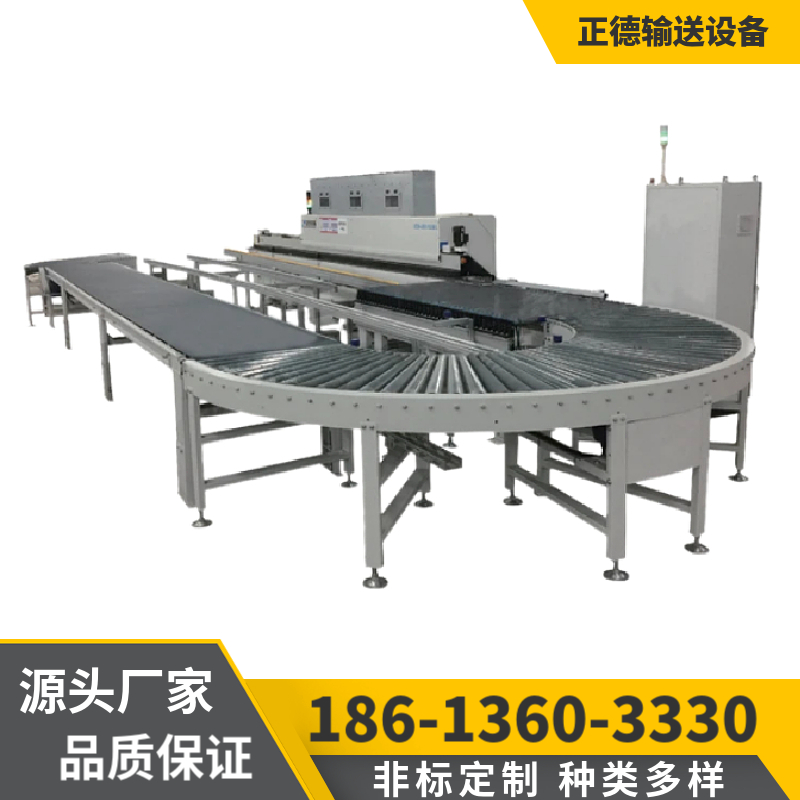
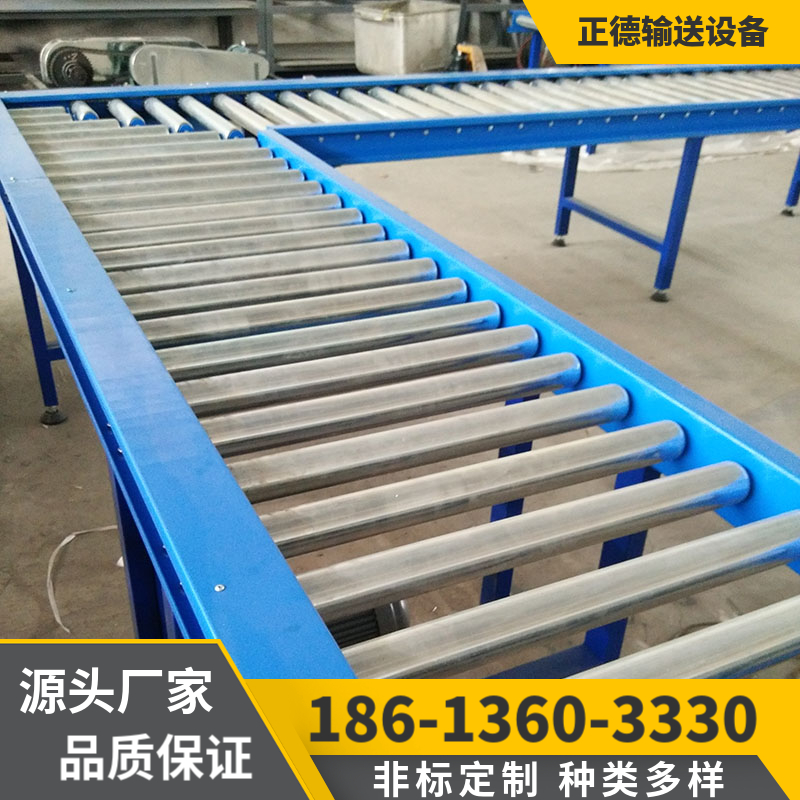
Absolutely, it's to achieve factory workshop automation. If you're looking to add equipment, you must do your homework. As a manufacturer of baking plate chain conveyors, choose a conveyor line that is durable and long-lasting. Today, let's delve into the chain plate conveyor in detail. Chain plate conveyors are categorized by application into industrial and food types; and by conveying form into straight, curved, and elevated conveyances.
In industrial applications, there's usually a stringent requirement for load-bearing capacity, so pay attention to material thickness and weight-bearing capacity. Industries also face high-temperature operations, so in situations where both weight and temperature are a factor, you need to decide whether to choose stainless steel or thicker carbon steel. For food items, material requirements are generally strict, and you must specify the material you need, such as stainless steel, galvanized, carbon steel, or plastic. The material can be selected based on your process. If cleaning, freezing, or high-temperature resistance is required, stainless steel is necessary. For packaging or items not in contact with food, other materials can be chosen.Next is the conveying method, determine according to your needs and site specifications: straight, curved, or elevator (the required data were mentioned in the previous article); any other requirements for the conveyor belt, such as perforations, baffles, or skirt; and any additional requirements for the conveyor, like guards, trays, or hoppers.

ChooseBaking Line Chain ConveyorChain plate thickness considerations: Each chain plate must be able to support the total weight of the material it handles, with deflection limited to minimize bending at the junctions; the impact of falling block-like materials during loading can cause deformation; abrasiveness of the material being conveyed; corrosiveness and resistance to chemical reactions; expected service life; and limitations on economic costs (cost).
If the material being conveyed has corrosive or reactive properties, a protective coating can be applied to the surface of the metal chain plate. For conveyors with chain plates made from metal alloys, the material being conveyed is susceptible to contamination from the metal chain plate.
Baking Line Chain ConveyorKey Features: Large conveying capacity up to 526 m³/h, inclination up to 60 degrees. Resistant to high temperatures, capable of conveying materials at temperatures below 600 degrees. The conveying chain consists of a traction chain, a carrying chain, and buckets with forward (or reverse) overlap. The three components can be freely assembled and disassembled. The load-bearing rollers are equipped with rolling bearings, replacing the previous sliding friction for a longer service life: The traction chain utilizes long pitch, sleeve roller chains, with diverse layout options: horizontal, inclined, or a combination of multiple horizontal and inclined sections.

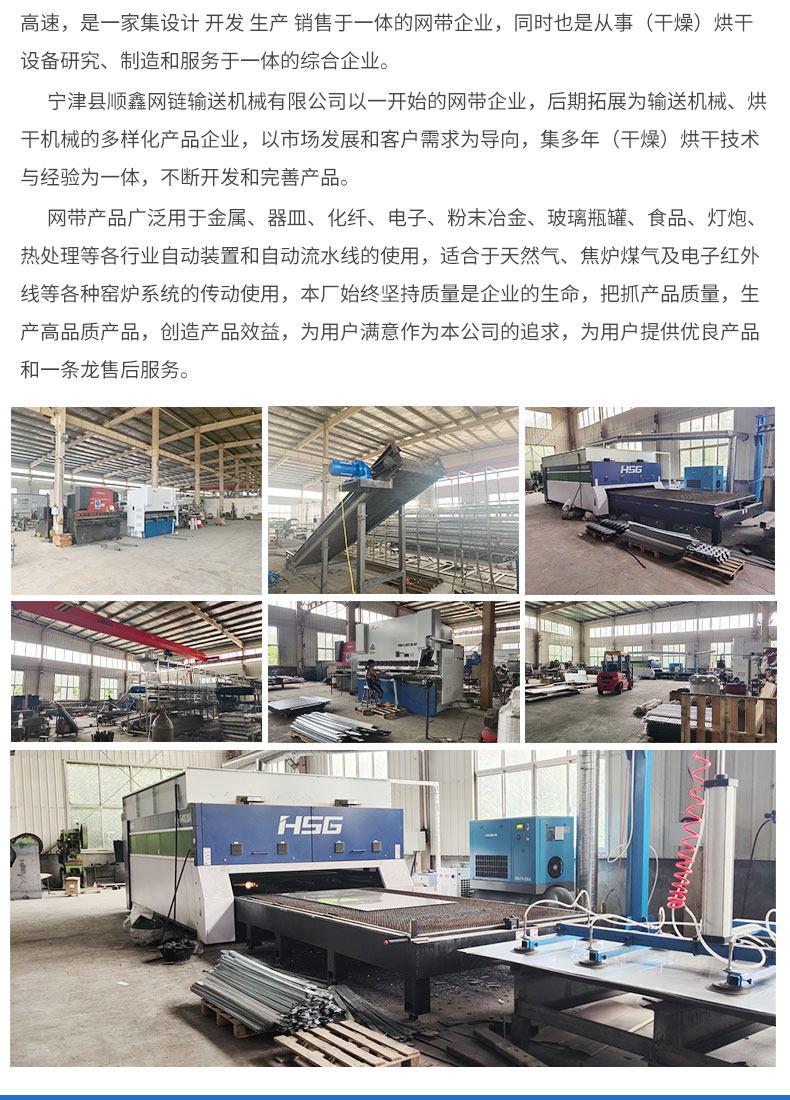
Baking Line Chain Conveyors Manufacturer - T雷斯 Offers Custom Solutions - The Chifeng Baking Line Chain Conveyors are supplied by Ningjin Shunxin Chain Conveyor Machinery Co., Ltd. Known for excellent service and products, Ningjin Shunxin Chain Conveyor Machinery Co., Ltd. consistently receives affirmation and trust from both new and old customers, as well as industry professionals. Our company is a member; click the icon on the page to directly communicate with our customer service staff. We hope for a pleasant collaboration in the future!