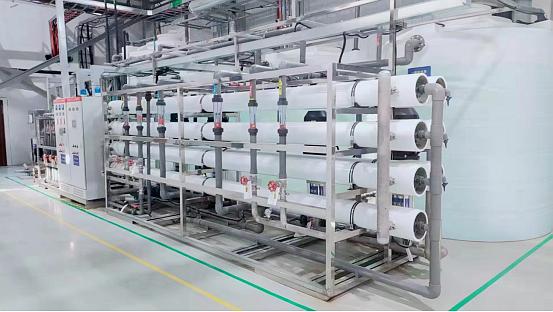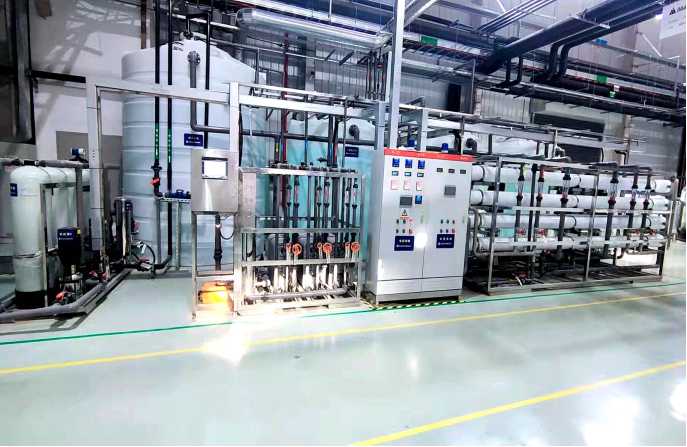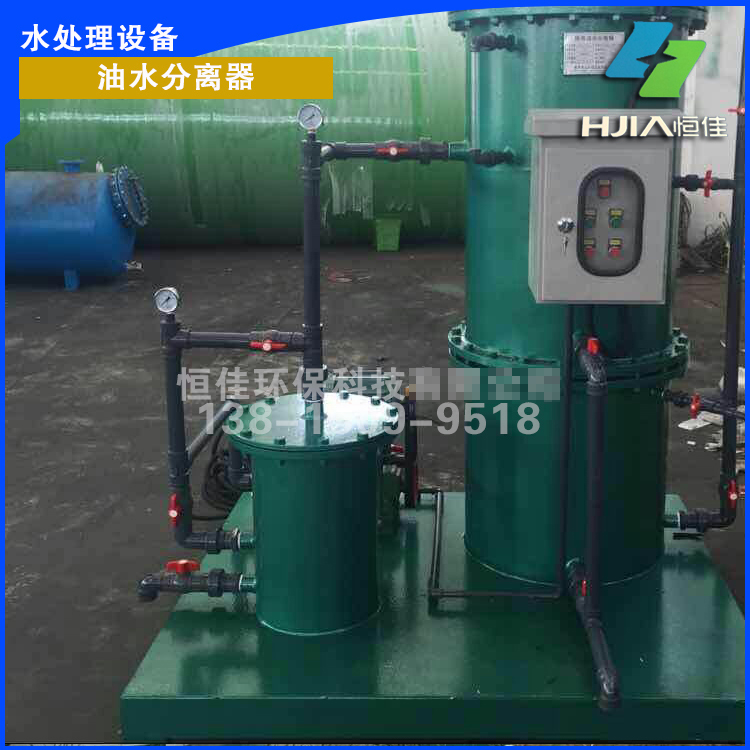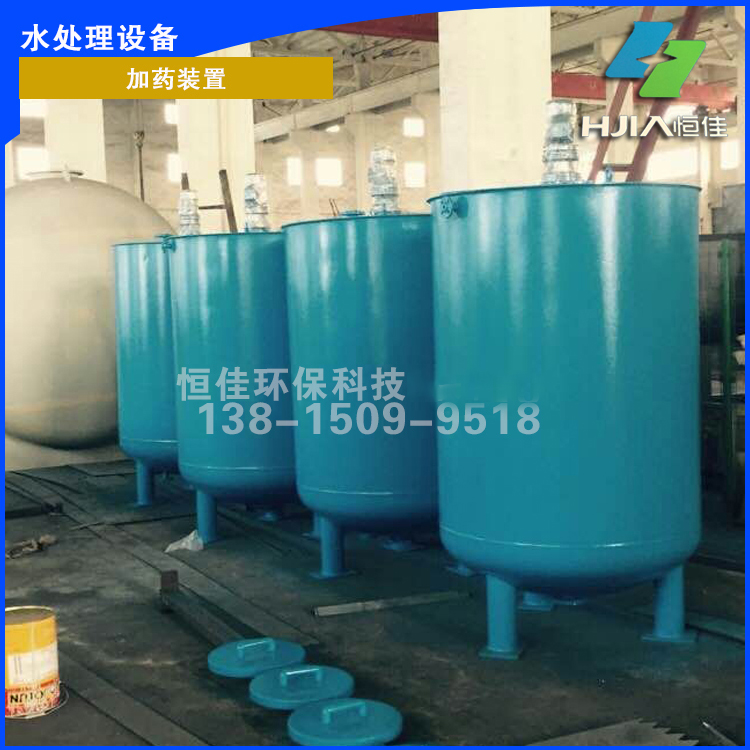









Wastewater treatment method that separates, removes, or converts pollutants in dissolved or colloidal state in wastewater into harmless substances through chemical reactions and mass transfer. In chemical treatment methods, treatment units based on chemical reactions include coagulation, neutralization, oxidation-reduction, etc.; while those based on mass transfer include extraction, stripping, blowing, adsorption, ion exchange, and electro dialysis and reverse osmosis, among others. The latter two are collectively referred to as membrane separation technology. Treatment units utilizing mass transfer have both chemical actions and related physical actions, so they can also be distinguished from chemical treatment methods, forming another category of treatment called physical-chemical methods. Weizhi Water Treatment - Ultra-Pure Water Equipment: Refers to water with a resistivity of 18 MΩ*cm (at 25°C). This water contains almost no impurities except for water molecules, and has no chlorine or organic substances, nor does it contain trace elements and minerals required by the human body, which means it almost removes all atoms except oxygen and hydrogen. It can be used in the preparation processes of ultra-pure materials (such as semiconductor materials, nano-fine ceramic materials, etc.) involving distillation, deionization, reverse osmosis, or other appropriate ultra-critical fine technologies.

WeChat Official Account

Scan to follow Official Account