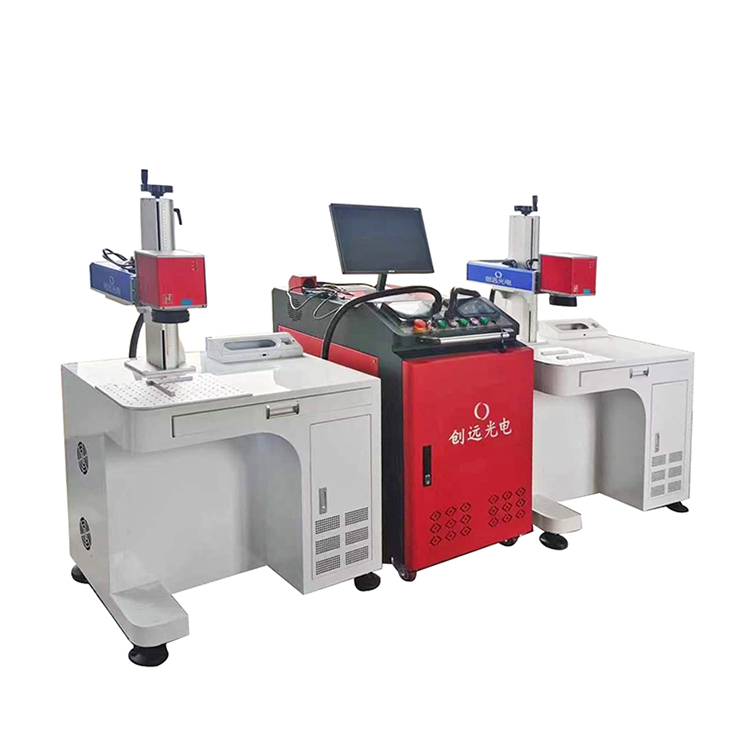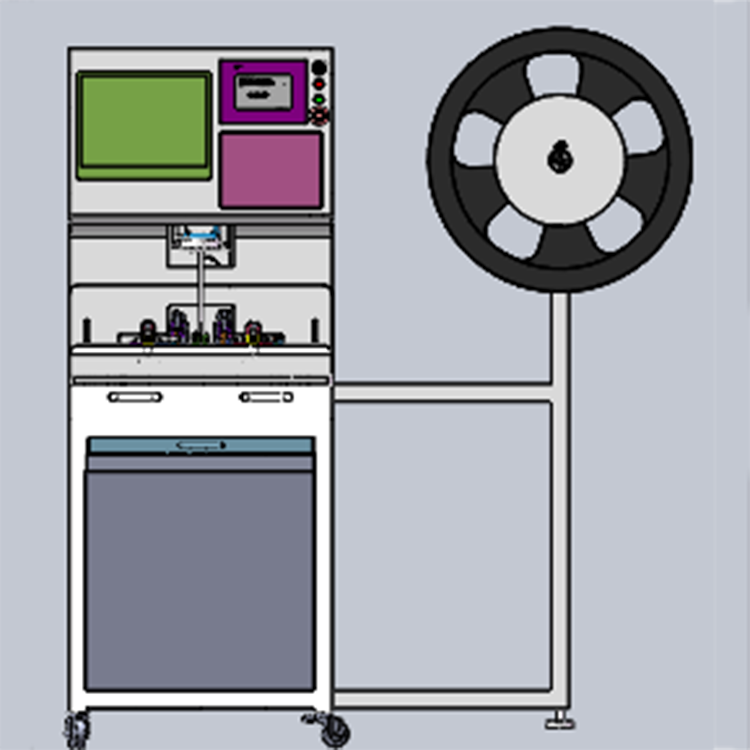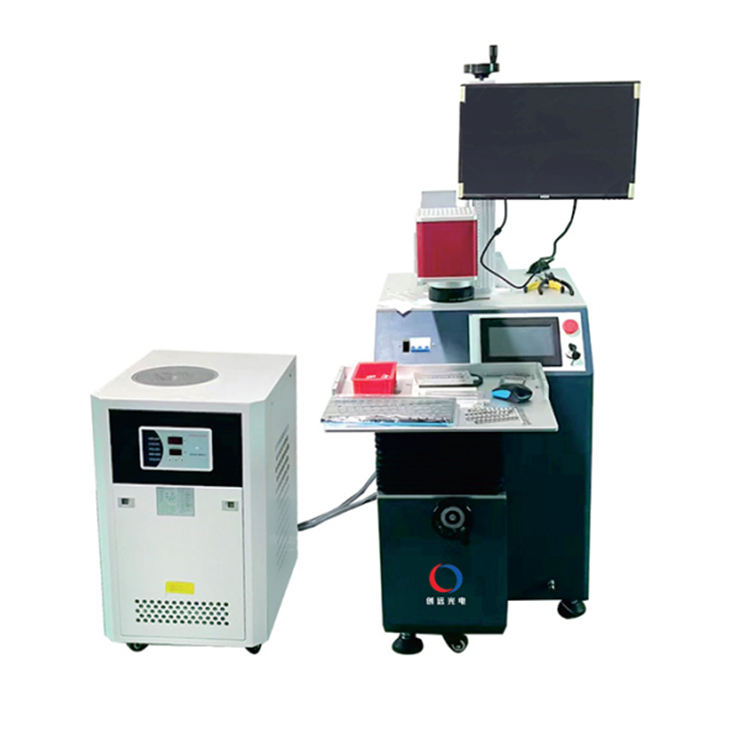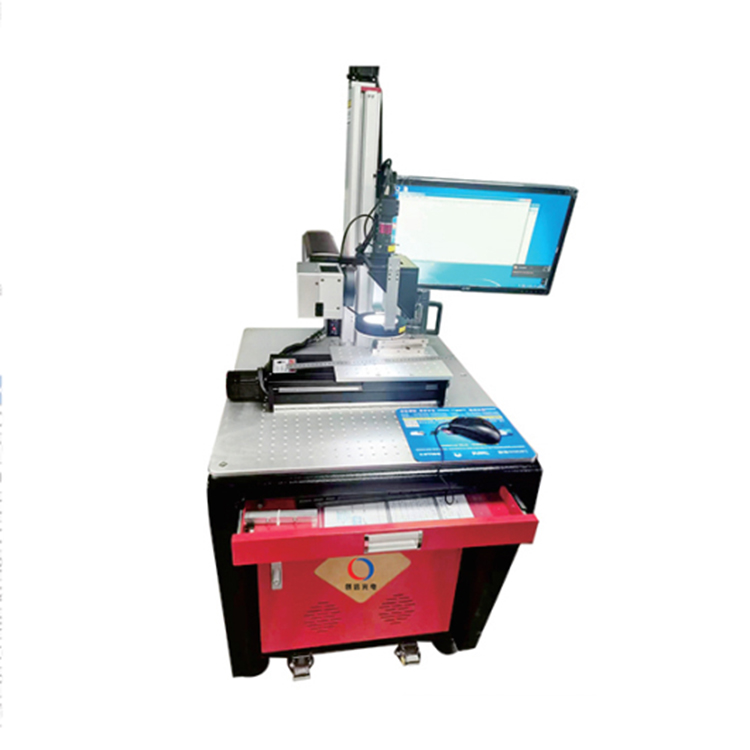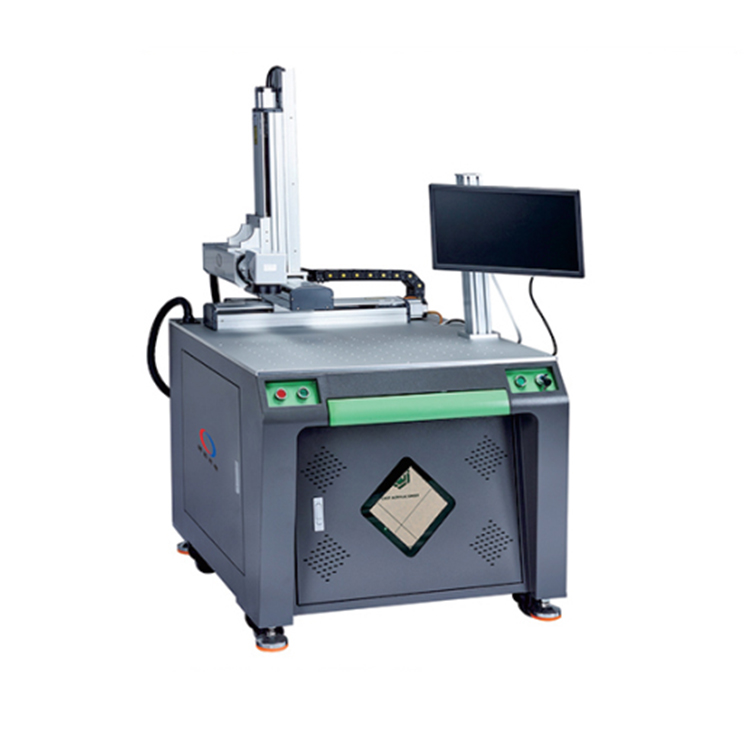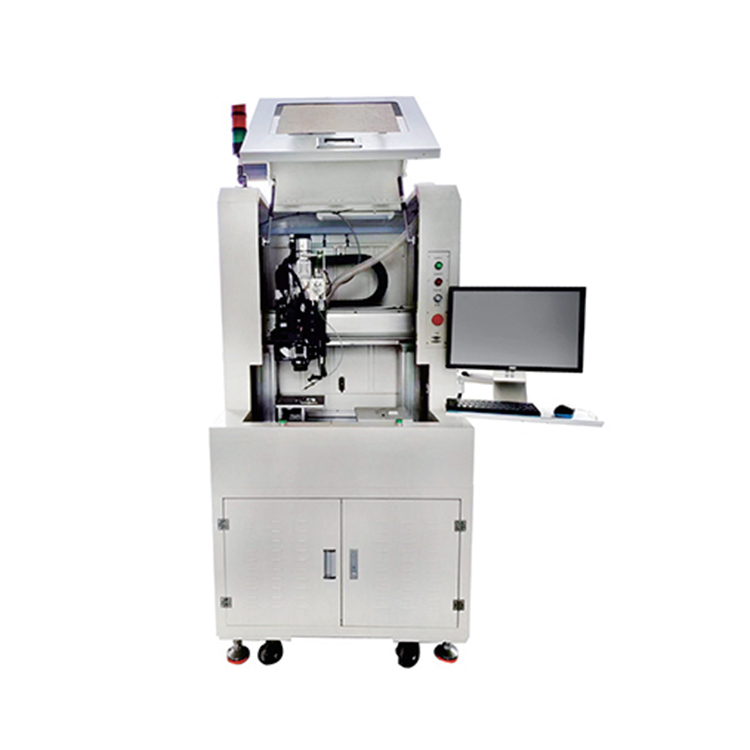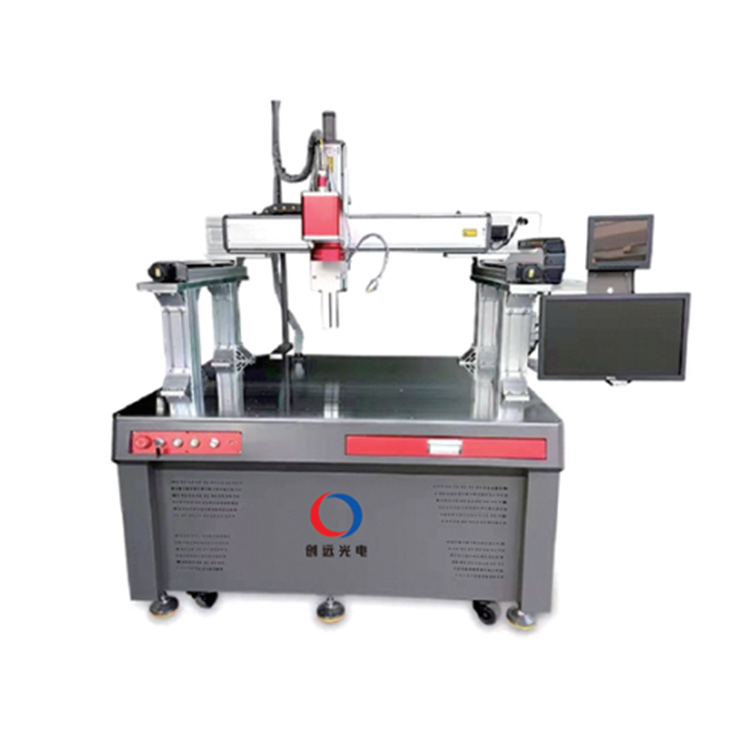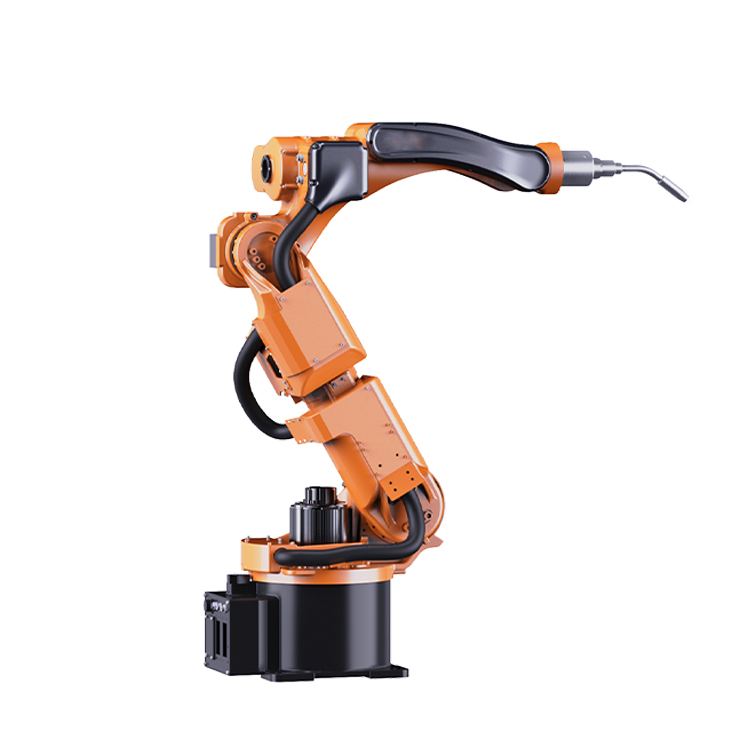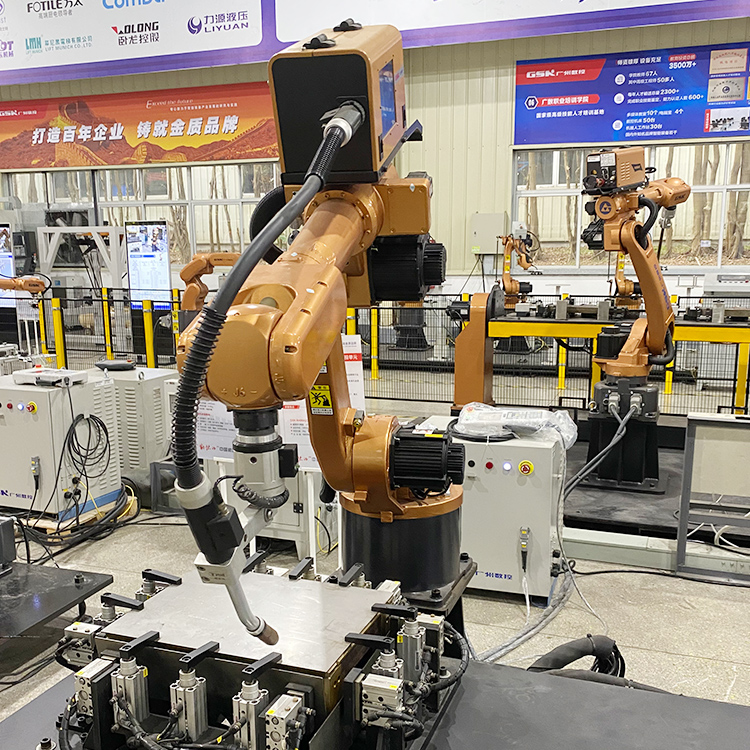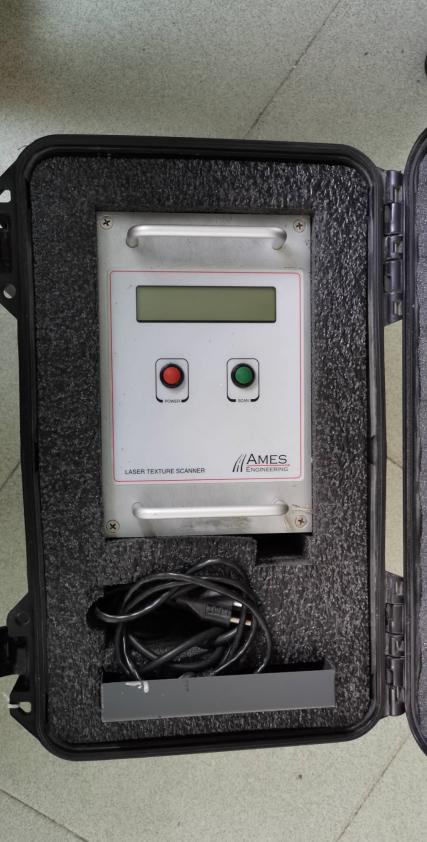
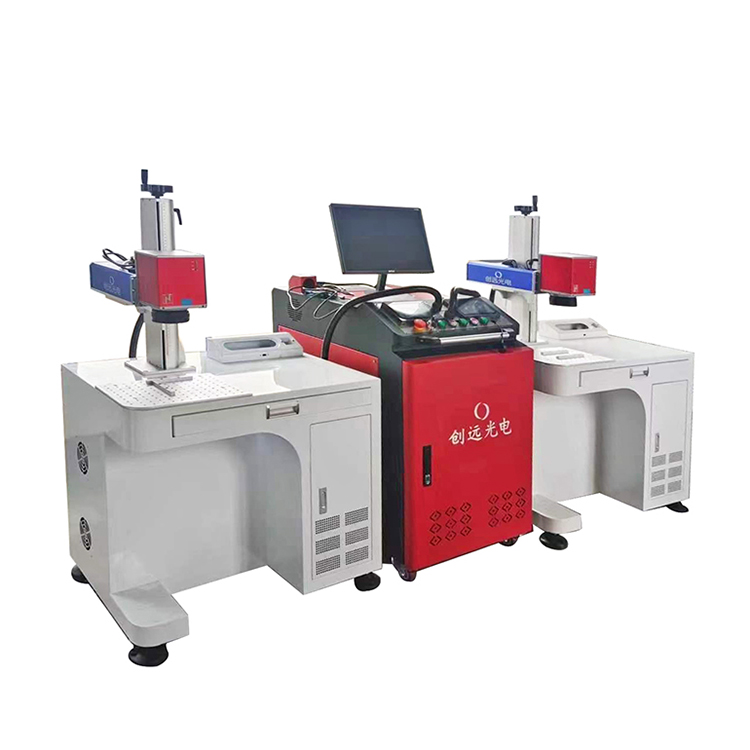

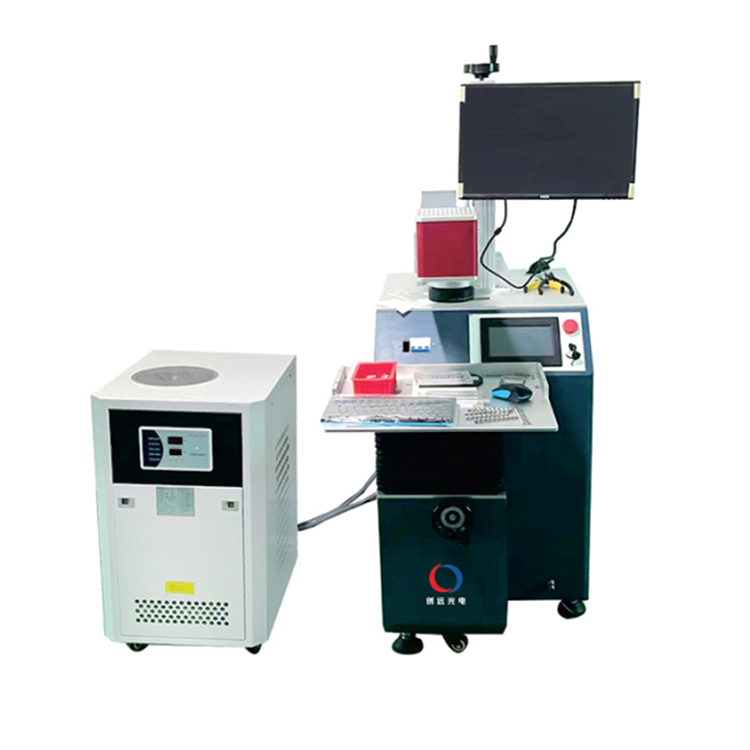
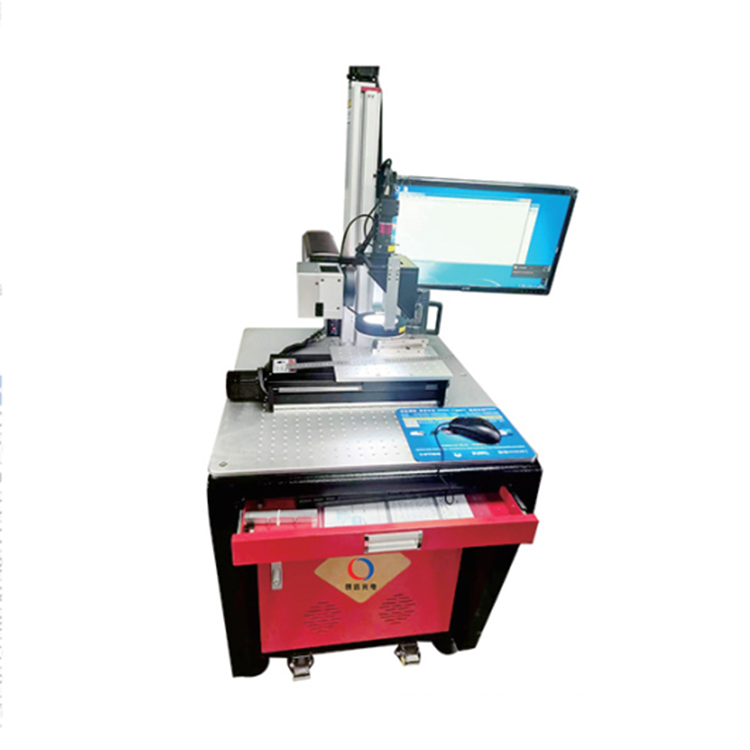







Welding robots mainly consist of two parts: the robot itself and the control cabinet (hardware and software). Welding equipment, such as arc welding and spot welding, is composed of welding power sources (including their control systems), wire feeders (for arc welding), welding clamps, and so on. For intelligent robots, a sensor system should also be included, such as laser or camera sensors and their control devices.

With the development of electronic technology, computer technology, numerical control, and robotics, automatic welding robots, which have been used in production since the 1960s, have become increasingly mature, boasting the following advantages:
1) Maintain and improve welding quality, capable of reflecting welding quality in numerical form.
2) Enhance labor productivity;
3) Enhance worker labor intensity, allowing for operation in harmful environments.
4) Reduced the technical requirements for worker operations;
5) Reduced the preparation cycle for product modification and replacement, minimizing corresponding equipment investment.