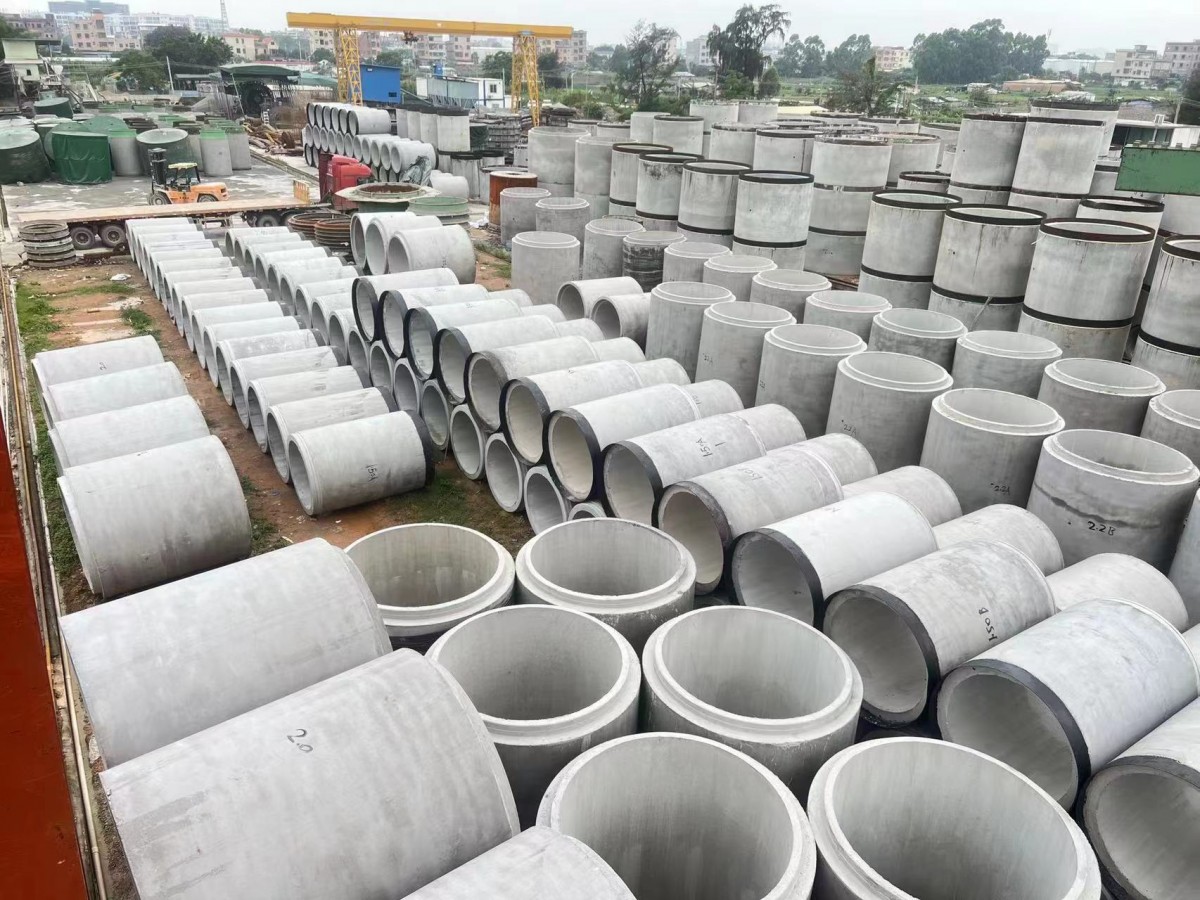
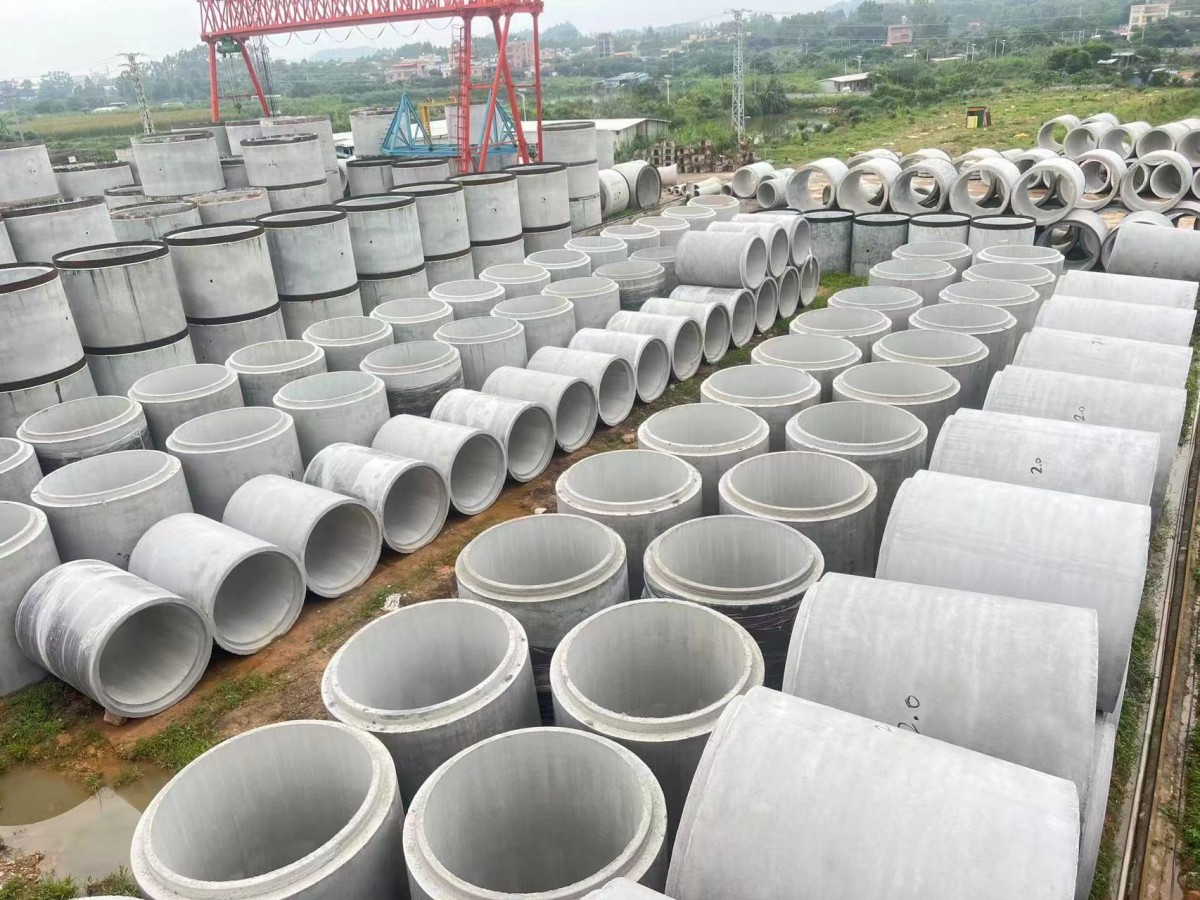
Cement drainage pipes are a commonly used material for drainage systems, characterized by their sturdy structure and strong durability. As modern urban construction continues to develop, cement drainage pipes have played a significant role in the city's drainage infrastructure. What are the main requirements for cement drainage pipes during use? This article will discuss this from four aspects.
Stable appearance
When constructing drainage systems, cement drainage pipes are an essential component. The stability of their shape is crucial for unblocking pipes. Firstly, the shape of the cement drainage pipes should be regular and smooth to ensure unobstructed water flow inside the pipes and prevent issues like waterlogging and leaks due to pipe bends. Secondly, the shape of the cement drainage pipes must withstand external impacts and friction, which effectively prevents deformation and cracking during both usage and construction.
Section 2: Environmentally Friendly and Pollution-Free
During use, concrete drainage pipes not only need to discharge water but also must meet environmental protection requirements. To address this need, the raw materials for concrete drainage pipes should come from environmentally friendly sources, and their production process should comply with national environmental protection standards. Only such concrete drainage pipes can gain market recognition and truly meet the requirements of environmental protection and non-pollution.
Durability and Load Capacity
Cement drainage pipes are used in the drainage system for a long time, thus requiring high durability. However, urban drainage often faces high water pressure and flow rates, so the pipes must also possess certain pressure resistance and wear resistance. Additionally, the load-bearing capacity of cement drainage pipes is a crucial assessment factor; only those with strong load-bearing capacity can meet the requirements of urban drainage.
Four: Easy to install
The construction of cement drainage pipes requires considering factors such as difficulty and time consumption. Therefore, cement drainage pipes should have a certain weight to prevent deformation during installation and also possess good operability. This allows for easier large-scale on-site construction, significantly saving time and costs for construction personnel.
In summary, cement drainage pipes must meet various requirements during use. These common needs test the material of the cement drainage pipes, which not only need to fulfill basic technical specifications but also consider ease of use and construction. Qualified cement drainage pipes can effectively meet urban drainage requirements and environmental standards. As a traditional piping material widely used in urban construction, they still hold a significant position in the market.