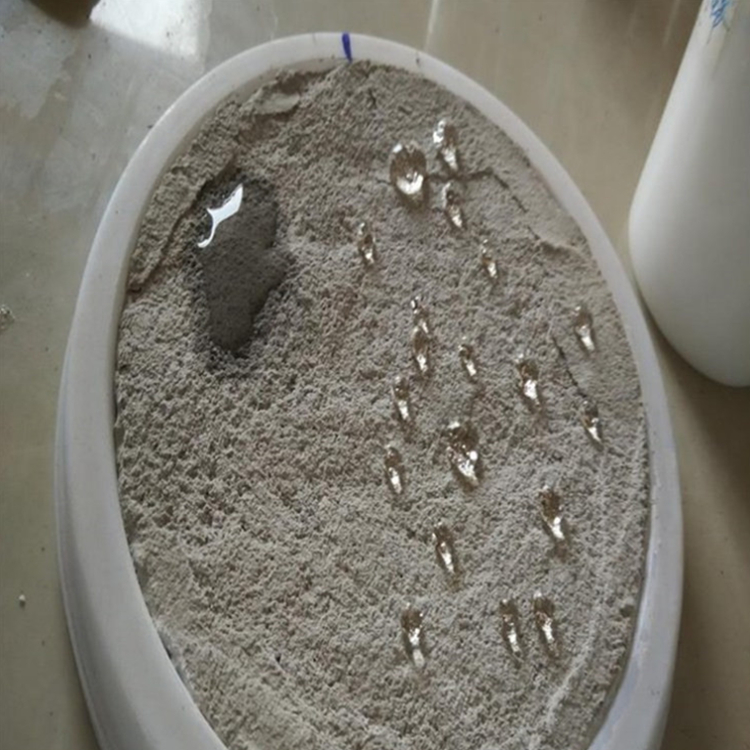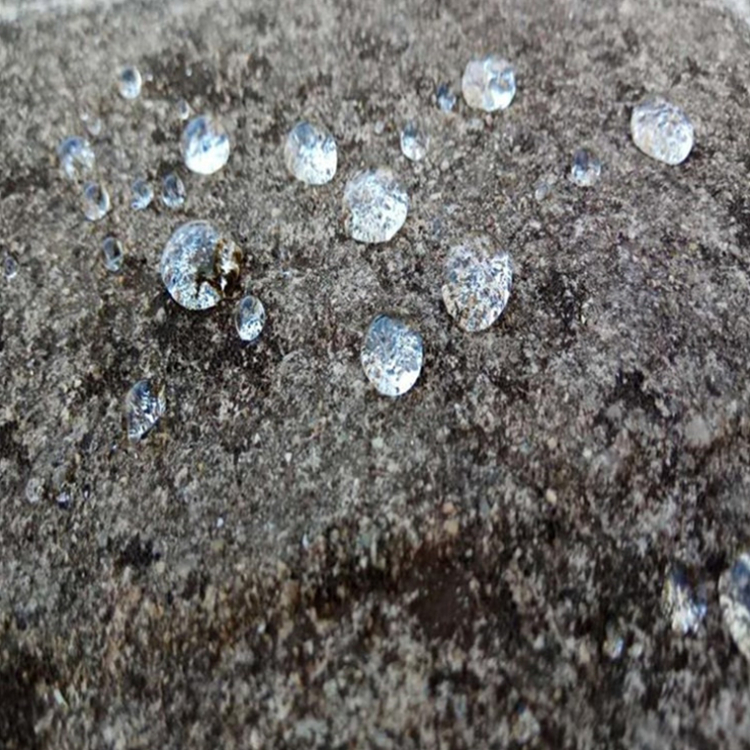








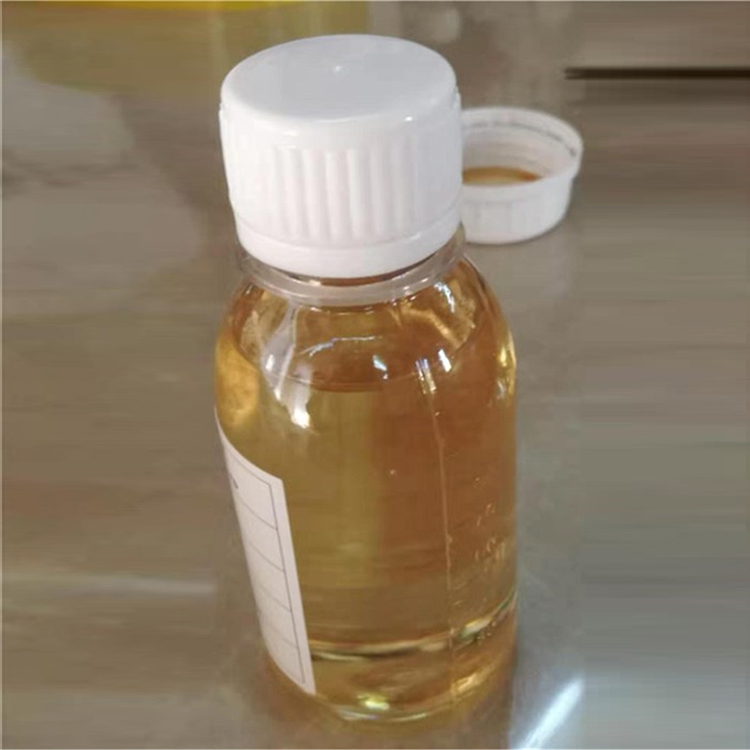
Hydrophobic agents, also known as water-repellent agents, are compounds that can accumulate on the surface of coatings or substrates, reducing surface tension and decreasing hydrophilicity.
Hydrophobic agents operate in two ways:
Add to coatings to enhance the cured film's excellent waterproofing properties while maintaining a certain level of breathability.
Penetrate into porous materials (inorganic building materials, wood, etc.), imparting hydrophobic properties while maintaining the breathability of the micropores.
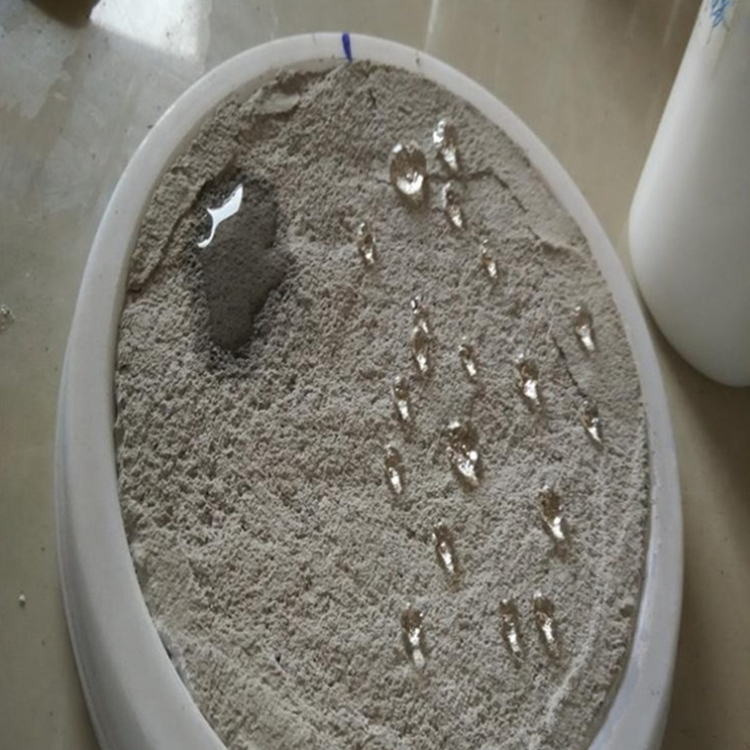
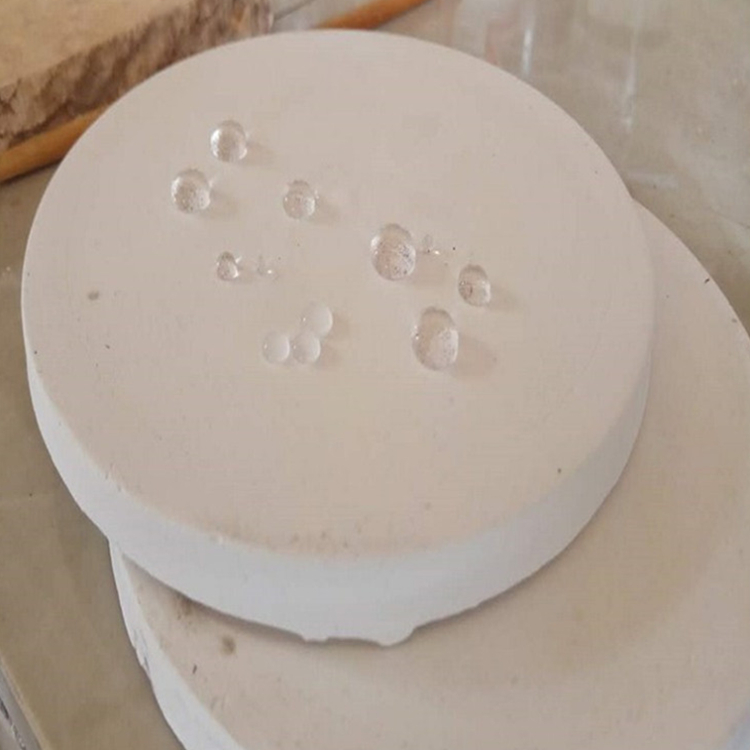
An effective desiccant can significantly increase the contact angle of water, far beyond 90°.
The hydrophobicity of a hydrophobic agent depends on the arrangement, orientation, and the tightness of the bond between the hydrophobic agent molecules and the substrate.
For example, in silicone, the oxygen atoms are oriented on the surface of the base material, with the outer layer bonded to silicon atoms. The higher the hydrophobic content, the stronger the hydrophobic effect. The hydrophobicity of the hydrophobic agent can be adjusted.