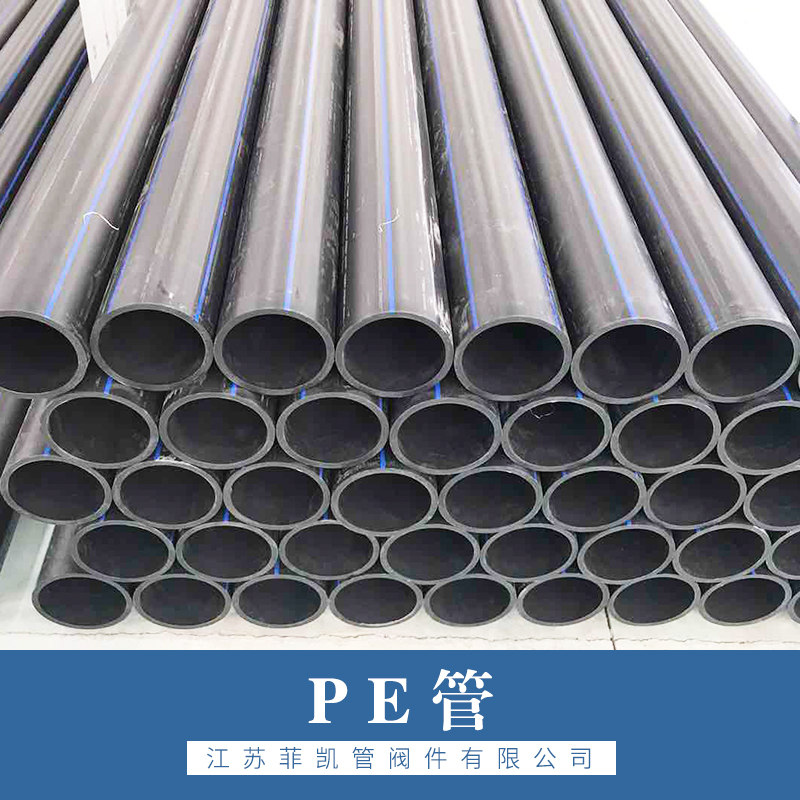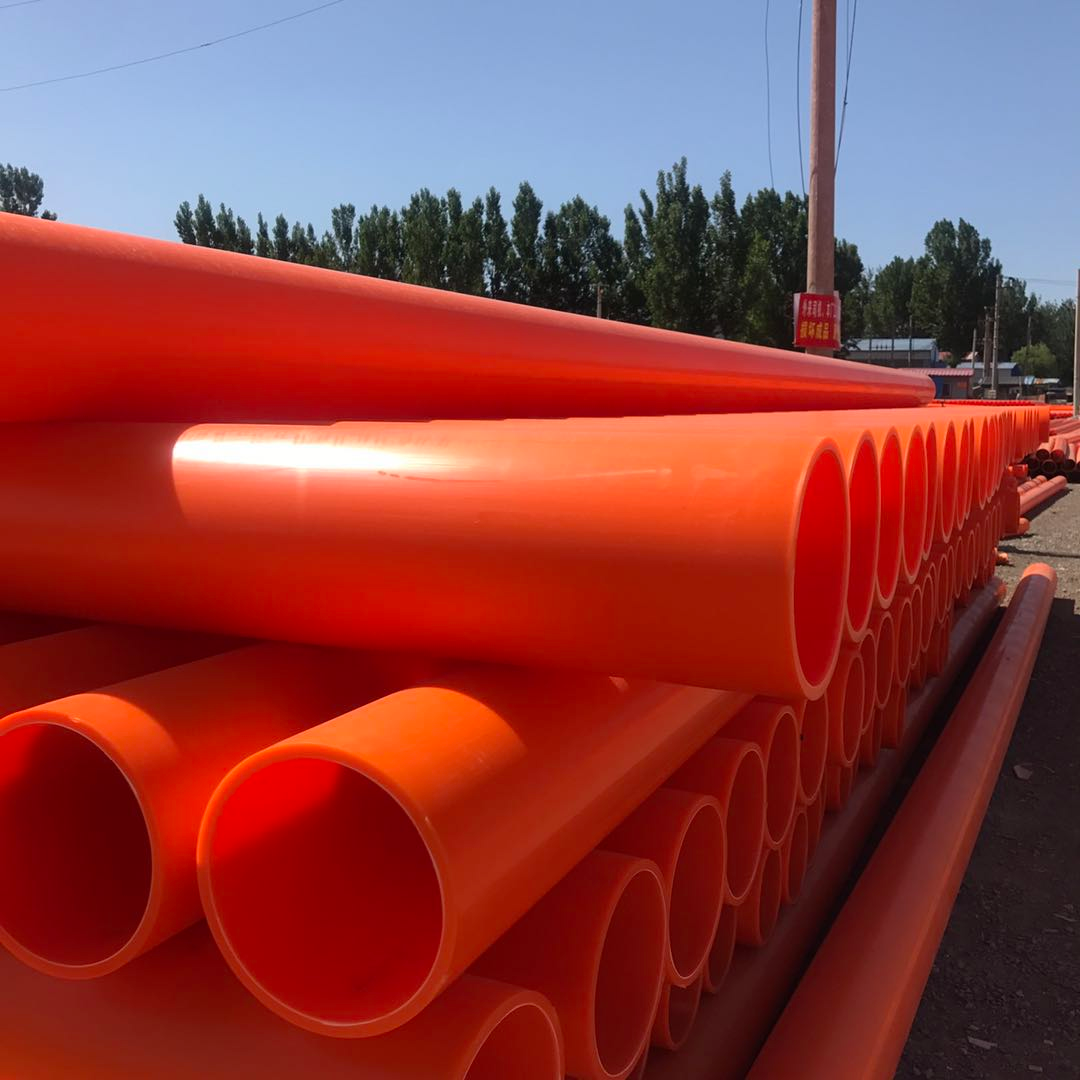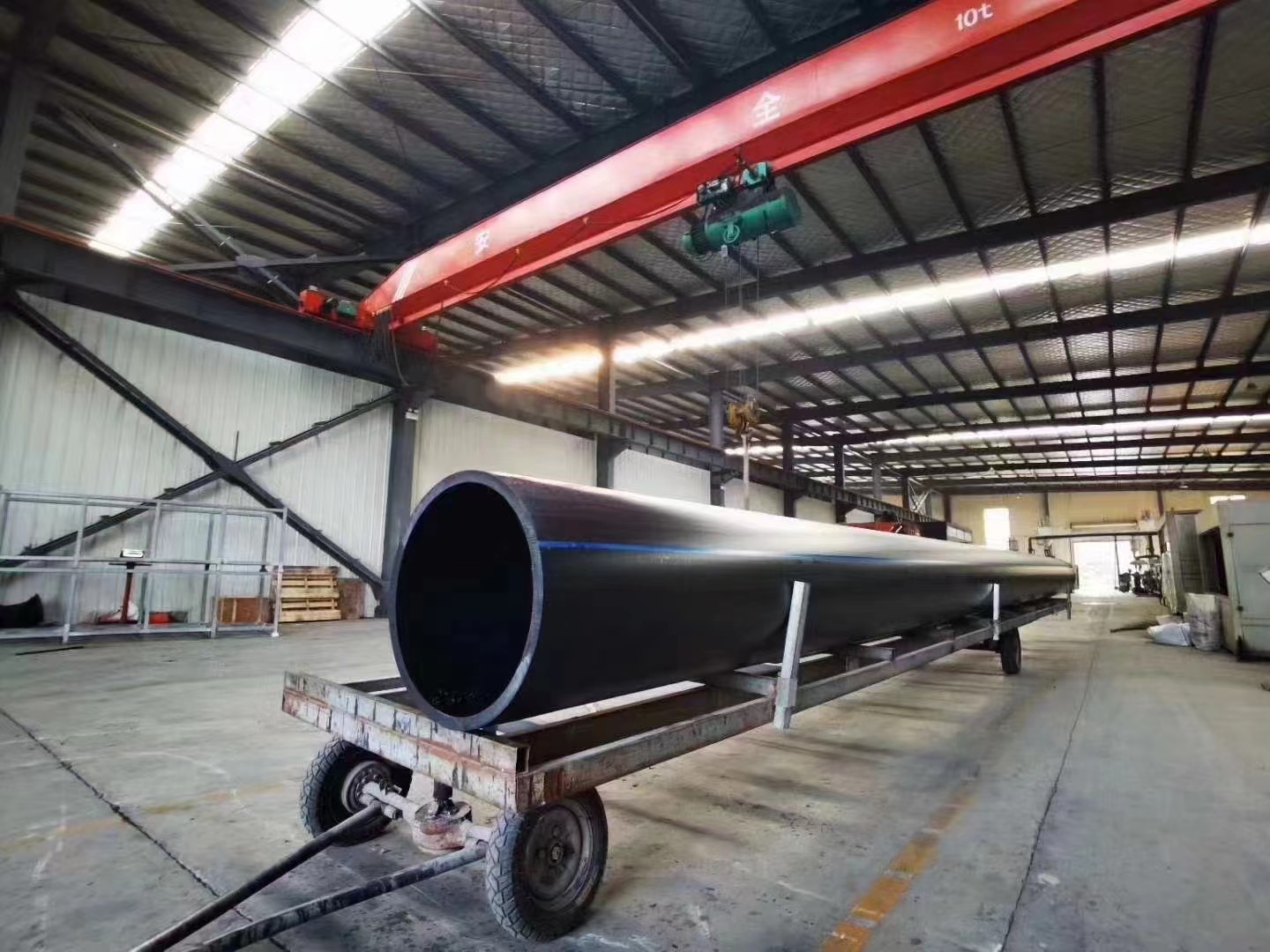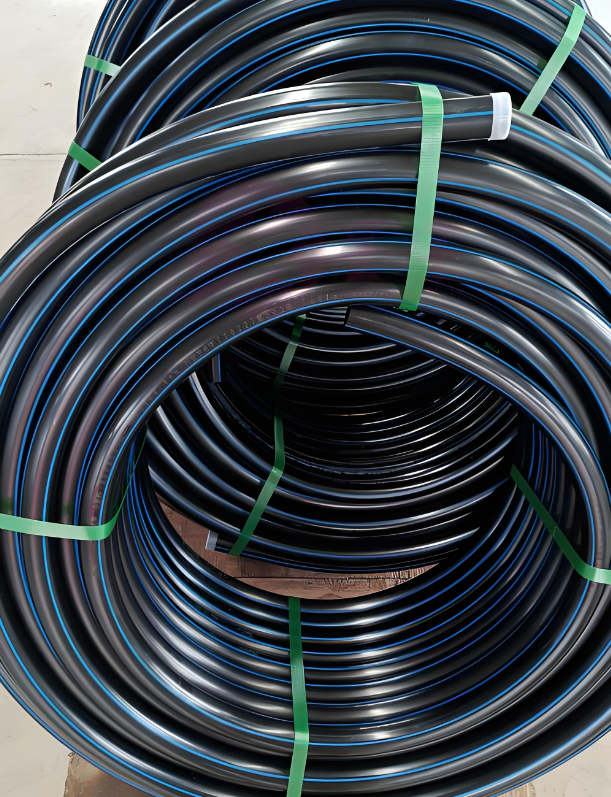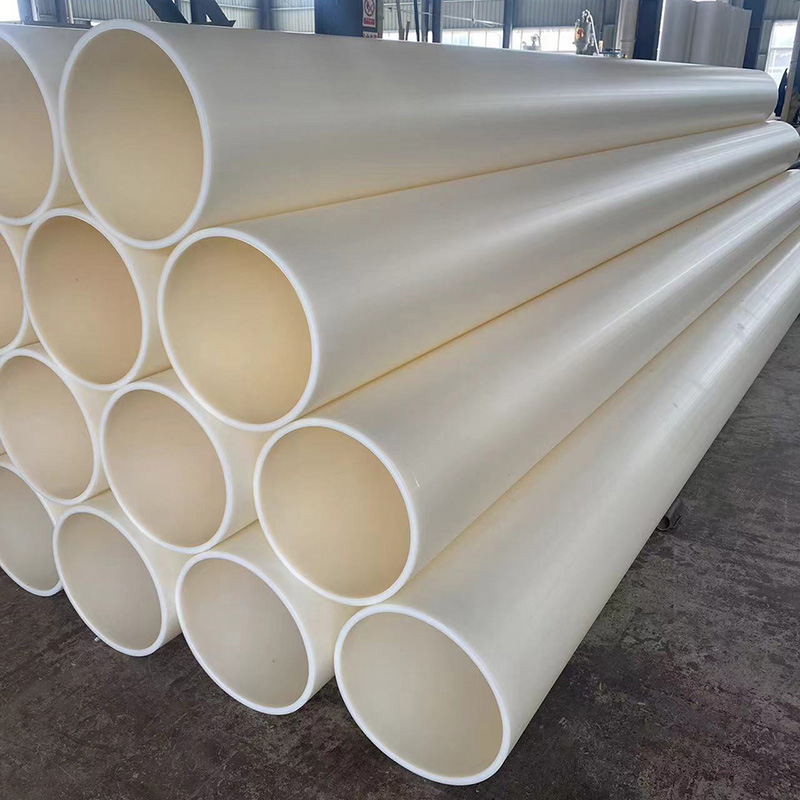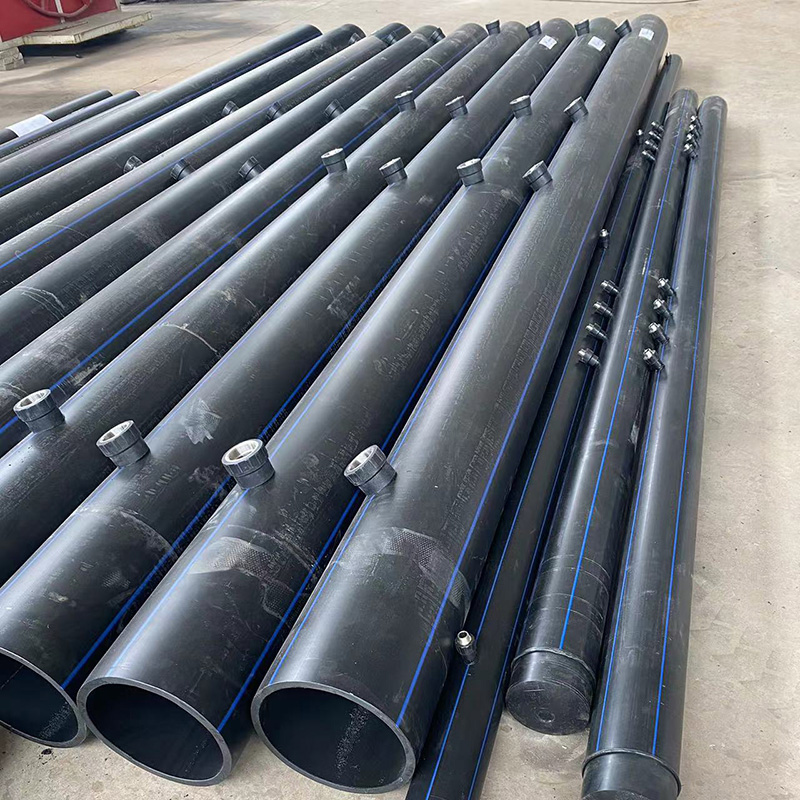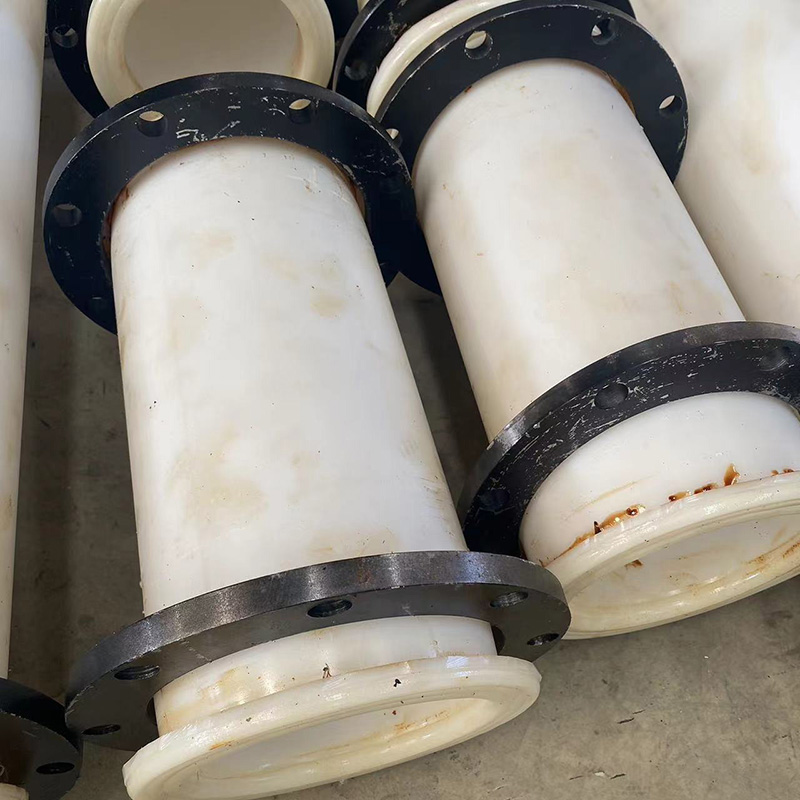
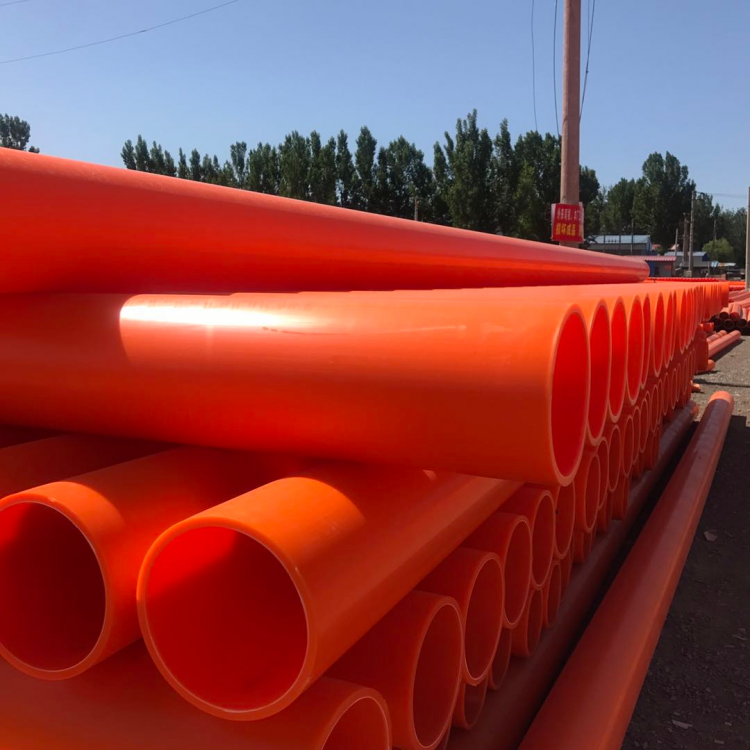


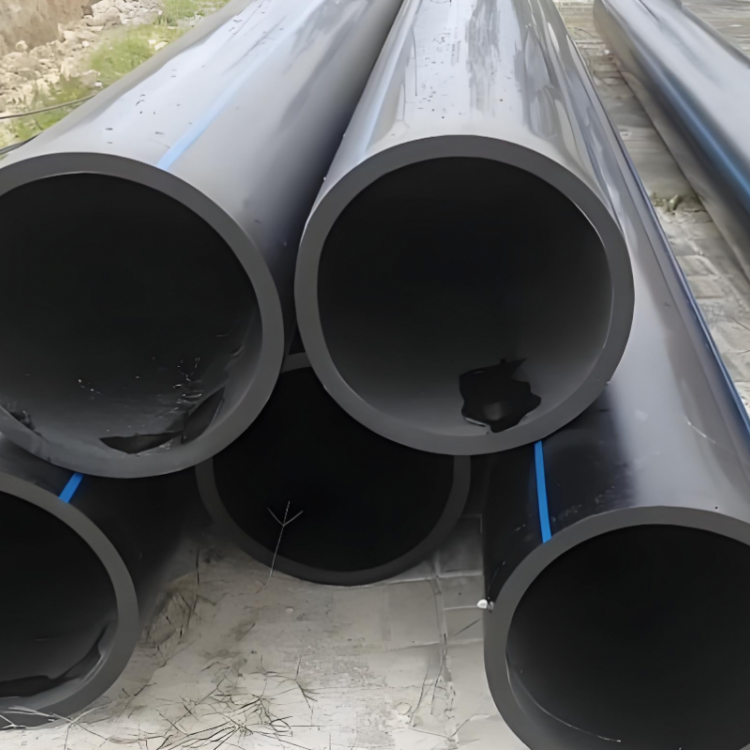







Sandwich glass steel pipes feature a smooth inner surface, making them suitable for large-diameter (φ500mm) water conveyance pipelines. They have a low friction coefficient and excellent hydraulic fluid characteristics, with their advantages becoming more pronounced as the pipe diameter increases. Conversely, when the same flow rate is required in pipeline transportation, engineering projects can opt to use smaller inner diameter sandwich glass steel pipes, thereby reducing the initial engineering investment. Compared to other pipe materials during water conveyance, sandwich glass steel pipes can significantly reduce head loss, saving pump power and energy.
Long lifespan and reliable, high safety factor GRP (Glass Reinforced Plastic) sand-filled pipe design. Laboratory simulation tests indicate that the lifespan of sand-filled glass steel pipes for general water supply and drainage can exceed 50 years, twice that of steel and concrete pipes. For highly corrosive media, their lifespan is significantly longer than that of steel pipes.
Design flexible, product adaptable
Fiberglass Reinforced Plastic (FRP) pipes can be tailored to meet a wide range of specific customer requirements through design modifications, allowing for various sizes, pressure ratings, stiffness ratings, or other specialized performance characteristics. They have a broad application range.
Low operation and maintenance costs due to the excellent corrosion resistance of glass fiber products, which do not require rust prevention, anti-fouling, insulation, heat preservation measures, or inspections. No cathodic protection is needed for buried pipes, resulting in significant savings on maintenance costs.
Good comprehensive engineering benefits
Comprehensive benefits refer to the long-term effects formed by factors such as construction investments, installation and maintenance costs, service life, energy and steel savings, etc. The overall benefits of fiberglass pipe systems are commendable, especially as the pipe diameter increases, the cost decreases. Furthermore, considering that pipes buried underground can be used for several generations without the need for annual maintenance, their superior comprehensive benefits are even more pronounced.