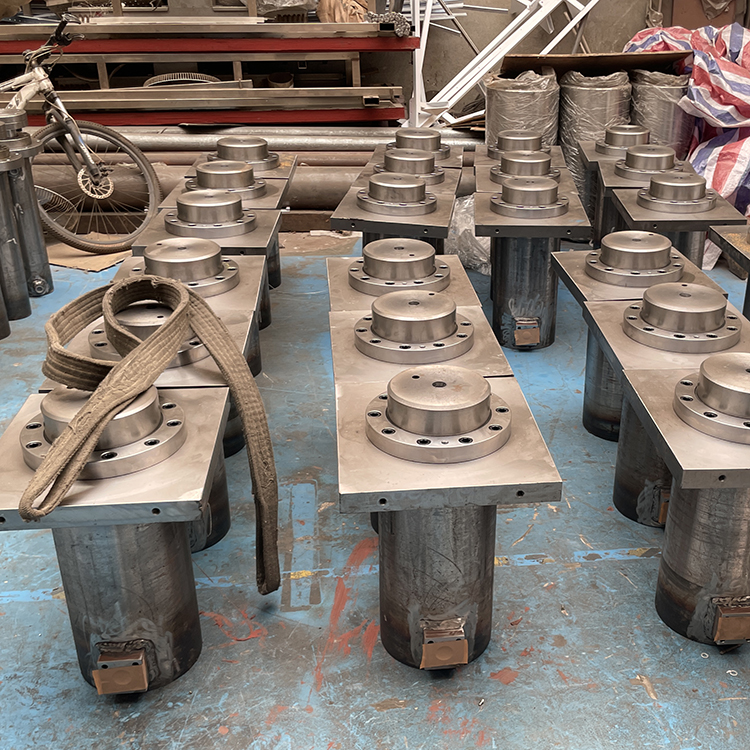

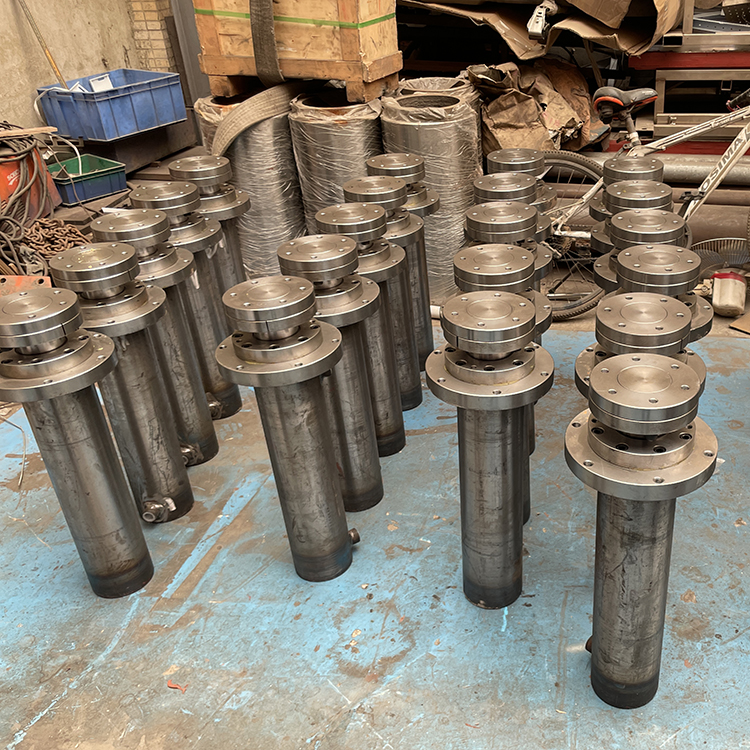

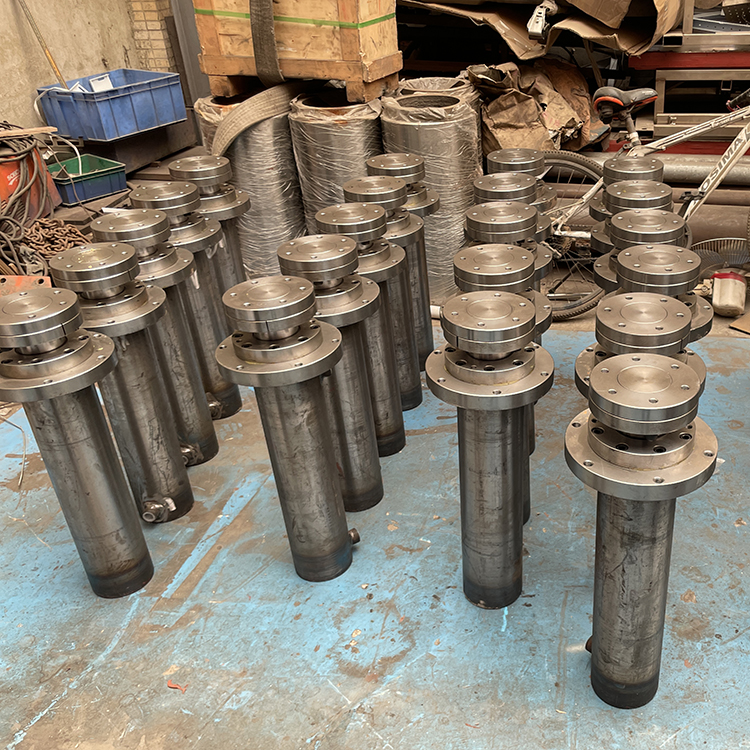
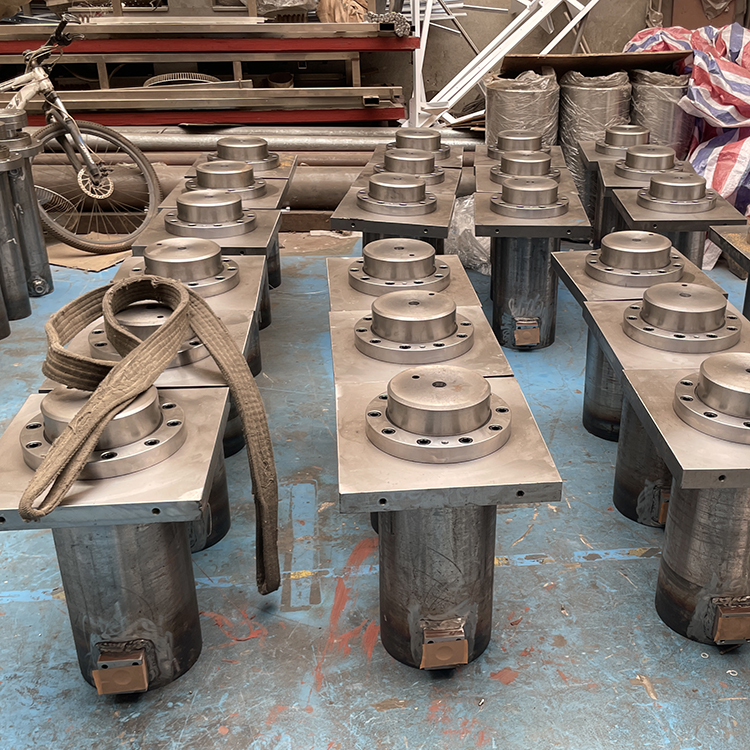
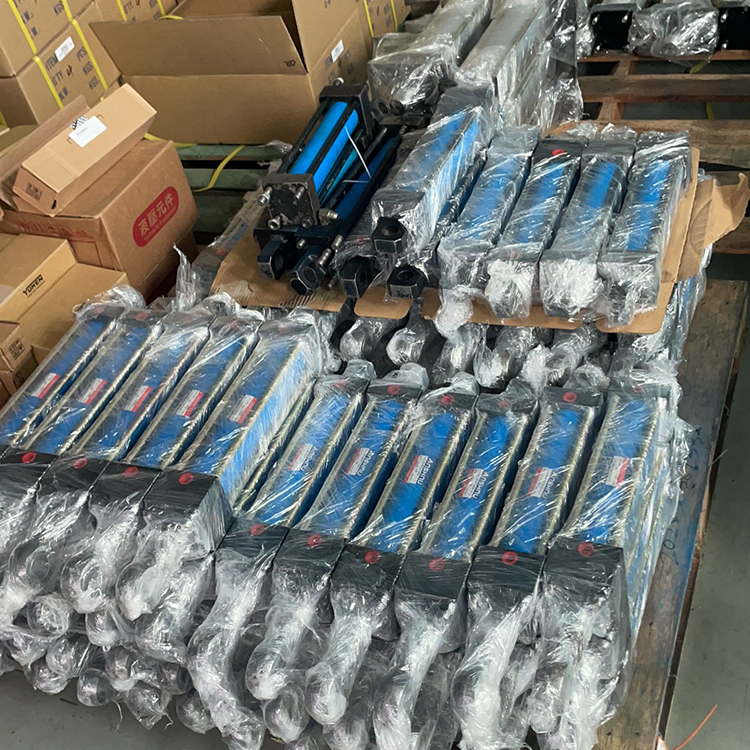













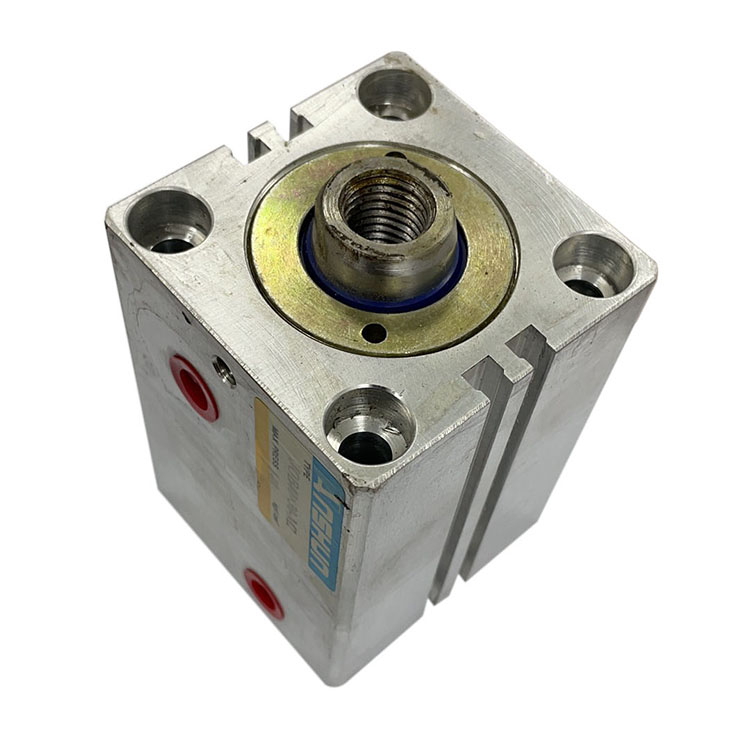
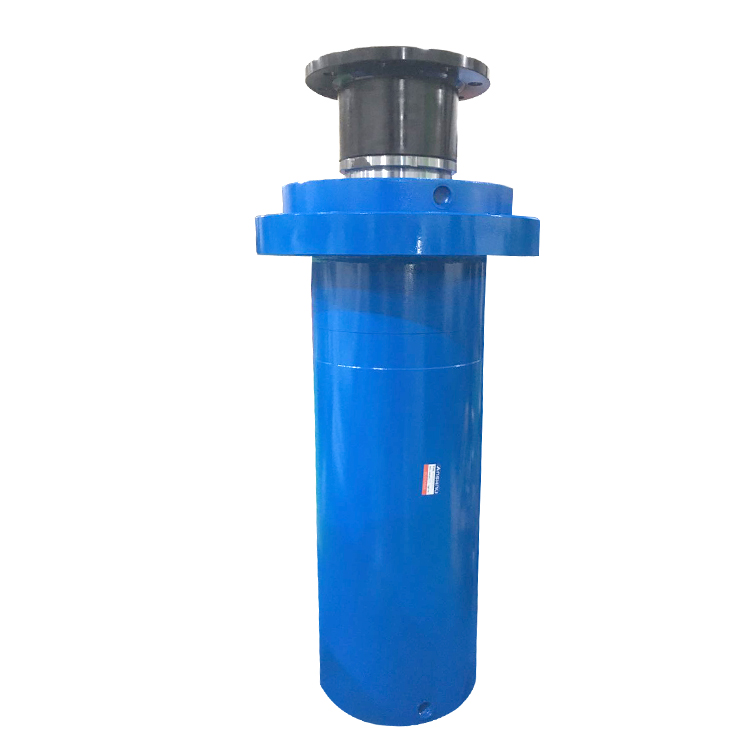
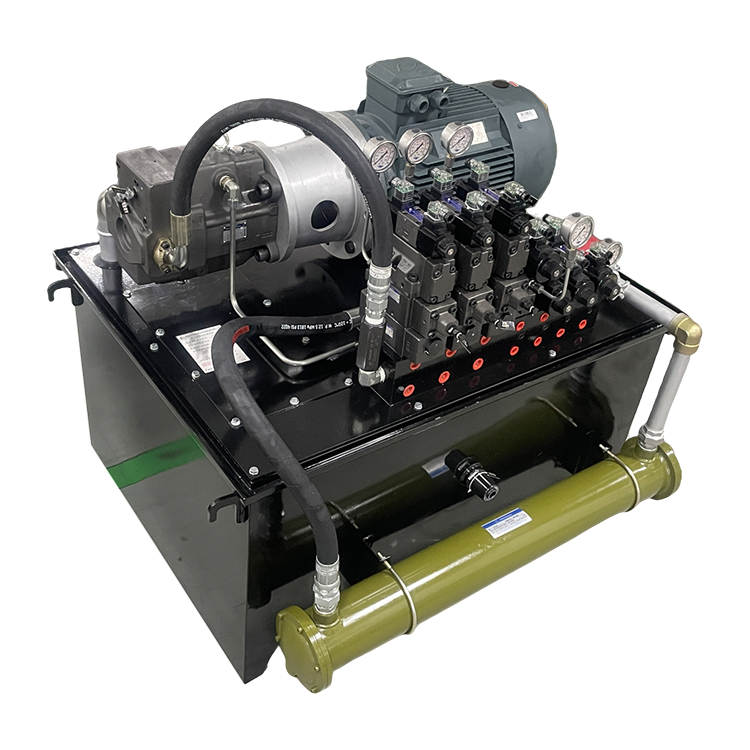
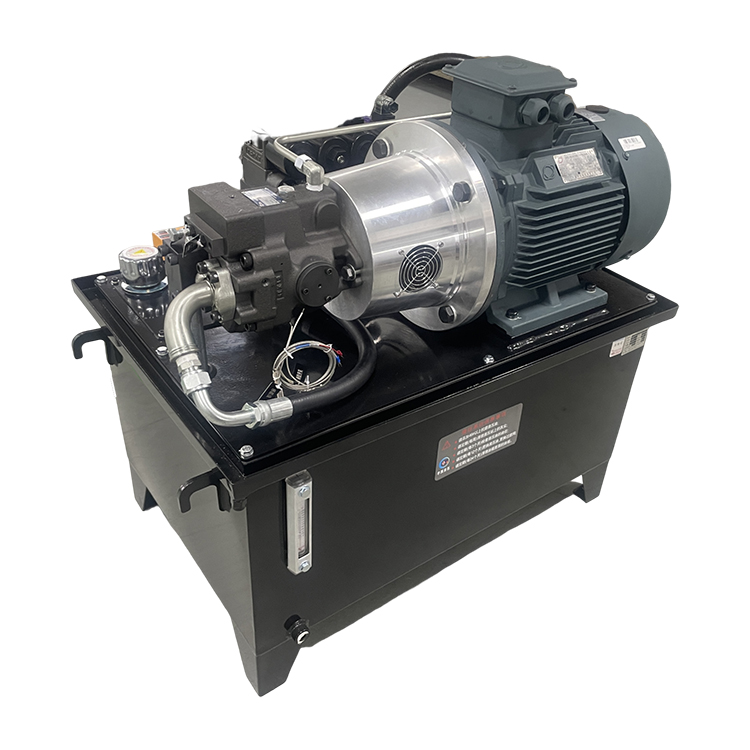
Hydraulic cylinders convert hydraulic energy into mechanical energy, performing linear reciprocating or oscillating movements. With a simple structure and smooth reciprocating motion, they are widely used in various engineering machinery, ships, and machine tool industries.
Different machines should use different types of hydraulic cylinders. Hydraulic cylinders are mainly divided into piston cylinders, plunger cylinders, and swing cylinders, each with different functions.
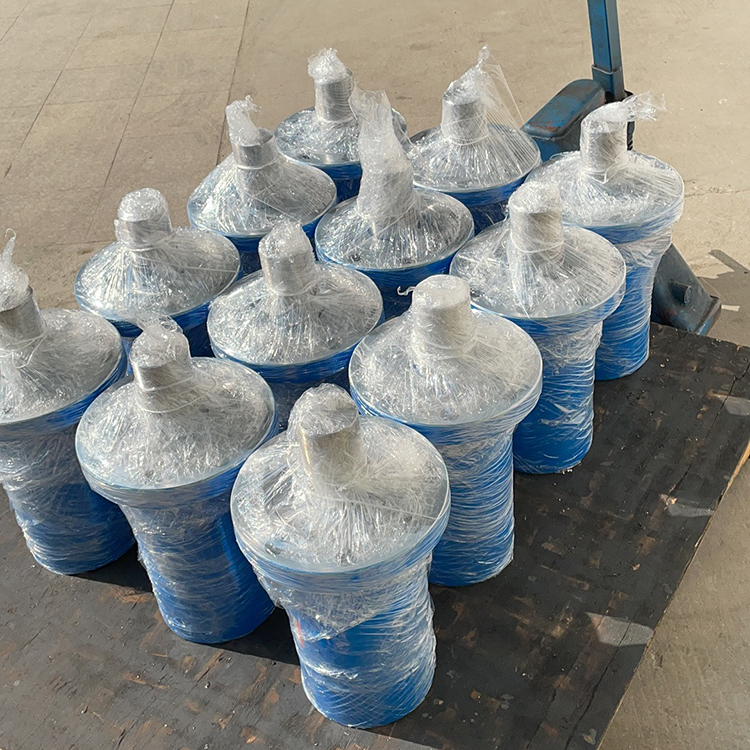
There are two types of hydraulic cylinder pistons: single-piston and double-piston cylinders. The single-piston hydraulic cylinder has a piston rod only at one end, with both ends serving as the outlet and return ports, enabling bidirectional movement, also known as a double-acting cylinder. Hydraulic cylinders are commonly used in construction machinery such as hydraulic excavators.
The twin-piston hydraulic cylinder features extended piston rods at both ends, with a composition similar to that of a single-piston rod cylinder. When the right chamber of the cylinder is filled with oil and the left chamber returns oil, the piston moves to the left; otherwise, it moves to the right.
Hydraulic cylinders feature piston rods with the same diameter on both sides, resulting in equal effective working area at both ends of the piston. When the same pressure and flow of oil are input into both ends, the piston generates equal thrust and reciprocating speed. Such cylinders are commonly used in applications where the reciprocating speed is the same but the thrust is minimal, such as on a grinding machine's worktable.