
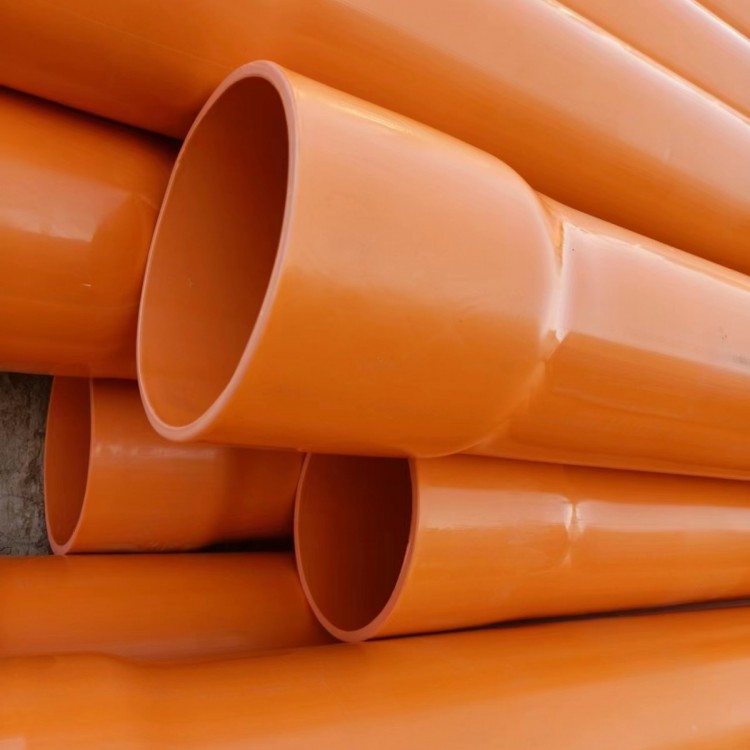
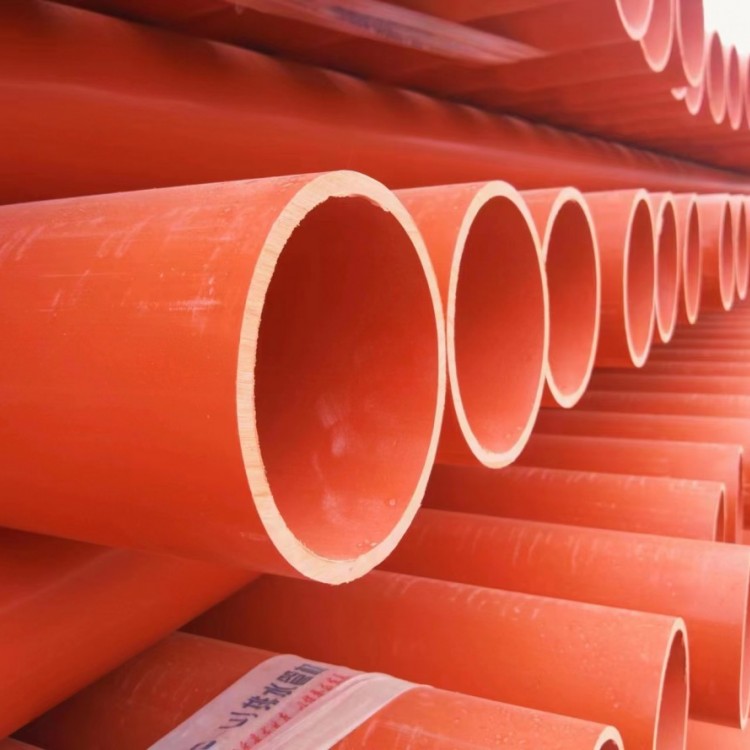
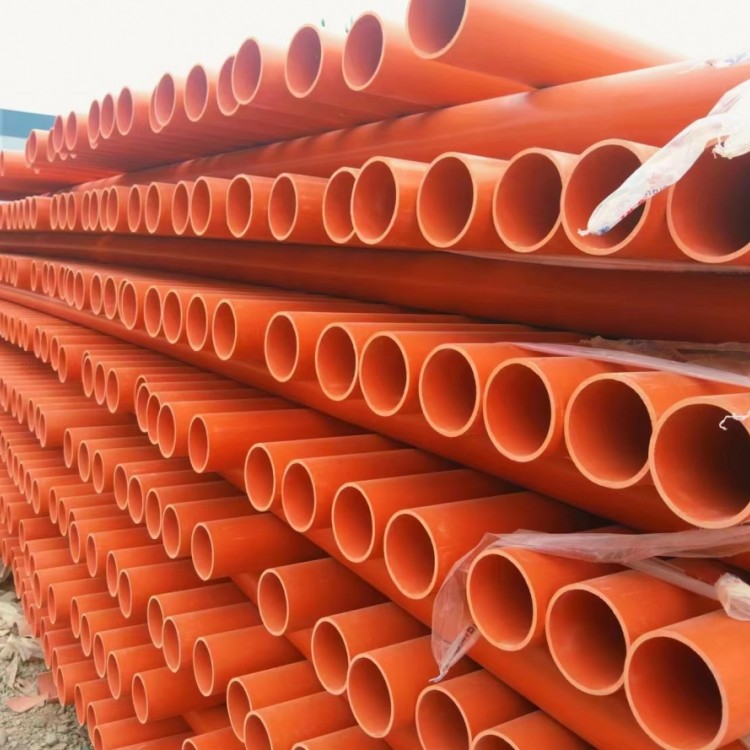


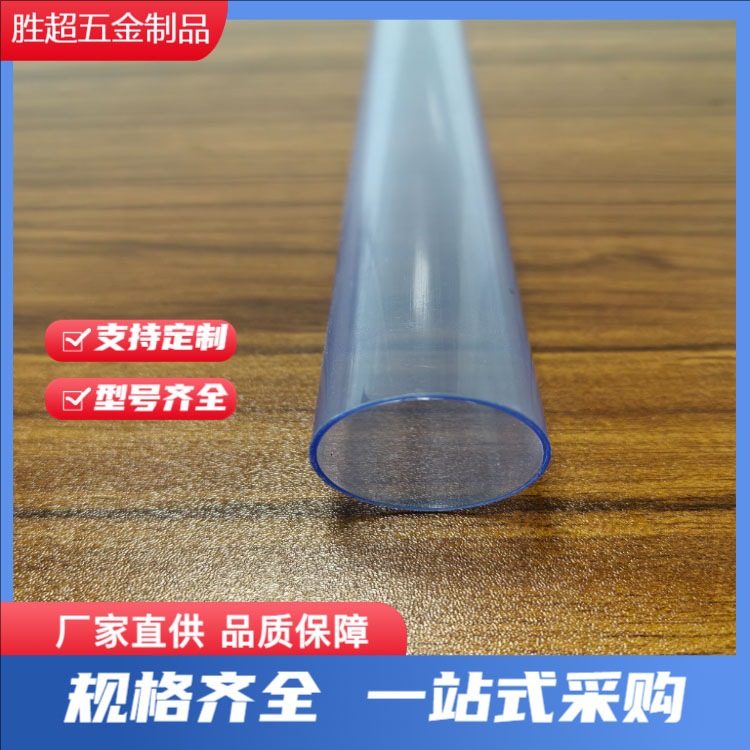






Key Features:
Broadcast
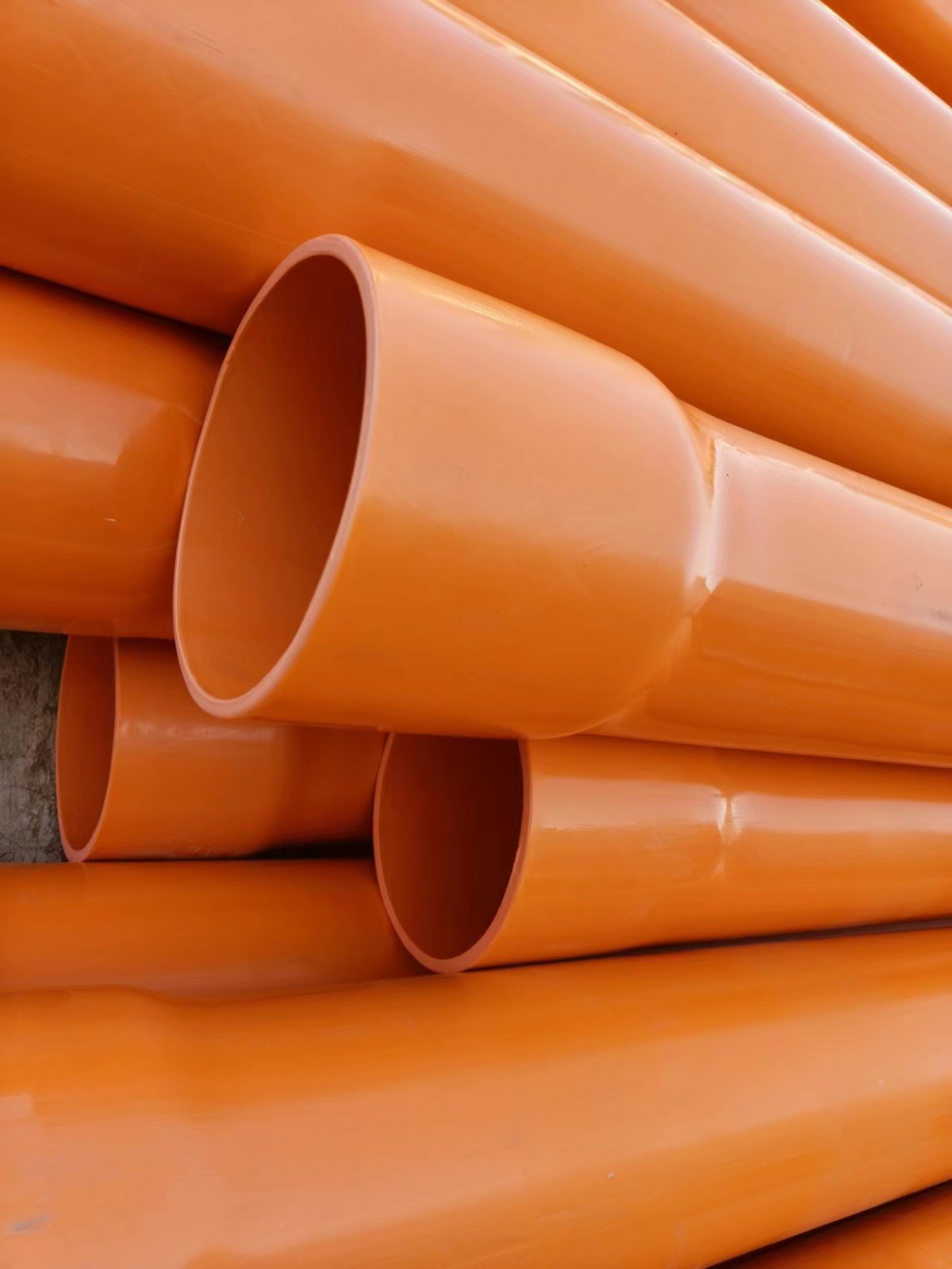
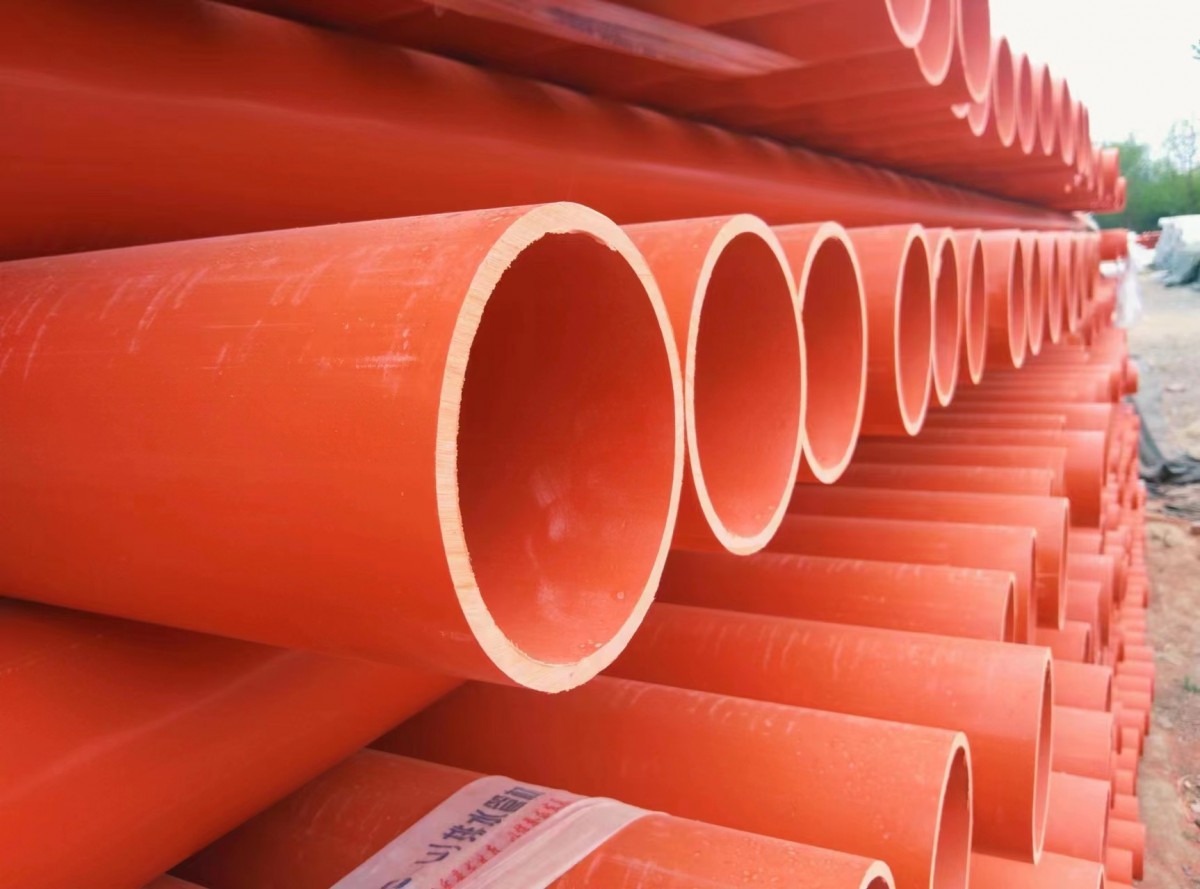
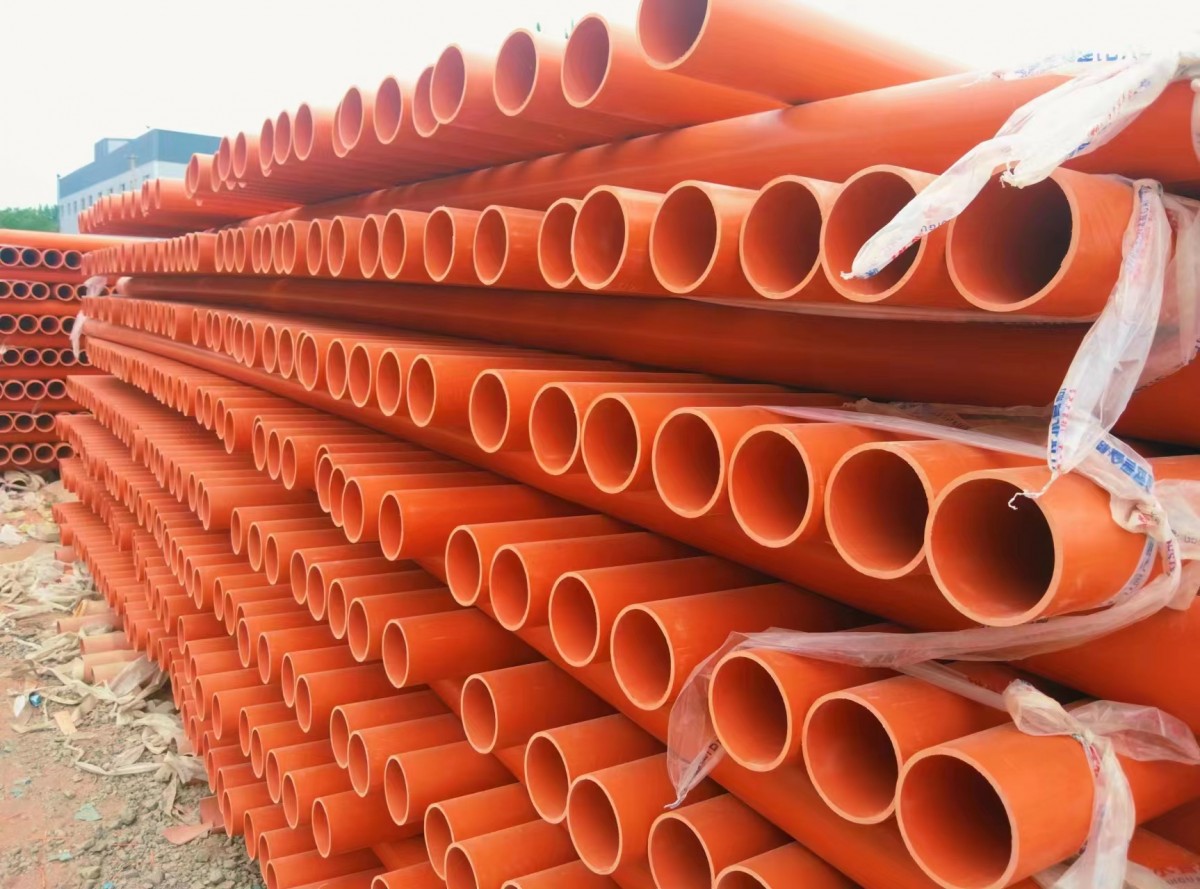
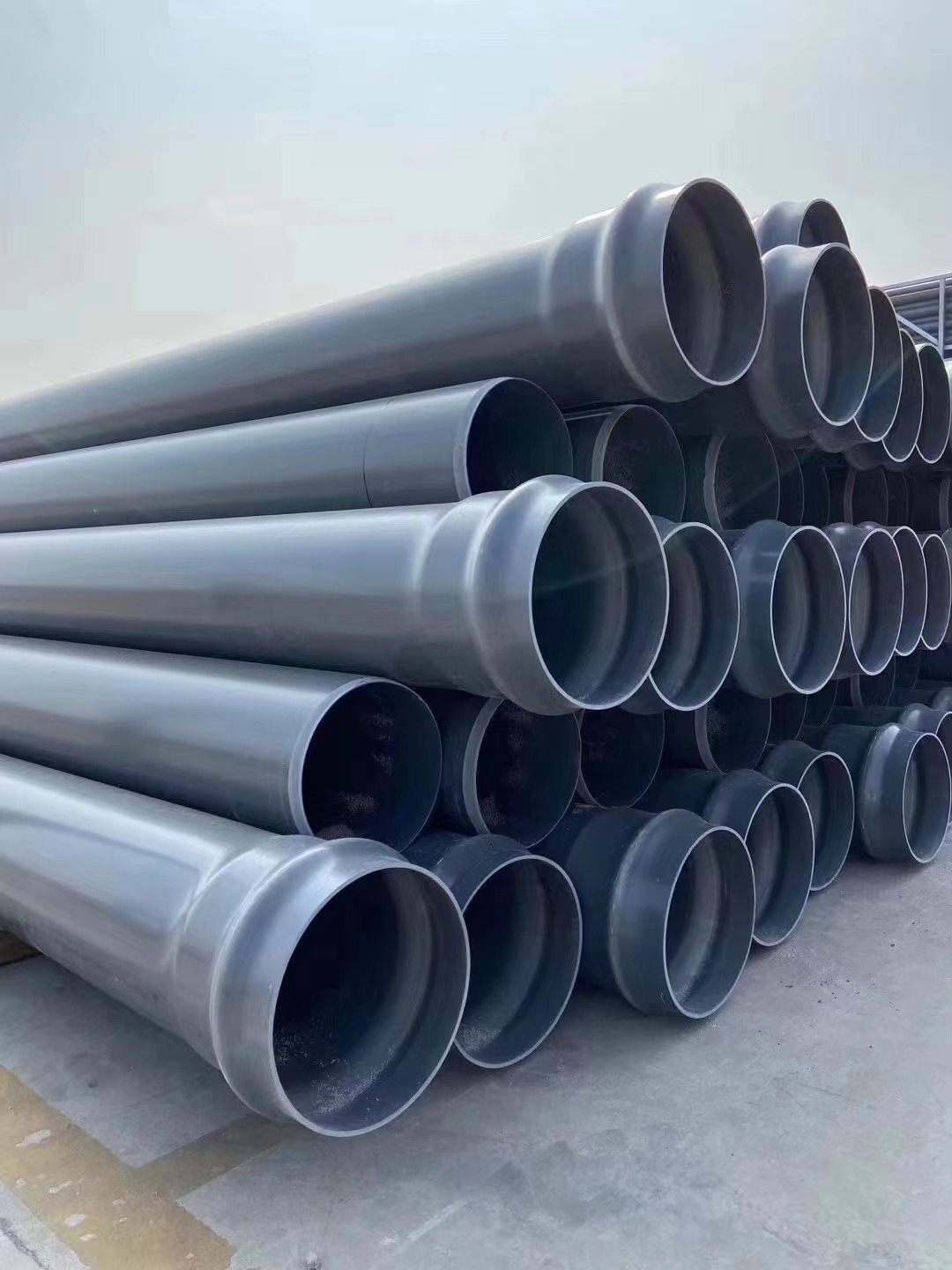
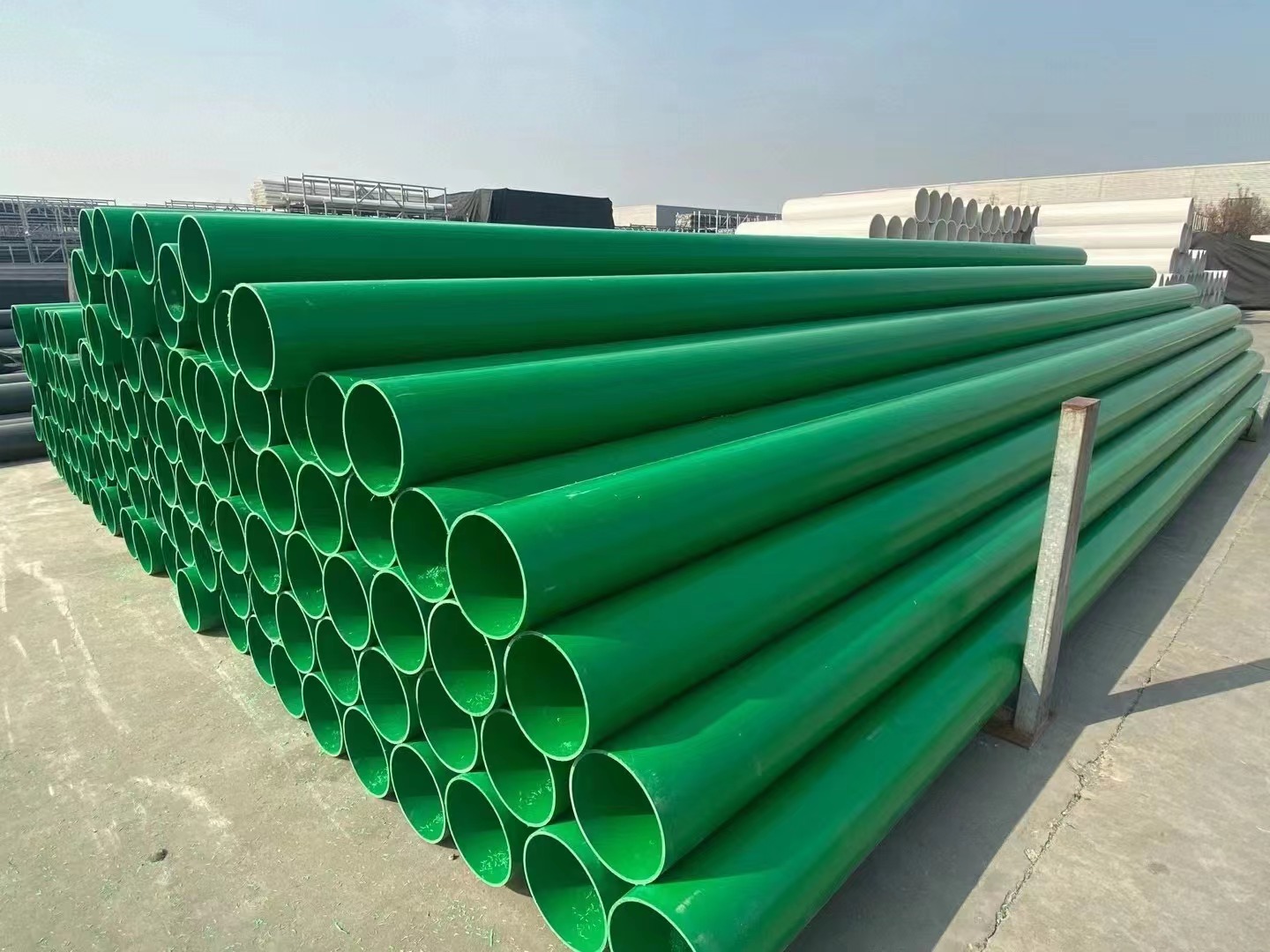
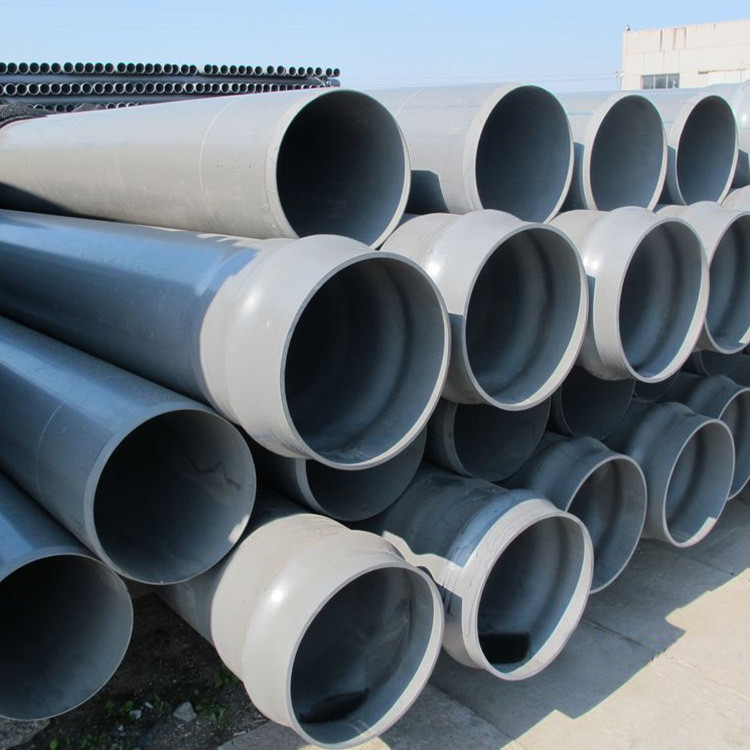
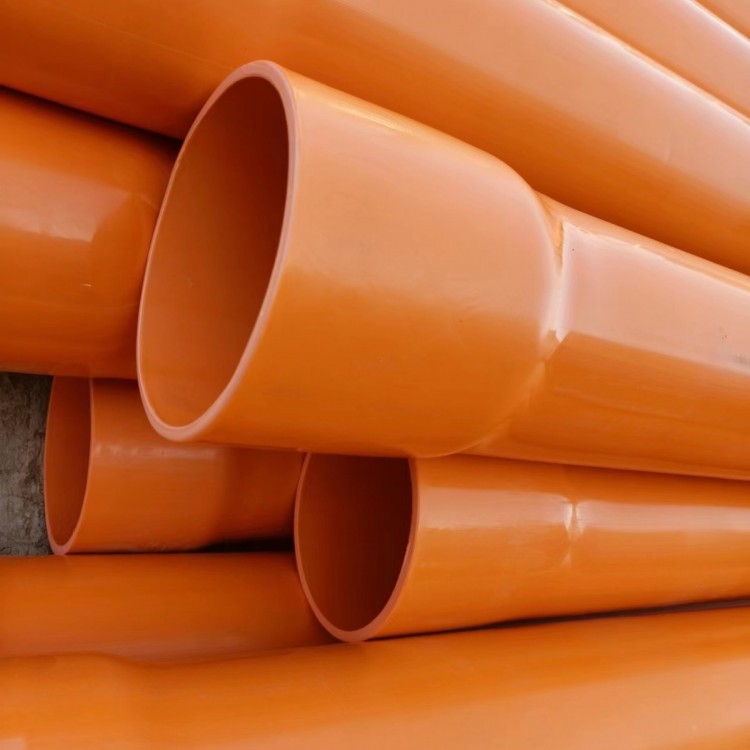
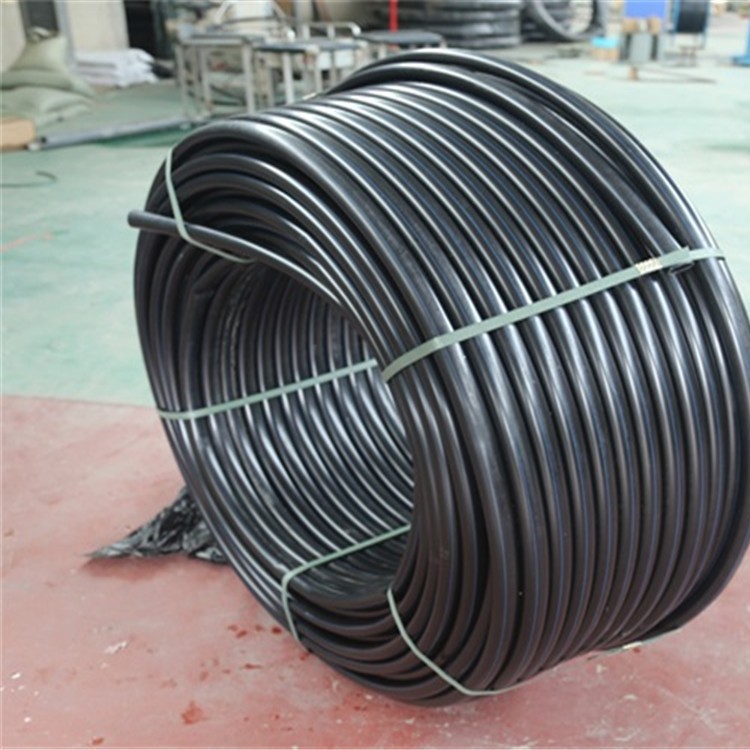
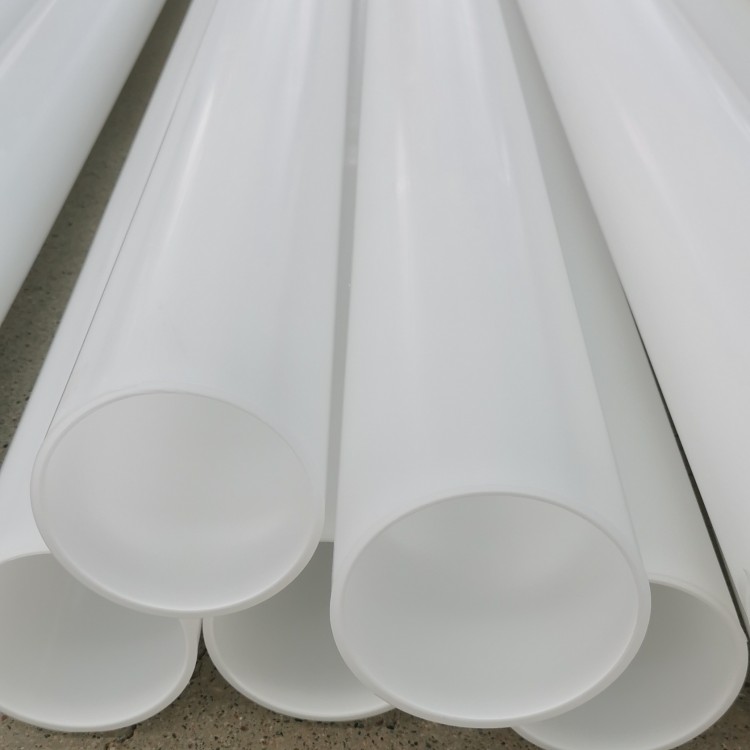
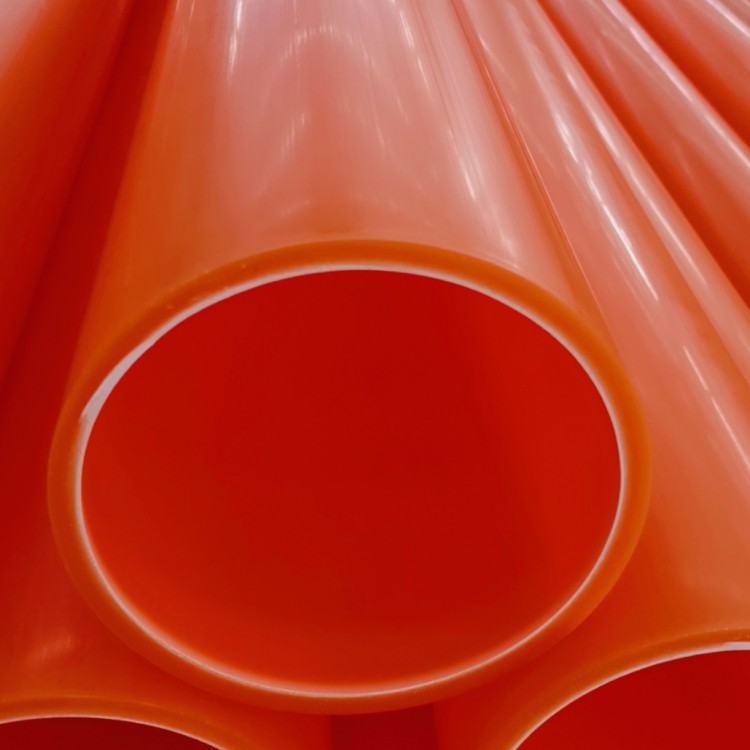
Lightweight: Easy to handle and transport, with low density, convenient for loading, unloading, and construction.
2. Excellent Corrosion Resistance: Features superior resistance to acids, alkalis, and corrosion, making it highly suitable for applications in the chemical industry.
3. Low fluid resistance: The inner wall of the pipe is smooth, resulting in low fluid resistance, effectively improving the hydraulic conditions of the pipeline network, and reducing operational costs for the system.
4. High Mechanical Strength: The tubing exhibits excellent pressure resistance, impact resistance, and tensile strength properties.
5. Easy Installation: Pipe connection installation is quick and easy, with low construction costs.
6. Cost-effective: Low price, easy transportation and construction, and long lifespan, making the overall cost very affordable.
7. Non-impacting Water Quality: Verified by dissolution tests to have no adverse effect on water quality, suitable for extensive application and promotion.
The Difference Between Water Supply and Drain Pipes
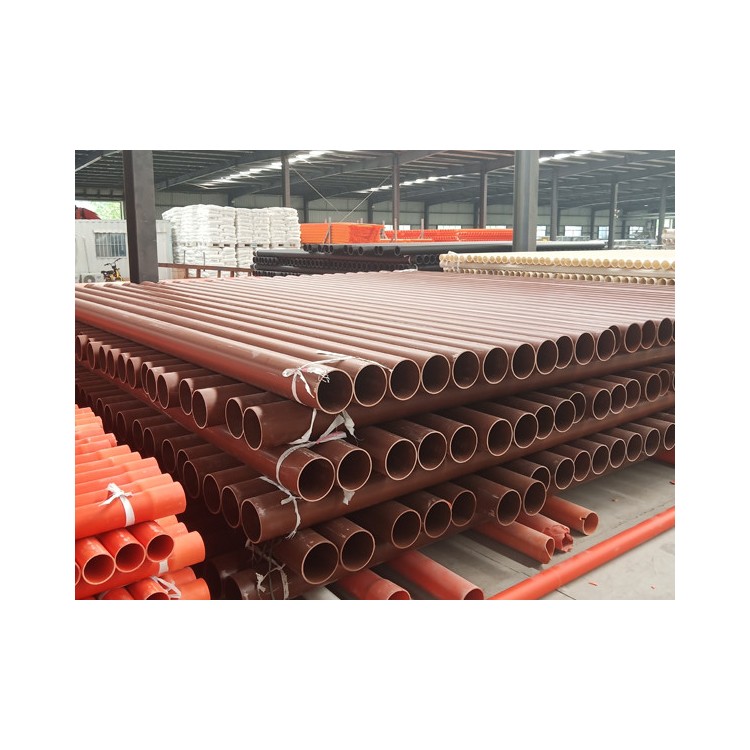
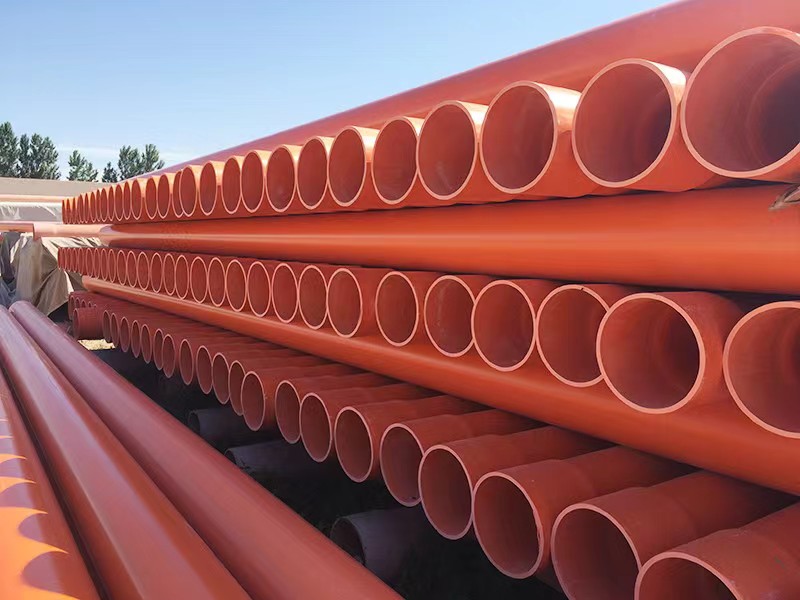
1. PVC drainage pipes are used for draining purposes, such as in real estate projects for draining water, rainwater, and community drainage. The PVC pipes themselves are non-pressurized and do not bear pressure, and they have no specific requirements for hygiene standards. To differentiate the quality of the pipes, one should look at their toughness and tensile properties.
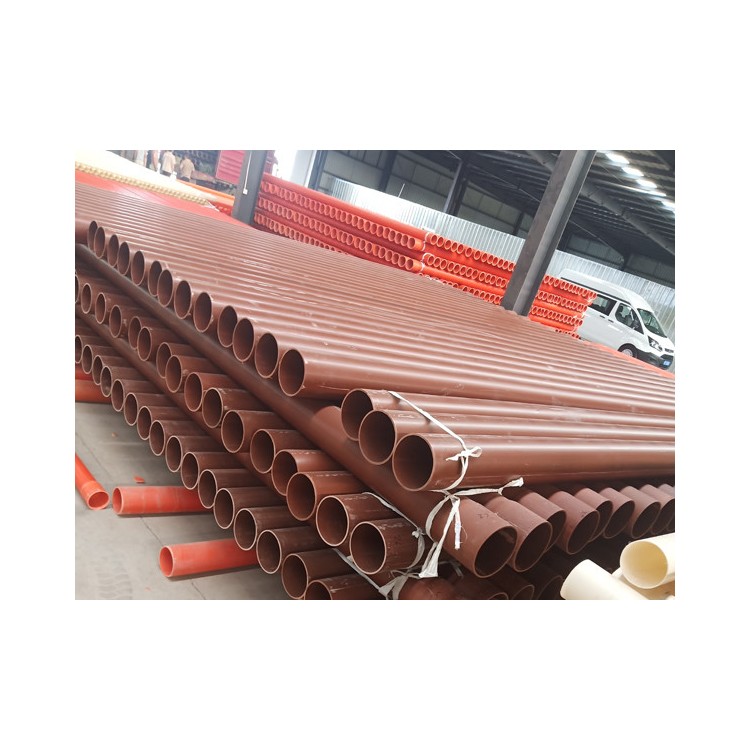
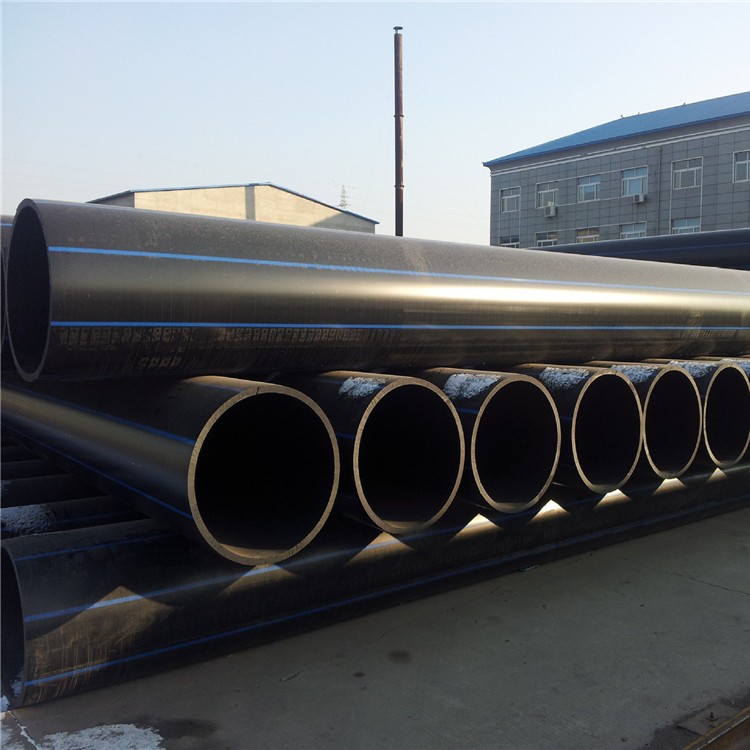
2. PVC water supply pipes, as the name implies, are used for water supply purposes, although some are also used for agricultural irrigation. The difference from drainage pipes lies in their ability to withstand pressure. If specifically for water supply projects, they must also meet hygiene standards, including non-toxic and pollution-free testing criteria.