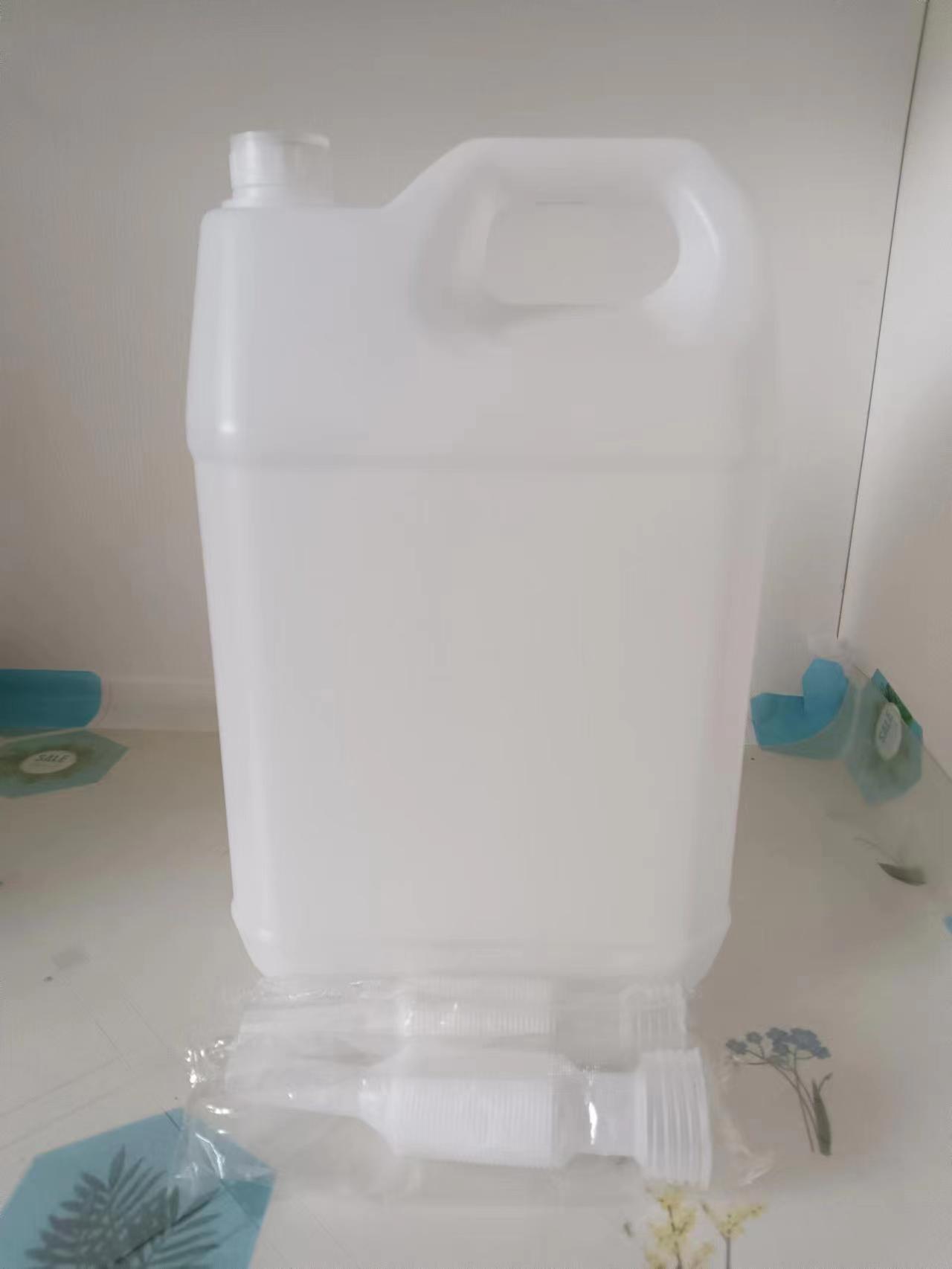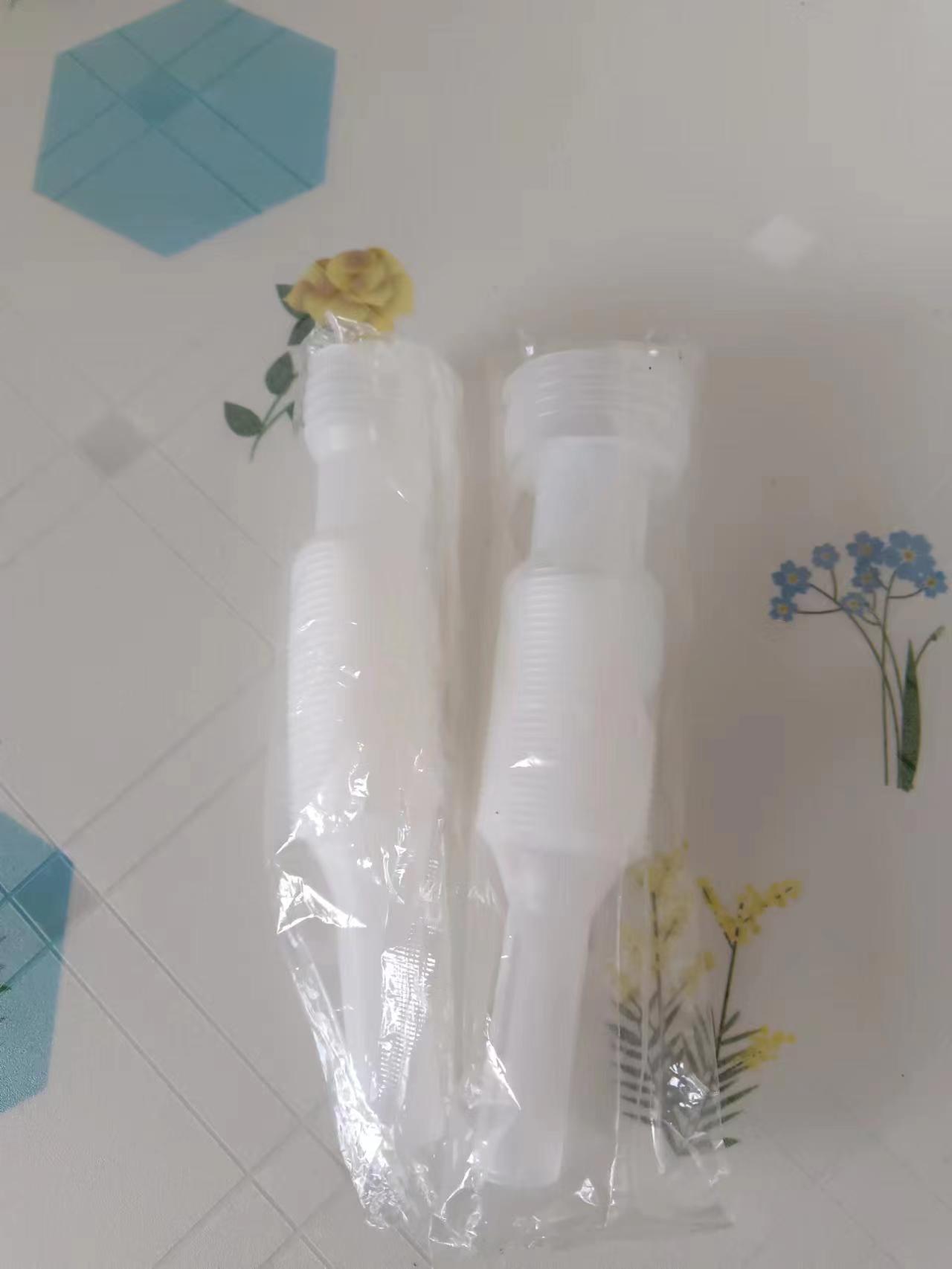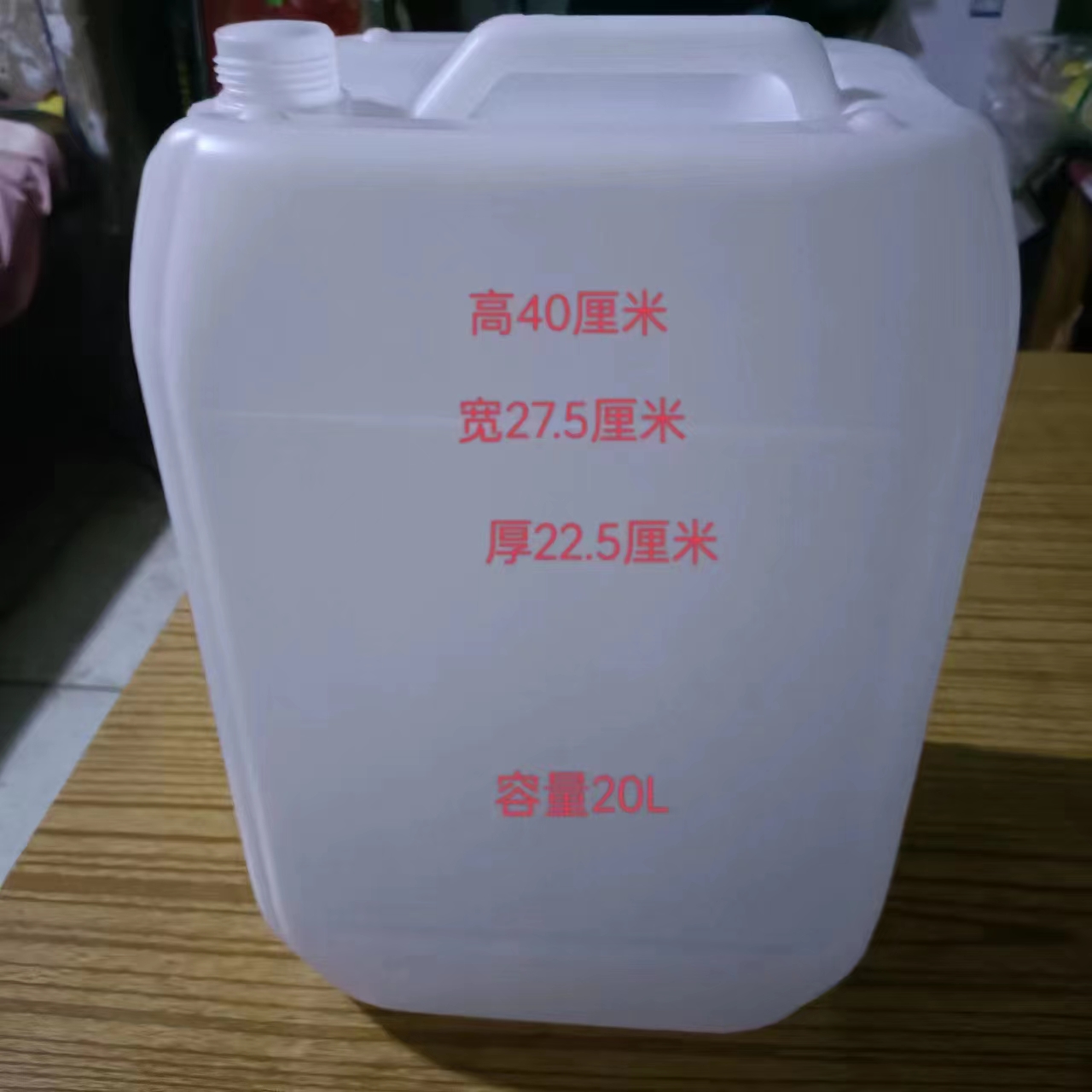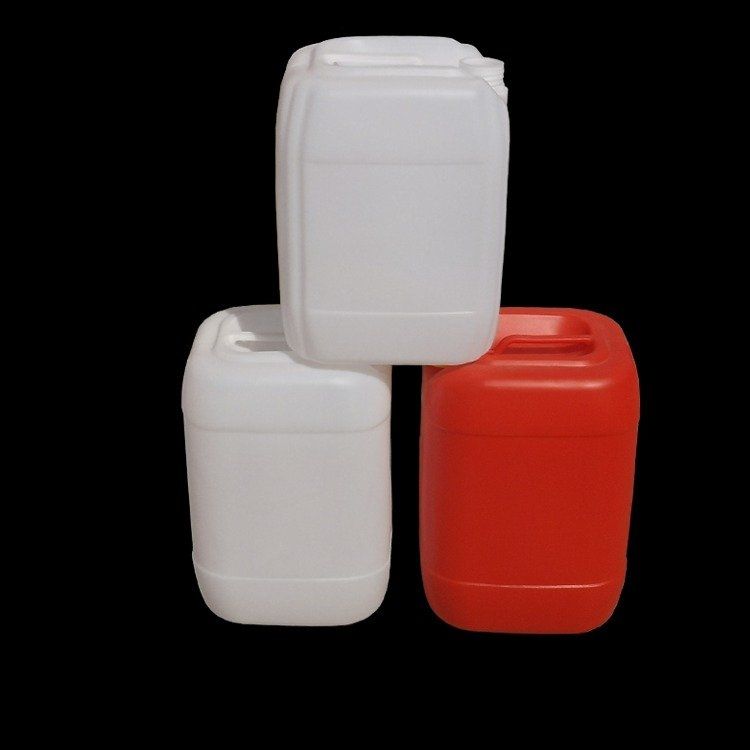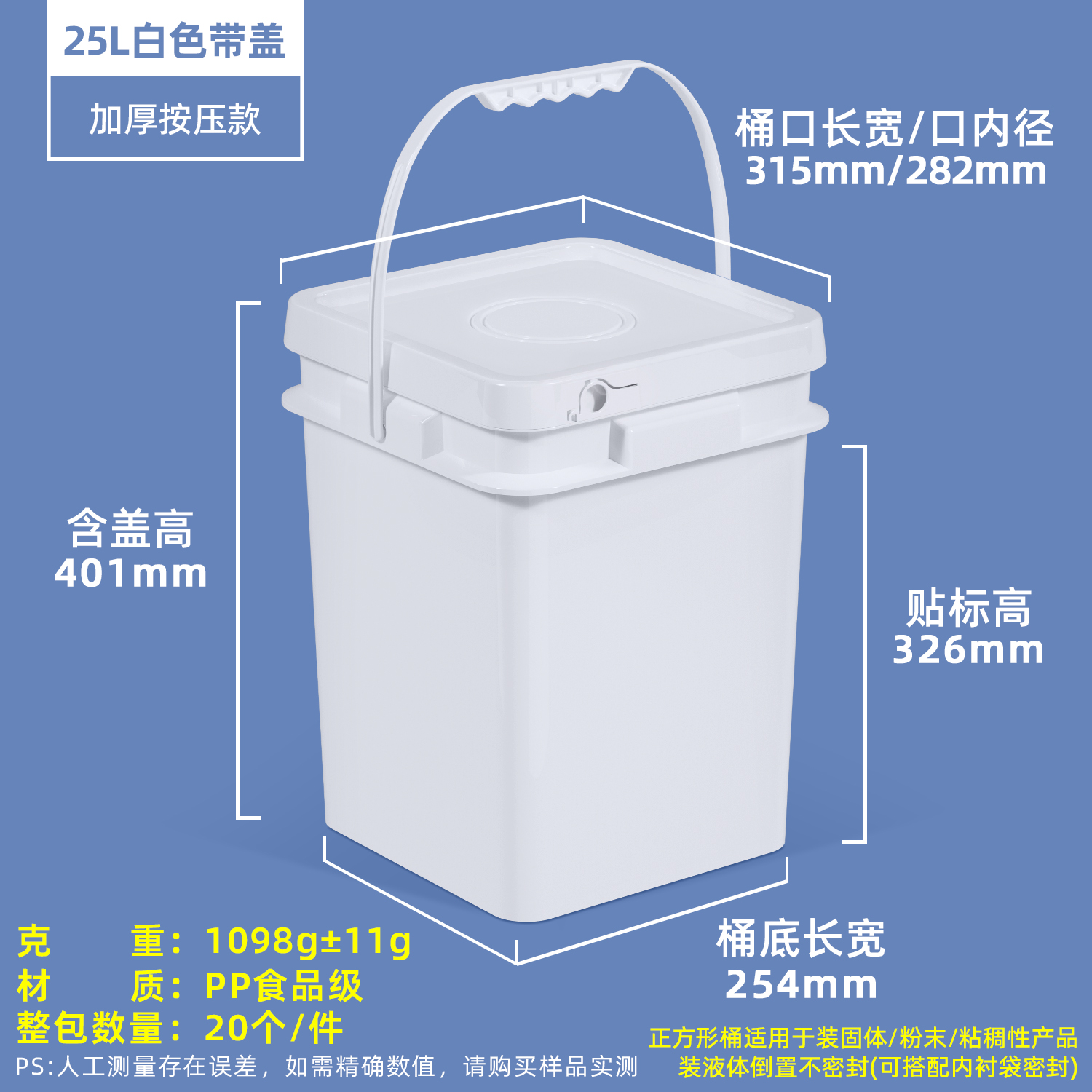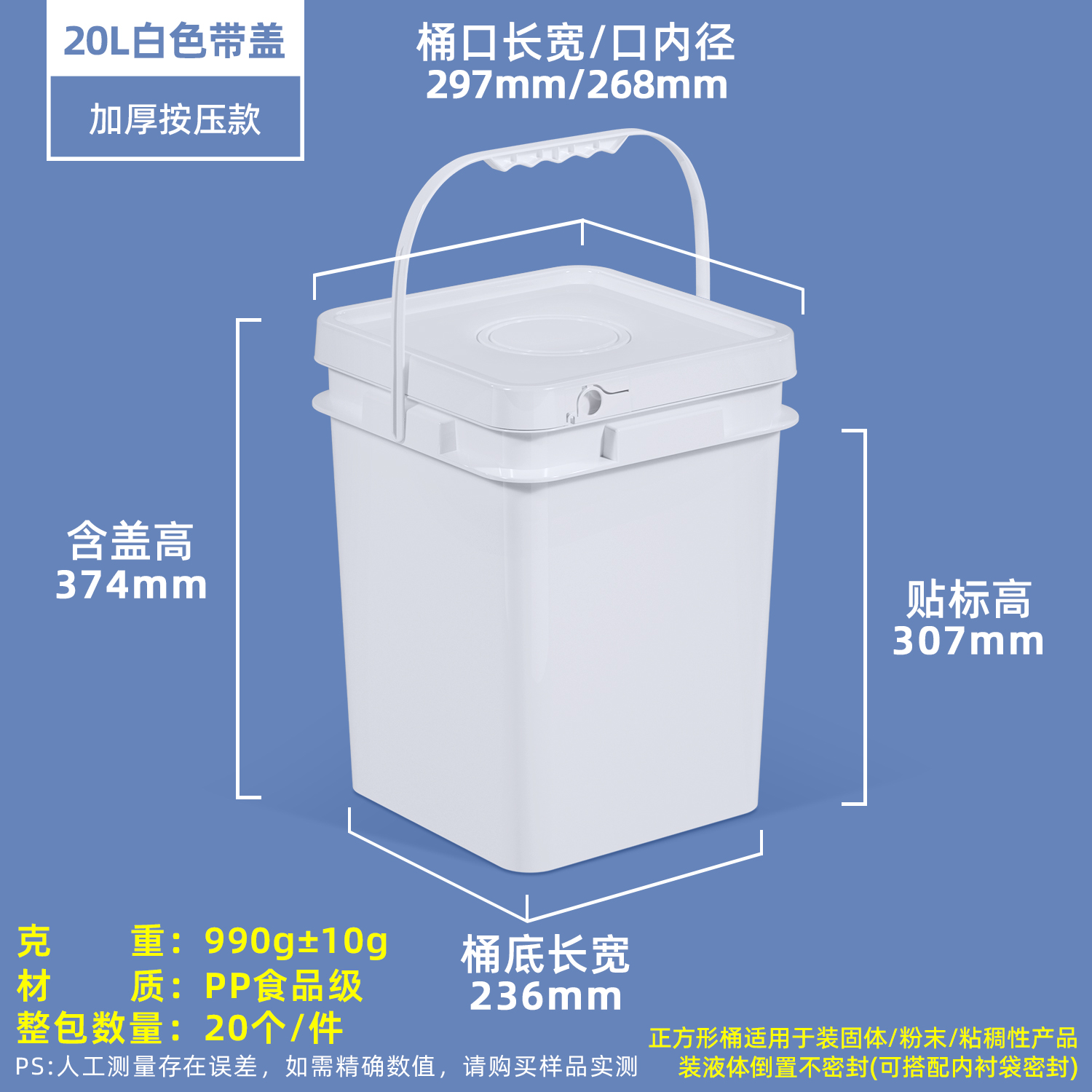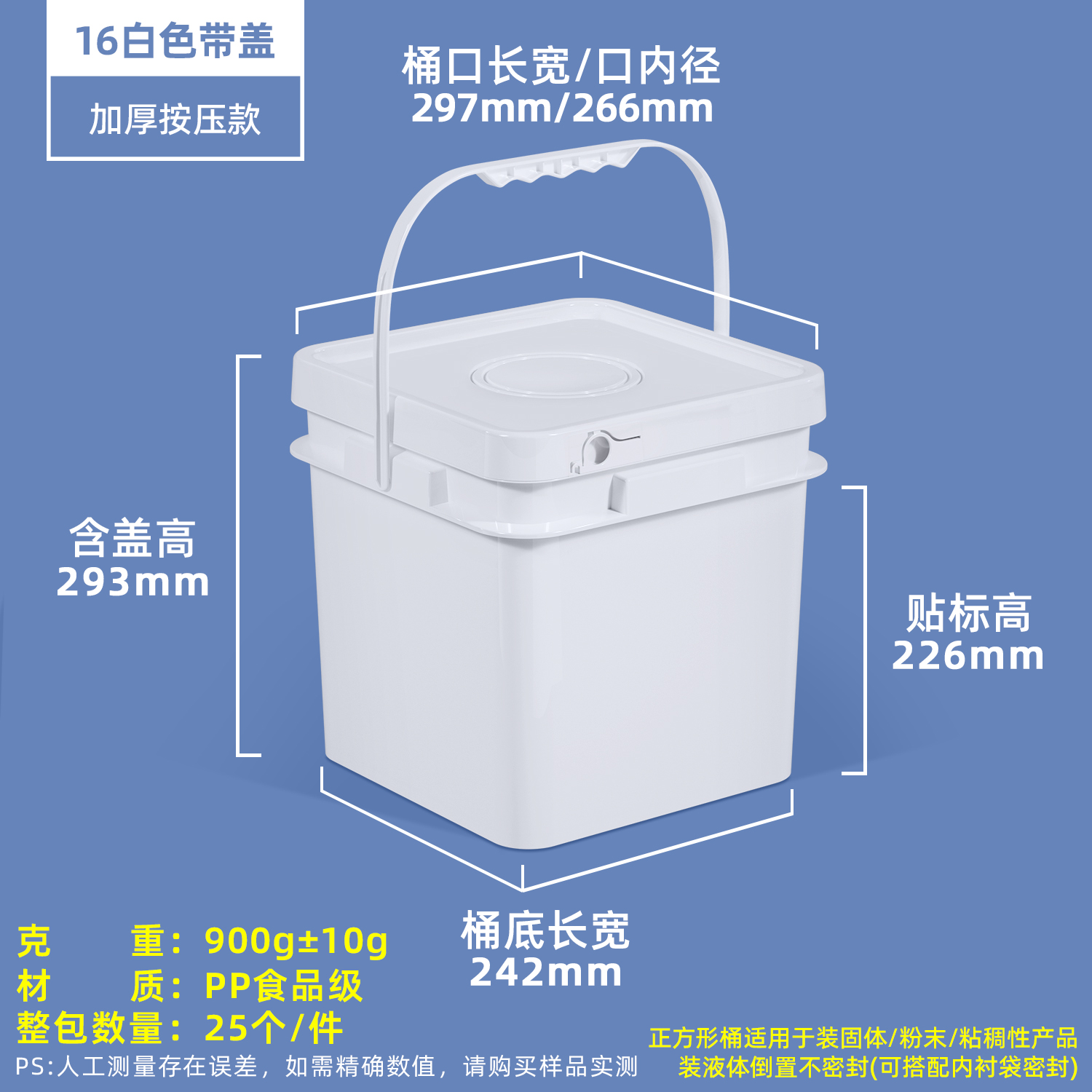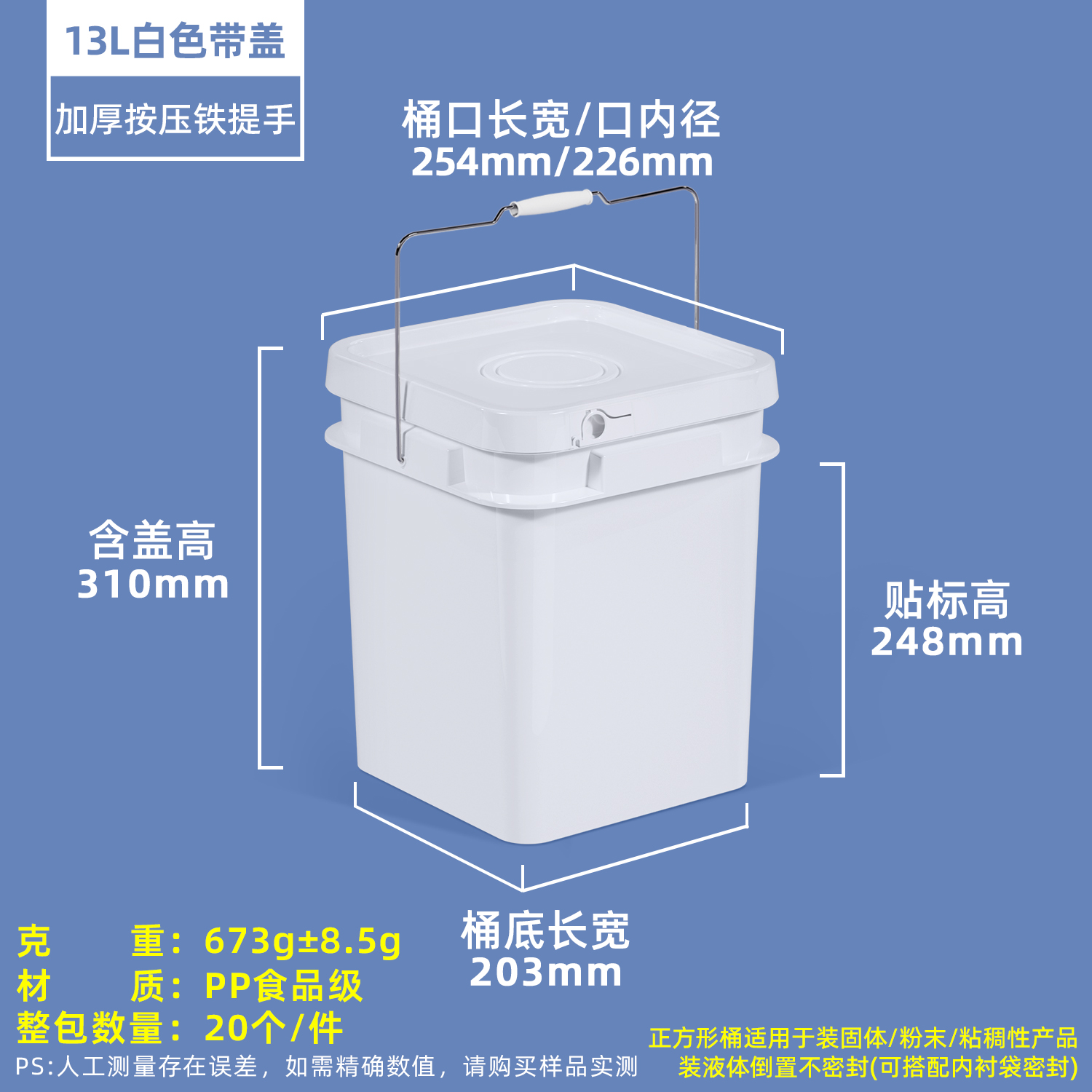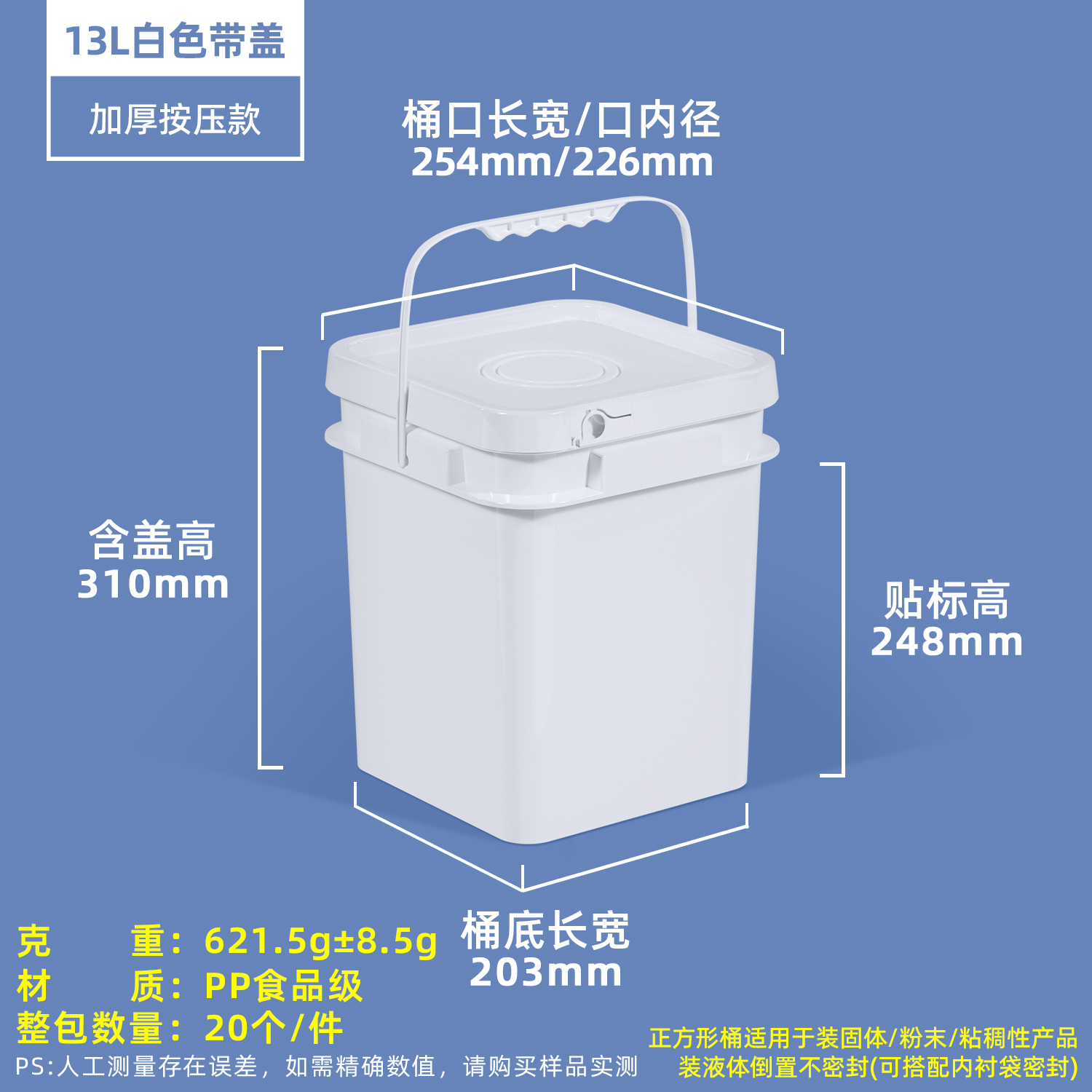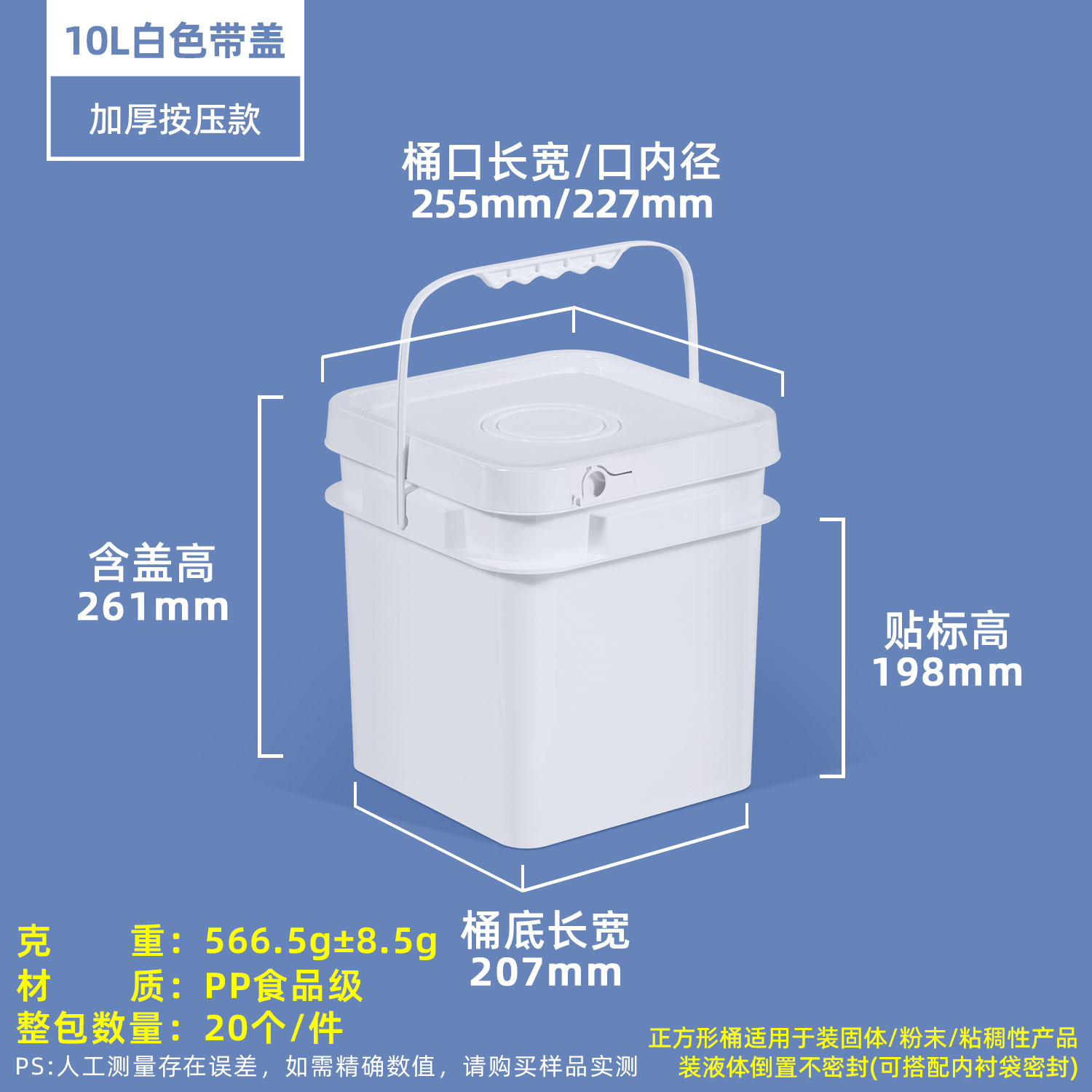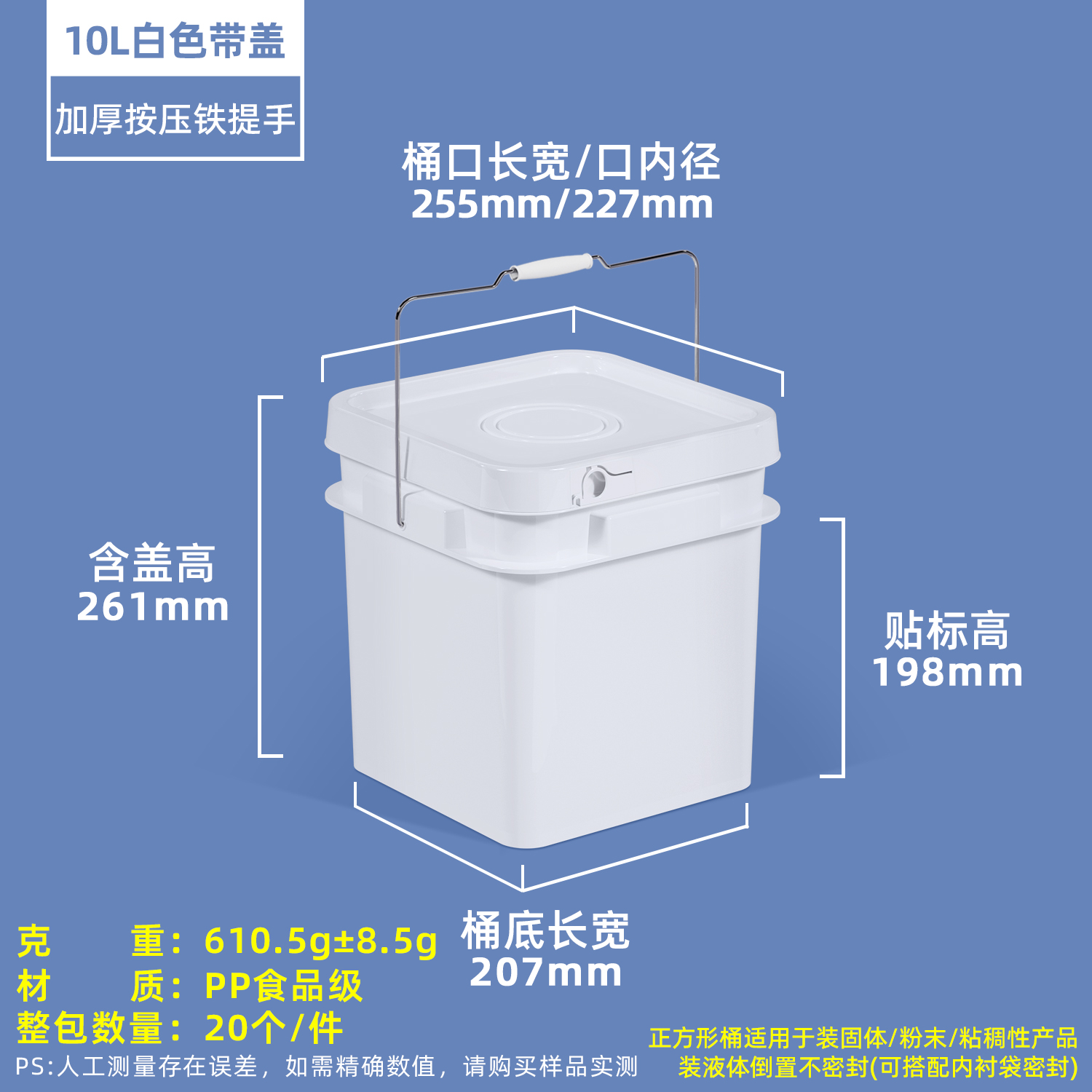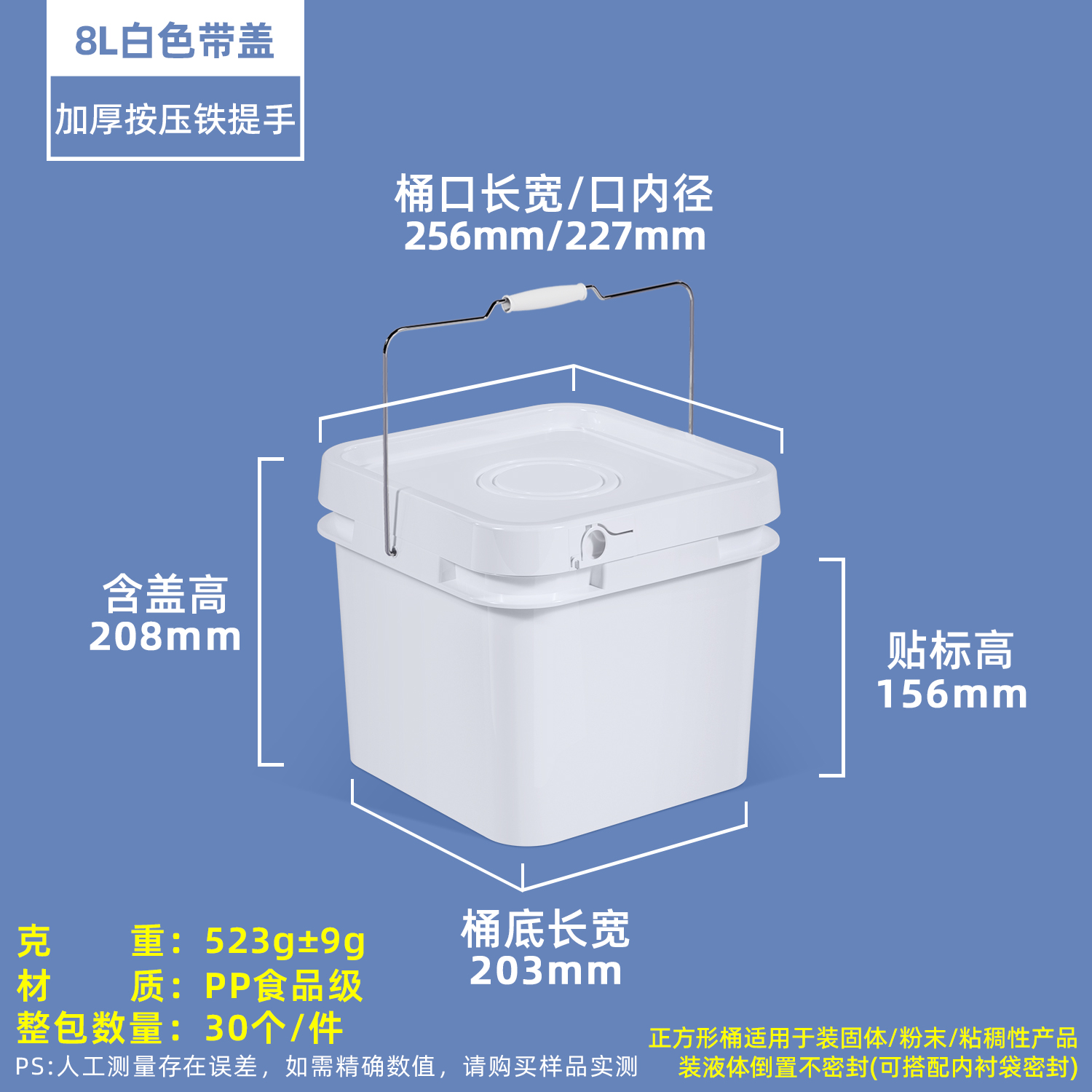
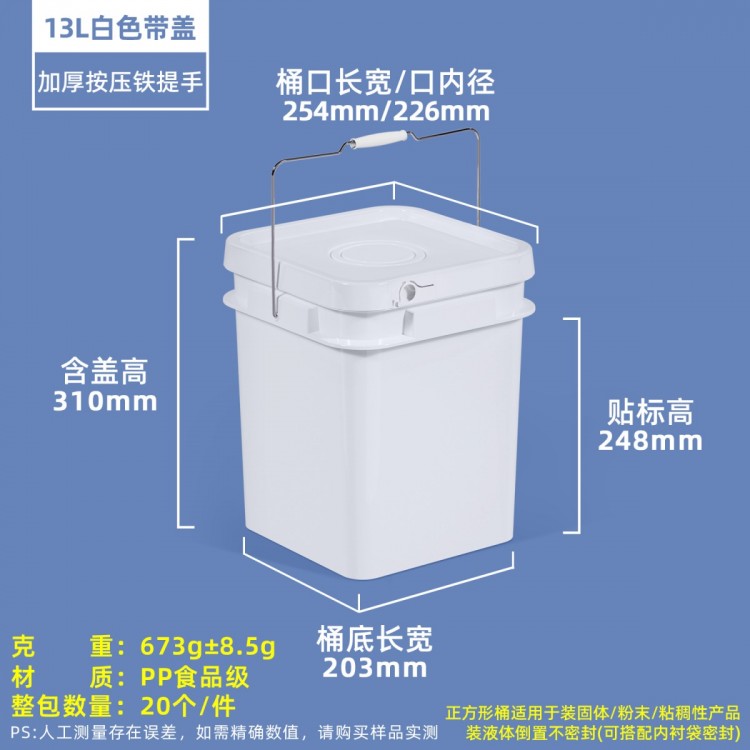
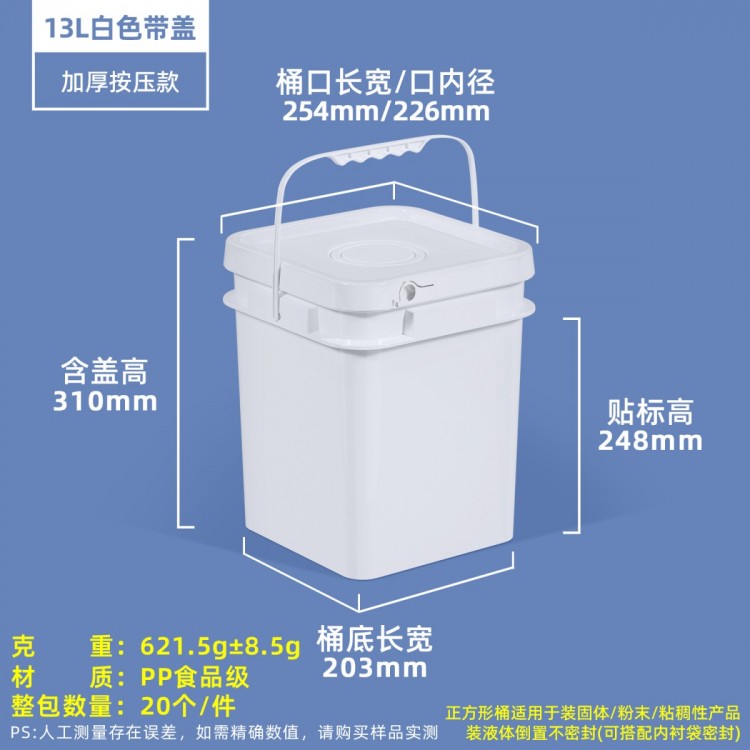







Urea drums are commonly used containers for storing urea and other chemicals, typically made of plastic or metal. Below is a detailed drum manual, explaining how to properly use and handle such containers.
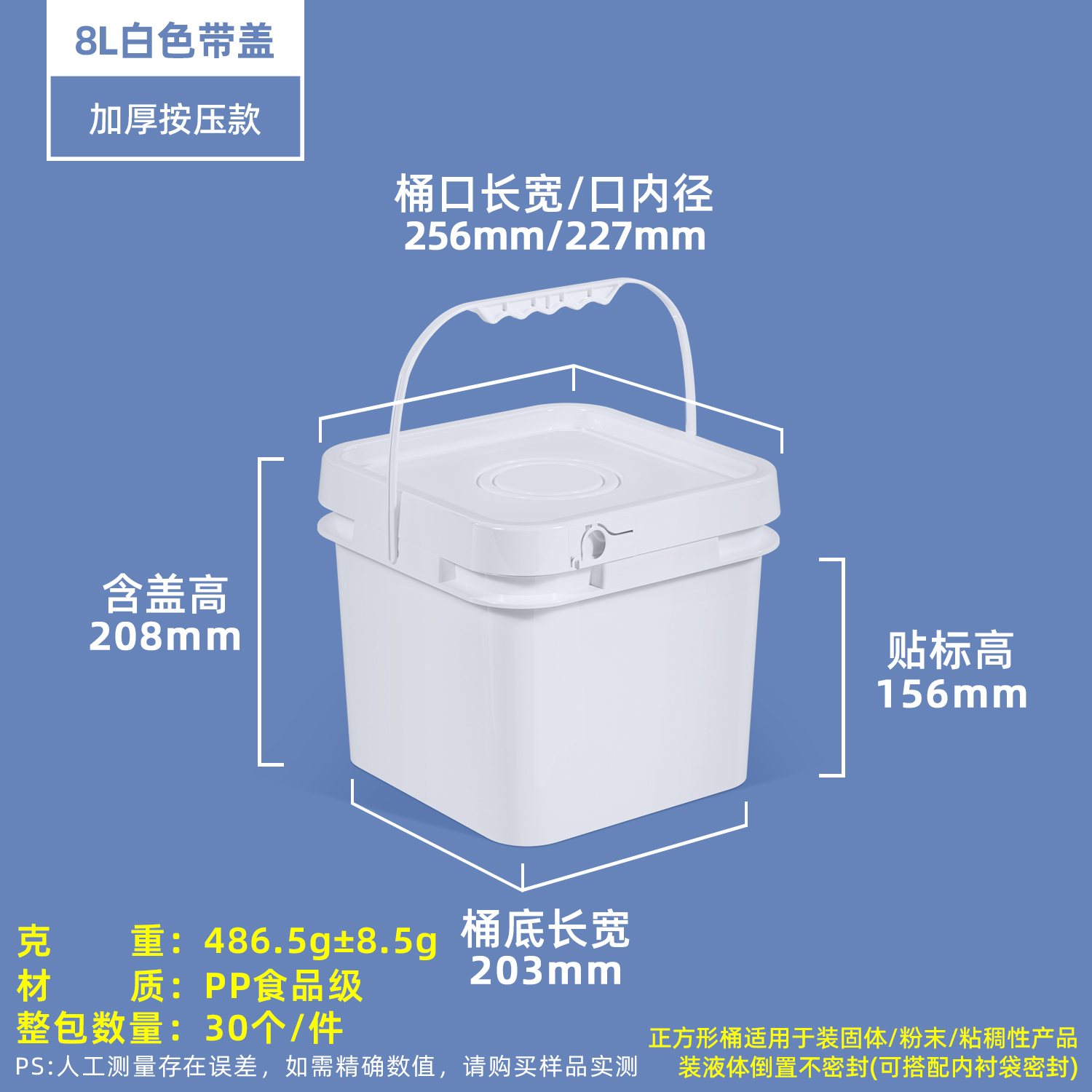
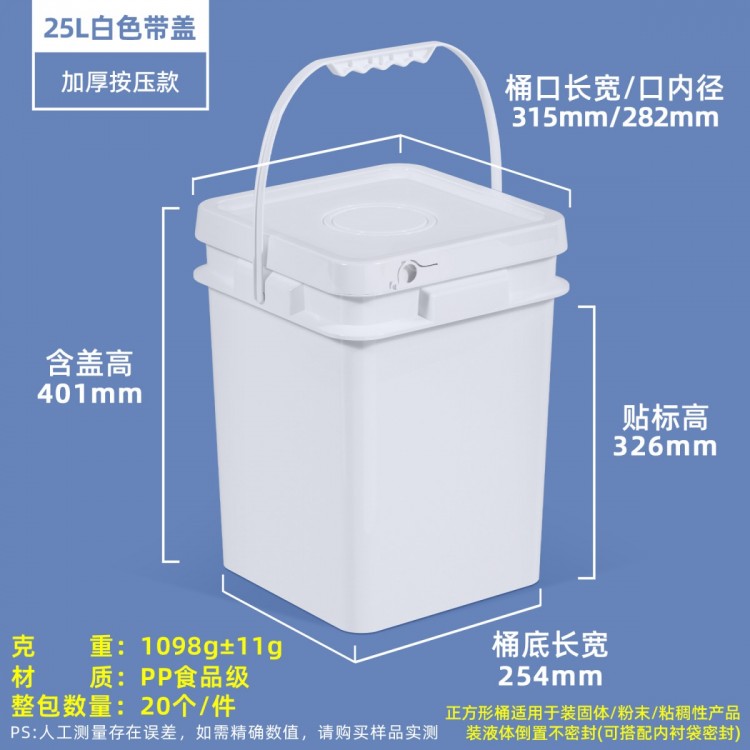
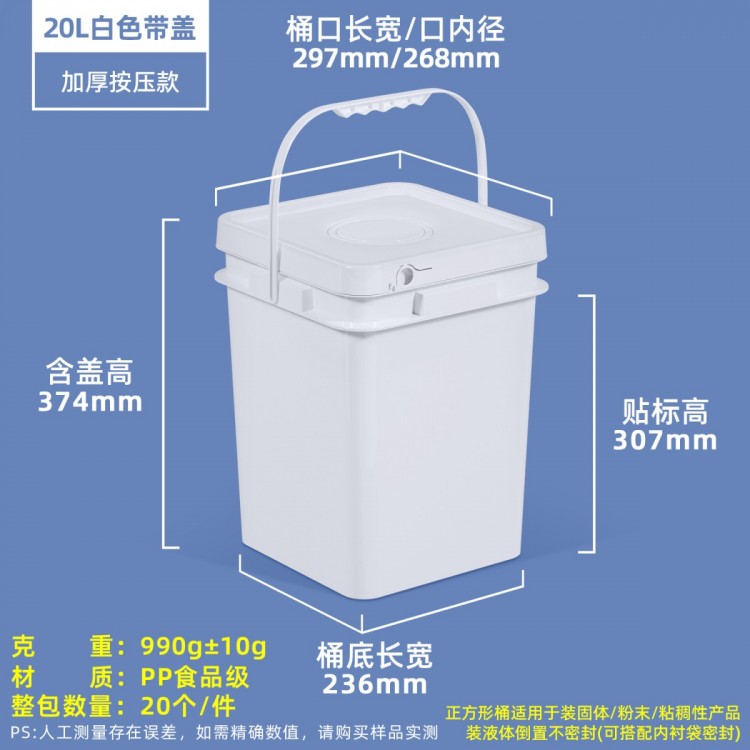
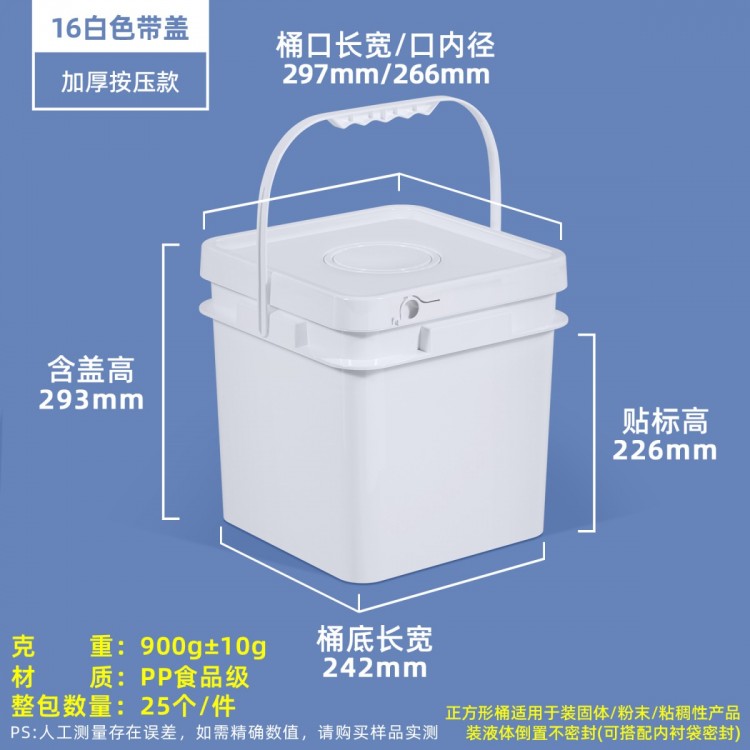
When selecting a urea drum, pay attention to its manufacturing material, capacity, dimensions, and weight to ensure it meets the required storage and transportation needs.
Before using the urea drum, please read and follow the instructions carefully. Pay special attention to the container's capacity and load limits, and keep the drum clean, free of oil stains and debris.
3. When loading urea, use tools to prevent contamination or affect loading efficiency. Also, be aware that urea contact with skin or eyes can have adverse health effects, so protective gear should be worn.
When transporting urea drums, ensure the vehicle is stable and avoid throwing, pressing, or friction against the drums to prevent damage or leakage. Additionally, label the drums with the name of the stored chemical, capacity, production date, and other information on the surface, and ensure they are monitored and protected carefully during transportation.
5. Empty urea drums should be thoroughly cleaned and disposed of safely in accordance with prescribed methods for waste containers. Additionally, it is essential to maintain good communication with waste disposal units to ensure the safe storage and transportation of waste.
6. Be mindful of the storage environment for urea drums, avoiding contact with acidic or alkaline substances, as well as environmental factors like high temperatures and humidity. It is recommended to regularly inspect the storage environment, maintain the containers, and promptly replace any damaged or worn-out urea drums.
In summary, urea drums are a common container for storing and transporting chemicals. Always read the instructions carefully and follow the operational procedures to ensure safe and stable transportation and storage of chemicals.