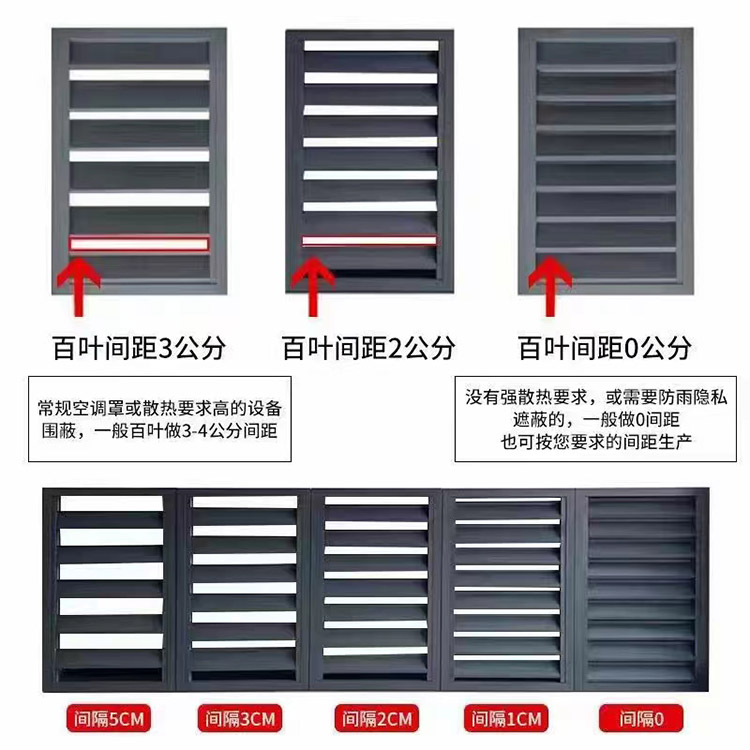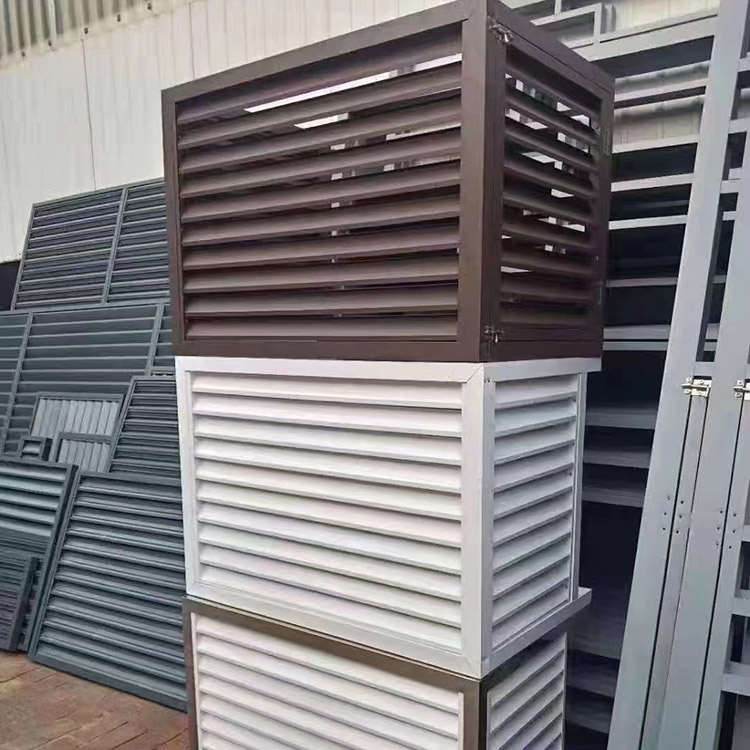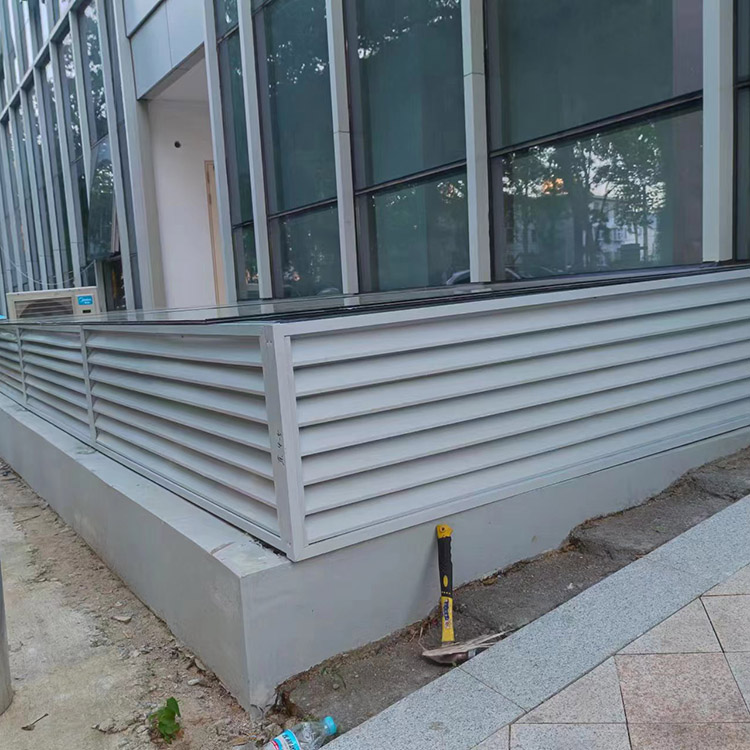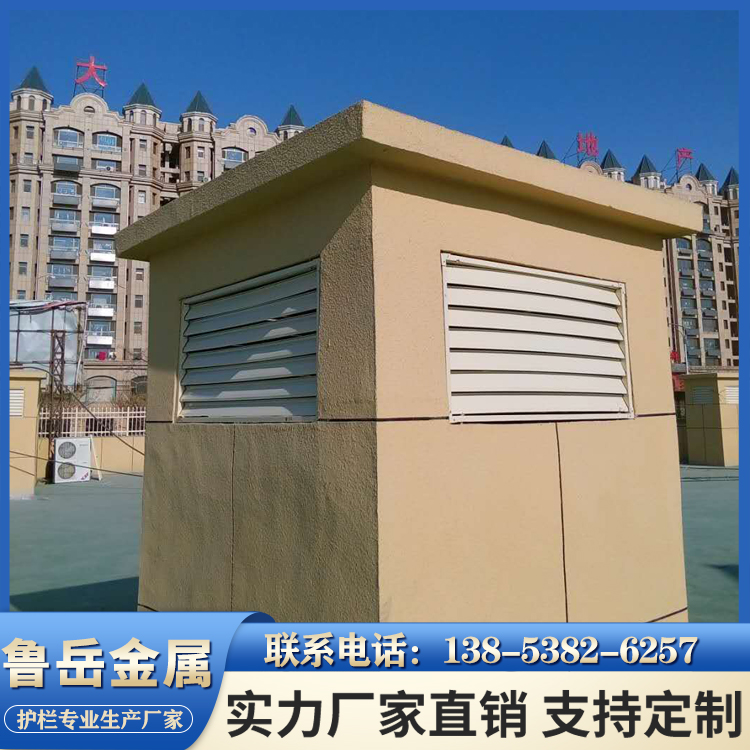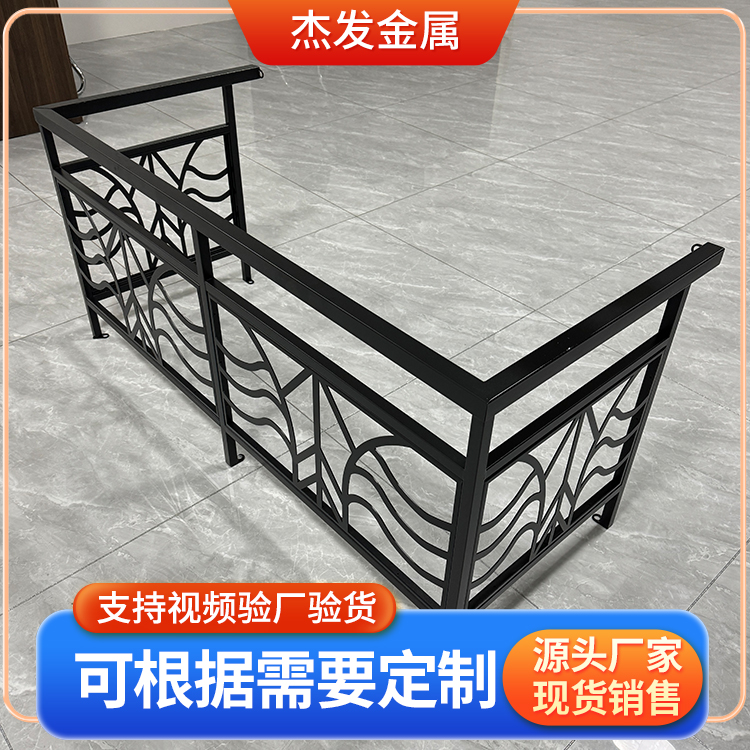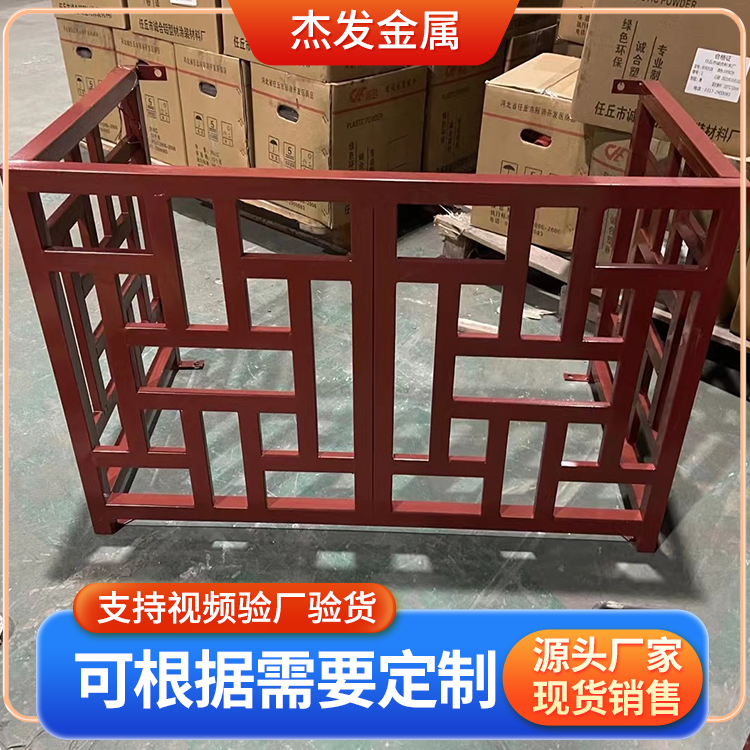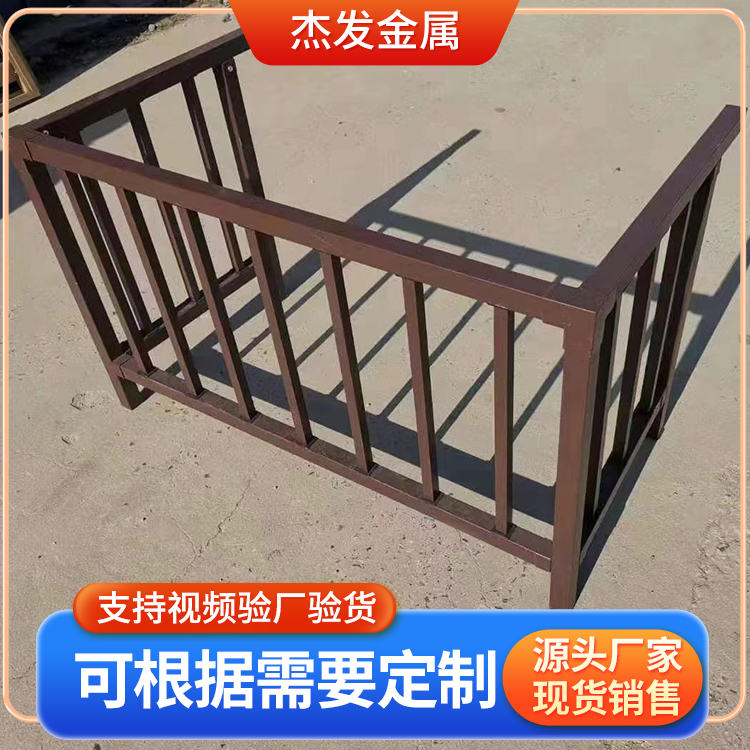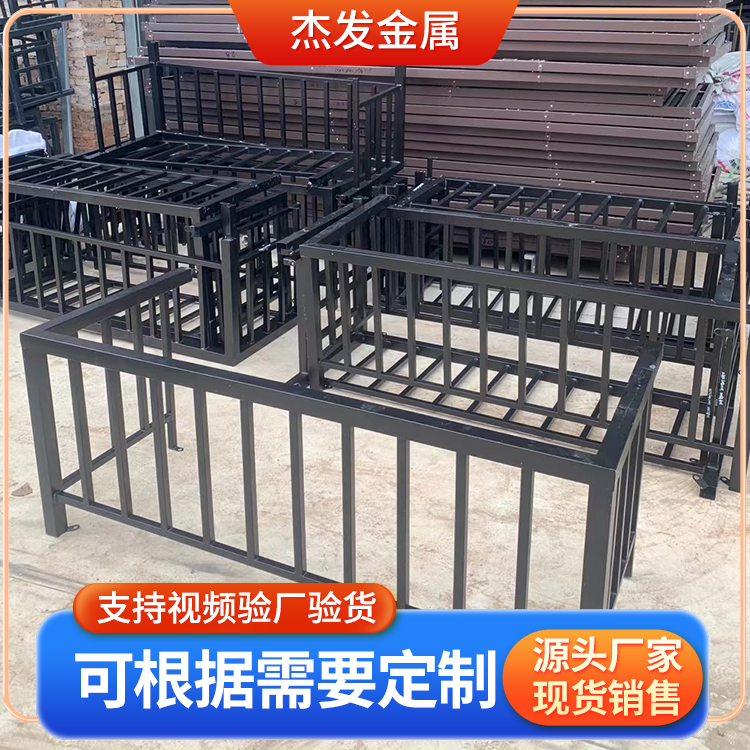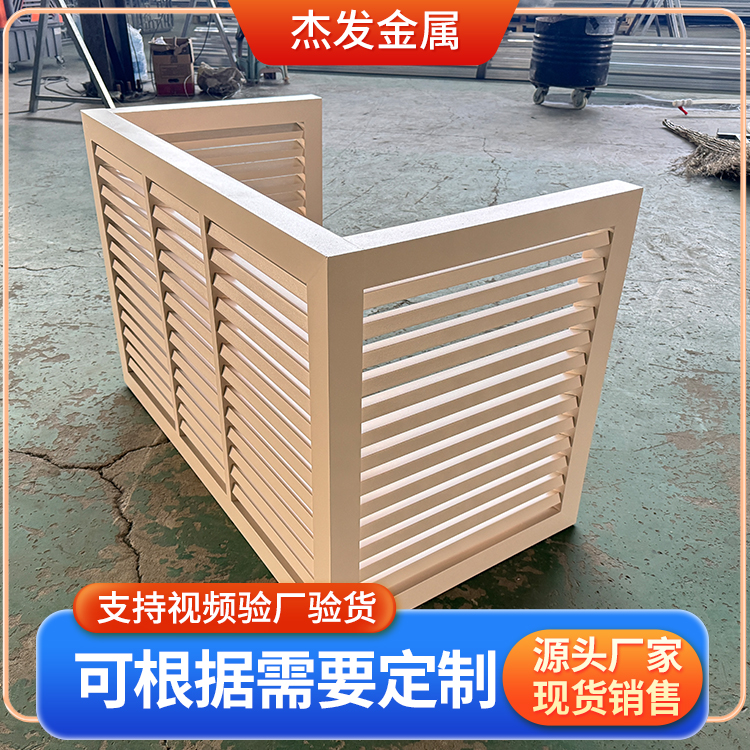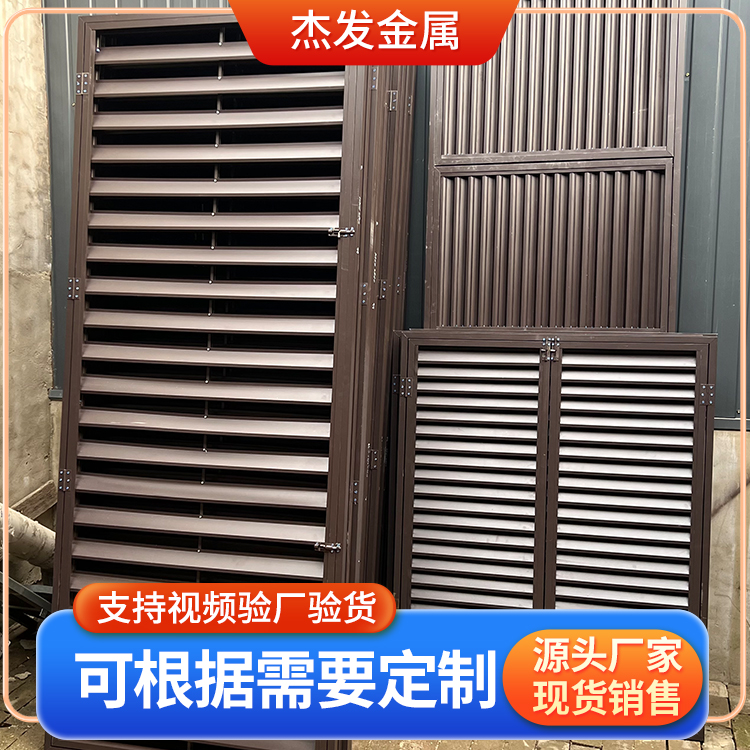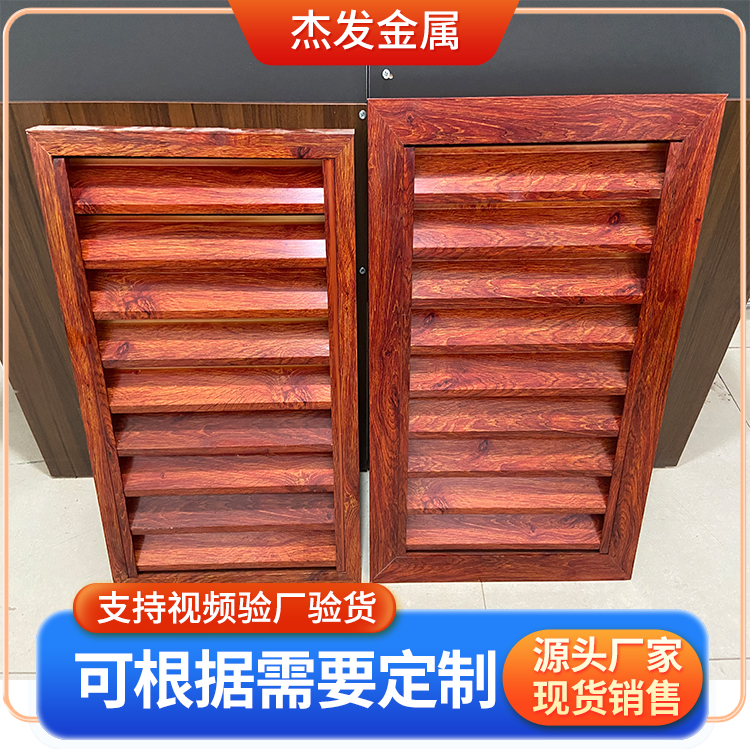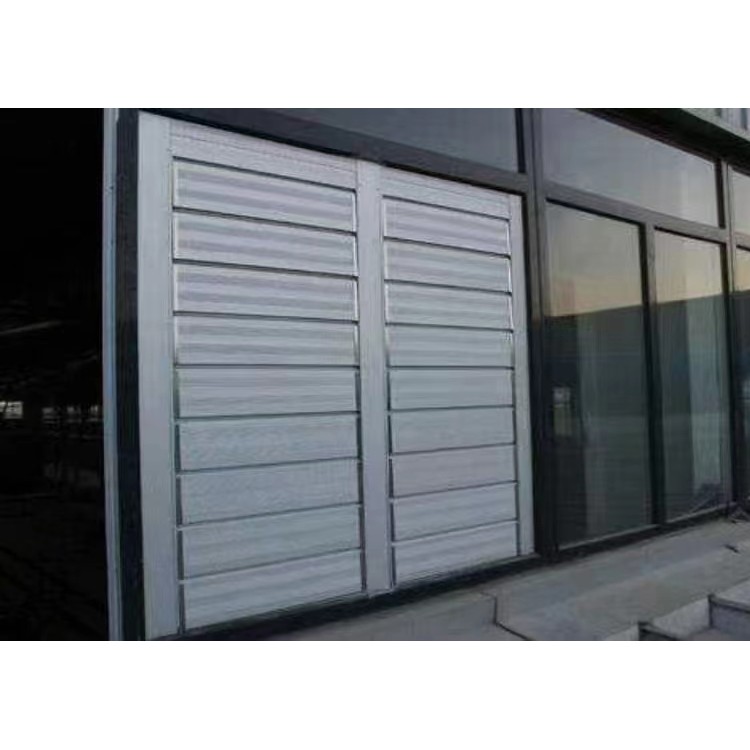

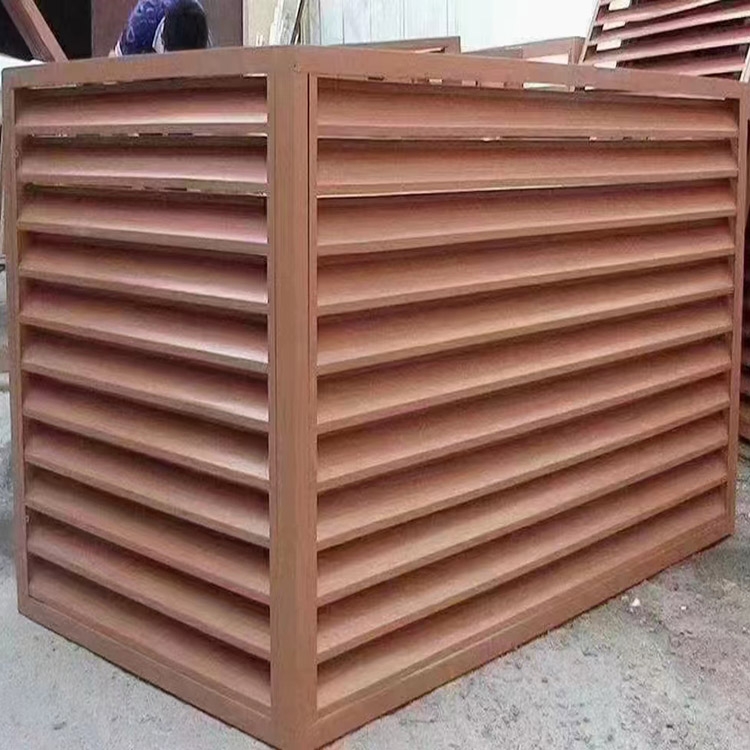


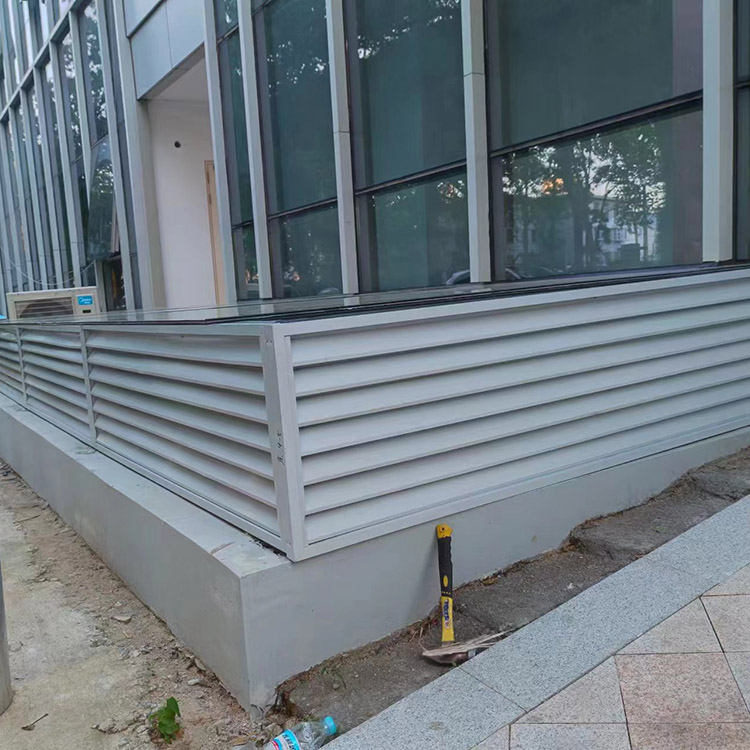







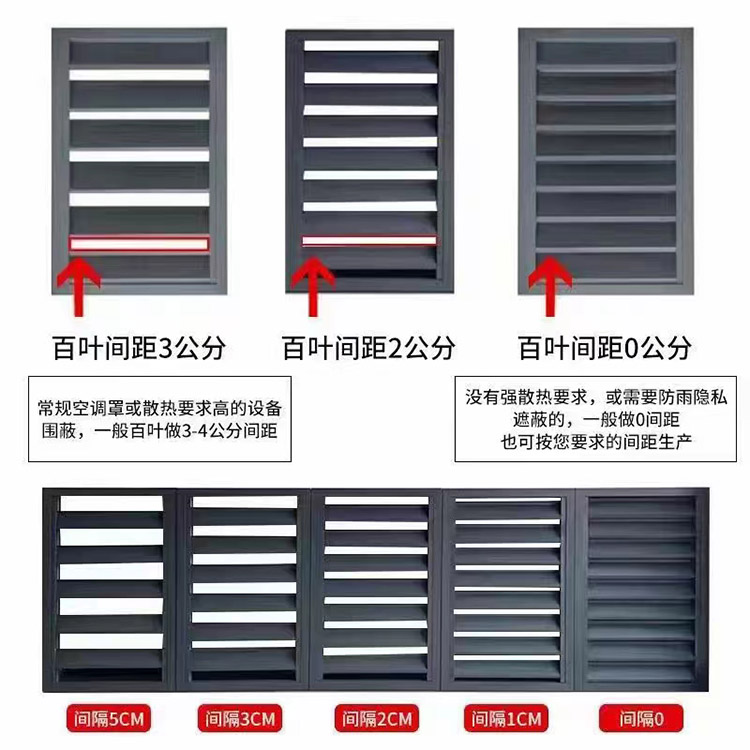
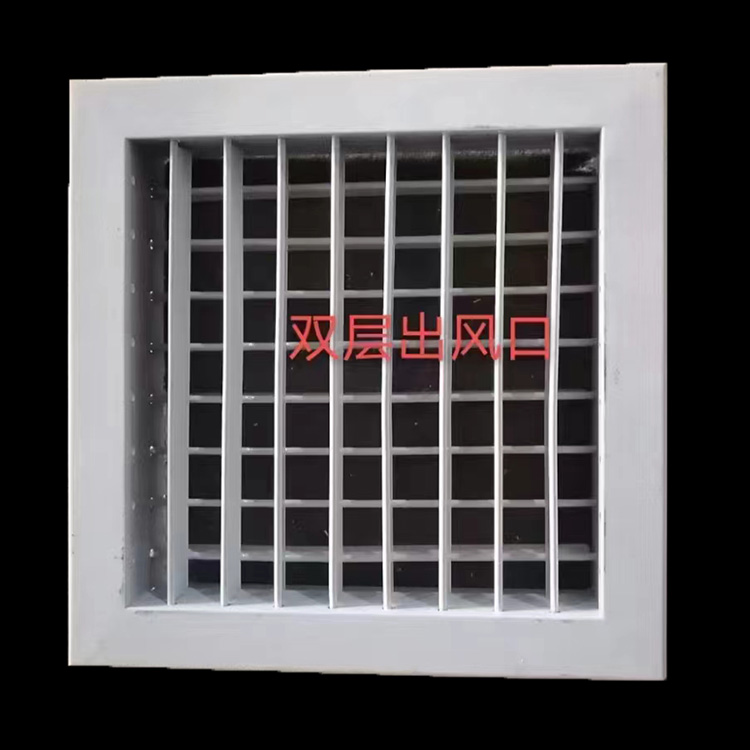
Aluminum alloy louver windows are made from hollow thin-walled composite sections, offering advantages such as light weight and high bending strength, and are widely used in the construction and decoration industries. There are numerous surface treatment methods for aluminum alloy louver windows, including anodizing, electro-phoresis coating, spraying, and wood grain transfer, all of which can be customized according to customer requirements.
When installing aluminum alloy louvers, note the following points:
The installation codes should be aligned in a straight line, ensuring all installation codes are installed on a single line.
The blades must be installed parallel to each other, with no misalignment or tilting.
The track installation must maintain parallelism; misalignment or deformation should not occur.
The gap between the slider and the track should be moderate, ensuring smooth sliding without any jamming or obstruction.
Regularly clean blinds to prevent dust and debris from affecting their performance.
Aluminum alloy louvers come in various sizes and styles for selection, allowing you to choose according to the room's size and decor style. Additionally, aluminum alloy louvers offer water-resistant, corrosion-proof, and fire-retardant features to meet the needs of different environments.