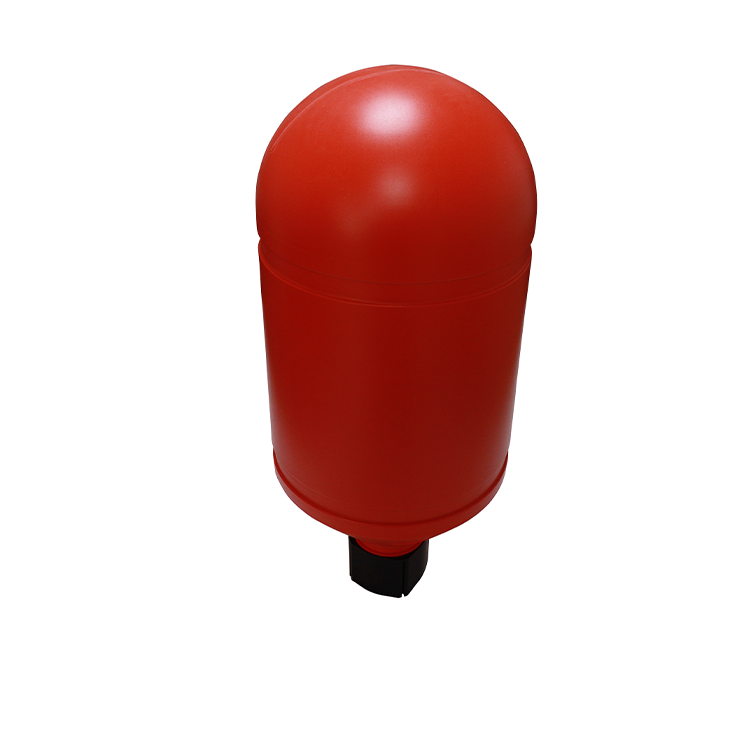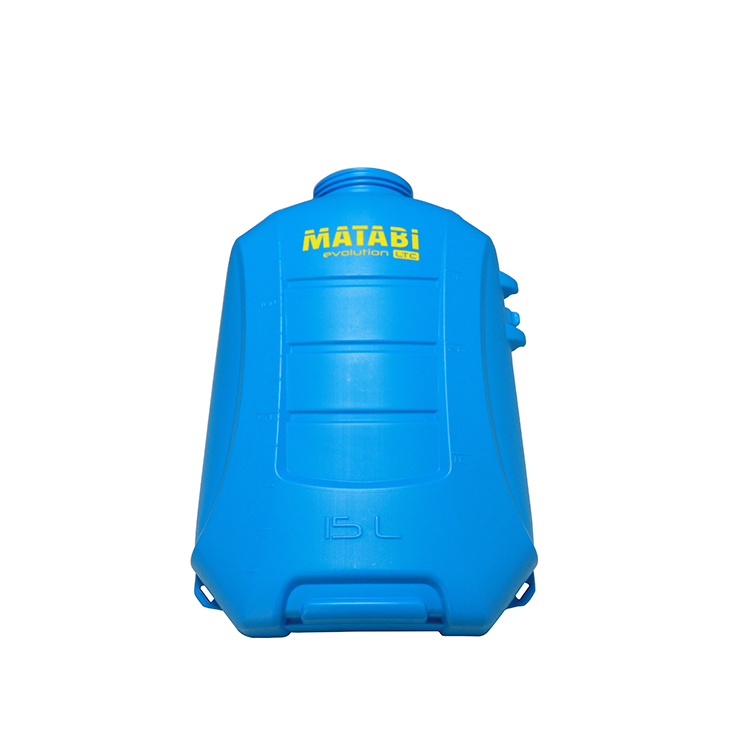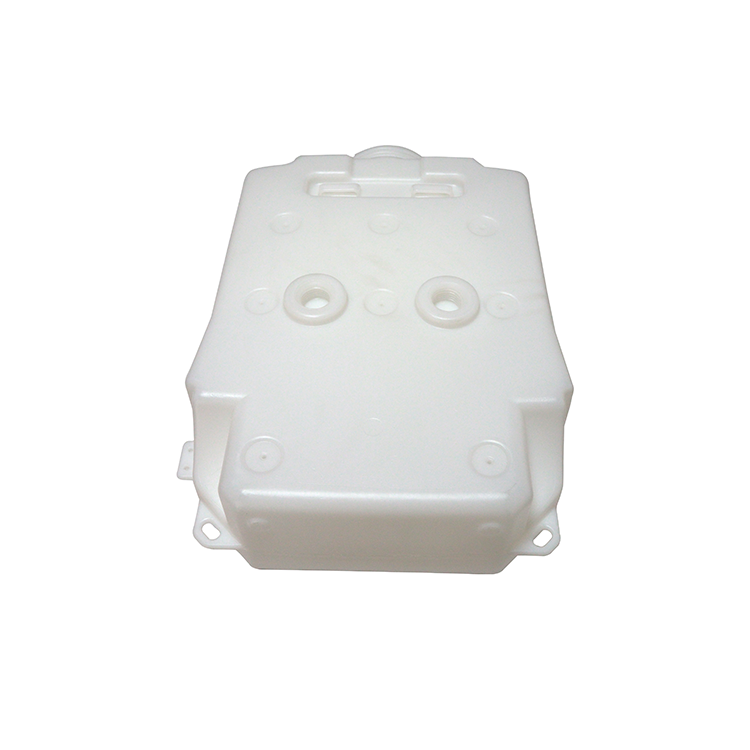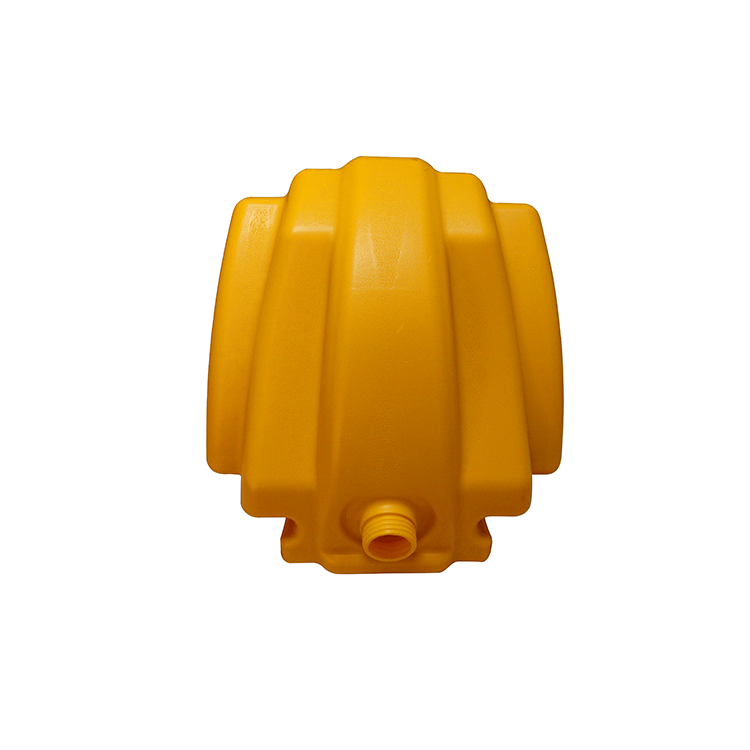


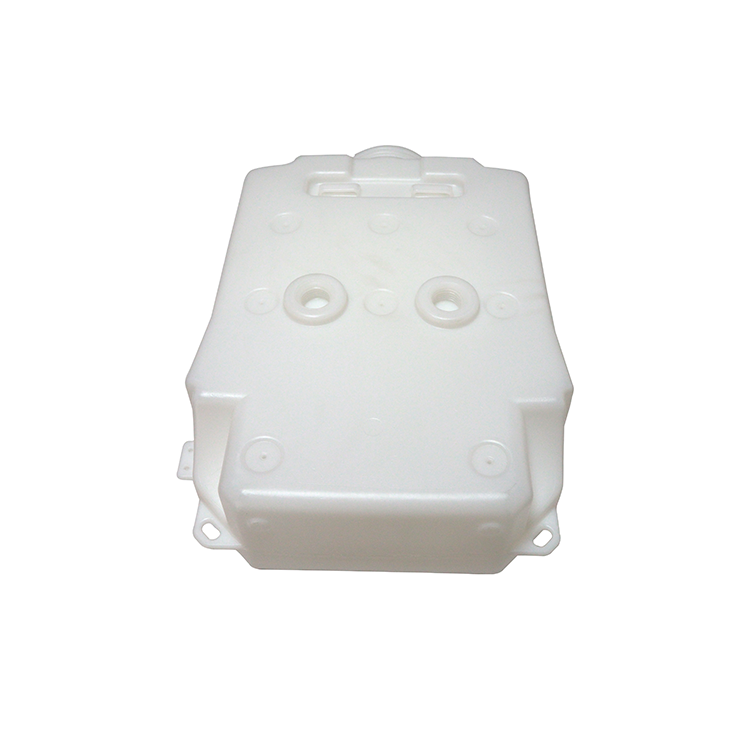
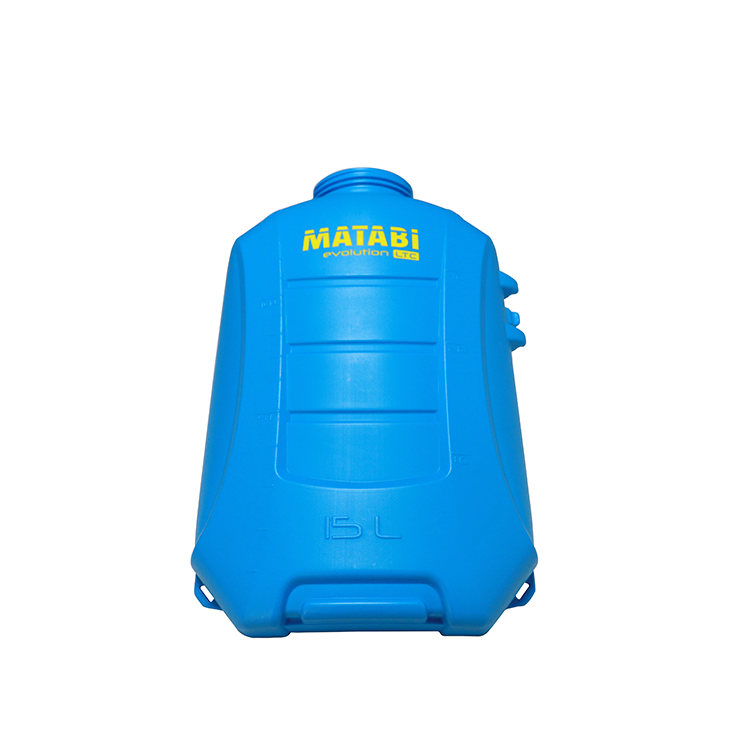




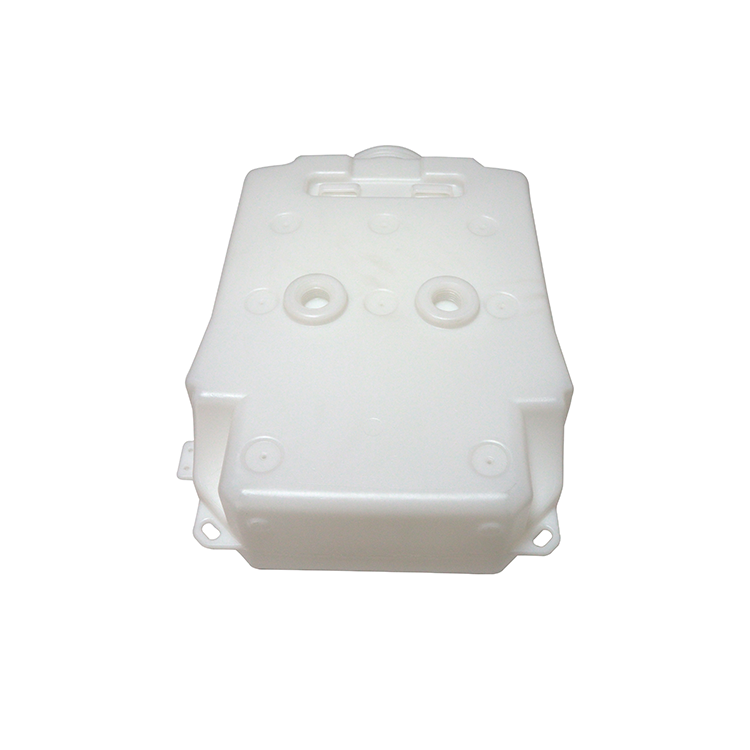






Blow molding film processing wholesale typically follows this general process:
Hopper feeding of material → Plasticizing extrusion → Blowing and stretching → Air ring cooling → V-shaped clamp → Roller traction → Corona treatment → Film winding
However, it is worth noting that the performance of blow molding processed wholesale film is greatly related to the production process parameters. Therefore, during the blowing process, it is essential to strengthen the control of process parameters, standardize operational procedures, and ensure the smooth production process to obtain high-quality film products. In the production of polyethylene blow molding processed wholesale film, the control of the following process parameters is mainly focused on:
Extruder temperature
During the blow molding process for low-density polyethylene (LDPE) film, the extrusion temperature is typically maintained between 160℃ and 170℃, with the requirement that the head temperature be uniform. Excessive extrusion temperature can cause resin decomposition and make the film脆, particularly reducing the longitudinal tensile strength significantly; conversely, if the temperature is too low, the resin will not be properly plasticized, preventing smooth expansion and stretching, resulting in lower tensile strength of the film, poor surface luster and transparency, and even the appearance of wood grain patterns and unmelted crystal nuclei (fish eyes).
2. Blowing Ratio
Blow-up ratio is one of the key control points in the production process of blown film for blow molding wholesale, referring to the ratio of the diameter of the blown film bubble to the diameter of the unblown tube ring. The blow-up ratio represents the lateral expansion multiple of the film and, in essence, is a lateral stretching of the film, which exerts a certain degree of orientation on the plastic molecules. As the blow-up ratio increases, it enhances the lateral strength of the film. However, the blow-up ratio should not be too high, as it can lead to instability in the film bubble and an increased likelihood of creases. Therefore, the blow-up ratio should be appropriately matched with the draw ratio. Generally, for low-density polyethylene (LDPE) film, the blow-up ratio should be controlled between 2.5 and 3.0.
Blow molding wholesale products produce pollutants.
During the blow molding processing and wholesale manufacturing, plastic pellets produce a small amount of organic waste gas due to high temperatures, with the main component being non-total hydrocarbons.