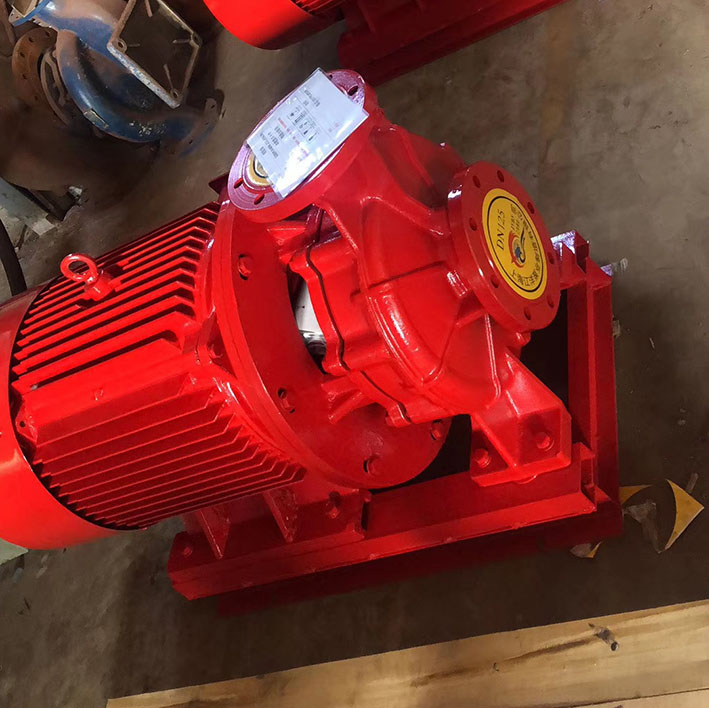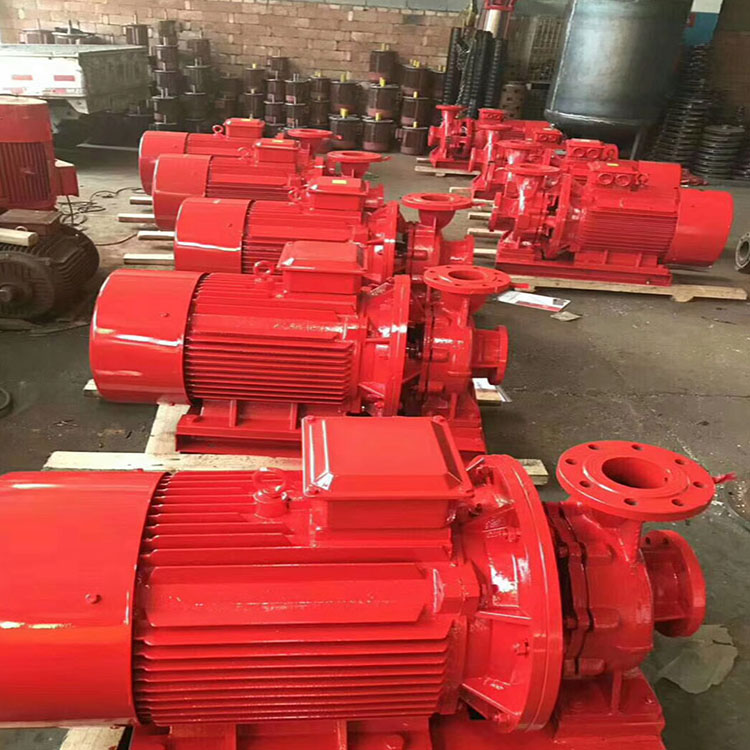












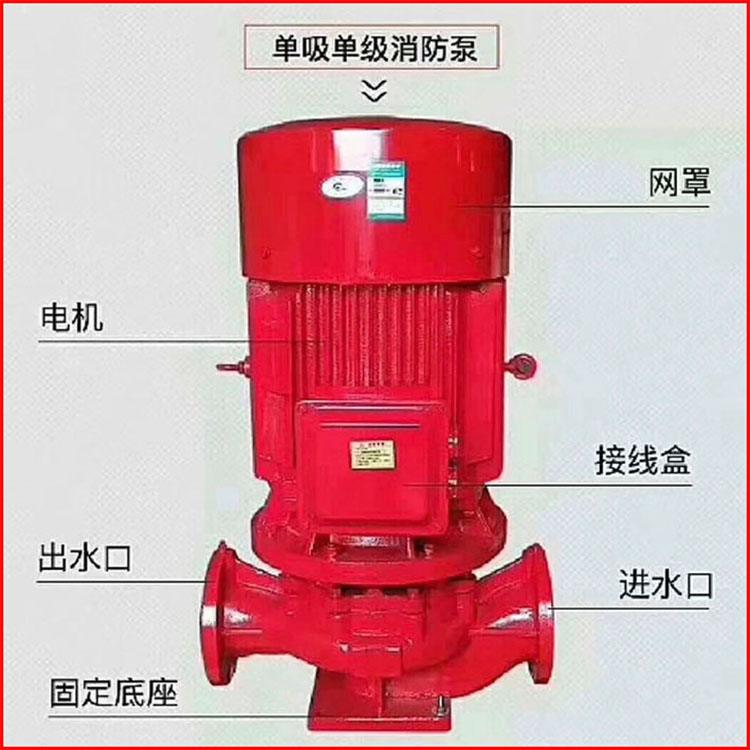

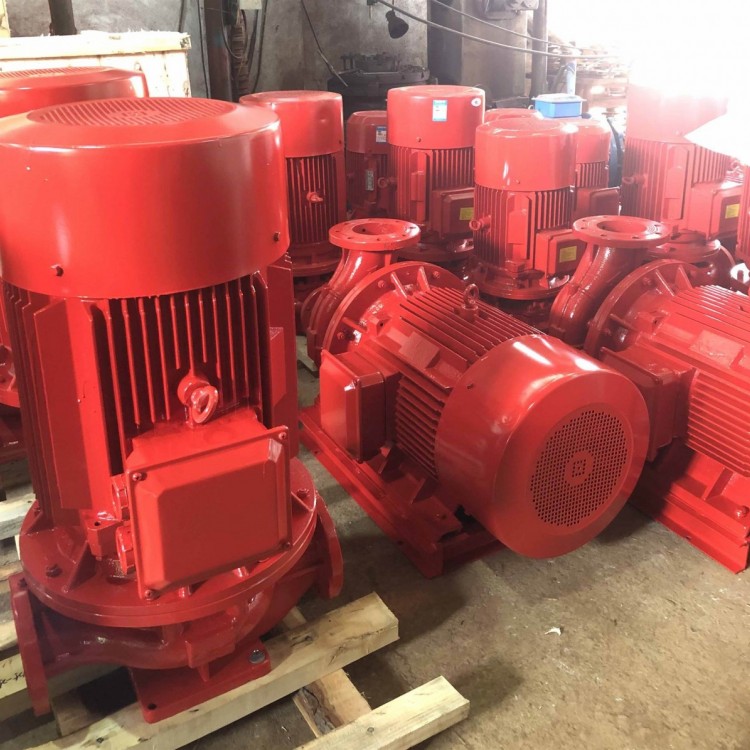

Horizontal Fire Extinguishing Pump XBD6/90G-JYW Horizontal Fire Sprinkler Pump

Preventing the occurrence of a situation is far more important than resolving it.
Key Points for Watching the Market:
1. In the stock market, nine out of ten people have been caught in a losing position. How to break free becomes a tough issue for investors to face. In fact, it's more practical to prevent getting caught in a losing position in the first place than to struggle to break free after the fact. 2. When the stock price has surged for a long time and the increase is substantial, it's not advisable to enter the market blindly, as it could lead to public loss.
3. After a stock has risen for a while and a doji appears at a high point, do not rush into the market blindly to avoid getting trapped.
4 After a long period of stock price increase, be cautious even when favorable market news arises.
This is likely a trap set primarily for shipment.
Stock markets fluctuate due to various factors, with unexpected news often causing abnormal stock price movements, surprising investors. It's not uncommon for investors to buy stocks that don't rise but instead plummet, leading to heavy losses and being trapped. This can be a significant disaster for investors, and figuring out how to get out of the trap becomes a challenging issue. In reality, finding a way to get out of the trap is less practical than finding ways to avoid being trapped in the first place, as being trapped always results in losses. If investors can exit the market in time before unusual movements occur, they can avoid losses. Therefore, it's better to prevent being trapped rather than struggling to get out of it later. So, how can investors avoid being trapped?
Preventive measures are far superior to frantically brainstorming solutions after the fact.
Investors must think twice before purchasing: What is the reason for buying this stock? Is this a short-term, medium-term, or long-term investment? At what price point should I consider buying this stock? And if the stock doesn't rise but falls, by how much am I willing to take a loss and exit? Only after fully considering and estimating these questions should one proceed, to avoid looking foolish, even if the stock does fall, one should not panic, but face it calmly and handle it with composure.
In practical trading, when the stock market surges and the temptation to act impulsively arises, one must not be overly hasty. Nine times out of ten, those who act without thinking end up being trapped in a losing position. A sudden surge in the stock market often lures impulsive investors. To prevent getting trapped, investors should always remember:
Buy after the price stops rising for a while and a Doji (cross) appears on the daily K-line.
2) Avoid buying after a big sale. 3) Avoid buying when there's a sudden surge in volume after a prolonged period of price increase.
(4. It became a reality after the daily K-line appeared with three gaps after a period of rising)
(5) Avoid buying after a significant bullish news that has already been anticipated in a market that has experienced a long-term uptrend.
Investors should remain calm in the face of the above five market conditions, control their emotions, and develop the habit of independent thinking. Although it's not out of the question that major players might be shakeout or cornering the market, at least 80% of the locked-in traps can be avoided.