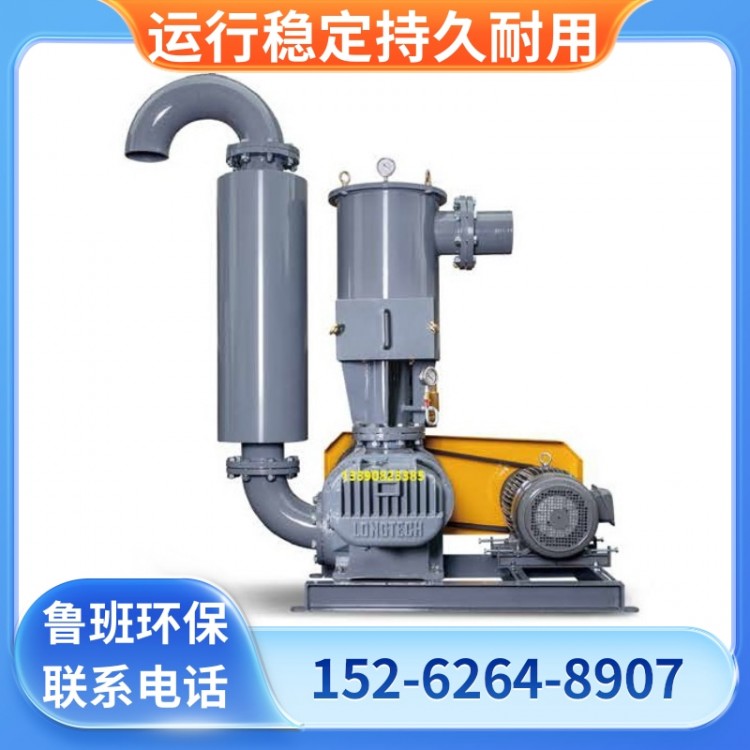
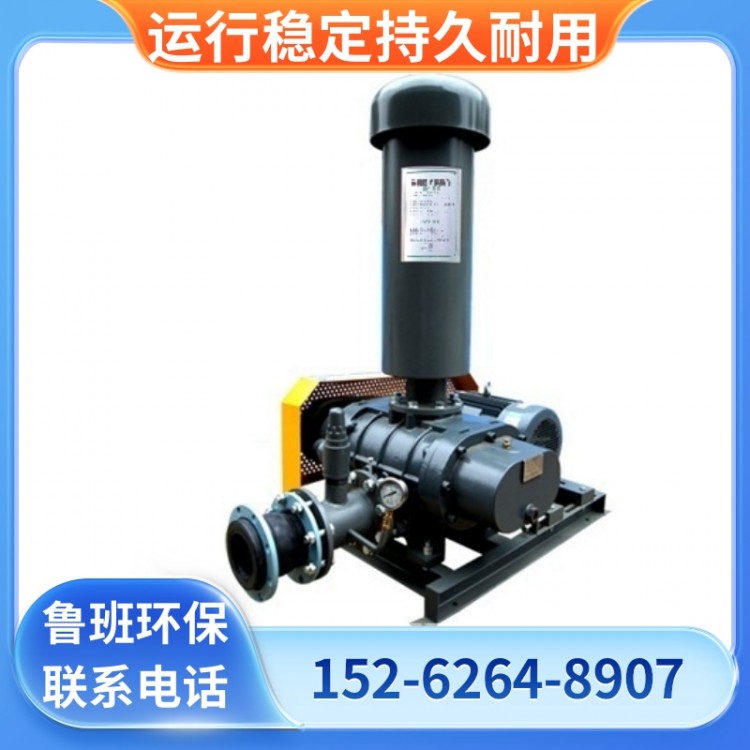
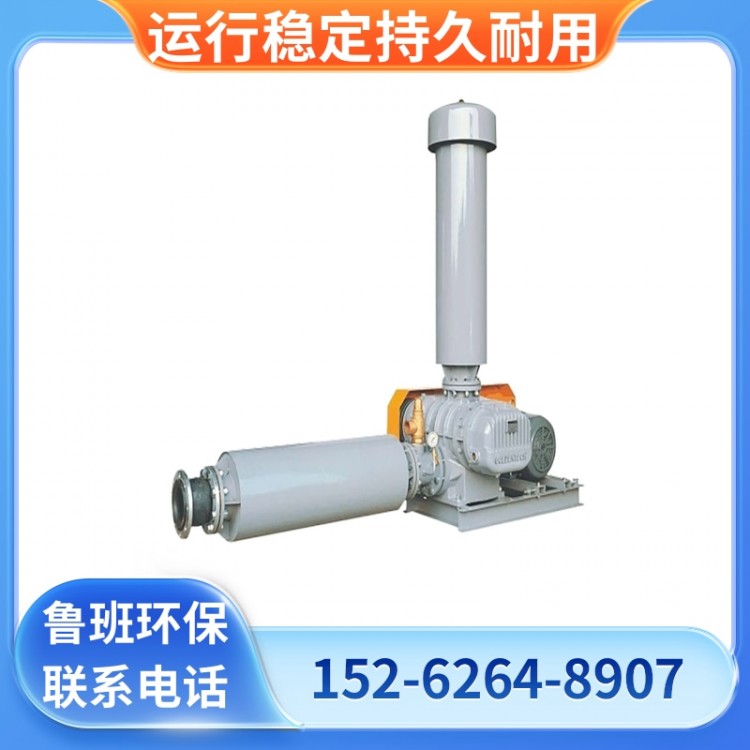







Performance Comparison
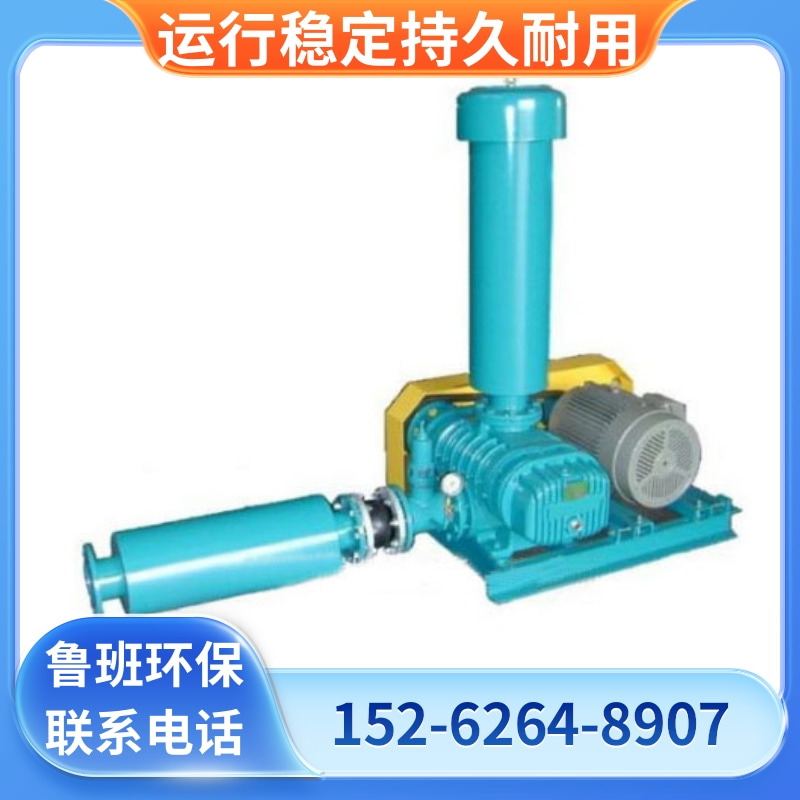
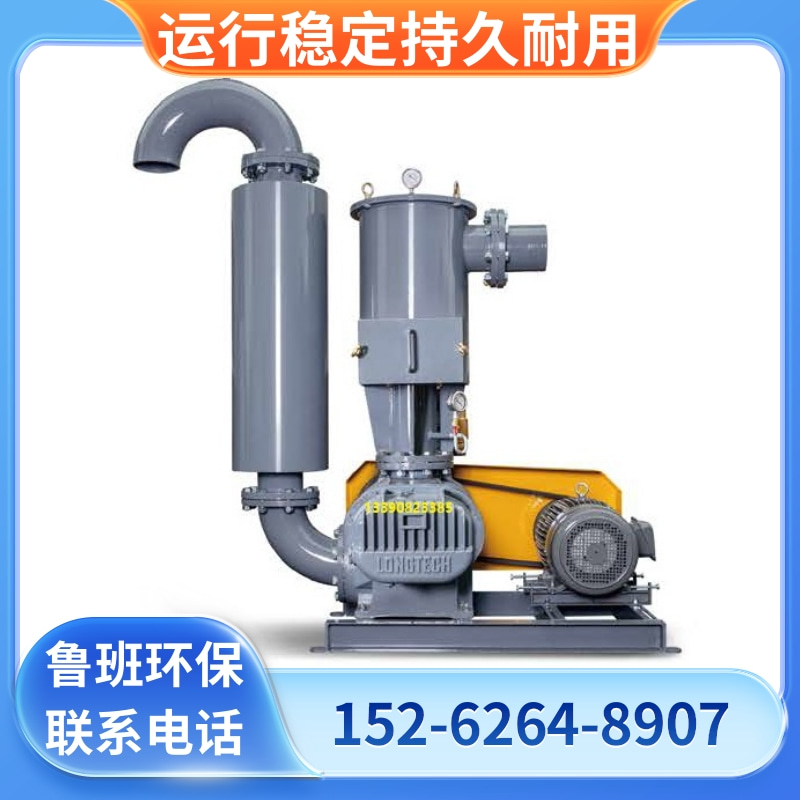
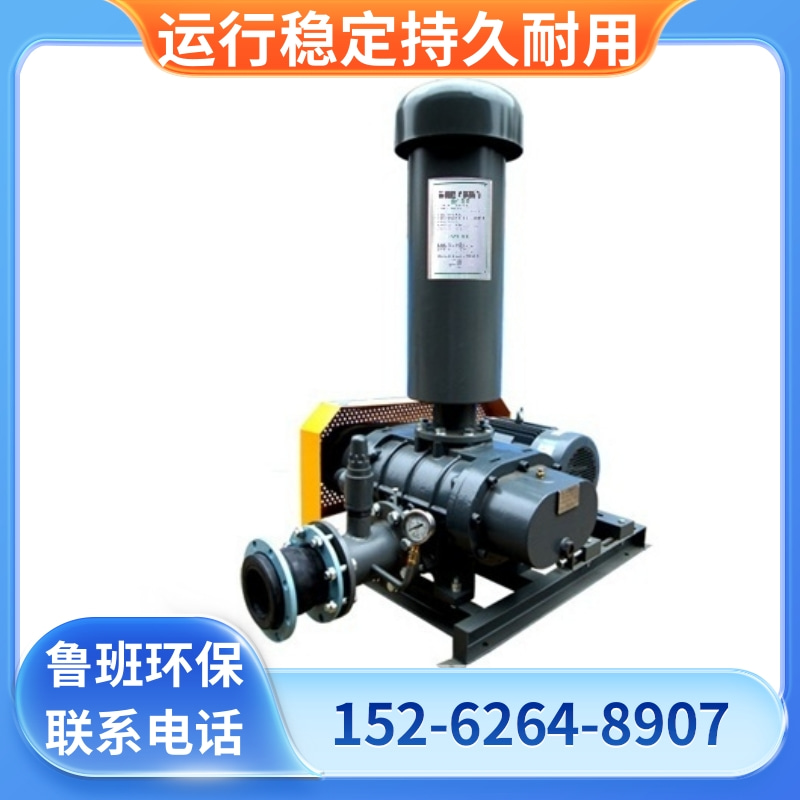
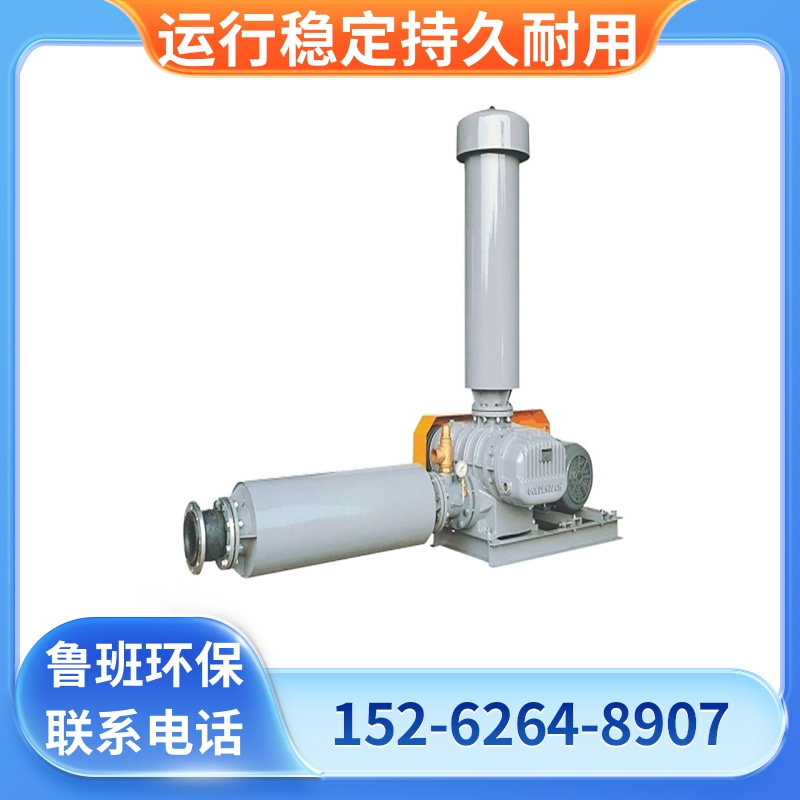
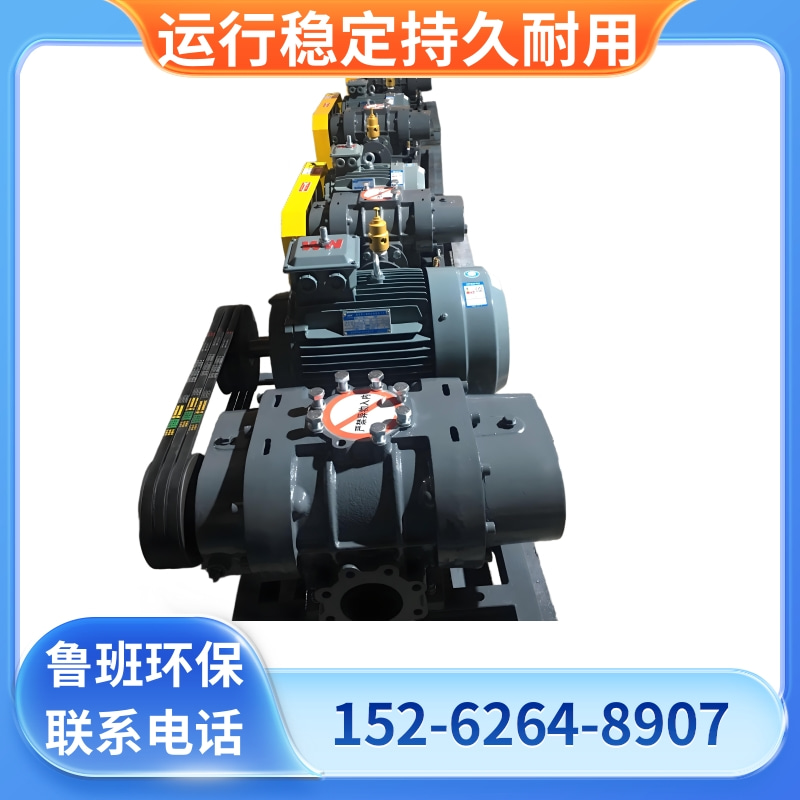
The three-blade Roots blower has less gas pulsation, vibration, and noise compared to the two-blade type. The impellers on the two shafts of the blower maintain a small gap with the elliptical shell inner surface, the impeller end face, and the blower front and rear end covers, as well as between the blower impellers. Under the drive of the synchronous gears, the air is transported from the blower intake to the discharge side along the inner wall of the shell. Both rotors are fixed to a set of synchronous gears, thus, during rotation, the cylinder and rotor maintain a relatively small gap, preventing them from contacting each other. Generally, the gap is about a few millimeters. Since there is no friction between them, the three-blade Roots blower can operate at high speeds to achieve large air volume or exhaust velocity.
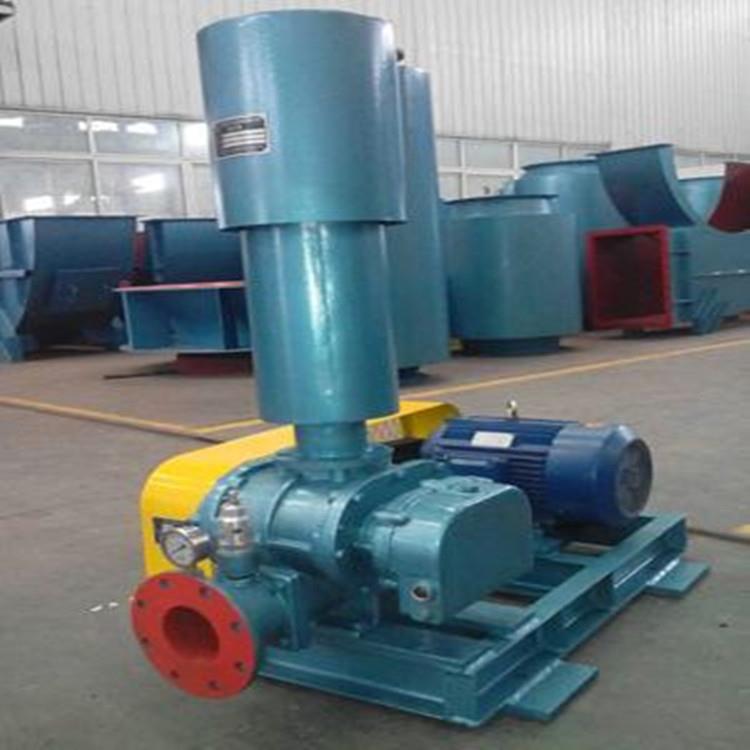
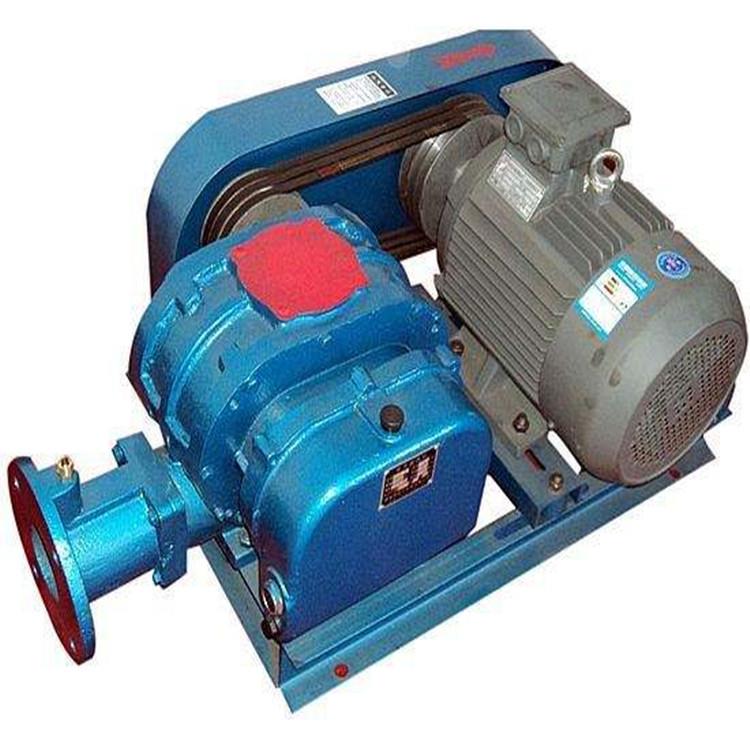
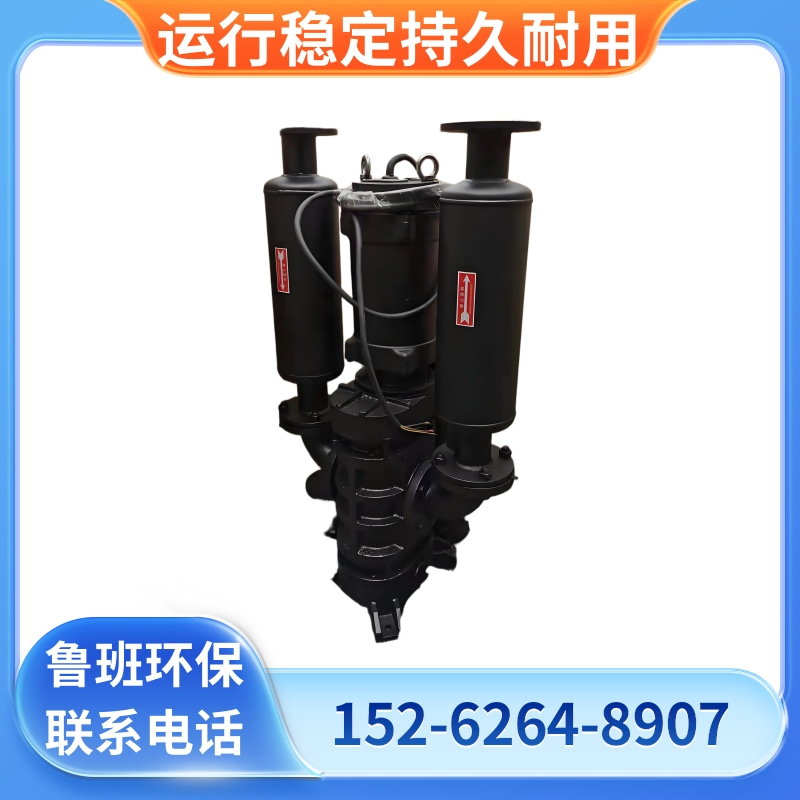
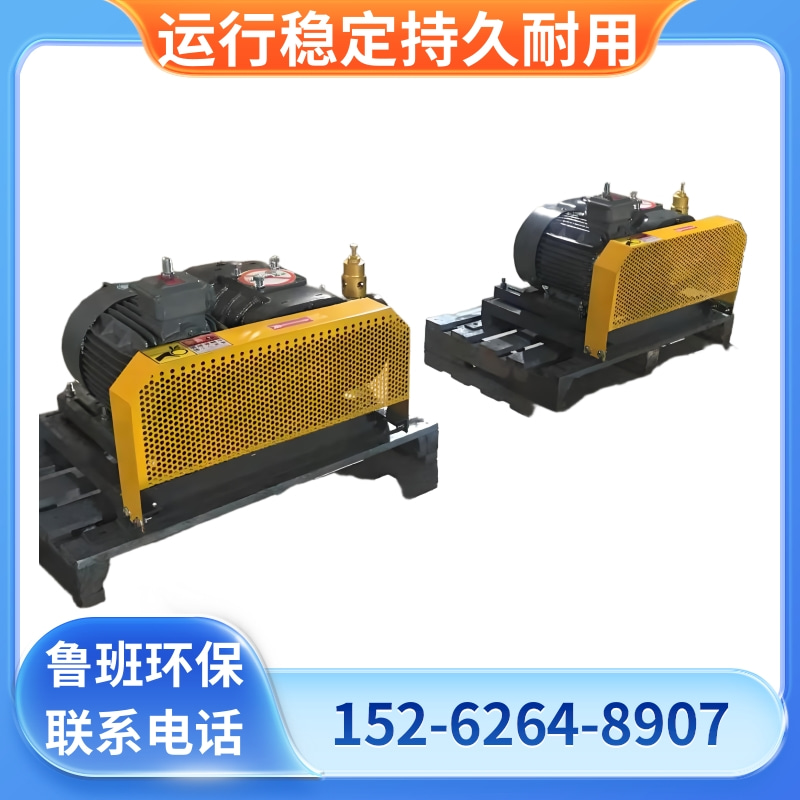
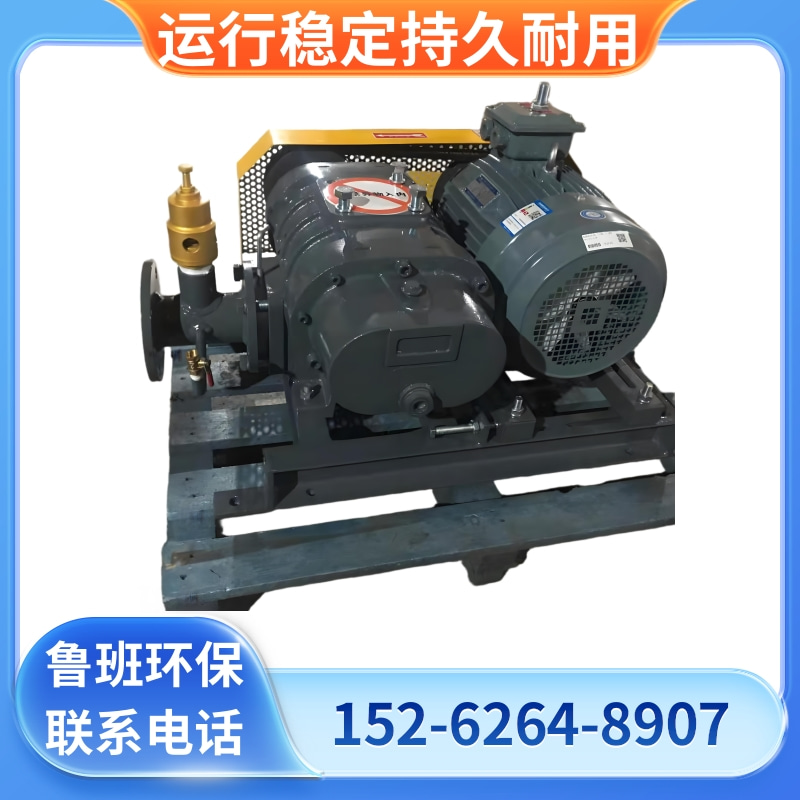
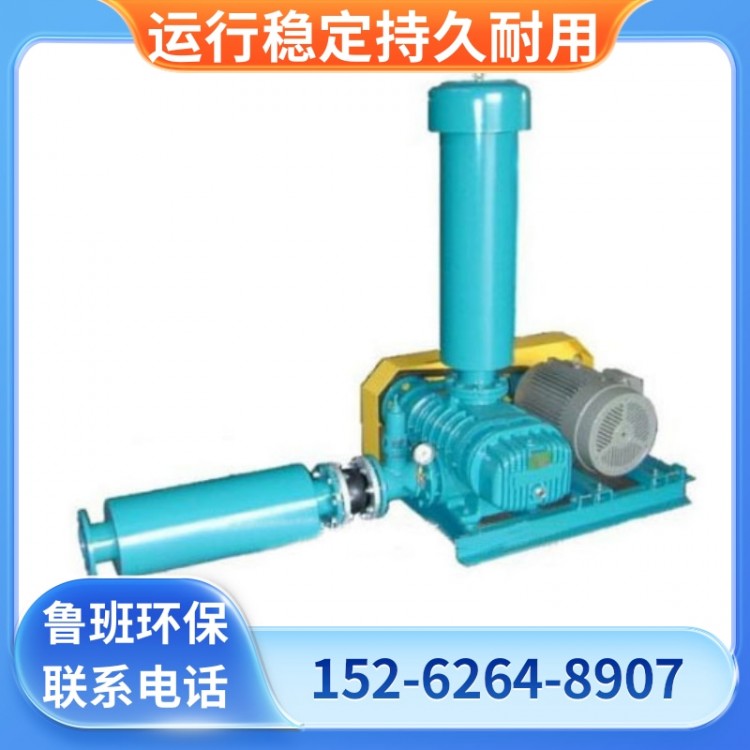
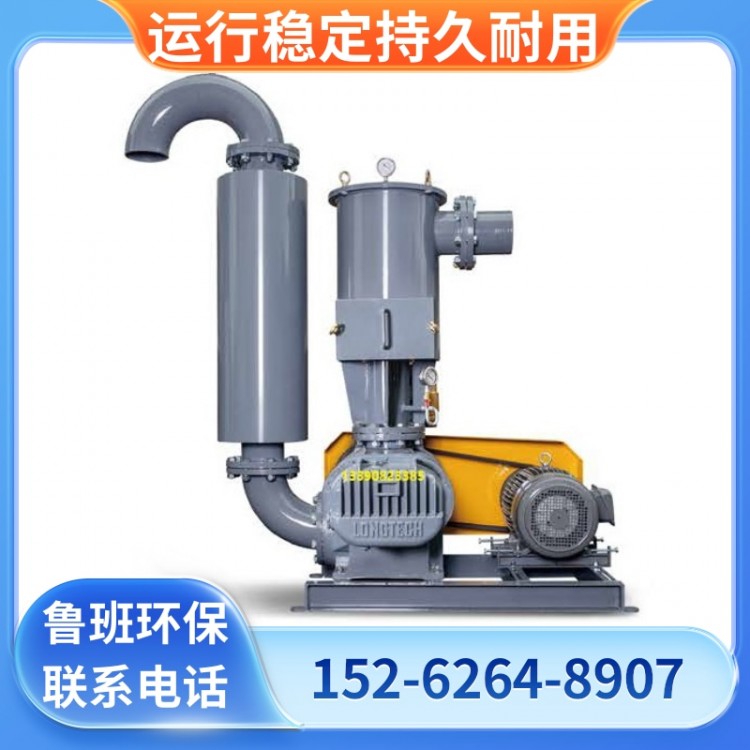
The Roots blower is composed of five main parts: the housing, wall plates, impeller, oil tank, and muffler.
Shell: Primarily serves as a support and fixing for (wall panels, impellers, mufflers).
Wall panels: Primarily used to connect the housing with the impeller, supporting its rotation, and providing end face sealing.
Blade Wheel: The rotating part of the Roots blower, available in two and three blades. However, due to the many advantages of three blades, such as less exhaust pulsation, lower noise, and smoother operation, they have gradually replaced the two-blade Roots blowers.
Fuel Tank: Primarily used for storing lubricating oil for greasing gears and bearings.
Silencer: Used to reduce the noise generated by the pulsation of air flow during the intake and exhaust of a Roots blower.
Principle
Root blowers are a type of volumetric blower featuring two three-blade impellers rotating in a sealed space between the housing and wall plates. Each impeller is designed with a involute or a cycloid enveloping line, ensuring that all three blades on each impeller are identical, and both impellers are identical as well, significantly reducing the difficulty of manufacturing. The impellers are machined using CNC equipment, ensuring that regardless of their rotational position, the two impellers maintain a consistent small gap with an unchanging center distance, thereby keeping gas leakage within the permissible range.
Two impellers rotate in opposite directions. Due to the small gaps between the impellers, the housing, and the wall panel, the inlet forms a vacuum. Air enters the inlet chamber under the force of atmospheric pressure. Then, two blades of each impeller, along with the wall panel and housing, form a sealed chamber. As the impellers rotate, the air in the inlet chamber is continuously transferred to the exhaust chamber by the sealed chamber formed by the two blades. Since the impellers in the exhaust chamber are interlocked, they squeeze out the air between the two blades. This continuous operation ensures a constant flow of air from the inlet to the outlet. This is the entire operation process of a Roots blower.

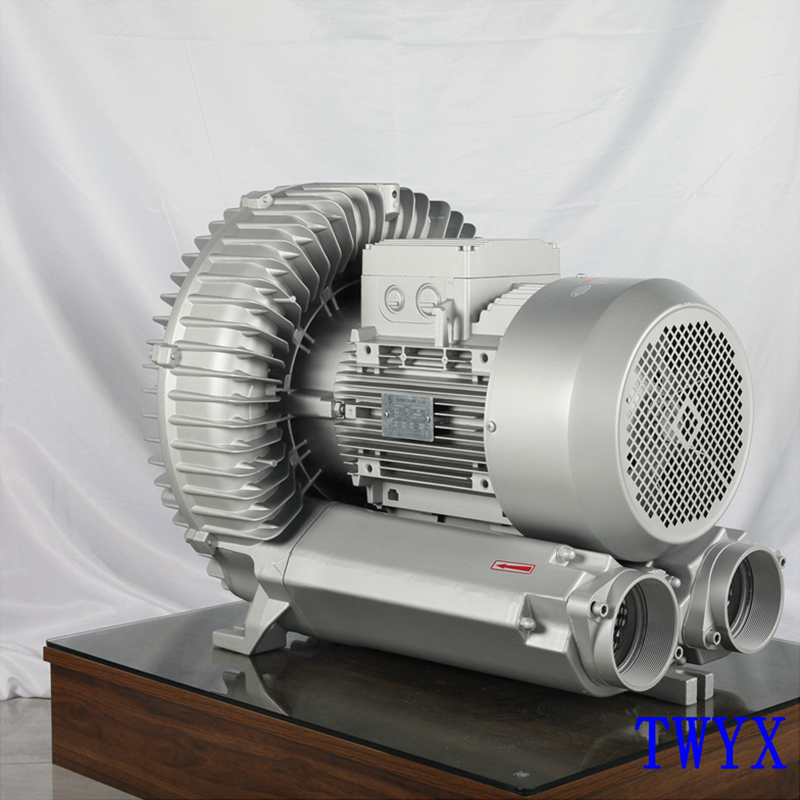
Our company also specializes in the research, manufacturing, sales, and service of explosion-proof Roots blowers, high-pressure Roots blowers, biogas boosters, stainless steel Roots blowers, Roots vacuum pumps, rotary blowers, and Roots blowers.