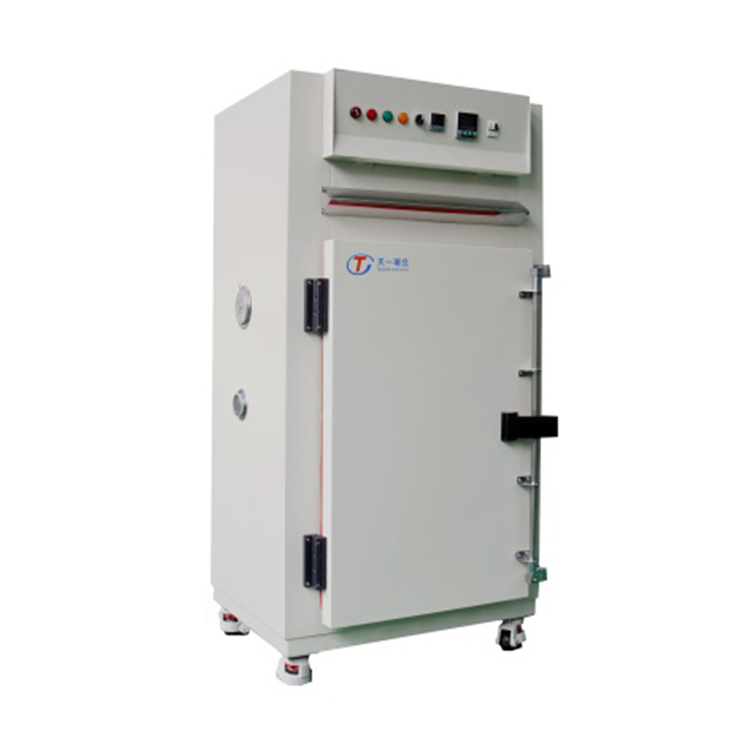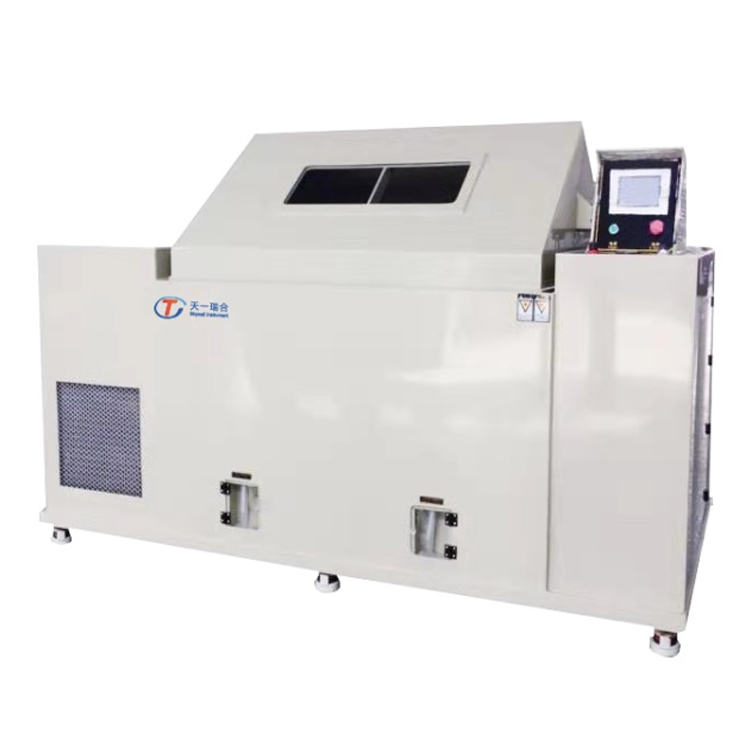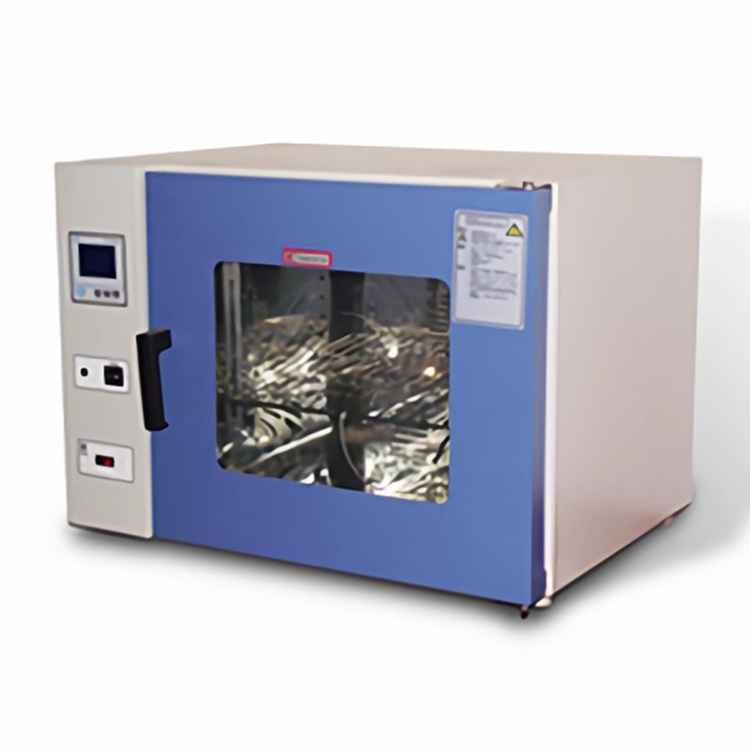


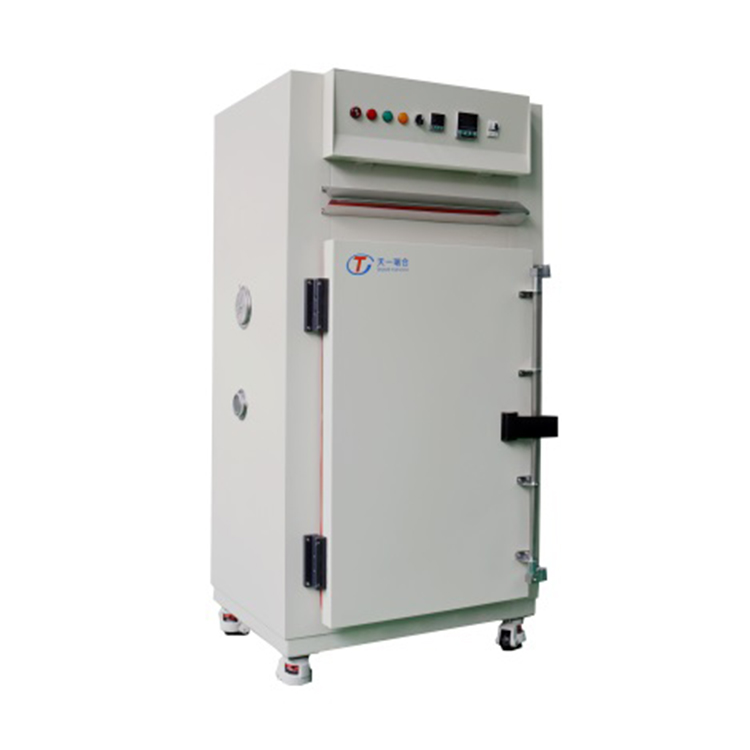















Constant Temperature and Humidity Chamber Frame Structure and Operation Principle
Cooling
The refrigeration system is one of the key components of the comprehensive test chamber. Generally, the cooling methods for climate-controlled humidity test chambers are mechanical refrigeration and auxiliary liquid nitrogen refrigeration. The price of a rain test chamber, mechanical refrigeration uses a vapor compression refrigeration system, primarily consisting of a compressor, condenser, throttle mechanism, and evaporator. If the temperature we need to achieve in the test is as low as -60°C, a single-stage refrigeration is insufficient. The refrigeration method for Suzhou's rain test chamber usually employs a cascade refrigeration system. The refrigeration system of a climate-controlled humidity chamber consists of two parts, known as the high-temperature section and the low-temperature section, each being a relatively independent refrigeration system. In the high-temperature section, the refrigerant evaporates and absorbs heat from the refrigerant in the low-temperature section to vaporize; in the low-temperature section, the refrigerant evaporates by absorbing heat from the cooled object (air inside the test chamber) to obtain cooling. The high-temperature and low-temperature sections are connected by an evaporative condenser, which serves as both the condenser for the high-temperature section and the condenser for the low-temperature section.
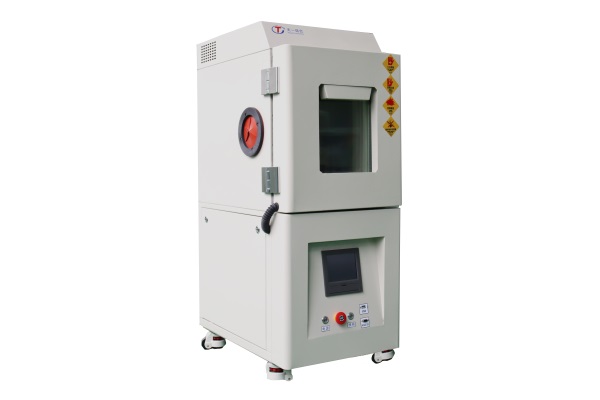
Maintenance Tips for恒温恒湿箱
1. The cooling unit's condenser should be regularly maintained and kept clean. Dust and grime on the condenser can cause the compressor's high-pressure switch to trip and generate false alarms. The condenser should be maintained monthly, using a vacuum cleaner to remove dust from the condenser's fins or brushing it with a stiff brush after the unit is turned on, or using a high-pressure air nozzle to blow the dust clean. 2. When opening or closing doors or removing test items from the furnace, avoid letting the items' number tags touch the gasket edges to prevent damage to the gasket and缩短 its lifespan. 3. The surrounding area and the ground at the bottom of the climate-controlled chamber should be kept clean at all times to prevent large amounts of dust from being吸入 the unit, which could lead to accidents and reduced performance.
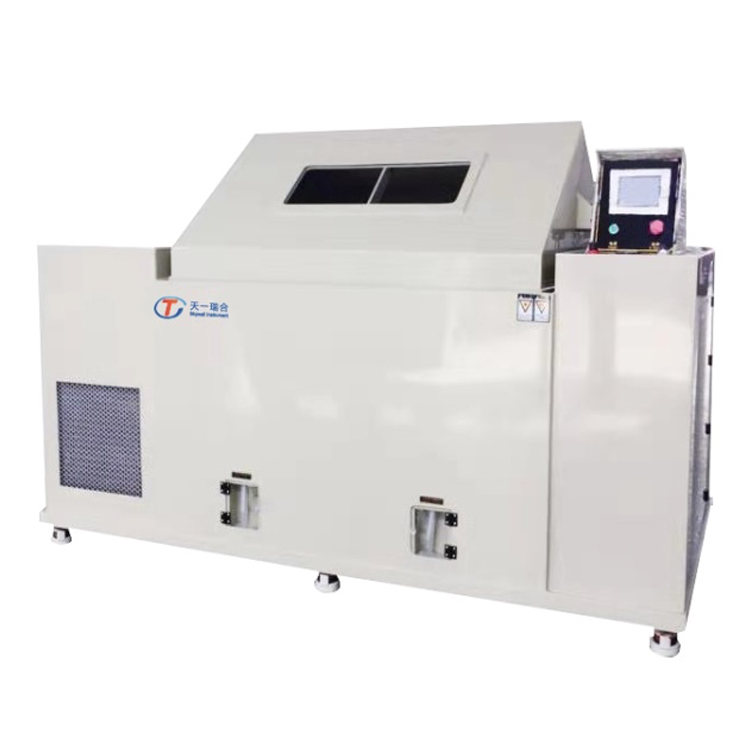
The sprayer's flow rate can be adjusted by altering the pressure of the sprayer's tower cap and the intake port. It can adjust the intake port pressure based on the pressure relief valve on the oil-gas separator. The spray booth manufacturer, the sprayer pressure is generally between 0.7~2.0 Kg/cm². The size specifications of the salt spray test chamber during operation, the spray booth price, and when selecting personal studio specifications, you can choose based on the customer's initial experiment specifications. Nowadays, most salt spray test chambers use high-tensile, corrosion-resistant PVC plastic sheets, which are smooth, anti-aging, corrosion-resistant, easy to clean, and leak-proof. Materials like glass fiber reinforced plastic and stainless steel sheets have been abandoned. Glass fiber reinforced plastic has been phased out decades ago, and stainless steel sheets are not resistant to long-term corrosion tests.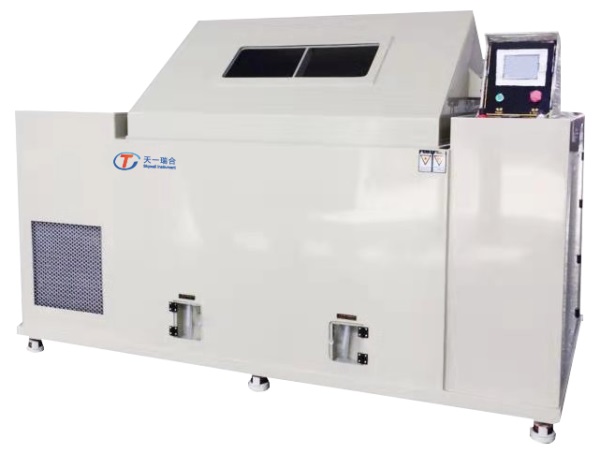
Suzhou Rain Test Chamber - Jiangsu Tianyi Ruihe Instrument Equipment Co., Ltd. - Rain Test Chamber Manufacturer provided by Jiangsu Tianyi Ruihe Instrument Equipment Co., Ltd. Tianyi Ruihe boasts strong capabilities and reliable reputation, having accumulated a large number of loyal customers in the testing machine industry in Suzhou, Jiangsu. With a relentless pursuit of perfection and a commitment to continuous improvement, Tianyi Ruihe joins hands with you to stride towards glory, creating a beautiful future together!