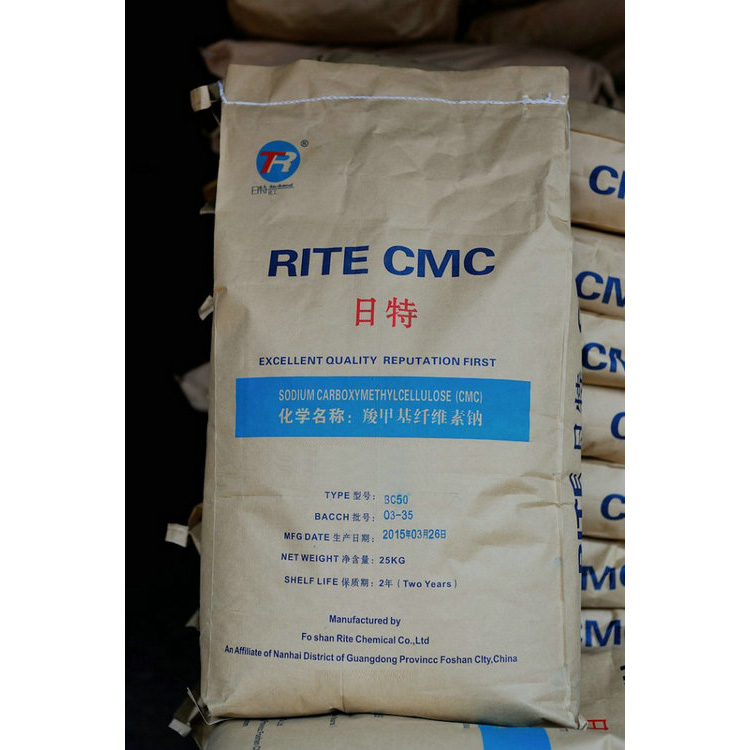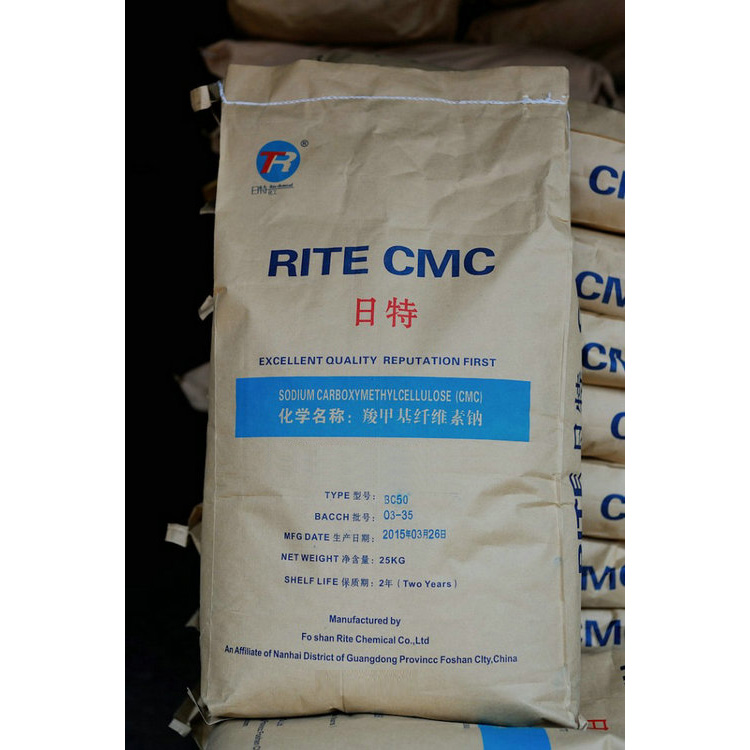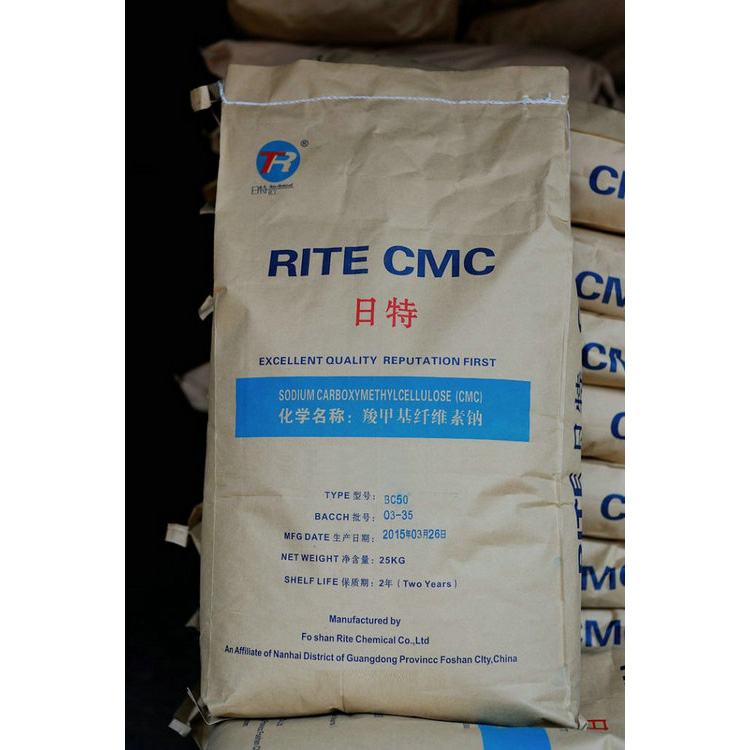


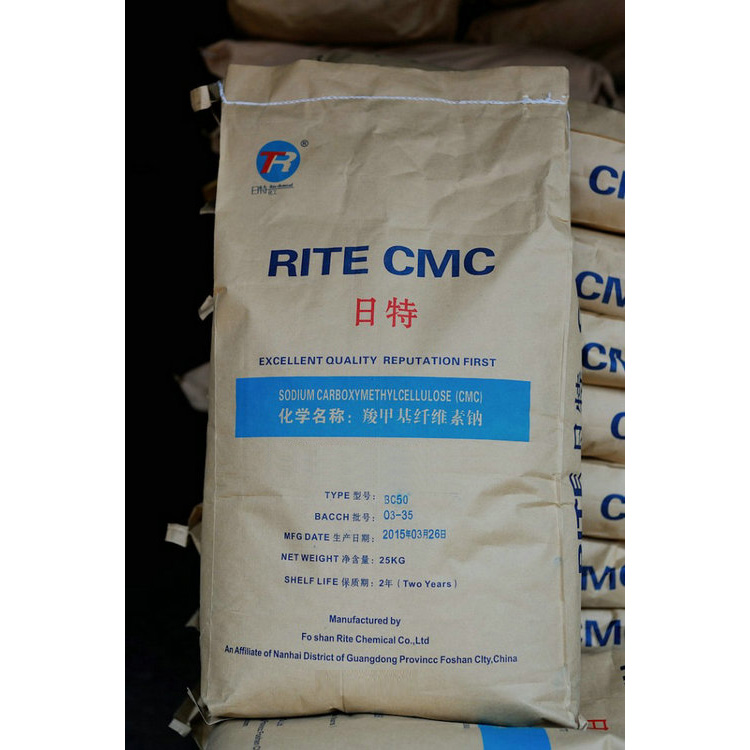
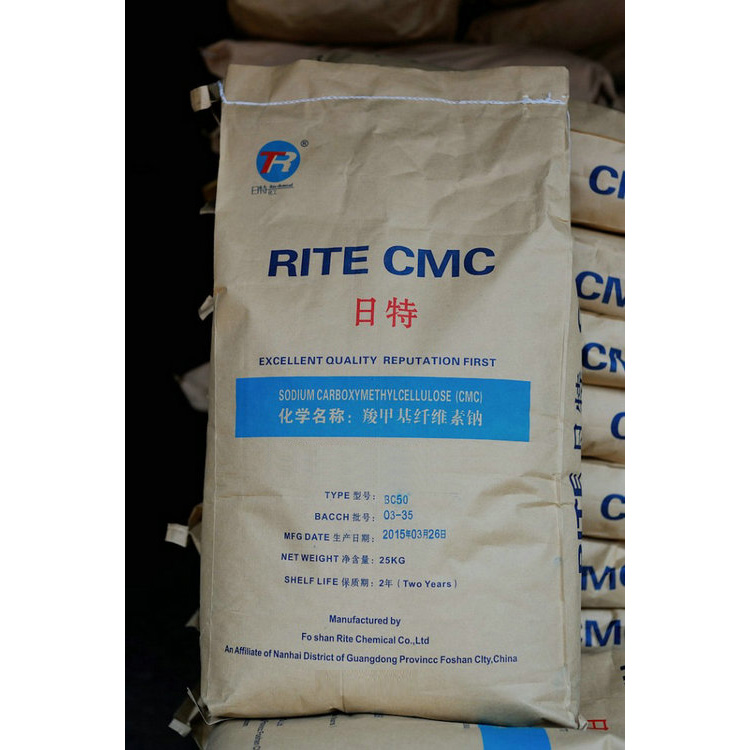









Carboxymethyl cellulose process:
CMC's primary uses: As a thickener in the food industry, a binder and anti-settling agent in daily chemical manufacturing. In the dyeing and printing industry, it serves as a protective colloidal for sizing and printing paste. It can also be used as a component of oil fracturing fluids in petrochemicals.
What factors affect the performance of carboxymethyl cellulose?
The performance of carboxymethyl cellulose is not only related to the degree of substitution but also to the uniform distribution of the carboxymethyl groups throughout the cellulose molecule and the uniformity of substitution of hydroxymethyl groups in each unit within each molecule.
Due to the high polymer linear nature of carboxymethyl cellulose (CMC) and the uneven substitution of its carboxymethyl groups in the molecule, different orientations of the molecules occur when the solution is left undisturbed. When shear force is present in the solution, the long axis of the linear molecules tends to align with the flow direction, and this tendency becomes stronger with increasing shear rate until a completely定向 arrangement is achieved. This characteristic of CMC is known as pseudoplasticity. The pseudoplasticity of CMC is beneficial for reducing energy consumption in the production of liquid milk, facilitating homogenization and pipeline transportation, and preventing an overly thick texture in the milk, which aids in the release of the milk's aroma.
Additionally, viscosity is a factor affecting the performance of carboxymethyl cellulose. Viscosity is mainly related to molecular weight, rather than substitution degree. As the substitution degree increases, so does the molecular weight, because the molecular weight of the substituted carboxymethyl groups is larger than that of the previous hydroxyl groups.
How to dissolve carboxymethyl cellulose:
Carboxymethyl cellulose is a naturally occurring hydrophilic substance; when dispersed in water, the carboxymethyl cellulose particles will immediately swell and then dissolve.
1. In the mixing condition, gradually add carboxymethyl cellulose to accelerate dissolution; 2. Under heating conditions, disperse the addition of carboxymethyl cellulose to increase the dissolution rate, but avoid excessive heating temperature, which should be between 50°C-60°C; 3. When mixing with other materials, first perform solid mixing, then dissolve, which can also increase the dissolution rate; 4. When adding an organic solvent like alcohol, glycerin, etc., which is not soluble with carboxymethyl cellulose but soluble with water, dissolve it afterwards, the dissolution rate will be significantly faster.
Carboxymethyl cellulose is water-soluble; just be mindful to add it slowly while stirring, as pouring a spoonful or an entire bag into the solution will cause it to clump and be difficult to dissolve. It's better to mix it evenly with other solid materials first before adding it to the water.
From the perspective of carboxymethyl cellulose itself, if your CMC has poor solubility and low light transmission, you need to increase the substitution degree and average molecular weight of the CMC.
If your product's solubility is not an issue, meaning it dissolves completely, is clear, and free of loose fibers, you can dissolve it by heating water. The dissolution process will be quicker.