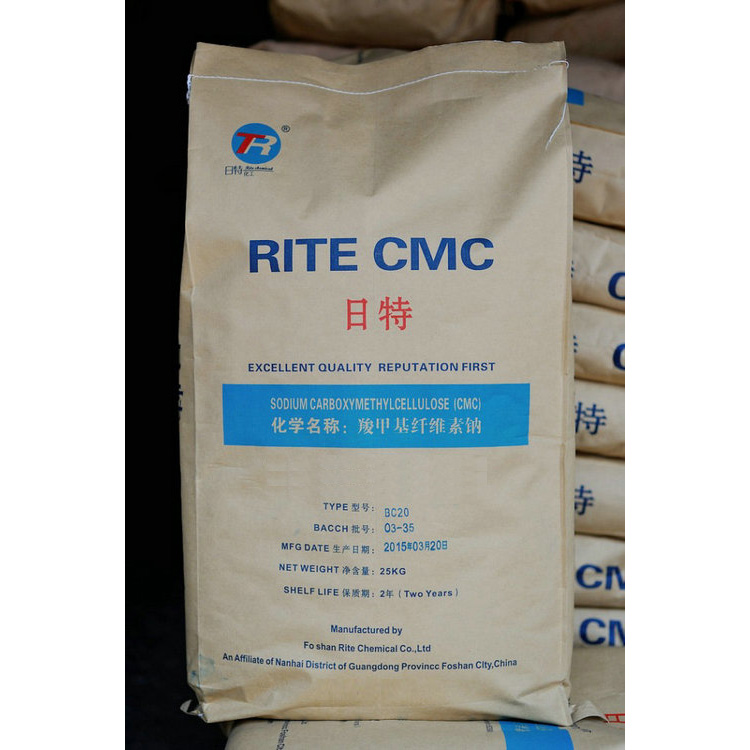

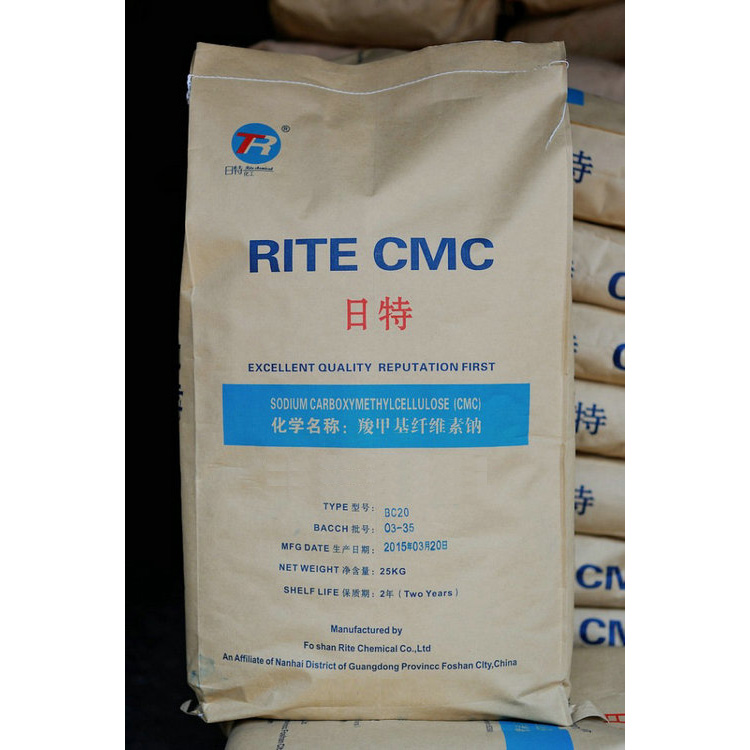
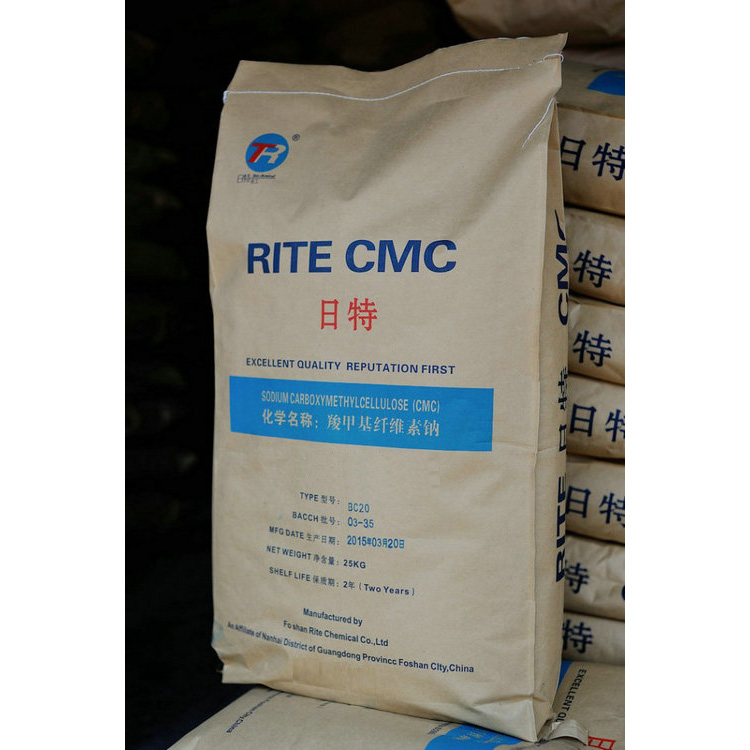
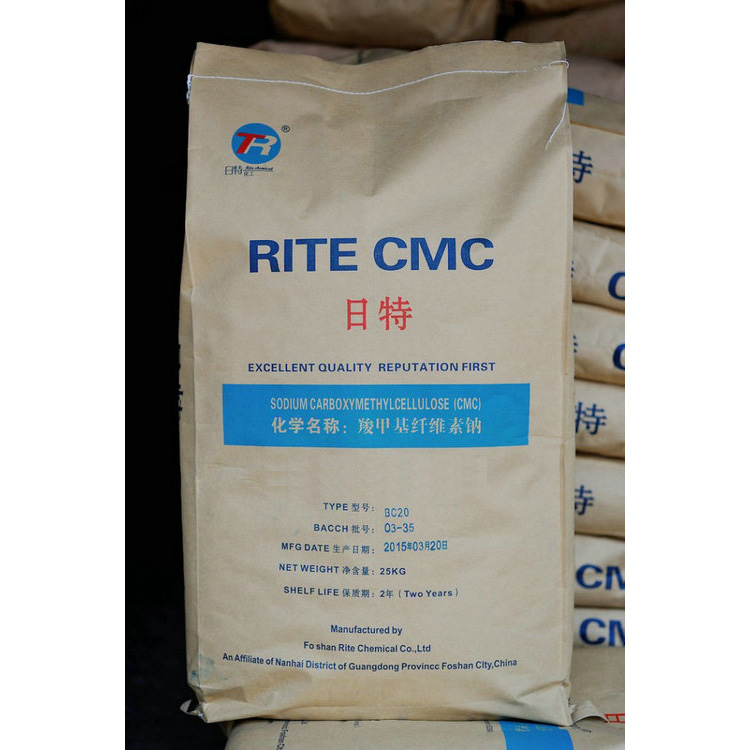









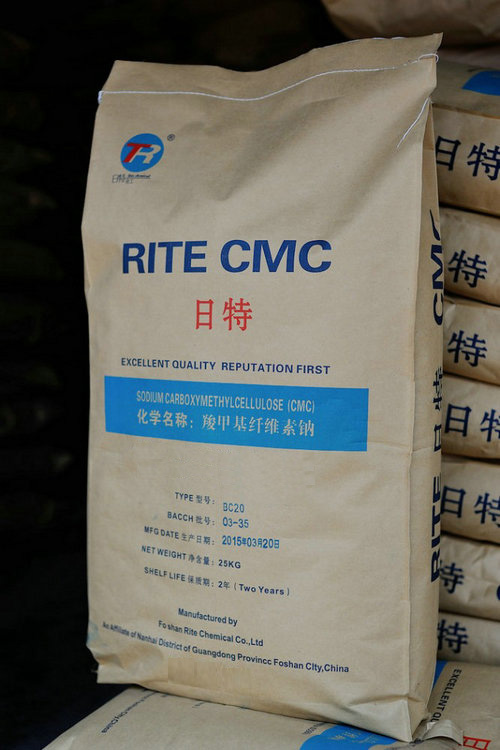
Section 1: Introduction to Polyanionic Cellulose (PAC)
PAC is a cellulose ether derivative obtained through a series of complex chemical reactions from natural short cotton fibers, and it is an important water-soluble anionic cellulose ether. It possesses the characteristics of "three highs and one low": high stability, resistance to high temperatures, resistance to high acidity, alkalinity, and salt, and low dosage. The basic properties of PAC:
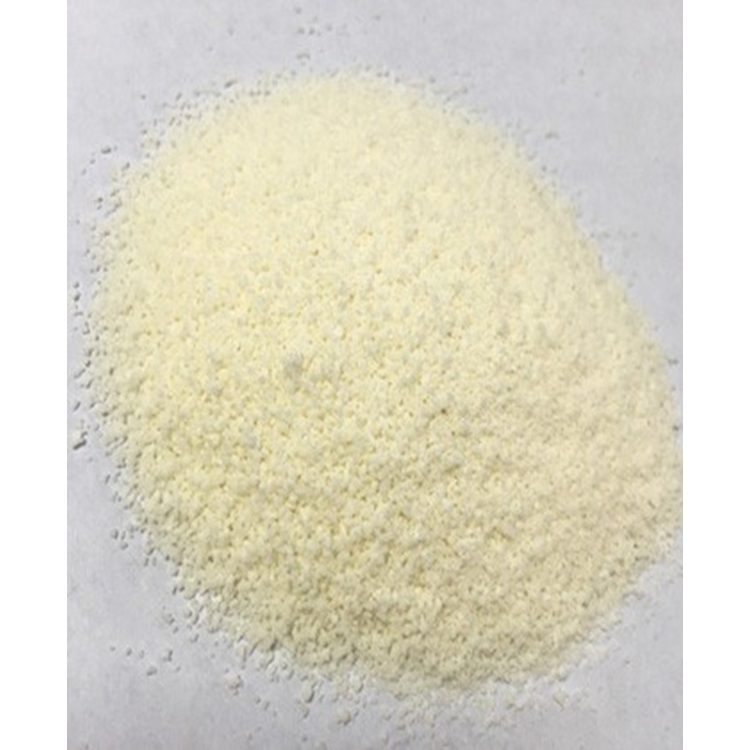
Physical Properties: Appearance as white, off-white, or light yellow powder or granules, odorless, tasteless, hygroscopic, and easily soluble in cold and hot water.
Section 2: Uses and Functions of PAC
Sodium polyacrylate (PAC) is a water-soluble organic polymer that dissolves in water to form a transparent liquid with a certain viscosity. It is widely used in various industrial applications, serving as an excellent thickener, binder, suspending agent, water-retaining agent, emulsifier, dispersant, and stabilizer.