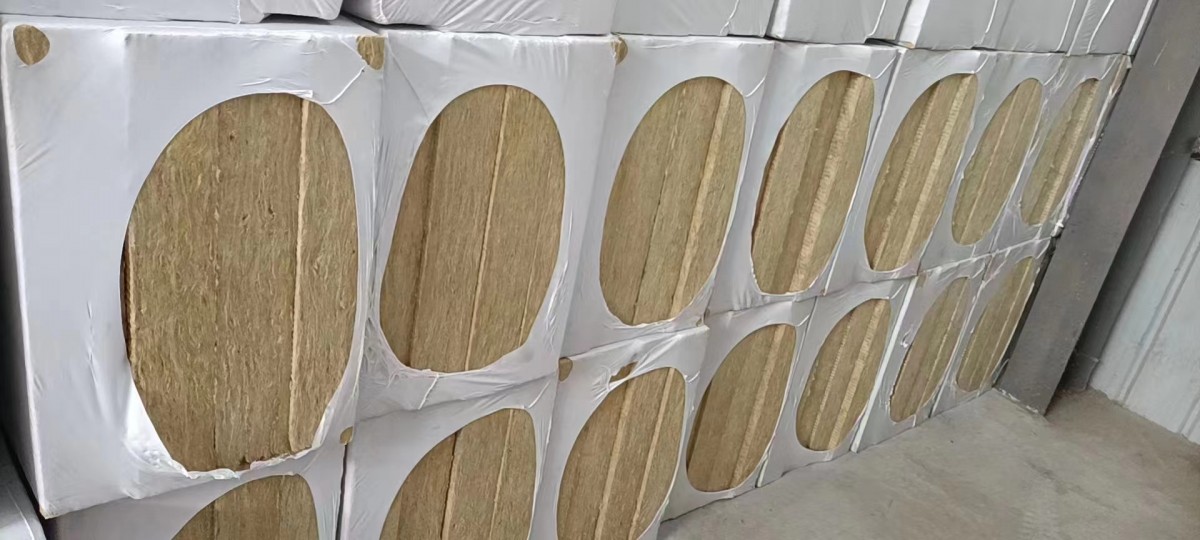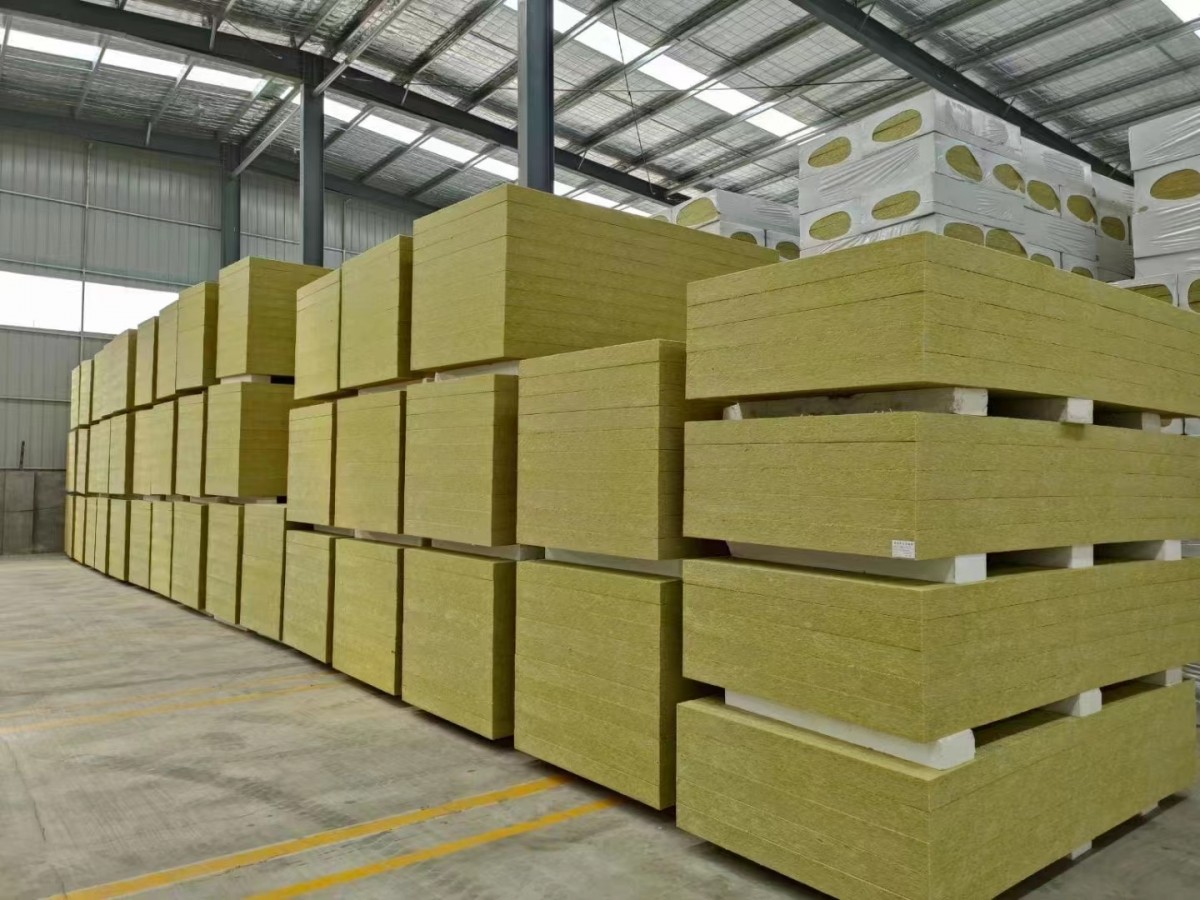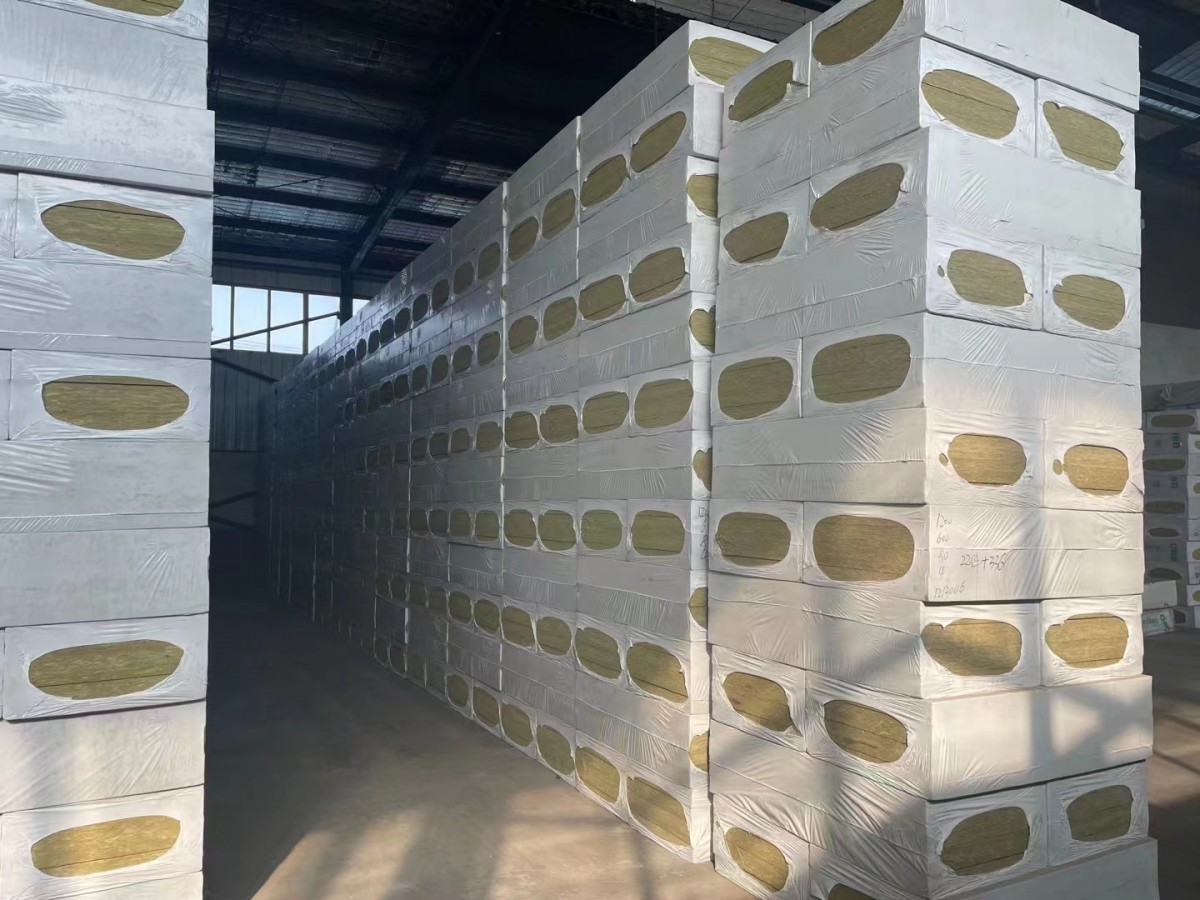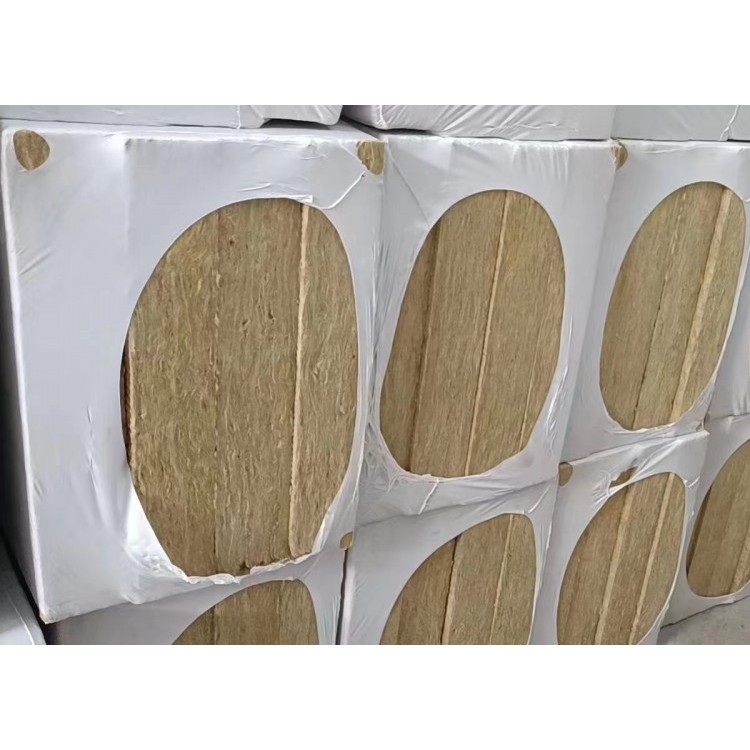

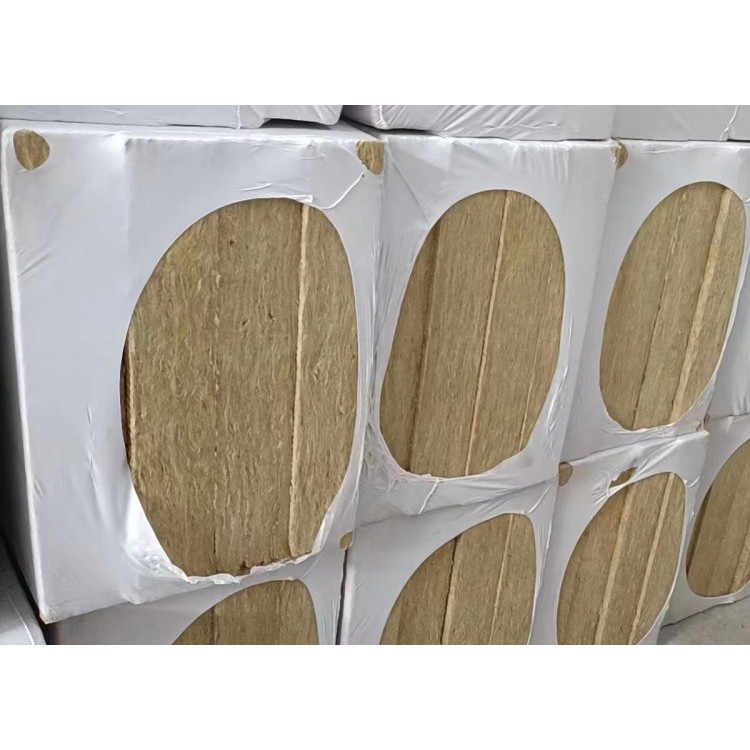


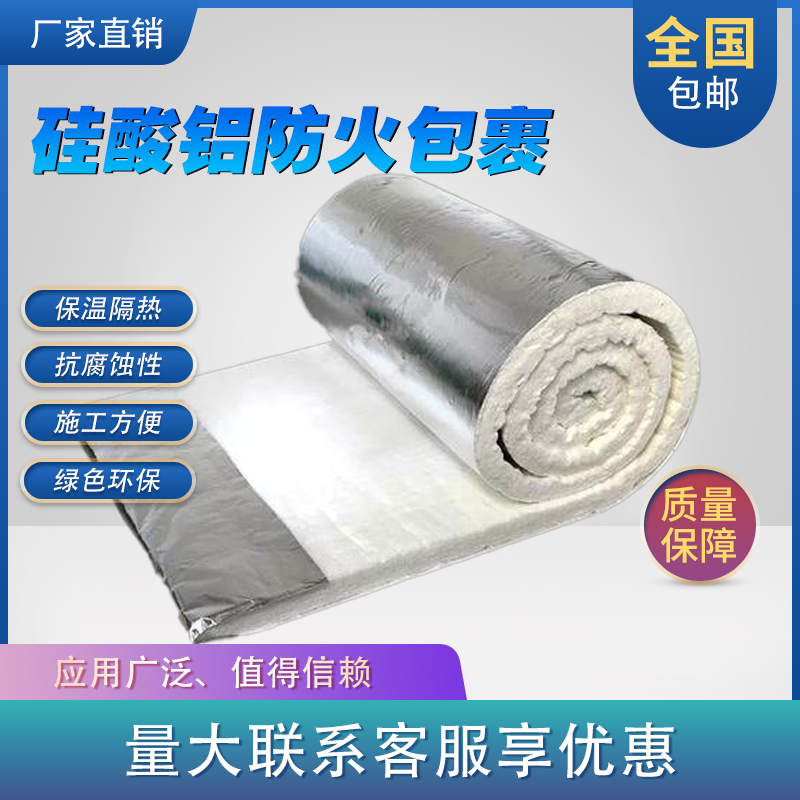
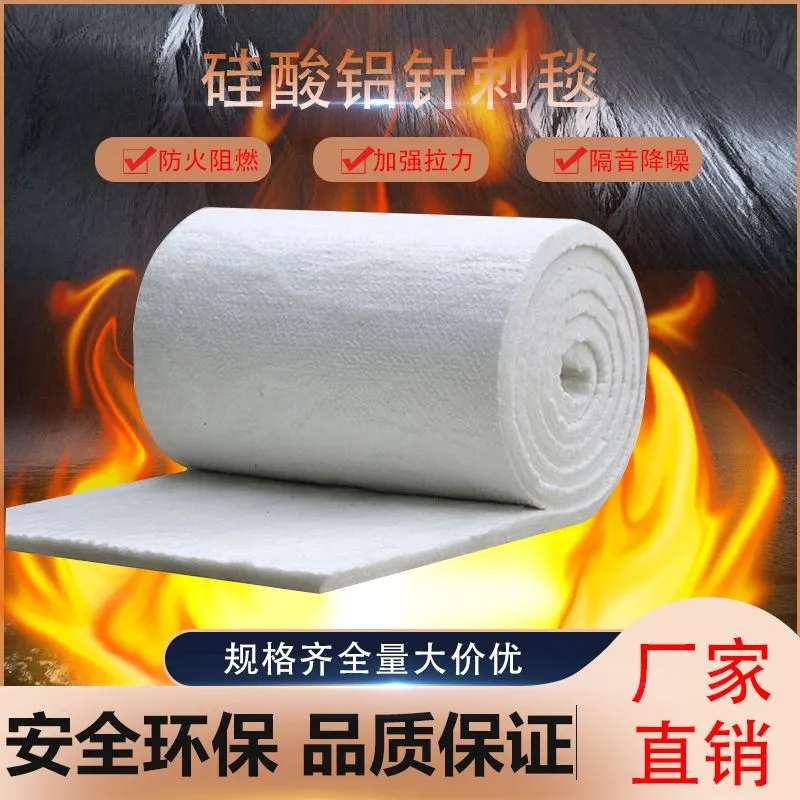





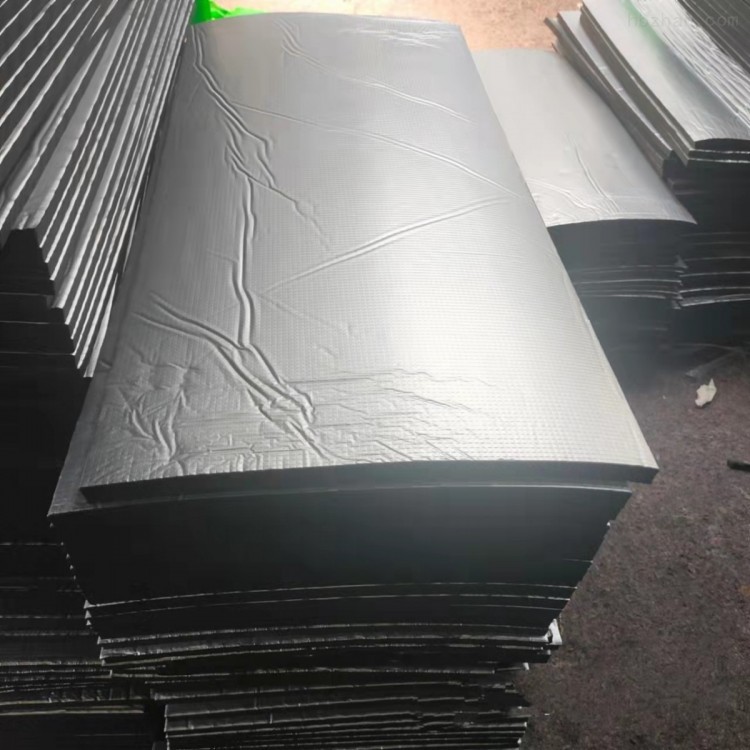
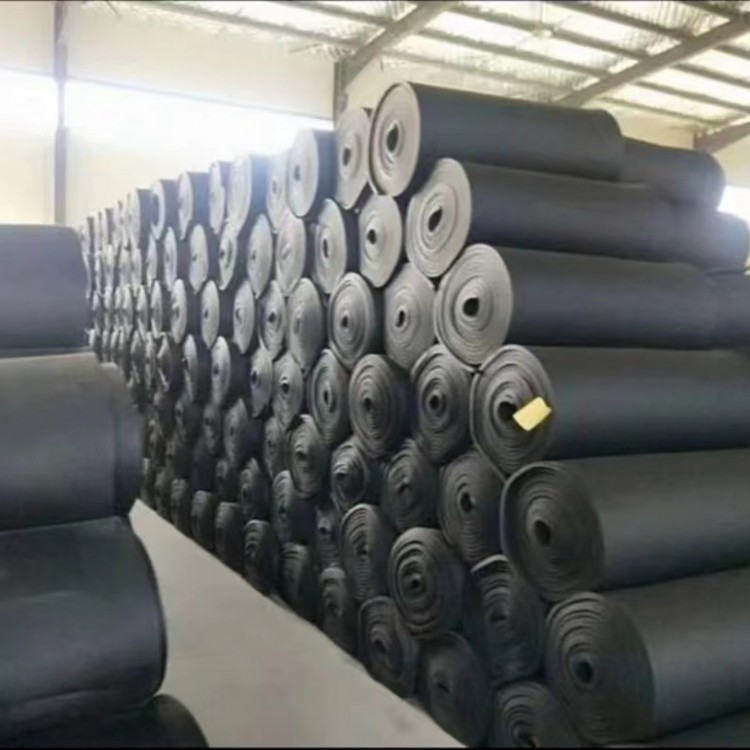
Fire-resistant rock wool manufacturers
Components primarily use various coatings, which not only enhance the color of the rock wool board's surface, making it suitable for any environment, but also play a role in flame retardancy and thermal insulation to some extent.
1. Be mindful of rain protection; construction should not be carried out during rainy weather. Manufacturer of fire-resistant rock wool

2. Insulation must be applied with a moisture-proof layer for cold storage. In cases of exceptionally low temperatures, use non-resin-based rock wool for insulation, and the moisture-proof layer must also be fire-resistant.
3. When the temperature exceeds a certain level, such as 200°C, it is necessary to add appropriate external insulation to maintain the thickness and density of the rock wool board without alteration.
4. For rock wool insulation on large diameter and flat wall equipment, when the temperature exceeds 200°C, always remember the manufacturer's instructions for the rock wool board: add thermal fixing pins (spacing approximately 400mm), and ensure the external sheathing is tightly attached.
5. Insulated equipment, insulation nails, and pipelines can accept appropriate coatings for corrosion resistance. Additionally, there should be no leaks to ensure better performance.
6. For rock wool board products susceptible to mechanical wear when used for exterior insulation, it is advisable to use metal or plastic. Pay attention to the joints, ensure the sealant is applied, and add rubber sealing strips if necessary. The overlapping of the wrapping layer should not be less than 100mm.
7. When the insulated object is placed at a 90-degree angle and has a certain height, the thermal insulation layer of the mineral wool board must have定位销or support rings. The spacing should not exceed 3 meters to prevent the insulation material from sliding down during vibrations.
8. To achieve the smallest possible heat loss, the joints of mineral wool boards and felt must be tightly sealed. When there are multiple layers of insulation, the intersecting joints need to be interwoven to avoid creating thermal bridges. It is essential to eliminate cold bridges during cold storage.
Individuals from the China Insulation Energy Saving Association pointed out that, according to preliminary calculations, during the 12th Five-Year Plan period, the national annual newly completed building area reached 2 billion square meters. Based on the most conservative demand estimates, the annual requirement for rock wool is 2.38 million tons, which can generate a value of 11.9 billion yuan.

It's easy to foresee that investing in rock wool production lines will become a market choice in the face of the vast market space.
To avoid redundant construction of production lines, we promptly initiated the drafting of the industry access conditions for rock wool used in external wall insulation. These conditions define multiple indicators including production line construction requirements, layout, scale, process equipment, product quality, energy consumption, environmental protection, safety and health, and social responsibility. Among them, the scale indicator is preliminarily set at an annual production capacity of 20,000 tons.
Experts point out that while existing small and medium-sized enterprises can increase investment to boost production capacity, under the requirements of multiple standards such as layout, equipment, and energy consumption, the number of companies that can meet all these criteria will not be substantial. The significant market gap is primarily reliant on *.
Individuals suggest that by establishing higher entry barriers, it will support *capacity to accelerate its layout, adjust and optimize product structure, encourage excellence, scale, and strength, and guide the industry towards healthy and sustainable development.
The mineral wool market is facing a supply shortage this year.
Rock wool, a type of external wall thermal insulation material. In recent years, as organic thermal insulation materials, which account for 90% of the market share, are at a standstill, rock wool, an inorganic thermal insulation material for external walls that meets fire rating A, has been welcomed with a favorable market opportunity.