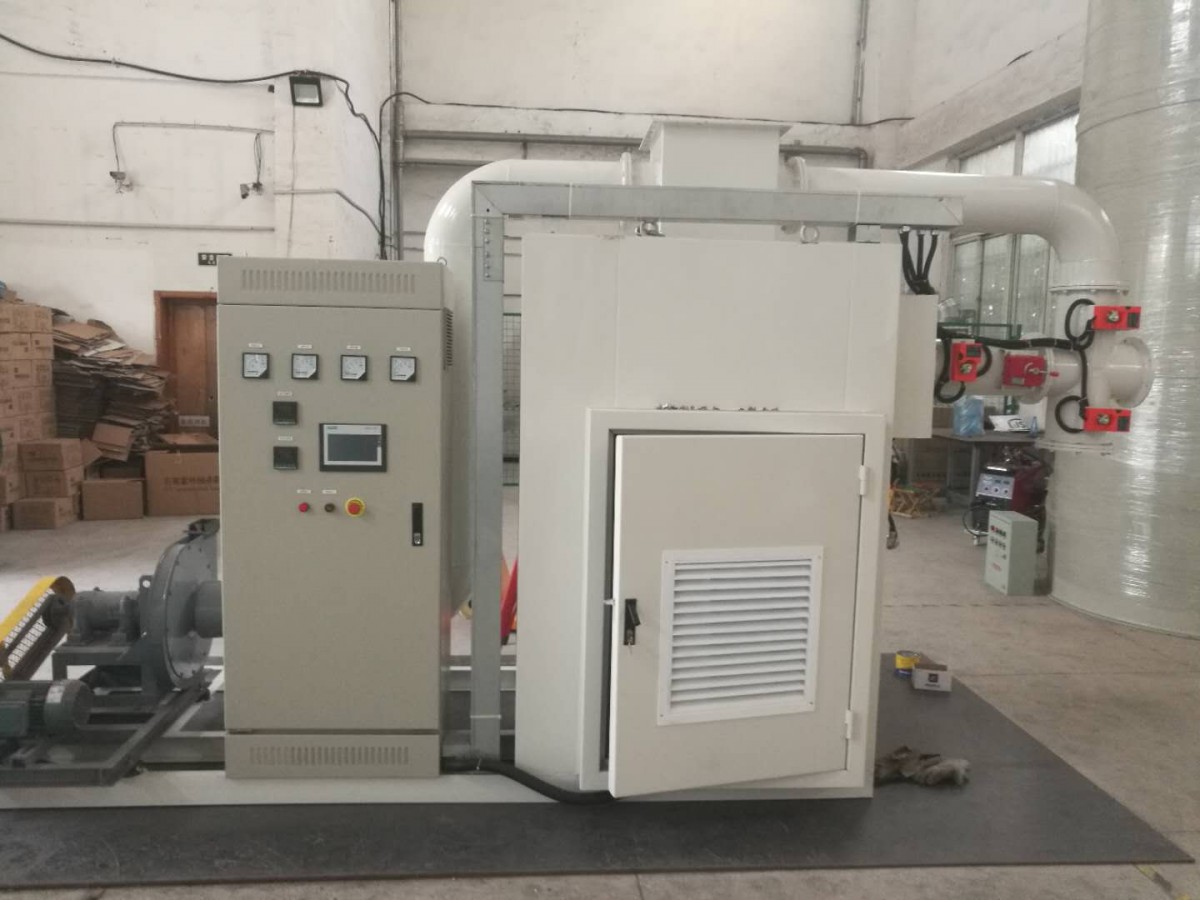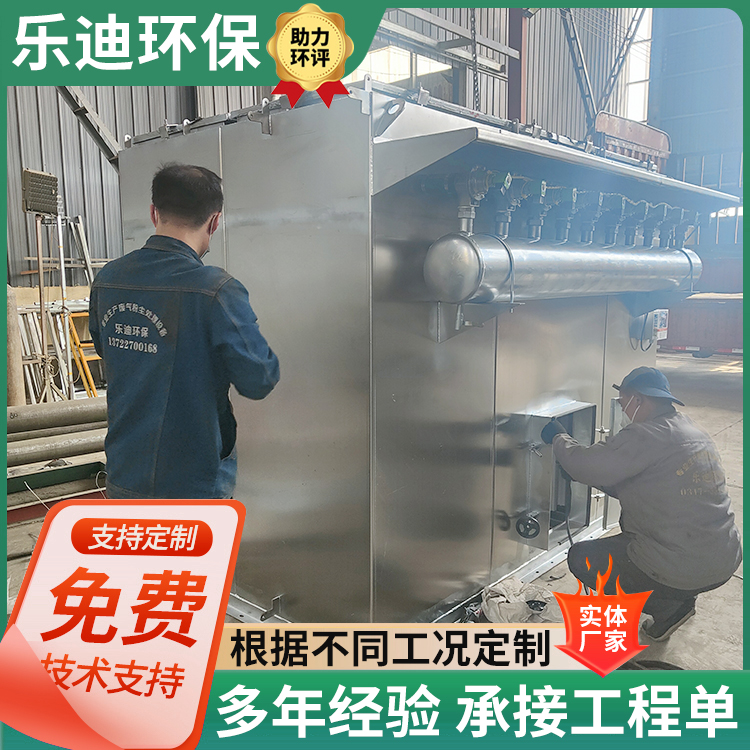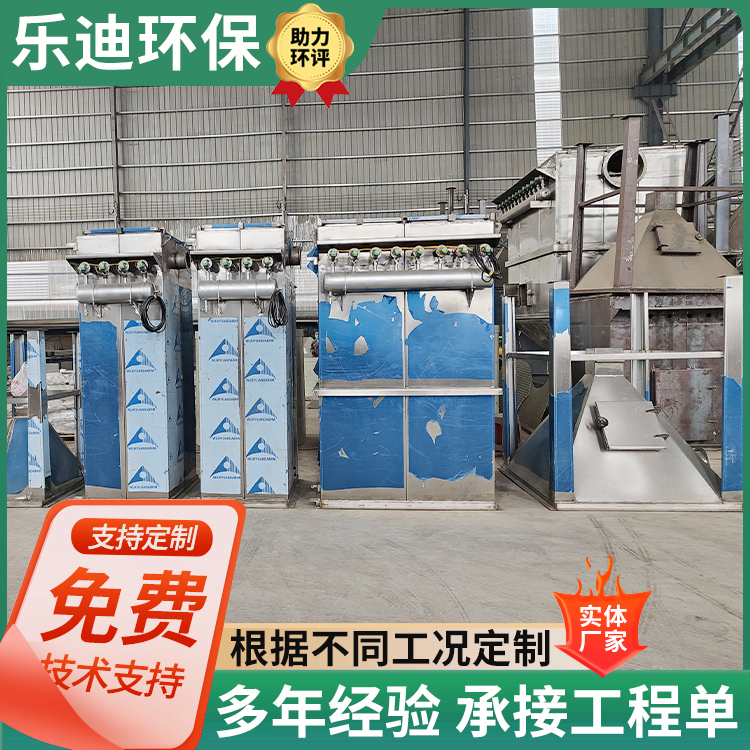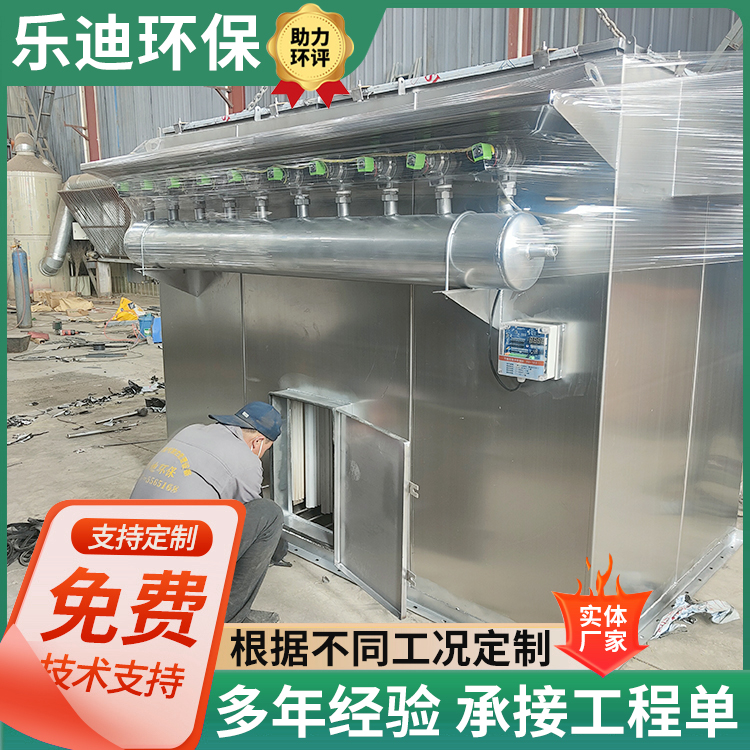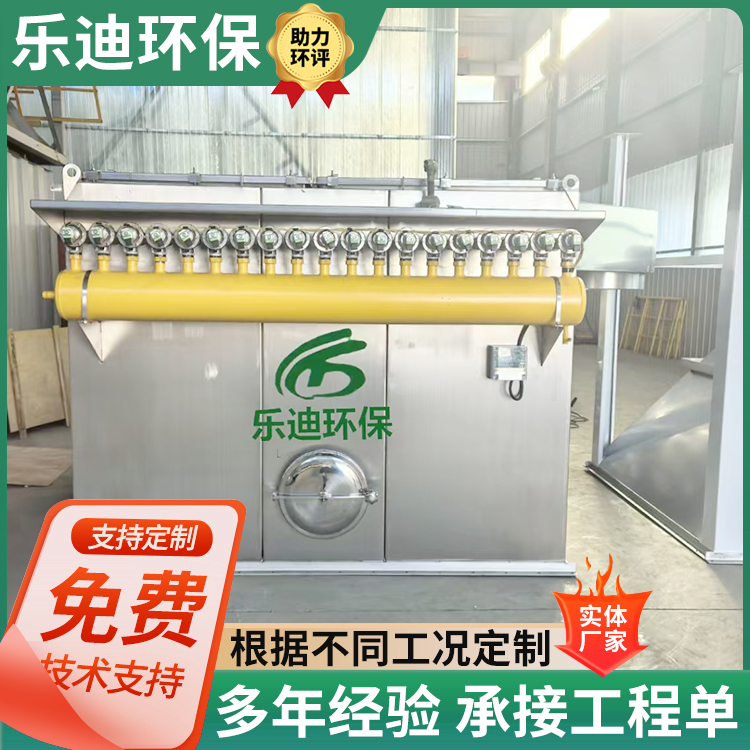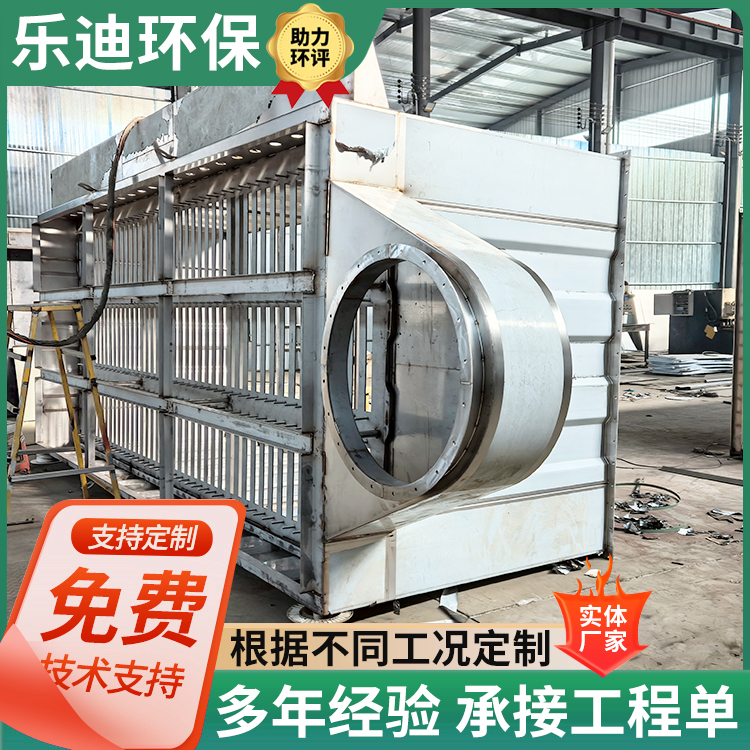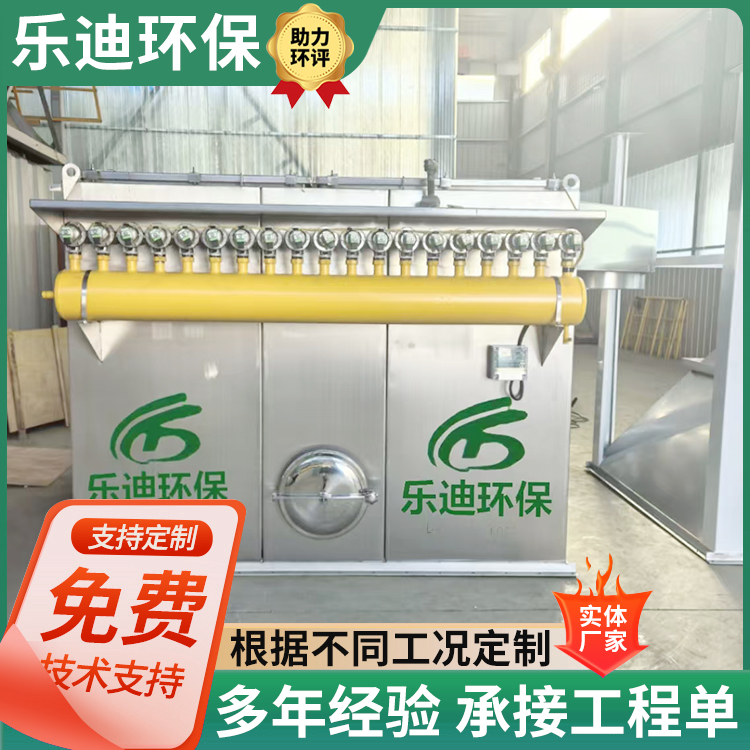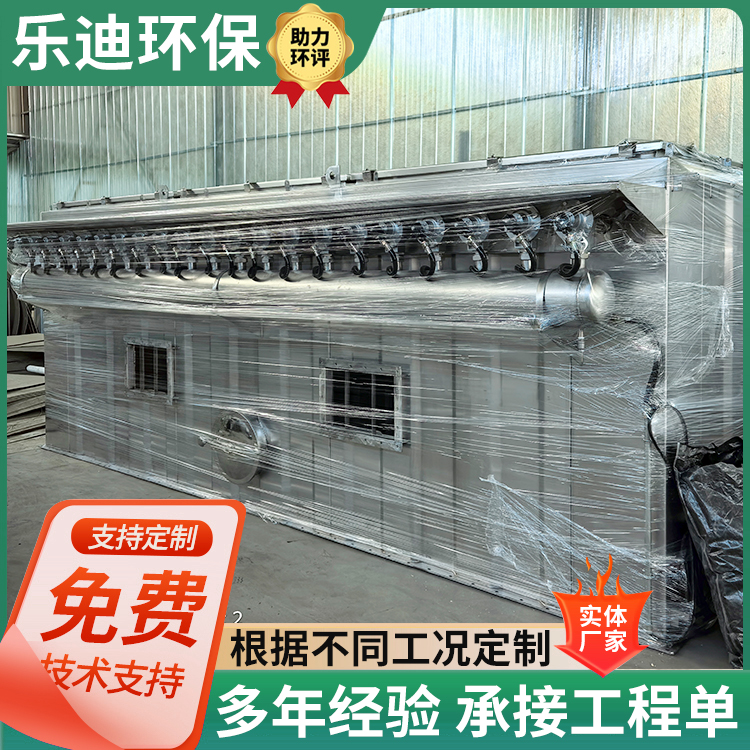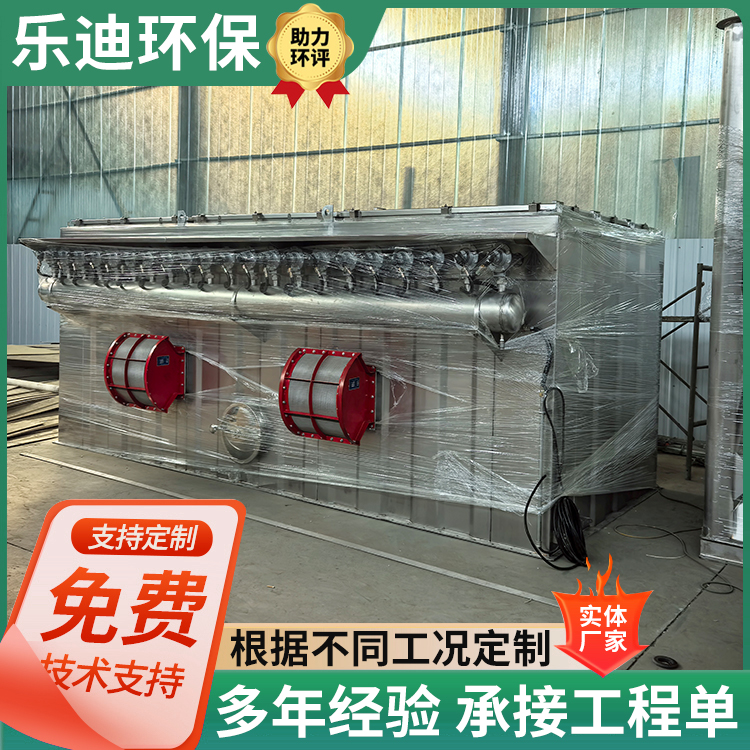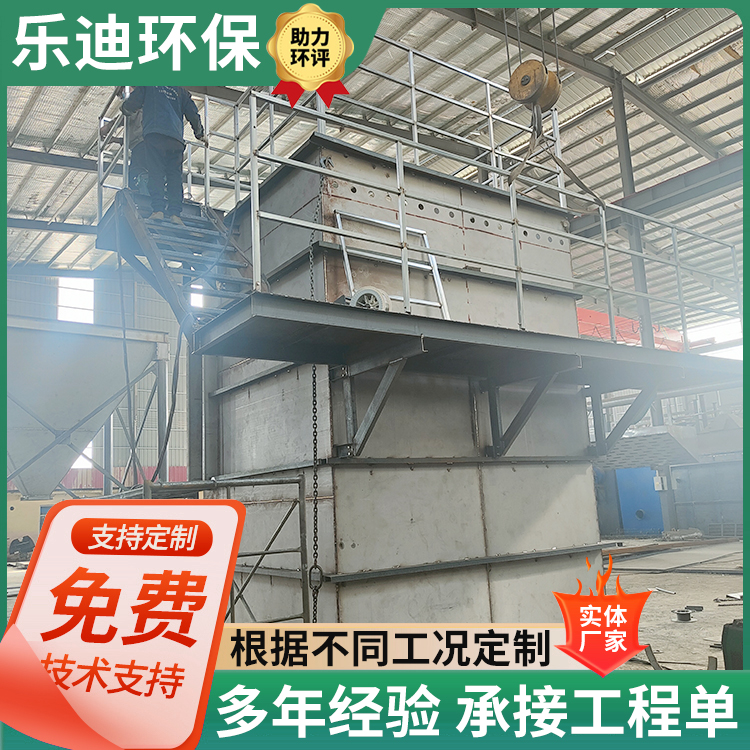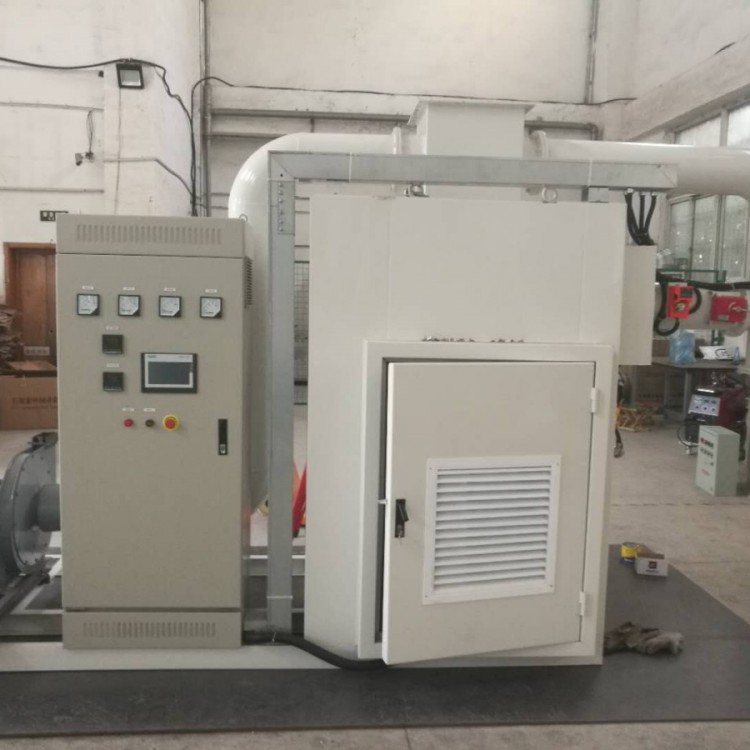

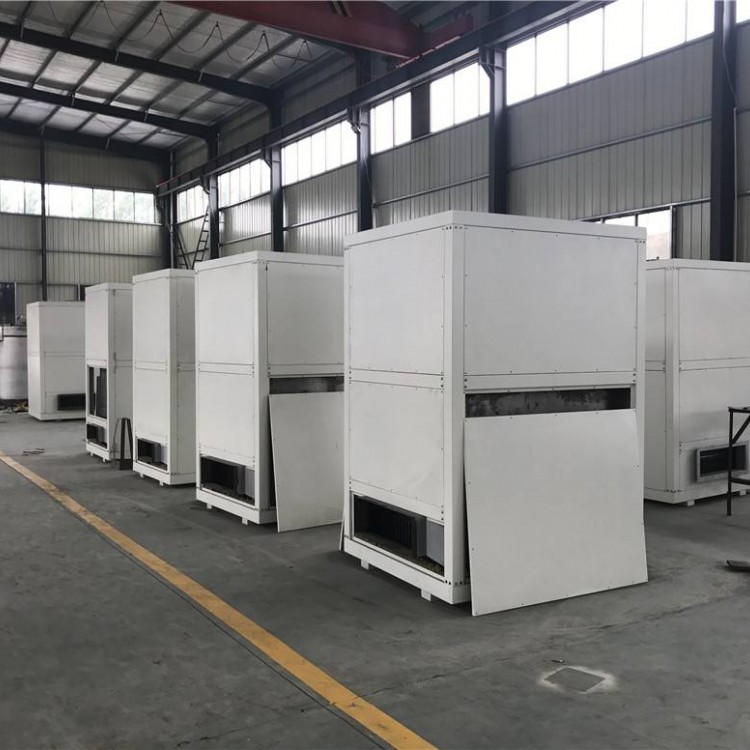
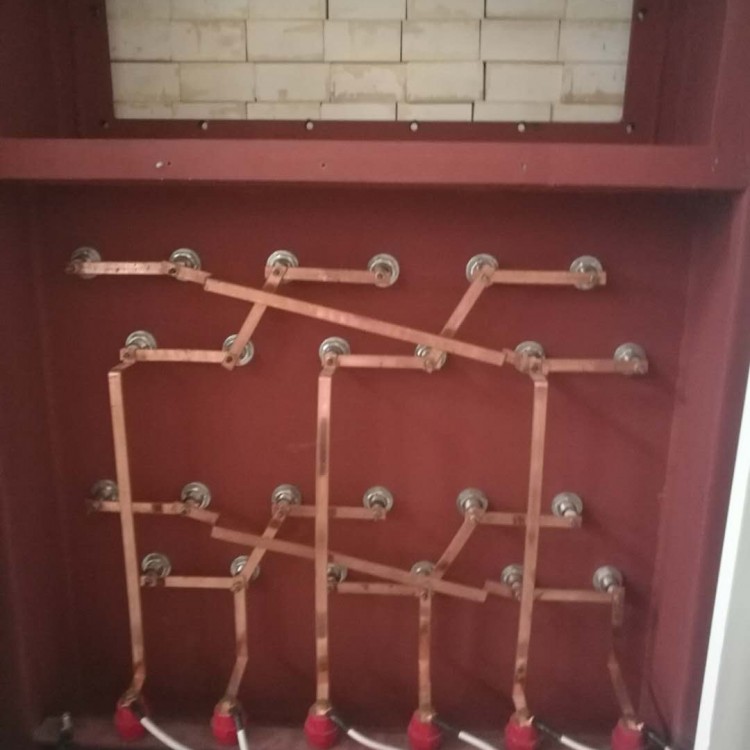


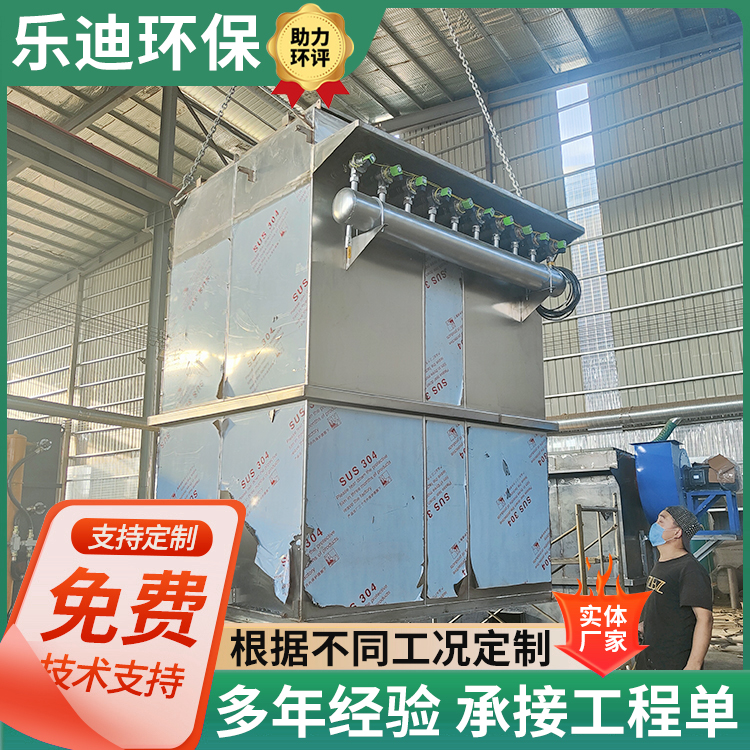
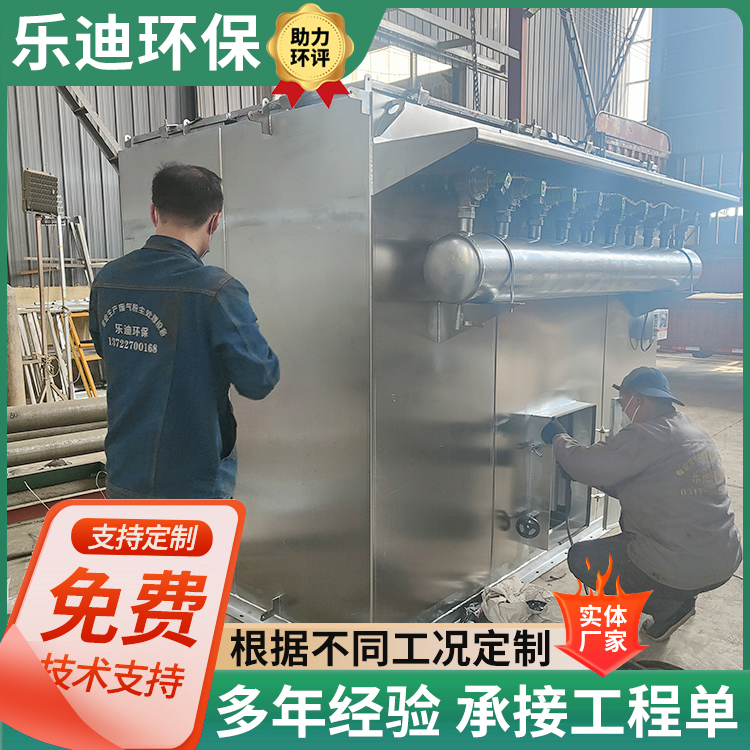
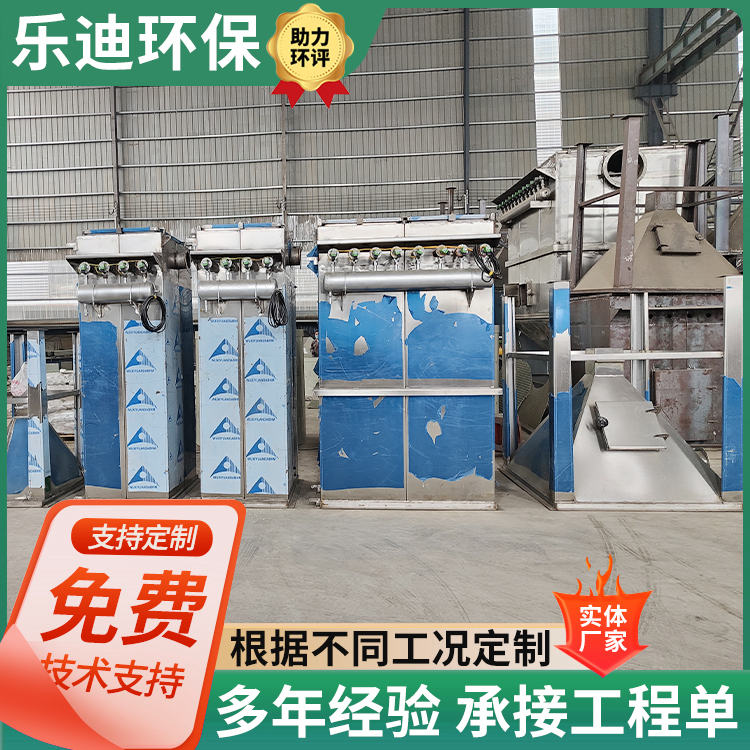
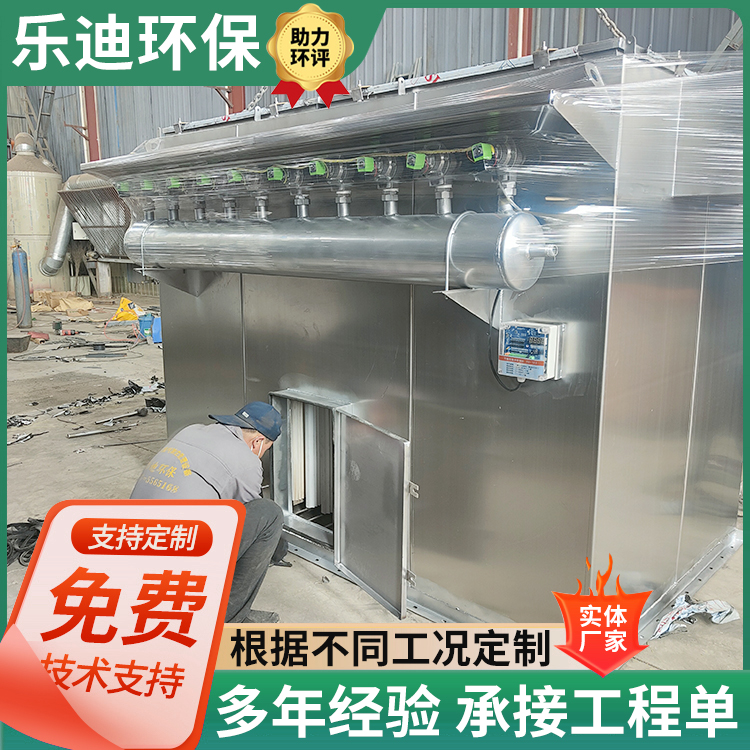
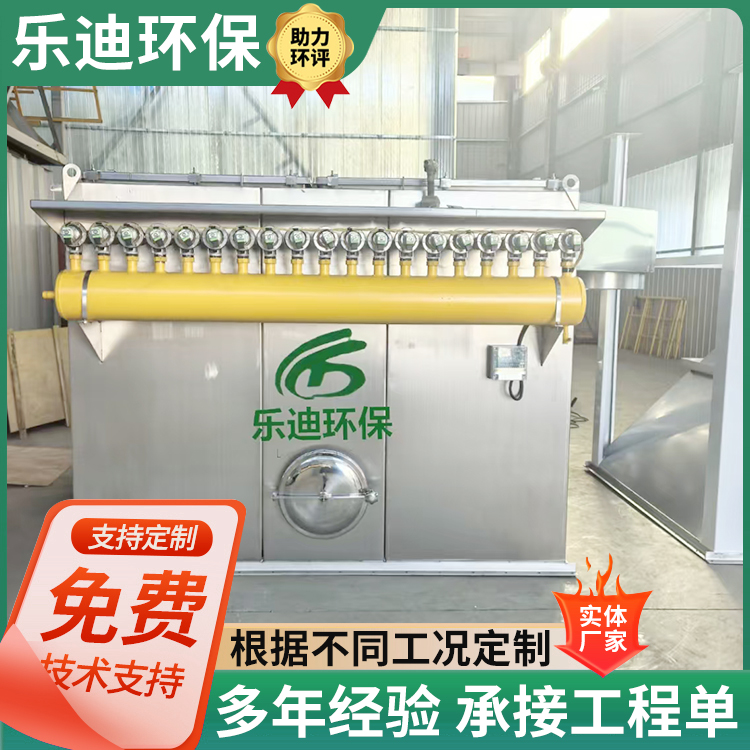





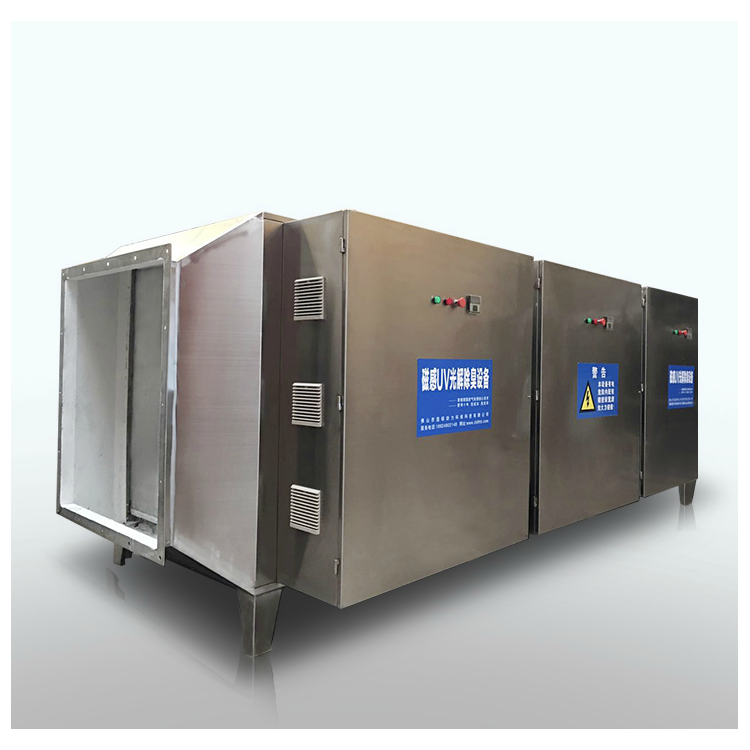

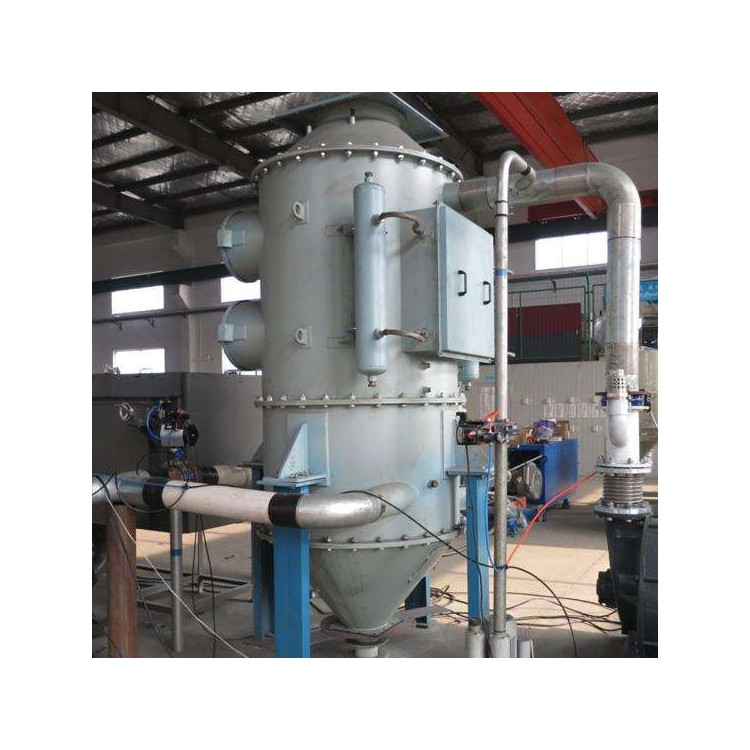

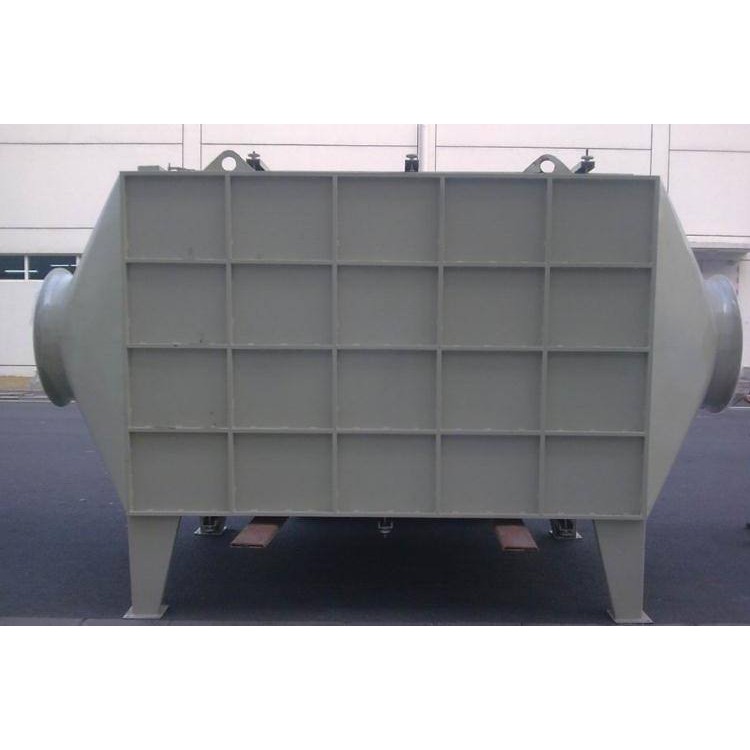
Used for purification treatment of mixed gases (benzene, alcohol, ketones, aldehydes, fats, powders, silyanes, etc.) suitable for wire and cable wrapping machinery, electrical engineering, automotive, bicycle, motorcycle, and engine applications. Waste gas purification for industries such as magnetic tape, plastics, household appliances, etc.: various supply channels, tinplate manufacturing, surface coating, printing inks, motor insulation processing, leather shoe adhesives, and drying conveyor lines. Purifies waste gases generated by purification equipment.

Organic waste gases with a medium concentration (typically between 2000 to 5000 mg/m³) undergo flameless combustion through low-temperature oxidation catalyzed by metals such as molybdenum, platinum, and palladium, converting the organic components into CO2 and H2O.

Characteristics of catalytic combustion methodFlameless combustion is easily controlled with a lower combustion control temperature (between 250-300°C). External heat energy consumption is minimal, and different exhaust gas components require different types of catalysts and combustion processes.
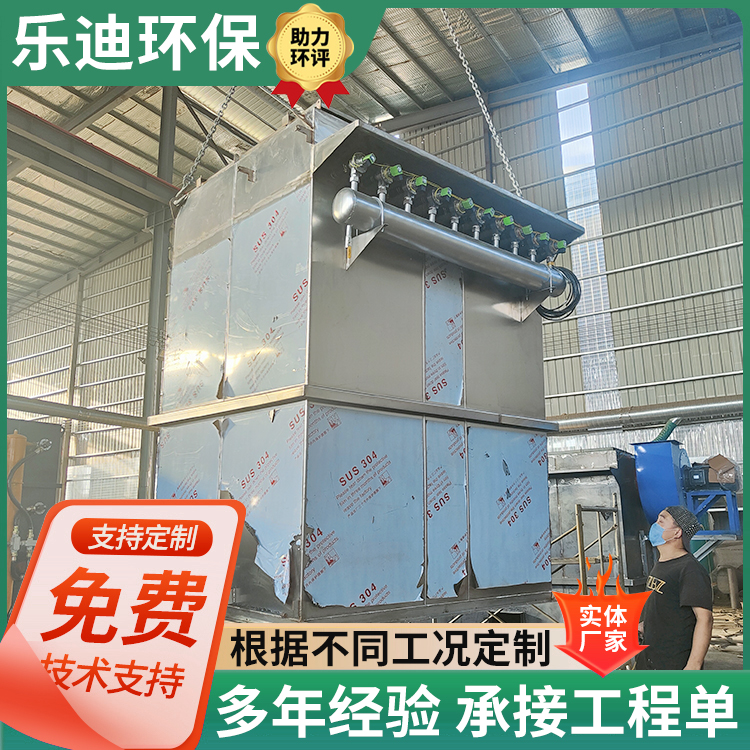
The gases entering the catalytic combustion equipment must be filtered and preheated to achieve the ignition temperature of the catalyst (between 220-250°C), removing dust particles, droplets, etc., to prevent clogging of the catalyst bed and the failure of the catalyst.
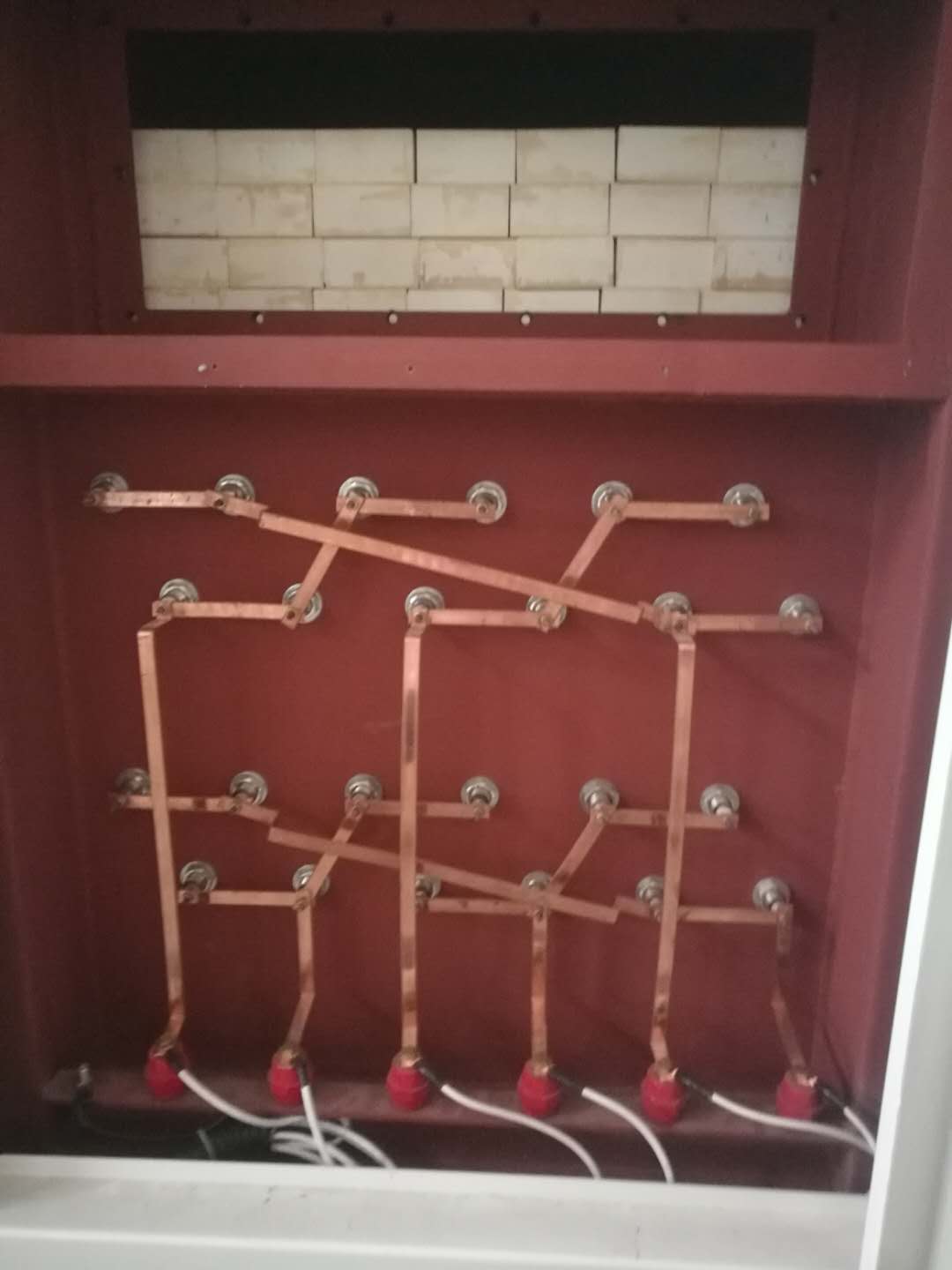
Waste Gas Catalytic Combustion Equipment - FeaturesEasy to operate, the equipment achieves automatic control during operation.
Low-energy consumption waste gas catalytic combustion equipmentThe catalytic combustion chamber employs a metal catalyst supported by honeycomb ceramic, offering low resistance and high activity. It can sustain self-ignition when the exhaust gas vapor concentration reaches above 2000ppm.
Waste Gas Catalytic Combustion Equipment - ReliableThe equipment is equipped with a fire-retardant dust removal system, a smoke explosion relief system, an over-temperature alarm system, and an advanced automatic control system.
Wastegas Catalytic Combustion Equipment - Low resistance, high purification rateUtilizing today's advanced metal honeycomb ceramic carrier catalyst with a large specific surface area.
Waste Gas Catalytic Combustion Equipment - Waste Heat ReusableThe waste heat can be returned to the drying channel, reducing the power consumption in the original drying channel, and can also serve as a heat source for other purposes.
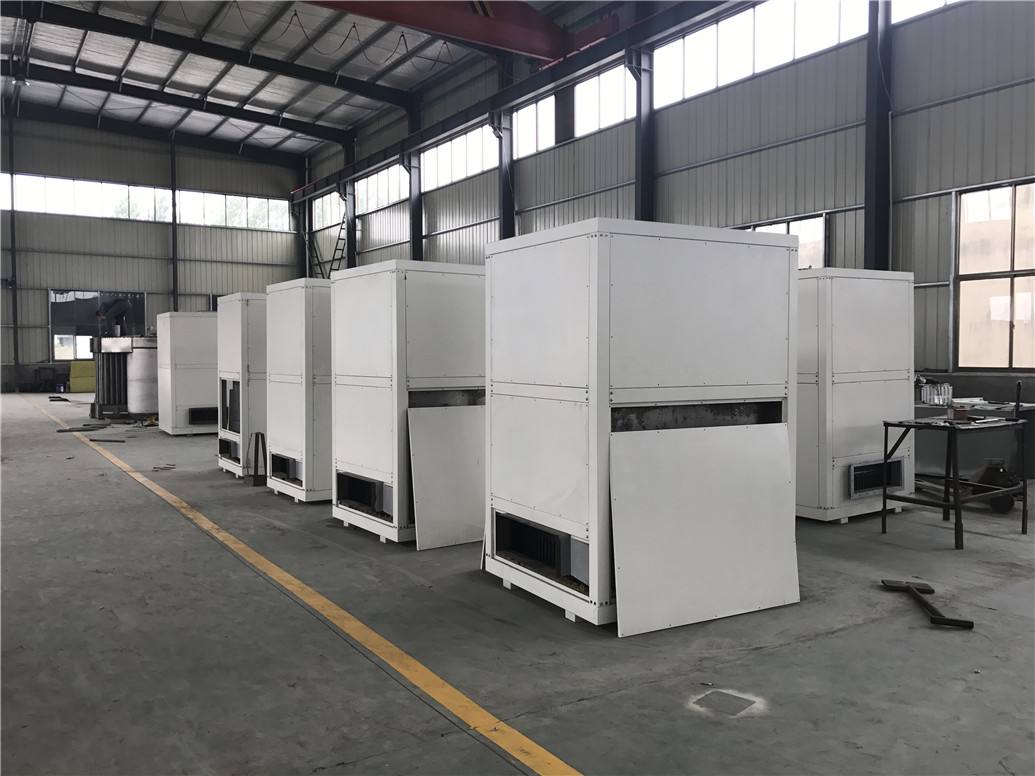
Waste Gas Catalytic Combustion Equipment - Compact FootprintJust 70% to 80% of the same industry's similar products, with no special requirements for the equipment base.
Waste Gas Catalytic Combustion Equipment - Long Service LifeCatalysts typically need to be replaced above 8000 hours, and the carrier is recyclable.
The heat exchange system ensures the effective recovery of waste heat. Once the gas concentration reaches a certain level, the heat exchange system can heat the organic waste gas to the starting temperature of the catalytic oxidation reaction, without the need for electrical heating, and process the organic waste gas through its own heat balance.
The equipment introduces organic waste gases into the main equipment, where they are decomposed into water and carbon dioxide by the action of catalysts, releasing energy in the process. This energy is then exchanged by the heat exchanger to maintain the energy for the self-combustion of the equipment.
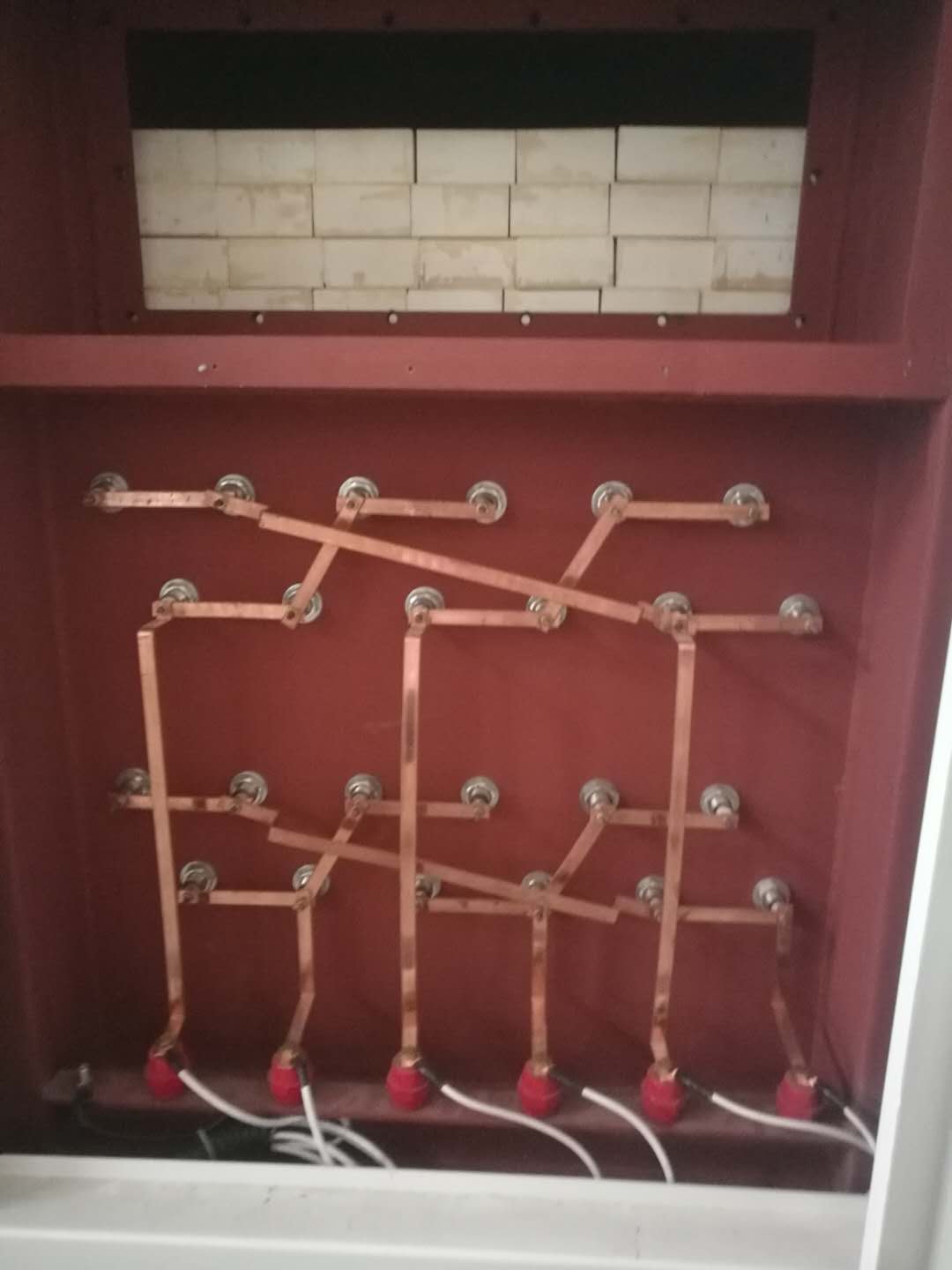
When the catalyst bed temperature reaches 250-300°C, the catalytic combustion bed begins to react, utilizing the hot air from the waste gas combustion to drive the cycle. At this point, electric heating stops, and no external heating is required. The ceramic honeycomb filled with metal reinforcement has a service life of 8,000 hours. The entire desorption system employs multi-point temperature control to ensure stable desorption effects.