
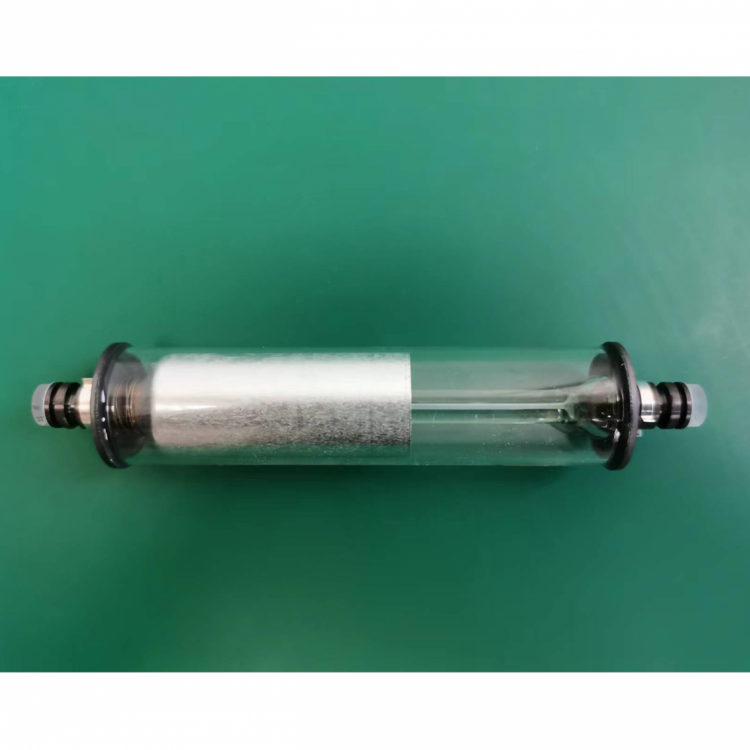








Helium-neonThe (HeNe) laser is the first gas laser to achieve laser oscillation output. The HeNe laser emits spectral lines of Ne, with multiple lines in the visible and infrared bands, including the strong lines at 0.6328μm, 1.15μm, and 3.39μm. We can employ certain methods to suppress two of these lines, allowing the desired wavelength laser to be emitted. The 632.8nm (red light) output, being in the visible band, is widely used in practical applications.
Due toThe HeNe laser beam features monochromaticity and good directionality, with stable control over output power and wavelength. Additionally, it boasts a simple structure and low cost, making it widely used in precision measurement, detection, alignment, information processing, and various optical experiments.
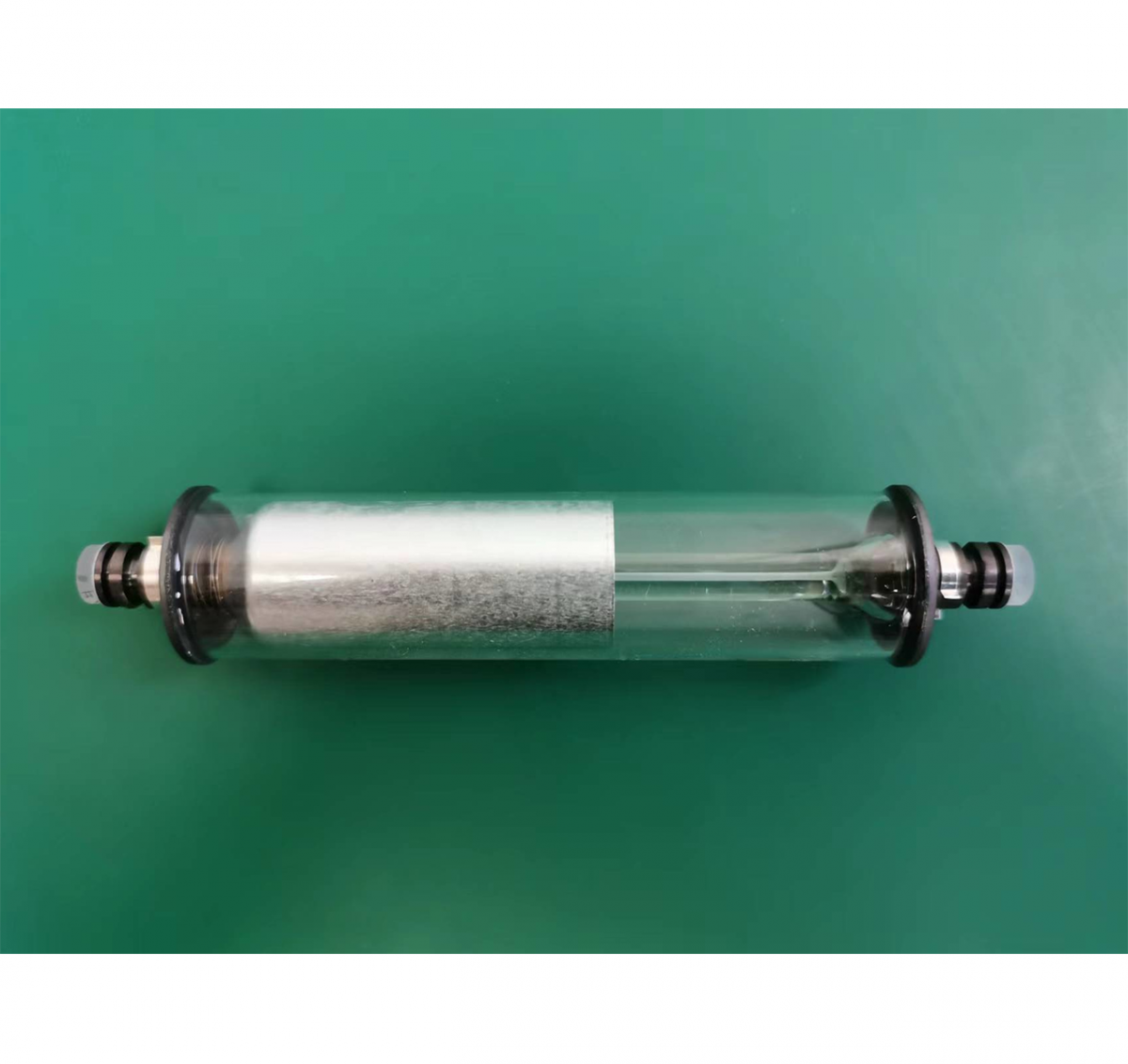
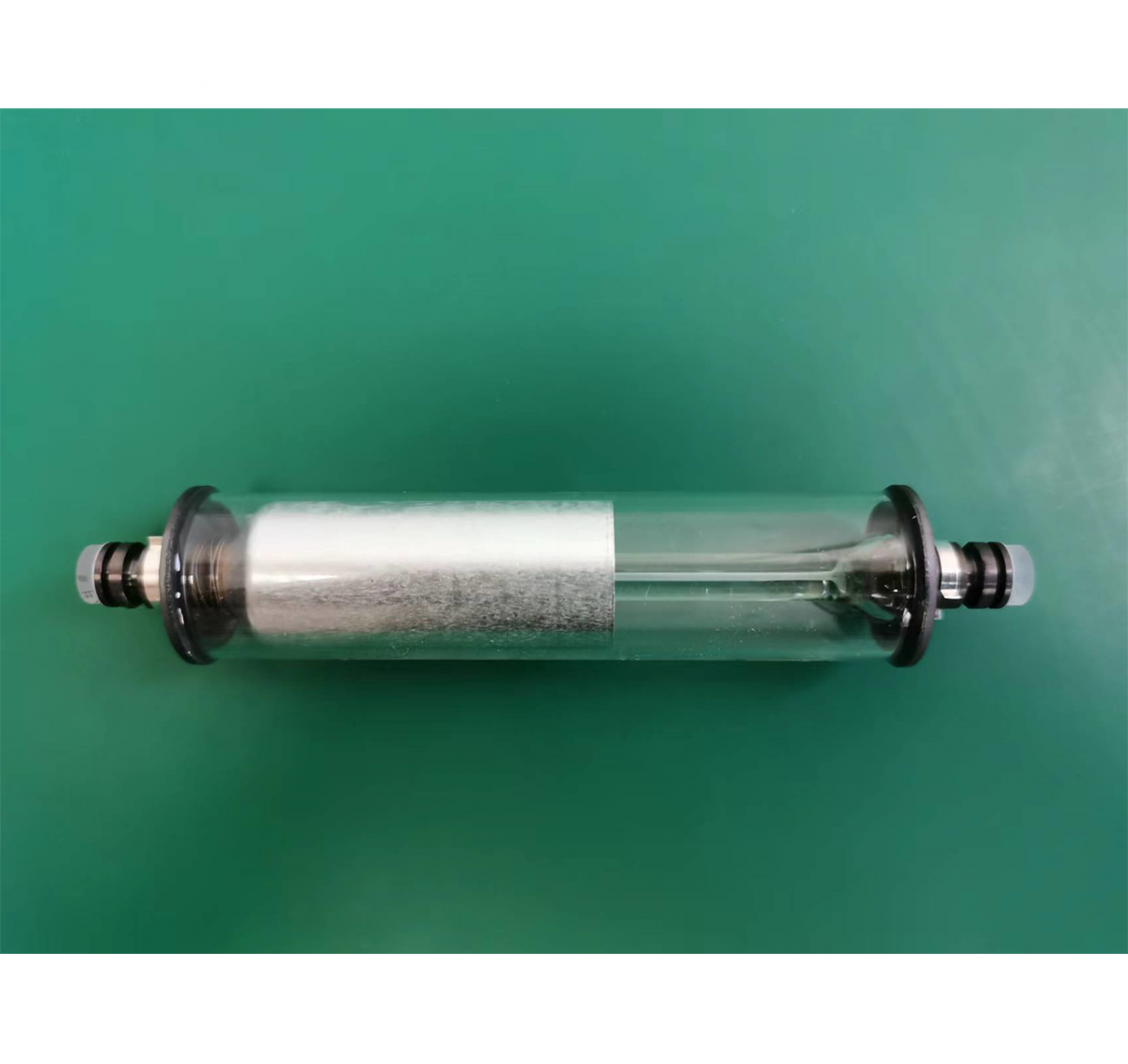
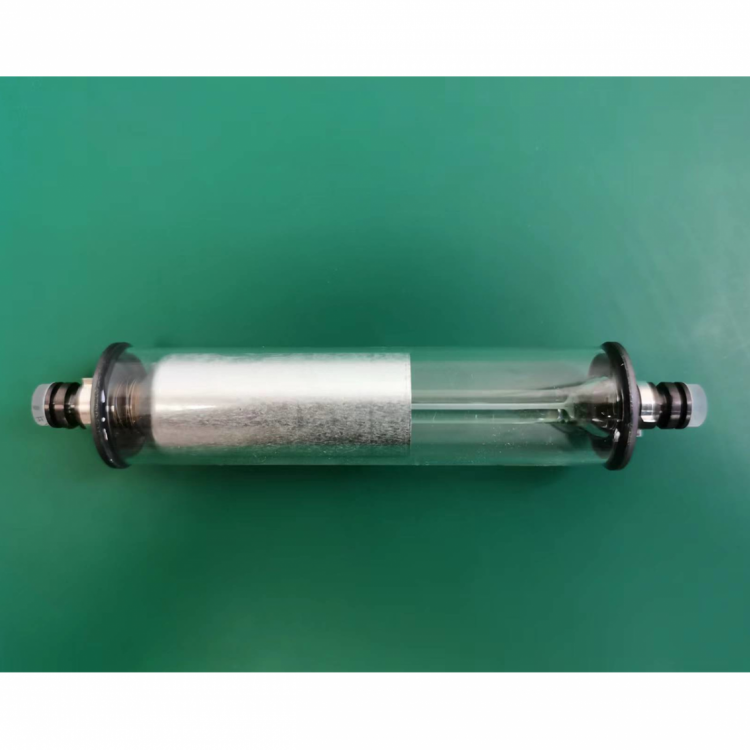
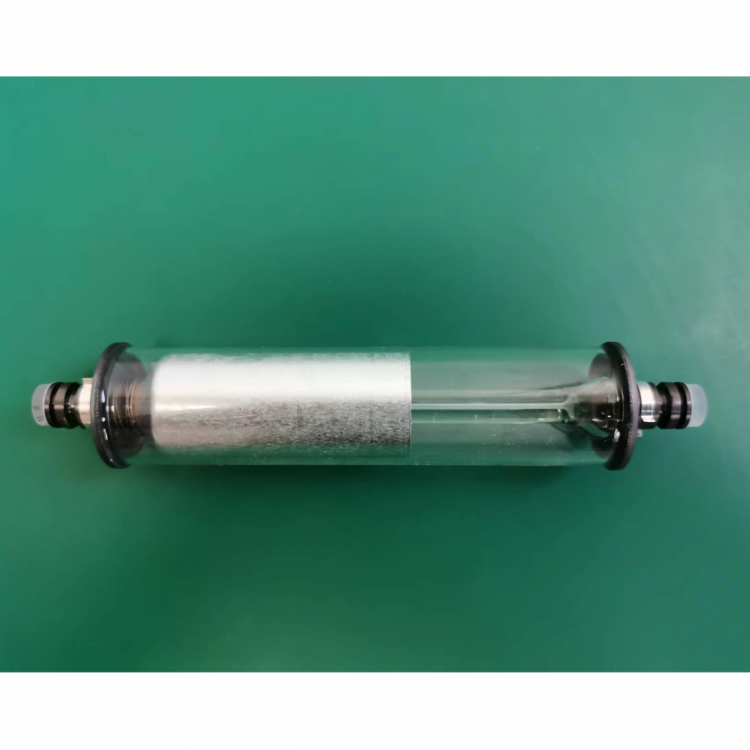
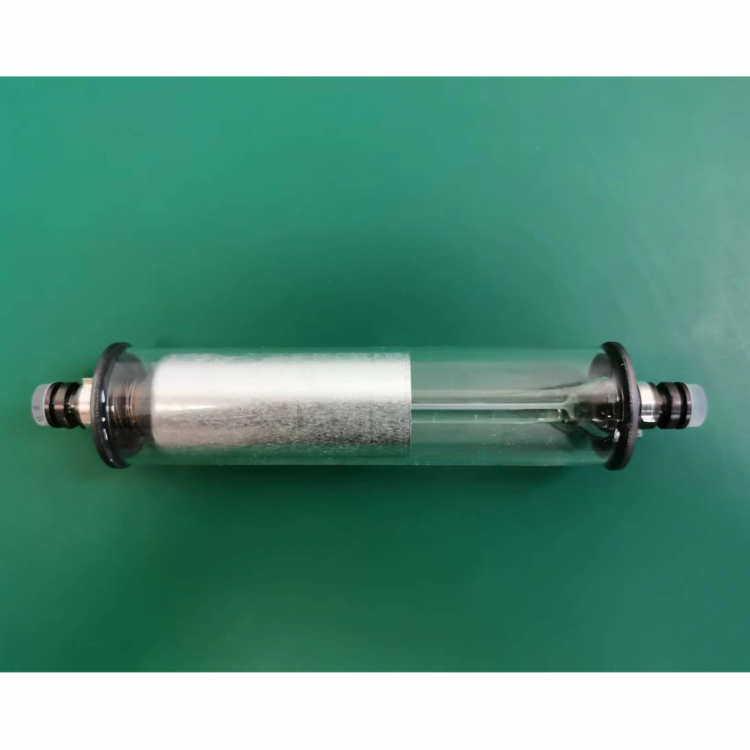
The HeNe laser is a glass tube structure, with glass being a material of excellent airtightness. The HeNe laser is a low-power laser, with the output power of a laser having a discharge tube length of several tens of centimeters being around a milliwatt. For a laser with a discharge tube length of 1 to 2 meters, the output power can reach several to a hundred milliwatts. The HeNe laser is a typical representative of the discharge-pumped gas lasers, and its working process, manufacturing techniques, and methods of designing components are of reference value for other gas lasers.
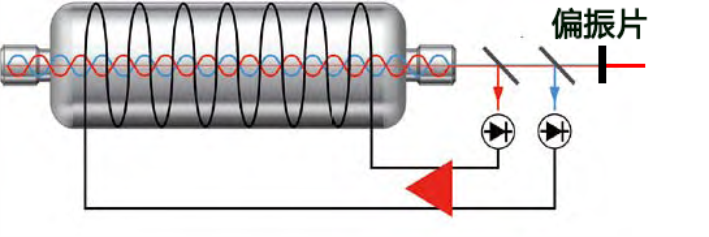
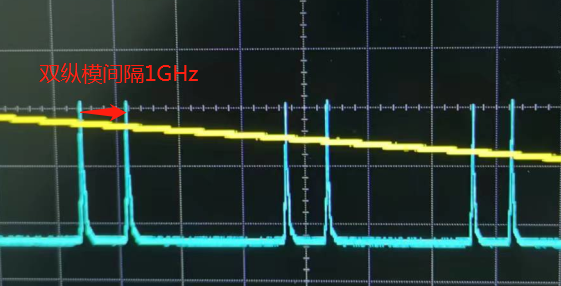
A single-frequency laser interferometer uses a single-frequency laser and dual longitudinal mode thermal stabilization technology for frequency stabilization. Due to the frequency spacing between the two longitudinal modes being approximately1GHz exceeds the fine operation capability of the signal processor, so one longitudinal mode laser is discarded by the polarizer. During the measurement, only the single longitudinal mode laser passing through the polarizer is actually used. The measurement is finally carried out using the zero-difference interferometry principle (amplitude modulation).