








Narrow Aisle Racking Operation Principle:
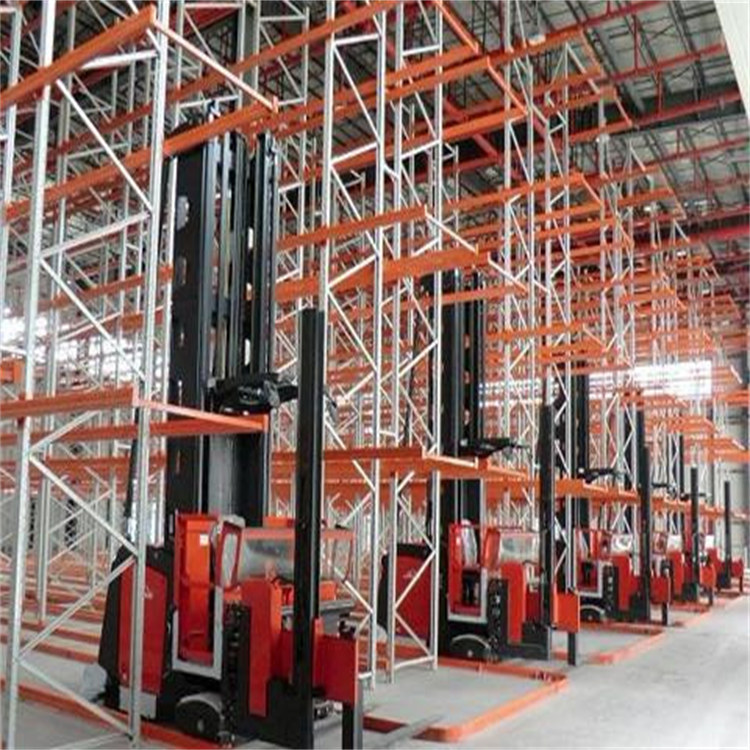
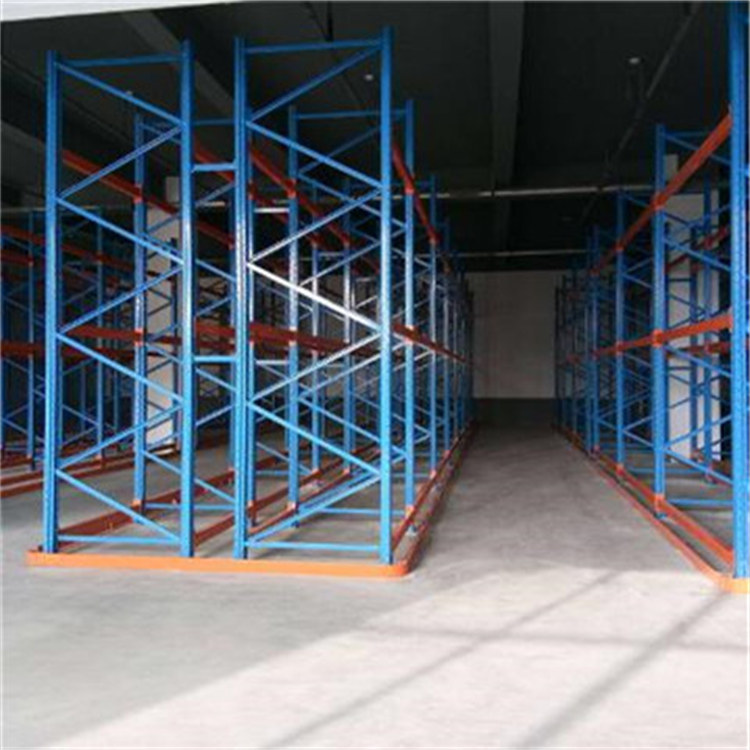
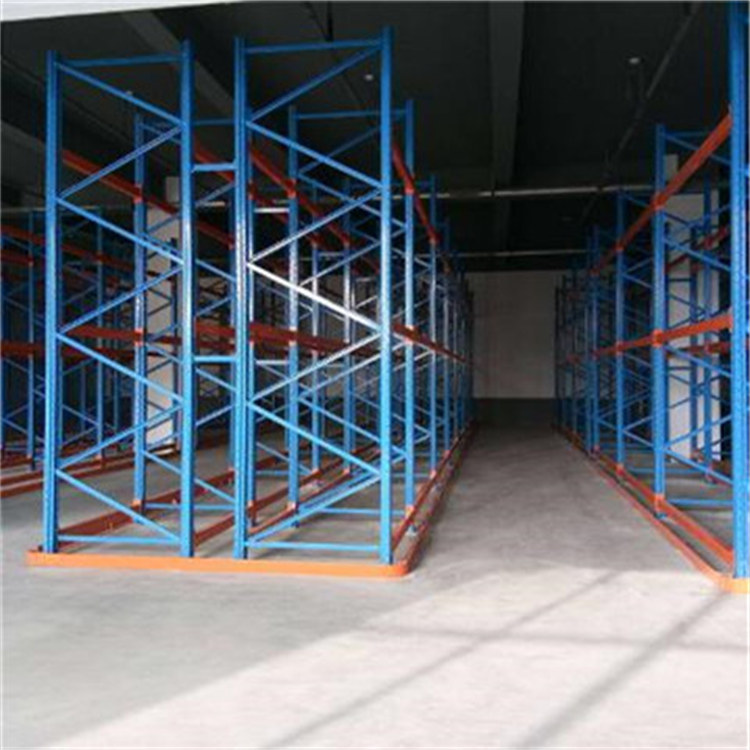
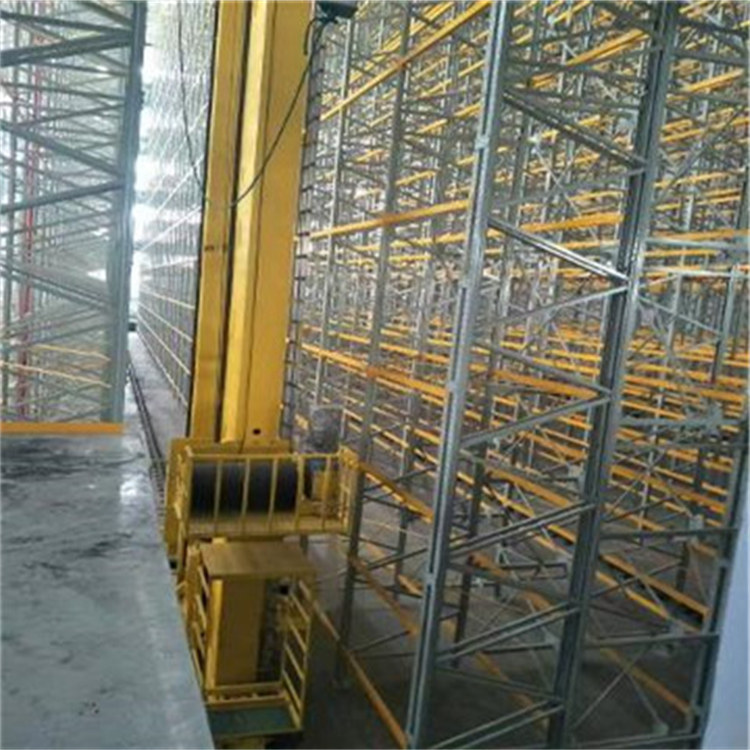
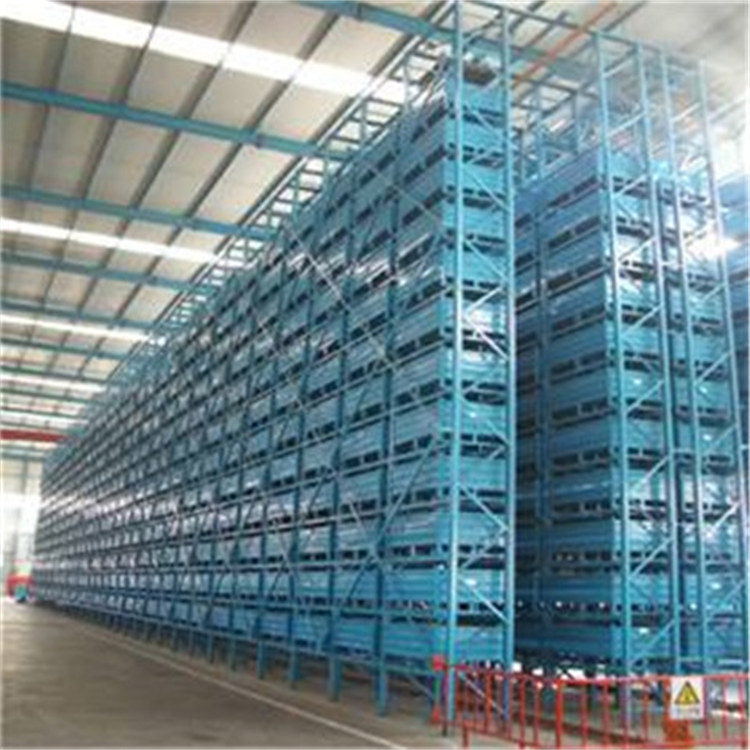
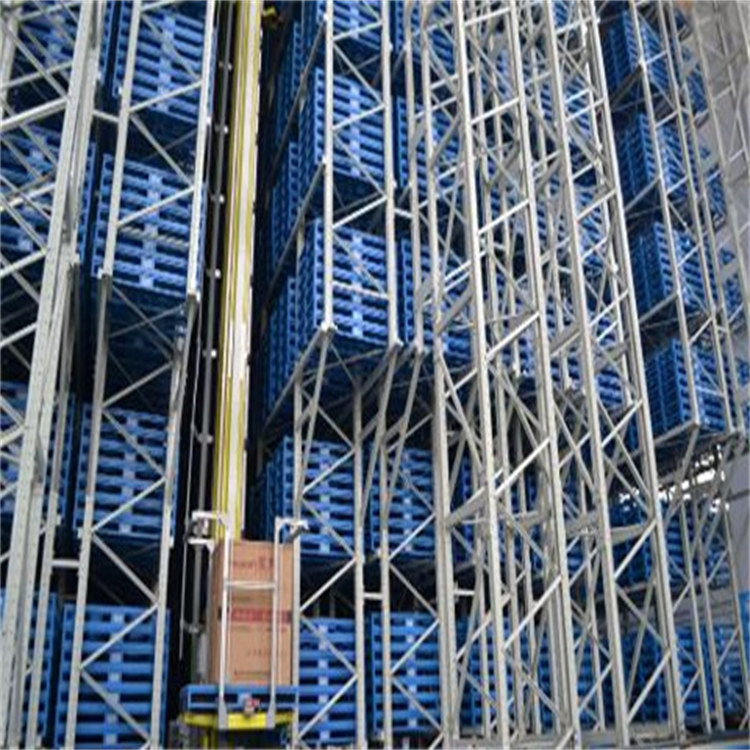
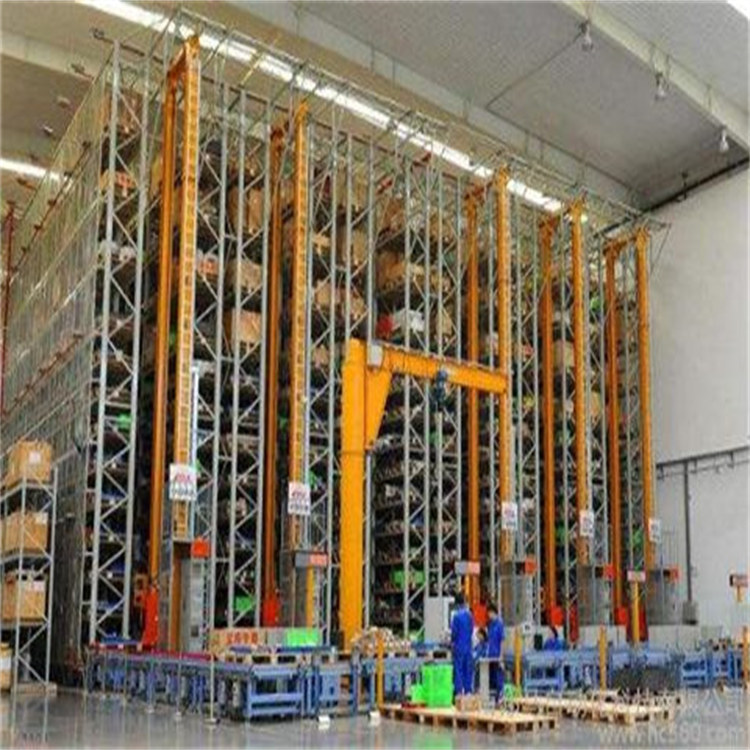
The shelving system is a beam-type shelving system, distinguished by the addition of action guide rails for "three-way stacker forklifts" at the bottom of the shelves. The guide rails are typically made of unequal angle steel. The forklifts for material handling are limited to "three-way stacker forklifts." The three-way stacker forklifts glide along the designated guide rails. The stacking aisle width of the shelving system is slightly wider than the width of the pallet goods, enabling high-density storage. It also inherits all the advantages of the beam-type shelving system. All materials stored in the shelving system are optional, and forklifts can store any pallet of goods at any time. With rapid storage efficiency and very high storage density, it brings significant productivity and cost benefits to storage and logistics centers suitable for narrow aisle shelving systems.
Narrow aisle racking application scope:
If the storage or logistics center possesses the following characteristics, consider opting for a narrow aisle racking system:
Large inventory with frequent goods in and out, requiring high-pick accuracy.
2. Urgently need to increase storage space or have a certain storage capacity in the warehousing and logistics center.
3. Logistics efficiency is required to be at a high level.
4. The warehouse has a high usable clear height, over 8M.
5. Forklifts can be optionally selected as independent warehouse forklifts; there is no plan to use warehouse forklifts for outdoor tasks.
Narrow Aisle Shelving Features:
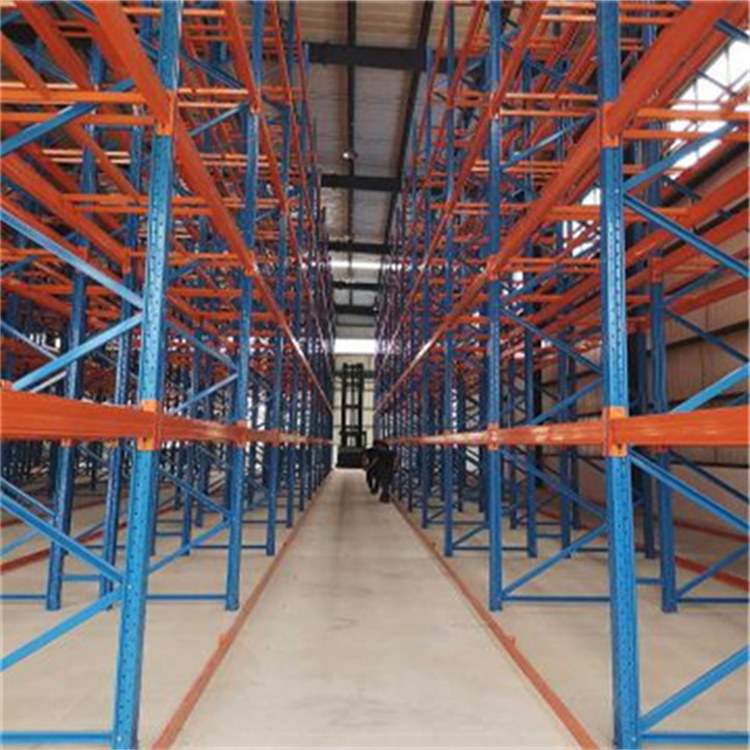
The narrow aisle racking features significantly narrower aisles compared to standard beam racking, typically around 1600mm-2000mm wide, greatly enhancing warehouse space utilization. In today's soaring real estate prices, narrow aisle racking is favored by many corporate warehouses. This type of rack requires a specialized forklift—the three-way stacker—another of its unique features. Due to the narrow aisles, it demands skilled operation of the forklift, with a need for proficient driving and careful, cautious work in everyday operations.
Secondly, after the narrow-aisle shelving is installed, there is a guide rail approximately 200MM high (the rail can be prepared during the civil engineering work or made into a protective panel during shelf installation) serving as the forklift guidance system. This reduces the danger to the shelves caused by human factors on the part of the forklift driver, making the requirements for the driver lower compared to those for the drive-in system.