










Composition and Classification
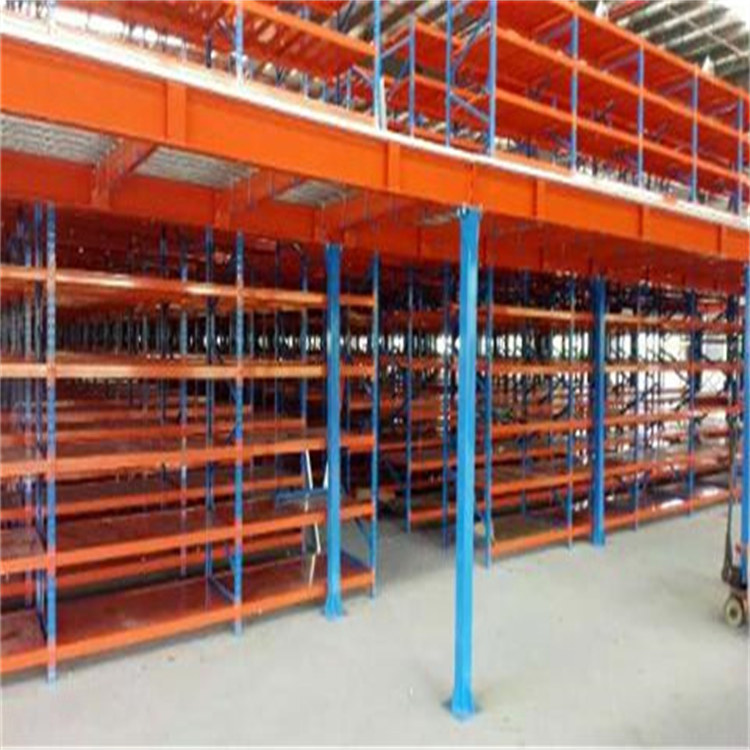
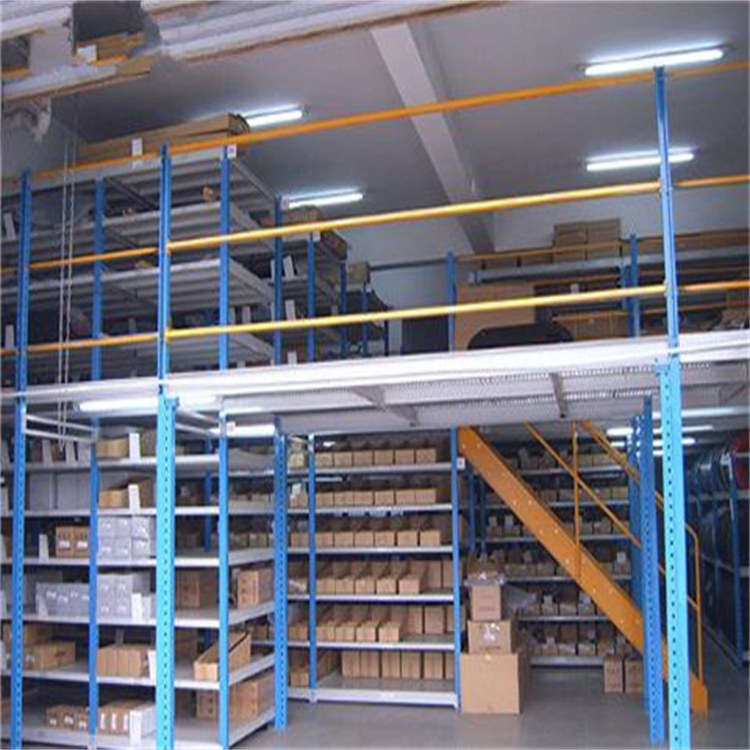
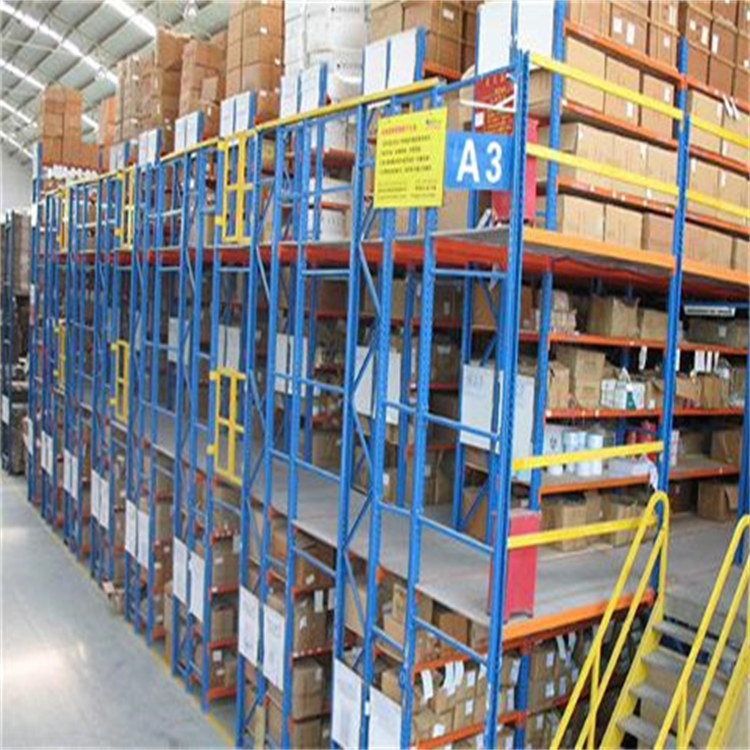
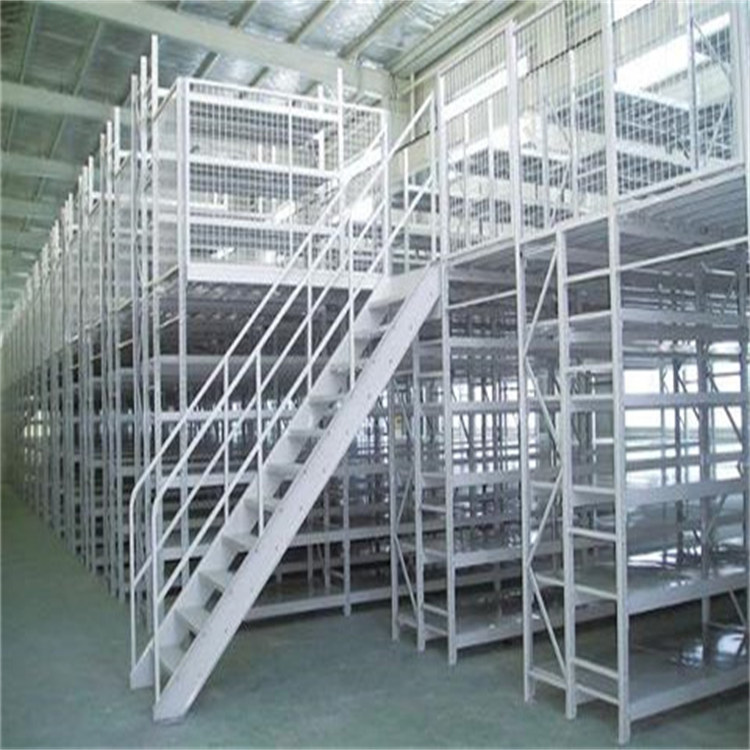
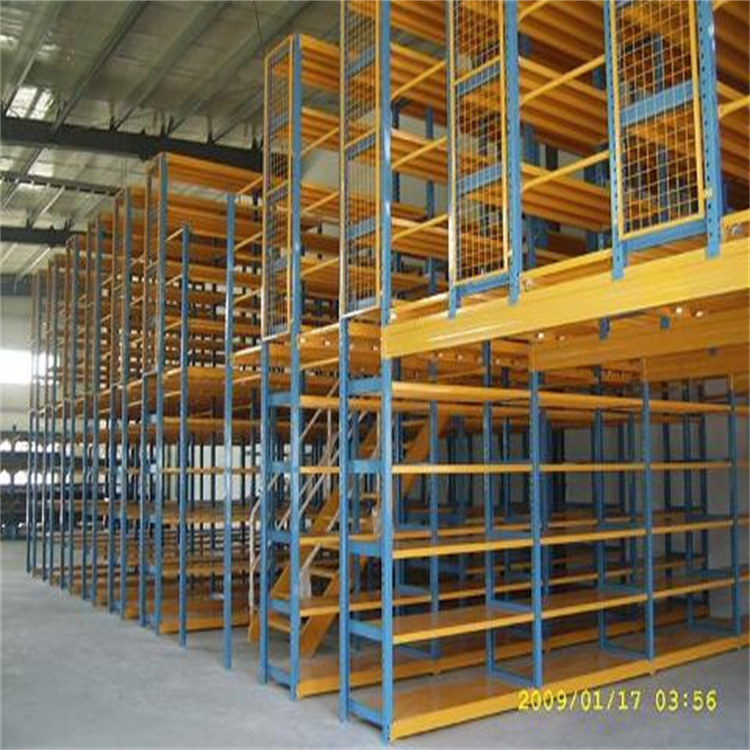
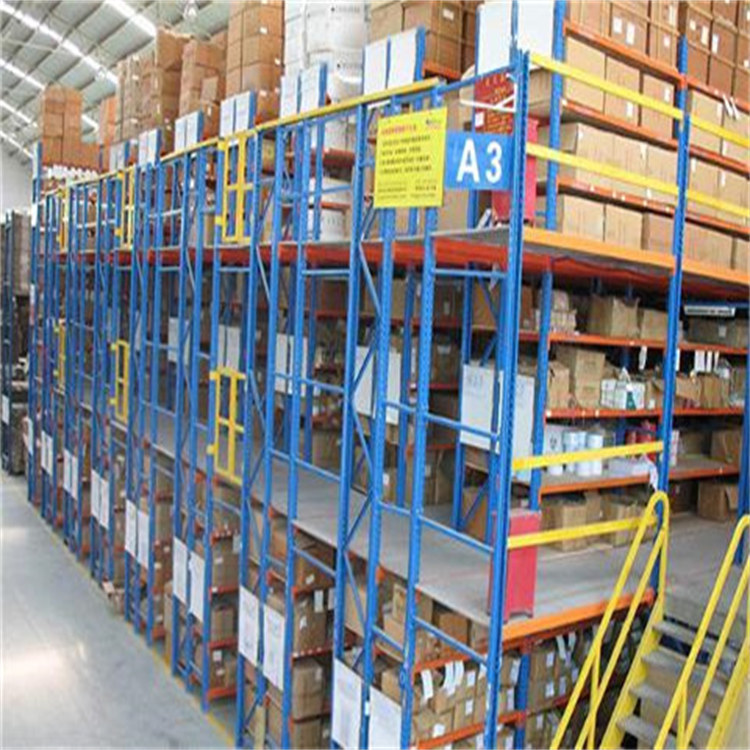
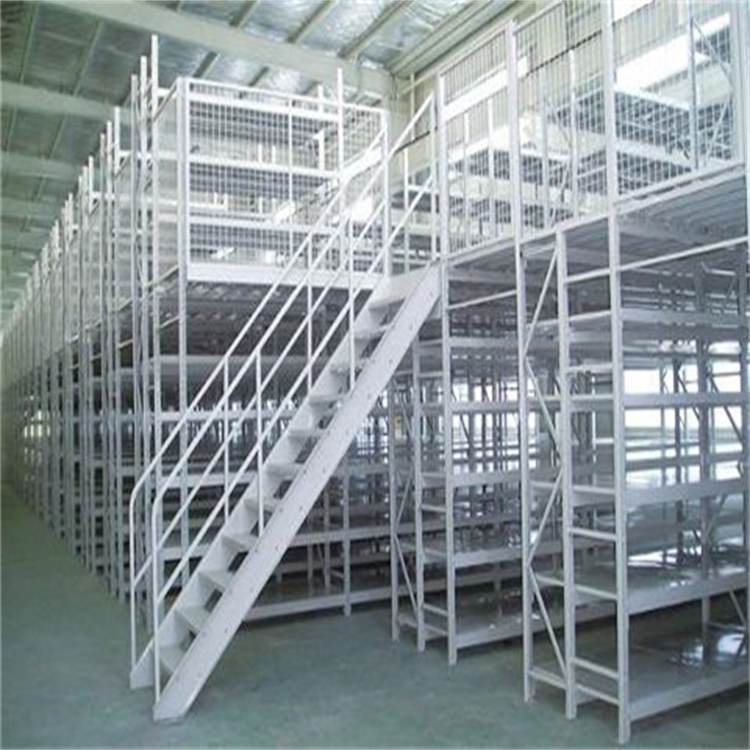
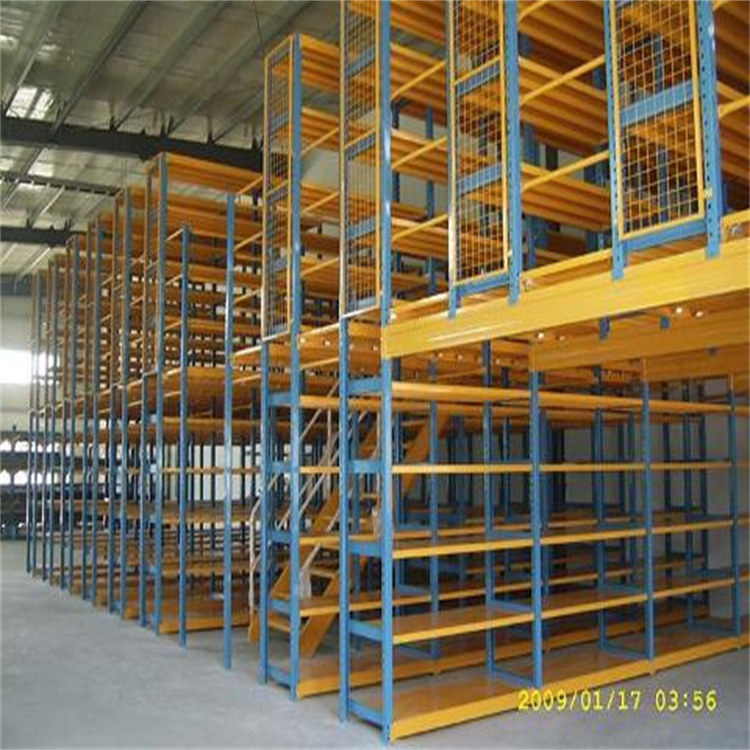
Composition: The platform structure typically consists of deck boards, main and secondary beams, columns, inter-column supports, as well as ladders, railings, etc.
Category:
Indoor and outdoor platforms are available, as well as platforms designed to bear static and dynamic loads, production auxiliary platforms, and medium to heavy-duty operational platforms, all tailored to specific usage requirements.
According to different treatment methods of the bracket, the platform structure can also be divided into:
Platforms directly mounted on the trusses or brackets of the factory columns, typically serving as safety walkways or a simple medium-sized operational platform.
A platform supported on one side by a factory column or building wall, and on the other side by an independent column.
Platform supported by large equipment.
All are independent platforms.
For platforms supporting significant dynamic loads or heavy equipment, it is advisable to design them to be disconnected from the factory columns and directly supported by independent columns.
Platform structure arrangement
Meets the requirements for process production operations, ensuring clearances for passage and operation. The general minimum clear height for passage should not be less than 1.8M. Protective railings should generally be installed around the platform, with a height of about 1M. When the platform height exceeds 2M, a toe board of 100-150mm in height should be set below the protective railing. A ladder for ascending and descending should be provided on the platform, with a width of no less than 600mm.
When determining the flat dimensions, elevation, beam grid, and column arrangement of the platform structure, in addition to meeting the usage requirements, the placement of beams and columns should also consider the positions of equipment loads and other significant concentrated loads on the platform, as well as the suspension of large-diameter industrial pipelines.
The arrangement of the platform structure should strive for economic and rationality, with direct and clear force transmission. The layout of the beam grid should be appropriate to its span. When the span of the beams is large, the spacing between them should also be increased. Make full use of the permissible span of the laid plates, and rationally arrange the beam grid to achieve better economic results.
Safety Maintenance
1. Steel platforms should be equipped with load limit signs.
2. The anchorage points for steel platforms and upper tie points must be located on the building structure and should not be set up on scaffolding or other construction equipment. The support system must not be connected to the scaffolding.
3. The concrete beams and slabs at the steel platform's support points should be embedded with fastening components and connected to the platform with bolts.
4. The horizontal angle between the wire rope and the platform should be between 45 and 60 degrees.
5. Beams and columns at the tie nodes on the top of the steel platform should be checked for tensile strength to ensure the safety of the building and the platform.
6. When constructing steel platforms, use latches; do not allow the hook to hang directly from the platform's lifting ring.
7. When installing steel platforms, wire ropes should be securely fastened with hooks. If using other methods, there must be no fewer than 3 clips. A soft cushioning material should be added at the sharp corner of the building where the wire rope is wrapped. The outer edge of the steel platform should be slightly higher than the inner side.
8. Steel platforms must be equipped with fixed guardrails on both sides and securely hang dense mesh safety nets.
Advantages and Disadvantages of Steel Platforms
Modern steel structure platforms come in a variety of structural forms and are fully equipped with functions. Their key feature is the fully assembled structure, which is flexible in design and can be tailored to different on-site conditions to produce steel structure platforms that meet the site requirements, usage functions, and logistics needs. They are widely used in modern storage facilities.
Today, social land is becoming increasingly valuable and scarce. How to fit as much cargo as possible within limited space is a concern for many businesses. With the development of the times, the use of steel has become very widespread. Structures primarily made of steel are one of the main types of building structures currently in use. Steel structures, with their unique characteristics, are dominating the market.
One of its features is that steel has high strength, low weight, and great rigidity, making it particularly suitable for constructing large-span, ultra-high, and ultra-heavy structures.
Secondly, steel structures have good homogeneity and isotropy of materials, making them ideal elastic bodies that comply with the basic assumptions of general engineering mechanics. They are a rare ideal building material.
Thirdly, its material has good plasticity and toughness, allowing for significant deformation, thus it can well withstand dynamic loads. Many large buildings in Suzhou are primarily constructed with steel structures as the main framework.
Fourth, short construction period: A 300-square-meter building can be completed from construction to decoration in just a month with only five workers and thirty working days. It's cost-effective, time-saving, and labor-saving!
Fifth, steel structure buildings have a high degree of industrialization and mechanization, allowing for specialized production, enhancing work efficiency, and reducing construction complexity. They align perfectly with the current high-speed, energy-saving society.
The sixth drawback is the poor fire and corrosion resistance.
Steel structures are primarily used for the load-bearing skeletons of heavy workshops, factory structures subjected to dynamic loads, plate and shell structures, tall television towers and masts, large-span structures such as bridges and warehouses, as well as high-rise and super high-rise buildings.