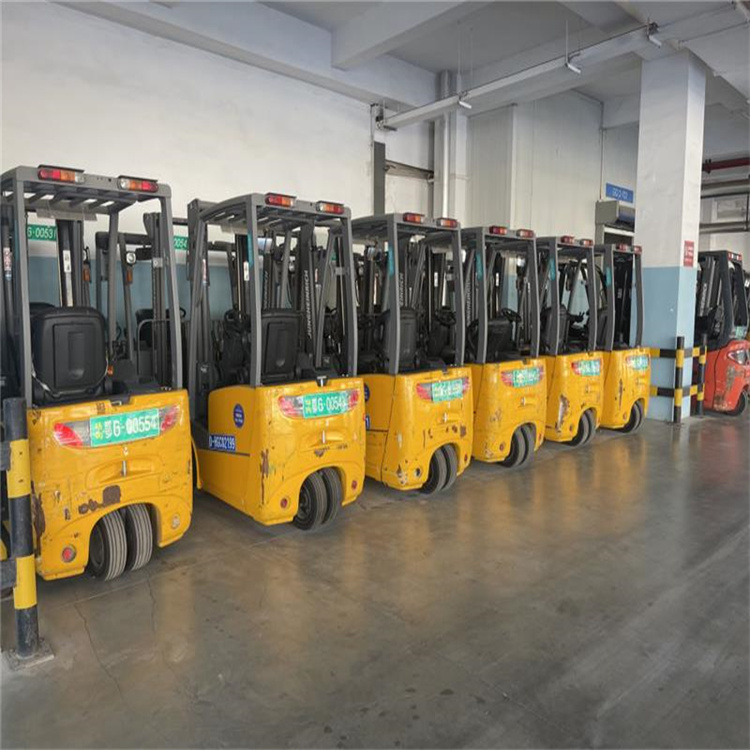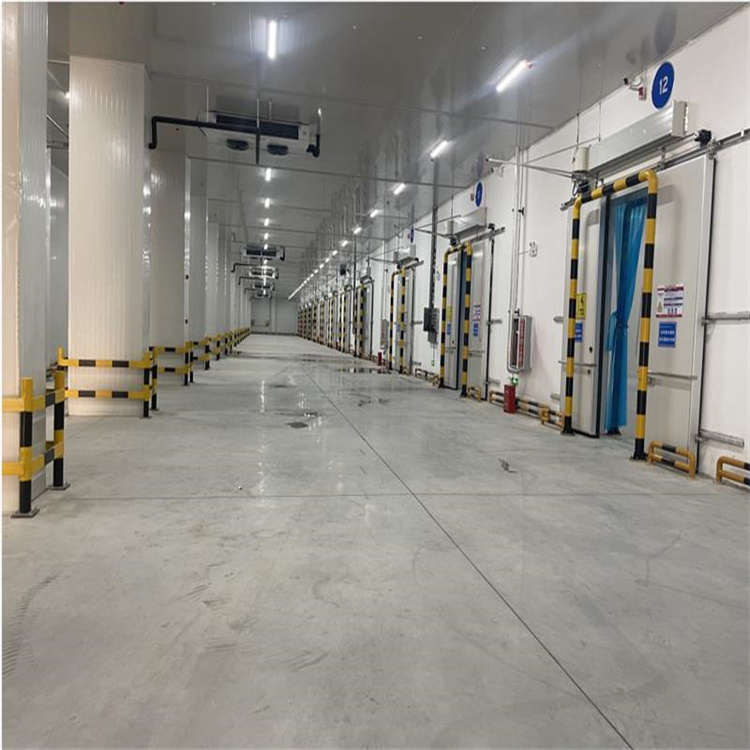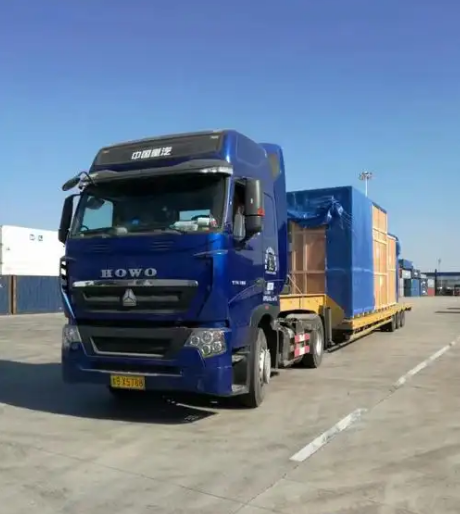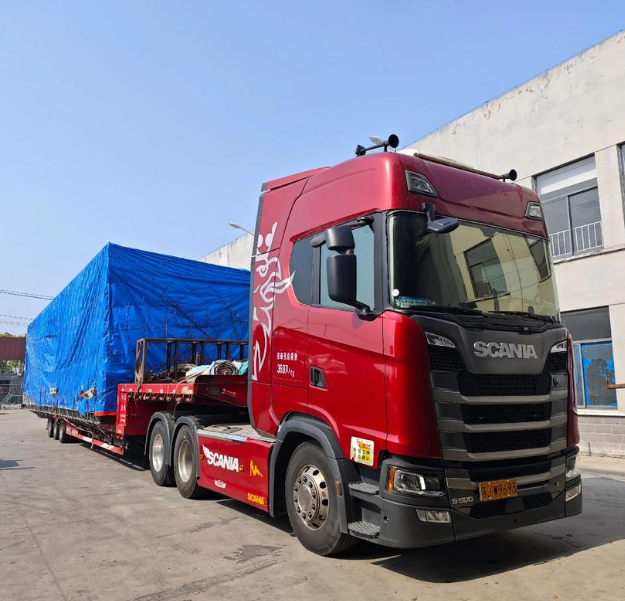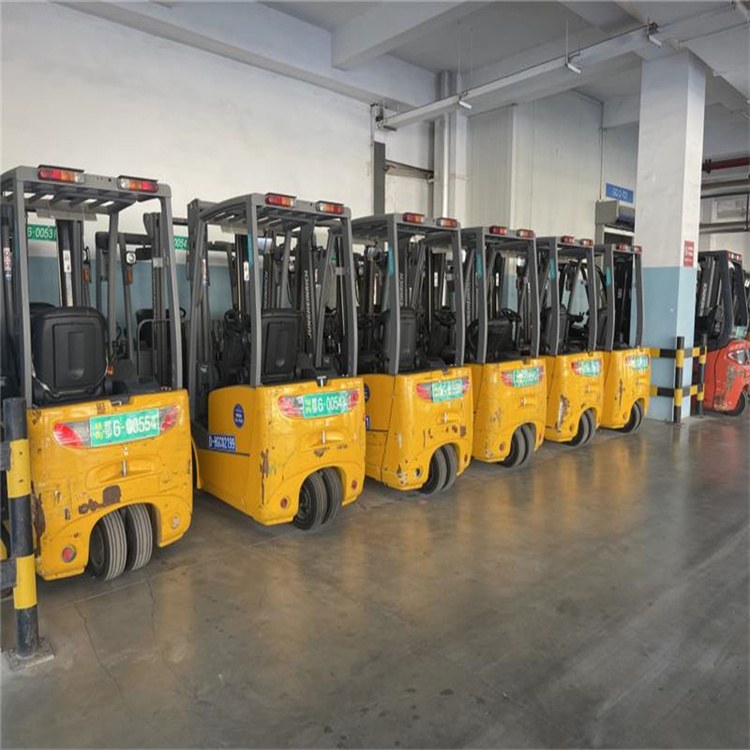
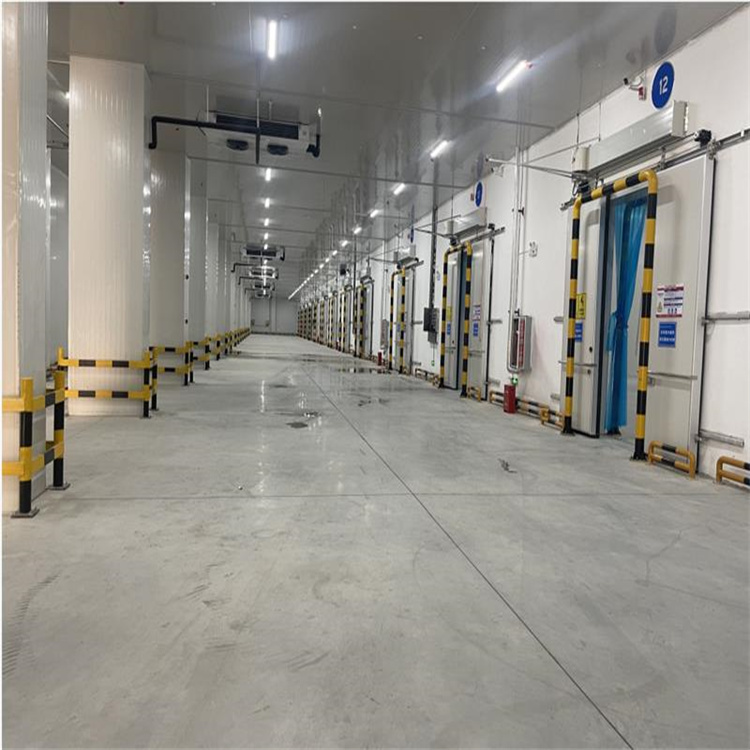












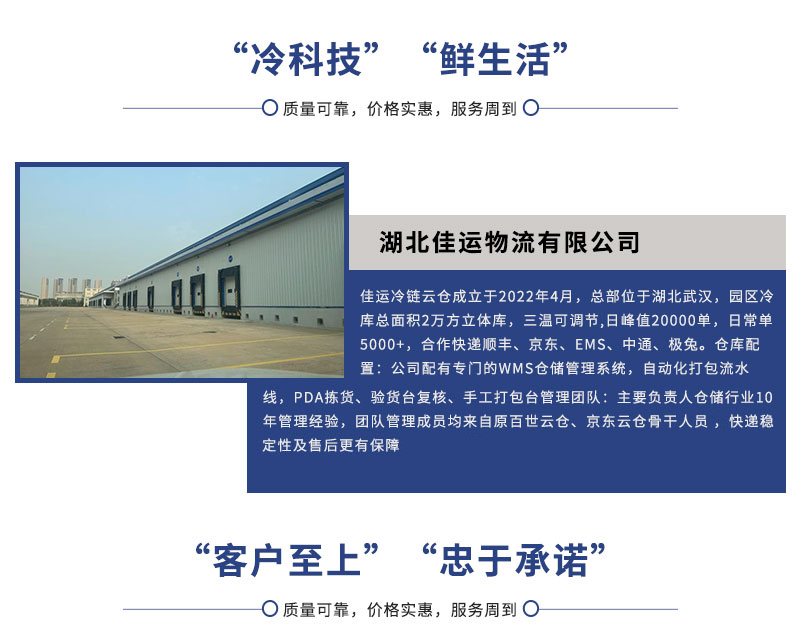
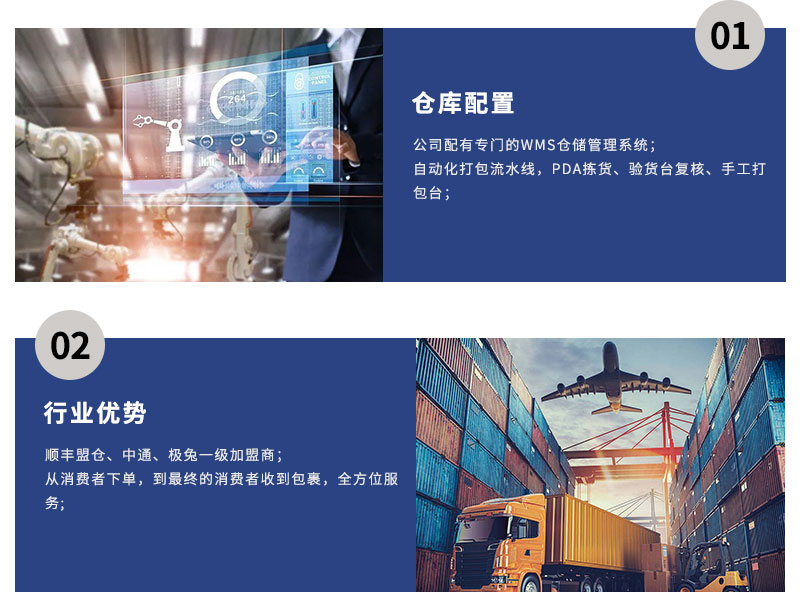
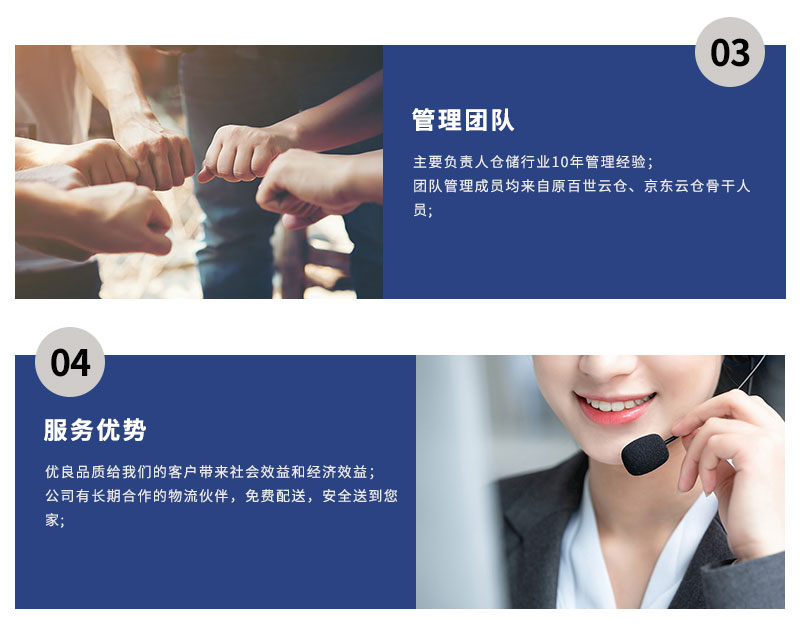
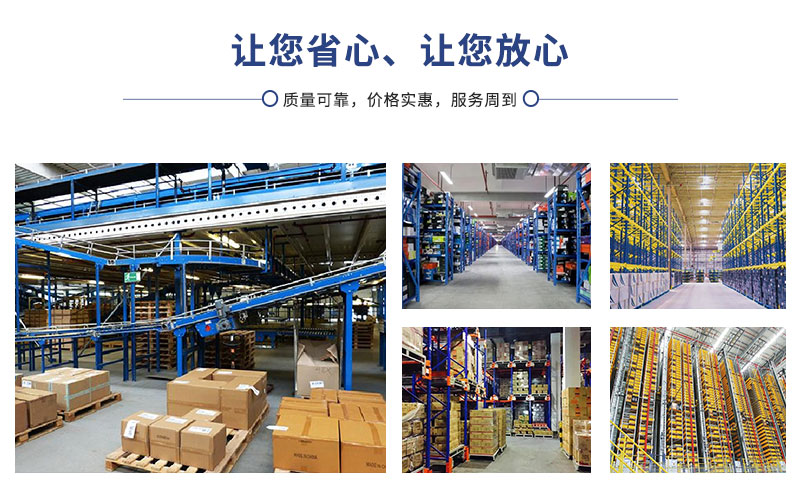
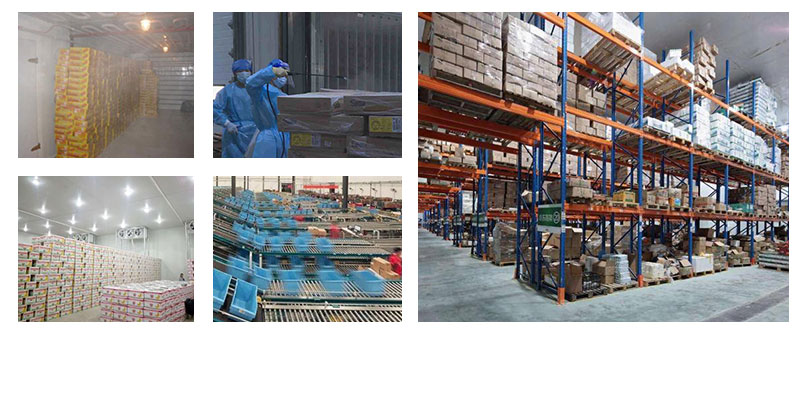
Cold Chain Cloud Warehouse, annually providing high-quality B2C+B2B warehousing and distribution integration services to various brand merchants, e-commerce sellers, and offline retail stores. Offering independent warehouses, shared warehouses, integrated warehousing and distribution, and warehouse outsourcing services. Currently serving over 200 companies across industries such as food, fast-moving consumer goods, beverages and tea, clothing and footwear, daily necessities, 3C electronics, home appliances, and valuable items. Tailor-made warehousing and distribution integration processes, system connections, warehouse operations management, logistics distribution, and value-added services for partners, meeting diverse warehousing and distribution needs of enterprises.
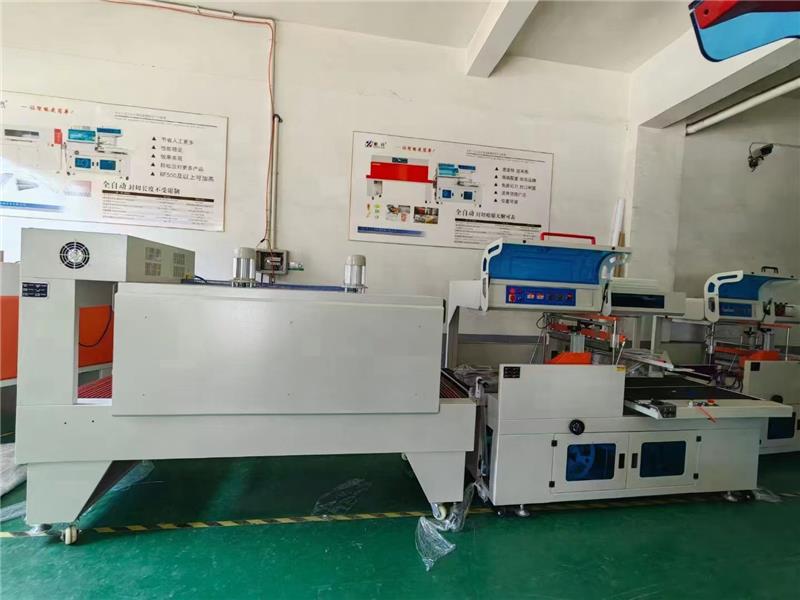
As living standards improve, some logistics have emerged, such as cold chain logistics. Next, I'll introduce you to some knowledge about Hubei cold chain logistics.
Firstly, transportation packaging for refrigerated food: Due to the characteristics of refrigerated food and other factors, quality and hygiene of refrigerated food should be considered when selecting packaging materials or containers. The materials or containers used for transportation packaging should be kept clean, free from contamination and odors. They must be protected to ensure that they can be safeguarded during loading and unloading, preventing internal food loss.
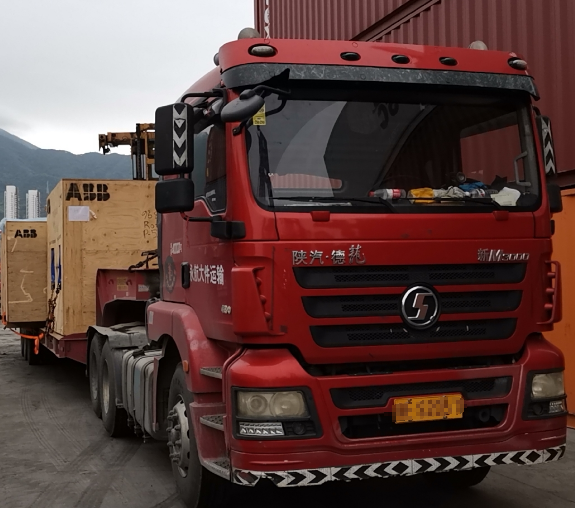
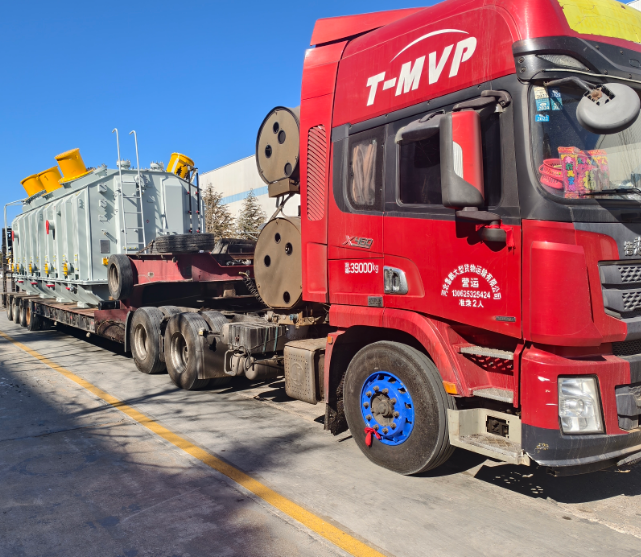
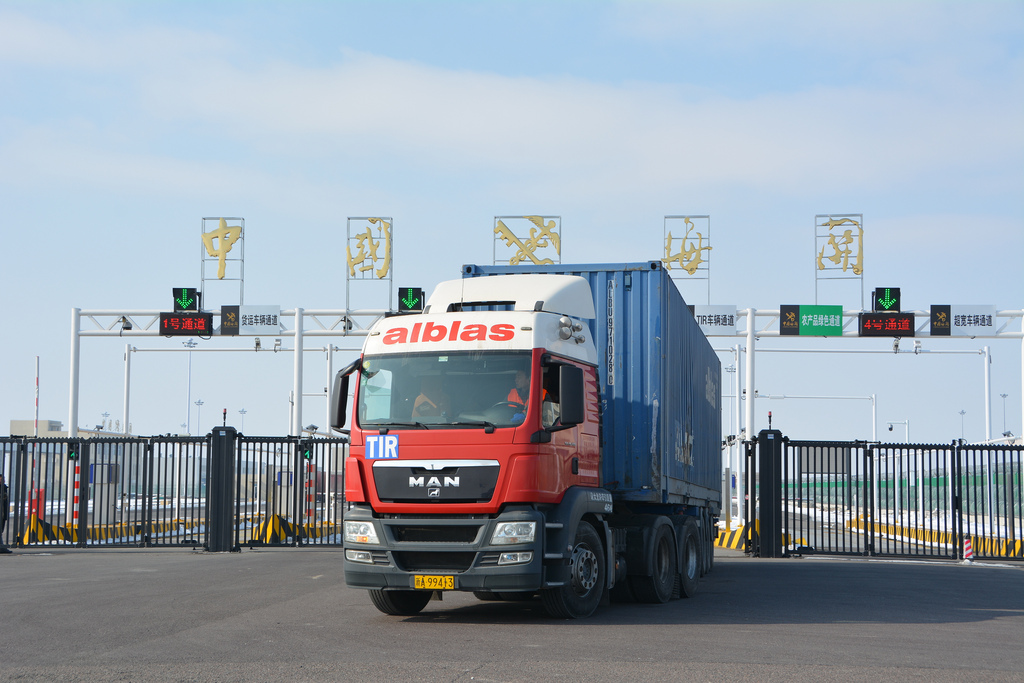
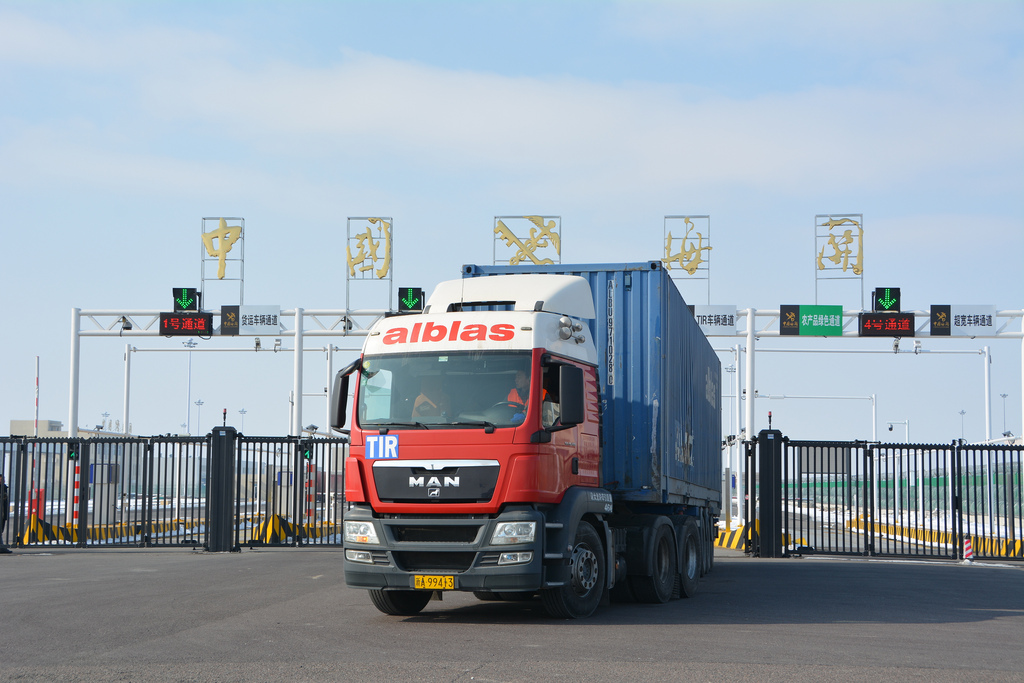
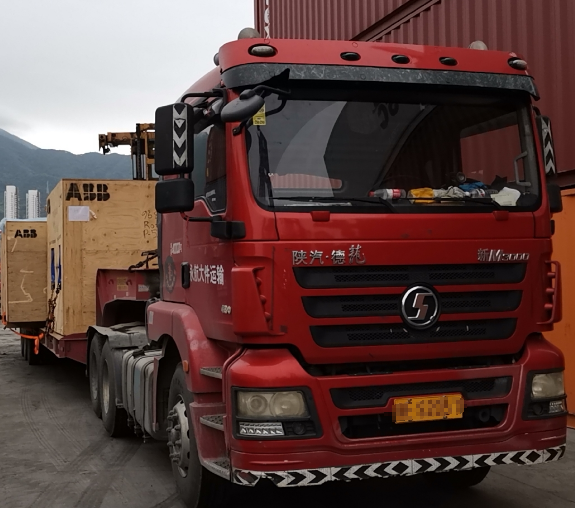
Transportation of refrigerated food: There are numerous transportation tools for general refrigerated logistics, such as fresh produce e-commerce cloud warehouses, refrigerated trucks, insulated vehicles, refrigerated trains, refrigerated ships, and transport vehicles, including refrigerated containers. Refrigeration equipment should also remain pollution-free and odorless. Moreover, the transportation of refrigerated logistics is more crucial than other logistics. Regular inspections and maintenance should be conducted to identify any abnormal handling of refrigerated truck equipment and repair it immediately. Therefore, refrigerated logistics companies typically check the condition of vehicles before transporting refrigerated food to ensure the safety of the transportation process.
Next is the type of transportation for refrigerated food: Typically, various types of food in refrigerated logistics can have their temperatures closely matched. However, not all foods can be transported simultaneously. For example, foods in different processing stages; for instance, those with strong odors or those easily absorbing odors, etc.
In today's fresh produce delivery, many people spend their days dealing with various vegetables, meats, rice, noodles, oil, and flour. Among them, the packaging of fresh goods comes in a myriad of styles and varieties. Just to name a few, there are foam boxes, plastic baskets, cardboard boxes, plastic bags, and jute bags, and more.
This is because fresh produce has always been prone to short shelf life, spoilage, and wear and tear. Applying different packaging to products is a protective method that has been developed through years of summary and accumulation by fresh produce distributors, who combine the characteristics of various products during long-term production activities. It effectively extends the shelf life of vegetable products. The different cold storage packaging methods yield varying results.
Section 1: Commercial Packaging
Fresh produce distributors place a high value on packaging. The packaging design of new fresh produce products is innovative and covers a wide range, including elements like performance, materials, shape, and printing for visual communication. It accurately reflects the attributes, quality, and grade of the products, capturing customers' attention. By showcasing the company's brand image on the packaging, it can fully utilize packaging to convey the company's image and culture, creating a unique vegetable brand of its own.
The packaging of the products is more diverse, offering more functionality and enhanced aesthetics, which are the characteristics of new fresh produce delivery providers.
Although this increases costs, it also enhances the added value of fresh produce, emphasizes our uniqueness, differentiates us from other ordinary businesses on the market, and attracts more foot traffic.
Control temperature to ensure quality.
In fresh produce distribution, leafy vegetables typically cannot be stored for long. If directly placed in cold storage, they will quickly turn yellow and the leaves will become soggy and rotten upon retrieval. The key to preserving these vegetables is to retain moisture while preventing the leaves from rotting.
In the summer, daytime temperatures are extremely high. Without the use of foam boxes to insulate the temperature, leafy vegetables cannot last for more than a few hours. However, with foam packaging, the shelf life of leafy vegetables can be significantly extended, ensuring the vegetables maintain quality upon arrival to the consumer.
Three: Prevent collisions and reduce losses
Above mentioned, fresh produce has the issue of short shelf life and susceptibility to spoilage, making vegetables particularly vulnerable. After purchasing on the market and delivering to merchants, packaging is a necessity for most vegetables. The primary function of vegetable packaging is to protect the product and facilitate transportation. Different vegetables require different packaging methods. For those that are easily damaged or bruised (such as tomatoes and leafy vegetables), we use boxes. For vegetables that can withstand some pressure (like radishes and onions), bagging is an option.
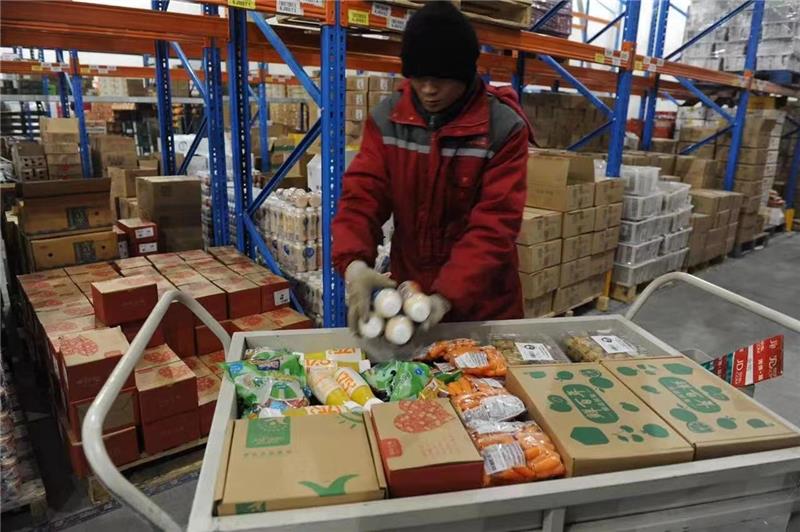
Fresh E-commerce Cloud Warehouse - Jiayun Logistics (Recommended Supplier) provided by Hubei Jiayun Logistics Co., Ltd. Jiayun Logistics Co., Ltd., a witness to warehousing and distribution in Wuhan, Hubei, has been implementing scientific management, innovative development, and honesty since its establishment, meeting customer needs. The leadership of Jiayun Logistics warmly invites inquiries and negotiations from all sectors, striving to create a brighter future together.