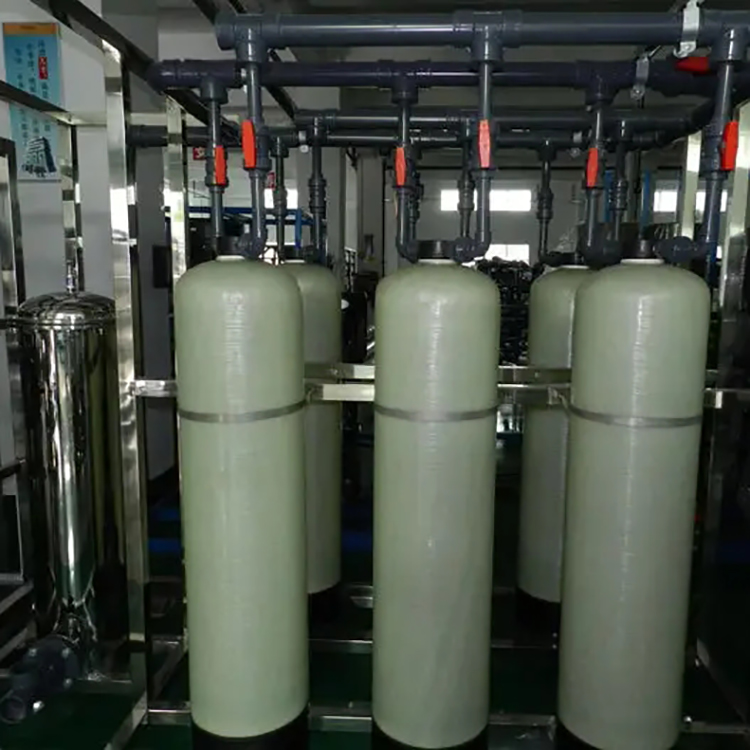


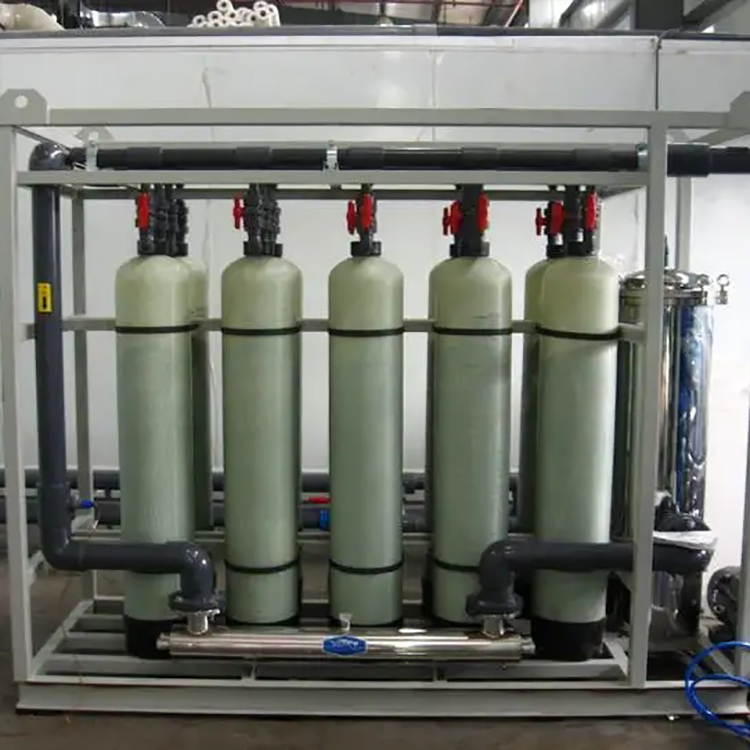


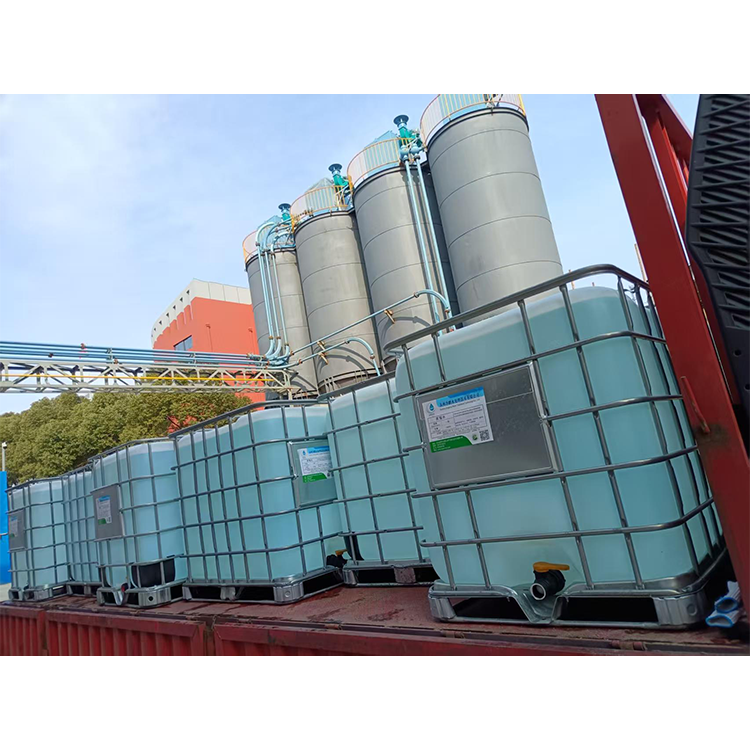
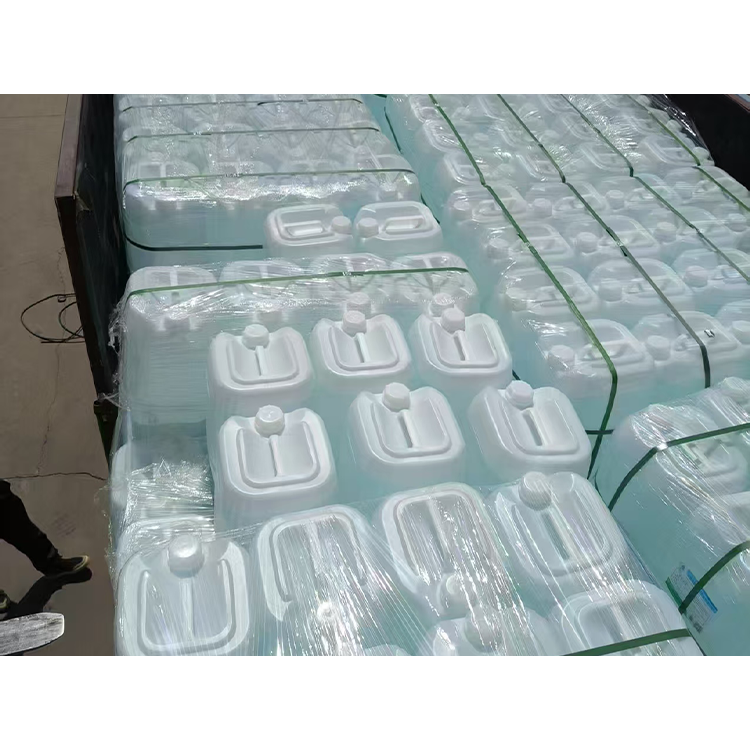
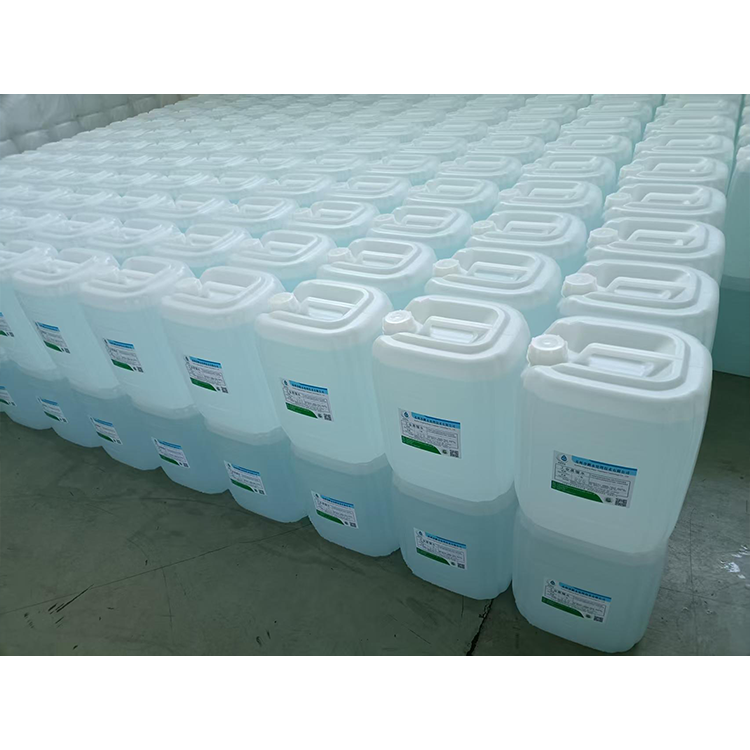
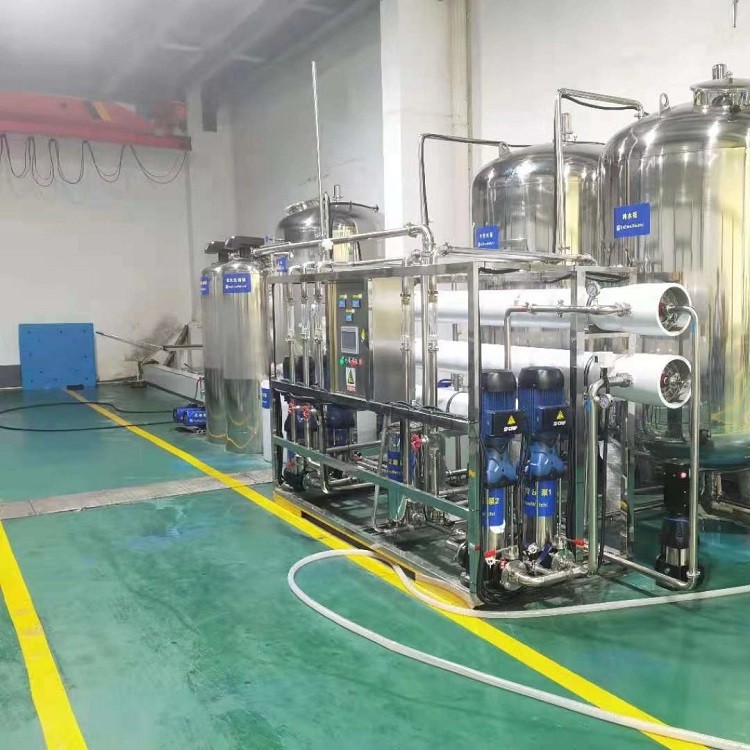
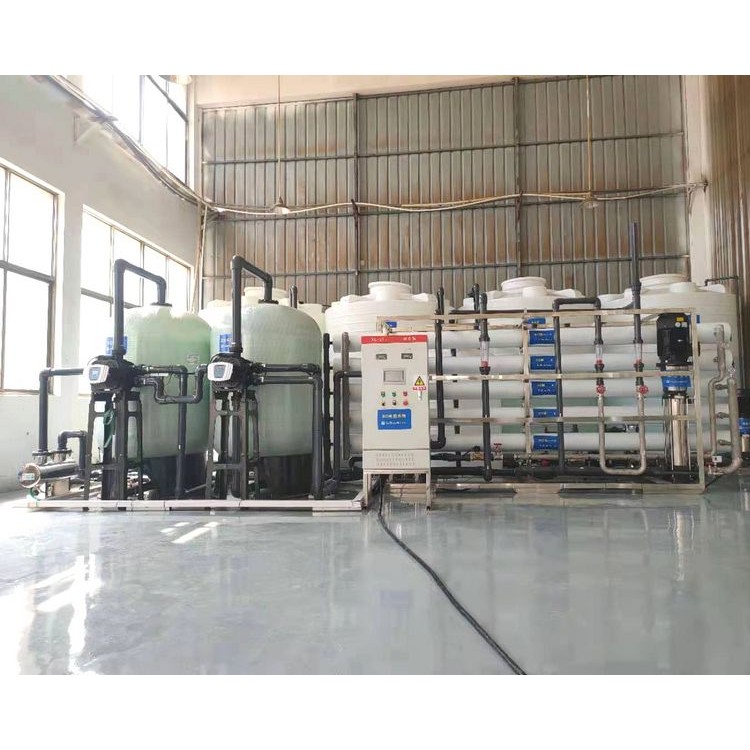





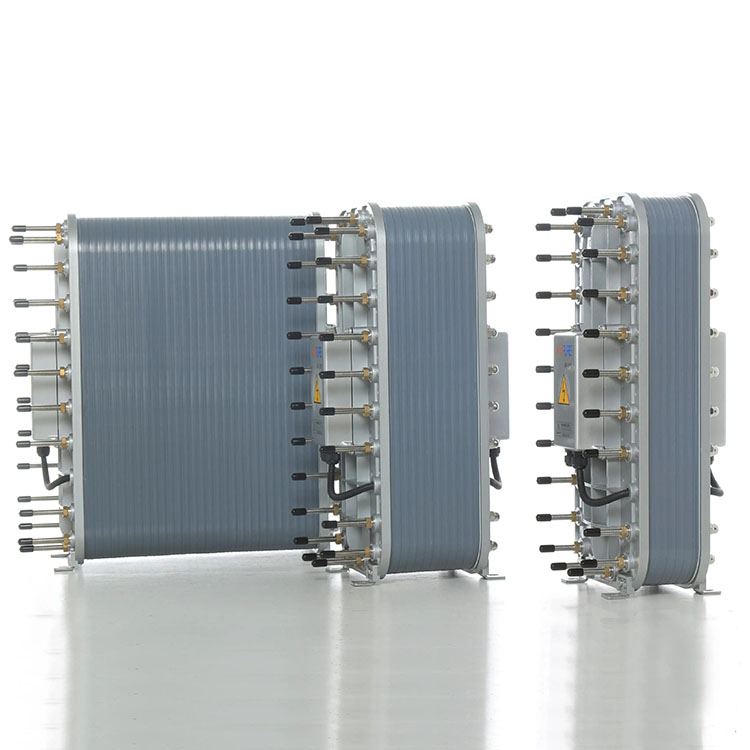
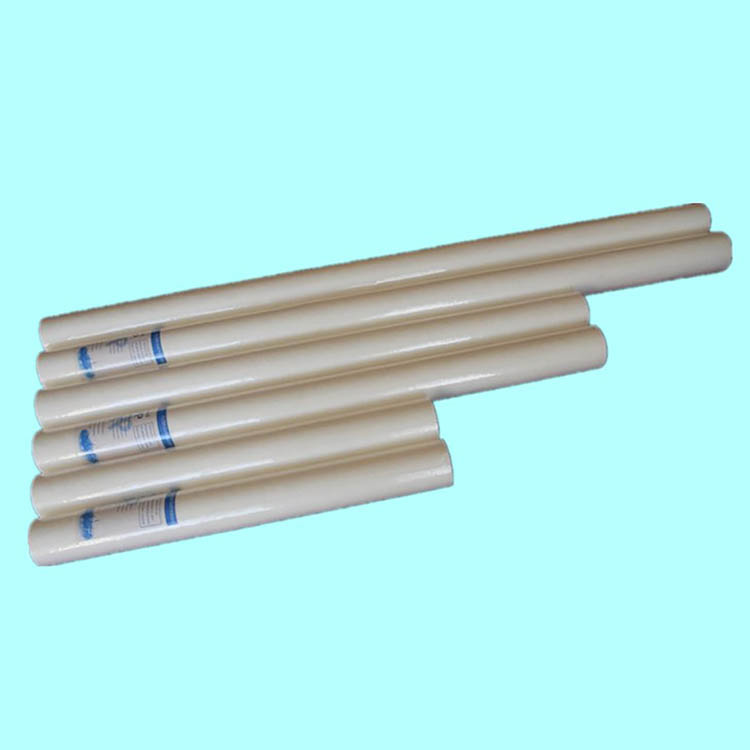
High purity water refers to water with a conductivity less than 0.1 μs/cm at 25°C and a residual salt content below 0.3 mg/L, which has been purified to remove trace impurities such as bacteria, microorganisms, and particulates that are not dielectric. Preparation methods include distillation, membrane separation, ion exchange, and sterilization. It is primarily used in the electronics and microelectronics industries, as well as in papermaking, electronics, and nuclear industries.
The purity of water is typically expressed as the relative content of impurities in the water. However, once the purity of water reaches a certain level, the total amount of impurities is minimal, and the concentration of individual impurities is even lower, some being difficult to detect. In such cases, the resistivity of water is commonly used to indicate its purity. Since the concentrations of H+ and OH- ions in pure water are both 10^-7 mol/L, its conductivity is very low, nearly non-conductive. When certain impurities (such as soluble salts) are present in water, their ionic conductivity causes the conductivity to rise rapidly. Therefore, the conductivity of water is closely related to its purity.
High-purity water is a type of chemical-grade water, referring to water with almost all conductive media removed, as well as colloidal substances, gases, and organic matter reduced to a very low degree. The impurity content is less than 0.1 mg/L, the resistivity is greater than 17.5Ω, and the pH is between 6.8 and 7.0, with impurities below 0.01 mg/L.