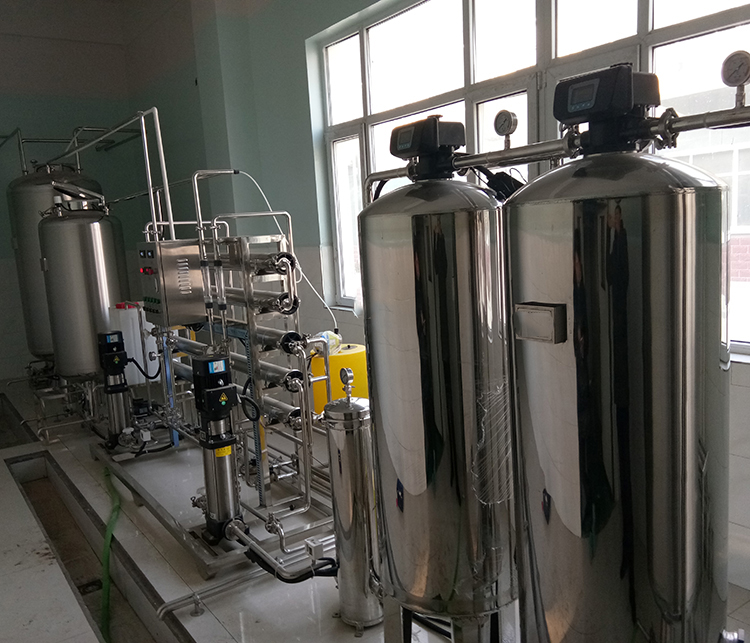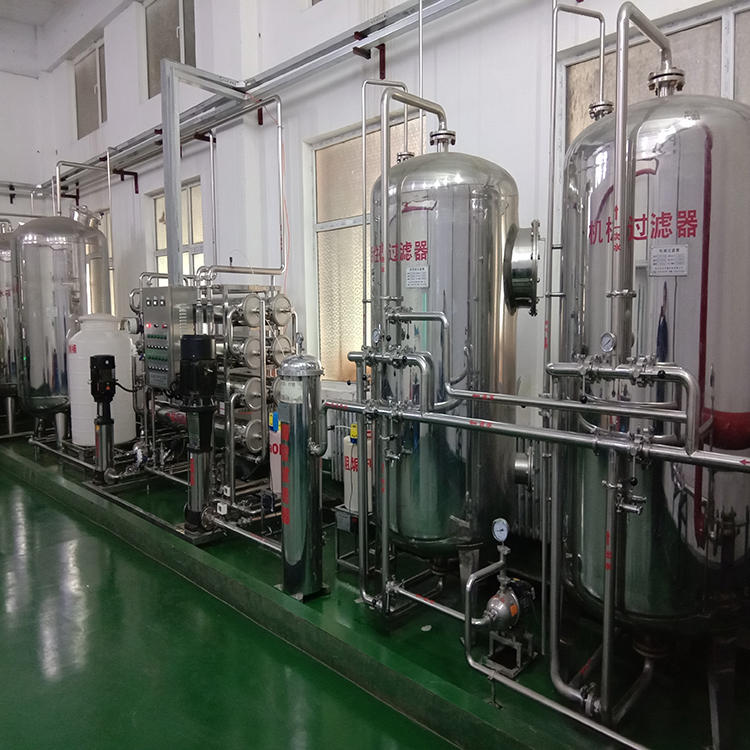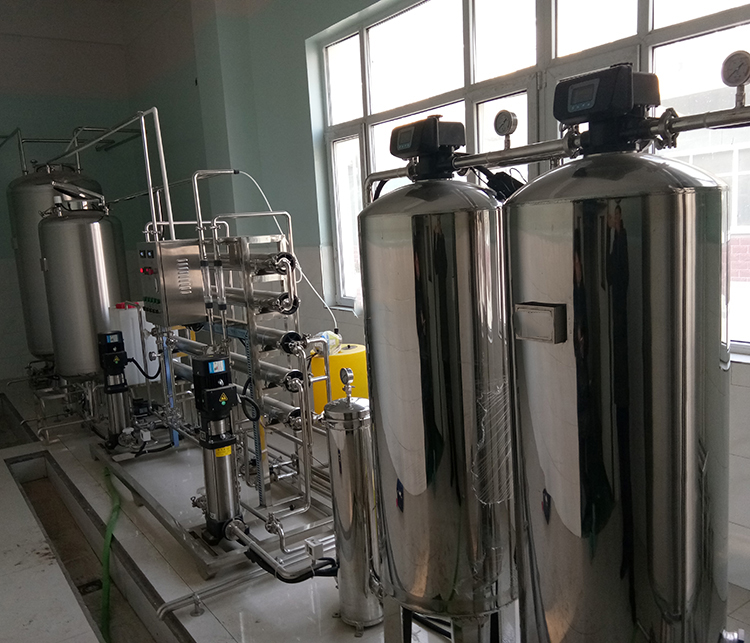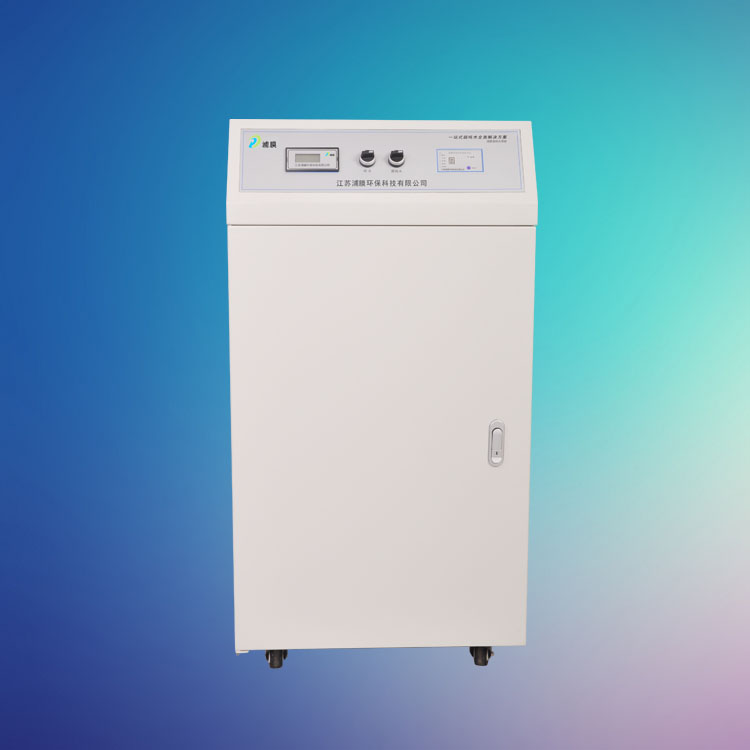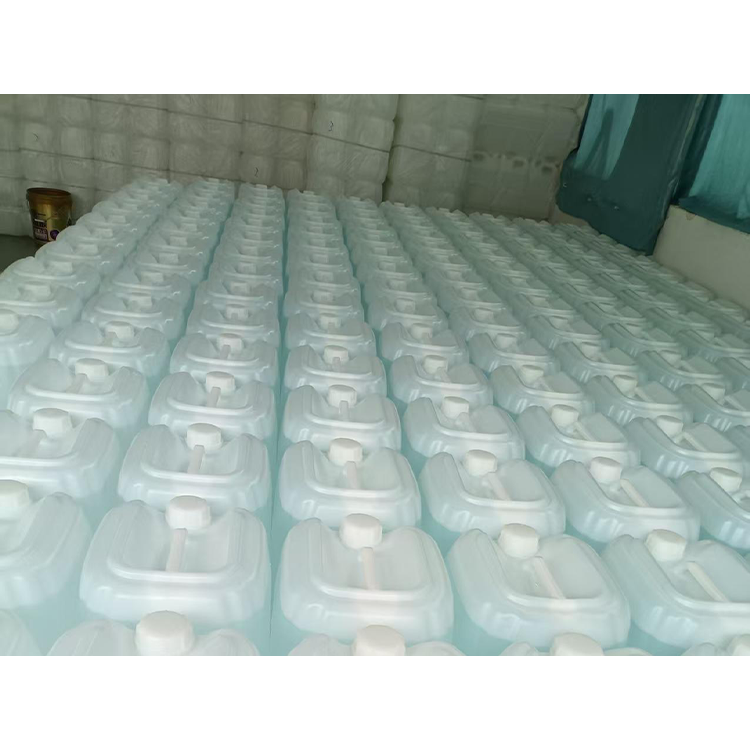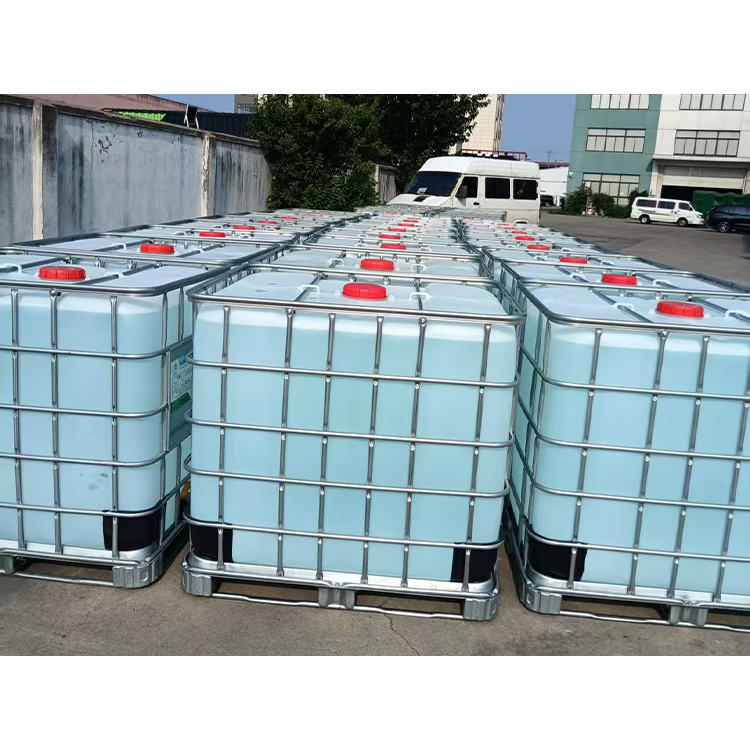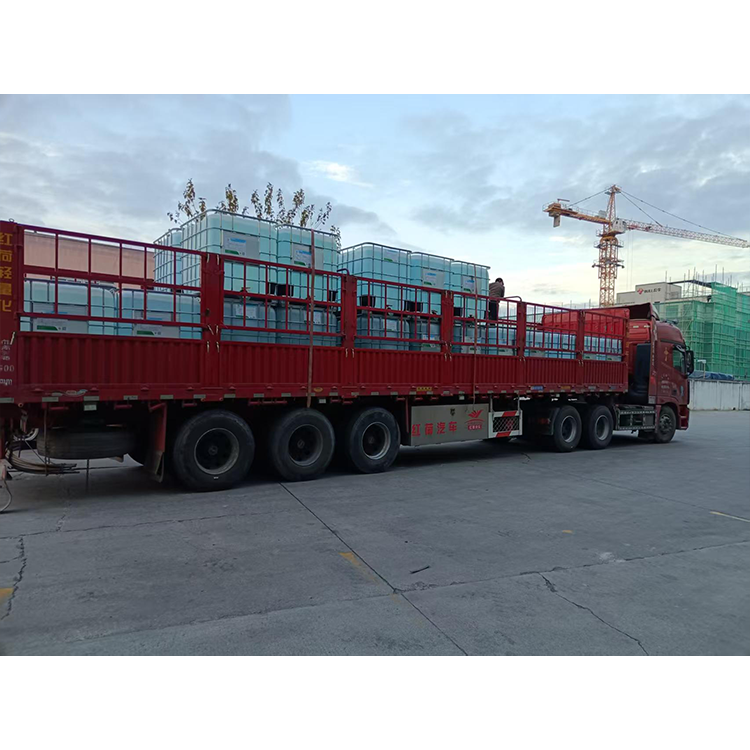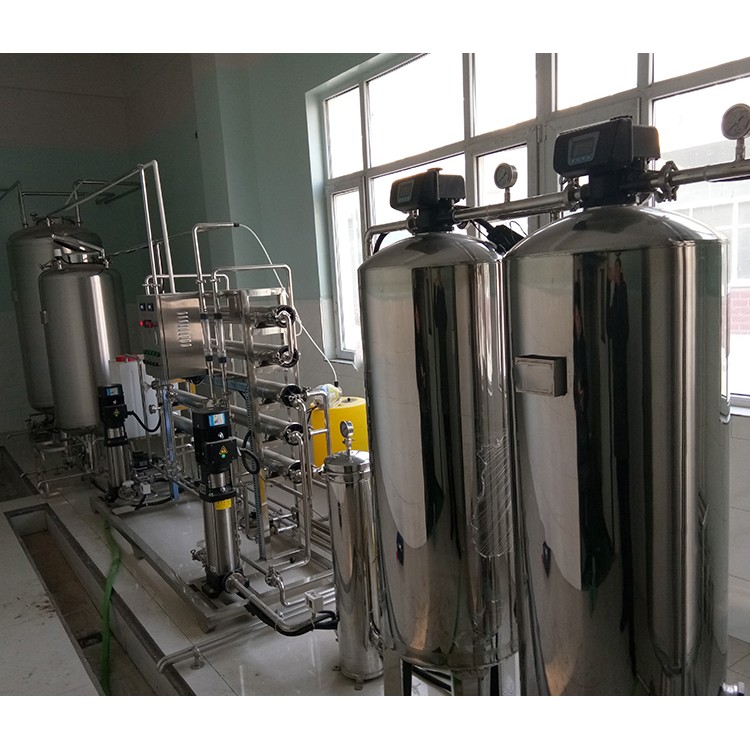

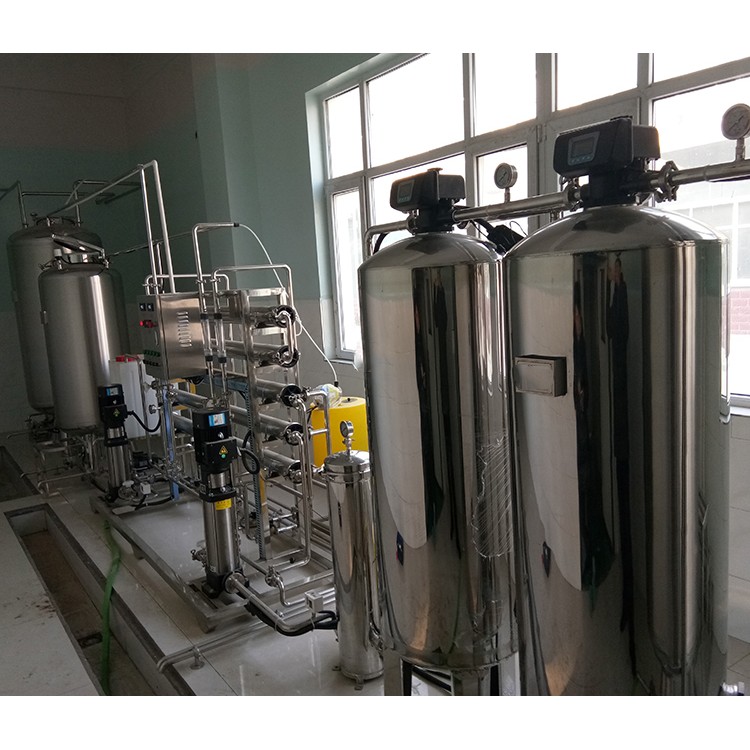
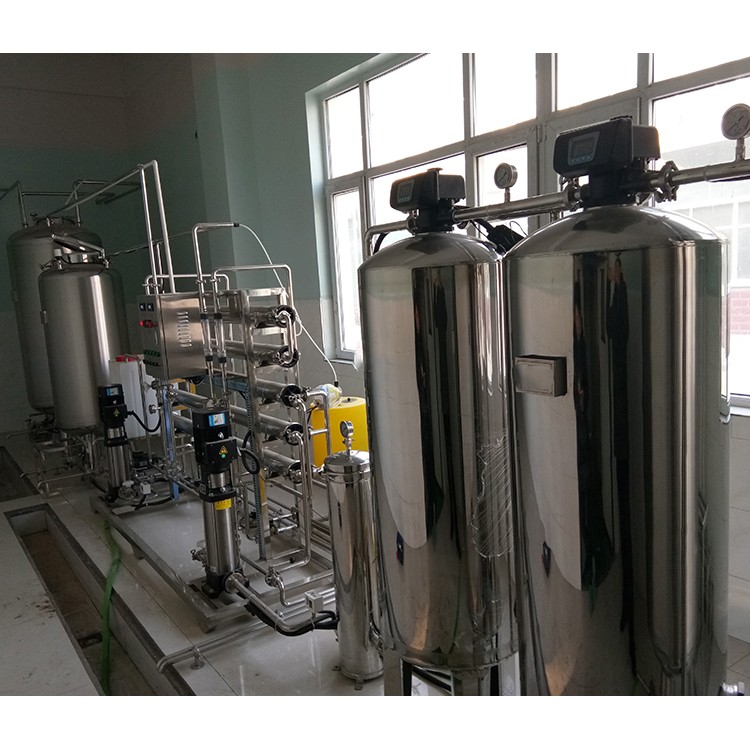







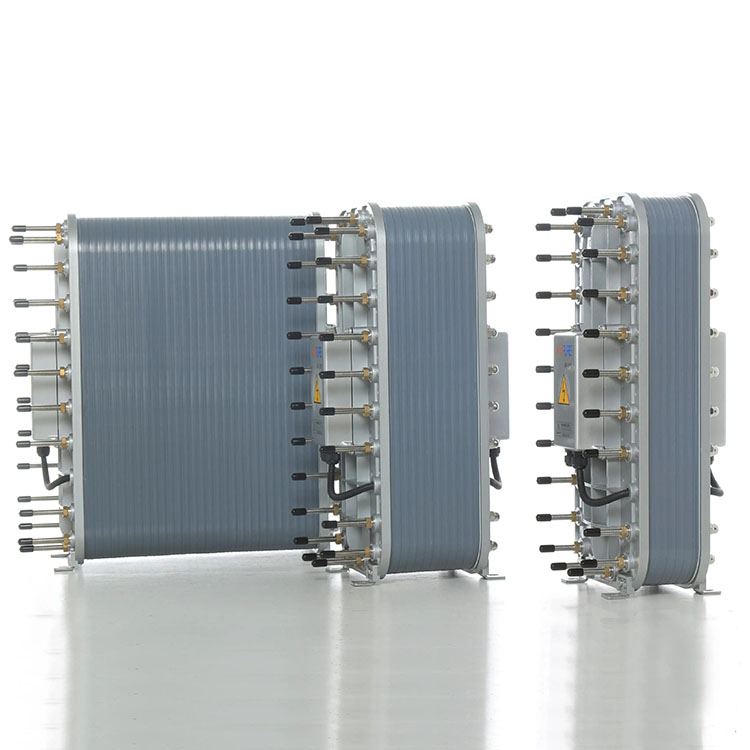
Reverse osmosis technology is a membrane separation process, used in conjunction with a pretreatment system; it effectively removes solids, organics, colloids, microorganisms, and bacteria from water through the use of a high-pressure pump and the retention of the reverse osmosis membrane. It boasts a wide range of applications, high level of automation, minimal space requirement, low energy consumption, and excellent water quality output.
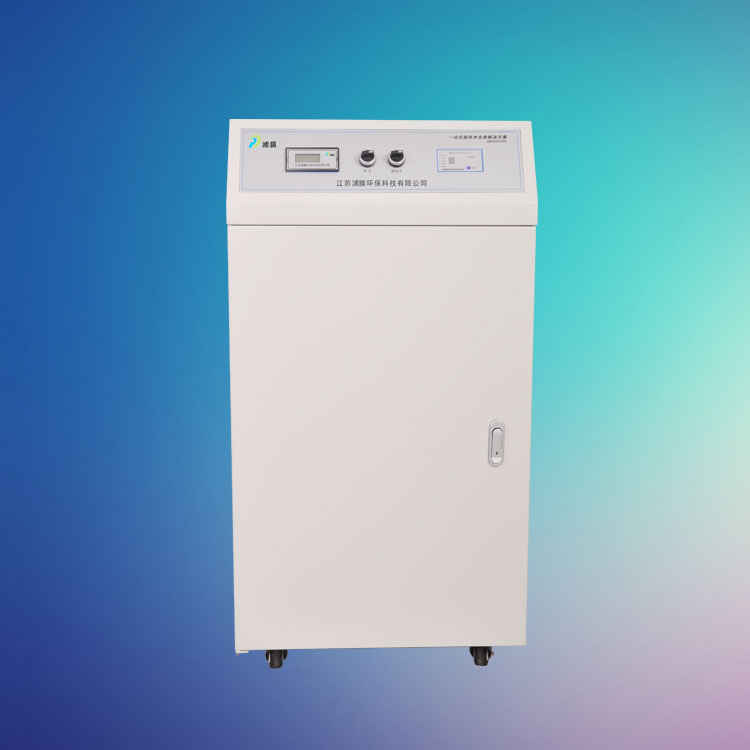
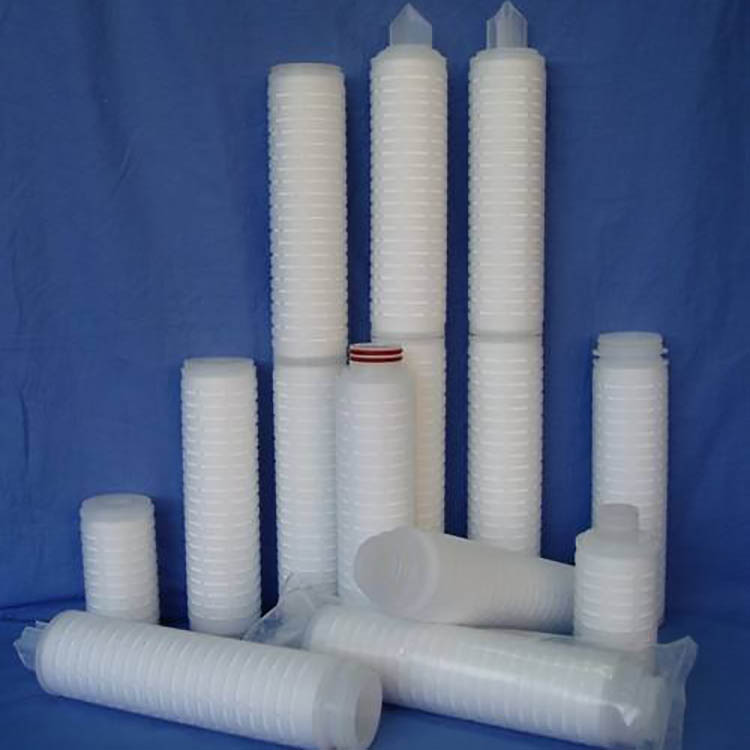
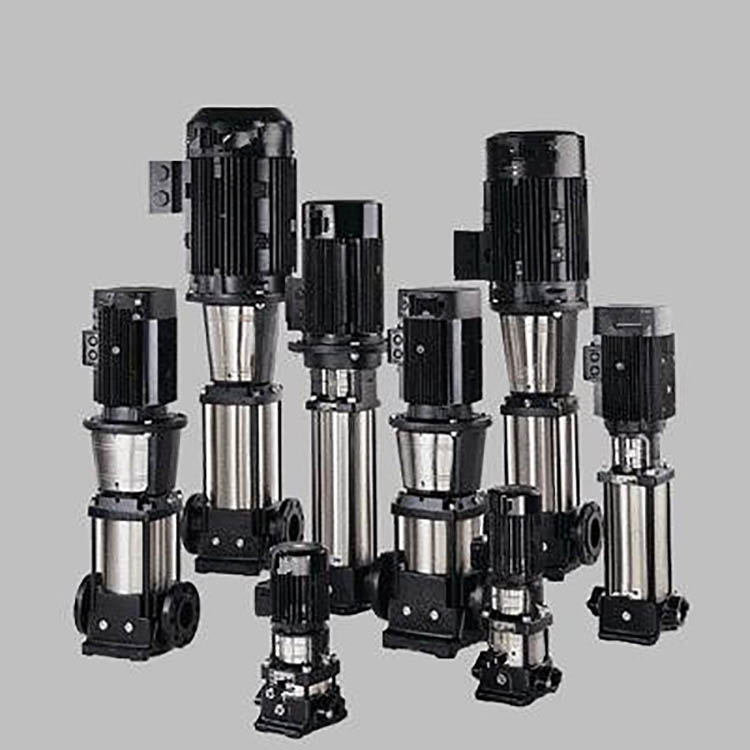
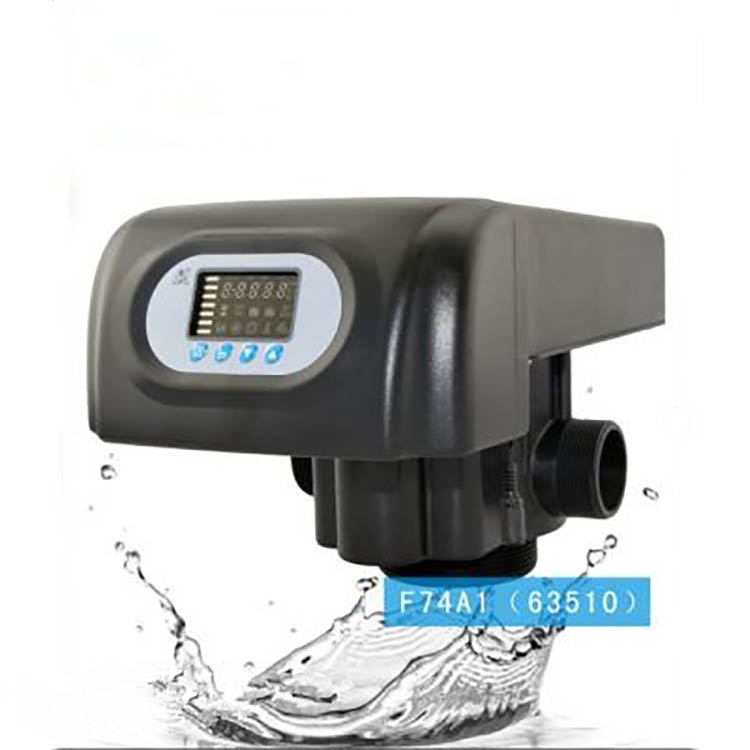
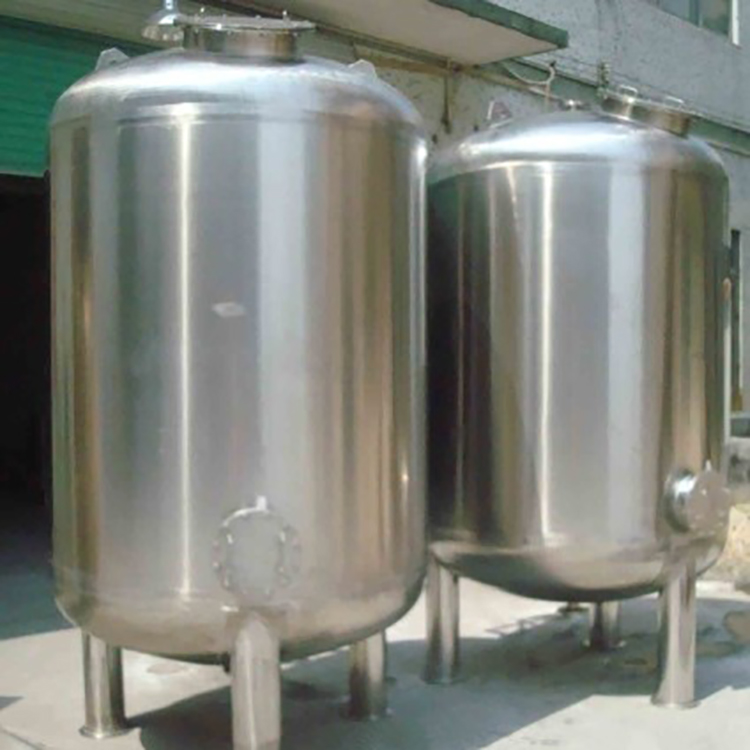
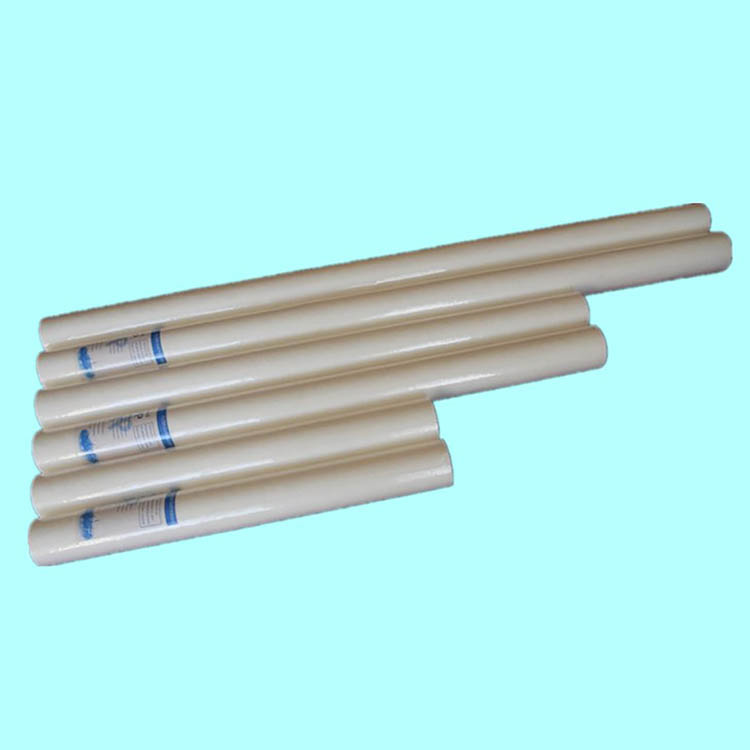
Reverse osmosis equipment processes raw water through fine filters, granular activated carbon filters, and compressed activated carbon filters, then uses a pump to increase pressure, converting high-concentration water into low-concentration water. It also isolates a large amount of impurities in the water, such as industrial pollutants, heavy metals, bacteria, and viruses. The reverse osmosis pure water equipment integrates advanced pure water production technology and operates automatically with a reverse osmosis program controller. The operation process and any faults are displayed on an LCD panel, making it simple to operate. The system's on/off can be controlled with just one switch, significantly enhancing the stability of the system's operation. It can serve as the core equipment for water purification stations in communities, industrial parks, oil fields, and more, as well as water treatment equipment for the beverage, chemical, and electronics industries.