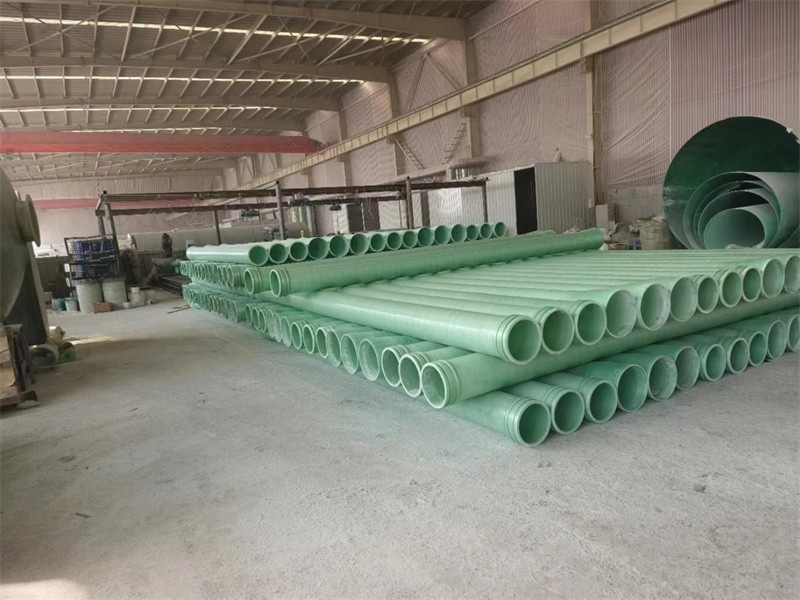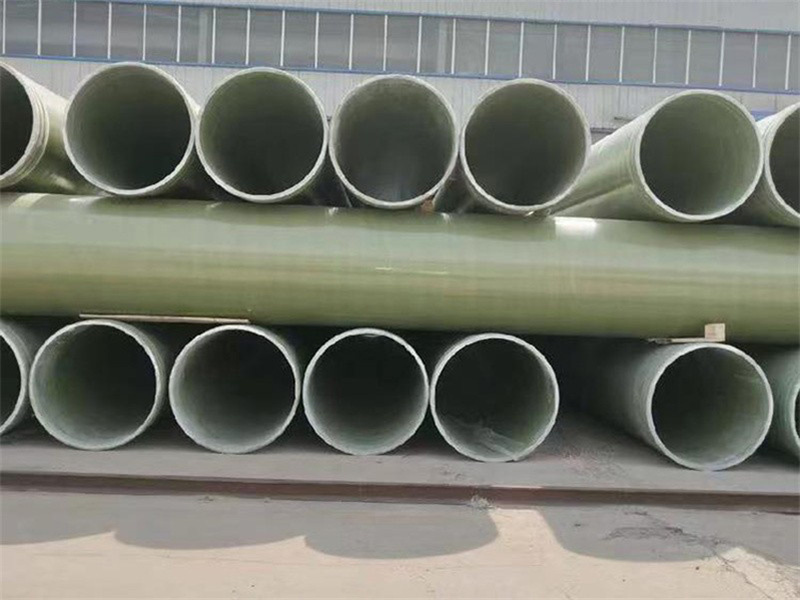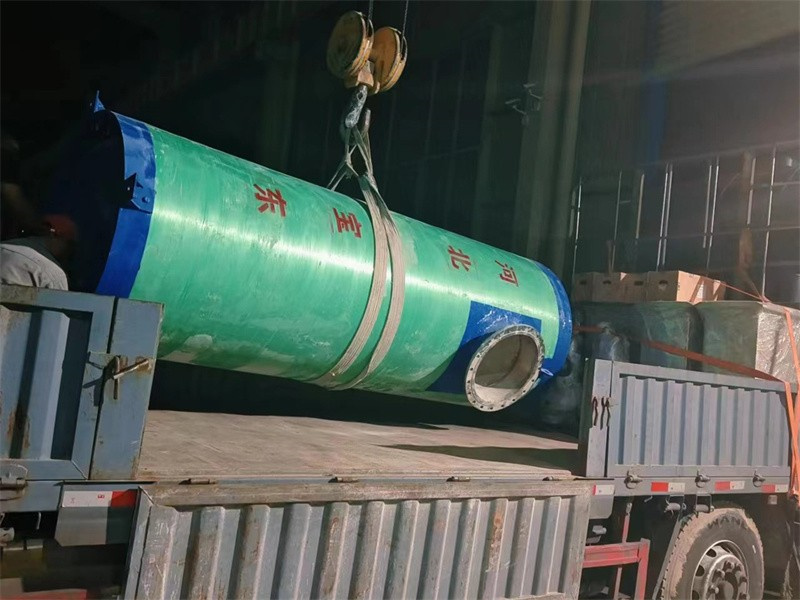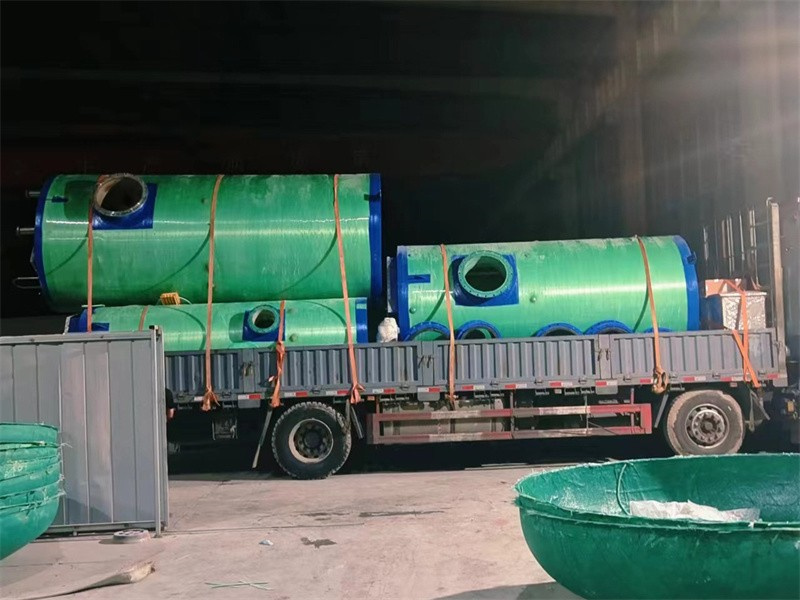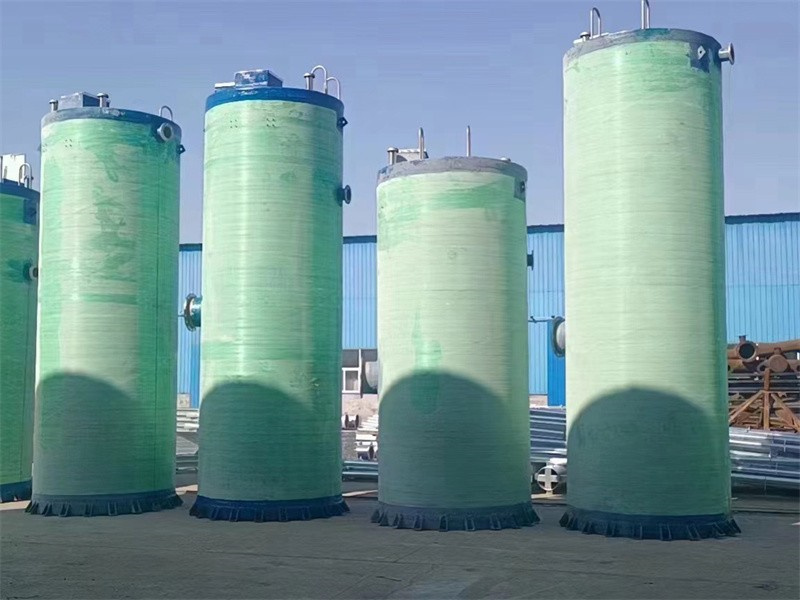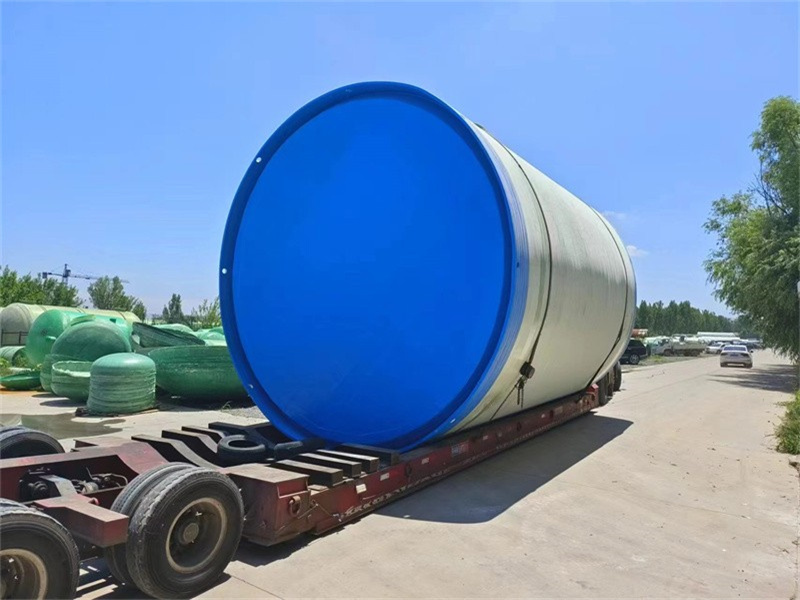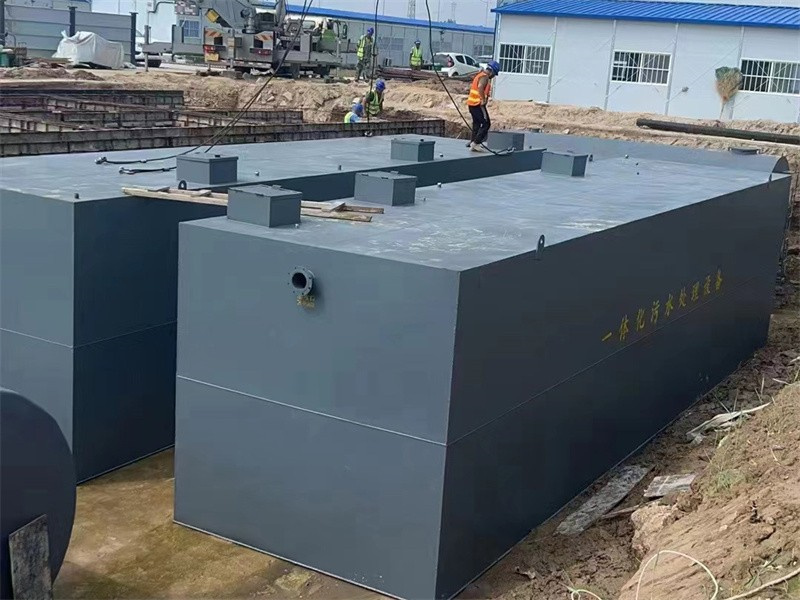








Integrated Wastewater Treatment Equipment Detailed Description
I. Overview
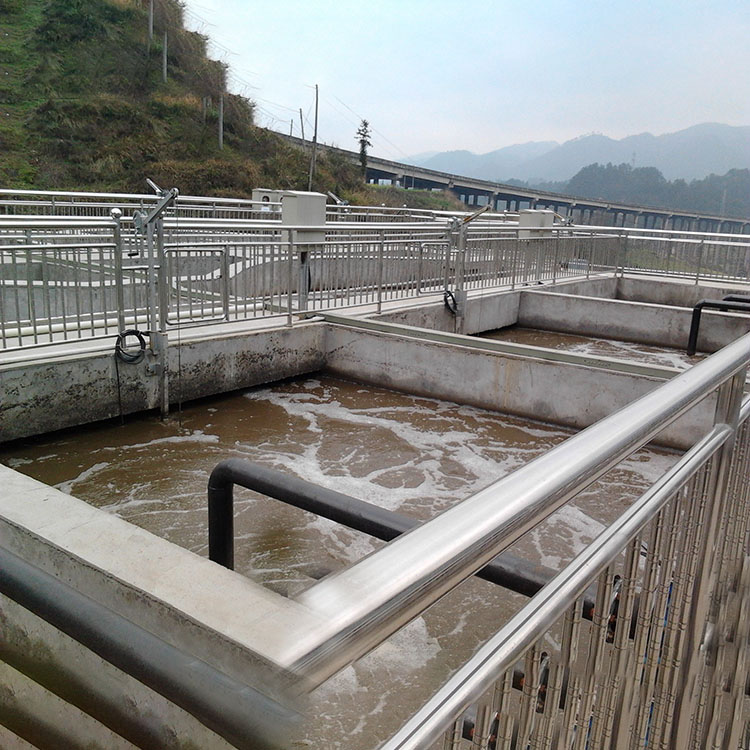
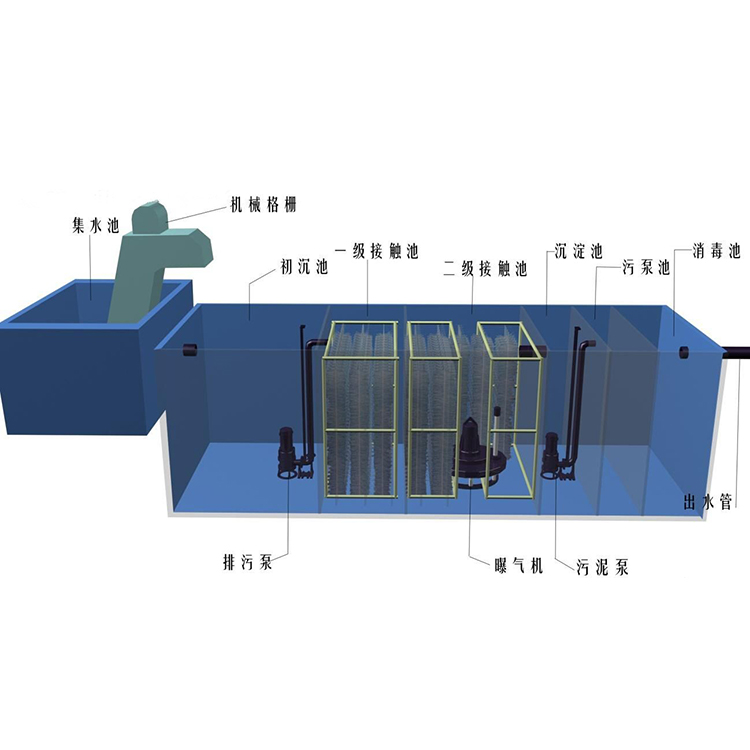
The entire system consists of nine components, controlled by PLC, thus achieving automated processing and alleviating the normal handling during peak and off-peak water periods. Features of the integrated wastewater treatment equipment:
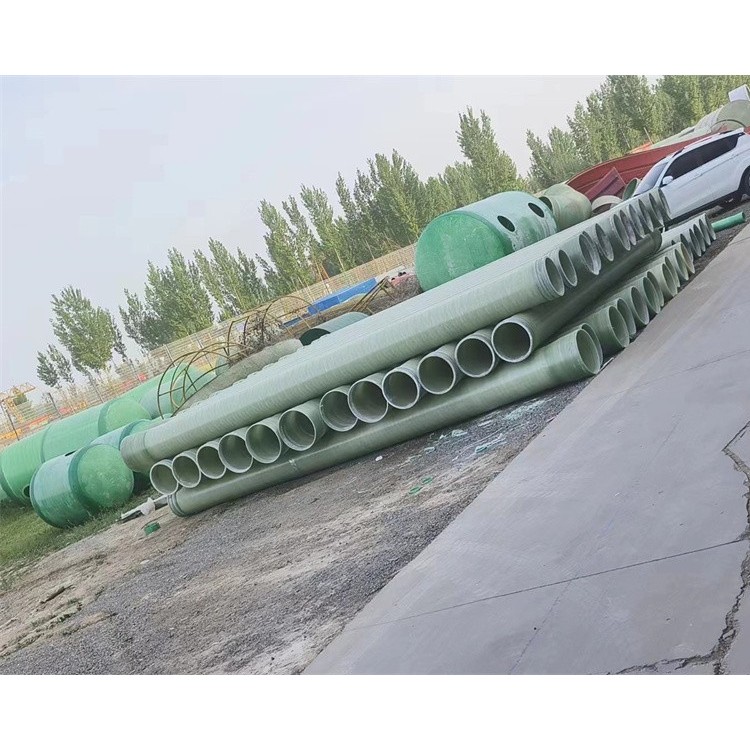
1. The complete equipment can be buried underground, occupying no land area; it can also be landscaped on top.
2. High purification level, with minimal sludge generation throughout the entire system.
High level of automation, low energy consumption, easy management, and fewer staff required.
4. The generated noise is low, and there are few odors, resulting in minimal impact on the surrounding environment.
Section 2: Process Flow of Integrated Equipment:

III. Process of domestic wastewater treatment and the role of each area:
Wastewater from domestic life is a low-concentration organic wastewater containing nitrogen, phosphorus, oil, impurities, and other substances. It has good biodegradability and is rich in various nutrients. Additionally, it is less likely to be contaminated by heavy metal ions. The pH level is around 6-9, which is approximately neutral. Therefore, the A/A/O process can simultaneously remove organic matter. The denitrification process, excess phosphorus removal, and other functional denitrification are combined with the aerobic pool to achieve phosphorus removal.
Characteristics of A/A/O process:
1. A combination of anaerobic, anoxic, and aerobic conditions, along with diverse microbial populations, effectively removes organic matter, de-nitrifies, and de-phosphates.
2. The denitrification process is straightforward, with a total hydraulic retention time that is less than that of similar other processes.
Under alternating anaerobic, anoxic, and aerobic conditions, filamentous bacteria will not proliferate in large quantities, and the SVI is generally less than 100.
IV. The Functions of Accessories for Each Equipment:
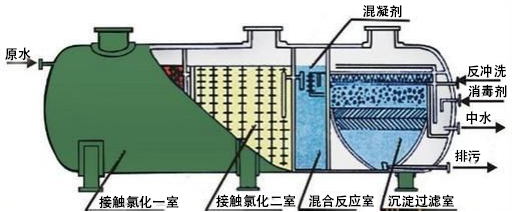
1. The grate well serves to isolate suspended solids and impurities from wastewater, preventing them from affecting the subsequent treatment of equipment.
2. The function of the regulating pond: As the water used for daily life is not evenly distributed in terms of discharge time, the discharge periods are generally concentrated in the early morning, midday, and evening, with these three periods being peak times. The regulating pond can balance the uneven supply of water, ensuring the normal operation of subsequent treatment processes. A water level controller is set in the regulating pond, enabling effective automated control.
3. The Function of Anaerobic Pond: Sewage flows into the anaerobic pond where it is thoroughly mixed with anaerobic bacteria by the action of a mixer. The anaerobic pond decomposes microorganisms and organic matter in the sewage, producing substances such as CO2 and methane.
4. The Function of the Anaerobic Pond: The water from the anaerobic pond further decomposes organic matter, removing ammonia, nitrogen, and phosphorus from the wastewater. The clarified liquid at the top of the anaerobic pond flows into the contact oxidation pond, while sludge enters the anaerobic pond through the recycle pipe to increase the concentration and improve the treatment efficiency of the anaerobic pond. Once the concentration in the anaerobic pond reaches saturation, close the recycle valve and open the valve leading to the sludge thickening pond, allowing sludge to flow directly into the sludge thickening pond.
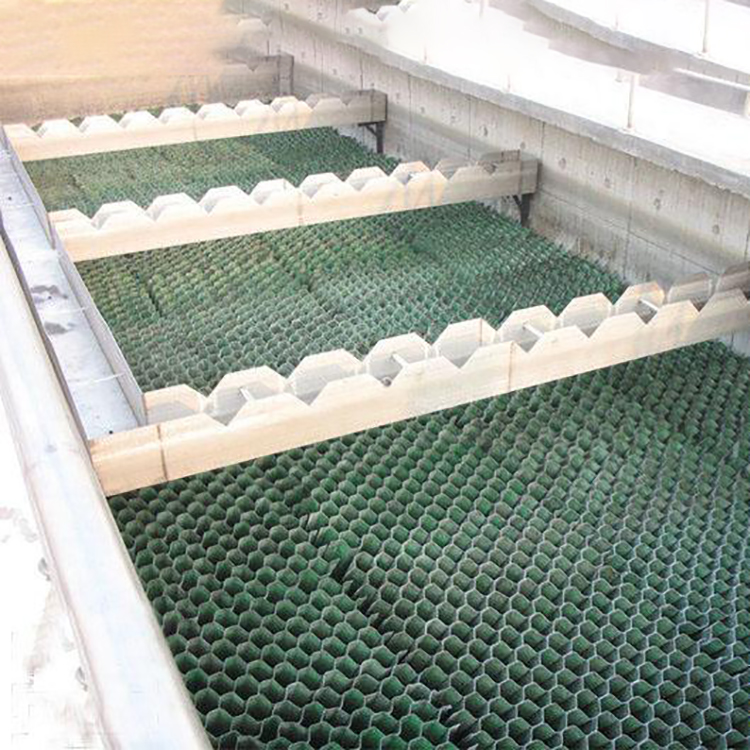
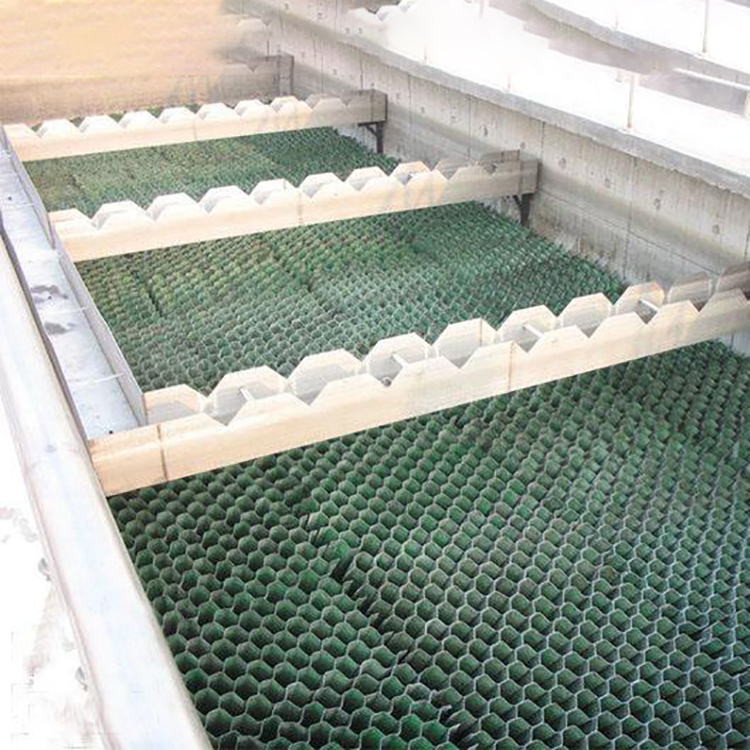
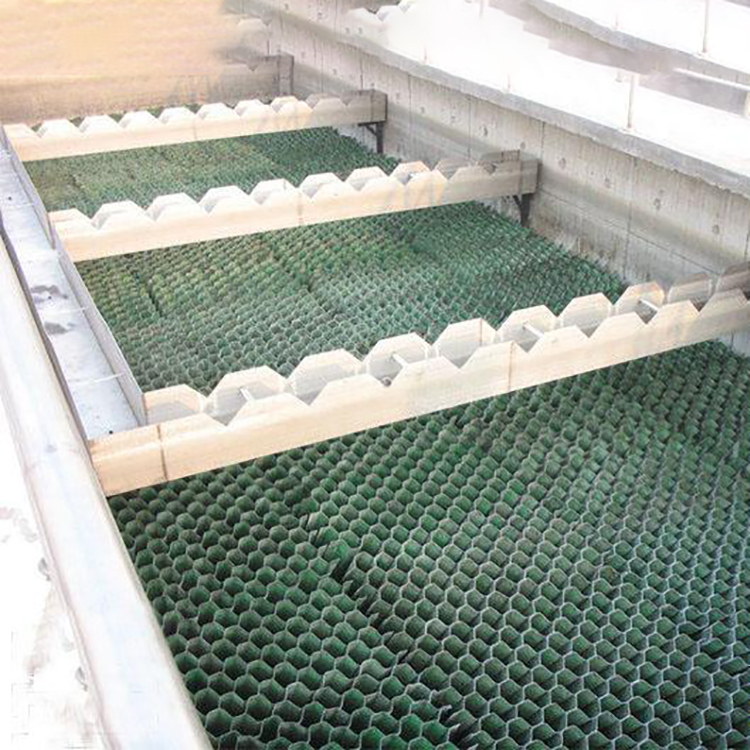
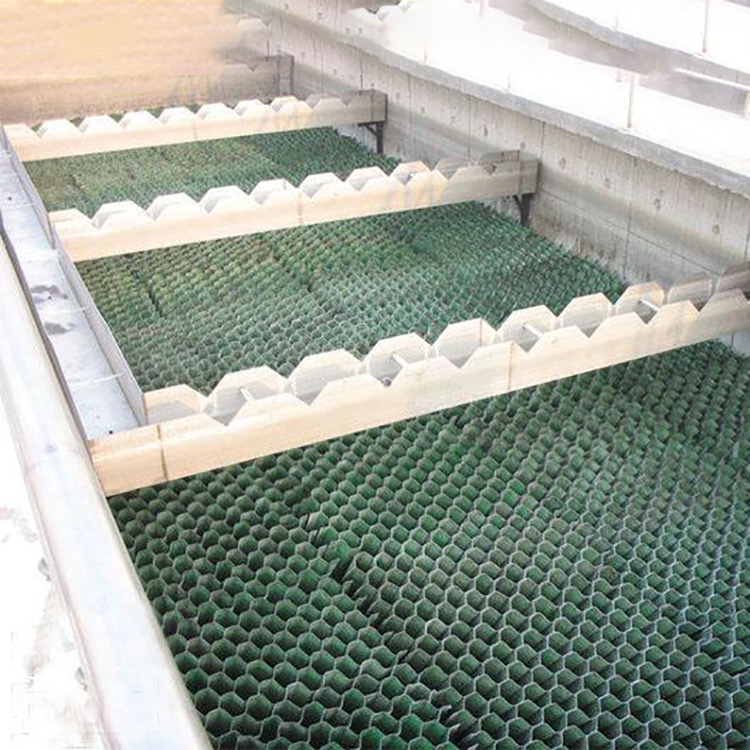
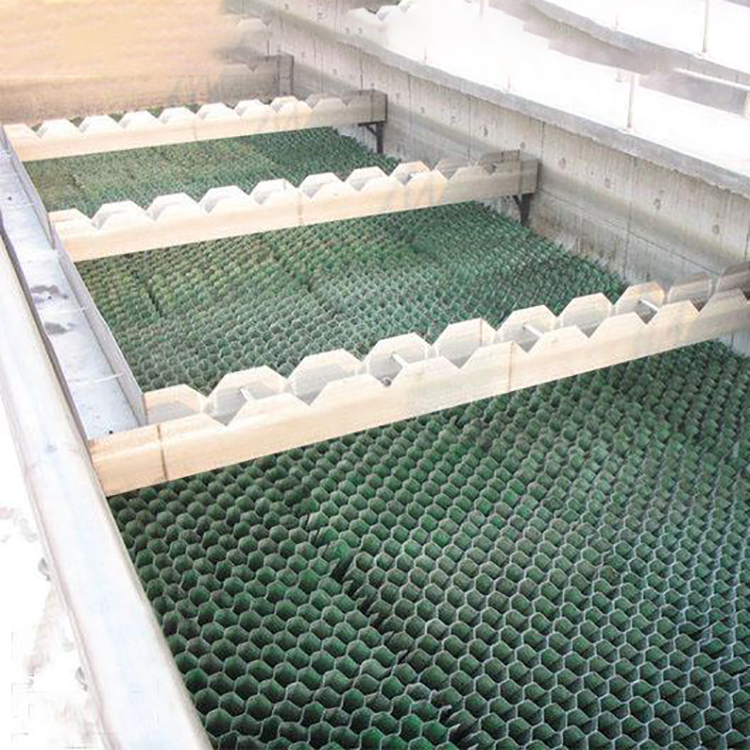
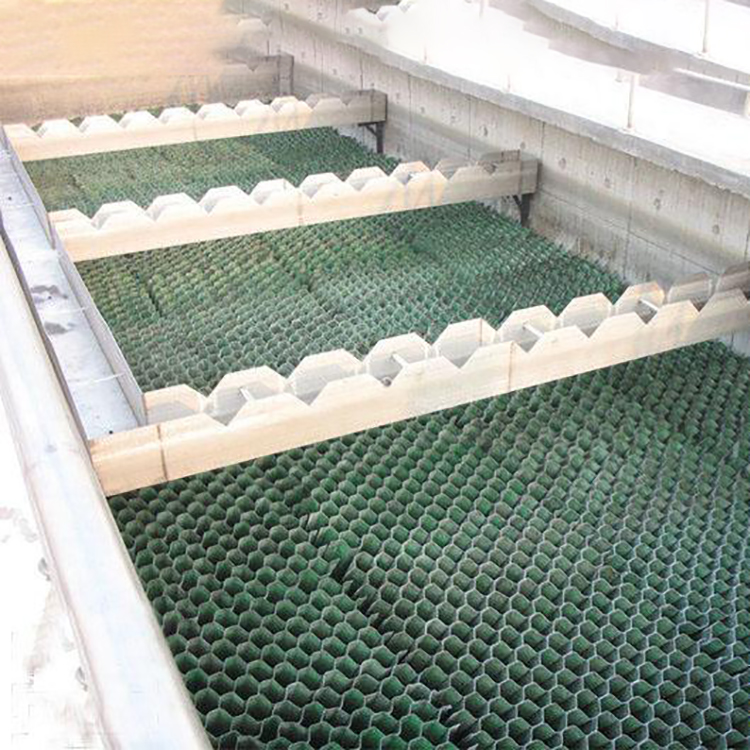
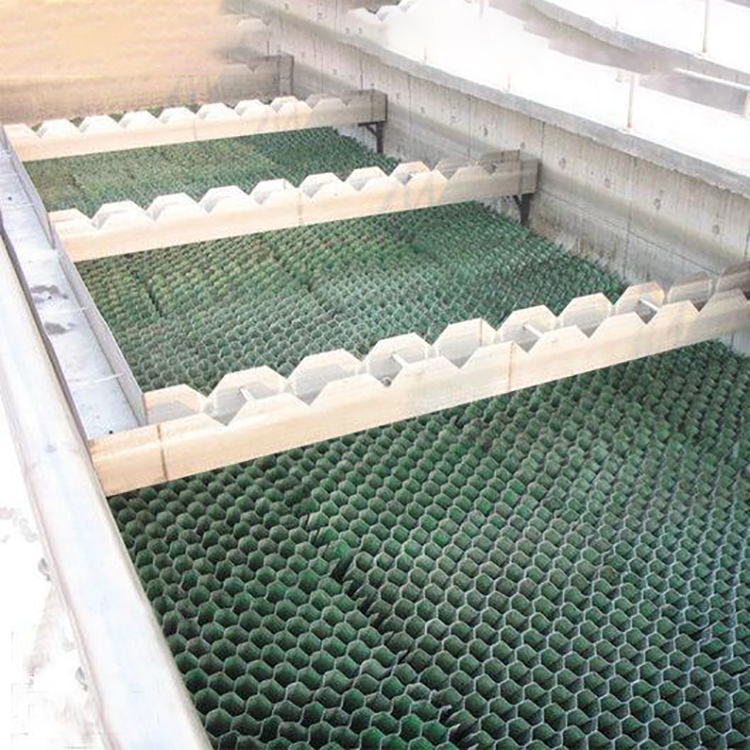
5. The function of the Contact Oxidation Pond: After the wastewater from the anaerobic pond flows into the contact oxidation pond and is fully contacted with the oxidizing bacteria (three-dimensional elastic media) in the pond, the wastewater is decomposed into CO2 and H2O. The CO2 in the water is then expelled by the action of the blower. The sludge consists of the remains of dead bacteria.
6. The second sedimentation tank allows for a secondary sedimentation of the water in the contact oxidation tank. The clarified water flows into the disinfection tank, while sludge is pumped to the sludge concentration tank via a sludge pump. The water in the disinfection tank is treated by a chlorine dioxide generator and released after meeting standards. The supernatant from the sludge concentration tank, after sedimentation, is returned to the regulating tank through recycle pipes. The sludge is then pumped to a plate and frame filter press for treatment, with the filtered water flowing back to the regulating tank through recycle pipes.
Five, Application Range of Integrated Sewage Treatment Equipment
Integrated wastewater treatment equipment is suitable for residential communities, villages, townships, office buildings, shopping malls, hotels, restaurants, schools, highways, railways, factories, mines, tourist attractions, and other similar small and medium-sized industrial organic wastewater from activities such as slaughtering and aquatic product processing. The wastewater treated by this equipment meets the national comprehensive discharge standards for wastewater treatment.