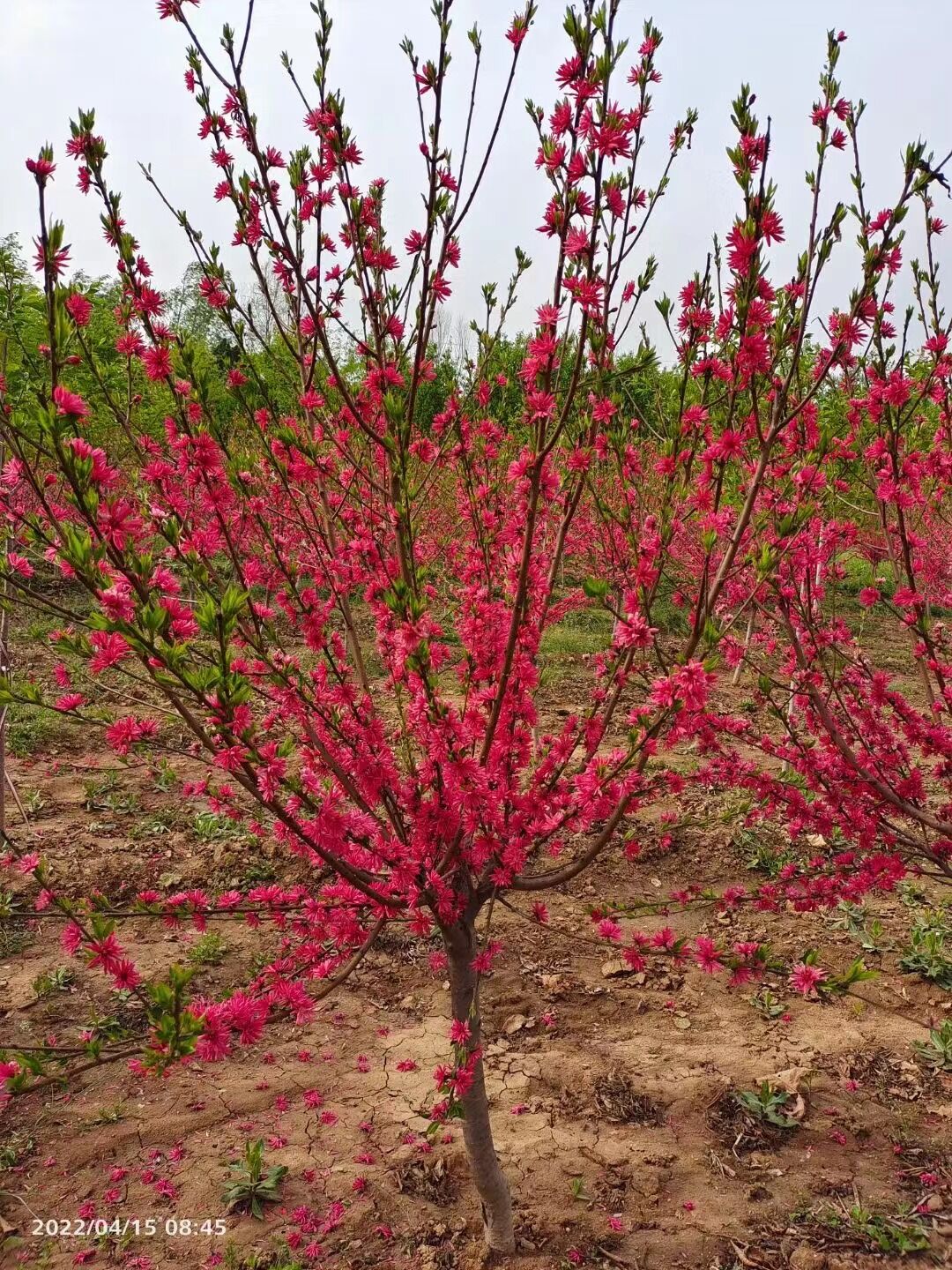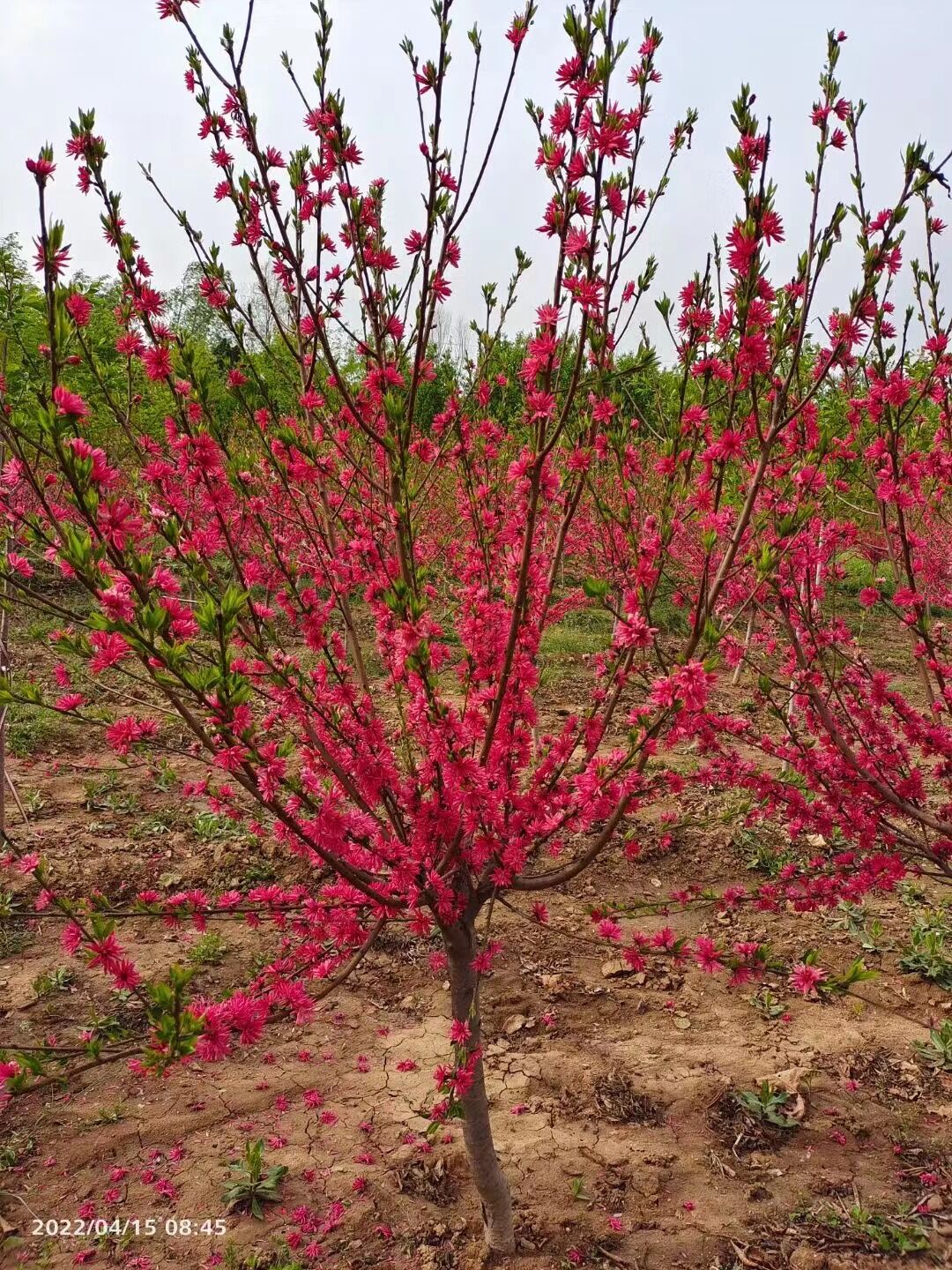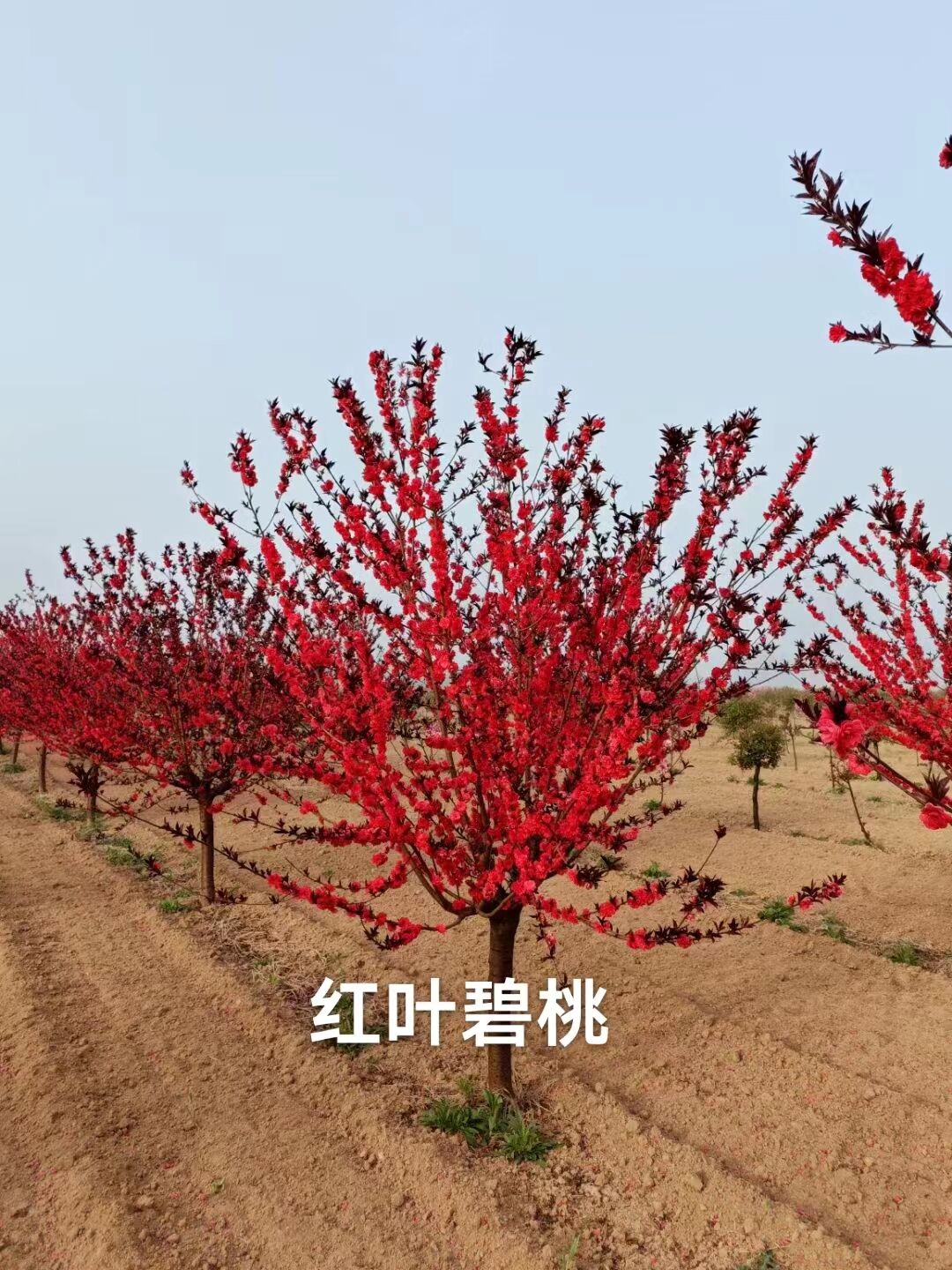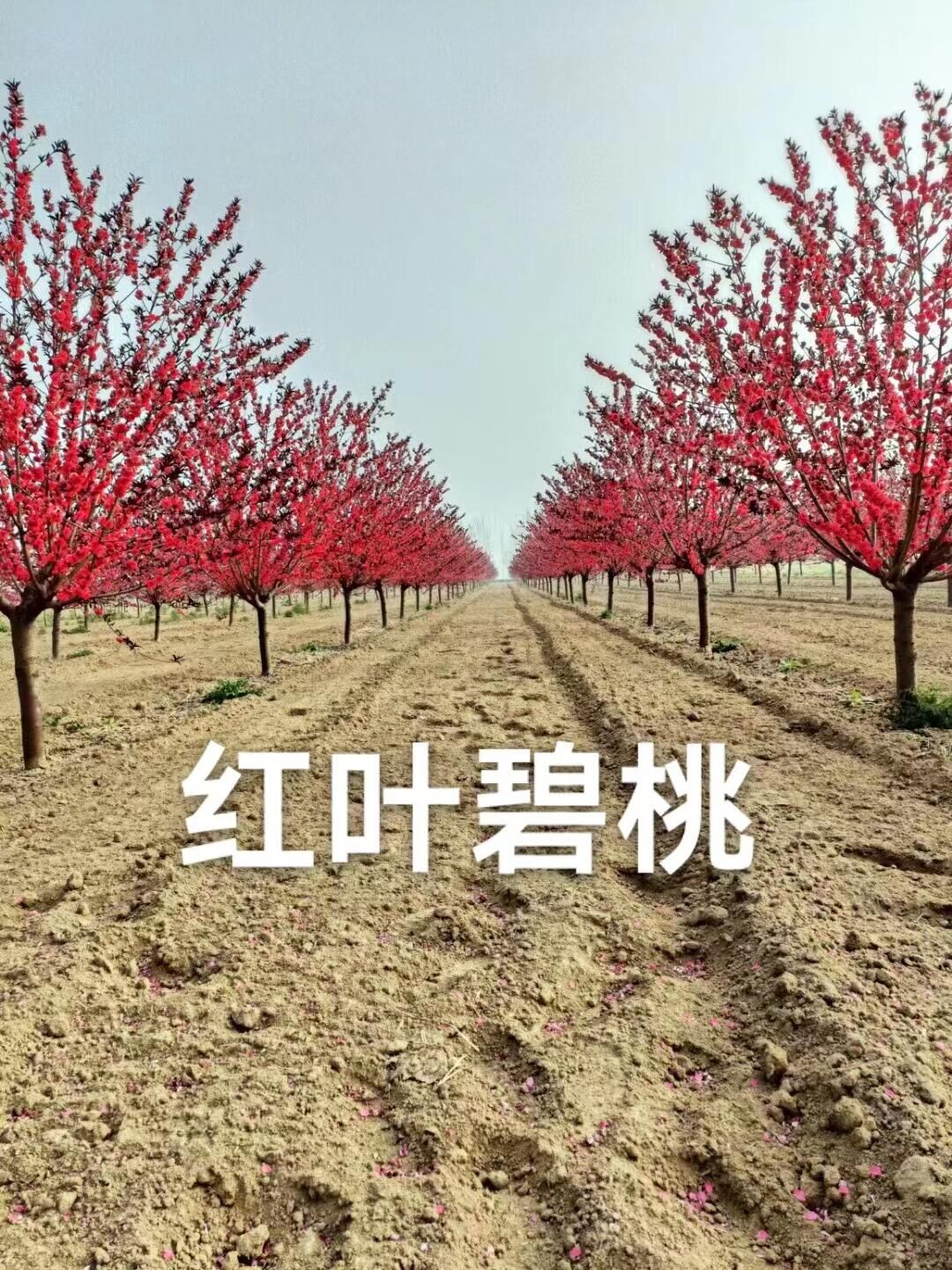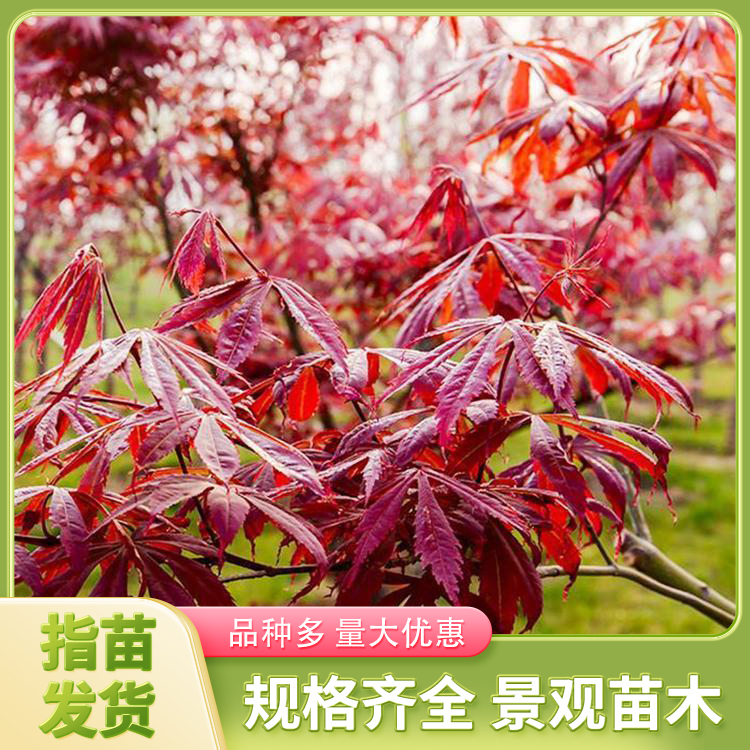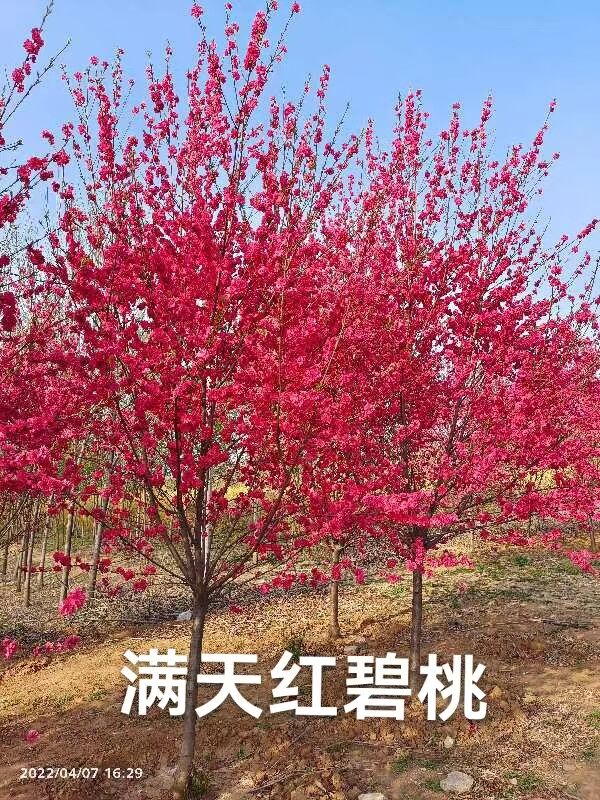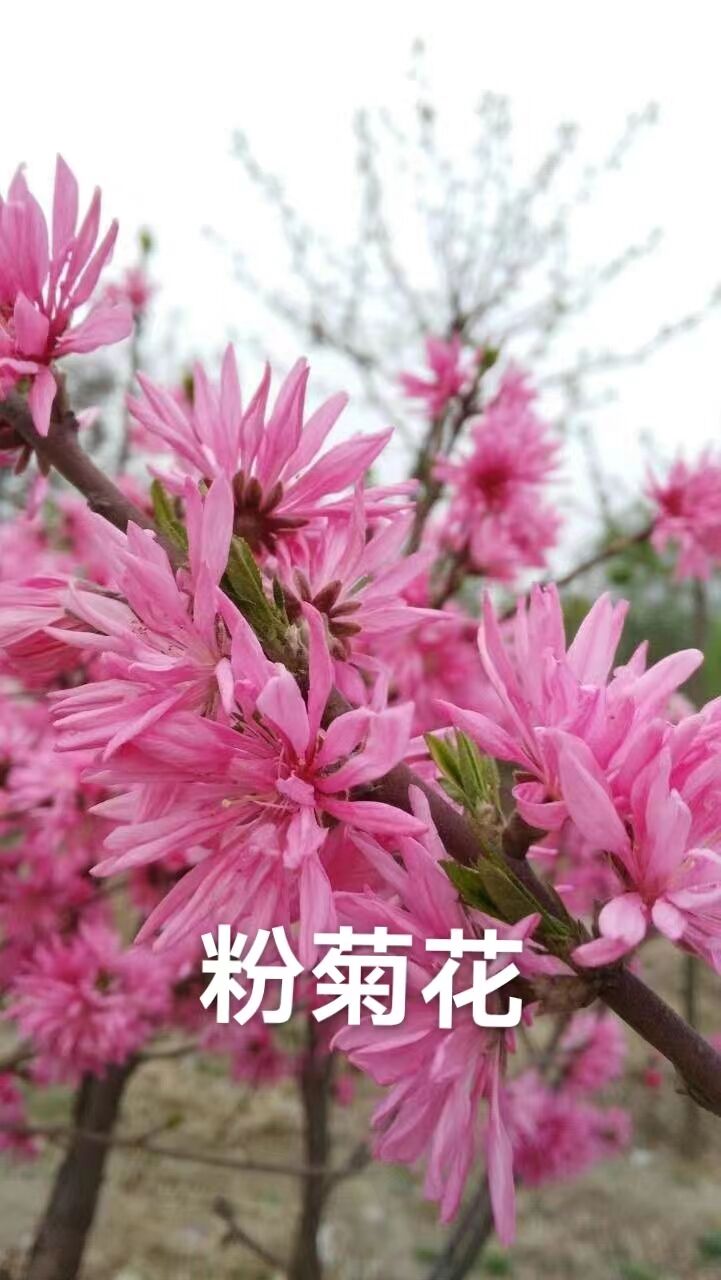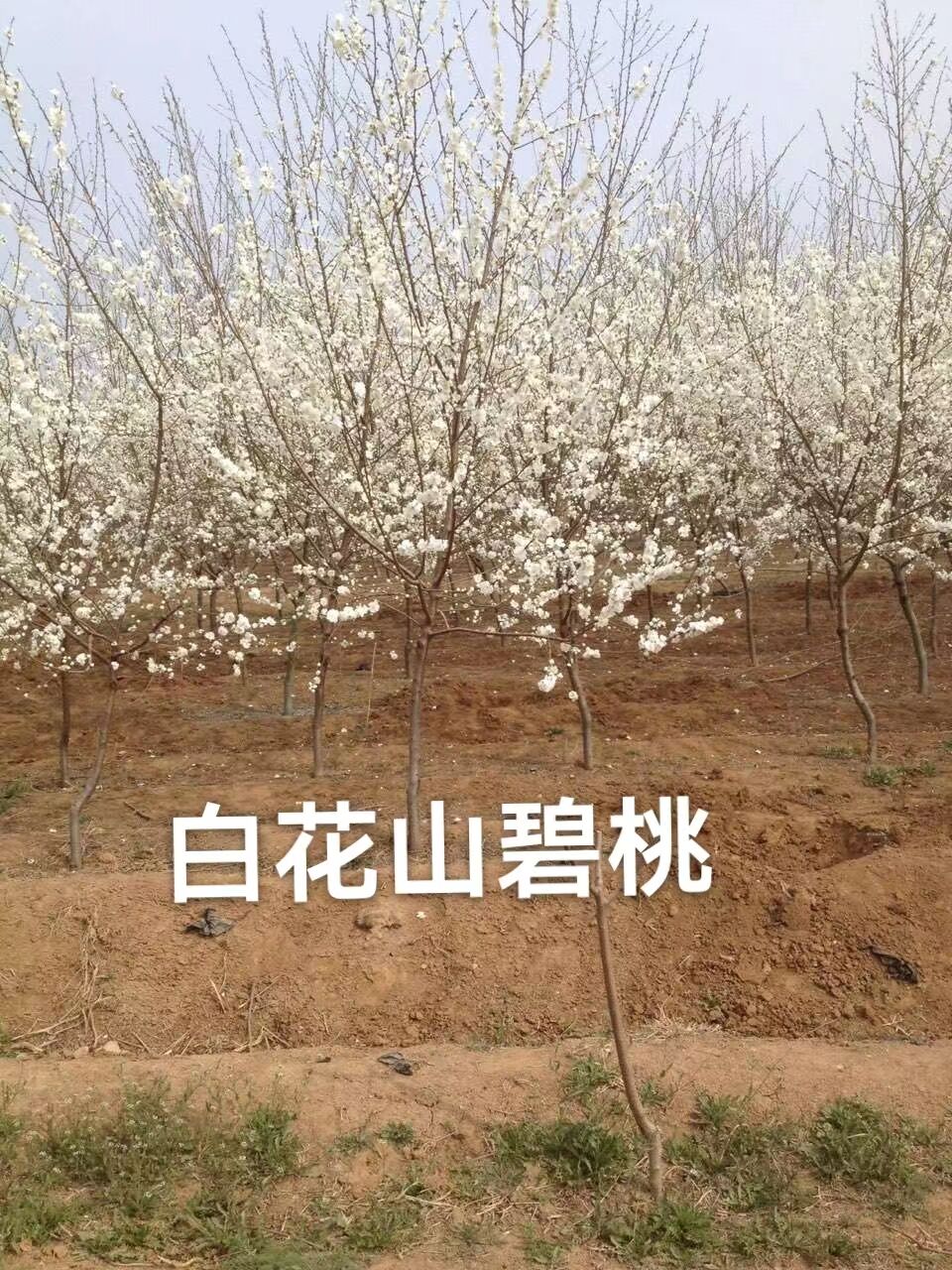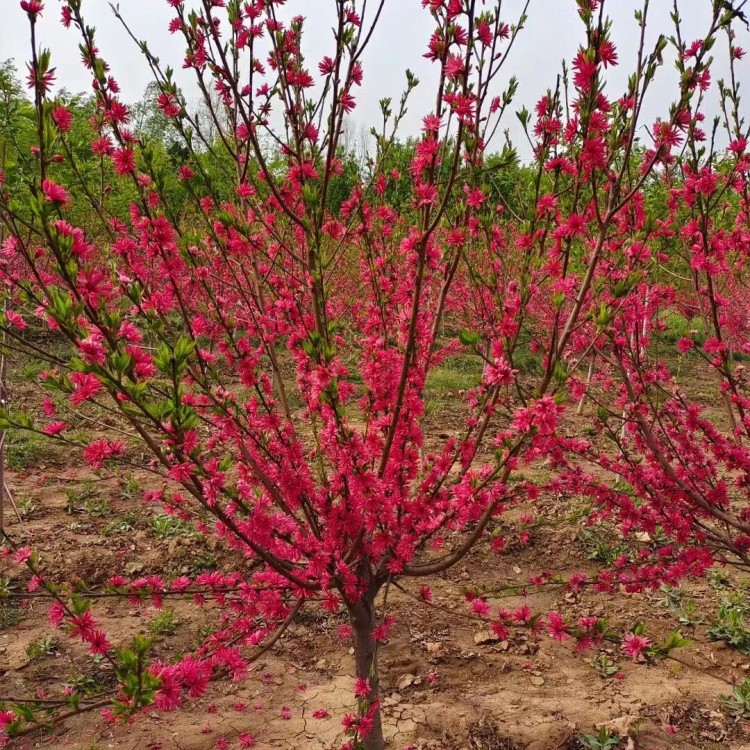

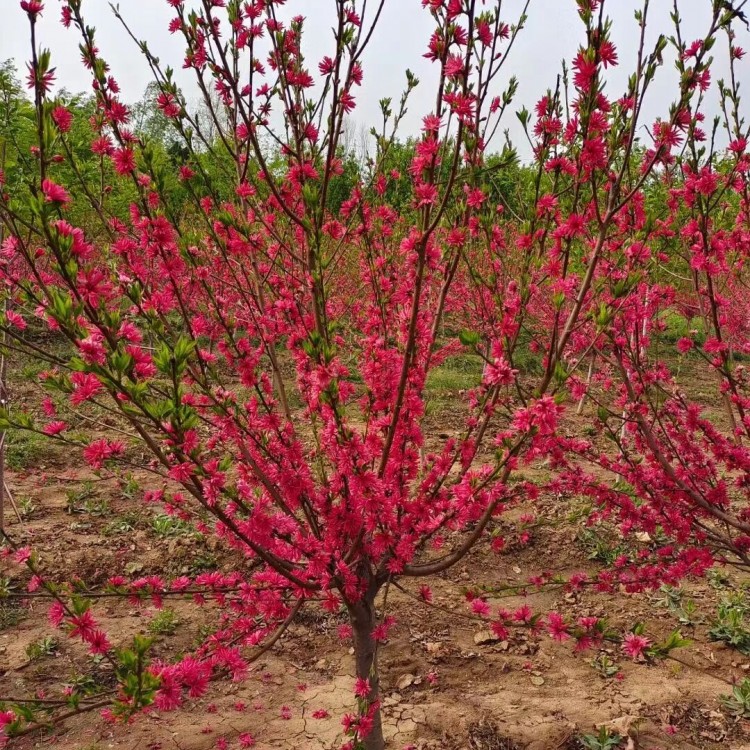
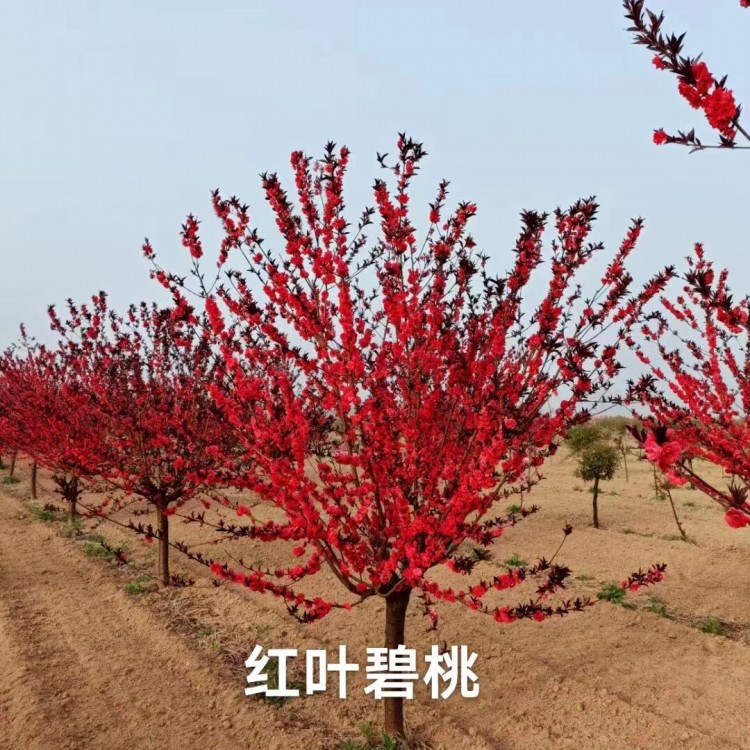
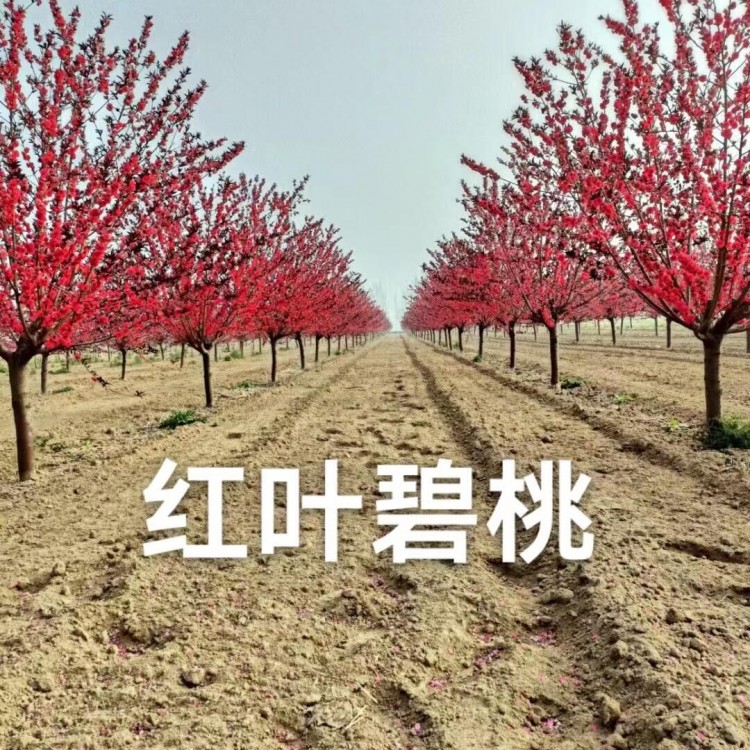









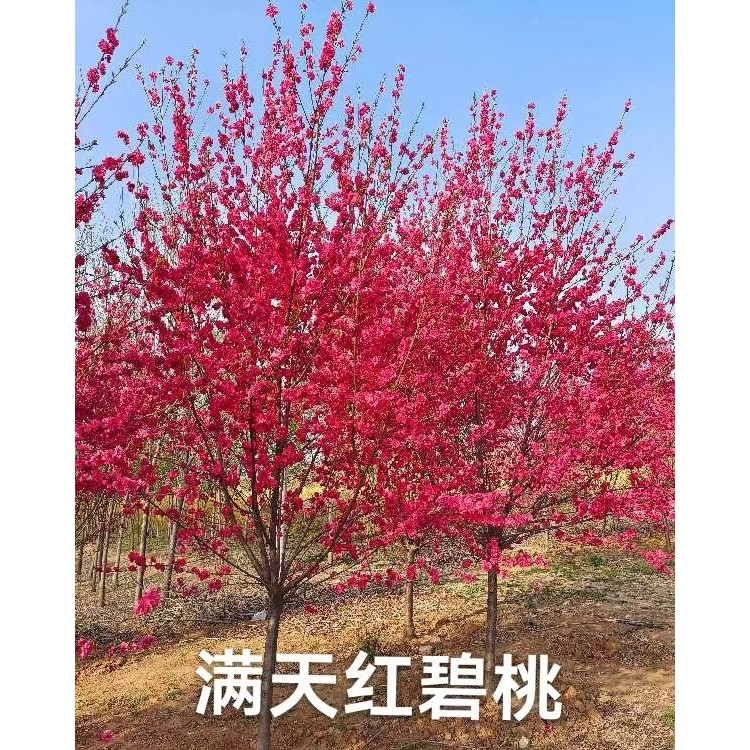
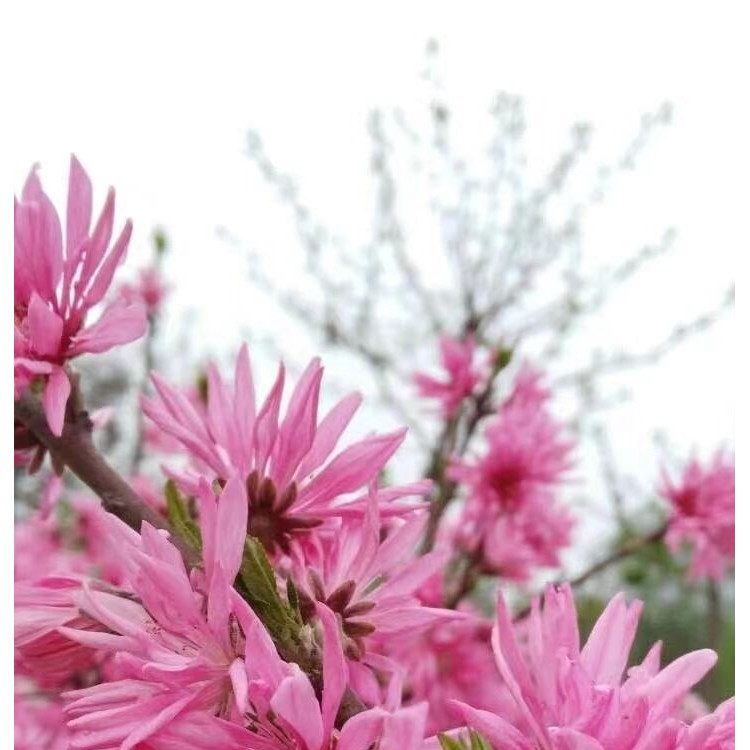
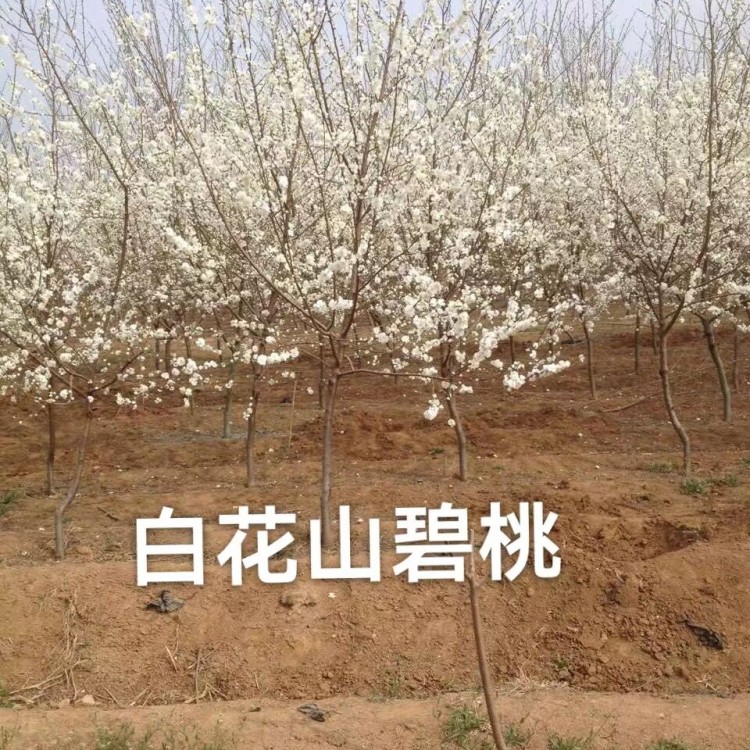
Red Leaf Peach is a deciduous small tree of the Prunus genus within the Rosaceae family, a variant variety of the Peach. Its branches are reddish-brown, with alternate single leaves that are ovate-lanceolate in shape. In the early growth stage, the leaves are bright red. The flowers are double-petaled and pinkish. The drupes are spherical, with short downy hairs around the fruit skin and contain honeyed juice. The blooming period is from April to May, with flower bud differentiation concentrated in July and August.
Red Maple Peach is native to China, commonly found in areas such as northwestern China, East China, and South China. It thrives in warm, sunny environments and grows best between 15-30°C. It prefers deep, fertile, and well-drained soil but is not tolerant of waterlogging, alkaline soil, or clayey soil. Red Maple Peach is usually propagated through grafting.
Red Maple Peach, as an important ornamental plant, is widely used in environmental greening and courtyard beautification. Once its fruit ripens, it becomes a premium edible suitable for all ages.
Whether using large field seedling cultivation or self-sufficient courtyard seedling cultivation, the selected seedling plot must be level, with a windward and sunny aspect, loose soil texture, deep and fertile, easily irrigated, and well-drained. After selecting the seedling plot, it should be deeply or extensively tilled and meticulously prepared. Aim for a loose top layer and a solid bottom, fine soil, and evenly distributed fertile soil. Typically, this is done before the frost fall, and at the same time, sufficient base fertilizer should be applied, including: 3,000 to 5,000 kg of farmyard manure per mu and 50 kg of superphosphate per mu. Upon completion of the land preparation, prepare seedbeds of varying lengths depending on the terrain and the amount of seedlings needed, with a width of 1 meter each.
The rootstock for Red Maple Peach mainly includes Mountain Peach and Downy Peach. Mountain Peach is highly resistant to cold, drought, and salinity, with good grafting affinity and high survival rate. Seedlings grafted onto this rootstock are suitable for cultivation in northern China.