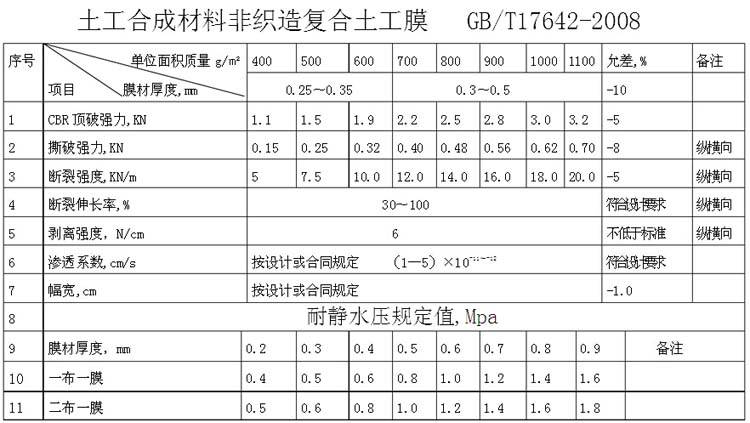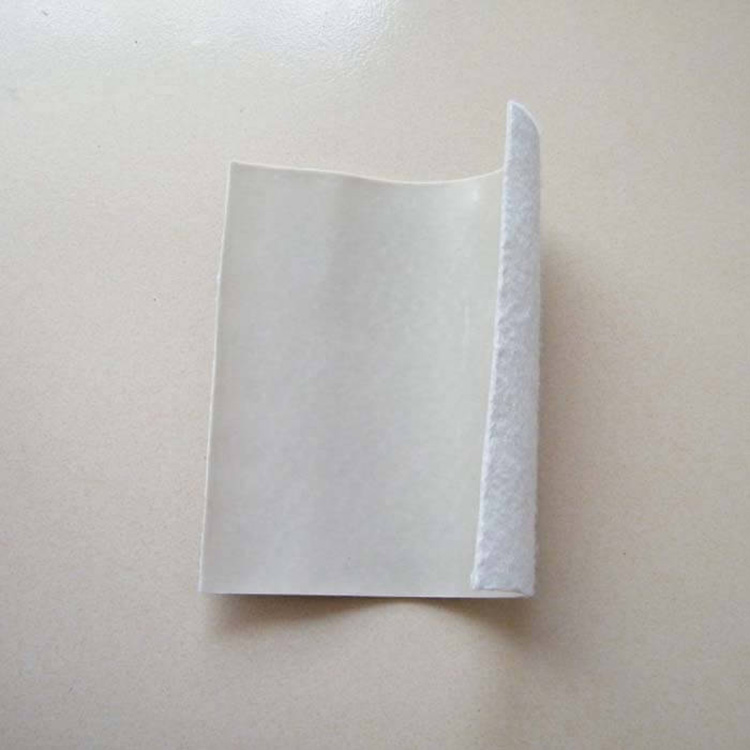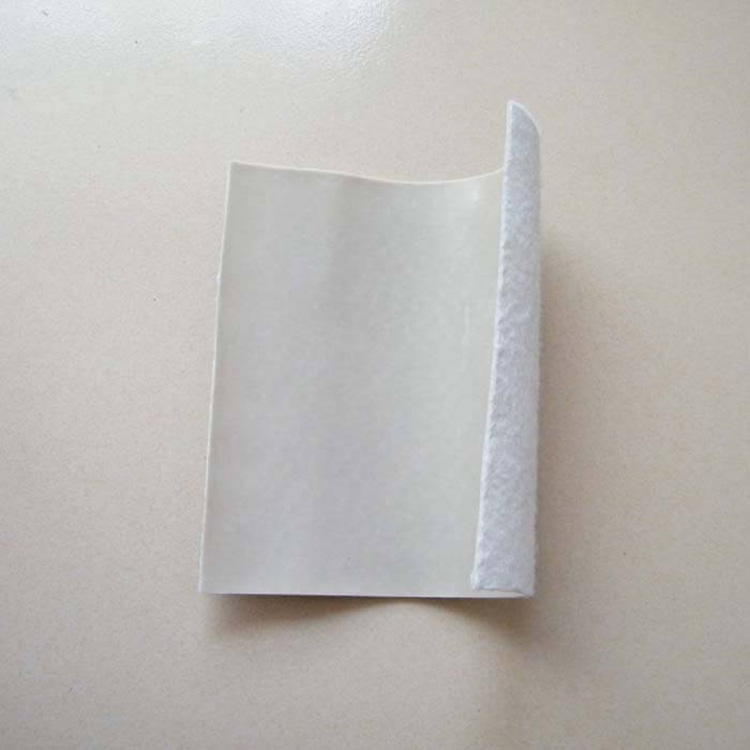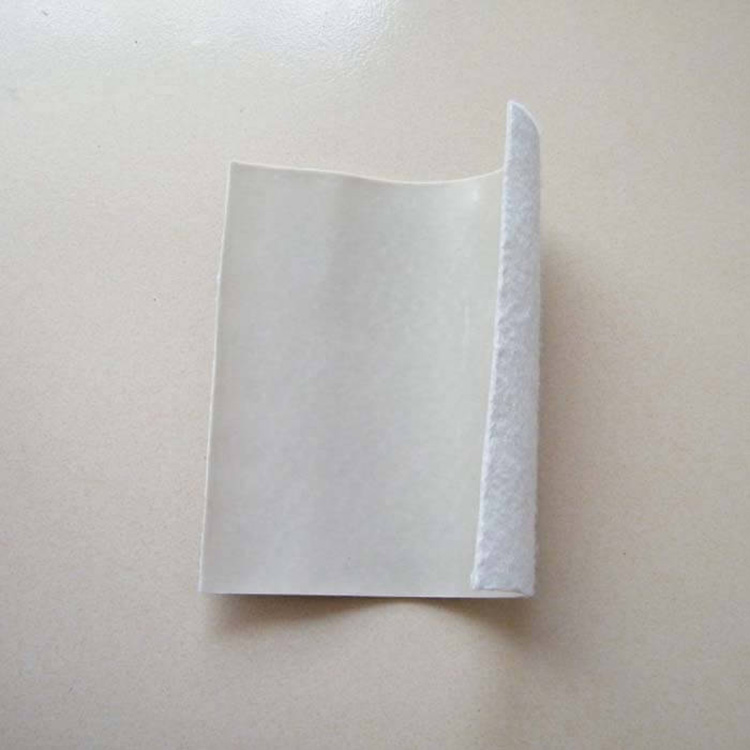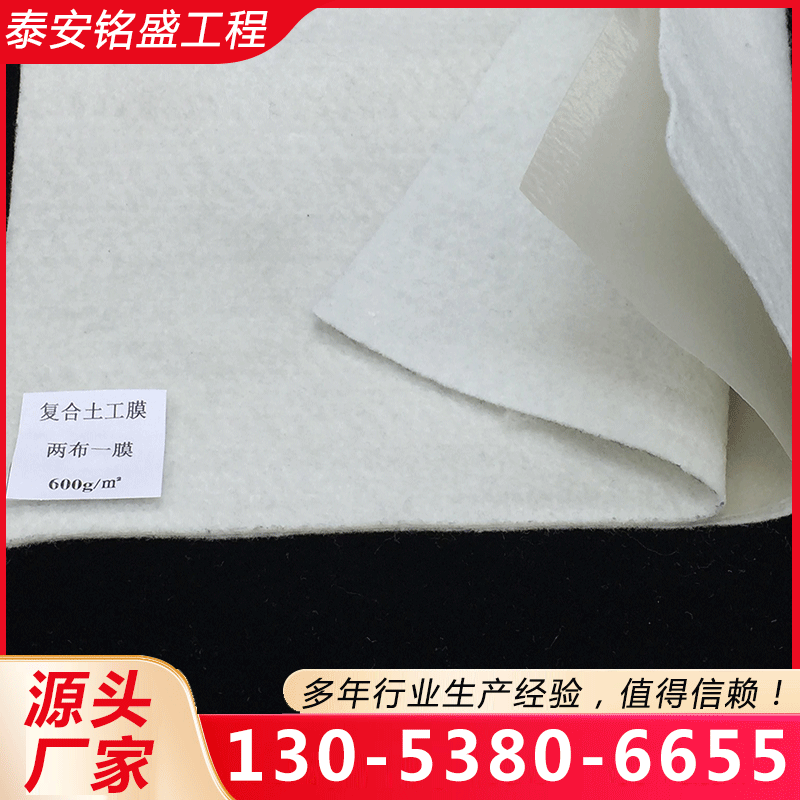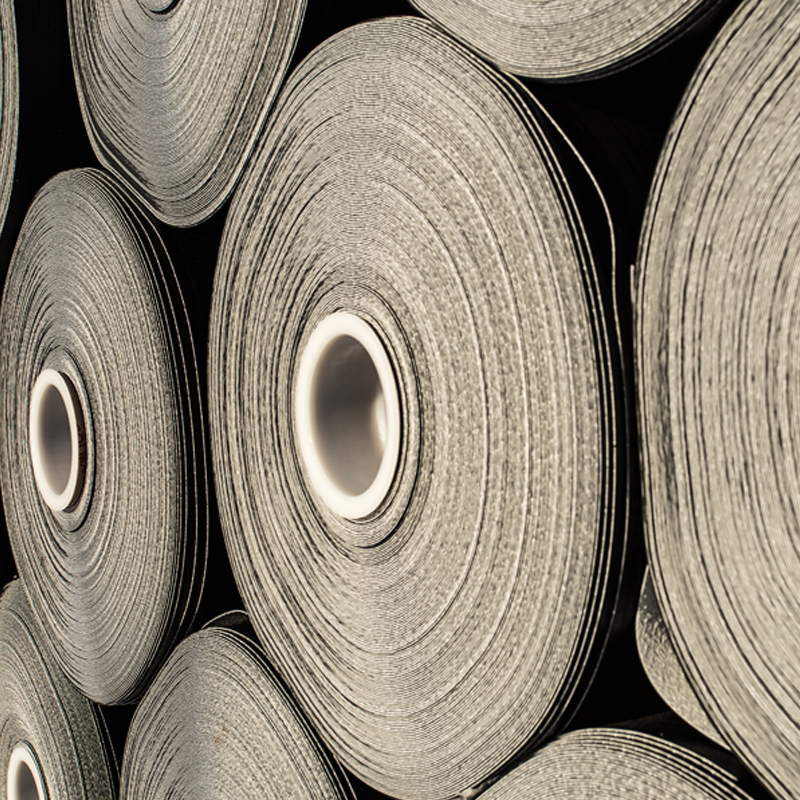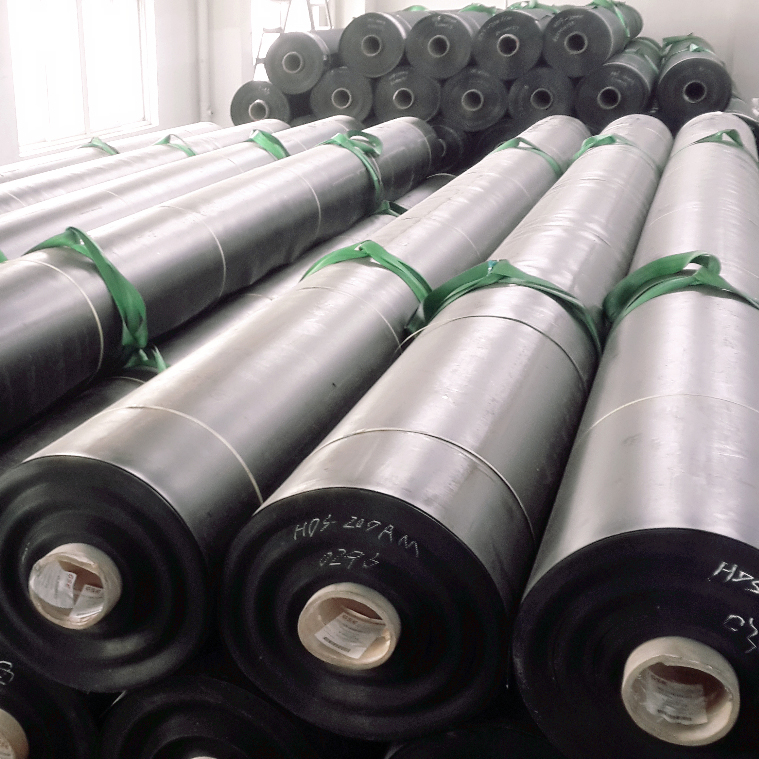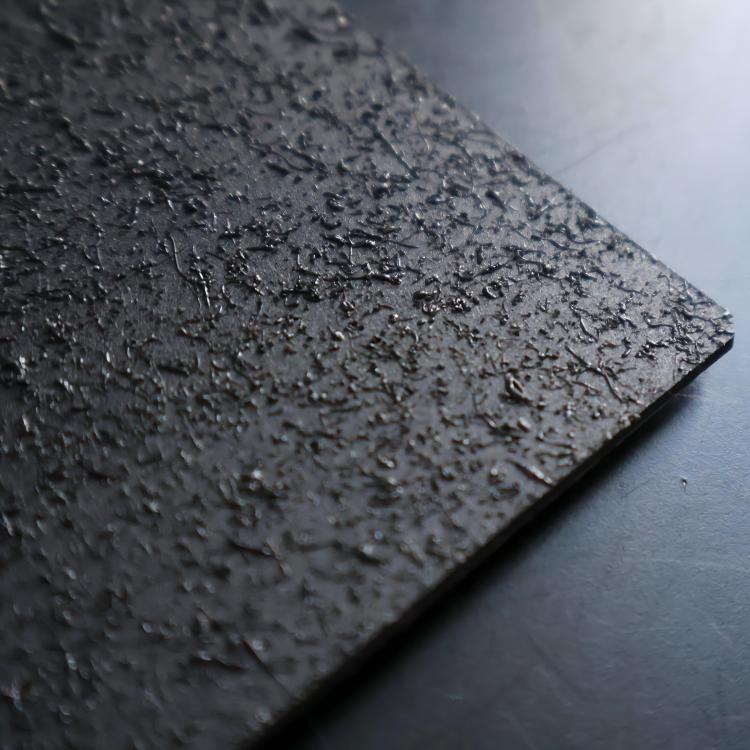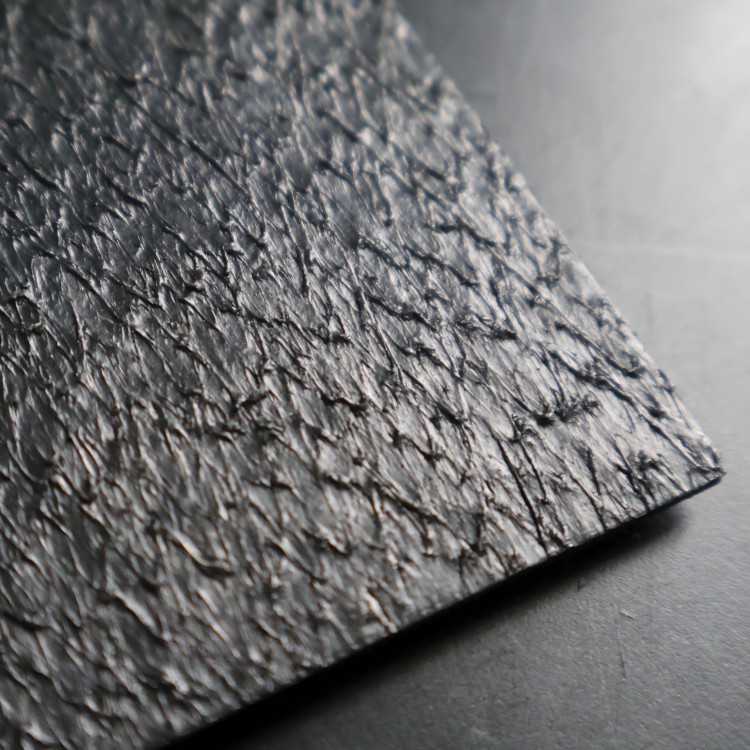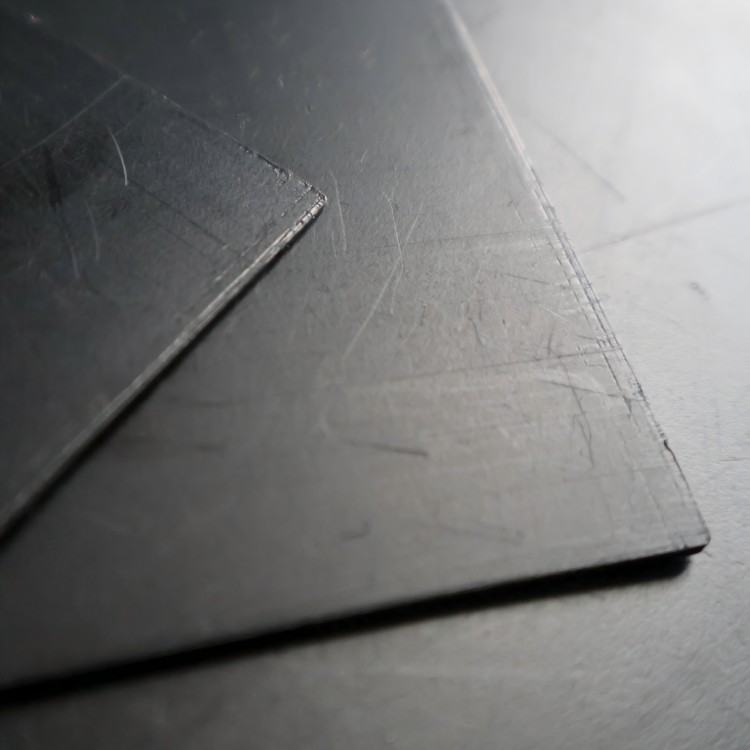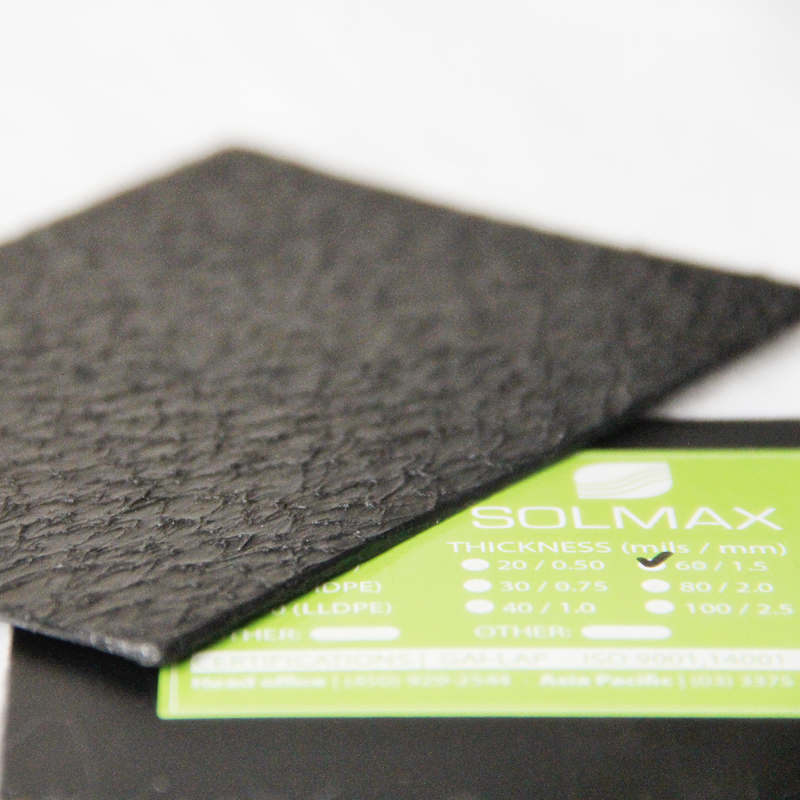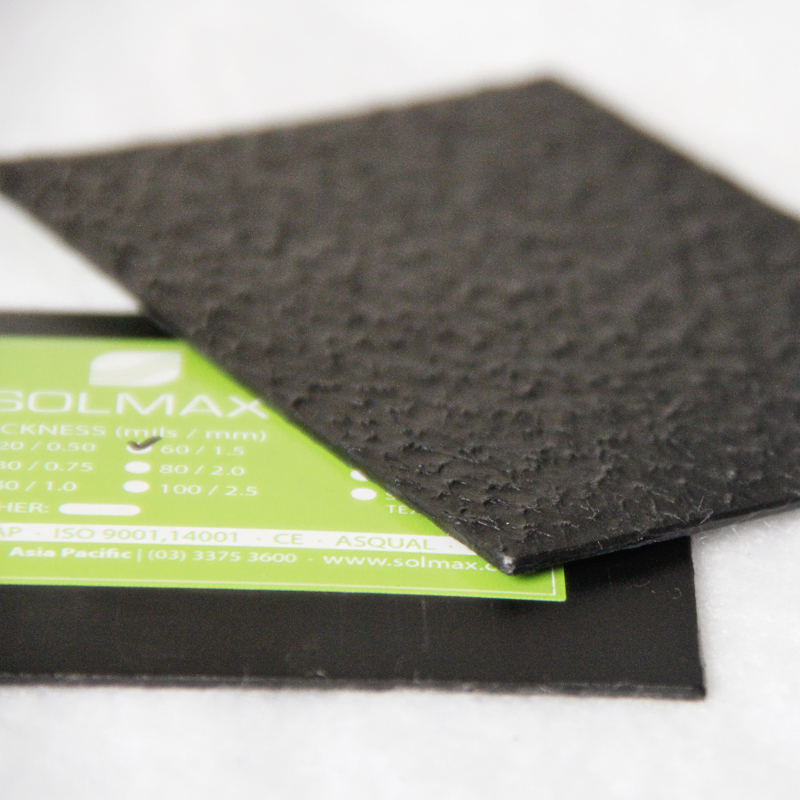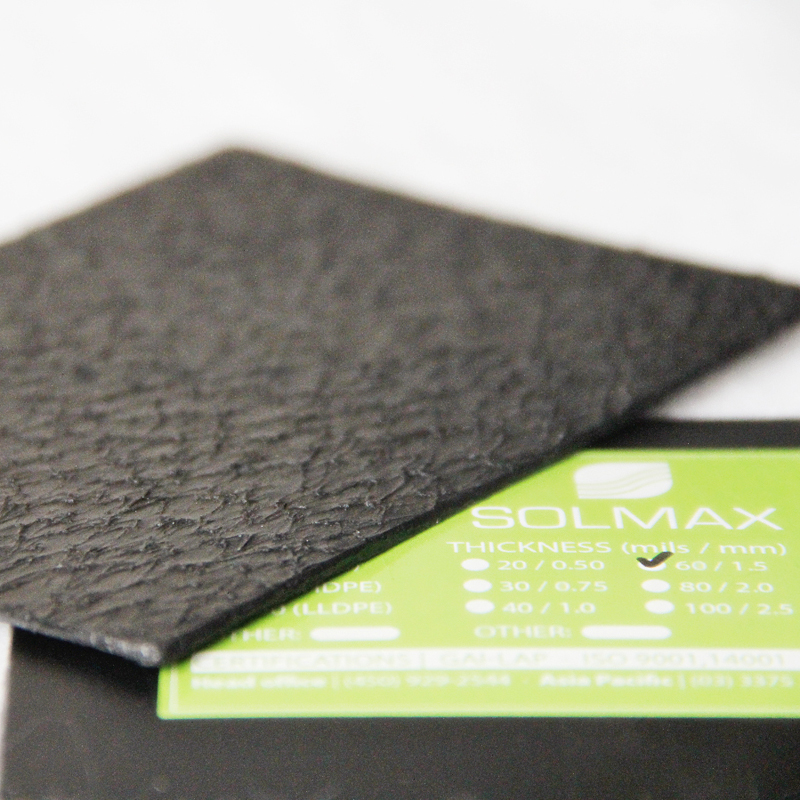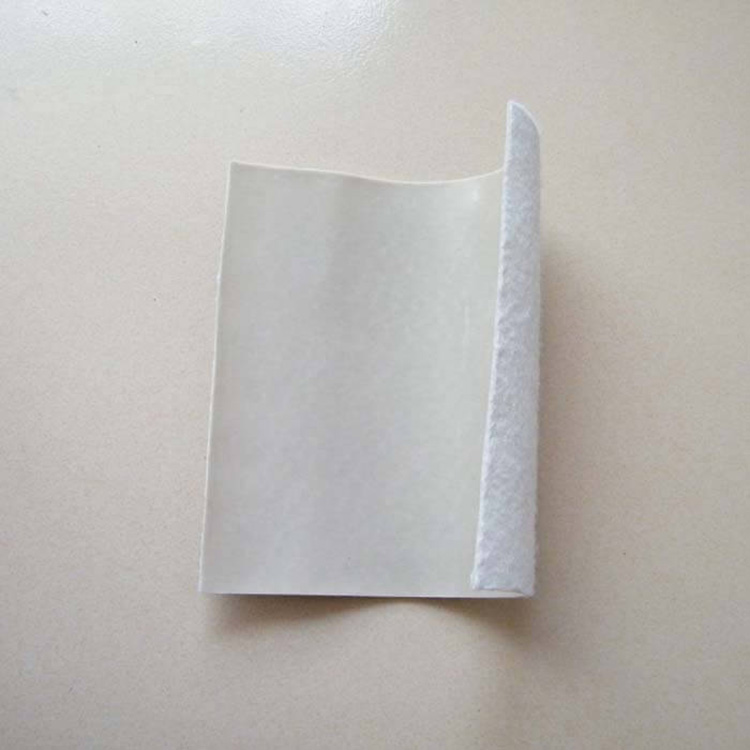

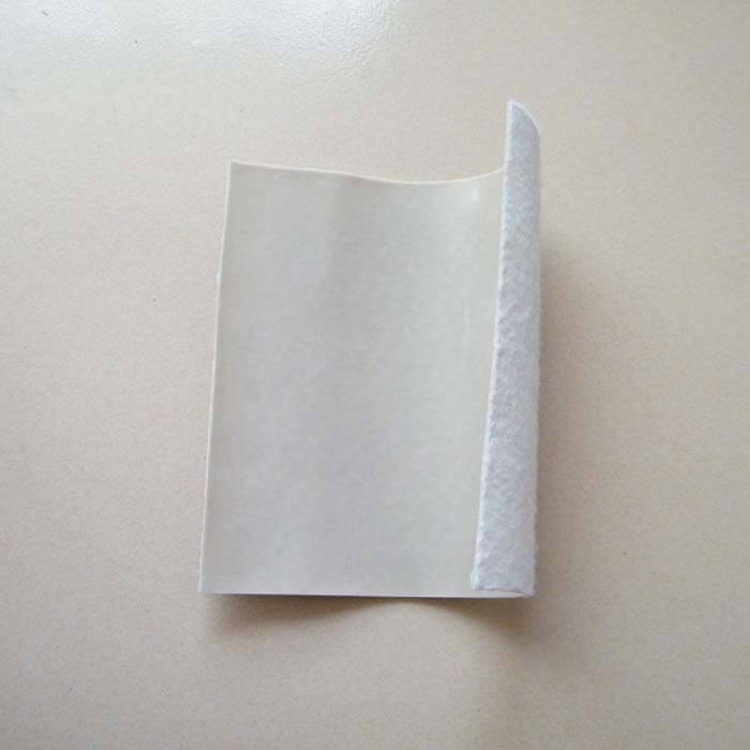

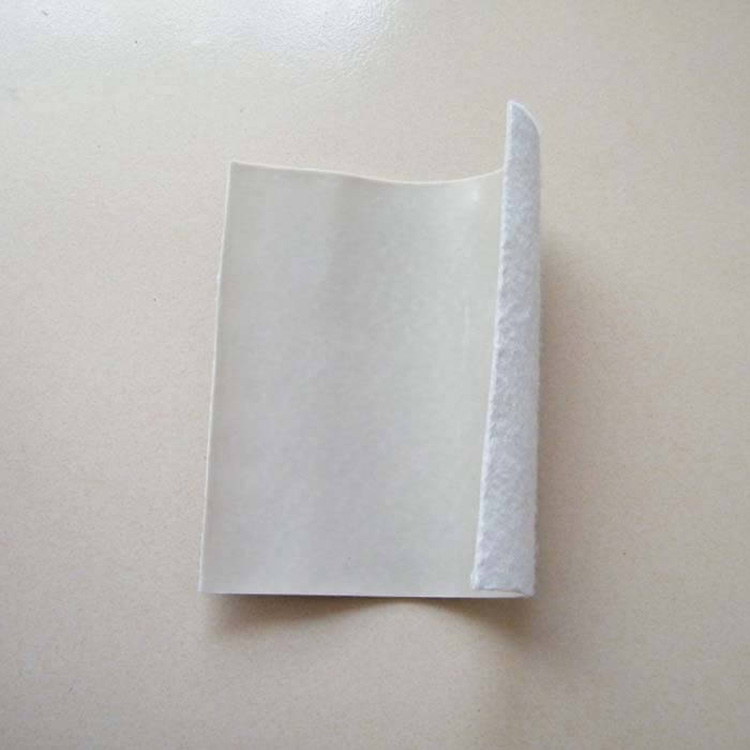


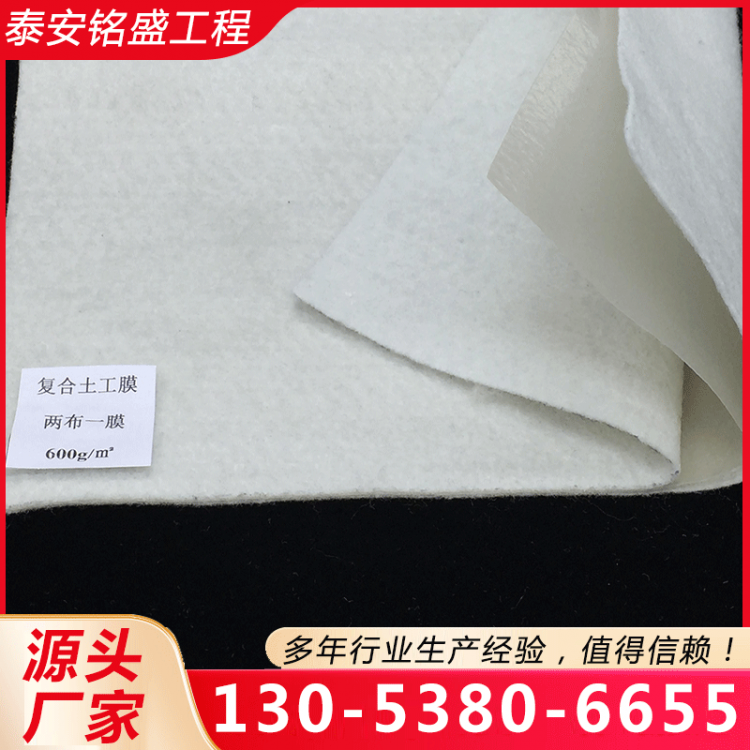
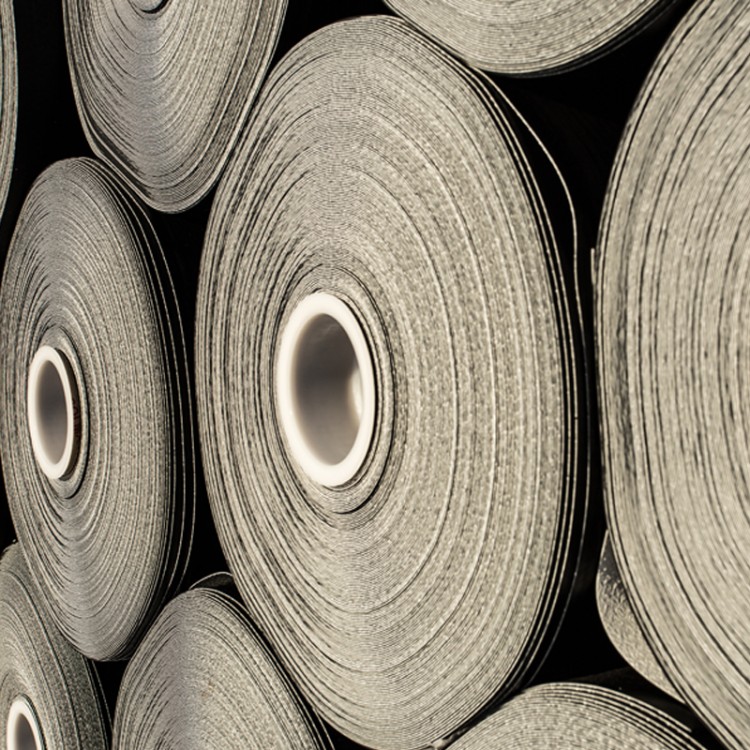

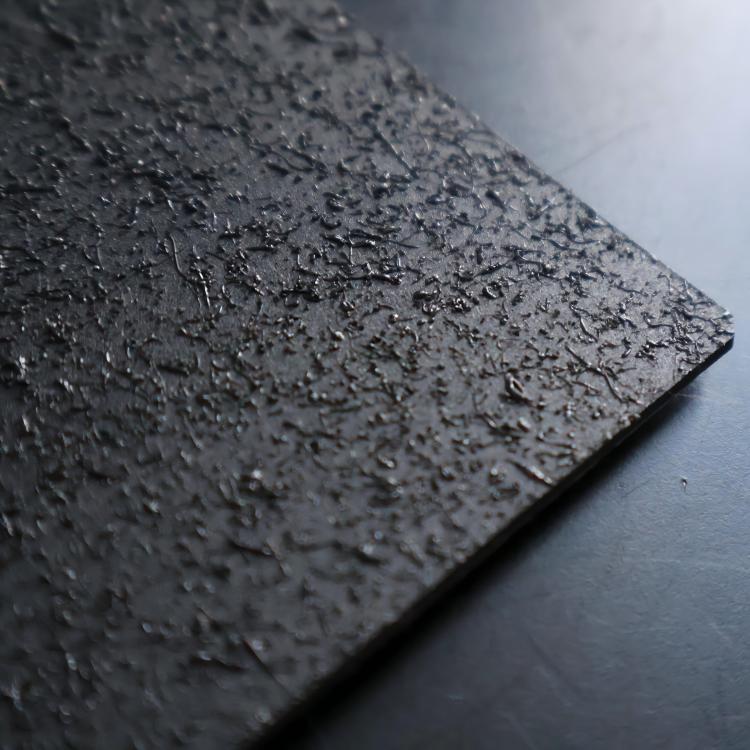






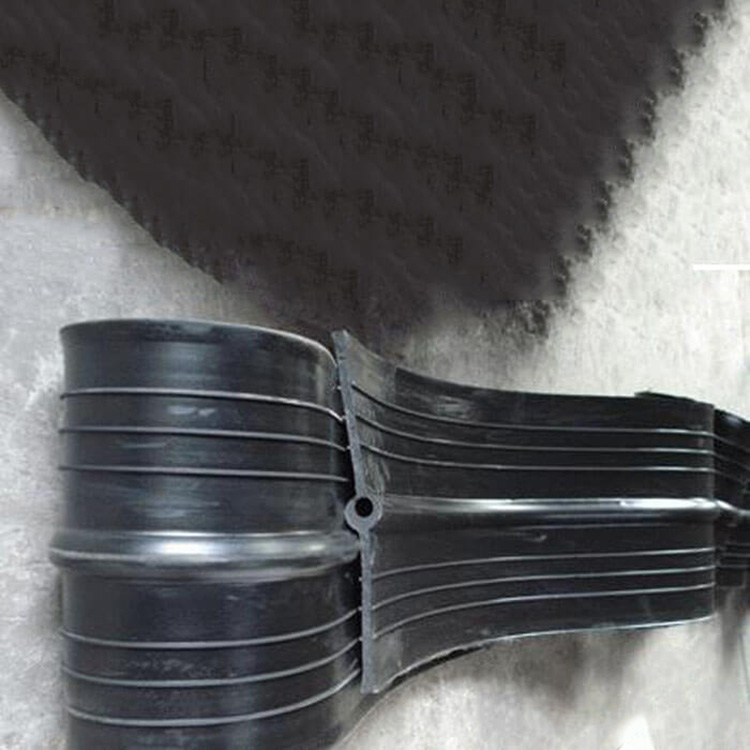
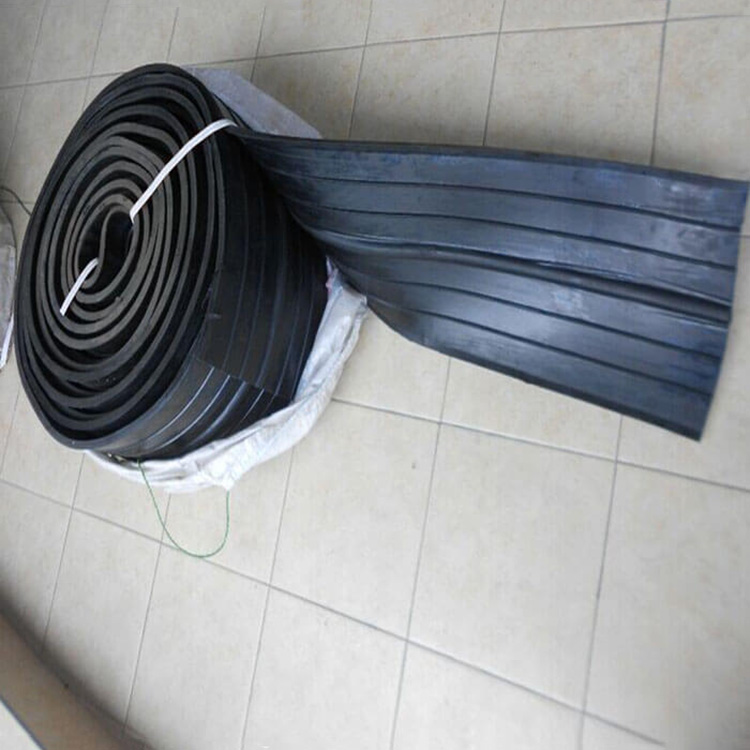
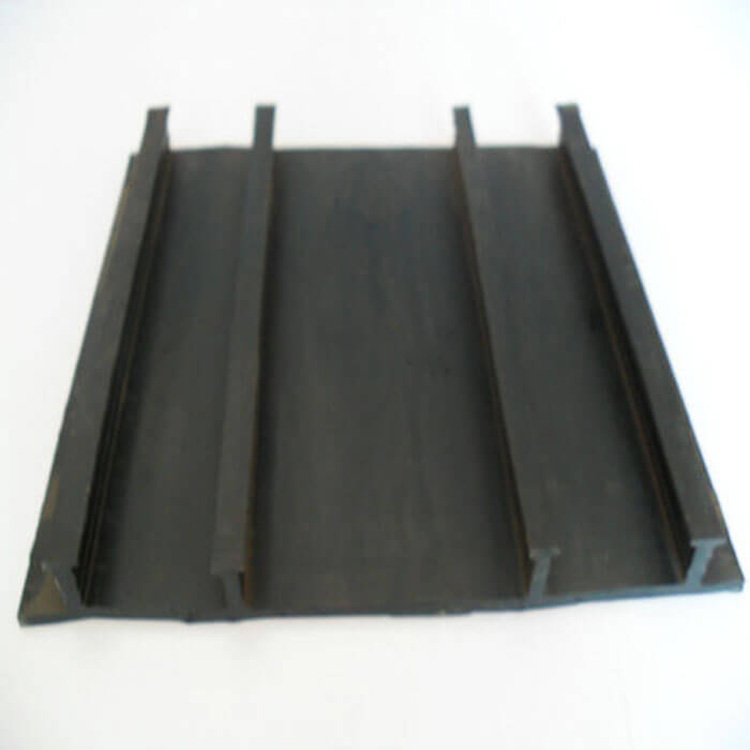
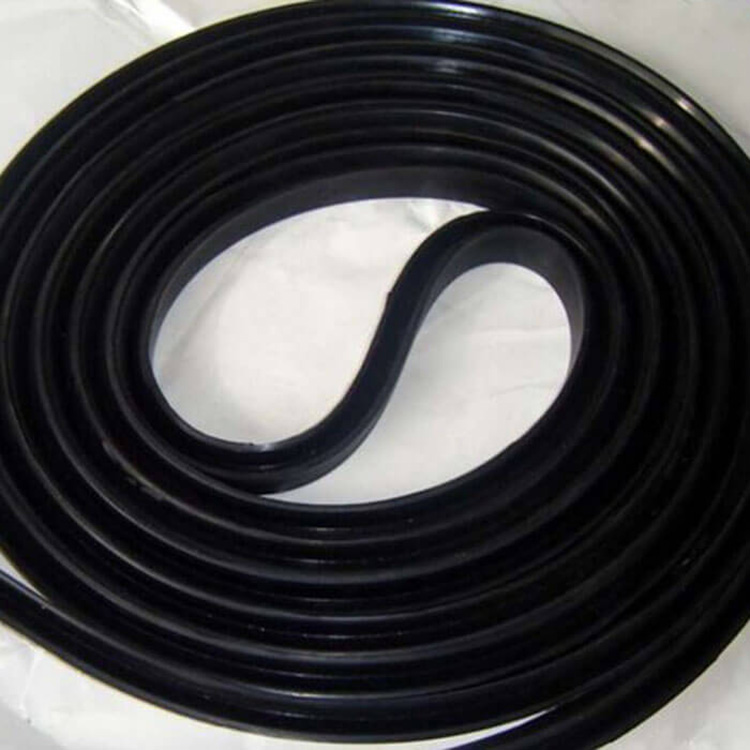
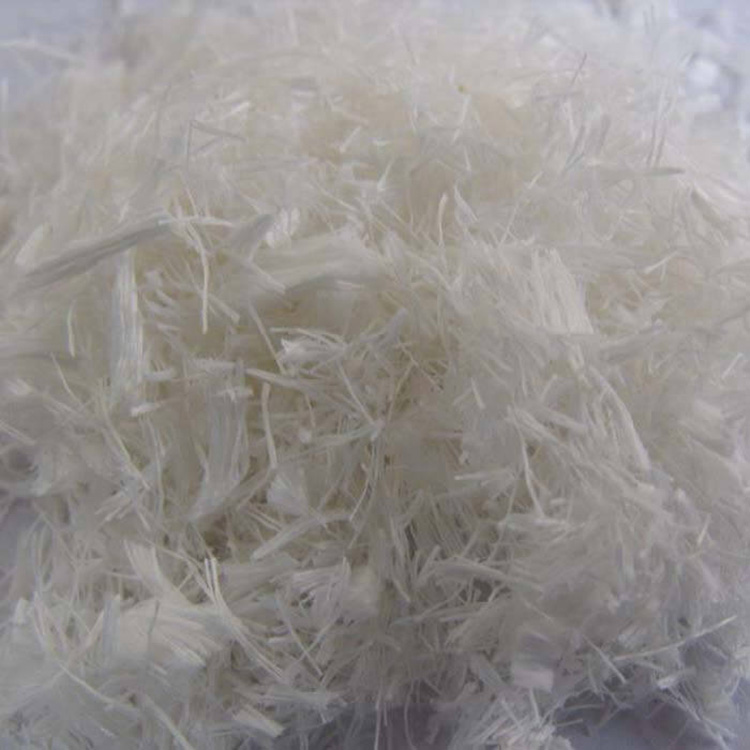
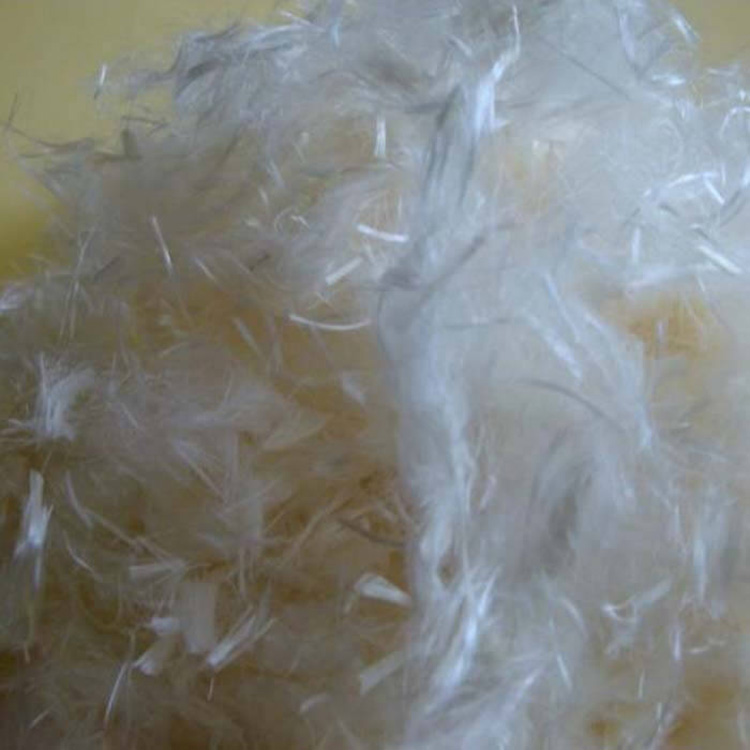
Composite geomembrane is made by bonding non-woven geotextile, woven geotextile, or knitted geotextile with polyethylene, either through thermal bonding or by directly coating with PE film. It features plane drainage and anti-seepage properties. (Additionally, composite waterproof boards made of EVA material can also be referred to as composite geomembrane.) Composite geomembrane is available in single geotextile and single film, or double geotextile and single film configurations, with widths of 4-6 meters and weights ranging from 200 to 1500 g/㎡. It boasts high tensile, tear resistance, and puncture resistance, along with excellent strength, good elongation properties, high modulus of deformation, resistance to acid and alkali corrosion, aging resistance, and good anti-seepage performance.
Product Application:
1. Urban municipal environmental protection, waste management and seepage prevention projects (such as domestic waste landfill, wastewater treatment, hazardous material disposal sites, hazardous goods warehouses, industrial waste, construction and blasting debris, etc.)
2. Water conservancy seepage prevention projects (such as seepage prevention, leakage plugging, reinforcement, seepage prevention of canals, vertical core walls, slope protection, etc.)
3. Municipal engineering for seepage and waterproofing (subway projects, underground structures and rooftop water tanks of buildings, waterproofing for rooftop gardens, internal lining of sewage pipelines, etc.)
4. Landscape and Garden Water Feature Waterproofing Projects (artificial lakes, ponds, golf course pond linings, slope protection, etc.)
5. Anti-seepage and anti-corrosion engineering in metallurgy and petrochemical industry (including anti-seepage for storage tanks in chemical plants, oil refineries, and gas stations, inner linings for reaction pools and sedimentation ponds, secondary linings, etc.)
6. Mine Industry Seepage and Corrosion Prevention Projects (including washing pools, leach pads, ash fields, dissolution ponds, sedimentation ponds, storage yards, and low-lining seepage prevention for tailings)
7. Seepage control projects for transportation infrastructure (foundation reinforcement for highways, seepage prevention for culverts)
Technical Specifications: