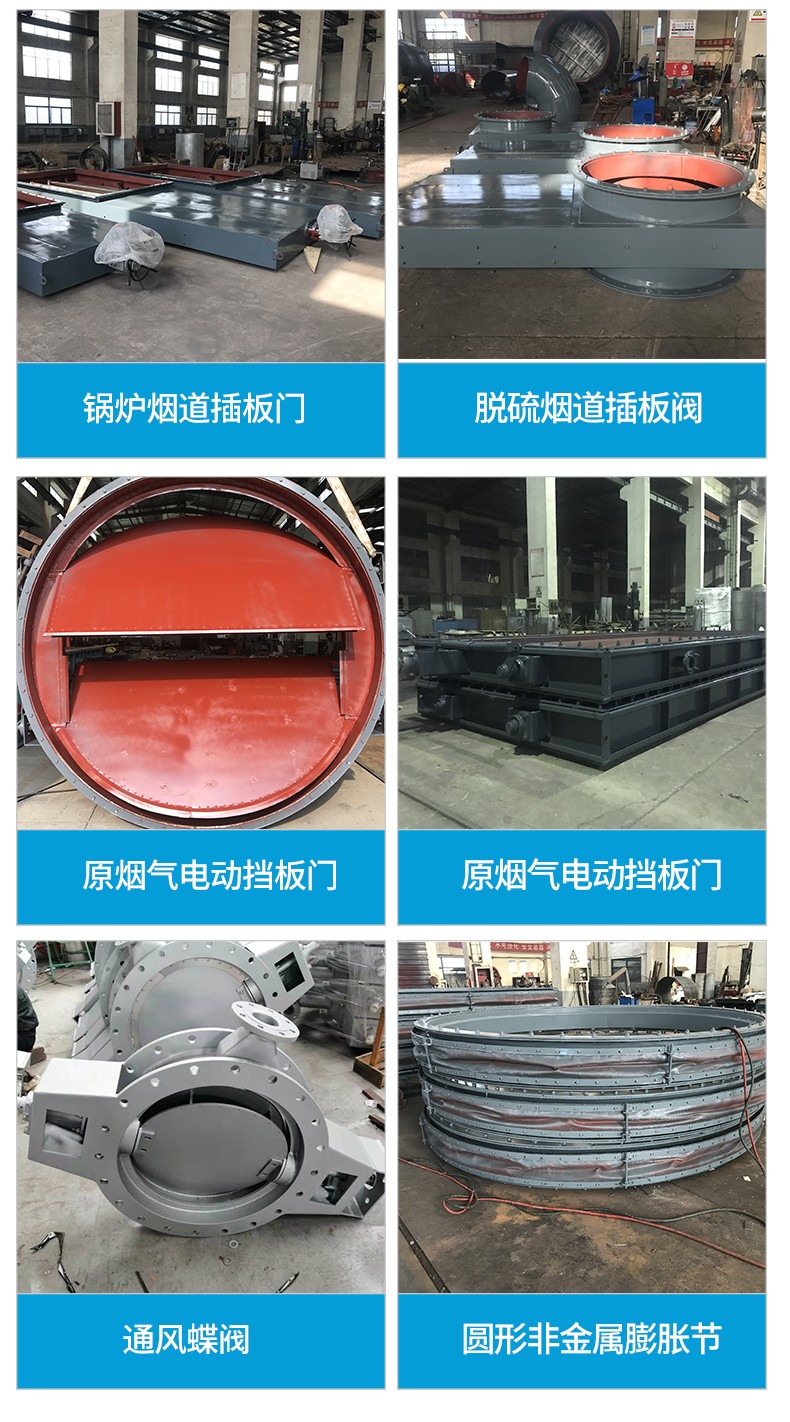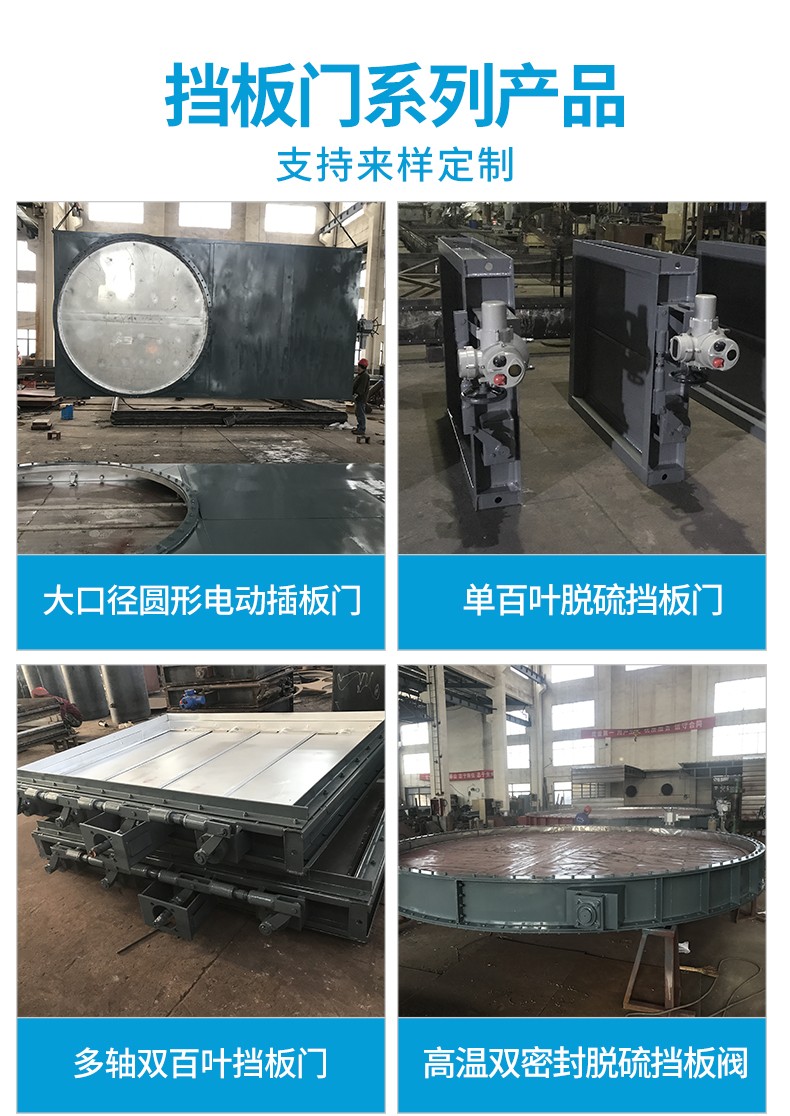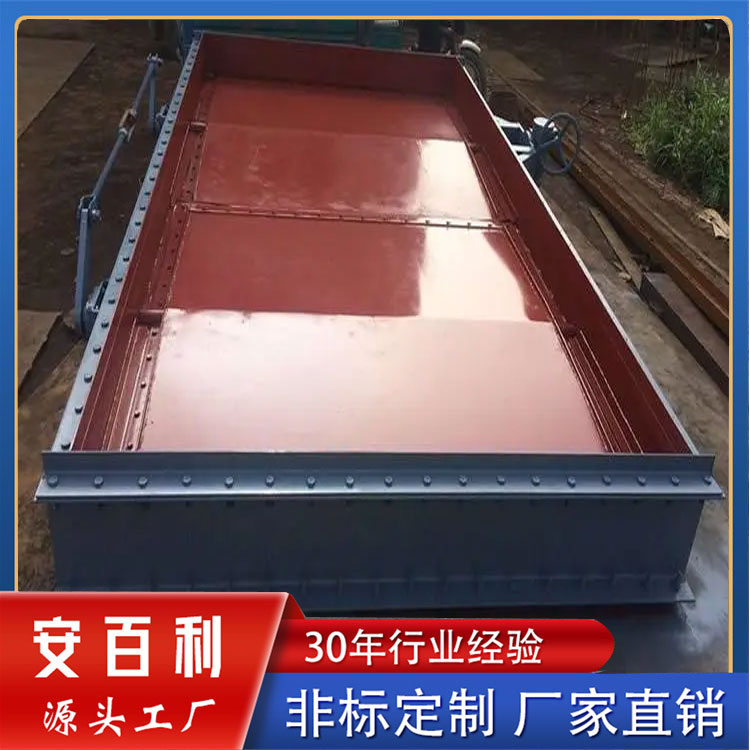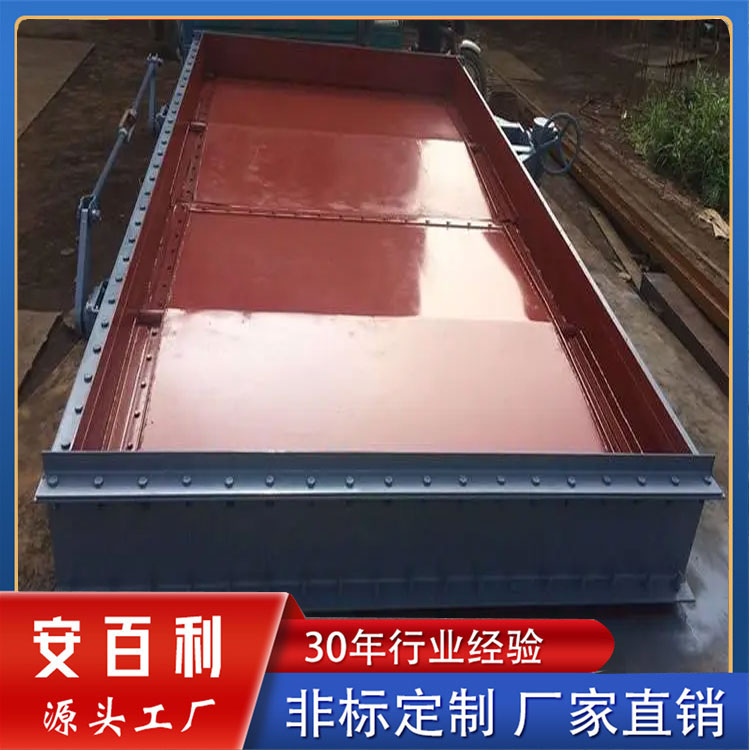

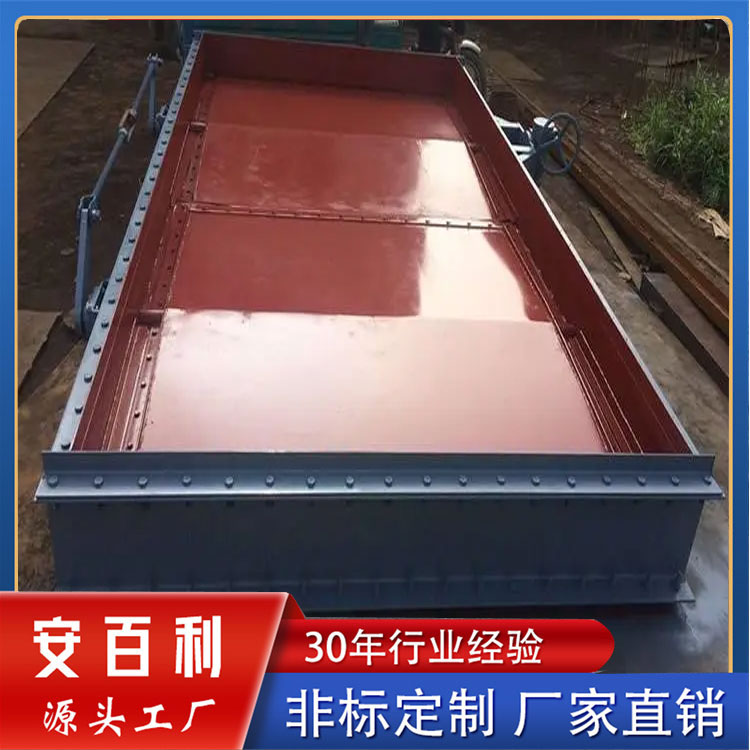

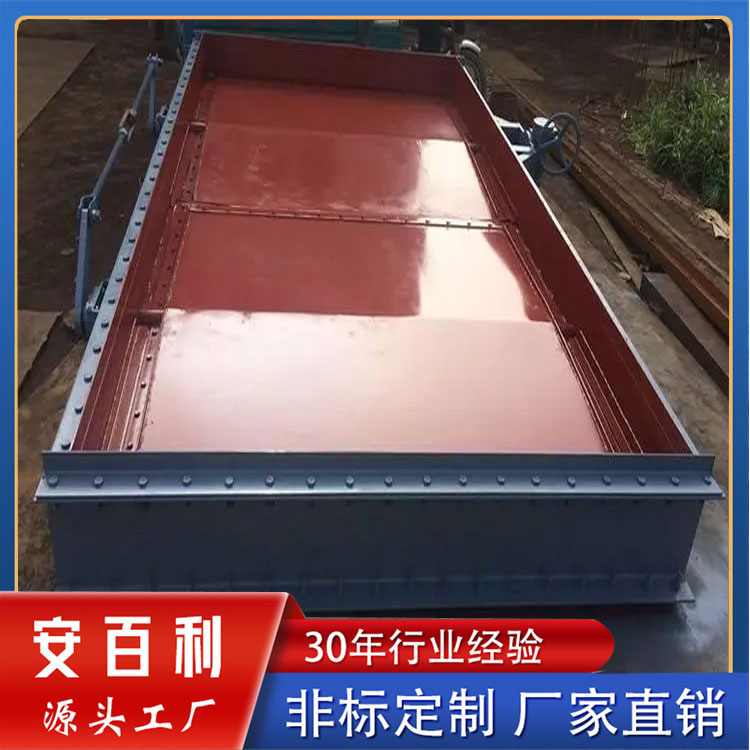

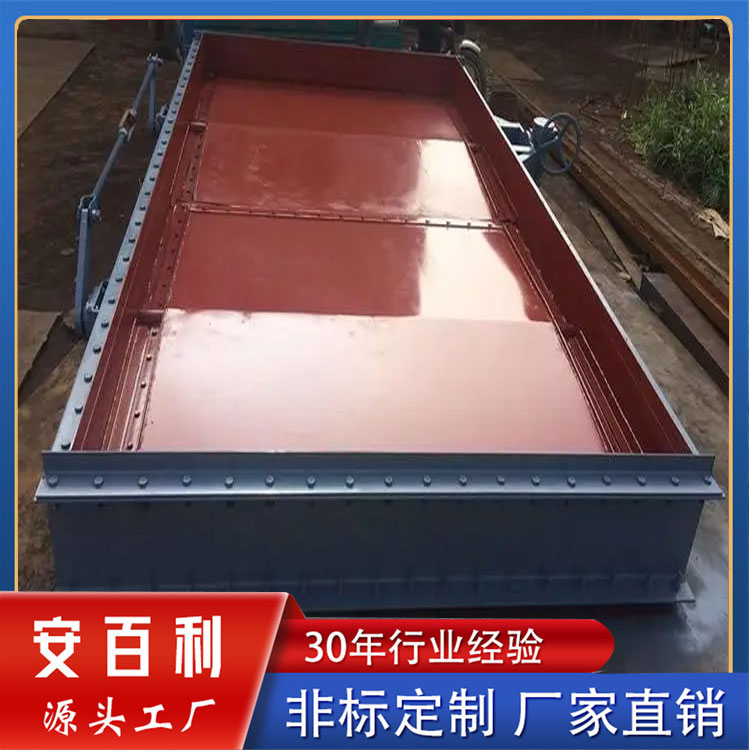








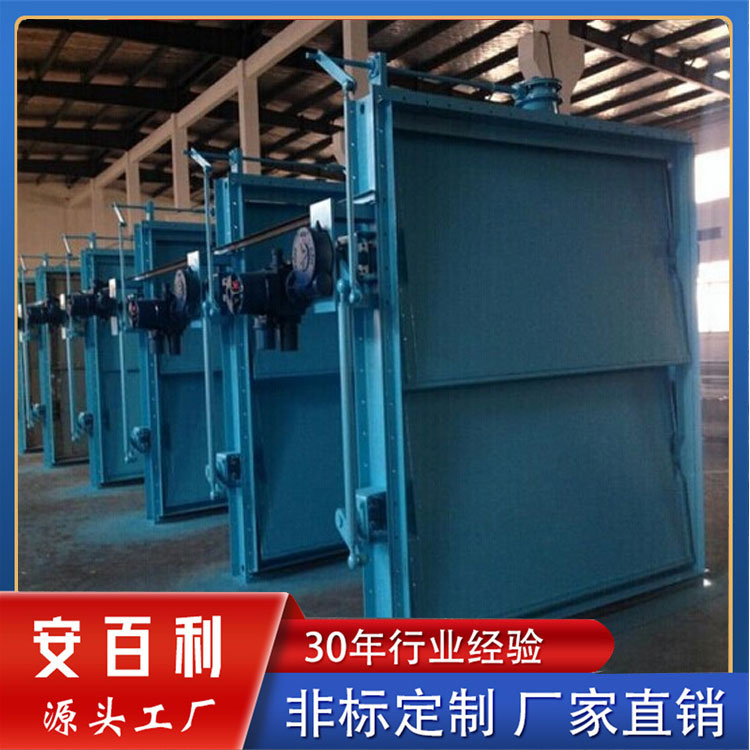
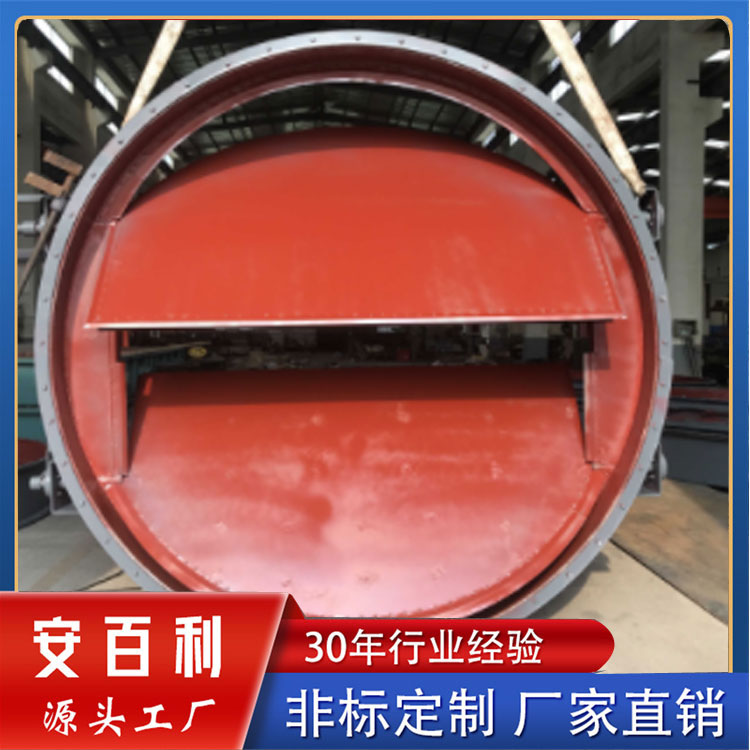
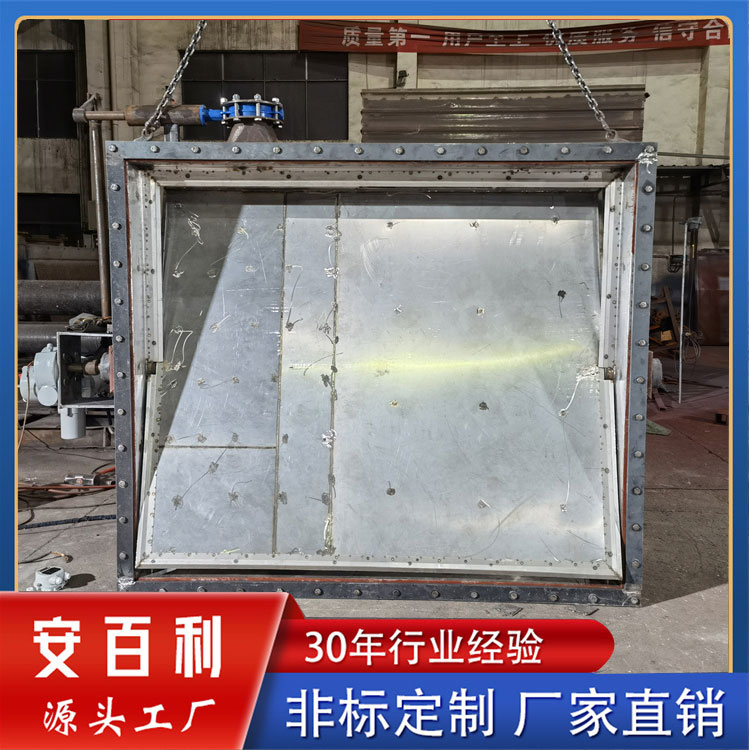
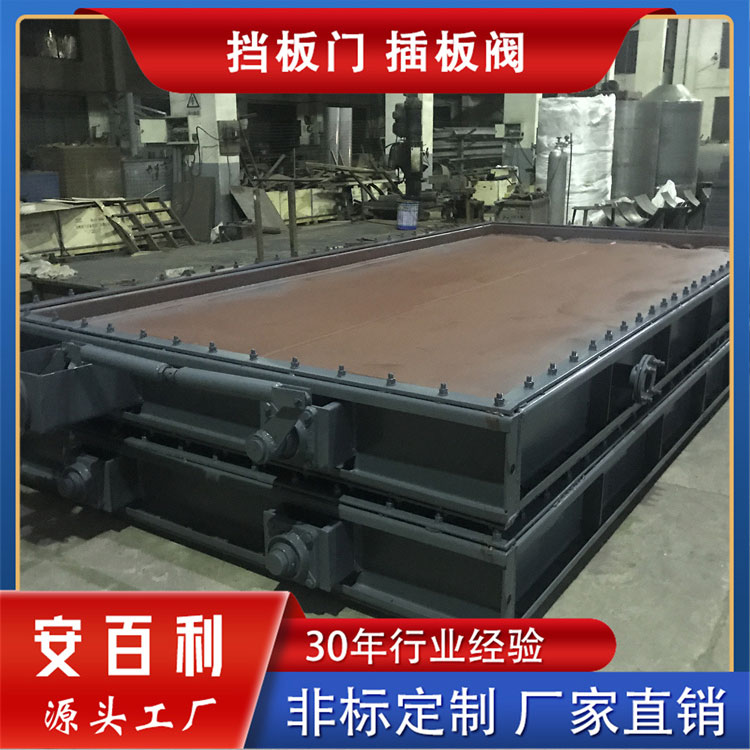
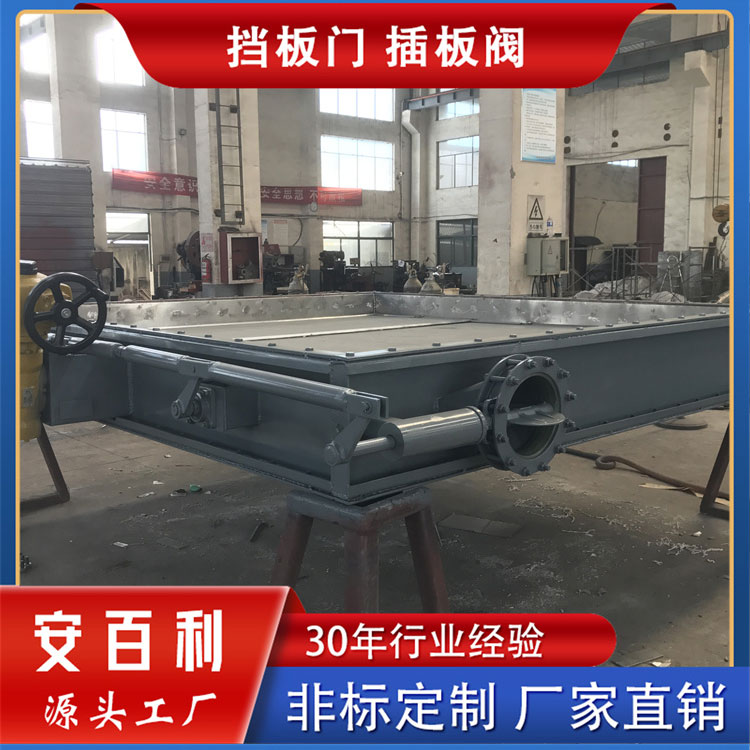
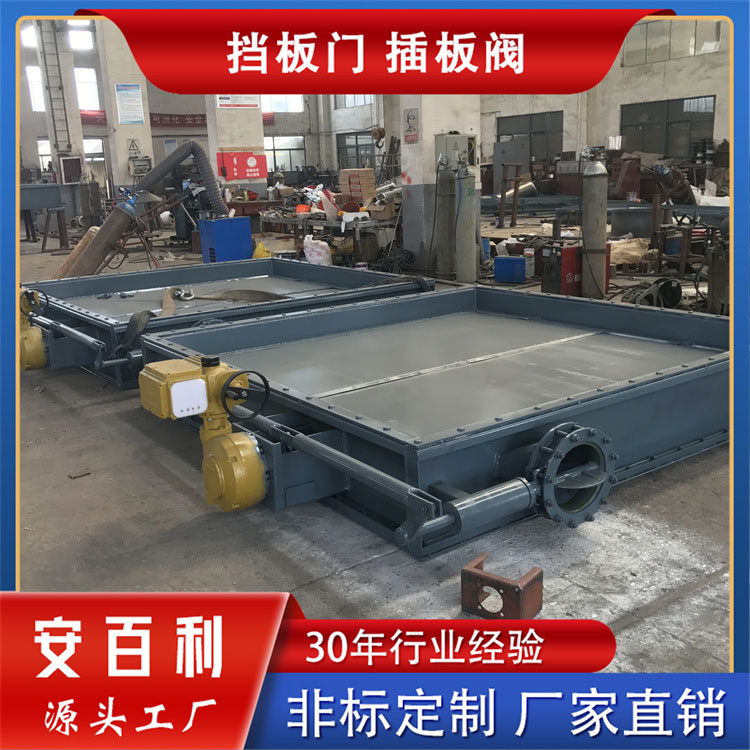
The smoke channel shutter door features a double-layer louvered panel design, produced using advanced foreign technology. It is used in the flue gas desulfurization system's absorption tower inlet and outlet, or bypass flue, as well as in flue gas denitrification and dust removal systems. The damper typically employs a double-layer louvered panel structure, where a seal is inserted between the panels when closed to isolate and shut off the flue gas.
■ Employed a single-axis-driven double-leaf shutter baffle structure with a sealed chamber designed between the double leaves for introducing sealed air. This seals air at a pressure exceeding 500Pa higher than the flue gas pressure into the baffle, creating a sealed air isolation layer between the double baffles, blocking the passage of flue gas flow.
The external design features a linkage mechanism, allowing multiple blades to open or close synchronously.
The double-plate design features a sealed air inlet valve, which, after introducing sealed air, ensures a sealing efficiency of ≤0.1%.
The drive unit is typically connected and installed with the air door using a direct-connection design.
■ Connection method of air damper and pipe: Flanged sealed welding or flanged bolt connection.
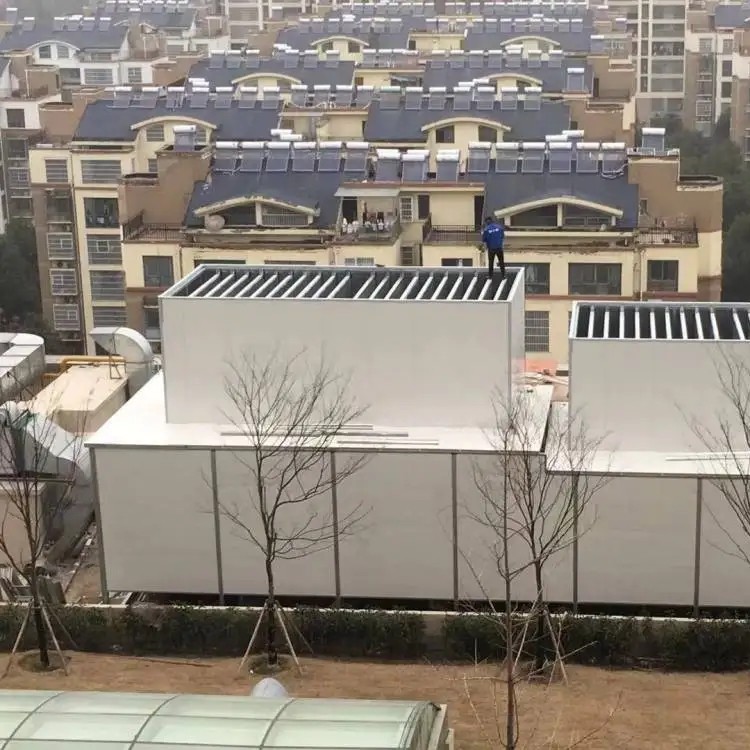
The smoke damper doors are primarily used on the inlet and outlet or bypass flues of flue gas desulfurization systems, or for flue gas denitrification and dust removal systems. The air door dampers typically feature a double-layer louvered damper structure. The air doors are equipped with special sealing devices for excellent sealing performance. The blowpipe silencer, safety valve silencer, and leakage rate executor can be operated electrically or pneumatically, allowing for remote or local operation. The opening and closing times can be set according to requirements.
Flue damper door, addressing technical issues such as: The existing flue damper doors lack an emergency handwheel mechanism on the straight-travel pneumatic actuator, making it impossible to manually open and close the damper blades in case of emergencies or maintenance; excessive pressure inside the air cavity of the damper door seal can easily cause blade deformation. The technical solution is: A flue damper door including a frame, at least one rotating door mounted on the frame, a driving device mounted on the frame to drive the rotation of the door, and a sealing butterfly valve mounted on the frame to seal between the frame and the rotating door; said sealing butterfly valve is connected to the driving device via a linkage assembly; said rotating door includes two blades, with metal sealing strips around both blades that fit the frame; said metal sealing strips form an air cavity between the frame; the blades are arc-shaped.